Cinnamon Graham Crackers
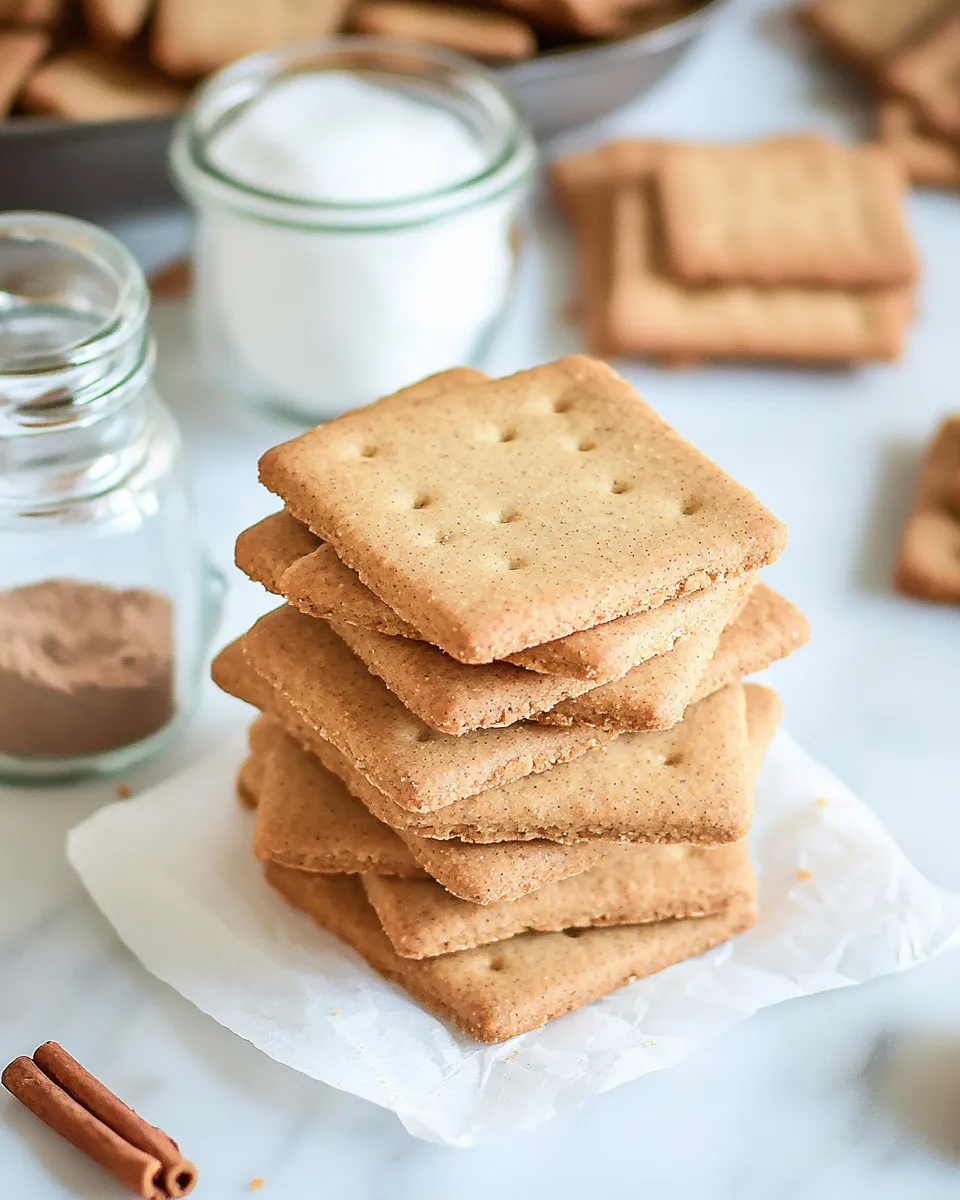
I fell in love with these crackers the first time I baked them: warm, fragrant, and sturdily sweet in a way that begs for nut butter or a drizzle of honey. They have that familiar graham-like snap, but the cinnamon and molasses give them a deeper, toastier character that makes them feel homemade in the best possible sense.
This recipe is straightforward and forgiving, which I appreciate on busy afternoons when I want something crunchy and wholesome without fuss. The dough chills, you roll, cut, and bake—no special techniques required. The results are crisp edges, tender centers, and a sprinkle of turbinado sugar that adds a lovely crunch.
Below you’ll find a clear ingredient list with notes, step-by-step directions taken straight from the recipe, and practical tips for swaps, storage, and troubleshooting. If you bake just once this week, make it these crackers—they keep well and travel nicely.
Ingredient Rundown
Ingredients
- 1 cup (227 grams) unsalted butter, softened — provides richness and the base of the cracker’s tender texture. Use softened, not melted, for proper creaming.
- ½ cup (110 grams) firmly packed light brown sugar — adds moisture, mild caramel notes, and helps the crackers brown.
- 2 tablespoons (42 grams) molasses — gives that classic graham depth and a hint of chewiness.
- ½ teaspoon (2 grams) vanilla extract — balances flavors and rounds out the sweetness.
- 1¾ cups (219 grams) all-purpose flour, plus more for dusting — forms the structure. Reserve extra for dusting the surface and rolling pin.
- 1 cup (125 grams) whole wheat flour — supplies the nutty, wheaty character typical of graham crackers.
- 1½ teaspoons (3 grams) ground cinnamon — the star spice here; it warms the flavor without overpowering.
- ¾ teaspoon (3.75 grams) baking soda — a touch of lift so the crackers aren’t flat and hard.
- ½ teaspoon (1.5 grams) kosher salt — enhances all the flavors; don’t skip it.
- Turbinado sugar, for sprinkling — coarse crystals on top for sparkle and crunch once baked.
Cinnamon Graham Crackers: How It’s Done
- In the bowl of a stand mixer fitted with the paddle attachment, combine the softened unsalted butter and firmly packed light brown sugar. Beat at medium speed until creamy, about 3 to 4 minutes, stopping once or twice to scrape down the sides and bottom of the bowl.
- Add the molasses and vanilla extract to the butter mixture and beat on low speed until fully incorporated.
- In a medium bowl, whisk together the all-purpose flour (1 3/4 cups), whole wheat flour (1 cup), ground cinnamon, baking soda, and kosher salt until evenly mixed.
- With the mixer on low speed, add the flour mixture to the butter mixture gradually, mixing just until no large streaks of flour remain and the dough comes together.
- Turn the dough out onto a lightly floured work surface. Shape it into a rough rectangle, flatten slightly, wrap tightly in plastic wrap, and refrigerate for 1 hour.
- When the dough has chilled for 1 hour, preheat the oven to 350°F (180°C) and line baking sheets with parchment paper.
- Heavily dust the work surface and a rolling pin with all-purpose flour. Unwrap the dough and roll it to an even 1/4-inch thickness.
- Dip a 2 1/4-inch fluted square cutter in flour, then cut shapes from the rolled dough. Transfer the cut crackers to the prepared baking sheets, spacing them about 2 inches apart. Reroll scraps as needed and continue cutting until all dough is used.
- Lightly sprinkle the tops of the cut crackers with turbinado sugar.
- Bake the crackers on the prepared sheets until the edges are golden brown and the centers are set, about 17 to 20 minutes.
- Let the crackers cool on the baking sheets for 5 minutes, then transfer them to wire racks to cool completely.
- Store cooled crackers in an airtight container for up to 1 week.
What Makes This Recipe Special
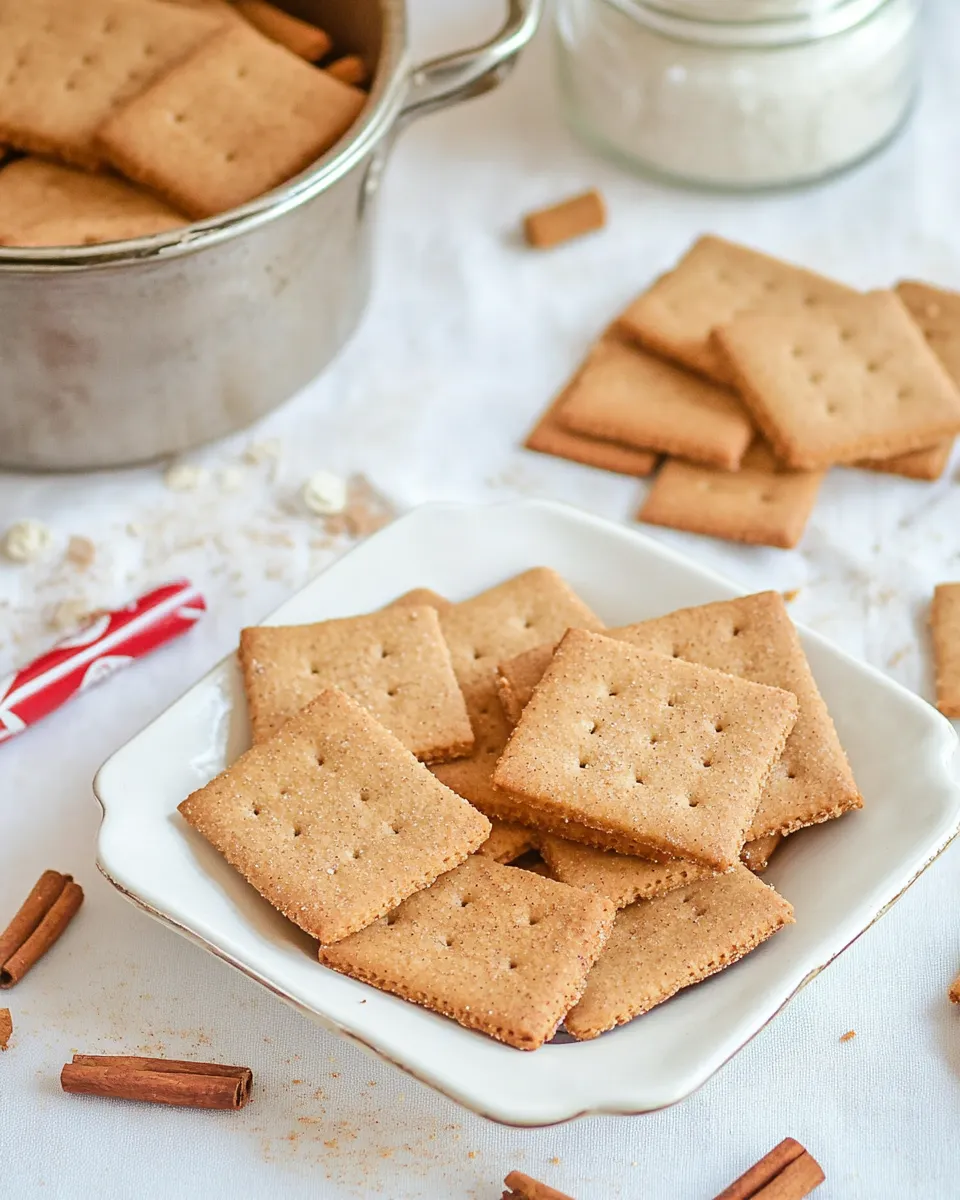
There are a few small choices here that make a big difference. The combination of all-purpose and whole wheat flours delivers structure and that classic graham flavor without being dense. Molasses—just two tablespoons—adds a deep, toasty note that pulls the flavor toward traditional graham crackers. Brown sugar keeps the texture slightly chewy while helping the crackers brown evenly.
The dough is chilled before rolling, which makes it easy to handle and helps the crackers keep their shape while baking. And the turbinado sugar on top is a simple, old-fashioned flourish that gives each bite a pleasant snap and glitter.
Budget & Availability Swaps
- Unsalted butter — if salted butter is what you have, reduce added salt slightly or omit extra if the recipe calls for it elsewhere.
- Whole wheat flour — if you can’t find it, use an equal cup of all-purpose flour; the crackers will be less nutty but still enjoyable.
- Molasses — if unavailable, you can try a mild dark syrup like blackstrap substitutes cautiously; flavor will change noticeably.
- Turbinado sugar — granulated sugar works in a pinch; it won’t have the same crunch or sparkle but will still sweeten the top.
Must-Have Equipment
- Stand mixer with paddle attachment (or a hand mixer and a sturdy bowl) — creaming butter and sugar is much faster and more consistent this way.
- Rolling pin — for even thickness. Heavily dust it for smoother rolling.
- 2 1/4-inch fluted square cutter — gives the crackers a classic look; any small cookie cutter or knife will work.
- Baking sheets and parchment paper — prevents sticking and promotes even browning.
- Wire racks — for cooling so the crackers crisp properly.
Pitfalls & How to Prevent Them
Common issues and fixes
- Dry, crumbly dough — that usually means the butter was too cold or not creamed long enough. Make sure butter is softened and beat until creamy before adding molasses.
- Sticky, hard-to-roll dough — chill it the full hour. If it’s still tacky after chilling, a short 10–15 minute return to the fridge helps.
- Uneven thickness — roll from the center outward and rotate the dough often. Use light, even pressure and check thickness with a ruler if you want precision.
- Crackers that don’t crisp — baking time is key. Let them cool on wire racks—carryover heat finishes the crisping. If they seem soft after cooling, a couple of extra minutes in a low oven (250°F/120°C) will dry them out.
- Browned too quickly — oven temperatures vary. If edges brown before centers set, lower oven to 325°F (160°C) and add a few minutes to the bake time.
Substitutions by Diet
- Vegan — replace butter with a firm vegan block butter and use a vegan-friendly brown sugar and molasses. Texture will be similar, but expect slightly different flavor.
- Lower-sugar — you can reduce brown sugar slightly, but sweetness and texture change. Keep in mind turbinado on top adds crunch and sugar; omit or cut back if needed.
- Gluten-free — swapping flours requires a designed gluten-free blend that mimics the protein content of wheat. Use a 1:1 gluten-free baking flour that contains xanthan gum and expect some difference in texture.
- Whole-foods approach — keep the whole wheat flour and use minimally processed brown sugar if desired. Flavor stays close to the original with a heartier tone.
Notes on Ingredients
Use room-temperature butter so it creams properly with the brown sugar; that step traps tiny air bubbles and creates a light, flaky texture. Firmly packed brown sugar matters because it affects moisture; when you measure, press it down into the cup so you get the intended amount.
Molasses is concentrated flavor—two tablespoons is enough to produce the graham-like character without making the dough heavy or bitter. If you have a darker molasses, the crackers will be more robust. The cinnamon listed is all you need: it supports rather than overwhelms.
Refrigerate, Freeze, Reheat
After baking and cooling completely, store the crackers in an airtight container at room temperature for up to one week. They travel well, so they’re a good option for lunches or road trips.
Freezing is possible: place the cooled crackers in a freezer-safe container separated by layers of parchment to prevent sticking. They keep for up to 3 months. Thaw at room temperature—no reheating required—but if you want them extra crisp, place them on a baking sheet in a 300°F (150°C) oven for 5–7 minutes.
Frequently Asked Questions
- Can I roll the dough thinner or thicker? Yes. Thinner makes crispier crackers; thicker yields a tender, slightly chewier bite. Watch baking time closely—thinner will need less, thicker a little more.
- Can I use a food processor instead of a mixer? A food processor can work for combining the dry ingredients and cutting in butter, but the paddle method gives better creaming for this recipe’s texture.
- Why does the recipe use two flours? The all-purpose flour provides structure; the whole wheat flour gives the nutty flavor we associate with graham crackers. Together they balance texture and taste.
- Can I make dough ahead? Yes. Wrapped tightly, the dough can chill up to 2 days. Bring it back to a cool working temperature before rolling.
Ready, Set, Cook
This recipe is as satisfying to make as it is to eat. Tidy up your workspace, chill the dough, and work with flour-dusted hands. The simple ritual of rolling and cutting is oddly calming, and the reward is immediate: warm, spiced crackers that taste like care.
Follow the steps above, watch the bake in the last few minutes for your oven’s quirks, and let the crackers cool properly before storing. Share them with a friend, dunk them in coffee, or keep them all to yourself—whatever you choose, they’ll be worth the few extra minutes in the kitchen.

Cinnamon Graham Crackers
Ingredients
Equipment
Method
- In the bowl of a stand mixer fitted with the paddle attachment, combine the softened unsalted butter and firmly packed light brown sugar. Beat at medium speed until creamy, about 3 to 4 minutes, stopping once or twice to scrape down the sides and bottom of the bowl.
- Add the molasses and vanilla extract to the butter mixture and beat on low speed until fully incorporated.
- In a medium bowl, whisk together the all-purpose flour (1 3/4 cups), whole wheat flour (1 cup), ground cinnamon, baking soda, and kosher salt until evenly mixed.
- With the mixer on low speed, add the flour mixture to the butter mixture gradually, mixing just until no large streaks of flour remain and the dough comes together.
- Turn the dough out onto a lightly floured work surface. Shape it into a rough rectangle, flatten slightly, wrap tightly in plastic wrap, and refrigerate for 1 hour.
- When the dough has chilled for 1 hour, preheat the oven to 350°F (180°C) and line baking sheets with parchment paper.
- Heavily dust the work surface and a rolling pin with all-purpose flour. Unwrap the dough and roll it to an even 1/4-inch thickness.
- Dip a 2 1/4-inch fluted square cutter in flour, then cut shapes from the rolled dough. Transfer the cut crackers to the prepared baking sheets, spacing them about 2 inches apart. Reroll scraps as needed and continue cutting until all dough is used.
- Lightly sprinkle the tops of the cut crackers with turbinado sugar.
- Bake the crackers on the prepared sheets until the edges are golden brown and the centers are set, about 17 to 20 minutes.
- Let the crackers cool on the baking sheets for 5 minutes, then transfer them to wire racks to cool completely.
- Store cooled crackers in an airtight container for up to 1 week.