Citrus Salad Dressing
This dressing is one I reach for when I want something bright, fast, and reliable. It balances orange sweetness with a lemony lift, rounded by honey and anchored by olive oil. It’s simple to make, stores well, and lifts a bowl of greens or roasted veg with minimal fuss.
I like to make a batch on Sunday and use it through the week for lunches and quick dinners. It emulsifies smoothly and keeps its brightness, and the Dijon gives it a gentle savory edge so it never tastes cloying. You can have it on the table in five minutes flat.
Your Shopping Guide
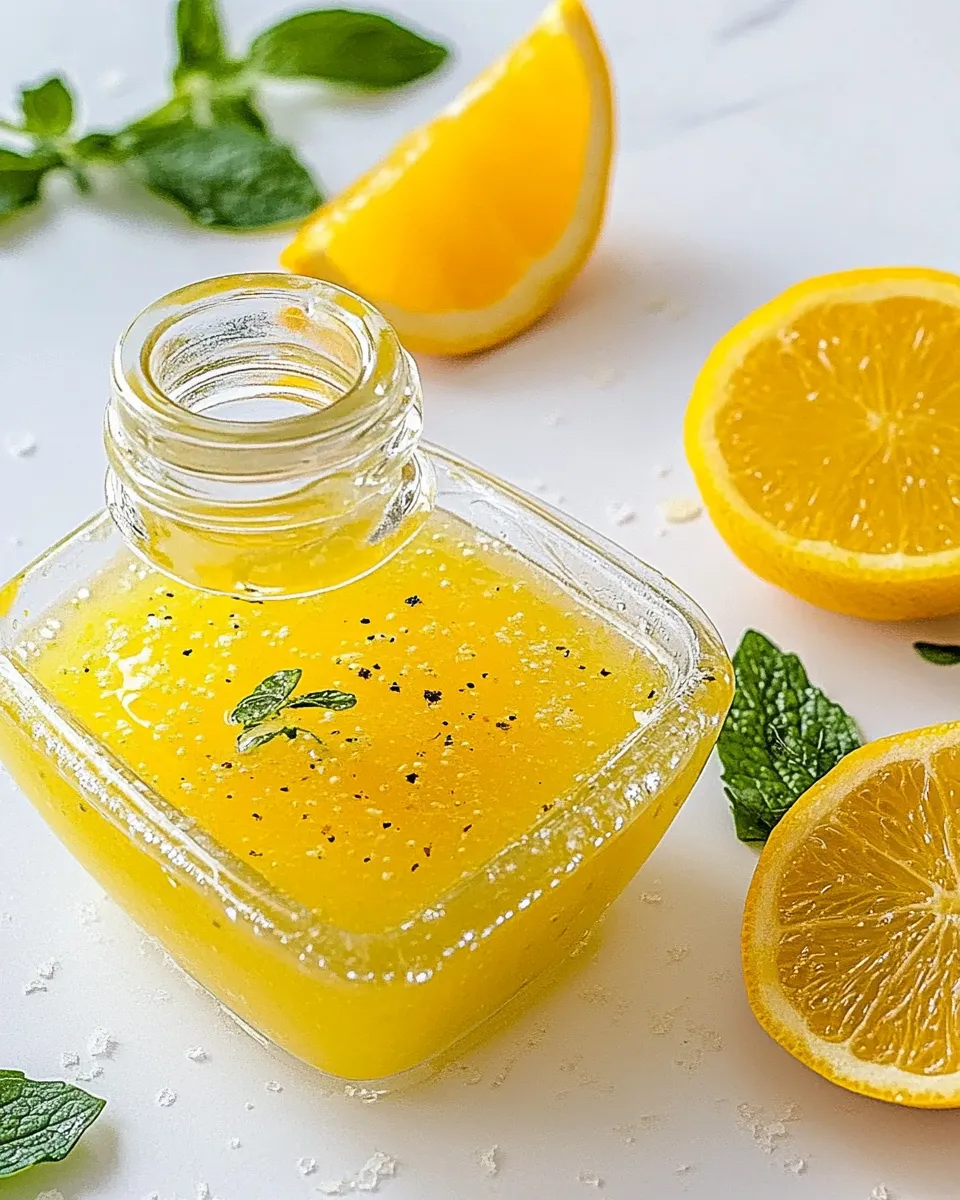
Buy the freshest citrus you can find. Fresh-squeezed orange and lemon juice change the dressing’s character: the orange adds sweetness and floral notes, while the lemon brings sharpness. If the market has juice-packed oranges and firm lemons, they’ll give you clean, vibrant flavors.
Choose a good-quality extra-virgin olive oil. It will show up in the dressing’s mouthfeel and aroma. A grassy or peppery oil works nicely if you want a bolder profile; a milder oil keeps the citrus center stage. Buy a small bottle if you don’t use olive oil often so it stays fresh.
Ingredients
- 1/4 cup fresh orange juice — provides sweetness, body, and bright citrus flavor.
- 1 tablespoon fresh lemon juice — adds acidity and a sharp, balancing lift.
- 1 tablespoon honey — sweetens gently and helps the dressing round out.
- 1/2 teaspoon Dijon mustard — acts as an emulsifier and adds savory depth.
- 1/2 cup extra-virgin olive oil — creams the dressing and carries the citrus flavors.
- 1/4 teaspoon kosher salt — seasons and highlights the other flavors.
- 1/8 teaspoon freshly ground black pepper — provides a subtle background spice.
How to Prepare Citrus Salad Dressing
- In a medium bowl, combine 1/4 cup fresh orange juice, 1 tablespoon fresh lemon juice, 1 tablespoon honey, and 1/2 teaspoon Dijon mustard.
- Whisk the mixture until the honey is dissolved and the ingredients are evenly combined.
- While whisking continuously, slowly drizzle in 1/2 cup extra-virgin olive oil in a steady stream until the dressing emulsifies and becomes smooth.
- Stir in 1/4 teaspoon kosher salt and 1/8 teaspoon freshly ground black pepper, then whisk once more until fully incorporated.
Why I Love This Recipe
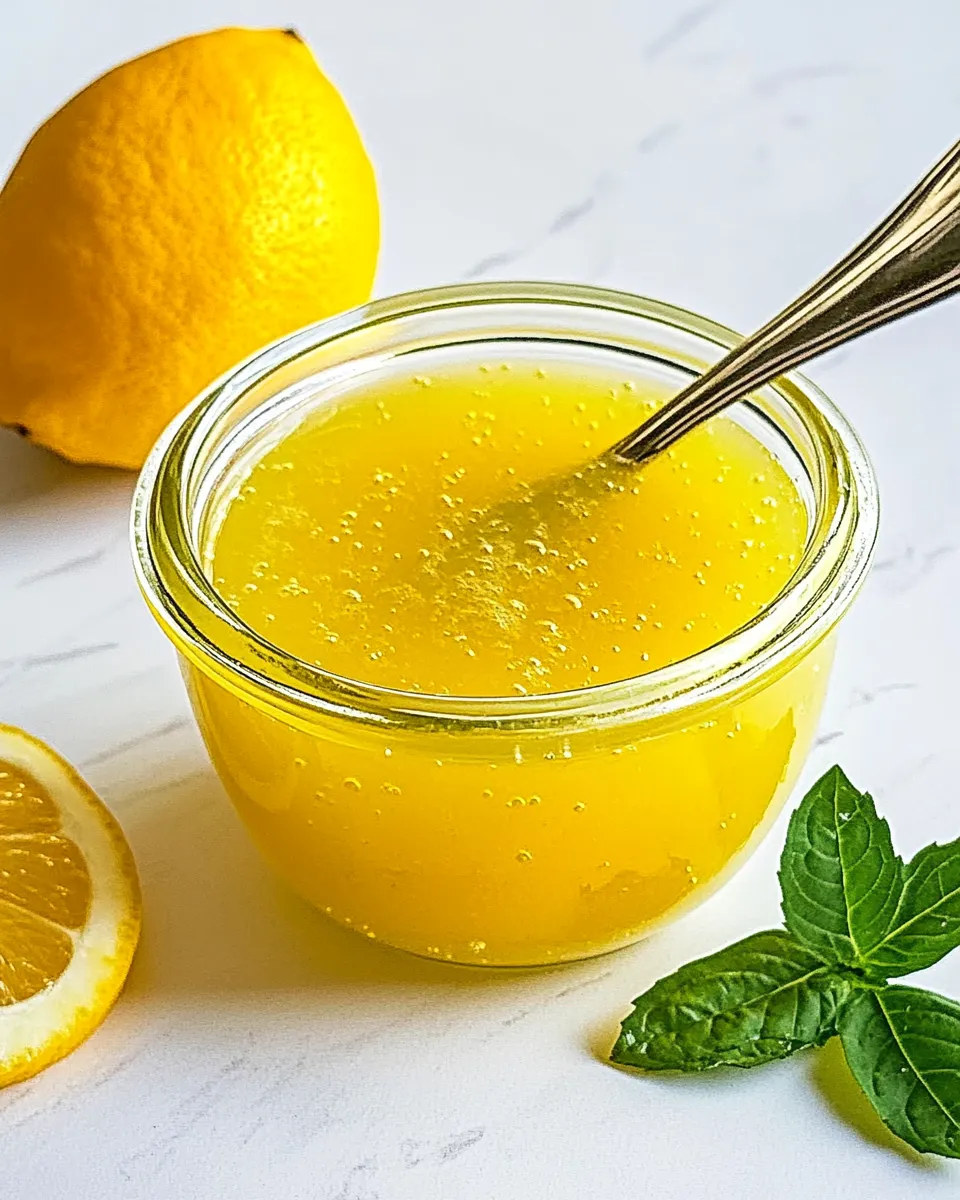
This dressing is the sort of pantry-to-plate win that saves weeknight meals. It’s fast, forgiving, and plays well with many salads and simple vegetable dishes. The balance between orange and lemon keeps it bright without being overly tart; honey tames the acidity and Dijon brings balance.
I also love that it’s scalable. Make a double batch for a dinner party or halve it for a single salad. Because it emulsifies well, the texture feels upscale even though the components are humble. It’s one of those sauces that makes greens feel like an intentional dish rather than a throwaway side.
Allergy-Friendly Substitutes
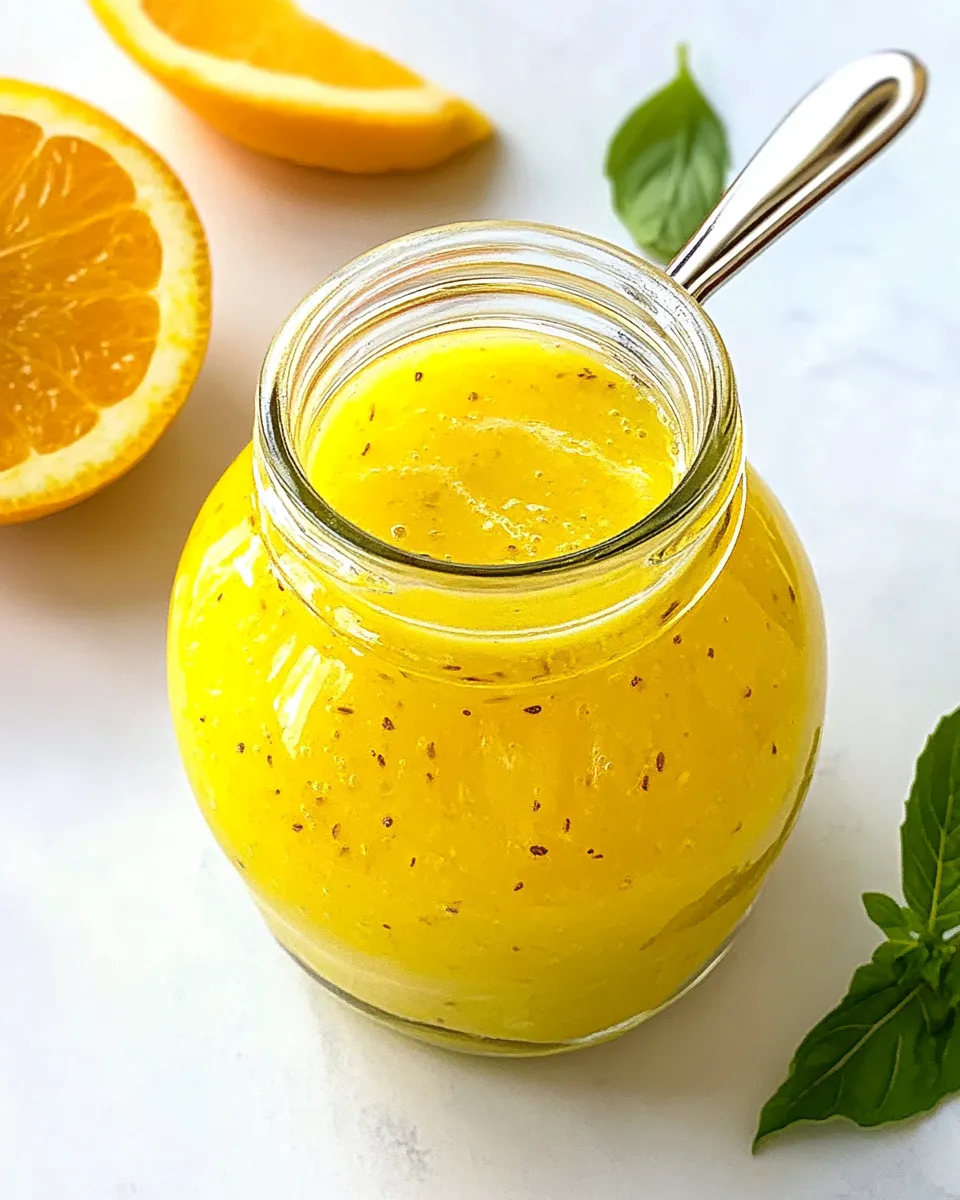
If you or someone you’re feeding has allergies or dietary preferences, you can adapt the dressing without changing its essential character. Keep in mind the goal: maintain acidity, sweetness, body, and an emulsifier.
- Honey — replace with a plant-based liquid sweetener (use a 1:1 swap) if needed for vegan diets or honey sensitivity. Adjust to taste.
- Extra-virgin olive oil — if olive oil isn’t tolerated, choose a neutral-tasting oil from your allowed list to preserve texture and mouthfeel.
- Dijon mustard — if mustard is a concern, omit and whisk a little more vigorously while slowly adding the oil; the dressing will still come together, though the flavor will be slightly less rounded.
- Citrus sensitivity — if citrus needs to be avoided, swap the acidic component for an approved mild acid (use cautiously and taste as you go) to preserve brightness.
Recommended Tools
Minimal equipment is required, which is part of the charm. A medium mixing bowl, a whisk, and a measuring set are all you need. If you prefer to emulsify with less effort, a small jar with a tight lid or a handheld blender works well and speeds things up.
- Medium mixing bowl — room to whisk without splashing.
- Whisk — for manual emulsification and control.
- Measuring spoons and cups — to keep the balance of acid, oil, and sweetener accurate.
- Small jar with lid or handheld blender — optional, for quick emulsions and easy storage.
Mistakes Even Pros Make
Here are real pitfalls I’ve seen and how to avoid them.
Salt and timing
Adding too much salt too early can mute the citrus. Measure the salt and taste at the end; adjust in small increments. The 1/4 teaspoon called for is enough for most uses.
Rushing the emulsification
Pouring the oil too quickly prevents the dressing from coming together. Emulsify slowly: a steady stream while whisking makes the dressing silky. If it breaks, whisk in a teaspoon of water or an extra acid and slowly whisk again to bring it back.
Using bottled citrus
Bottled juice can be convenient, but it lacks the nuance of freshly squeezed orange and lemon. If you must use bottled, choose the highest quality and taste before seasoning.
Holiday & Seasonal Touches
This dressing is a flexible canvas during holidays and seasonal gatherings. Rely on seasonal produce rather than changing the dressing too much: winter citrus, roasted vegetables, or hearty greens will all benefit from the dressing’s brightness.
Serve it alongside a composed winter salad to cut through richer holiday dishes, or use it to dress a simple green salad when you want something light and refreshing after a heavy meal.
Notes on Ingredients
Each ingredient has a role. The orange juice brings sweetness and aromatics; the lemon juice provides the acid that balances; honey gives a rounded sweetness and helps mouthfeel; Dijon mustard stabilizes the emulsion and adds depth; olive oil is the fat that carries flavors; salt and pepper finish the dressing.
Quality matters most for the citrus and oil. Freshly squeezed juice will be brighter and less bitter than aged or bottled juice. A fresh, good olive oil will give the dressing body and a pleasant finish. If you find your dressing is flat, check the freshness of these elements first.
Best Ways to Store
Store the dressing in an airtight container in the refrigerator for up to a week. Over time, the oil and citrus may separate; just give it a quick whisk or shake before using. If you make a larger batch, label it with the date so you use the oldest portion first.
Freezing
Freezing is not recommended for this dressing because the emulsion can break and the texture will suffer. Refrigeration preserves flavor and texture best.
Citrus Salad Dressing FAQs
Q: How long will this dressing keep in the fridge?
A: Up to one week when stored in an airtight container. Shake or whisk before each use.
Q: Can I make this in a jar?
A: Yes. Combine the non-oil ingredients in a jar, add the oil, seal, and shake vigorously to emulsify. It’s a quick, less-fussy method.
Q: What salads work best with this dressing?
A: It pairs well with leafy greens, citrus segments, and roasted vegetables. Use it on a simple greens salad for weeknight dinners or to brighten a composed platter.
Q: Why did my dressing separate?
A: Separation is natural. Emulsions can separate during storage. Whisk or shake to recombine. If it won’t come back together, add a small amount of Dijon or a splash of water and whisk while slowly reintroducing the oil.
Next Steps
Make a small batch and taste it with the salad you plan to serve. Adjust the salt and pepper, and if it needs more brightness, add a tiny squeeze of lemon. Once you find a balance you like, scale the recipe up for meal prep.
Keep experimenting within the framework: fresh citrus, a touch of sweetener, an emulsifier, good oil, and simple seasoning. That structure will serve you well whether you’re dressing a salad, marinating vegetables, or finishing a grain bowl.
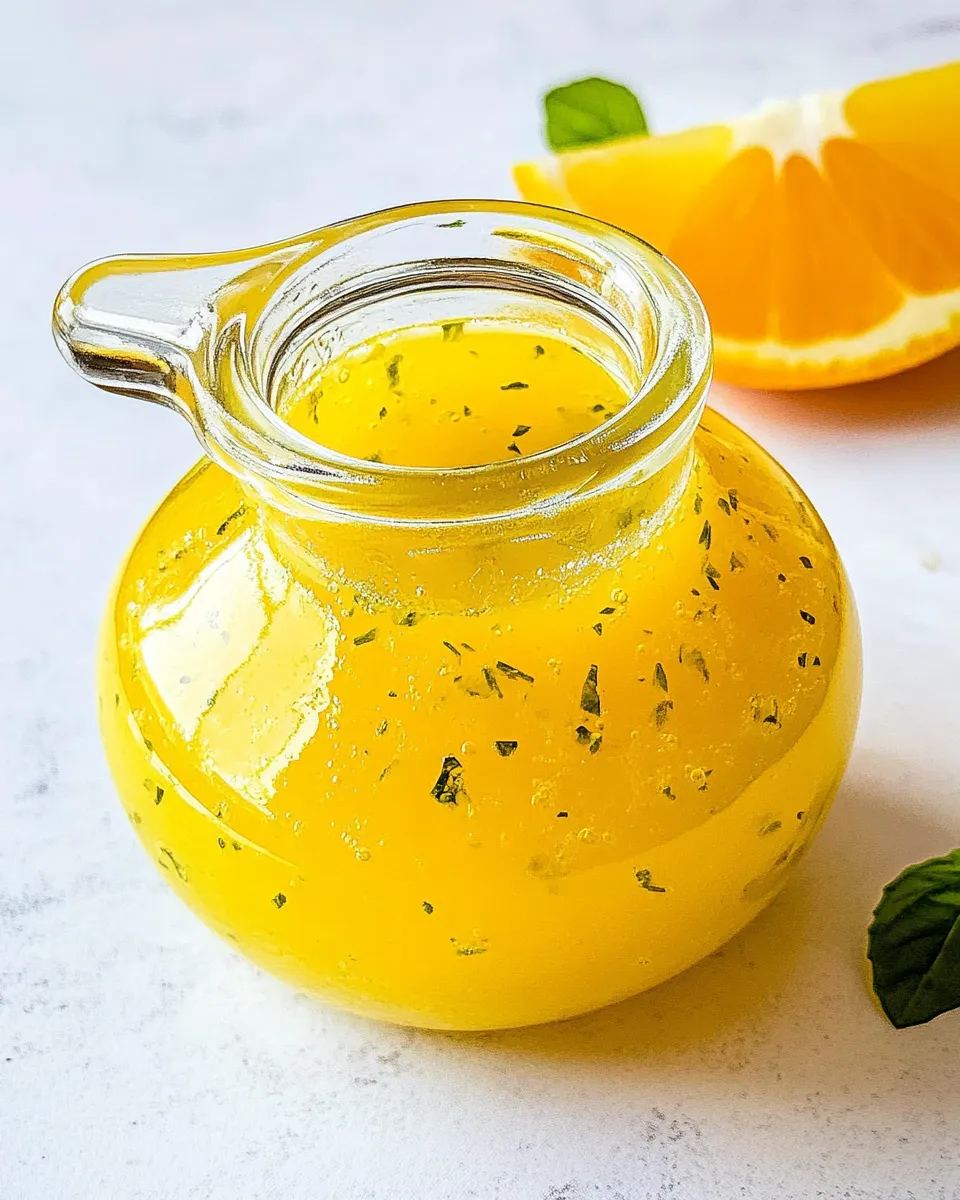
Citrus Salad Dressing
Ingredients
Equipment
Method
- In a medium bowl, combine 1/4 cup fresh orange juice, 1 tablespoon fresh lemon juice, 1 tablespoon honey, and 1/2 teaspoon Dijon mustard.
- Whisk the mixture until the honey is dissolved and the ingredients are evenly combined.
- While whisking continuously, slowly drizzle in 1/2 cup extra-virgin olive oil in a steady stream until the dressing emulsifies and becomes smooth.
- Stir in 1/4 teaspoon kosher salt and 1/8 teaspoon freshly ground black pepper, then whisk once more until fully incorporated.