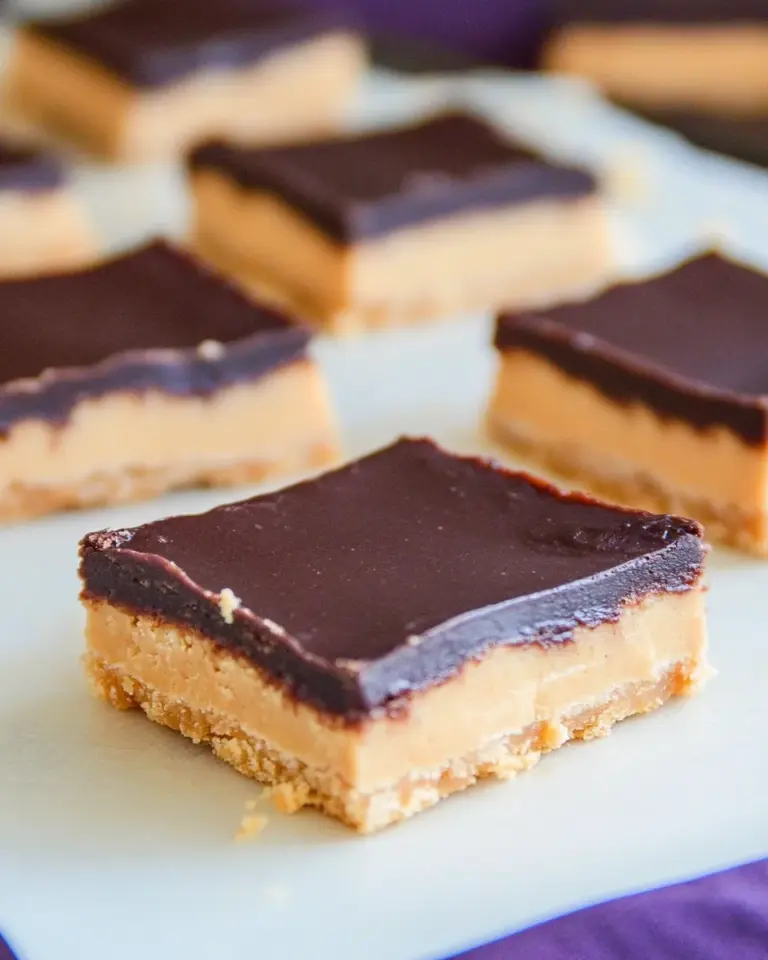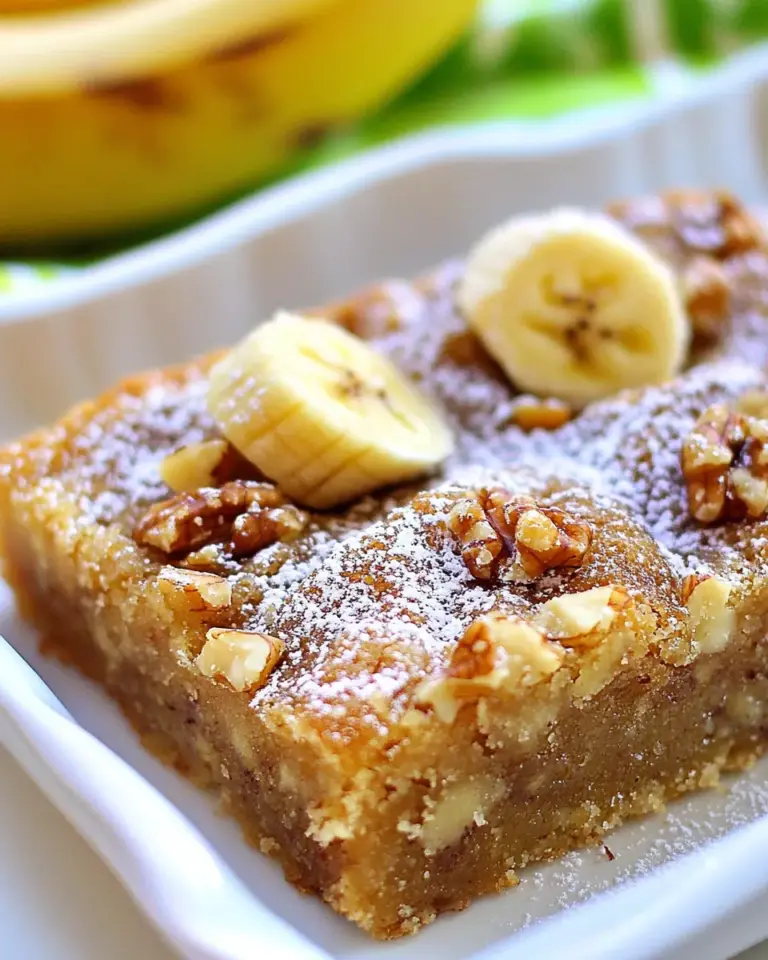
Copycat Cheesecake Factory Original Cheesecake Recipe
This is my faithful, no-surprises version of the Cheesecake Factory’s Original Cheesecake — rich, smooth, and reliably crowd-pleasing. I test this style of cheesecake enough to know which steps make the difference between dense, cracked disappointment and a silky slice you’ll be proud to serve. The recipe is straightforward but does require patience: most of the work happens before and after baking, not during.
I’ve written this post to keep things practical. You’ll find an exact ingredient checklist, the step-by-step method I use every time, and clear notes on tools, common mistakes, and sensible swaps. If you follow the sequence here — especially the cooling and chilling stages — you’ll get that creamy, melt-in-your-mouth texture everyone expects.
No gimmicks. Just clean technique, a reliable crust, and a custardy filling that benefits from a full day in the fridge. Grab a large mixing bowl, your springform pan, and give yourself the time the cheesecake asks for — it pays off.
Ingredient Checklist
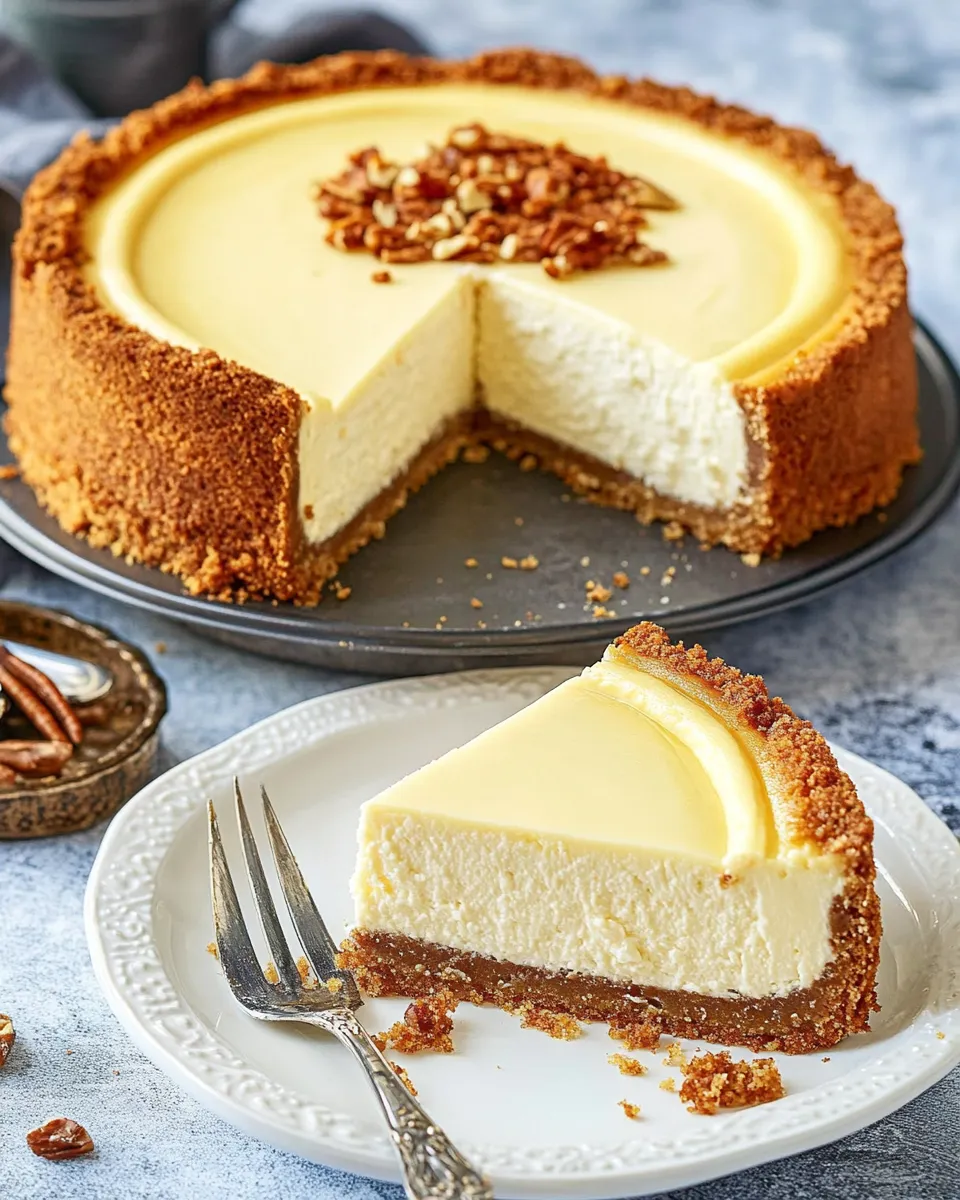
- 1/4 cup finely chopped pecans — adds crunch and flavor to the crust; chop uniformly so the crust presses evenly.
- 1/4 cup finely chopped almonds — rounds out the nutty profile; use blanched or skin-on based on preference.
- 1/4 cup finely chopped walnuts — contributes depth and texture to the crust mixture.
- 3/4 cup finely chopped vanilla wafers — the main crumb body for the crust; finely chop so crumbs bind with butter.
- 2 tablespoons melted butter — binds the crust; warm but not hot so it melds with the crumbs.
- 1 1/2 pounds cream cheese — the foundation of the filling; bring to room temperature for smooth beating.
- 1 1/3 cups sugar — sweetens and helps structure the filling; add gradually for even incorporation.
- 5 eggs — provide structure and richness; add one at a time to avoid overworking the batter.
- 16 ounces sour cream — smooths and lightens the texture; fold in gently to avoid adding air.
- 1/4 cup flour — a small stabilizer to help the cheesecake hold shape while keeping it tender.
- 2 teaspoons vanilla — classic flavoring; use good-quality vanilla for the best aroma.
- 2 teaspoons lemon juice — brightens the filling and balances richness.
Make Original Cheesecake: A Simple Method
- Preheat the oven to 325°F. Butter a springform pan and set it aside.
- In a bowl, combine 1/4 cup finely chopped pecans, 1/4 cup finely chopped almonds, 1/4 cup finely chopped walnuts, and 3/4 cup finely chopped vanilla wafers. Stir in 2 tablespoons melted butter until the crumbs and nuts are evenly moistened.
- Press the crumb mixture into the bottom of the buttered springform pan and up the sides to about 1 1/2 inches. Set the prepared crust aside.
- Place 1 1/2 pounds cream cheese in a large mixing bowl. Keep the mixer on the low speed and beat the cream cheese until light and fluffy.
- With the mixer still on low, add 1 1/3 cups sugar gradually (a little at a time), beating until the mixture is creamy after each addition.
- Add 5 eggs, one at a time, beating on low after each egg just until combined.
- Add 1/4 cup flour, 2 teaspoons lemon juice, and 2 teaspoons vanilla. Mix on low until these ingredients are fully incorporated.
- Add 16 ounces sour cream and beat on low until the batter is smooth and well combined. Avoid overbeating.
- Pour the cream cheese mixture into the prepared crust and smooth the top.
- Place the pan on the middle oven rack and bake at 325°F for 1 hour and 15 minutes.
- When baking is finished, turn off the oven, prop the oven door open, and let the cheesecake sit in the oven for 1 hour.
- Remove the cheesecake from the oven, cool to room temperature, then refrigerate for 24 hours before serving to allow the flavor to develop.
Top Reasons to Make Original Cheesecake
- Reliable crowd-pleaser: This version delivers a classic, unmistakable flavor and texture that most people love.
- Elegant and simple to finish: The plain top is a canvas — serve plain or add a simple sauce or fruit.
- Make-ahead friendly: The required 24-hour chill makes it perfect for entertaining; you can bake a day ahead.
- Textural balance: The nutty wafer crust gives a slightly crunchy contrast to the creamy filling — it’s satisfying without being heavy.
- Technique-forward learning: This recipe teaches important cheesecake techniques (room-temp ingredients, gentle mixing, controlled cooling) that improve any future variations you try.
What to Use Instead
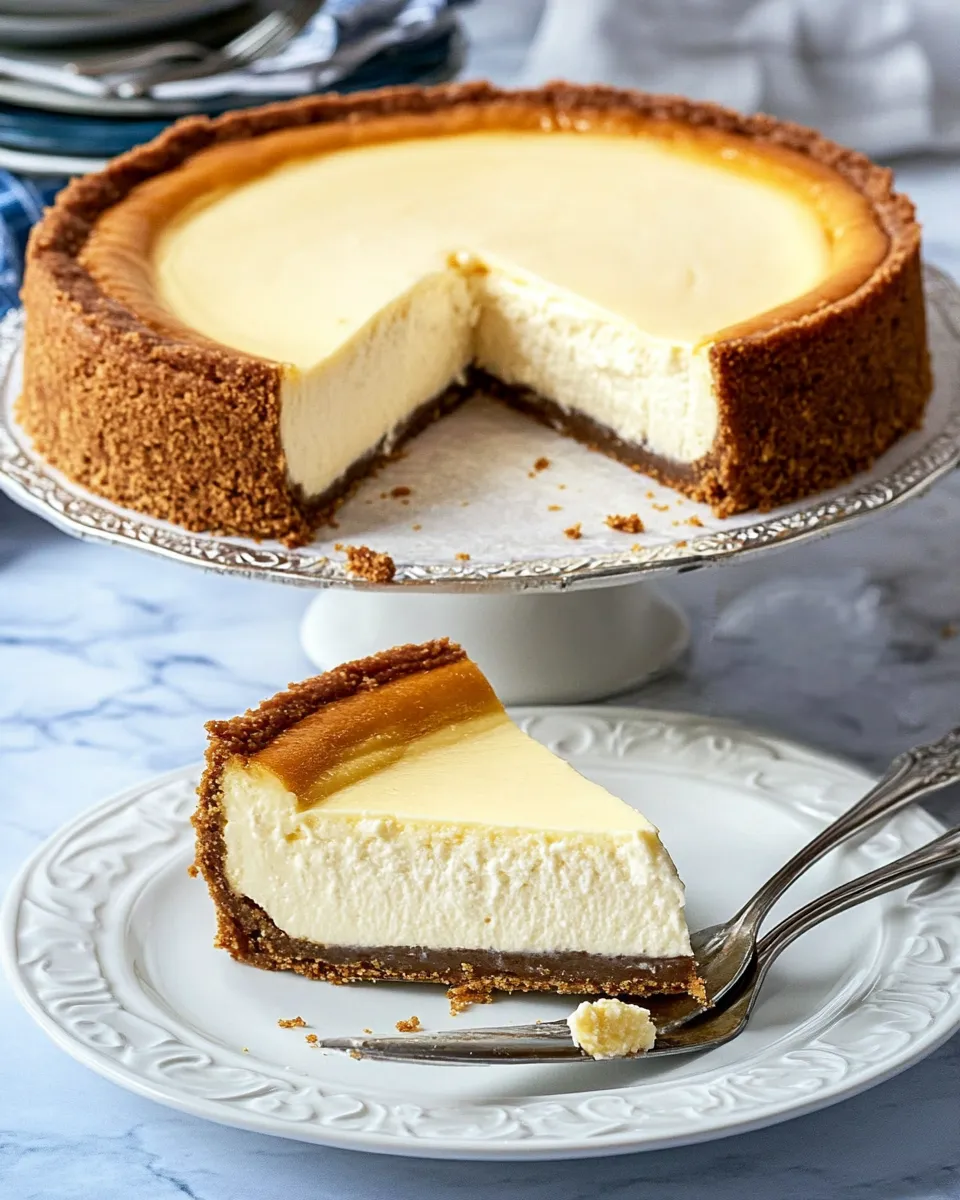
If you need to swap components, keep proportions consistent and focus on similar textures and flavors.
- Crust base: If you don’t have vanilla wafers, any neutral cookie or cracker (graham-style or plain sweet crackers) will work — finely chop or crush for an even crust.
- Nuts: Any mix of chopped nuts can replace the specified pecans, almonds, and walnuts; use the same total volume so the crust binds the same way.
- Butter: Clarified or unsalted butter both work; if using salted, taste the final batter and avoid adding more salt elsewhere.
- Sour cream: Full-fat sour cream gives the best texture; lighter dairy or crème fraîche can be used but will shift richness slightly.
- Vanilla and lemon: If you prefer one over the other, you can reduce the lemon to suit your taste, but the lemon keeps the filling bright.
Recommended Tools
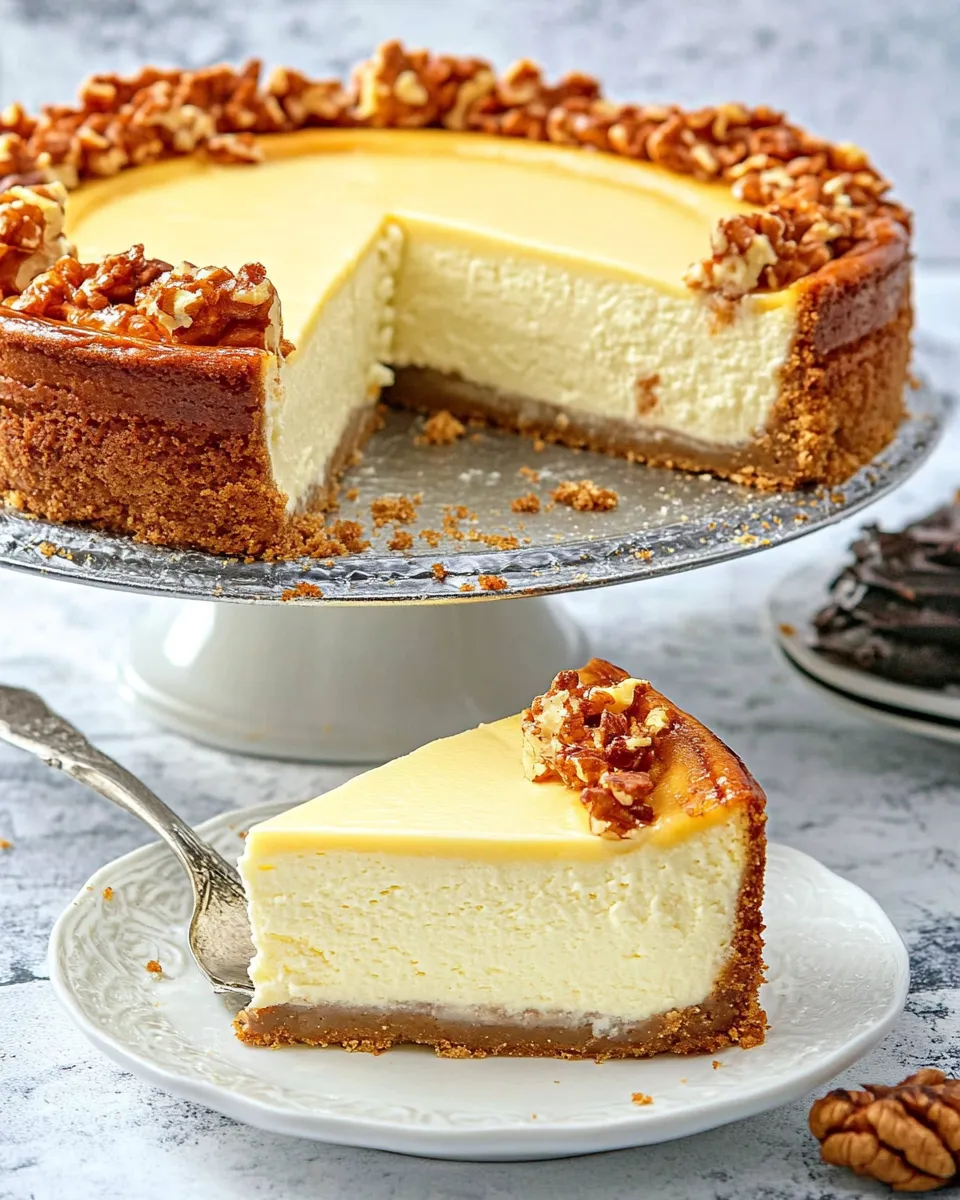
- 9-inch springform pan — the recipe assumes a pan you can release for clean slices.
- Electric mixer (stand or hand) — use low speed to avoid incorporating too much air.
- Mixing bowls — at least one large bowl for the batter and one for the crust mix.
- Spatula and offset spatula — for smoothing the top and scraping the bowl cleanly.
- Measuring cups and spoons — accurate measures matter in a custard-style dessert.
- Small knife or food processor — for finely chopping nuts and wafers if you don’t have crumbs.
- Oven thermometer (optional) — ensures your oven is at the correct 325°F for consistent results.
Errors to Dodge
- Overbeating the batter — whipping too much air into the filling causes rise-and-fall or cracks. Keep the mixer on low and stop as soon as ingredients are combined and smooth.
- Using cold cream cheese — it won’t smooth properly. Let cream cheese come to room temperature before mixing.
- Pressing the crust too thin or too thick — aim for an even 1 1/2-inch ring up the sides to support the filling without overpowering it.
- Skipping the oven rest — removing the cake right away often causes cracking. The in-oven cool-down helps the custard set gradually.
- Serving too early — cheesecake needs the refrigerator time stated. Cutting into it before 24 hours will yield a less-set texture.
- High oven temperature — baking hotter to shorten time will brown and dry the top, and change texture.
Seasonal Flavor Boosts
Small seasonal additions can transform this base into something festive without changing the technique.
- Late-spring/summer: Serve with a quick macerated berry mix (berries and a touch of sugar) for a fresh, vibrant topping.
- Autumn: A light maple drizzle or a warm spiced pear compote plays well with the nut-forward crust.
- Winter: A salted caramel sauce and toasted nuts make the cheesecake feel indulgent and celebratory.
- Special occasions: A thin chocolate ganache poured and chilled briefly adds richness and a glossy finish.
Chef’s Notes
Some practical tips from practice:
- Room temperature counts. Let cream cheese and eggs sit out until they lose fridge chill — this keeps the batter lump-free and reduces mixing time.
- Low speed is your friend. Mixing on low minimizes air incorporation; the filling should be smooth, not fluffy.
- Don’t overfill the pan. The batter rises slightly; leave a small gap at the top to prevent spillover.
- Check for doneness by feel. The center should jiggle slightly but not be liquid; the edges will be set. It will firm up as it cools.
- Remove from pan carefully. Run a thin knife around the edge if needed after chilling to prevent tearing when you release the springform.
Save It for Later
Storage and make-ahead guidance:
- Refrigerator: Store covered (a cake dome or loose plastic wrap) for up to 5 days. Keep it chilled until serving to retain structure.
- Freezing: Wrap tightly in plastic wrap followed by foil and freeze for up to 2 months. Thaw in the refrigerator overnight before serving.
- Make-ahead plan: Bake and cool the cheesecake fully, then refrigerate for the required 24 hours. You can prepare the crust and batter a day earlier but don’t bake until ready to serve within the next 1–2 days for best texture.
Popular Questions
- Why does the recipe call for the oven door to be propped open after baking? The gradual cool-down prevents the sudden temperature change that often causes the top to crack. Letting the cheesecake rest in the warmed oven for an hour helps it finish setting gently.
- My cheesecake cracked — what went wrong? The most common culprits are overmixing (too much air), baking at too high a temperature, or cooling too quickly. Keep mixing slow, watch oven temperature, and follow the in-oven rest.
- Can I make this in a water bath? A water bath can further reduce the chance of cracks and promote even baking. If you use one, be careful to wrap the pan base well to avoid water seeping in.
- How do I get the cheesecake to be super smooth? Make sure your cream cheese is fully softened and beat it well on low before adding sugar and eggs. Scrape the bowl and smooth the top before baking.
- Is 24 hours really necessary in the fridge? Yes — chilling for a full day lets the flavors meld and the texture firm up for cleaner slices and a better mouthfeel.
- Can I reduce the sugar? You can, but reducing sugar changes sweetness and texture; sugar affects the structure in custard-style desserts, so reduce cautiously.
Before You Go
If you try this recipe, give it the time it asks for and follow the low-and-slow mixing and cooling steps. The payoff is a reliably smooth, creamy, and classic cheesecake that echoes the original Cheesecake Factory profile. I love hearing how your cakes turn out — leave a note about your crust choices or any topping you paired with the slices. Happy baking, and enjoy those silky slices!
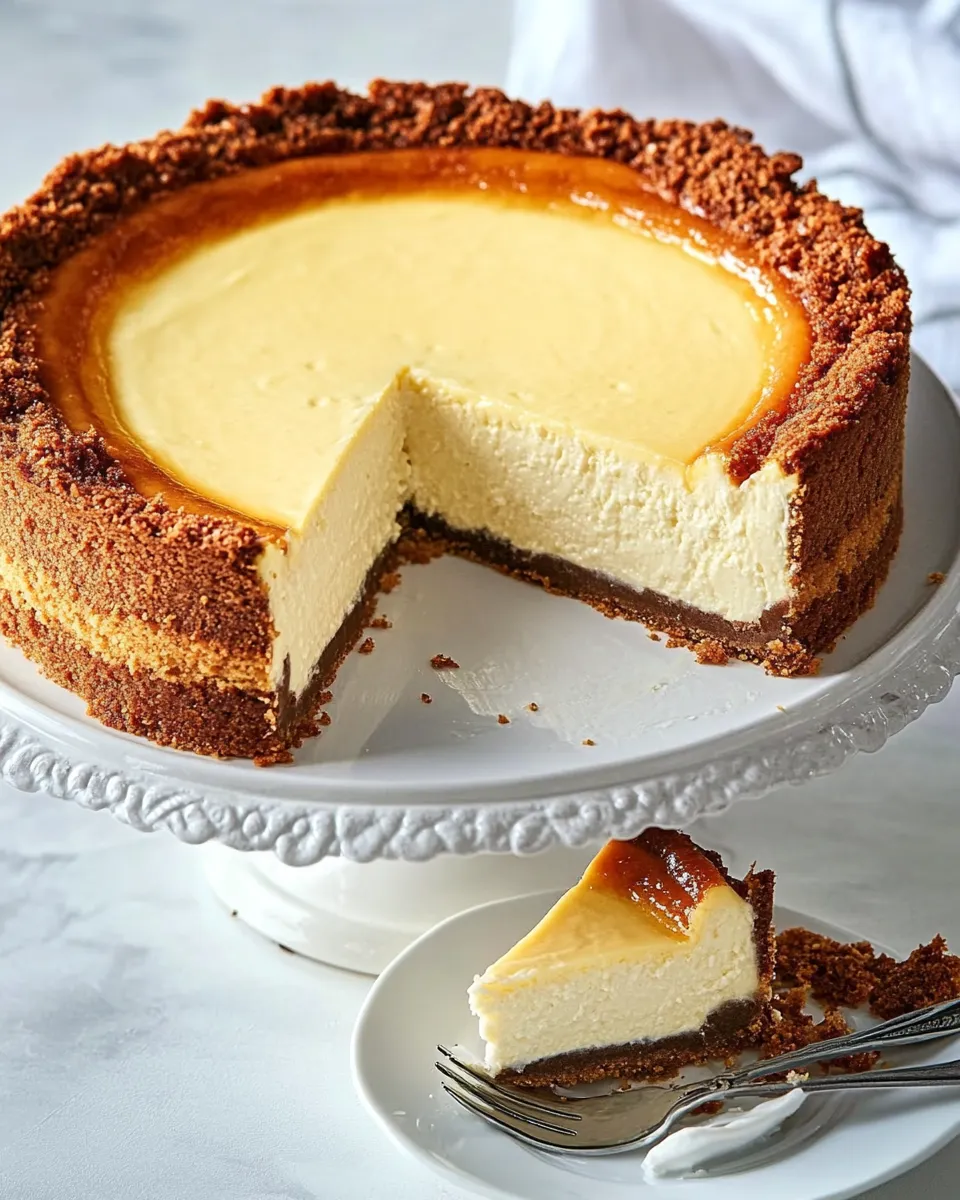
Copycat Cheesecake Factory Original Cheesecake Recipe
Ingredients
Equipment
Method
- Preheat the oven to 325°F. Butter a springform pan and set it aside.
- In a bowl, combine 1/4 cup finely chopped pecans, 1/4 cup finely chopped almonds, 1/4 cup finely chopped walnuts, and 3/4 cup finely chopped vanilla wafers. Stir in 2 tablespoons melted butter until the crumbs and nuts are evenly moistened.
- Press the crumb mixture into the bottom of the buttered springform pan and up the sides to about 1 1/2 inches. Set the prepared crust aside.
- Place 1 1/2 pounds cream cheese in a large mixing bowl. Keep the mixer on the low speed and beat the cream cheese until light and fluffy.
- With the mixer still on low, add 1 1/3 cups sugar gradually (a little at a time), beating until the mixture is creamy after each addition.
- Add 5 eggs, one at a time, beating on low after each egg just until combined.
- Add 1/4 cup flour, 2 teaspoons lemon juice, and 2 teaspoons vanilla. Mix on low until these ingredients are fully incorporated.
- Add 16 ounces sour cream and beat on low until the batter is smooth and well combined. Avoid overbeating.
- Pour the cream cheese mixture into the prepared crust and smooth the top.
- Place the pan on the middle oven rack and bake at 325°F for 1 hour and 15 minutes.
- When baking is finished, turn off the oven, prop the oven door open, and let the cheesecake sit in the oven for 1 hour.
- Remove the cheesecake from the oven, cool to room temperature, then refrigerate for 24 hours before serving to allow the flavor to develop.