Crazy Bread Recipe (Homemade Breadsticks)
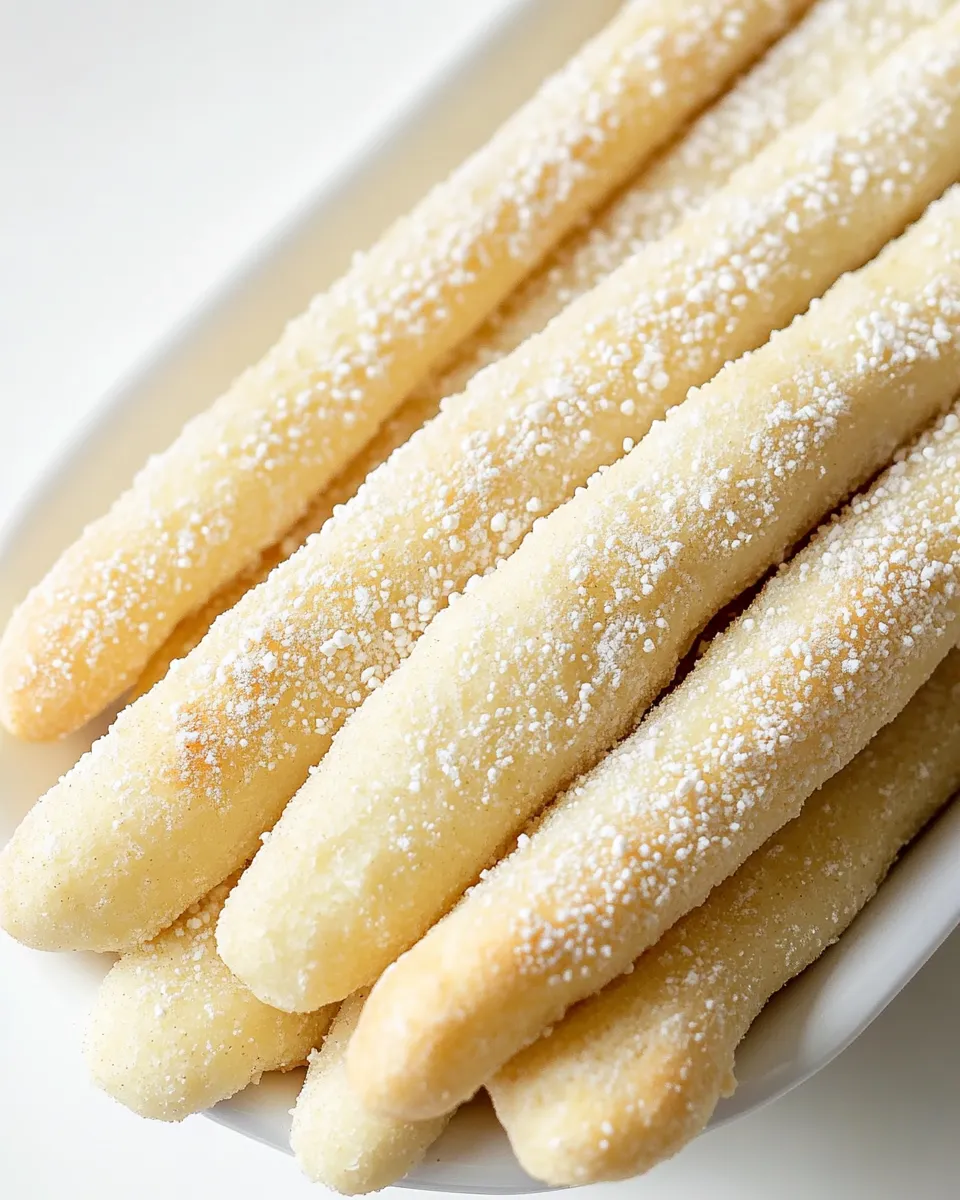
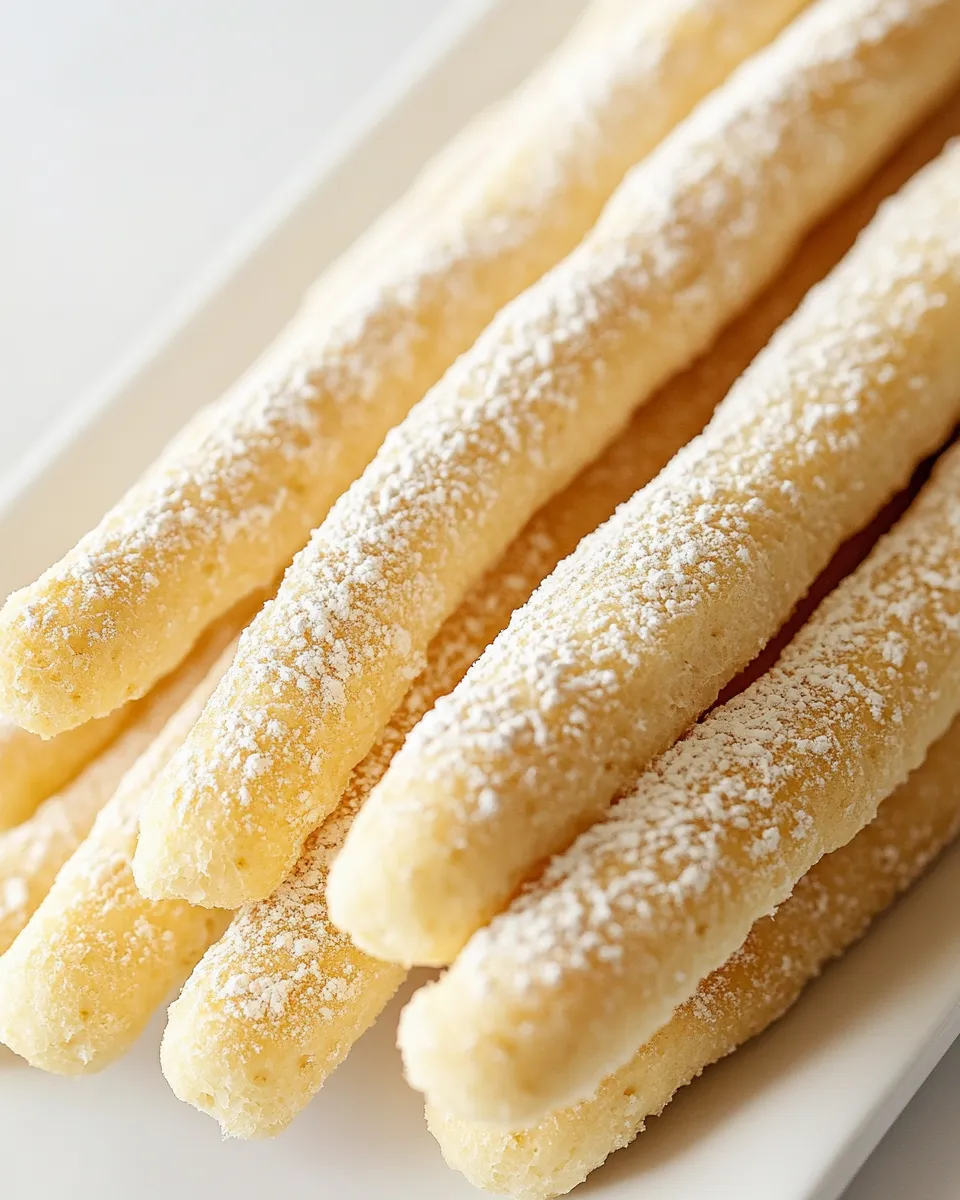
These breadsticks are exactly the kind of thing I reach for when I want something warm, salty, and ridiculously easy. They come together fast, bake in under 15 minutes, and finish into two classic styles: the butter-and-Parmesan “Crazy Bread” coating or the simple buttery Olive Garden-style finish. Either way, you get pillowy interior and a quick, comforting finish that kids and grown-ups both love.
The dough is forgiving. It uses a small pool of yeast proofed in lukewarm water and a surprising step where very hot water is mixed into the flour to loosen gluten just enough. That combo gives a soft, slightly tacky dough that rolls into long ropes and bakes into light, satisfying breadsticks with almost no kneading.
I keep this recipe in heavy rotation because it’s predictable and adaptable without fuss. Below I’ll break down the ingredients, walk you through the exact method, and share practical tips to avoid common mistakes. No gimmicks—just solid technique and clear steps so you get the same result every time.
Ingredient Breakdown
Ingredients
- 1/4cupwarm water — used to proof the yeast; should feel like a warm bath, not hot.
- 1tablespoongranulated sugar — feeds the yeast and helps that initial foam form.
- 2 1/2teaspoonsactive dry yeast(one packet) — the leavening agent; proof to confirm vitality.
- 3cupsall-purpose flour — the main structure; the recipe uses a total of 3 cups split during mixing.
- 1cuphot water — very hot water is mixed into the flour to loosen the dough and give a soft texture.
- 1teaspoonsalt — balances flavor and strengthens the dough.
- 4tablespoonsmelted butter — used for one of the finishing options to add richness and help seasonings stick.
- 1/2teaspoongarlic salt(1/4 tsp salt + 1/4 tsp garlic powder) — provides the savory, garlicky punch for the finishes.
- 1/2cupgrated parmesan cheese — used for the Crazy Bread finish to give that classic cheesy coating.
- 1/2cupmarinara — a dipping sauce to serve with the Crazy Bread finish.
- 4tablespoonsmelted butter — the second 4 tablespoons called for, reserved for the Olive Garden-style finish.
- 1/2teaspoongarlic salt(1/4 tsp salt + 1/4 tsp garlic powder) — the second portion for the Olive Garden-style finishing butter.
Make Crazy Bread Recipe (Homemade Breadsticks): A Simple Method
- Preheat the oven to 400°F. Line two baking sheets with parchment paper and set aside.
- In a small bowl combine 1/4 cup lukewarm water, 1 tablespoon granulated sugar, and 2 1/2 teaspoons active dry yeast. Stir and let sit 5–10 minutes until foamy.
- In the bowl of a stand mixer add 2 cups all-purpose flour and 1 teaspoon salt. Fit the paddle attachment (not the dough hook).
- With the mixer on low, pour in 1 cup very hot water and mix just to combine.
- When the yeast mixture is foamy, pour it into the mixing bowl. With the mixer on low, slowly add the remaining 1 cup all-purpose flour. Increase speed slightly and mix until the dough is very smooth and pulls away from the sides of the bowl.
- Turn the dough out onto a floured work surface. The dough should be soft and slightly tacky. Cut the dough into 4 equal pieces, then cut each piece into 3 equal pieces to make 12 portions.
- Roll each portion into a 10-inch rope by rolling it against the counter with your hands. Arrange the ropes on the prepared baking sheets, leaving space between them for expansion.
- Bake the breadsticks in the preheated oven for 12–14 minutes, until lightly golden.
- Choose a finish:
- Little Caesars Crazy Bread finish: In a microwave-safe bowl combine 4 tablespoons melted butter and 1/2 teaspoon garlic salt. Microwave 30–60 seconds to warm. Place 1/2 cup grated Parmesan cheese in a large shallow dish. Working 2–3 breadsticks at a time, brush them with the garlic butter, then move them into the Parmesan and shake or roll to coat. Repeat with remaining breadsticks. Serve warm with 1/2 cup marinara for dipping.
- Olive Garden breadstick finish: In a microwave-safe bowl combine the other 4 tablespoons melted butter and the other 1/2 teaspoon garlic salt. Microwave 30–60 seconds to warm. Brush the garlic butter over the baked breadsticks and serve warm.
Why This Recipe Is Reliable
This formula works because it balances a short yeast proof with a heat-step that relaxes the flour. Proofing the yeast in a small, separate bowl confirms it’s active. The very hot water added directly to part of the flour promotes tenderness by loosening gluten strands without long kneading.
Using the paddle attachment instead of a dough hook keeps the dough from getting overworked while still distributing moisture evenly. The two-stage flour addition—first two cups with salt, then the hot water, then the final cup with the yeast—controls texture and prevents the dough from becoming heavy.
The portioning and rolling into thin ropes is practical: smaller pieces bake quickly and evenly, producing the signature soft interior and tender exterior. Because the shaping is minimal, the results are consistent even when you’re short on time.
If You’re Out Of…
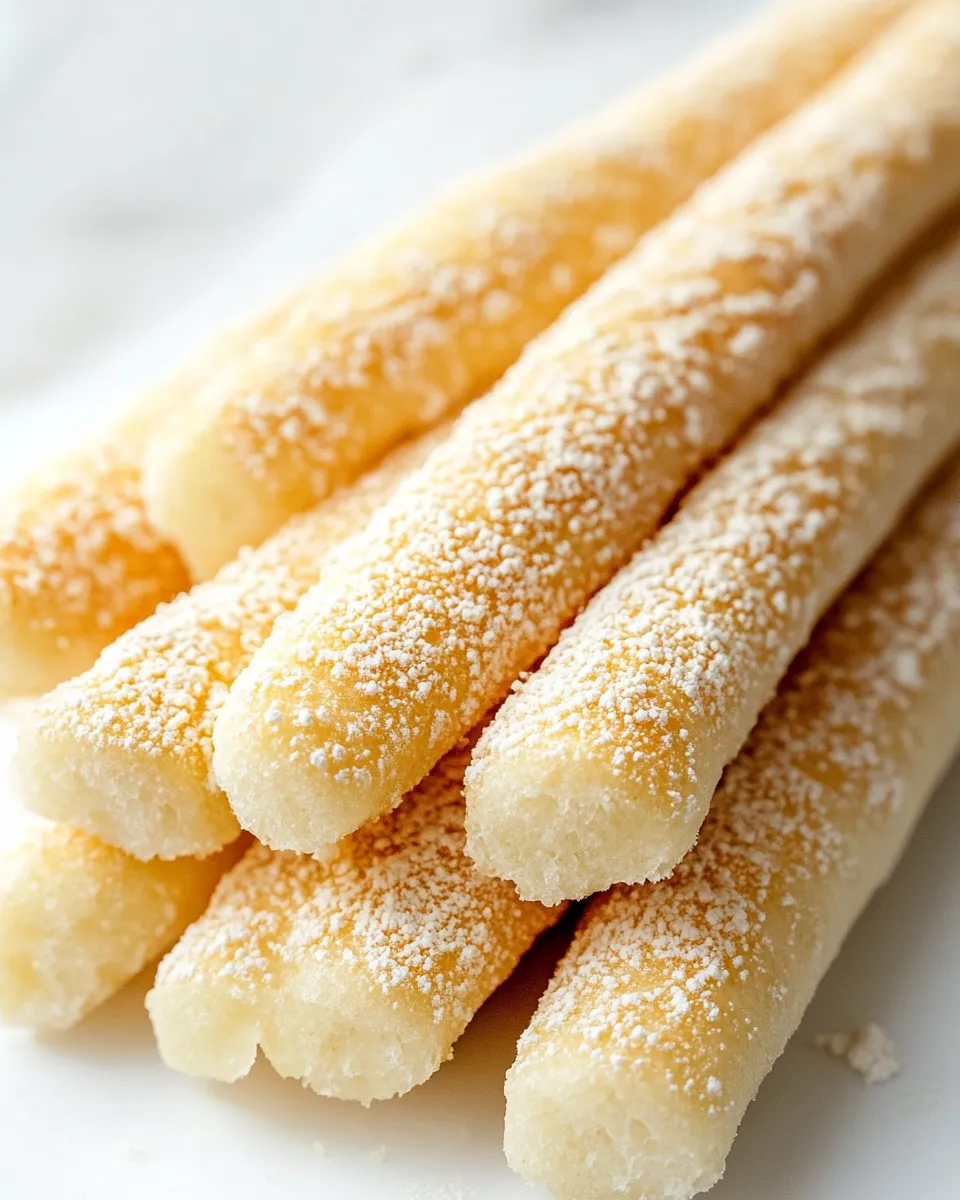
If you don’t have one of the finishing items on hand, the dough still bakes into excellent breadsticks as written. Skip the coating and brush the sticks with a little of the warmed finishing butter alone for a simple, tasty result.
If you’re missing the Parmesan, the garlic-butter coating alone still delivers classic flavor. If you don’t have marinara to serve, these are great simply brushed with the garlic butter. The core dough relies on flour, water, yeast, sugar, and salt—those should be your priorities to keep the recipe intact.
Equipment & Tools
- Stand mixer with paddle attachment — speeds up mixing and ensures even hydration.
- Parchment paper — prevents sticking and makes cleanup effortless.
- Baking sheets — two fit the full batch without crowding.
- Measuring cups and spoons — accurate measures keep the dough consistent.
- Small bowl for proofing yeast — proof yeast separately so you know it’s active.
- Rolling surface and a bit of flour — for shaping the ropes without tearing.
- Microwave-safe bowl — for warming the finishing butter safely and quickly.
What Not to Do
- Don’t use water that’s too hot for proofing the yeast. Lukewarm for the yeast bowl, very hot only goes into the flour as directed; mixing yeast with scalding water kills it.
- Don’t skip checking the yeast. If the mixture doesn’t foam in 10 minutes, start over with fresh yeast.
- Don’t over-knead or run the mixer too long. The recipe asks for mixing until smooth — stop once the dough pulls away from the bowl.
- Don’t crowd the baking sheet. Breadsticks need a little breathing room to brown evenly.
- Don’t overload the coating step. Brush before rolling in cheese so the cheese adheres evenly without clumps.
How to Make It Lighter
To nudge the texture lighter without changing the ingredient list, focus on technique. Mix until the dough is smooth but stop once it pulls away from the bowl — overmixing tightens the crumb. Roll the ropes gently without compressing them; you want to elongate, not press out the air.
Bake on parchment for even browning, and rotate the pans once during the bake if your oven has hot spots. Finally, let the baked sticks rest 1–2 minutes on the sheet before finishing; finishing immediately lets the butter sink in while they’re still piping hot, which helps the crust remain tender rather than gummy.
Chef’s Rationale
I kept the method straightforward to highlight what actually changes the texture: proof the yeast, use very hot water with part of the flour, and combine the rest gently. That hot-water step is the key decision. It mimics a short autolyse with heat, loosening proteins quickly so the dough becomes soft with minimal handling.
Two finishing options are included because they offer different eating experiences with the same base dough. The Parmesan-and-garlic finish gives a salty, slightly crisp outer layer; the simple butter-and-garlic salt finish keeps things plush and more neutral—perfect if you want the breadstick to accompany stronger-flavored mains.
Storage Pro Tips
Cool fully before storing to prevent sogginess. For short-term storage, place cooled breadsticks in an airtight container or zip-top bag at room temperature for up to two days. Reheat in a 350°F oven for 5–7 minutes to refresh the crust and interior.
For longer storage, freeze cooled breadsticks on a tray until solid, then transfer to a freezer bag. Reheat from frozen in a 350°F oven for about 10–12 minutes, or until heated through. If you’ve already applied a butter-and-cheese coating, wrap them individually so the cheese doesn’t clump during thawing.
Your Questions, Answered
Q: My yeast didn’t foam—what now? A: Discard and start with fresh yeast. Foam indicates the yeast is alive. Check water temperature—too cold and yeast won’t wake; too hot and it dies.
Q: The dough feels sticky—did I do something wrong? A: The dough should be soft and slightly tacky. If it’s overly sticky, dust the work surface lightly with flour while portioning and shaping, but avoid adding too much extra flour into the dough itself.
Q: Breadsticks are dense—how to avoid this? A: Avoid overmixing and overworking the dough. Make sure the yeast foam was active and use the hot-water step as directed. Also, don’t let the oven temperature drop; 400°F is important for quick oven spring.
Q: Can I make smaller or larger sticks? A: Yes. Smaller sticks will bake a little faster, larger ones may need an extra minute or two. Keep an eye on them and target a light golden color.
The Takeaway
This Crazy Bread Recipe (Homemade Breadsticks) is fast, forgiving, and reliably delicious. It leans on a simple trick—very hot water with part of the flour—to produce soft, pillowy sticks with minimal kneading. Follow the method, pick your favorite finish, and you’ll have a dependable crowd-pleaser in under an hour from start to serving.
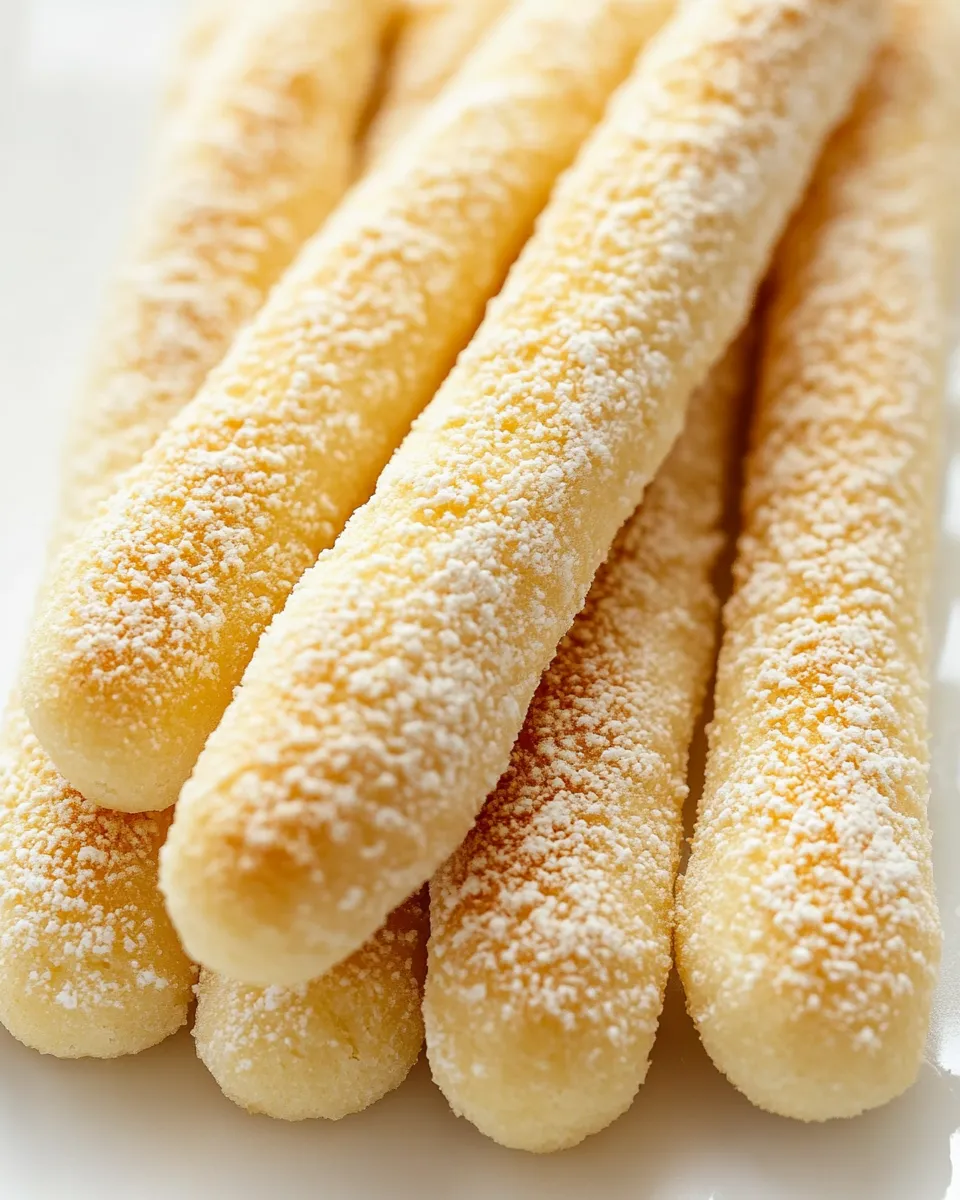
Crazy Bread Recipe (Homemade Breadsticks)
Ingredients
Equipment
Method
- Preheat the oven to 400°F. Line two baking sheets with parchment paper and set aside.
- In a small bowl combine 1/4 cup lukewarm water, 1 tablespoon granulated sugar, and 2 1/2 teaspoons active dry yeast. Stir and let sit 5–10 minutes until foamy.
- In the bowl of a stand mixer add 2 cups all-purpose flour and 1 teaspoon salt. Fit the paddle attachment (not the dough hook).
- With the mixer on low, pour in 1 cup very hot water and mix just to combine.
- When the yeast mixture is foamy, pour it into the mixing bowl. With the mixer on low, slowly add the remaining 1 cup all-purpose flour. Increase speed slightly and mix until the dough is very smooth and pulls away from the sides of the bowl.
- Turn the dough out onto a floured work surface. The dough should be soft and slightly tacky. Cut the dough into 4 equal pieces, then cut each piece into 3 equal pieces to make 12 portions.
- Roll each portion into a 10-inch rope by rolling it against the counter with your hands. Arrange the ropes on the prepared baking sheets, leaving space between them for expansion.
- Bake the breadsticks in the preheated oven for 12–14 minutes, until lightly golden.
- Choose a finish: - Little Caesars Crazy Bread finish: In a microwave-safe bowl combine 4 tablespoons melted butter and 1/2 teaspoon garlic salt. Microwave 30–60 seconds to warm. Place 1/2 cup grated Parmesan cheese in a large shallow dish. Working 2–3 breadsticks at a time, brush them with the garlic butter, then move them into the Parmesan and shake or roll to coat. Repeat with remaining breadsticks. Serve warm with 1/2 cup marinara for dipping. - Olive Garden breadstick finish: In a microwave-safe bowl combine the other 4 tablespoons melted butter and the other 1/2 teaspoon garlic salt. Microwave 30–60 seconds to warm. Brush the garlic butter over the baked breadsticks and serve warm.
Notes
Nutritional factsare calculated for Crazy Bread with Marinara. Olive Garden Breadsticks would be lower in calories and fat.
This recipe is supereasy to double.
The breadsticks alsofreezer wellafter baking.