Double Chocolate Loaf Cake
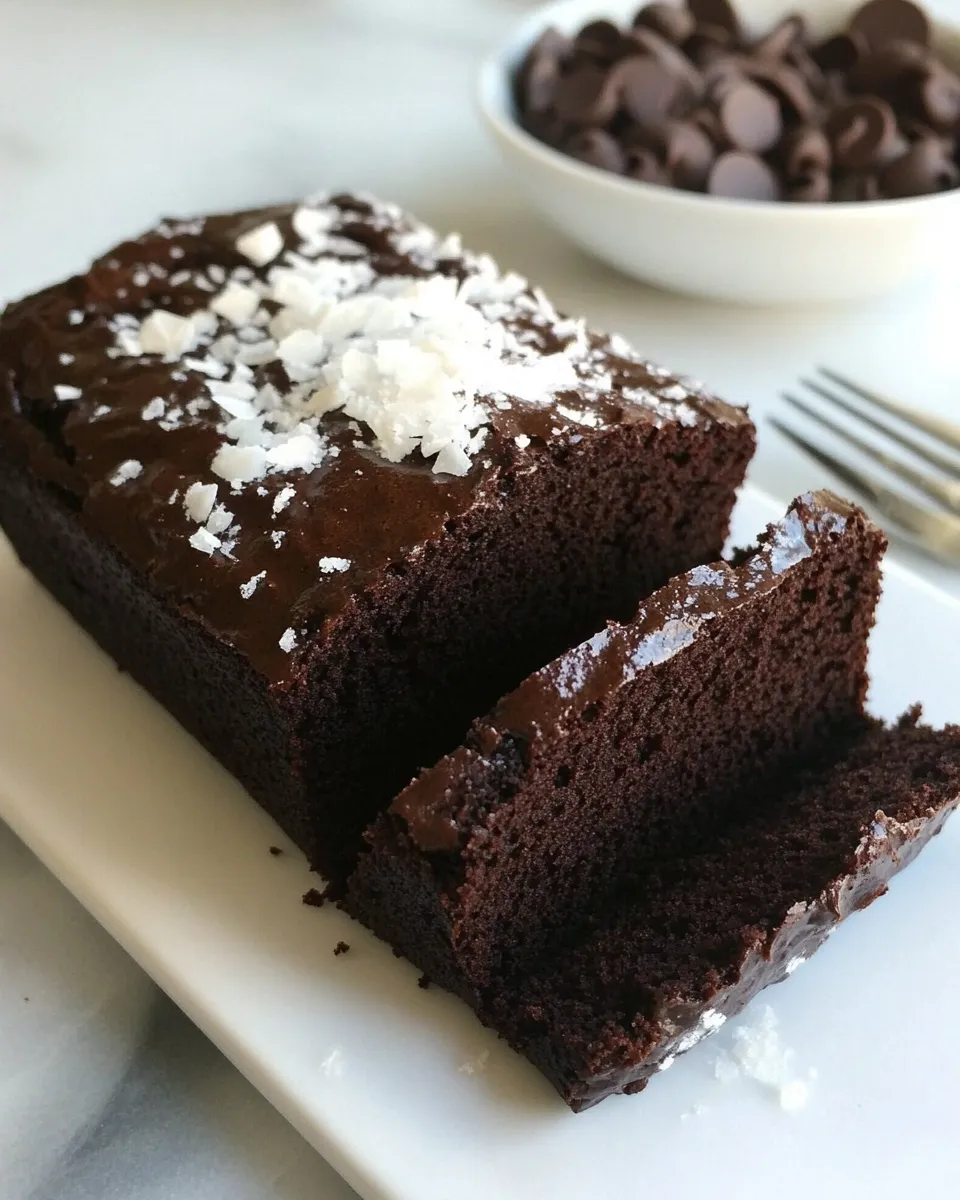
This loaf cake is for anyone who wants a rich, intense chocolate hit without fuss. It bakes up dense but tender, studded with pockets of good-quality dark chocolate. The texture is more cake than brownie, and it holds its shape well for confident slices, yet it stays moist thanks to buttermilk and oil.
I test this recipe when I need something simple enough for a weekday treat and special enough to bring to a small gathering. The method is straightforward: mix dry, mix wet, combine, fold in chopped chocolate, bake. There are a few small tricks I rely on to make sure it rises evenly and doesn’t dry out.
Below you’ll find the ingredient rundown, exact step-by-step instructions, troubleshooting tips, substitutions, and storage notes. Follow the steps as written for best results, and use the tips to tweak the loaf to your taste.
Ingredient Rundown
Ingredients
- 3/4 cup firmly packed dark brown sugar — Adds moisture, depth, and a touch of molasses flavor to balance the cocoa.
- 1 cup dark unsweetened cocoa powder, sifted — The backbone of the chocolate flavor; sifting prevents lumps and ensures even mixing.
- 1 1/2 cups all-purpose flour — Provides structure; measure by spooning into the cup and leveling for accuracy.
- 3/4 cup granulated sugar — Sweetens and helps with tender crumb and browning.
- 1 1/2 teaspoons baking soda — Primary leavening to give the loaf lift.
- 3/4 teaspoon baking powder — Secondary lift and helps with rise and crumb.
- 1 teaspoon salt — Balances the sweetness and enhances chocolate flavor.
- 2 large eggs — Bind the batter and contribute to structure and moisture.
- 1 large egg yolk — Adds extra richness and tenderness.
- 3/4 cup buttermilk — Reacts with baking soda for lift and keeps the crumb tender.
- 1/2 cup vegetable oil — Keeps the loaf moist; liquid fat yields a softer crumb than butter.
- 1 teaspoon pure vanilla extract — Rounds and enhances the chocolate notes.
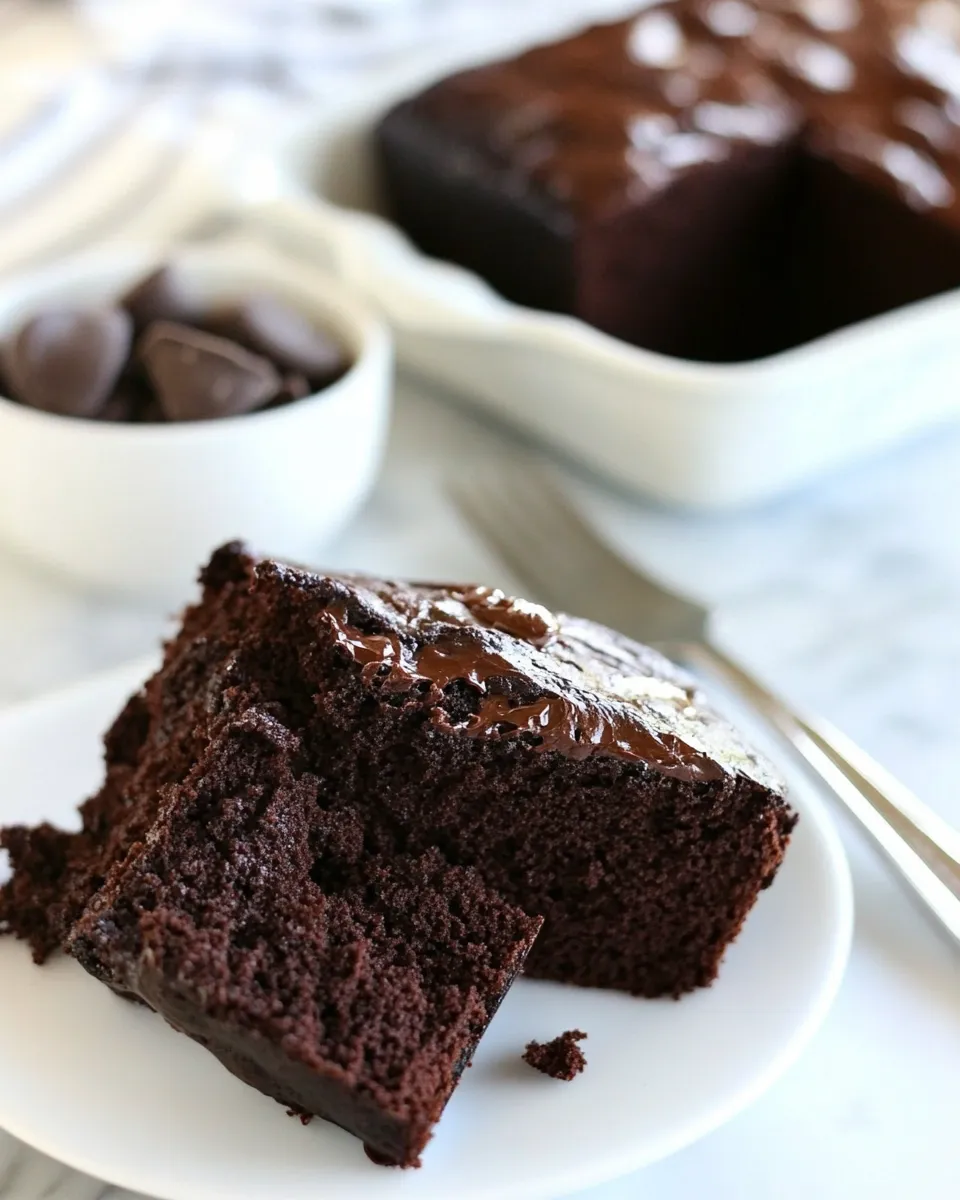
- 8 ounces good-quality dark chocolate, 60–72%, coarsely chopped — Melts into pockets and gives the “double” chocolate experience.
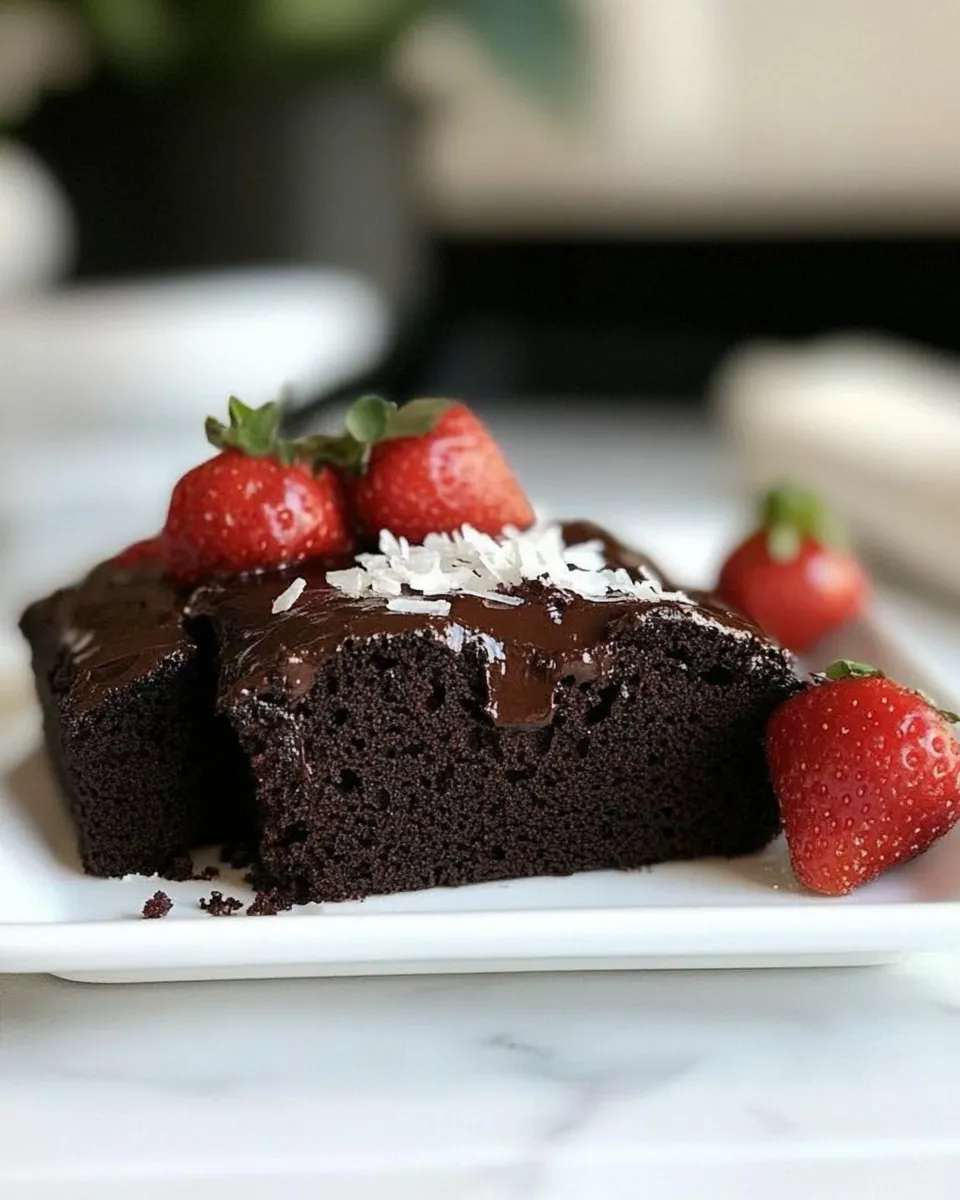
- Whipped cream and strawberries — For serving, if desired; optional but a classic creamy, fresh contrast.
Double Chocolate Loaf Cake — Do This Next
- Preheat the oven to 350°F (175°C). Position a rack in the center. Butter a 9 x 5-inch loaf pan, dust it with flour, and tap out the excess flour.
- Put the 3/4 cup firmly packed dark brown sugar into the bowl of a stand mixer fitted with the paddle attachment and break up any large lumps with the back of a spoon. Add the 1 cup sifted dark unsweetened cocoa powder, 1 1/2 cups all-purpose flour, 3/4 cup granulated sugar, 1 1/2 teaspoons baking soda, 3/4 teaspoon baking powder, and 1 teaspoon salt.
- Mix the dry ingredients on low just until they are evenly combined, then scrape down the sides and bottom of the bowl so everything is incorporated.
- In a separate bowl, whisk together the 2 large eggs and 1 large egg yolk until blended. Add the 3/4 cup buttermilk, 1/2 cup vegetable oil, and 1 teaspoon vanilla extract; whisk until smooth.
- With the mixer on low, slowly pour the wet mixture into the dry ingredients in a steady stream, mixing only until the batter is just combined and there are no large dry streaks. Do not overmix.
- Fold in the 8 ounces coarsely chopped dark chocolate by hand with a spatula until the chocolate is evenly distributed.
- Pour the batter into the prepared loaf pan and smooth the top with a spatula. Tap the pan once or twice on the counter to release any large air bubbles.
- Bake until a toothpick inserted into the center comes out clean or with a few moist crumbs, about 1 hour to 1 hour 10 minutes. If the top is browning too quickly, tent loosely with foil for the remaining time.
- Remove the pan from the oven and let the cake cool in the pan on a wire rack for 15 minutes. Run a knife around the edges, invert the loaf onto the rack, and remove the pan. Cool completely before slicing.
- Slice and serve with whipped cream and strawberries, if desired.
What Sets This Recipe Apart
This loaf leans into deep chocolate rather than sugary sweetness. Two kinds of chocolate elements—the cocoa in the batter and large, coarsely chopped dark chocolate—create layers of texture and flavor. Buttermilk and oil make the crumb moist and forgiving, so the cake stays tender even a day later. The combination of baking soda and a touch of baking powder gives steady lift without a domed top that cracks messily.
Using coarsely chopped dark chocolate instead of chips ensures there are molten pockets and firm shards throughout. The balance of brown sugar and granulated sugar brings caramel notes that play well with dark cocoa. In short: intense chocolate, moist crumb, and a homey loaf shape that slices cleanly.
Healthier Substitutions
If you want to lighten this loaf while keeping texture, swap the 1/2 cup vegetable oil for an equal amount of unsweetened applesauce. Keep in mind you’ll lose a little richness, so try adding the reserved egg yolk if you need extra tenderness (this recipe already includes an extra yolk, so you’re in good shape).
For lower sugar, reduce the 3/4 cup granulated sugar by up to one-third and rely more on the dark brown sugar for flavor depth. You can also substitute a granular erythritol or monk-fruit blend cup-for-cup, but results will vary—stick to a product labeled for baking. Using 60% dark chocolate rather than 72% will reduce perceived bitterness if you want less intense chocolate.
Tools of the Trade
Use a 9 x 5-inch loaf pan for proper shape and baking time. A stand mixer with a paddle attachment speeds up the dry-ingredient mixing and prevents overworking. If you don’t have a stand mixer, a large bowl and a sturdy whisk or wooden spoon work fine—just mix gently.
A good oven thermometer is a small investment that pays dividends. Ovens can run hot or cool; accuracy matters when you’re aiming for a moist interior without a dried-out edge. A wire cooling rack and a sharp serrated knife will help you remove and slice the loaf cleanly.
Common Errors (and Fixes)
Top browning too fast — Tent with foil. If the top is darkening before the center is set, loosely cover the pan with foil about halfway through baking.
Soggy center — Check doneness with a toothpick in the center. A clean pick or a few moist crumbs means done; a batter-coated pick means it needs more time. Always test toward the end of the minimum time (start at 1 hour).
Dense loaf — Don’t overmix once you add wet to dry. Overworking develops gluten, making the cake tight. Mix only until there are no large dry streaks, then stop.
Uneven rise or collapse — Measure flour accurately. Too much flour or incorrect measuring can weigh down the batter. Spoon and level flour into the measuring cup rather than scooping directly from the bag.
Make It Diet-Friendly
For a lower-calorie serving, slice thinly and pair each slice with fresh strawberries and a dollop of light whipped topping. If you need a gluten-free version, substitute a 1:1 gluten-free flour blend that contains xanthan gum; expect slight differences in texture. For vegan needs, replace the 2 large eggs and 1 egg yolk with a commercial vegan egg replacer that equals three eggs, and use a plant-based buttermilk (almond or soy milk mixed with a teaspoon of vinegar) in place of the buttermilk. Note: these swaps change rise and texture, so test a single loaf first.
Method to the Madness
Mixing order and technique
The sequence here matters. Combining dry ingredients thoroughly before adding wet ensures even distribution of cocoa, leaveners, and salt. Whisking eggs and wet ingredients separately guarantees they emulsify properly into the batter. Pour wet into dry on low speed to avoid splattering and to minimize gluten development.
Folding in chocolate
Fold the coarsely chopped chocolate by hand with a spatula. Overmixing at this stage will incorporate too much air and can alter the crumb. Folding preserves the batter’s tender structure and keeps large chocolate pieces intact so you get contrast in every bite.
Baking and cooling
Letting the cake rest in the pan for 15 minutes stabilizes it and makes unmolding safer. Cooling fully before slicing gives a cleaner slice because residual heat continues to set the crumb. If you try to slice too warm, the loaf can crumble.
Keep It Fresh: Storage Guide
Room temperature: Wrap tightly in plastic wrap or place in an airtight container for up to 3 days. Keep away from direct sunlight and heat.
Refrigerator: Store wrapped or in an airtight container for up to 5 days. The loaf will firm up; bring slices to room temperature or briefly warm in a microwave for 10–15 seconds before serving.
Freezer: Wrap tightly in plastic, then in foil, and freeze for up to 3 months. Thaw overnight in the refrigerator or at room temperature. Rewarm briefly in a 300°F oven for 10–12 minutes for a freshly baked feel.
Quick Q&A
Q: Can I use cocoa powder that isn’t sifted? A: You can, but sifted cocoa reduces lumps and gives an even mix. If your cocoa is lumpy, press it through a sieve first.
Q: Will the loaf be too bitter with 60–72% chocolate? A: The brown sugar and granulated sugar balance the bitterness. If you prefer milder chocolate, choose the lower end of that percentage range (60%).
Q: Can I make this in muffin tins or a bundt pan? A: You can convert to muffins—reduce bake time and check frequently. Bundt pans will need a longer bake and may affect rise; be prepared to tent with foil if the top browns too fast.
Wrap-Up
This Double Chocolate Loaf Cake is dependable, richly flavored, and versatile. It’s an everyday bake that feels a bit special. Use the ingredients and steps exactly as written for the best baseline result; then adapt with the substitution and storage tips to suit your needs. Whether you’re slicing it for a coffee break or bringing it as a simple dessert to a friend, this loaf delivers consistent chocolate satisfaction.
If you try it, slice it a little thicker than you think you want and serve with whipped cream and strawberries for a classic pairing. Happy baking—this one’s worth the oven time.
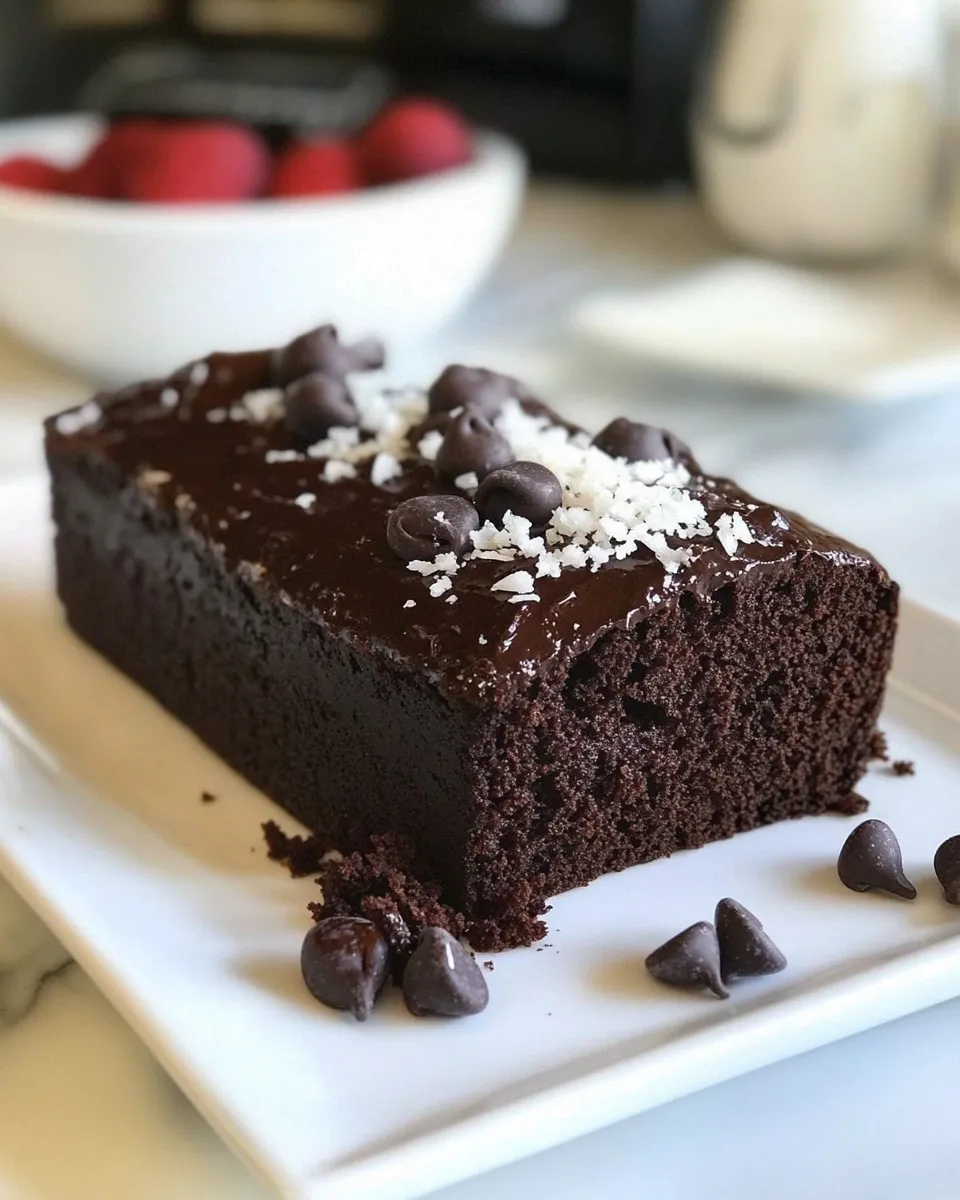
Double Chocolate Loaf Cake
Ingredients
Equipment
Method
- Preheat the oven to 350°F (175°C). Position a rack in the center. Butter a 9 x 5-inch loaf pan, dust it with flour, and tap out the excess flour.
- Put the 3/4 cup firmly packed dark brown sugar into the bowl of a stand mixer fitted with the paddle attachment and break up any large lumps with the back of a spoon. Add the 1 cup sifted dark unsweetened cocoa powder, 1 1/2 cups all-purpose flour, 3/4 cup granulated sugar, 1 1/2 teaspoons baking soda, 3/4 teaspoon baking powder, and 1 teaspoon salt.
- Mix the dry ingredients on low just until they are evenly combined, then scrape down the sides and bottom of the bowl so everything is incorporated.
- In a separate bowl, whisk together the 2 large eggs and 1 large egg yolk until blended. Add the 3/4 cup buttermilk, 1/2 cup vegetable oil, and 1 teaspoon vanilla extract; whisk until smooth.
- With the mixer on low, slowly pour the wet mixture into the dry ingredients in a steady stream, mixing only until the batter is just combined and there are no large dry streaks. Do not overmix.
- Fold in the 8 ounces coarsely chopped dark chocolate by hand with a spatula until the chocolate is evenly distributed.
- Pour the batter into the prepared loaf pan and smooth the top with a spatula. Tap the pan once or twice on the counter to release any large air bubbles.
- Bake until a toothpick inserted into the center comes out clean or with a few moist crumbs, about 1 hour to 1 hour 10 minutes. If the top is browning too quickly, tent loosely with foil for the remaining time.
- Remove the pan from the oven and let the cake cool in the pan on a wire rack for 15 minutes. Run a knife around the edges, invert the loaf onto the rack, and remove the pan. Cool completely before slicing.
- Slice and serve with whipped cream and strawberries, if desired.