Easy Caramel Sauce Recipe
I make caramel at home more than I probably should admit. It’s one of those simple pleasures that turns plain ice cream, fruit, or coffee into something altogether indulgent. This version is straightforward, forgiving, and quick enough for a weeknight dessert fix.
No special training. No odd ingredients. You’ll be working with sugar, butter, cream, vanilla, and salt — classic, reliable, and totally worth the tiny bit of attention it needs at the stove. I’ll walk you through the exact steps and a few smart tricks so you can get glossy, silky sauce every time.
If you’ve been nervous about boiling sugar, don’t be. With the right pacing and a steady hand, the process is satisfying. Read the steps once, gather your equipment, and stay focused for a few minutes. You’ll end up with a caramel that’s rich but balanced, not bitter and not grainy.
Ingredients
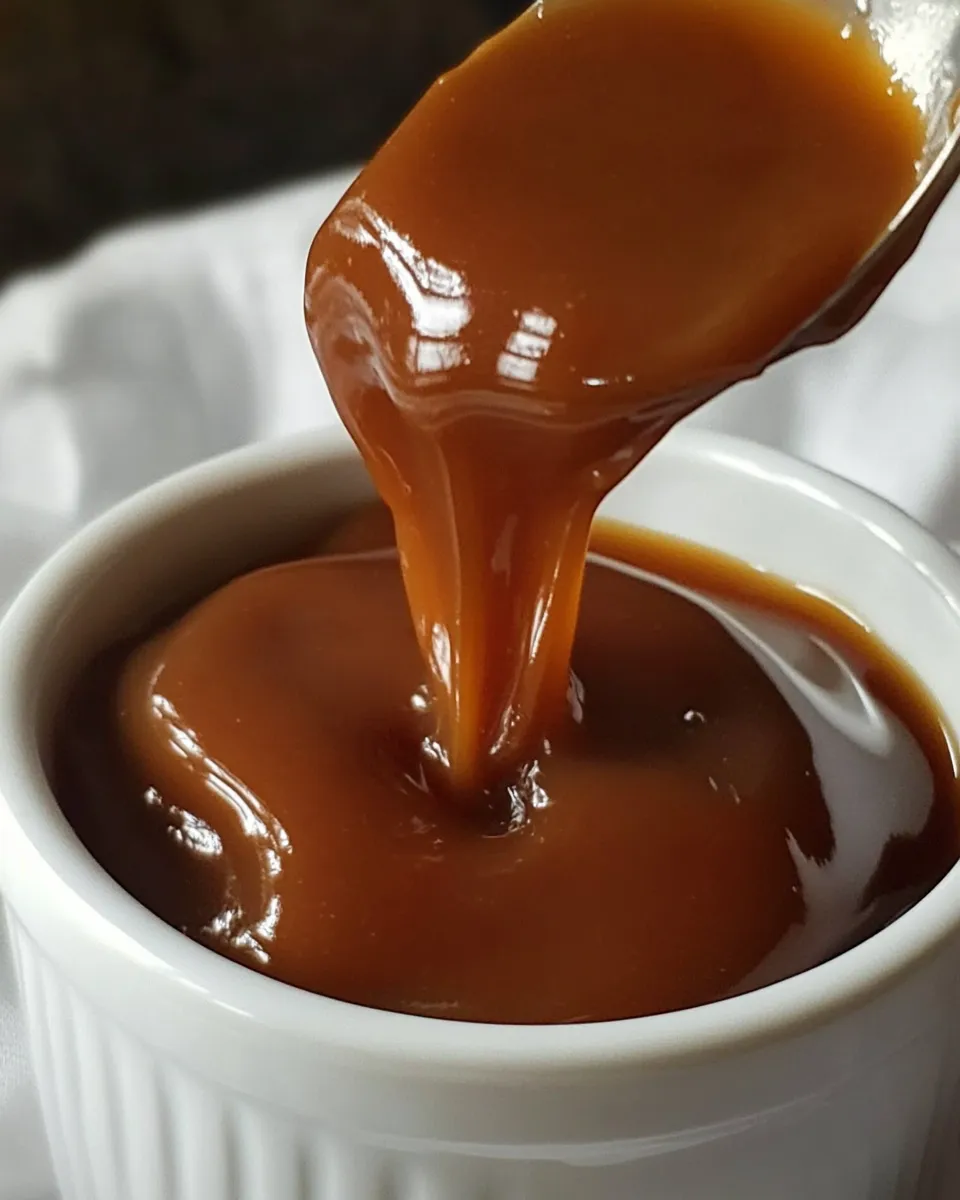
- 1 cup granulated sugar — The base: sugar caramelizes to create flavor and color.
- 1/4 cup water — Helps the sugar dissolve and cook evenly into a syrup.
- 6 Tbsp unsalted butter, softened at room temperature, cut into cubes — Adds richness and smoothness; cubed butter makes incorporation easier.
- 1/2 cup heavy cream, warm — Brings creaminess and thins the caramel to a pourable sauce; warming reduces violent bubbling.
- 1 tsp pure vanilla extract — Finishing flavor: adds depth and a warm note.
- 1 tsp sea salt, or to taste — Balances sweetness; add gradually and taste as you go.
Shopping List
- Granulated sugar — you need 1 cup. Regular white sugar is perfect.
- Heavy cream — buy at least 1/2 cup; a small container works if you’ll make this once.
- Unsalted butter — 6 tablespoons. Unsalted gives control over the final salt level.
- Pure vanilla extract — a small bottle is enough; avoid imitation for best flavor.
- Sea salt — a small jar for finishing. Flaky or fine both work; adjust to taste.
- Optional: a candy thermometer if you like precision (caramel finishes around 220°F).
Step-by-Step: Caramel Sauce
- Prepare ingredients: warm the 1/2 cup heavy cream and cut the 6 Tbsp softened unsalted butter into cubes so they are ready to add.
- Combine sugar and water in a heavy-bottomed saucepan. Stir just until the sugar dissolves into the water and the mixture is clear.
- Set the pan over medium-low heat. Once the mixture starts to simmer and is clear, stop stirring. Swirl the pan occasionally until the syrup is completely liquid and turns a light amber color (about 6–8 minutes). Do not use higher heat or let it darken too far, or it will taste bitter.
- Reduce the heat to low. Carefully whisk in the butter in two additions (whisk half the cubes in first, then the rest). The mixture will bubble vigorously; keep whisking until the butter is fully incorporated. If the mixture separates, remove from the heat and whisk until it comes together.
- Slowly stream in the warm heavy cream while whisking constantly. It will bubble and steam—continue whisking until the sauce is smooth. If using a candy thermometer, the caramel is done at about 220°F.
- Remove the pan from the heat. Whisk in the 1 tsp pure vanilla extract and 1 tsp sea salt (or to taste). Taste and adjust the salt if needed.
- Let the caramel cool slightly before using; it will thicken as it cools. Store in an airtight container in the refrigerator for up to 2 weeks. Rewarm gently before drizzling or serving.
Why Cooks Rave About It
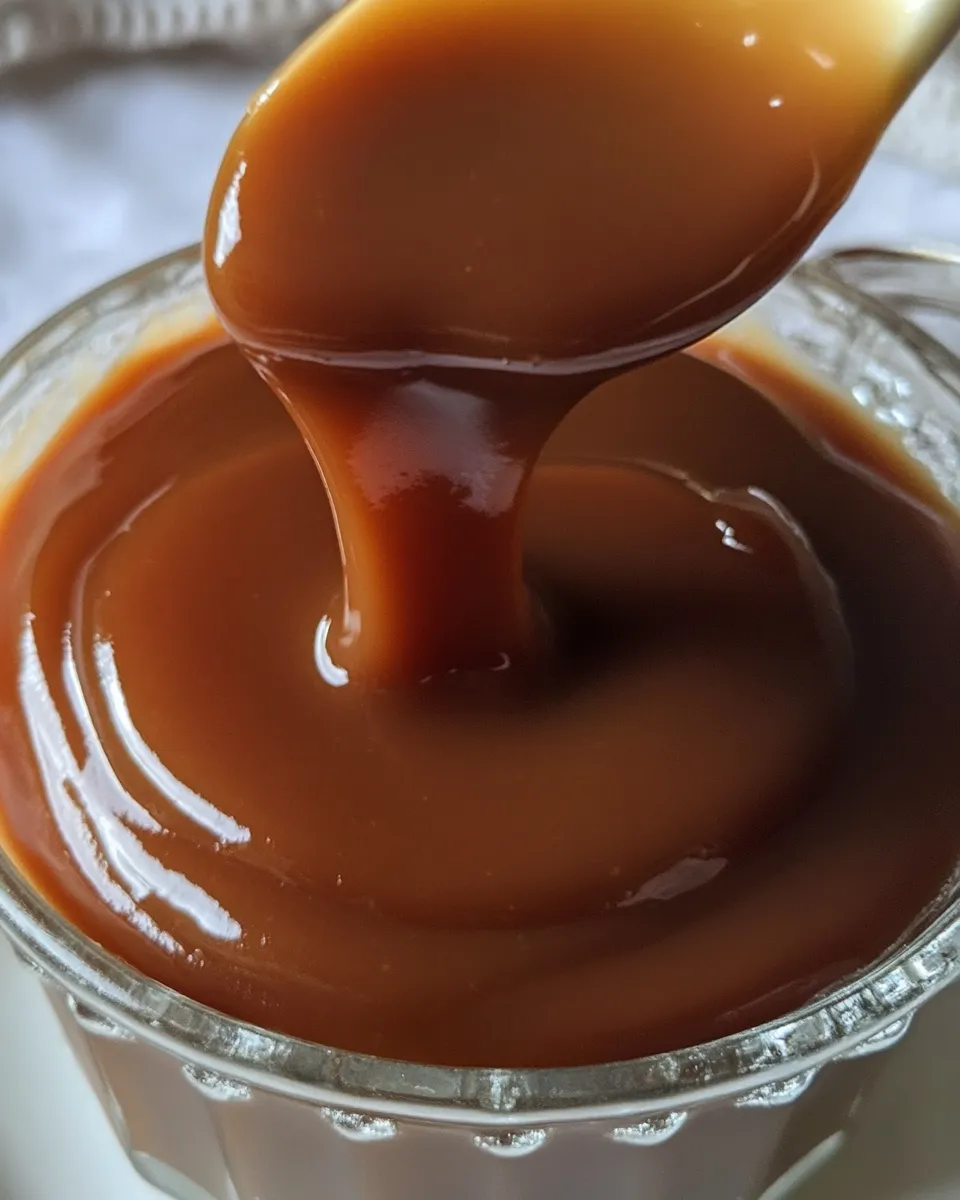
This caramel is the kind of recipe that rewards attention. It’s made from pantry staples and yet transforms simple desserts. The method produces a glossy sauce with a clean, buttery flavor. No burnt notes, no graininess, and a texture that clings to spoons and pours easily over cold ice cream.
People love it because it’s adaptable. Use it as a topping, a dip, a coffee syrup, or swirl it through batter. It balances sweetness with a whisper of salt and a warm vanilla finish. Once you learn the rhythm of boiling sugar and adding fats, you’ll make it again and again.
Smart Substitutions
- Heavy cream — If you must, use half-and-half for a lighter sauce. Expect a thinner consistency and slightly less richness.
- Unsalted butter — If you only have salted butter, reduce the added sea salt to start (try 1/4–1/2 tsp), then taste and adjust.
- Vanilla extract — A split vanilla bean scraped into the cream gives luxury, but use the extract if you want fast and simple.
- Sugar — White granulated sugar is required for predictable caramelization. Brown sugar or other sugars will change flavor and behavior.
Before You Start: Equipment
- Heavy-bottomed saucepan — Distributes heat evenly and reduces the risk of hot spots that burn sugar.
- Whisk — A sturdy whisk helps incorporate butter and cream smoothly.
- Measuring cups and spoons — Accurate amounts keep the chemistry predictable.
- Heatproof spatula or wooden spoon — Handy for gentle swirls and scraping sides.
- Candy thermometer (optional) — Useful if you prefer exact temperatures; caramel is around 220°F when done.
- Glass jar or airtight container — For storing the sauce in the refrigerator.
Troubleshooting Tips
If the sugar crystallizes
Crystallization happens when sugar recrystallizes on the sides of the pan. To prevent it, stir the sugar only at the start to dissolve it in the water. Once it simmers, stop stirring and instead swirl the pan. If crystals form, dip a pastry brush in hot water and brush the sides of the pan to dissolve them.
If the caramel is grainy
Graininess usually means the sugar didn’t fully dissolve before heating or it recrystallized. Reheating over very low heat while whisking can sometimes smooth it out, but if it’s too far gone, start again and follow the “dissolve then stop stirring” rule.
If it separates (butter and cream split)
If the sauce separates, remove the pan from heat immediately and whisk vigorously. Emulsions can re-form as the sauce cools and you whisk. If that doesn’t work, a splash more warm cream and persistent whisking often brings it back together.
If it tastes bitter
Bitterness means the sugar cooked too dark. You can sometimes balance it with more cream and salt, but don’t expect to completely erase a burnt flavor. Start over if it’s very dark.
Make It Your Way
Want a salted caramel? Increase the sea salt to 1 1/2 tsp and finish with a sprinkle of flaky salt when serving. Prefer a thinner sauce for coffee? Add a tablespoon or two of warm cream right before serving. Want a deeper flavor? Let the syrup reach a slightly deeper amber (careful: just a touch), then proceed as written.
For a boozy variation, stir in 1–2 teaspoons of bourbon or rum off the heat after adding vanilla. Alcohol changes texture a bit, so add sparingly and taste as you go.
Method to the Madness
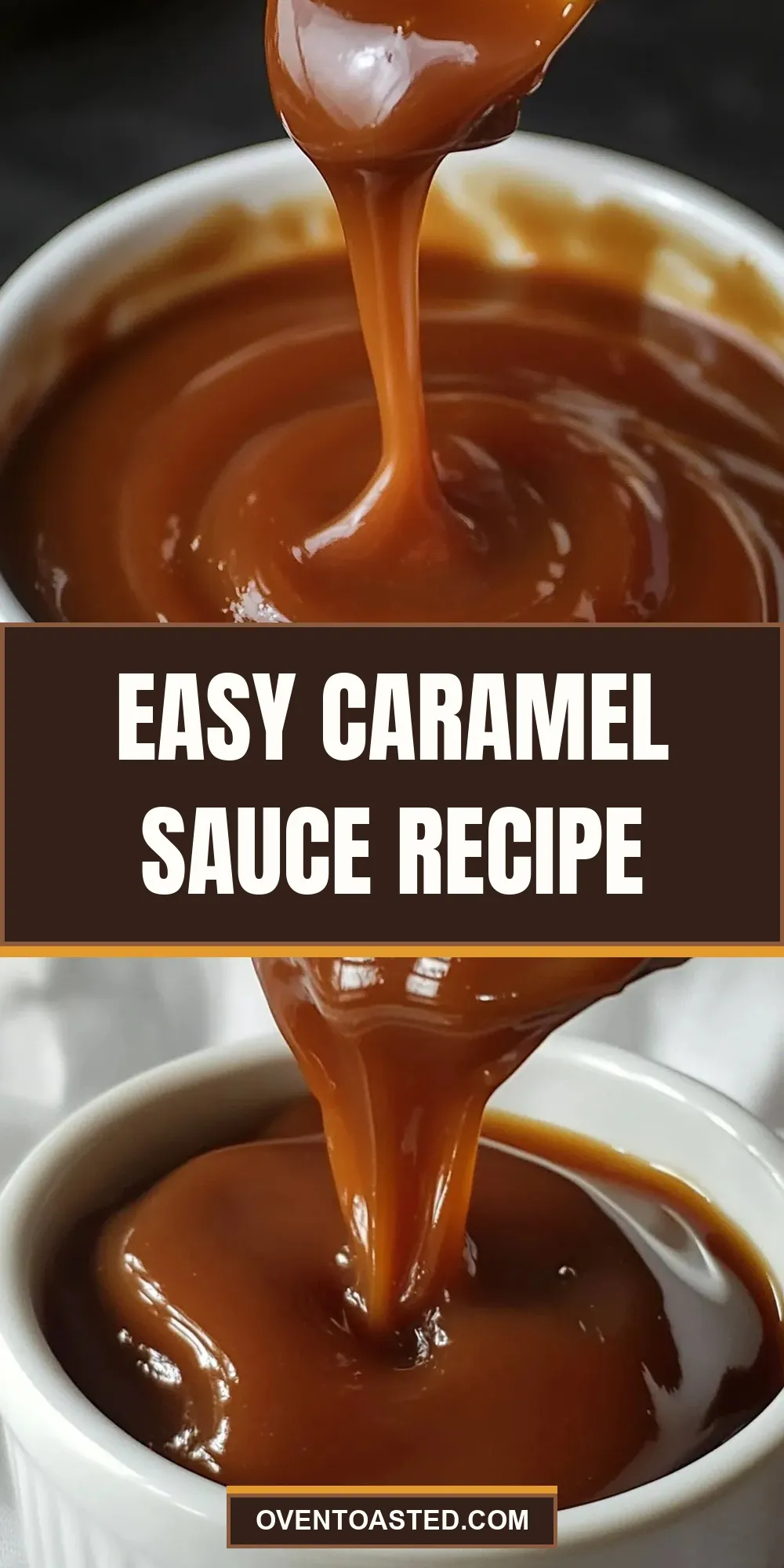
Caramel is chemistry. Sugar heated with water dissolves into a syrup that, when cooked, breaks down and browns — that browning (Maillard and caramelization reactions) creates complex flavors. Adding butter introduces fat, which carries flavor and creates a glossy texture. The cream stops the cooking and thins the mixture into a sauce. Salt and vanilla finish and balance sweetness.
Temperature matters. Medium-low heat keeps things controlled so you get a light amber color without bitterness. Rushing on high heat often causes uneven cooking and burnt spots. With a calm burner, you can watch color change and judge doneness by sight and smell.
How to Store & Reheat
- Refrigeration — Store cooled caramel in an airtight container for up to 2 weeks, as noted in the recipe steps.
- Reheating on the stove — Gently warm in a small saucepan over low heat, stirring frequently until it loosens to your desired pourability.
- Reheating in the microwave — Heat in short 10–15 second bursts at medium power, stirring between bursts to distribute heat and prevent hot spots.
- Texture after chilling — It will thicken when cold. If it’s too thick, add a splash of warm cream while reheating to loosen it.
Ask & Learn
Q: Can I freeze caramel?
A: Yes. Freeze in a freezer-safe jar for up to 3 months. Thaw overnight in the refrigerator and rewarm gently before using.
Q: Why did my caramel seize when I added cream?
A: Seizing happens when the hot sugar cools too quickly or is disturbed. To minimize this, warm the cream before adding and add it slowly while whisking constantly. If it seizes, remove from heat and whisk; a little more warm cream can save it.
Q: Can I make this dairy-free?
A: The recipe relies on butter and cream for texture and flavor. If you need dairy-free, try full-fat coconut milk and a dairy-free butter, but expect flavor differences and possibly a looser texture.
The Takeaway
This caramel sauce is reliably delicious and surprisingly simple. Prep your ingredients first, keep the heat patient and low, and pay attention during the critical moments: the first simmer, the color change, and the addition of butter and cream. Follow the exact steps and quantities above and you’ll end up with a silky, balanced sauce that lifts everything it touches.
Make a batch. Drizzle it over vanilla ice cream, roast pears, or a warm apple crisp. Store the rest in the fridge and rewarm gently. You’ll find many excuses to use it — and you’ll be glad you learned how.
Easy Caramel Sauce Recipe
Ingredients
Equipment
Method
- Prepare ingredients: warm the 1/2 cup heavy cream and cut the 6 Tbsp softened unsalted butter into cubes so they are ready to add.
- Combine sugar and water in a heavy-bottomed saucepan. Stir just until the sugar dissolves into the water and the mixture is clear.
- Set the pan over medium-low heat. Once the mixture starts to simmer and is clear, stop stirring. Swirl the pan occasionally until the syrup is completely liquid and turns a light amber color (about 6–8 minutes). Do not use higher heat or let it darken too far, or it will taste bitter.
- Reduce the heat to low. Carefully whisk in the butter in two additions (whisk half the cubes in first, then the rest). The mixture will bubble vigorously; keep whisking until the butter is fully incorporated. If the mixture separates, remove from the heat and whisk until it comes together.
- Slowly stream in the warm heavy cream while whisking constantly. It will bubble and steam—continue whisking until the sauce is smooth. If using a candy thermometer, the caramel is done at about 220°F.
- Remove the pan from the heat. Whisk in the 1 tsp pure vanilla extract and 1 tsp sea salt (or to taste). Taste and adjust the salt if needed.
- Let the caramel cool slightly before using; it will thicken as it cools. Store in an airtight container in the refrigerator for up to 2 weeks. Rewarm gently before drizzling or serving.
Notes
Don’t brush the sides of the pan with water once the mixture is simmering. Water droplets can cause the whole mixture to crystallize and seize. I avoid brushing at all for this reason, and once the sugar is simmering, swirling will remove the crystals at the edge naturally.
Don’t heat over too high of heat or the water will evaporate before the sugar crystals have a chance to melt and they can crystallize. Melt the sugar mixture patiently over medium/low heat.
Use a heavy saucepan for even heat distribution, not a flimsy one.
Use warm cream so it doesn’t splatter, separate, or burst, which can happen if you add cold liquid to a blazing hot caramel sauce.
Add room temperature butter when it looks a light amber color- don’t wait until it’s brown or it will taste burned.
European butter has less sputtering since it has a higher fat and lower water content.
Caramel is super hot; do not touch it or lick utensils with hot caramel or melted sugar.
To fix Crystalized Caramel- Add 1 or 2 tablespoons of water to the broken mixture and reheat, whisking until the sugar dissolves.