Easy Oven Baked Cod
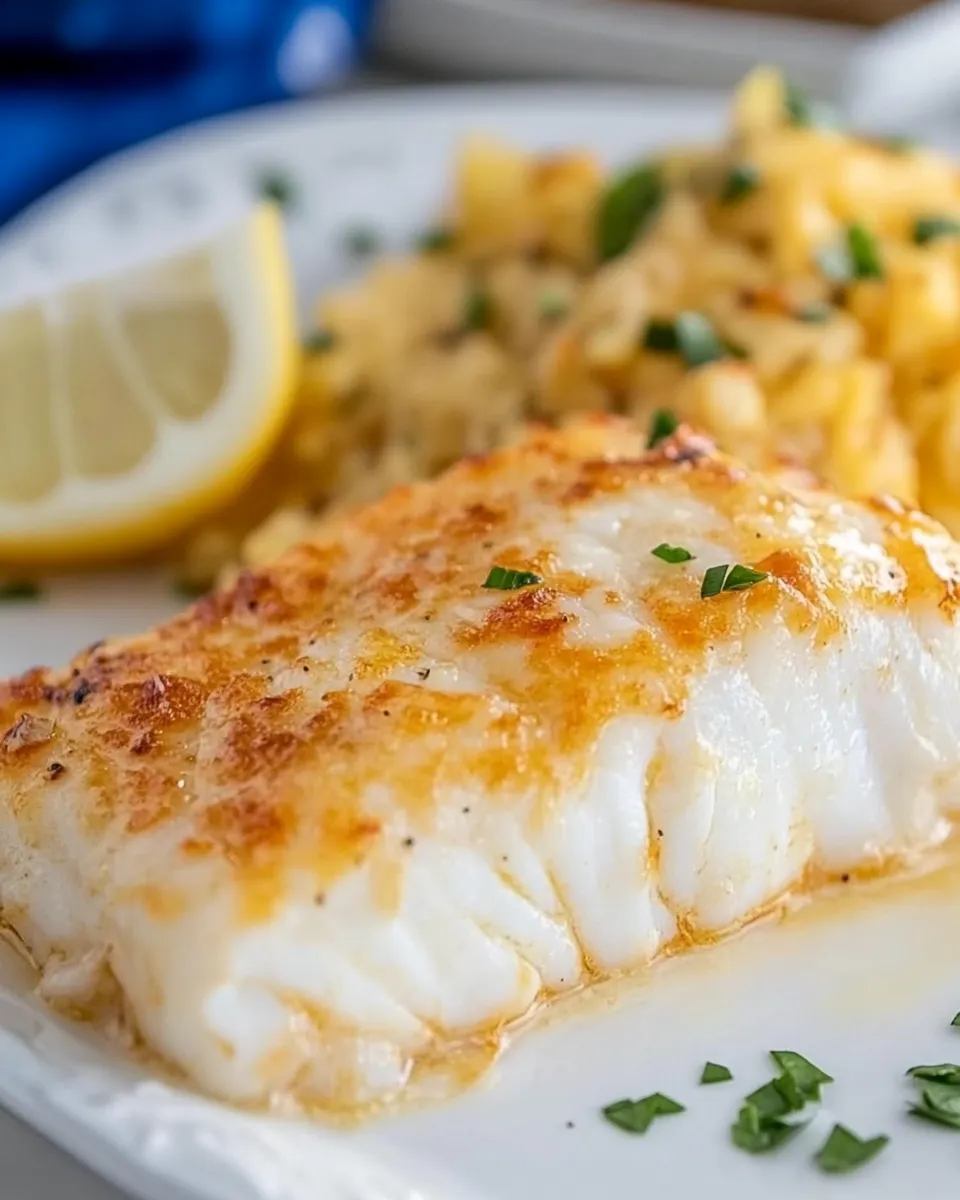
I cook this cod nearly every week when I want a fast dinner that still feels thoughtful. It’s one of those recipes that looks and tastes like effort but is forgiving, quick, and honest. The spice mix and bright lemon cut through the richness of the fish, while a quick bake keeps the fillets tender and flaky.
This is a practical recipe for busy evenings, but it also stands up when you want to impress guests. The timing is predictable, the steps are straightforward, and the end result is what I reach for when I want protein on the table without a lot of mess. You can have this ready in under 20 minutes from start to finish if the fish is thawed.
I’ll walk you through the shopping basics, exact steps, common mistakes, and easy variations. There’s no flapdoodle here — just clear directions and small tips that keep the fish juicy and bright. Let’s get to it.
Shopping List
- 1 tablespoon extra virgin olive oil — provides the base of the glaze and helps the seasonings cling to the fillets.
- 1 tablespoon Dijon mustard — adds tang and helps form a light glaze during baking.
- 1 teaspoon lemon zest, from 1 large lemon — brightens the flavor; zest, not juice.
- ½ tablespoon lemon juice, from 1 large lemon — adds acidity to balance the richness.
- 2 large garlic cloves, finely minced — aromatics; mince finely so it cooks quickly and blends into the glaze.
- 1 teaspoon paprika — a touch of smokiness and color.
- 1 teaspoon kosher salt — seasons the fish; kosher salt is easier to control than table salt.
- 4 cod filets, about 1″ thick — the main ingredient; fillets around 1″ cook evenly in the given time.
- 2 tablespoons unsalted butter, optional — adds richness when placed on top of each fillet before baking.
- Lemon and parsley for serving — lemon wedges for brightness; chopped parsley for freshness and color.
Oven Baked Cod in Steps
- If the cod is frozen, thaw it in the refrigerator overnight. For a faster method, keep the fish in its sealed packaging and submerge it in a bowl of cold water until thawed (change the water as needed).
- When the fish is thawed and you’re ready to bake, preheat the oven to 400°F (200°C). Line a baking dish with parchment paper.
- In a small bowl, combine 1 tablespoon extra virgin olive oil, 1 tablespoon Dijon mustard, 1 teaspoon lemon zest, ½ tablespoon lemon juice, 2 large garlic cloves (finely minced), 1 teaspoon paprika, and 1 teaspoon kosher salt. Stir until evenly mixed.
- Pat the cod filets dry with paper towels.
- Brush the olive oil–Dijon mixture evenly over both sides of each of the 4 cod filets (about 1″ thick).
- Place the seasoned fillets on the prepared baking dish. If using butter, place ½ tablespoon unsalted butter on top of each fillet (total 2 tablespoons).
- Bake on the center oven rack until the cod reaches an internal temperature of 145°F (63°C) in the thickest part or until the fish is opaque and flakes easily with a fork, about 10–12 minutes.
- Remove the cod from the oven and serve immediately with lemon wedges and chopped parsley.
Why I Love This Recipe
This is a recipe that shows off what cod does best: a delicate, flaky texture with very clean flavor. The Dijon and lemon give it lift without hiding the fish. It’s fast, which means the fish spends the minimum amount of time in the oven and stays moist. I also like recipes that let the main ingredient shine — here the cod does all the talking and the seasonings support it.
It’s reliable for weeknights and flexible enough for guests. You can plate it simply with a salad or dress it up with roasted vegetables and a grain. The technique — a brief high-heat bake with a light glaze — is transferable to other mild white fish as well. That kind of reliability makes it a staple in my rotation.
Ingredient Flex Options
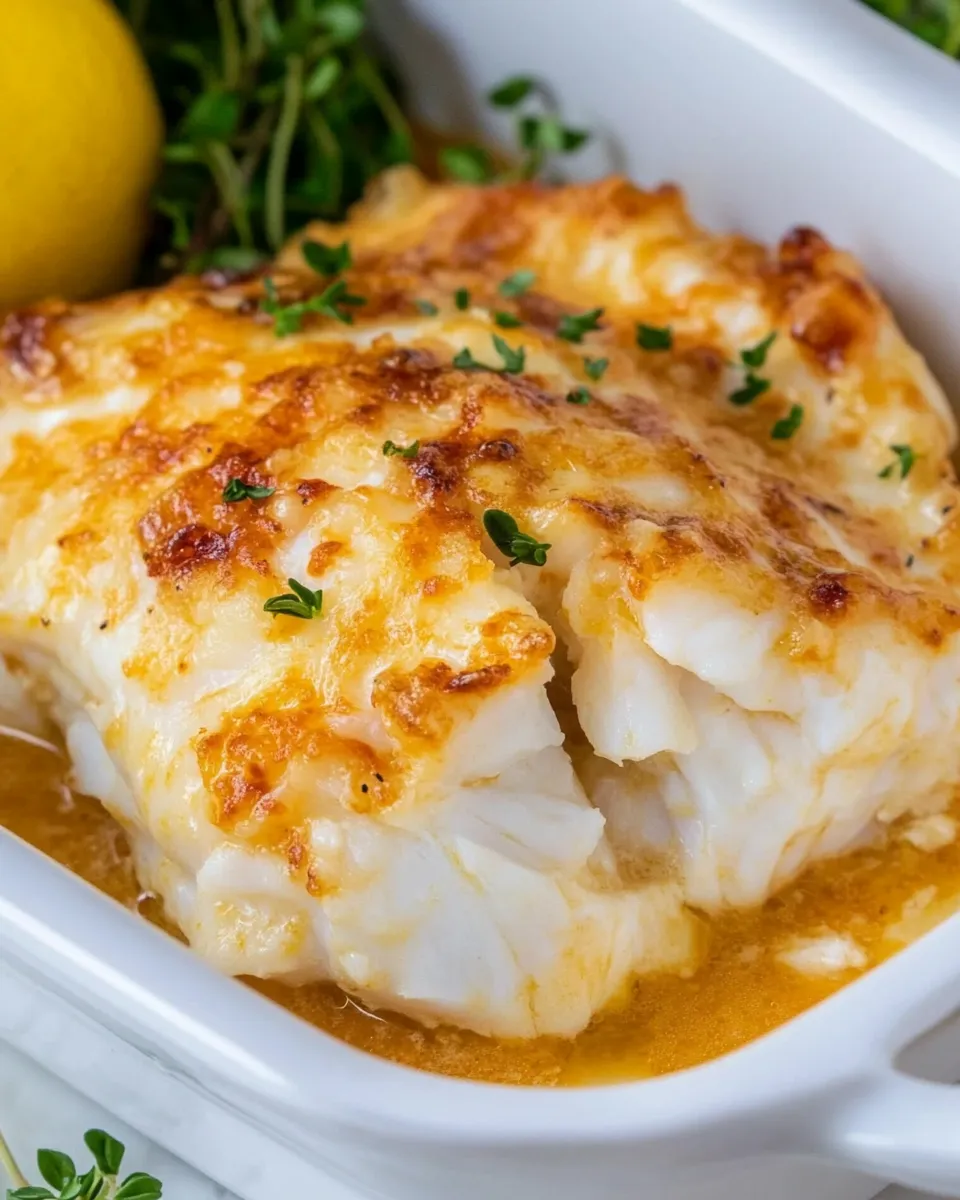
I keep the core flavors but swap small items depending on what’s on hand. These substitutions maintain the spirit of the dish while allowing flexibility.
- Extra virgin olive oil — substitute with a light olive oil or a neutral oil like avocado oil if you prefer.
- Dijon mustard — whole-grain mustard works if you like texture; plain mustard will change the mouthfeel but not the bake time.
- Lemon zest and juice — if you don’t have fresh lemon, use a splash more Dijon and a teaspoon of white wine vinegar, but fresh lemon is best for aroma.
- Garlic — garlic powder can be used in a pinch (½ teaspoon), though fresh minced garlic gives the best flavor.
- Paprika — swap for smoked paprika for a deeper, smoky note or omit for a cleaner profile.
- Kosher salt — reduce slightly if using fine table salt; taste and adjust on a future attempt.
- Butter — optional, but a small knob melts into the fillet and gives silkiness; use plant-based butter if dairy-free.
Essential Tools for Success
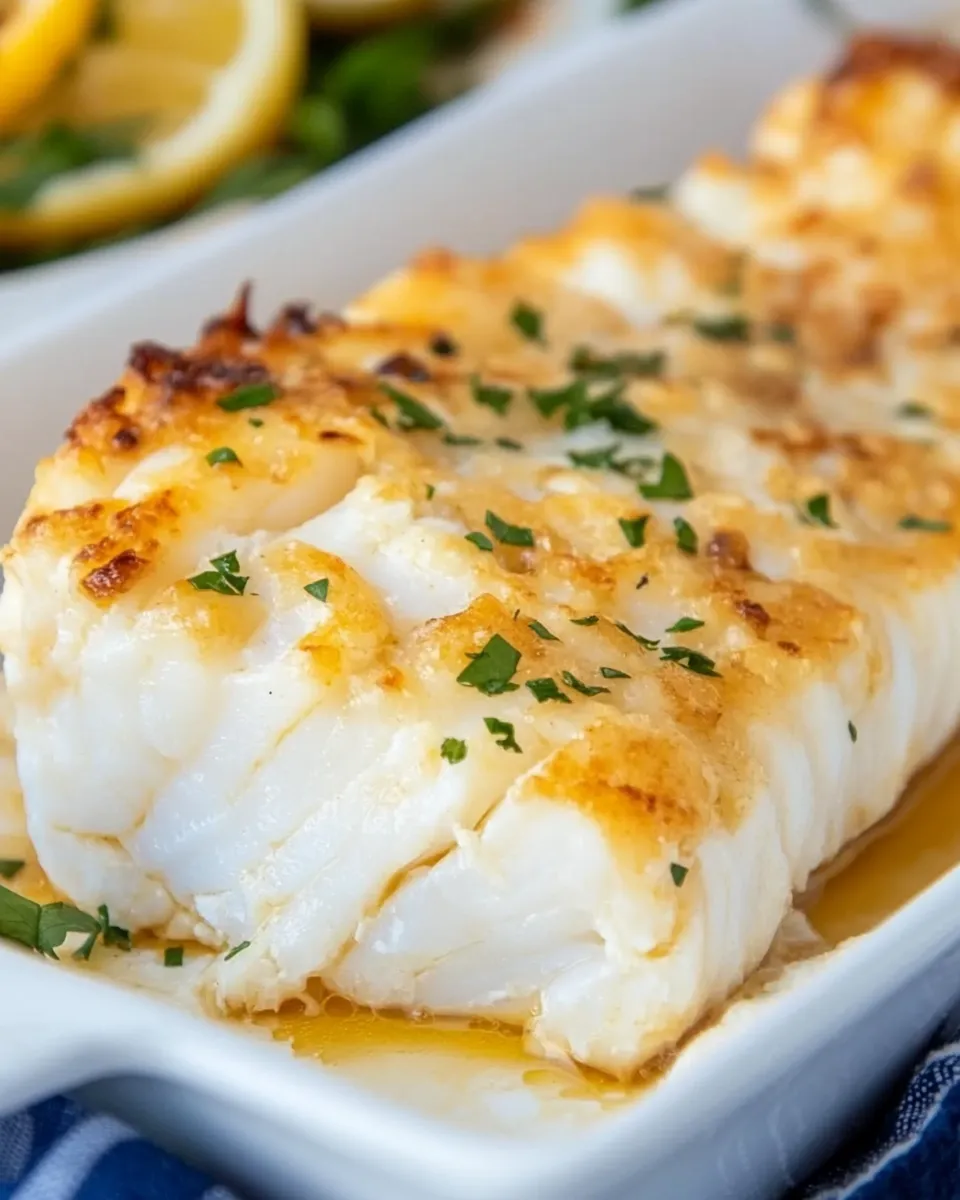
You don’t need a fancy set-up; a few simple tools make this easier and more consistent.
Non-negotiables
- Oven — cooks the fish evenly at the specified temperature.
- Baking dish or sheet — lined with parchment for easy cleanup and to prevent sticking.
- Instant-read thermometer — optional but the best way to confirm the cod reaches 145°F (63°C) without overcooking.
Nice-to-have
- Small bowl and whisk — for combining the glaze ingredients quickly and evenly.
- Pastry brush — for an even application of the olive oil–Dijon mixture, though a spoon works fine.
- Paper towels — for patting the fillets dry; it makes a noticeable difference in browning and texture.
Learn from These Mistakes
Here are the common missteps I see, and how to avoid them. They’re easy fixes, and correcting them makes the difference between dry fish and a perfectly flaky fillet.
- Skipping the pat-dry step — moisture on the surface prevents the glaze from adhering and can make the fish steam instead of bake. Pat dry before seasoning.
- Overbaking — cod is lean and goes from perfect to dry very fast. Follow the 10–12 minute guideline for 1″ fillets, and check for flakiness or use a thermometer.
- Using fillets of uneven thickness — one thick and one thin fillet on the same tray will not cook uniformly. If pieces vary, adjust placement or remove thinner pieces early.
- Too much salt up front — the given 1 teaspoon kosher salt is balanced for the mixture and four fillets; don’t oversalt before baking.
- Rushing the thaw — thawing at room temperature can encourage uneven texture. If you need speed, use the cold-water method with sealed packaging, changing water as needed.
Variations by Season
Use seasonal produce and small changes to make this recipe feel new throughout the year.
- Spring — serve with steamed asparagus and new potatoes; add chopped dill instead of parsley.
- Summer — top the baked cod with a quick tomato and basil bruschetta; add a drizzle of olive oil and capers for brightness.
- Fall — pair with roasted root vegetables and a squeeze of roasted lemon for smoky depth.
- Winter — serve alongside braised greens or buttery mashed potatoes; a warm herb butter on top complements the cod well.
Cook’s Commentary
I learned this technique by trial and error. The Dijon-lemon glaze is deliberately thin; it flavors the fish and forms a sheen but won’t create a thick crust. That’s intentional — cod is delicate, and the goal is to highlight tenderness and subtle flavor.
I often skip the butter in the summer and add it in colder months for extra comfort. If you want a richer finish, swap the butter for a compound herb butter placed on the hot fillet right as it comes out of the oven; it melts quickly and adds wow factor with minimal effort.
Timing is the trick. If your fillets are slightly thicker than 1″, add a couple of minutes but check early. Flakiness and an internal temperature of 145°F (63°C) are your signals that the fish is done.
Keep It Fresh: Storage Guide
Store cooked cod properly to maintain texture and safety.
- Refrigerator — cool the fillets to room temperature (no more than two hours out), then store in an airtight container for up to 3 days. Reheat gently to avoid drying out.
- Freezer — I don’t recommend freezing cooked cod if you can avoid it; the texture suffers. If necessary, wrap tightly and freeze for up to 1 month, but expect some loss of quality.
- Reheating — warm in a low oven (about 300°F / 150°C) for 8–10 minutes, or briefly in a covered skillet with a splash of water to retain moisture. Avoid microwaving for long stretches.
Helpful Q&A
Below are the questions I get most often when readers try this recipe for the first time.
- Can I use a different fish? — Yes. Firm white fish like haddock, halibut, or pollock will work. Adjust baking time for thickness.
- What if my fillets are thinner than 1″? — Reduce the bake time; start checking at 6–7 minutes. Thin fillets cook quickly.
- Do I have to use parchment paper? — It helps with cleanup and prevents sticking, but a lightly oiled baking dish will work too.
- Can I double the recipe? — Yes. Use a larger baking sheet and avoid overcrowding so heat circulates evenly.
- How do I tell if the fish is done without a thermometer? — Look for opaque flesh and test with a fork; it should flake easily in the thickest part.
Save & Share
If you liked this dish, save the recipe to your favorites and pass it along. It’s an easy weeknight meal that scales, and the simple flavors suit many palates. I love seeing how readers make it their own — whether you swap the herbs, change the side dishes, or add a crunchy topping. Tag a friend who needs a trustworthy baked fish recipe.
When you make it, remember the small things: pat the fillets dry, watch the clock, and finish with fresh lemon. Those steps are why this recipe reliably delivers tender, flavorful cod every time.
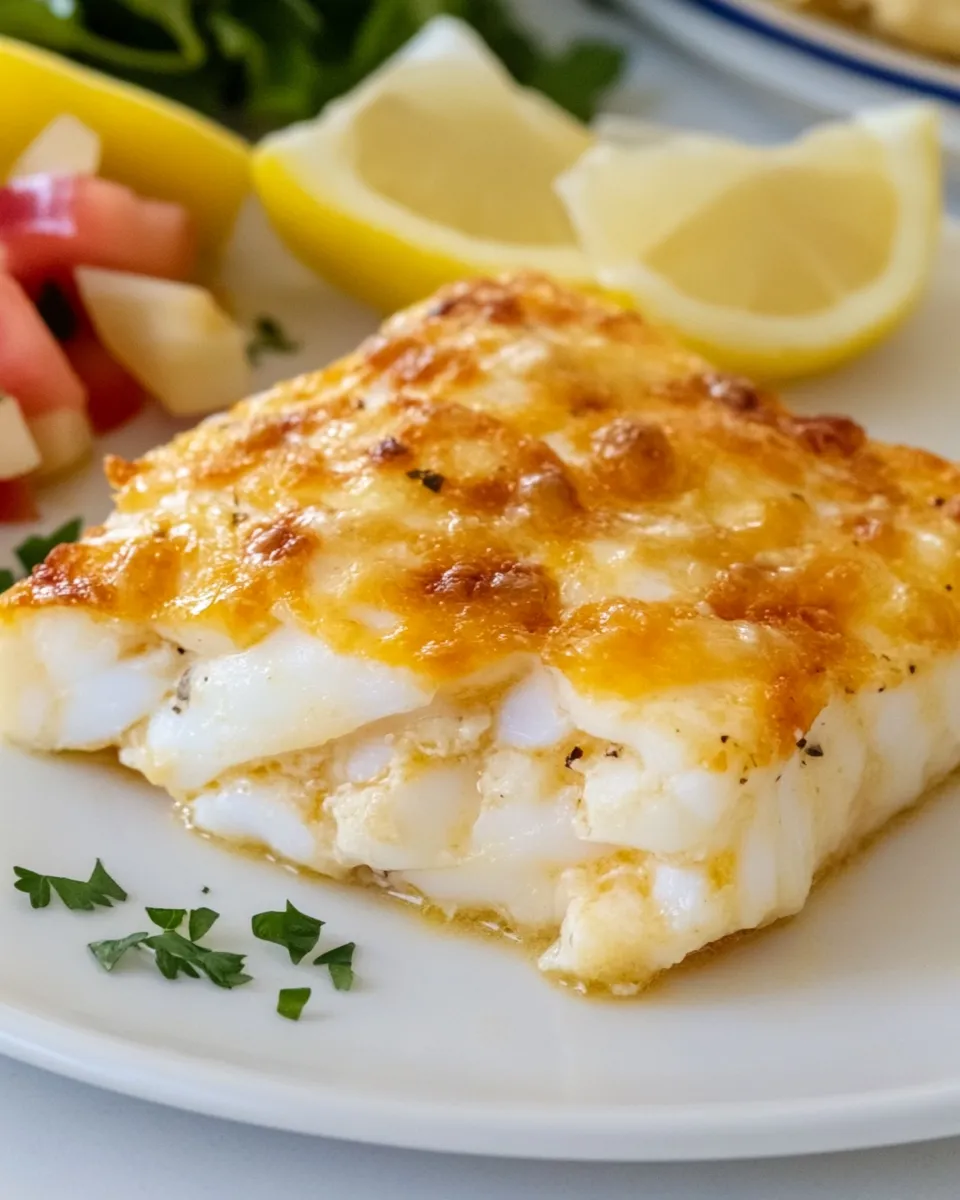
Easy Oven Baked Cod
Ingredients
Equipment
Method
- If the cod is frozen, thaw it in the refrigerator overnight. For a faster method, keep the fish in its sealed packaging and submerge it in a bowl of cold water until thawed (change the water as needed).
- When the fish is thawed and you're ready to bake, preheat the oven to 400°F (200°C). Line a baking dish with parchment paper.
- In a small bowl, combine 1 tablespoon extra virgin olive oil, 1 tablespoon Dijon mustard, 1 teaspoon lemon zest, ½ tablespoon lemon juice, 2 large garlic cloves (finely minced), 1 teaspoon paprika, and 1 teaspoon kosher salt. Stir until evenly mixed.
- Pat the cod filets dry with paper towels.
- Brush the olive oil–Dijon mixture evenly over both sides of each of the 4 cod filets (about 1" thick).
- Place the seasoned fillets on the prepared baking dish. If using butter, place ½ tablespoon unsalted butter on top of each fillet (total 2 tablespoons).
- Bake on the center oven rack until the cod reaches an internal temperature of 145°F (63°C) in the thickest part or until the fish is opaque and flakes easily with a fork, about 10–12 minutes.
- Remove the cod from the oven and serve immediately with lemon wedges and chopped parsley.
Notes
Cod
: Use fresh or frozen Atlantic or Pacific cod loin fillets for this recipe. Atlantic cod is thinner, a bit sweeter in taste, and will flake apart easily once baked, while Pacific cod is milder and firmer.
Cooking Time:
Pacific cod fillets may be thicker than 1 inch, so be sure the center has reached 145℉ (63℃) and is opaque before serving. You may need to add 2-3 minutes to the cooking time depending on the thickness of the fish. If your fillets are thinner than 1 inch, be sure to begin checking on them after 6-7 minutes and only cook until they reach 145℉ (63℃) and the center is opaque.
Butter:
If you are dairy-free or looking to cut calories, simply omit the butter from the recipe.
Storage/Reheating
: Store leftover baked cod in an airtight container in the refrigerator for up to 3 days. To reheat without drying out, place the cod on a baking sheet, and heat for 15-20 minutes in a 275
℉
oven, until just warm to the touch. Squeeze fresh lemon juice over the fish once heated and serve.