Edamame Hummus
I fell for this green hummus the first time I blended it: vibrant, nutty, and unexpectedly bright. It’s everything I want for an easy snack—protein from the edamame, a silky lift from tahini, and that lemony zip that keeps you coming back to the bowl. No fuss, just good texture and straightforward seasoning.
This recipe is a weeknight-friendly spread that doubles as a party dip. It comes together in minutes if you have cooked, shelled edamame on hand. I like to keep a bag of frozen shelled edamame in the freezer so I can thaw a cup or two whenever the mood for green hummus hits.
Below I walk through what you need, step-by-step directions straight from my tried method, smart swaps, and simple storage tips so this hummus holds up for several snacking sessions. Practical, honest, and delicious—let’s make a bowl.
The Essentials
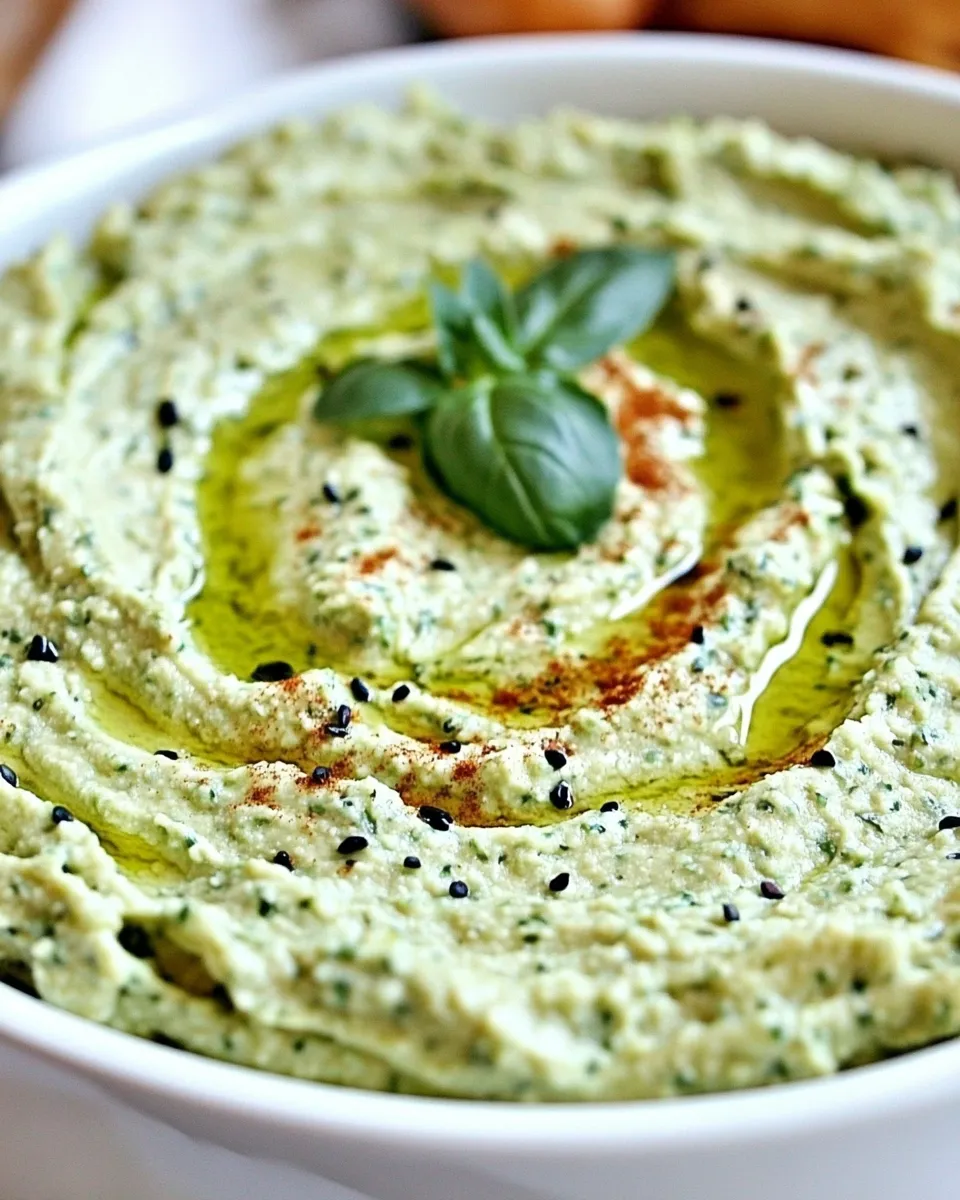
This Edamame Hummus is built on a simple idea: blend cooked edamame with tahini, lemon, and a touch of water until silky. The goal is a spreadable, scoopable texture—not runny, not grainy. A food processor does the heavy lifting; a blender can work but may need more scraping and a little extra water.
Key things to keep in mind before you start: use cooked, shelled edamame (fresh or thawed frozen), measure the lemon and tahini so the acidity and fat balance well, and start with the small amount of water listed—add more only if needed. The olive oil in this recipe is split: a little goes into the blend for richness and a little finishes the top for shine.
Ingredients
- 1 1/2 cups edamame, green soy beans cooked and shelled — the creamy, protein-rich base; should be cooked through.
- 2 tbsp tahini paste, sesame seed paste — adds nuttiness and body; stir before measuring if separated.
- 1/4 cup water plus more if needed — thins to a silky, spreadable consistency; add by tablespoon if needed.
- 1 tsp lemon zest — brightens the flavor; use a fine grater for even distribution.
- juice of one lemon — provides acidity to lift the tahini and edamame.
- 1 clove garlic, crushed — adds a sharp, savory note; adjust if you prefer milder garlic.
- Kosher salt to taste — essential for bringing out flavors; taste and adjust at the end.
- pepper — a light grind for balance; black is standard here.
- 2 tsp olive oil — 1 tsp blends in for richness, 1 tsp is drizzled on top for gloss and flavor.
- black and white sesame seeds as a garnish, optional — adds crunch and visual contrast when sprinkled on top.
Edamame Hummus Made Stepwise
- Place 1 1/2 cups edamame, 2 tbsp tahini paste, 1/4 cup water, juice of one lemon, 1 tsp lemon zest, 1 clove crushed garlic, kosher salt to taste, pepper to taste, and 1 tsp olive oil into a food processor.
- Blend until mostly smooth, stopping to scrape down the sides with a spatula as needed.
- If the mixture is too thick or not yet smooth, add more water a tablespoon at a time and blend until you reach a silky, spreadable consistency.
- Taste and adjust seasoning with more kosher salt or pepper if desired.
- Transfer the hummus to a serving bowl.
- Drizzle the remaining 1 tsp olive oil over the top and sprinkle with black and white sesame seeds, if using.
- Serve with your favorite vegetables.
What Sets This Recipe Apart
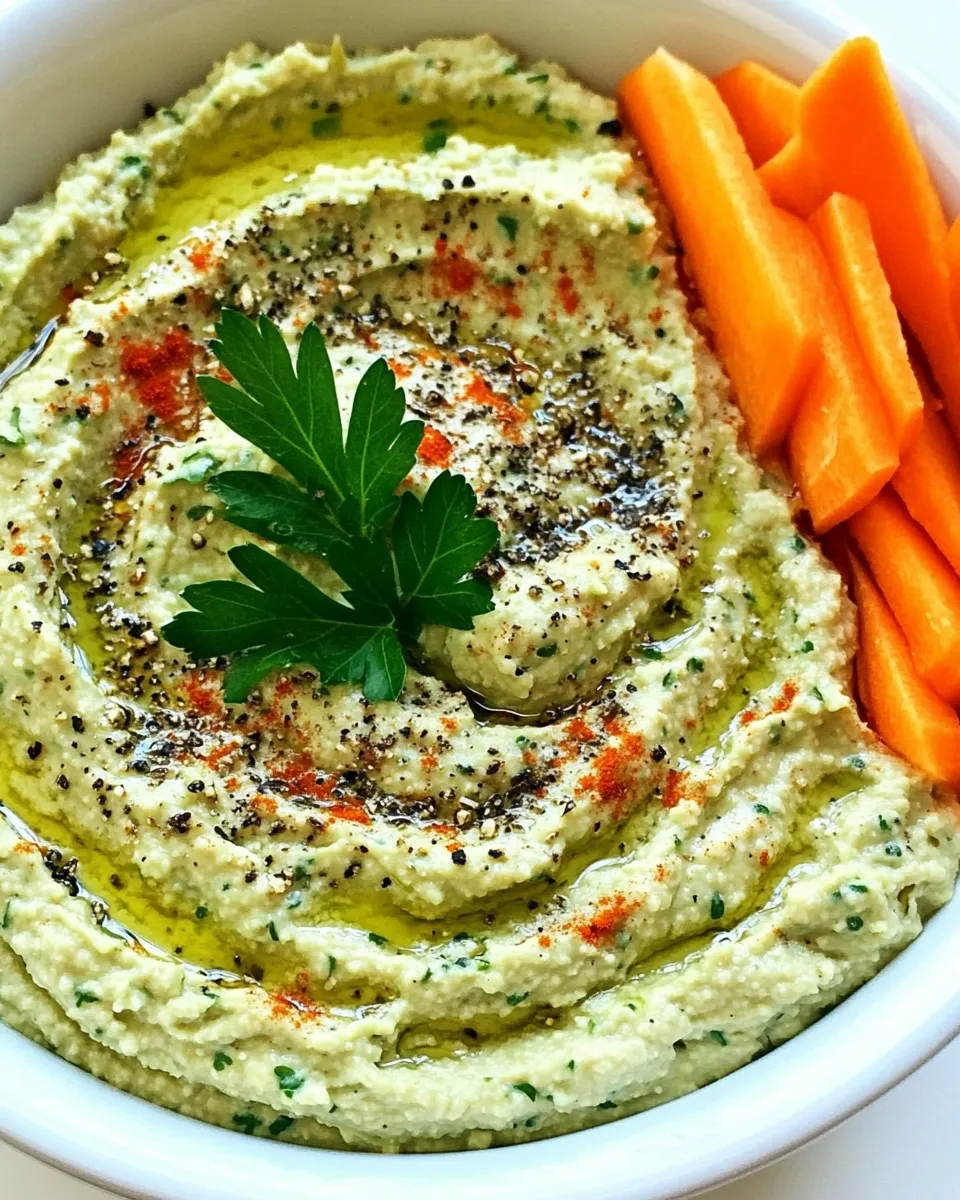
This is not chickpea hummus masquerading as something else. Edamame brings a fresh, slightly grassy flavor and a brighter green color that’s striking on the table. The texture is lighter but still creamy when properly blended; edamame has a fine, tender quality that mixes beautifully with tahini.
Unlike heavier bean dips, Edamame Hummus feels lighter on the palate, which makes it an excellent companion to raw vegetables, grilled fish or as a sandwich spread. The lemon and tahini combo creates a gentle tang and roundness that keeps the edamame from tasting one-note.
Smart Substitutions
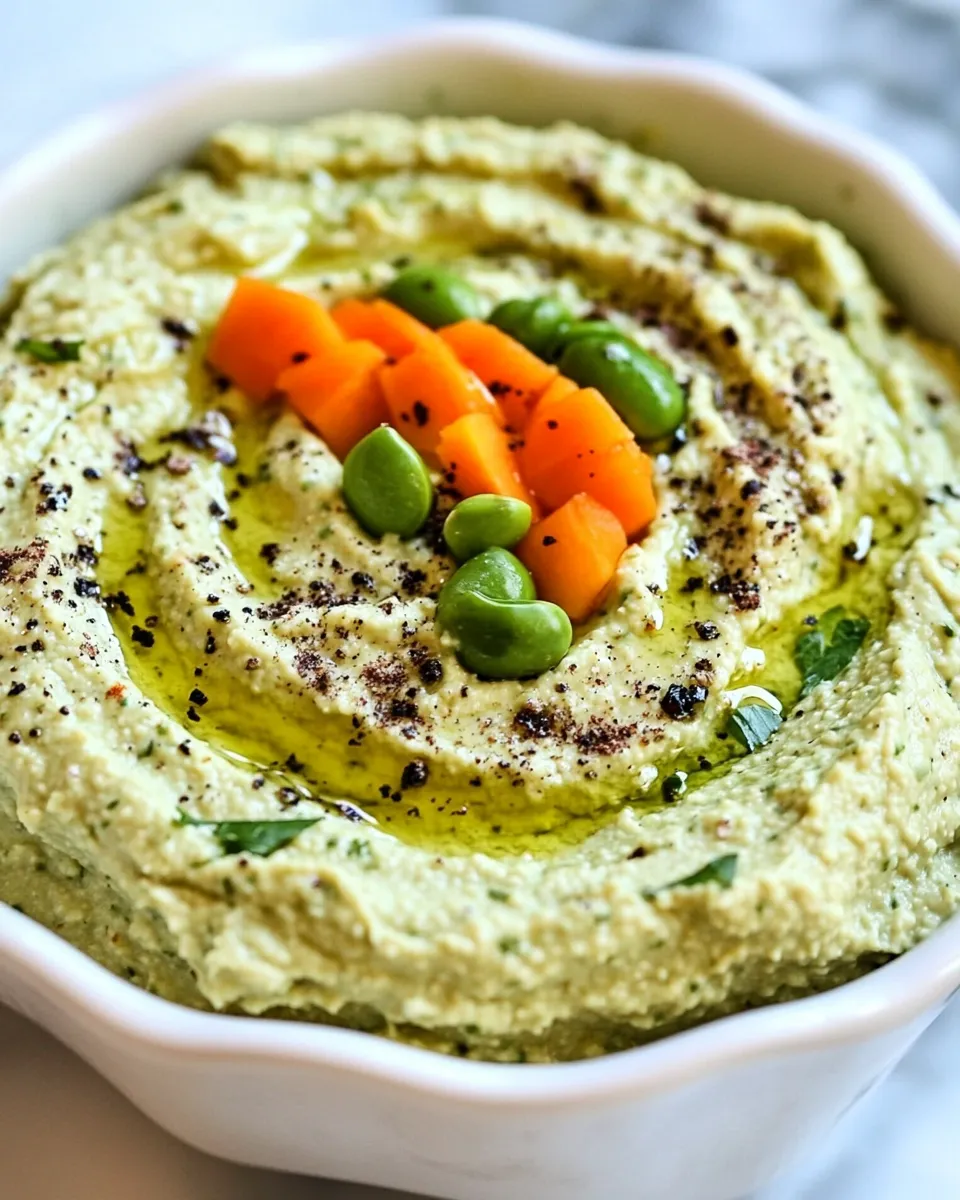
- Edamame: If you don’t have shelled edamame, cook frozen in lightly salted water, drain, cool, and shell before measuring. Whole soybeans are not recommended.
- Tahini: If you’re out of tahini, a smooth nut butter (like almond) can work in a pinch for body, though it will change the flavor profile.
- Water: Use ice-cold water for a silkier finish; vegetable broth will add more flavor if you want depth.
- Lemon: If lemons are small, juice two halves and taste—acidity levels vary. A splash of white wine vinegar can substitute if needed.
- Garlic: Use roasted garlic for a milder, sweeter flavor or omit if you prefer a cleaner taste.
Tools & Equipment Needed
Minimal gear makes this recipe accessible.
- Food processor — the best tool for a smooth, even texture.
- Spatula — to scrape down the bowl during blending.
- Measuring spoons and cups — for accurate lemon, tahini, and water measurements.
- Microplane or fine grater — for the lemon zest.
- Small bowl or ramekin — for serving and finishing with oil and seeds.
Errors to Dodge
Small mistakes can change the texture or flavor. Here are the ones I see most often and how to avoid them:
- Overblending dry beans: If your edamame is on the drier side, the mix will be gritty. Add the extra water a tablespoon at a time and watch the texture change.
- Underseasoning: Tahini mutes saltiness, so taste after blending and add kosher salt gradually until it sings.
- Too much lemon: Lemon brightens but can overpower. Start with juice of one lemon and add more in tiny increments if you want more brightness.
- Using a blender without enough liquid: Blenders need more liquid to move. If you use one, add water slowly and stop to scrape frequently.
Spring to Winter: Ideas
This hummus adapts across seasons. In spring and summer, keep it light and bright—serve with cucumber, radish, snap peas, and heirloom carrots. Add a scattering of fresh herbs like mint or dill for a chill, herbaceous lift.
In fall and winter, pair it with heartier boards: roasted root vegetables, warm pita, or grilled chicken skewers. Swap the sesame seeds for toasted pumpkin seeds for an autumnal crunch, or fold in a spoonful of olive tapenade for depth.
Cook’s Notes
Texture and Smoothness
To get that silky, spreadable finish, patience is key. Scrape the bowl often and add water a tablespoon at a time. If you want a ultra-smooth result, warm the edamame slightly before blending; heat softens the beans and helps the processor create a creamier emulsion.
Flavor Adjustments
If the result tastes flat, add a pinch of kosher salt and a squeeze more lemon. If it’s too tart, a touch more tahini or a small pinch of sugar can round it out. Pepper is subtle here—start light and increase to taste.
Shelf Life & Storage
Store this Edamame Hummus in an airtight container in the refrigerator for up to 4–5 days. Press a layer of plastic wrap directly onto the surface before sealing to minimize oxidation and color change.
For longer storage, freeze in a shallow airtight container for up to 2 months. Thaw overnight in the refrigerator and stir well; you may need to adjust the water and seasoning after thawing as texture and flavors can shift slightly.
Reader Q&A
Q: Can I use frozen edamame? A: Yes. Cook according to package instructions, cool slightly, then shell before measuring 1 1/2 cups.
Q: Is tahini necessary? A: Tahini adds body and that sesame character that balances the lemon. If allergic, try a neutral nut butter, but flavor and texture will change.
Q: Can I make this in a blender? A: You can. Add a little extra water to help it move, and stop to scrape the sides frequently. Expect to adjust seasoning after blending.
Q: Will this keep its green color? A: It will remain green, but like many green foods it may dull slightly in the fridge. Pressing plastic wrap onto the surface and keeping it airtight helps.
Hungry for More?
If you liked this Edamame Hummus, try it as a spread on sandwiches or swirled into grain bowls for extra protein. For other quick dips, look for recipes that highlight fresh ingredients and bright acids—lemon and yogurt-based dips, or a roasted red pepper hummus if you want a deeper, sweeter profile.
Make a double batch next time and use it as a quick salad dressing base (thin with a bit more water and a splash of vinegar), or thin it and turn it into a sauce for grilled fish. It’s versatile, fast, and a small change in the pantry that keeps snack time interesting.
Edamame Hummus
Ingredients
Equipment
Method
- Place 1 1/2 cups edamame, 2 tbsp tahini paste, 1/4 cup water, juice of one lemon, 1 tsp lemon zest, 1 clove crushed garlic, kosher salt to taste, pepper to taste, and 1 tsp olive oil into a food processor.
- Blend until mostly smooth, stopping to scrape down the sides with a spatula as needed.
- If the mixture is too thick or not yet smooth, add more water a tablespoon at a time and blend until you reach a silky, spreadable consistency.
- Taste and adjust seasoning with more kosher salt or pepper if desired.
- Transfer the hummus to a serving bowl.
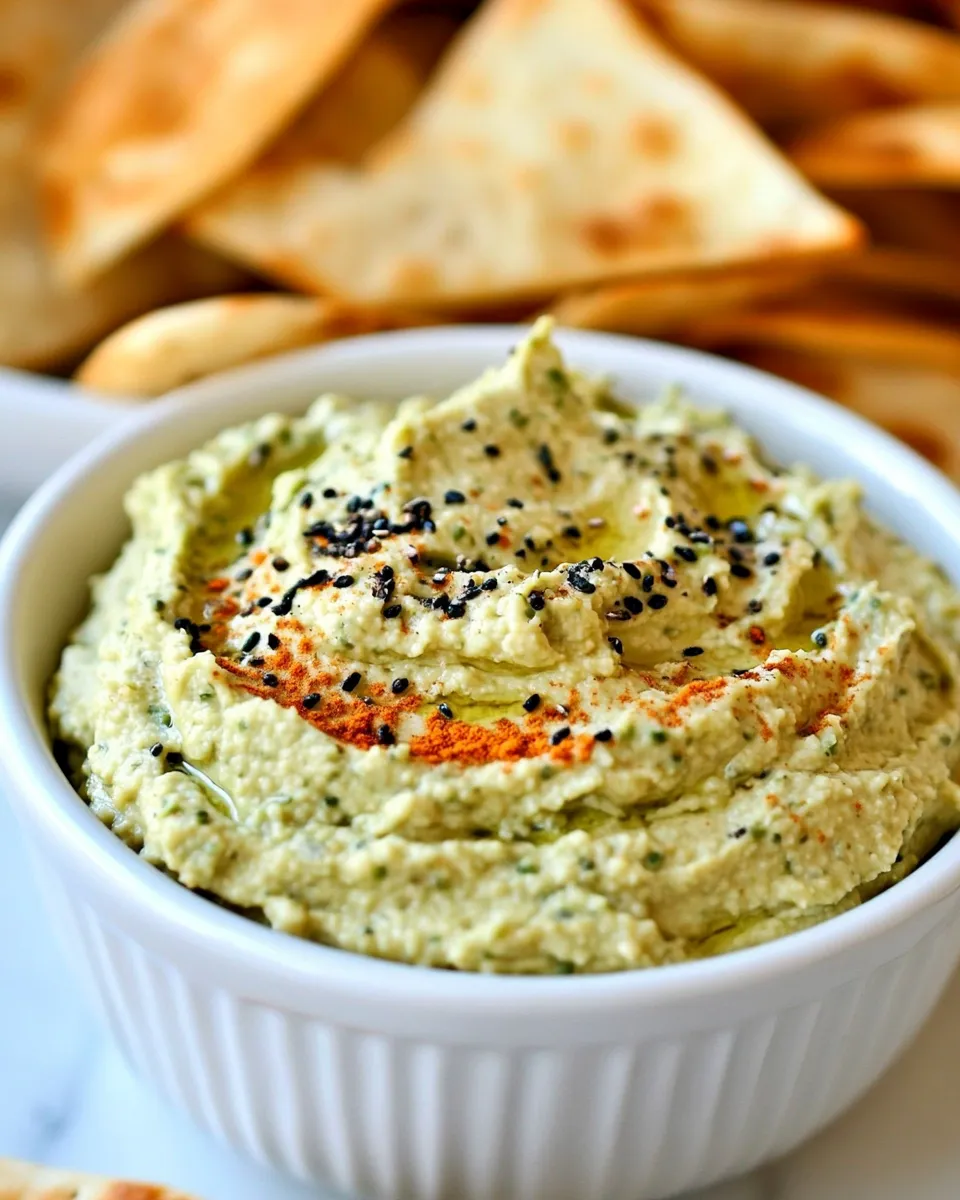
- Drizzle the remaining 1 tsp olive oil over the top and sprinkle with black and white sesame seeds, if using.
- Serve with your favorite vegetables.