Fettuccine Alfredo Recipe
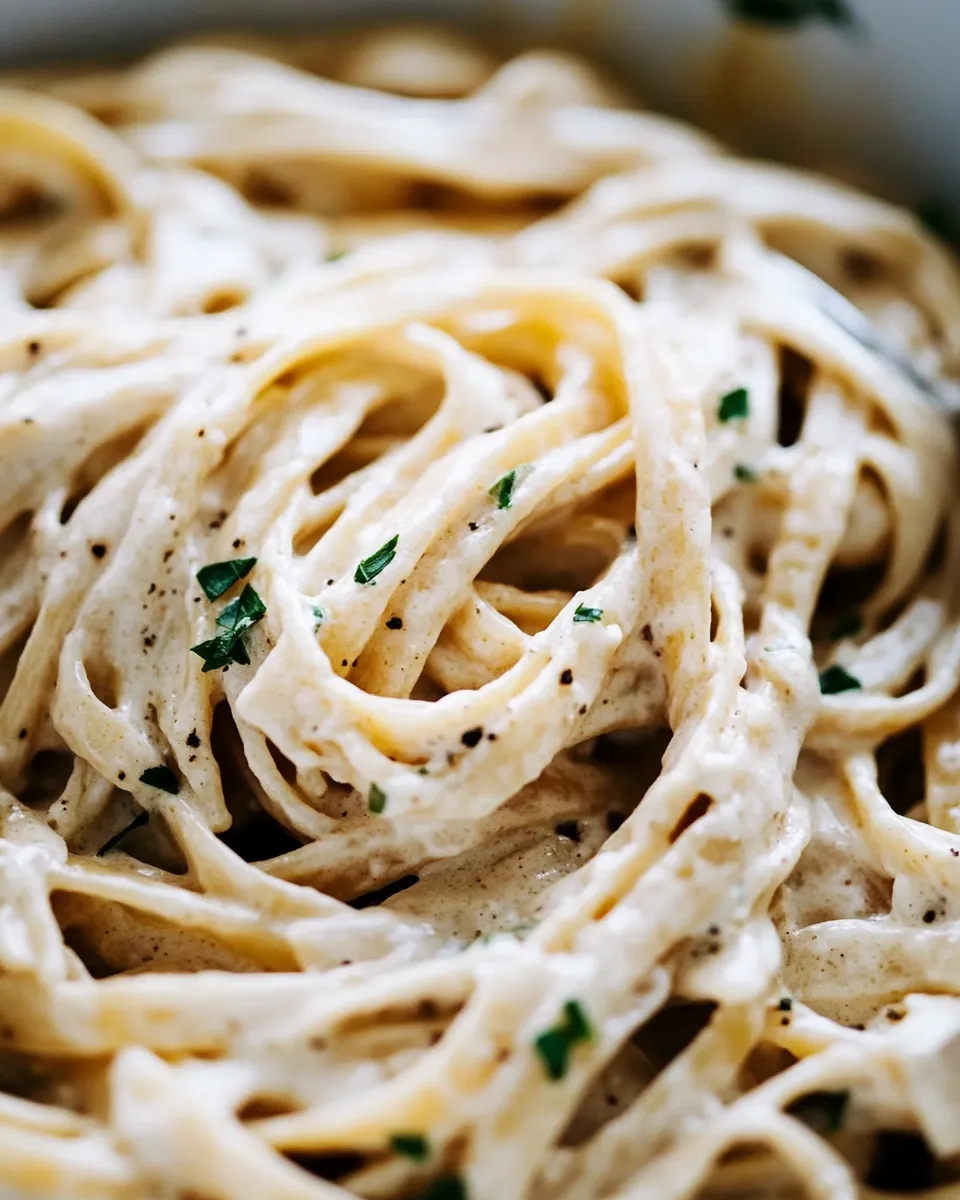
This is the kind of pasta that feels like a hug on a plate. Silky ribbons of fettuccine tossed in a butter- and cream-forward sauce, finished with freshly grated Parmesan—simple, fast, and utterly satisfying. The technique matters more than fancy ingredients; this is about timing, heat control, and a little starchy pasta water magic.
I keep this recipe in regular rotation for weeknight dinners and last-minute company because it comes together fast and scales easily. It’s forgiving, which is why I’ll teach you the small steps that make a smooth, glossy sauce instead of a grainy one. No fuss, just straightforward cooking and a couple of practical tips so it comes out reliably every time.
Follow the steps exactly when you first make it, and then personalize: add a sprinkle of extra black pepper, swap aromatics as needed, or grate your favorite Parmigiano at the last minute. Below I’ll walk through ingredients, the exact method, swaps that won’t break the sauce, and how to rescue it if something goes sideways.
Ingredients
- 1 (16-ounce) package fettuccine — the pasta base; measure the full package called for in the recipe.
- 6 tablespoons unsalted butter, cut into tablespoons — provides richness and helps the sauce emulsify; cut into pieces so it melts evenly.
- heaping 1/2 cup finely minced onion or use 1 teaspoon onion powder—see note 2 — fresh onion gives depth; powders are a handy shortcut if you prefer.
- 1-1/2 teaspoon minced garlic or use 1 teaspoon garlic powder — fresh garlic for brightness, garlic powder if you need speed or want a milder garlic note.
- 1/2 teaspoon Italian seasoning — a small herb lift; adds background flavor without changing the classic profile.
- 1 cup heavy cream — the sauce’s body; heavy cream yields a rich, silky texture.
- 1-1/2 cups freshly grated Parmesan cheese or Parmigiano Reggiano, see note 3 — freshly grated melts smoothly and gives the best flavor and texture.
- Salt and pepper — season to taste; the recipe suggests about 1/4 teaspoon each as a starting point.
- Fresh parsley — optional, for garnish and a touch of color.
What You’ll Gather
Gather the ingredients and a few small tools before you start: a large pot for boiling the pasta, a very large heavy-bottomed pan for the sauce and final toss, a good box grater for the Parmesan, tongs for tossing, and a measuring cup for saving pasta water. Mise en place matters here—have the butter cut, the cheese grated, and the aromatics ready so the sauce comes together without pauses.
Pick a heavy-bottomed pan large enough to hold all the pasta and sauce together. The surface area matters for even coating and for the gentle heat needed when you emulsify the sauce. Freshly grated cheese will give you the best mouthfeel; pre-grated cheese contains anti-caking agents that can keep the sauce from becoming as silky.
Fettuccine Alfredo Recipe: How It’s Done
- Bring a large pot of water to a rolling boil. Once boiling, add 1 tablespoon fine sea salt.
- Add the entire 1 (16-ounce) package fettuccine and cook, stirring occasionally, until just al dente—use the lowest time on the package. Before draining, remove and reserve 1 cup of the pasta cooking water. Drain the pasta and do not rinse.
- While the pasta cooks, melt the 6 tablespoons unsalted butter (cut into tablespoons) in a very large, heavy-bottomed pan over medium-high heat—choose a pan large enough to hold all the pasta and sauce.
- If using fresh aromatics: add heaping 1/2 cup finely minced onion and 1-1/2 teaspoons minced garlic to the melted butter and sauté 2–3 minutes, until softened and lightly golden. If using powders: do not sauté them—you will add 1 teaspoon onion powder and/or 1 teaspoon garlic powder in the next step.
- Pour in 1 cup heavy cream. Add 1/2 teaspoon Italian seasoning and the onion/garlic powders now if you are using them. Season with salt and pepper to taste (about 1/4 teaspoon of each is a common starting point).
- As soon as the cream mixture comes to a gentle boil, reduce the heat to medium-low and simmer until the sauce slightly thickens, about 1–3 minutes.
- Remove the pan from the heat. Stir in 1-1/2 cups freshly grated Parmesan cheese until it melts and the sauce becomes mostly smooth.
- Add the drained fettuccine to the pan with the sauce along with 1/2 cup of the reserved pasta water. Return the pan to medium heat and gently toss the pasta with tongs until the sauce emulsifies and coats the noodles, about 1 minute. Add more reserved pasta water a few tablespoons at a time if the sauce seems too thick or dry.
- Remove from heat, taste and adjust seasoning with salt and pepper if needed. Serve immediately, garnished with fresh parsley and an extra sprinkle of Parmesan and black pepper if desired.
Why This Recipe is a Keeper
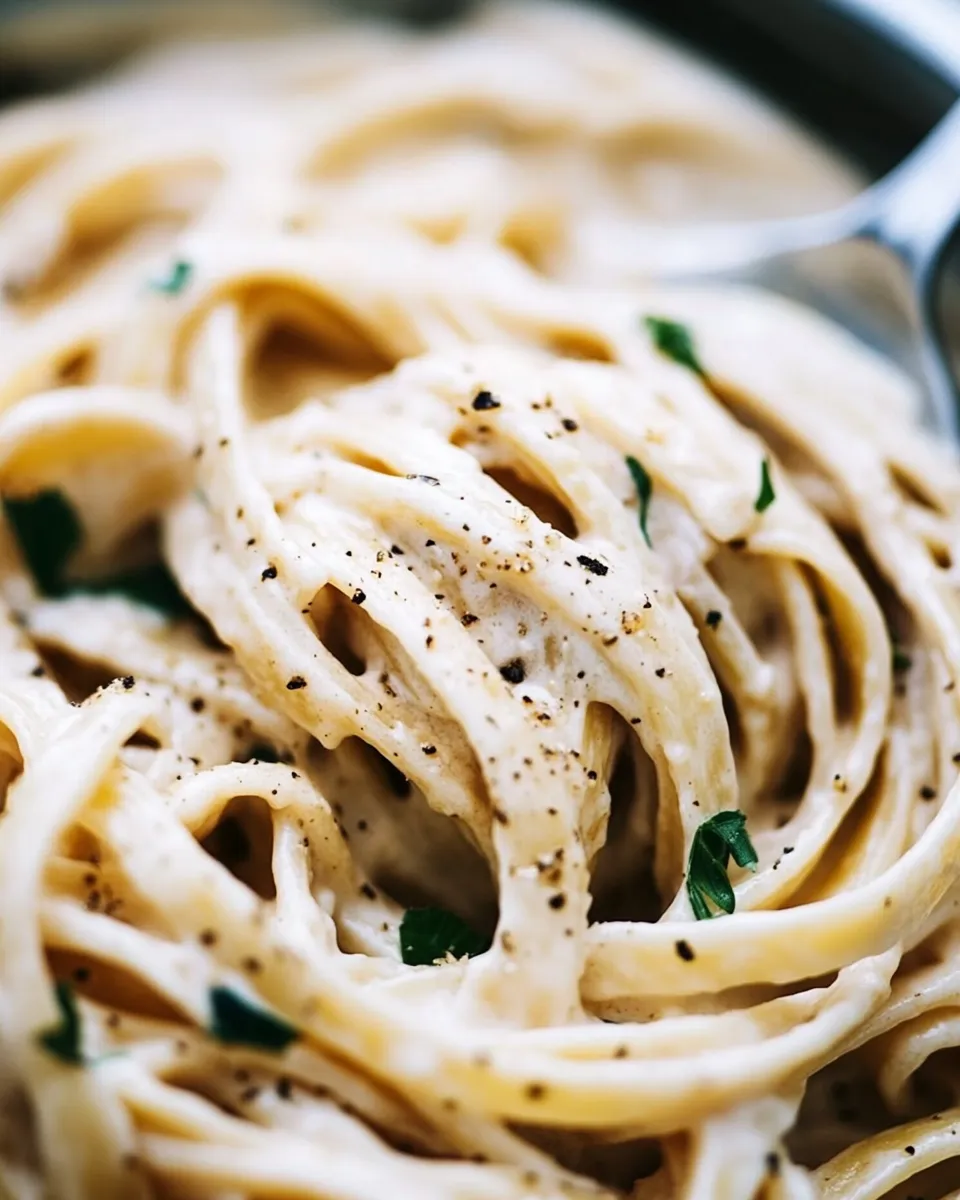
It’s dependable. The method leans on simple physics—starch-thickened sauce, emulsified with butter, cream, and cheese—so the result is consistently glossy and coat-worthy when you follow the timing. The recipe also balances speed and control: most of the work happens while the pasta cooks, and the finish takes under five minutes.
It’s flexible without losing identity. You can use fresh aromatics or powders, and the reserved pasta water is your safety net for texture. That makes it forgiving for cooks who need a quick midweek dinner or a low-effort dish that still feels special when guests arrive.
Swap Guide
- Fresh aromatics vs powders — the recipe already allows both. Use the heaping minced onion and garlic for a brighter, more aromatic sauce; use the powders for speed or a subtler flavor.
- Parmigiano vs Parmigiano Reggiano — both are listed; Parmigiano Reggiano lends a slightly nuttier, more complex finish. Freshly grate either for best results.
- Pasta shape — the recipe calls for fettuccine. If you must swap shapes, choose a long ribbon or a similarly wide noodle so the sauce clings well.
- Butter and cream balance — the specified amounts create the classic rich texture. Avoid trying to replace heavy cream with watery substitutes unless you accept a thinner result.
Equipment & Tools
- Large pot — for boiling the pasta with room to stir so the noodles don’t stick.
- Very large, heavy-bottomed pan — so you can finish the pasta and sauce together without crowding; a wide surface helps even heat.
- Box grater — for freshly grated Parmesan.
- Tongs — the easiest tool for tossing fettuccine and making sure every strand is coated.
- Measuring cup — to reserve exactly 1 cup of pasta water and add it back in controlled amounts.
Problems & Prevention
It can separate, become grainy, or be too thick. Here’s how to avoid and fix common troubles.
Grainy or clumpy sauce
Cause: cheese heated too aggressively or added while the pan is still too hot. Prevention: remove the pan from high heat before adding the Parmesan, then stir to melt gently. If it gets grainy, keep stirring off the heat and add a splash of reserved pasta water (a few tablespoons at a time) to smooth it out.
Sauce too thick or dry
Prevention and fix: add reserved pasta water a few tablespoons at a time until the sauce loosens and becomes silky. The starchy water is the classic tool for adjusting texture without diluting flavor.
Pasta sticking or overcooked
Stir the pasta occasionally while it cooks. Use the lowest package time for al dente, as called for in the recipe, because the noodles will finish in the sauce.
Fresh Takes Through the Year
Keep the core method and let small seasonal touches do the work. In spring, brighten the plated dish with extra chopped fresh herbs—parsley is already on the list and makes a subtle, fresh note. In cooler months, serve with a simple sautéed vegetable on the side to add texture. The key is not to alter the sauce proportions; add extras at the end or on the plate so they complement rather than dilute the cream-and-Parmesan foundation.
Behind the Recipe
I learned this version the practical way—by testing the balance of butter, cream, and cheese until it behaved predictably. The small adjustments—reserving pasta water, removing the pan from high heat before adding grated cheese, and tossing the pasta in a wide pan—came from nights when dinner had to be both fast and comforting.
It’s a recipe I return to when I want to impress without complication. The technique is simple, but the finishing touches—freshly grated cheese and a quick toss over gentle heat—are what make it feel elevated.
How to Store & Reheat
Store leftovers in an airtight container in the refrigerator for up to 2 days. The sauce will firm up as it cools because of the butter and cheese. Reheat gently on the stovetop over low heat, adding a splash of water or reserved pasta water to loosen the sauce and restore silkiness. A microwave will work in a pinch—heat in short bursts and stir between intervals, adding a little water if it tightens up.
Freezing is not recommended for the best texture because dairy-based sauces separate on thawing. If you must freeze, expect a change in texture and thaw slowly in the refrigerator before reheating gently.
Your Questions, Answered
Do I have to use heavy cream?
Yes—the recipe calls for 1 cup heavy cream. It creates the body and mouthfeel the dish is known for. Substitutes will yield a thinner sauce and aren’t part of the provided method.
Can I make the sauce ahead?
Because the sauce emulsifies with the hot pasta, it’s best to make the cream-and-cheese mixture just before adding the pasta, or make the components and finish them together at service. If you pre-make the sauce, reheat gently and add reserved pasta water to re-emulsify.
Why reserve pasta water?
The starchy water is the secret to a silky sauce. It helps the butter, cream, and cheese bind to the pasta, creating a glossy emulsion instead of a broken or dry coating.
Why not rinse the pasta?
Rinsing removes the starch that helps the sauce cling. The pasta should go straight from colander to sauce so the starch acts as glue in the emulsion.
The Last Word
Fettuccine Alfredo is comfort in under 30 minutes when you match simple technique with good ingredients. Follow the steps exactly the first time—especially reserving pasta water and adding the cheese off the highest heat—then tweak small details to make it yours. Freshly grated cheese, a wide pan for tossing, and a watchful eye on heat are the three small investments that return a silky, restaurant-worthy plate every time.
Make it for a busy weeknight, or for the people you want to feed quickly and well. It’s uncomplicated, but with attention to a few key moments, the result is anything but ordinary.
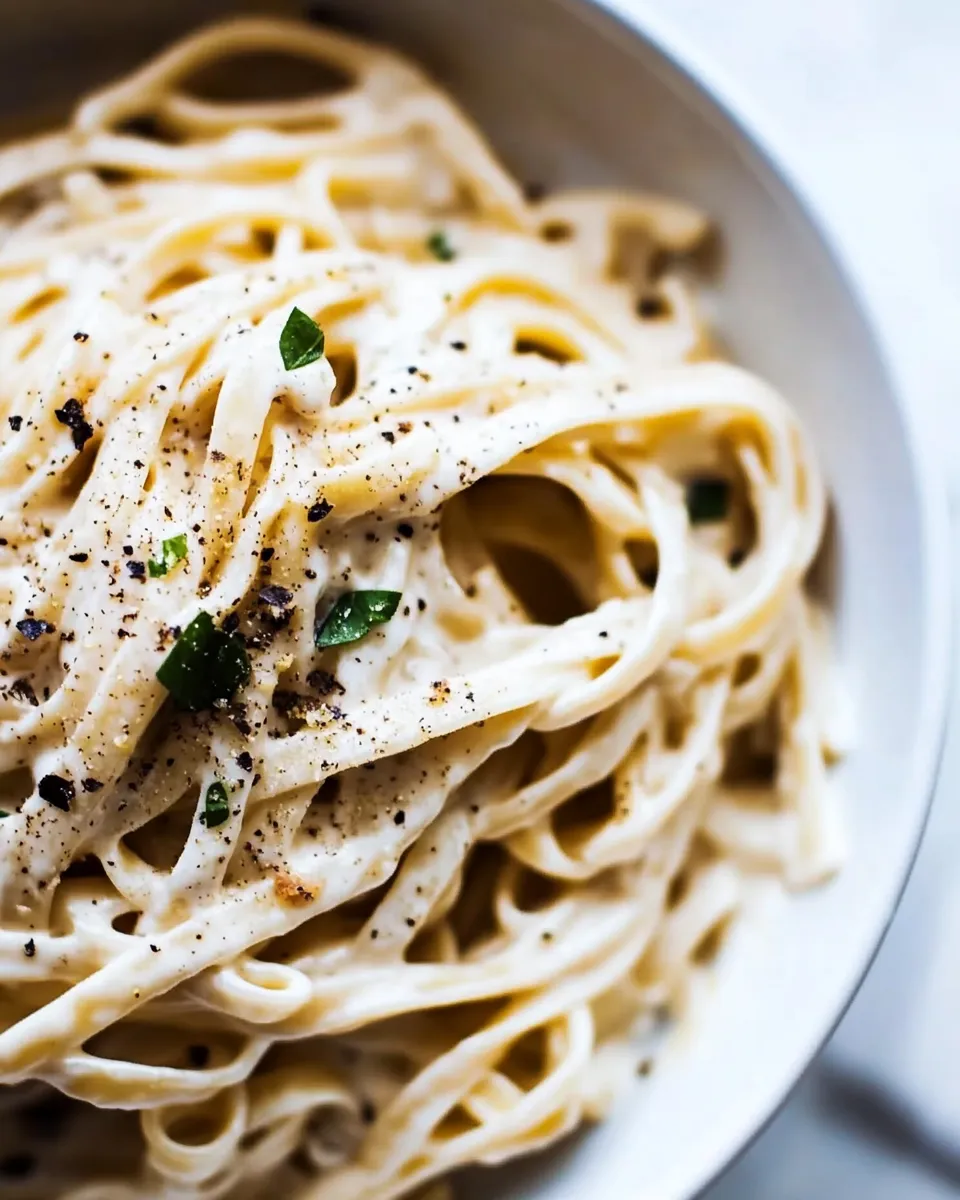
Fettuccine Alfredo Recipe
Ingredients
Equipment
Method
- Bring a large pot of water to a rolling boil. Once boiling, add 1 tablespoon fine sea salt.
- Add the entire 1 (16-ounce) package fettuccine and cook, stirring occasionally, until just al dente—use the lowest time on the package. Before draining, remove and reserve 1 cup of the pasta cooking water. Drain the pasta and do not rinse.
- While the pasta cooks, melt the 6 tablespoons unsalted butter (cut into tablespoons) in a very large, heavy-bottomed pan over medium-high heat—choose a pan large enough to hold all the pasta and sauce.
- If using fresh aromatics: add heaping 1/2 cup finely minced onion and 1-1/2 teaspoons minced garlic to the melted butter and sauté 2–3 minutes, until softened and lightly golden. If using powders: do not sauté them—you will add 1 teaspoon onion powder and/or 1 teaspoon garlic powder in the next step.
- Pour in 1 cup heavy cream. Add 1/2 teaspoon Italian seasoning and the onion/garlic powders now if you are using them. Season with salt and pepper to taste (about 1/4 teaspoon of each is a common starting point).
- As soon as the cream mixture comes to a gentle boil, reduce the heat to medium-low and simmer until the sauce slightly thickens, about 1–3 minutes.
- Remove the pan from the heat. Stir in 1-1/2 cups freshly grated Parmesan cheese until it melts and the sauce becomes mostly smooth.
- Add the drained fettuccine to the pan with the sauce along with 1/2 cup of the reserved pasta water. Return the pan to medium heat and gently toss the pasta with tongs until the sauce emulsifies and coats the noodles, about 1 minute. Add more reserved pasta water a few tablespoons at a time if the sauce seems too thick or dry.
- Remove from heat, taste and adjust seasoning with salt and pepper if needed. Serve immediately, garnished with fresh parsley and an extra sprinkle of Parmesan and black pepper if desired.
Notes
Note 1:
To emulsify the pasta with sauce and reserved pasta water, you’ll need a very large skillet or pot—otherwise tossing things can be tricky (and take longer to emulsify).
Note 2:
Be sure to
very
finely chop the onion so it sautés quickly and integrates into the dish well. If there are big pieces of onion, it will be overpowering (and crunchy). Not a fan of onion? Leave it out!
Note 3:
Parmesan makes the biggest difference to the overall flavor in this recipe. Do not use canned or pre-shredded/grated Parmesan—the sauce won’t work (cheese won’t melt smoothly and you’ll be left with a big clump). Instead, use a block of cheese to freshly and finely grate on the small side of a grater or
zester
. Or try
Parmigiano Reggiano
—it’s incredible in this dish.
Note 4:
The sauce should be thick enough to coat the back of a wooden spoon. Lift up the spoon and immediately trace a line across the back of the spoon with your fingertip. If the line retains a clear track, the sauce is thick enough. If not, the sauce needs to simmer a bit longer.
Note 5:
The Alfredo sauce should be silky smooth and cling to the pasta. If it gets stodgy, thick, or grainy, drizzle in some more pasta water and toss again. This should smooth it out nicely!
Storage
: Store leftovers in an airtight container in the fridge for up to 4 days. Reheat gently with a splash of milk to restore creaminess.