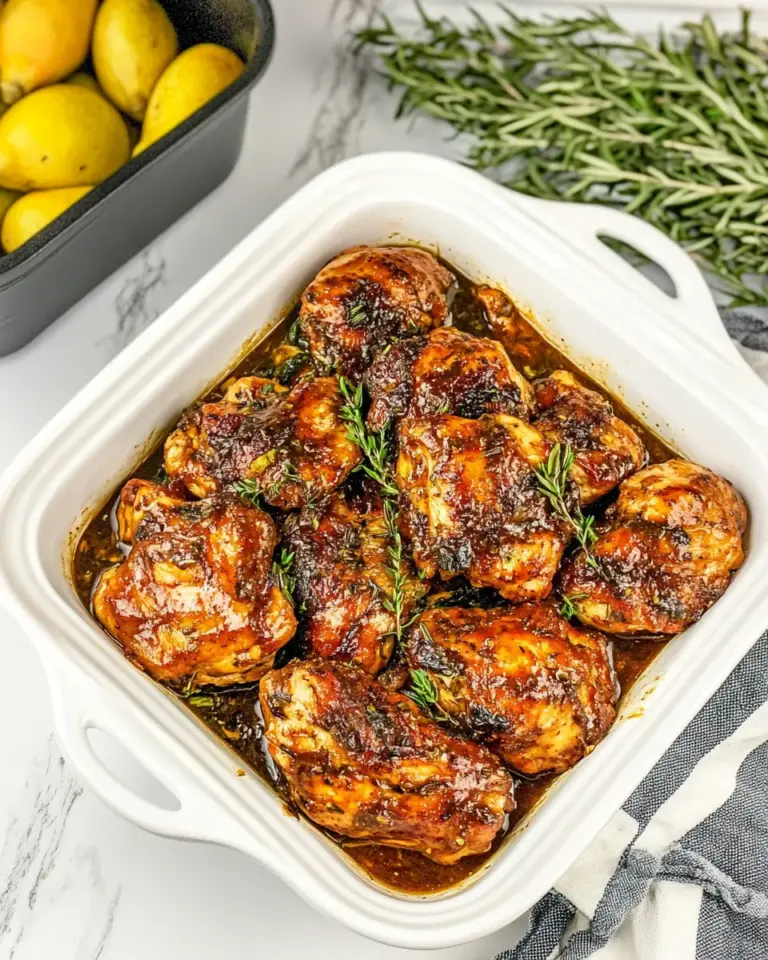
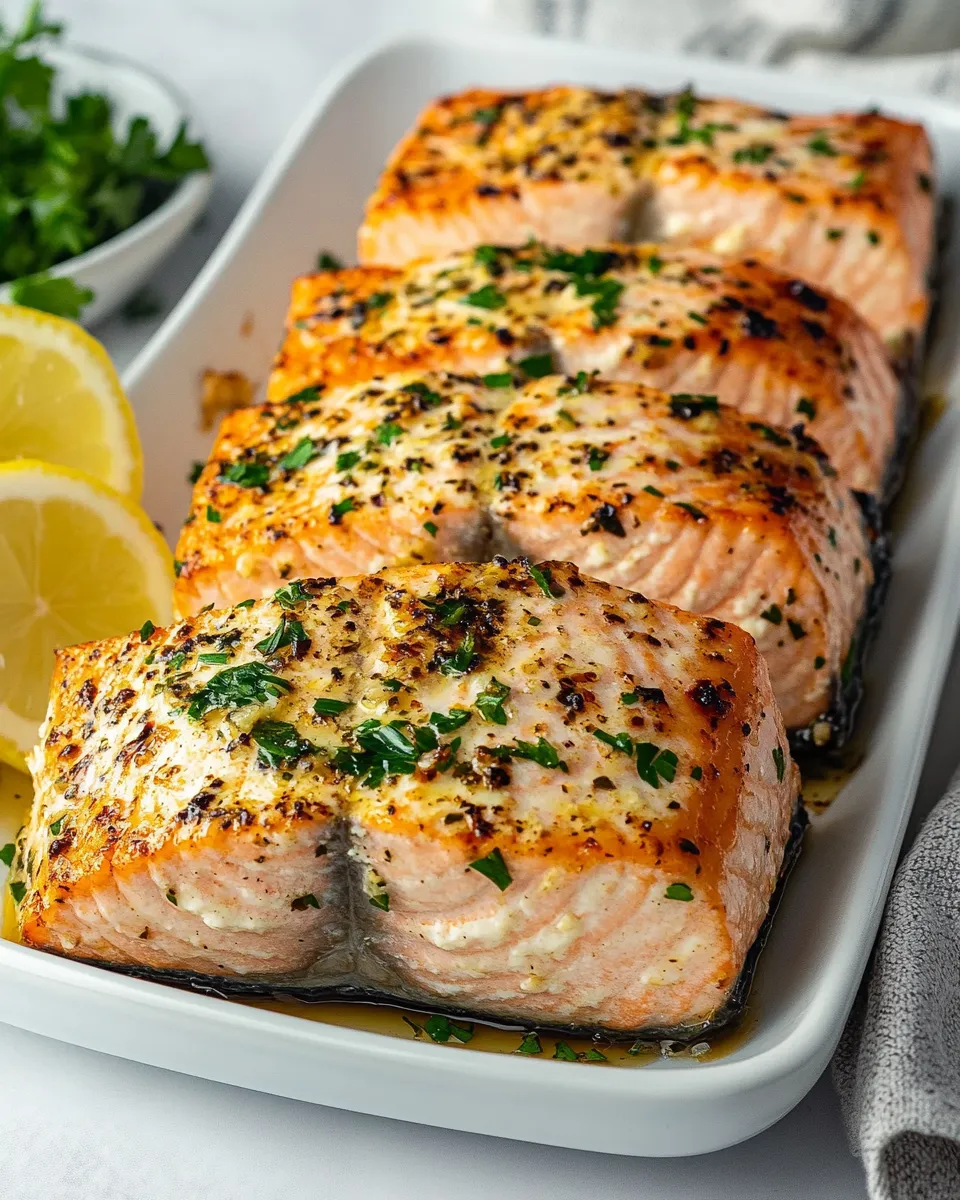
Garlic Butter Roasted Salmon
I keep this garlic butter roasted salmon in my weeknight rotation because it’s fast, forgiving, and reliably delicious. It’s the kind of recipe that feels special without requiring a recipe that reads like a novel. A few pantry-friendly minutes and a hot oven turn simple fillets into a buttery, garlicky centerpiece with a bright finish from lemon and parsley.
There are no complicated steps and no elaborate mise en place. You make a compound butter, coat the fish, and let the oven do the work. The method gives you moist, flaky salmon with a glossy, savory top—and if you want a slightly crisper finish, a two-minute broil finishes it off beautifully.
I’ll walk you through the exact ingredients and the precise oven timing I use every time so you can reproduce this at home without guessing. I’ll also explain why the technique works, what to watch for, and a few simple swaps to tailor it to your mood or what’s in the fridge.
Ingredient Breakdown
Ingredients
- 3–4 salmon fillets (about 4 oz each) — the star of the dish; pick even-sized fillets so they cook through at the same time.
- 4 tablespoons butter (at room temperature) — provides richness, glossy finish, and carries the garlic and lemon flavors.
- 1 teaspoon brown sugar — balances the savory butter with a touch of caramelized sweetness when roasted.
- 1 teaspoon minced garlic — gives direct garlic flavor; fresh is best for brightness.
- 1 teaspoon fresh parsley, finely chopped — offers fresh herbal lift and color.
- 1 tablespoon lemon juice — adds acidity to cut the richness and brighten the overall flavor.
- ½ teaspoon ground pepper — grounds the seasoning with gentle heat.
- Salt to taste — essential for seasoning the fish; adjust to your preference.
Garlic Butter Roasted Salmon: Step-by-Step Guide
- Preheat the oven to 400°F (200°C). Line a sheet pan with aluminum foil.
- In a medium bowl, combine 4 tablespoons butter (room temperature), 1 teaspoon brown sugar, 1 teaspoon minced garlic, 1 teaspoon chopped fresh parsley, 1 tablespoon lemon juice, ½ teaspoon ground pepper, and salt to taste. Stir until smooth and well blended.
- Use a small amount of the butter mixture to lightly grease the foil-lined sheet pan. Arrange the 3–4 salmon fillets (about 4 oz each) on the pan in a single layer with space between them.
- Generously rub the remaining butter mixture over the tops and sides of each fillet so they are evenly coated.
- Bake in the preheated oven for 12–14 minutes, or until the salmon is opaque in the center and flakes easily with a fork. If you want a more browned top, broil on high for 2 minutes—watch closely to avoid burning.
- Remove the salmon from the oven, let rest briefly (1–2 minutes), and serve immediately.
Why It Works Every Time
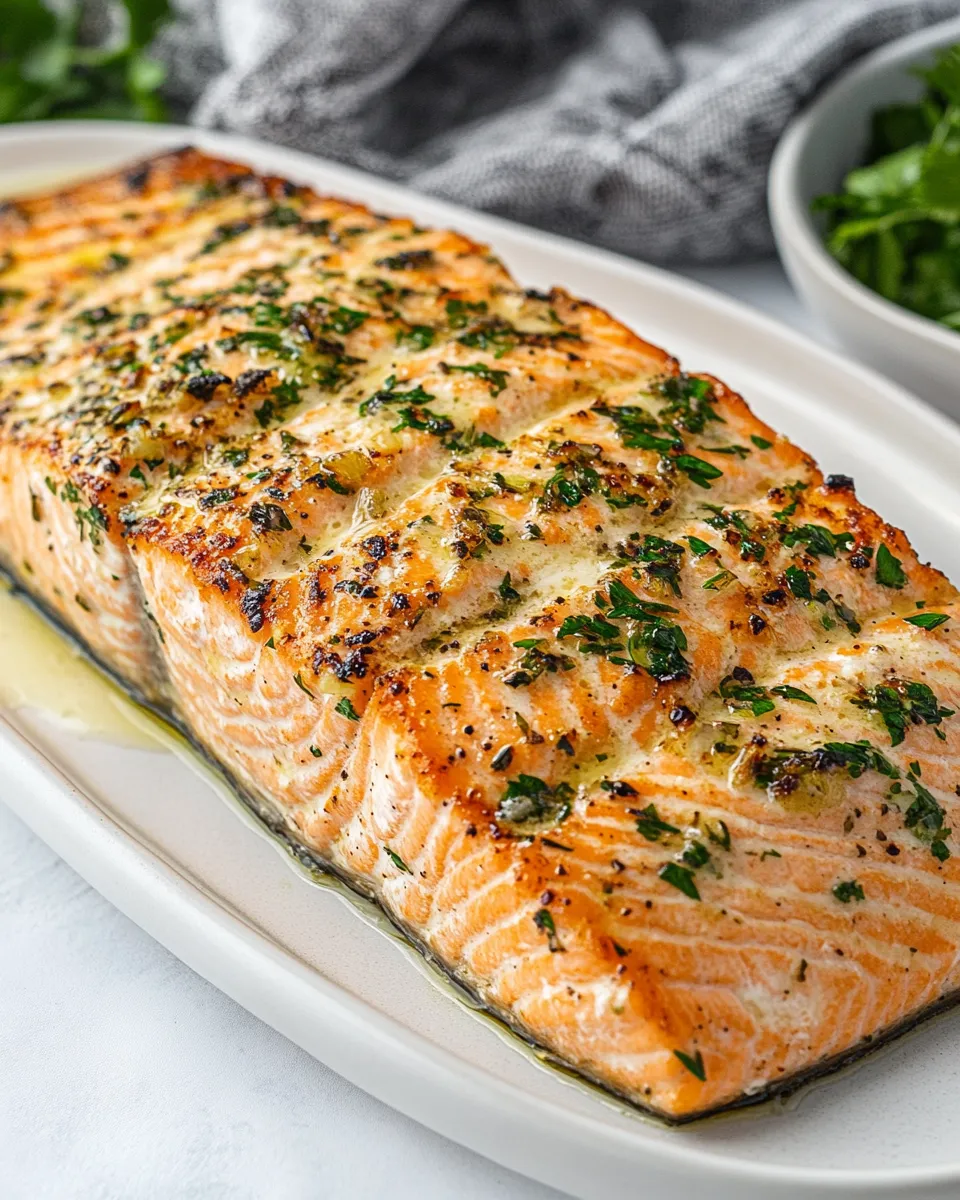
This method is dependable because it combines even heat with a protective, flavorful fat layer. The butter brings two important things: moistness and flavor transfer. It keeps the surface of the fish from drying out as the interior cooks, while transferring the flavors of garlic, lemon, and parsley into the flesh.
Baking at 400°F gives the salmon enough gentle heat to cook through without shocking it, and the relatively short time keeps the center silky and rosy. The optional broil is a finishing move: it concentrates heat at the surface to produce a lightly caramelized, visually appealing top without overcooking the interior—if, and only if, you watch the clock.
The brown sugar in the butter is a small but purposeful addition. It encourages slight caramelization for color and balances the lemon’s brightness. The lemon juice itself acts as a counterpoint to the fat, keeping the finished bite lively instead of cloying.
Flavor-Forward Alternatives
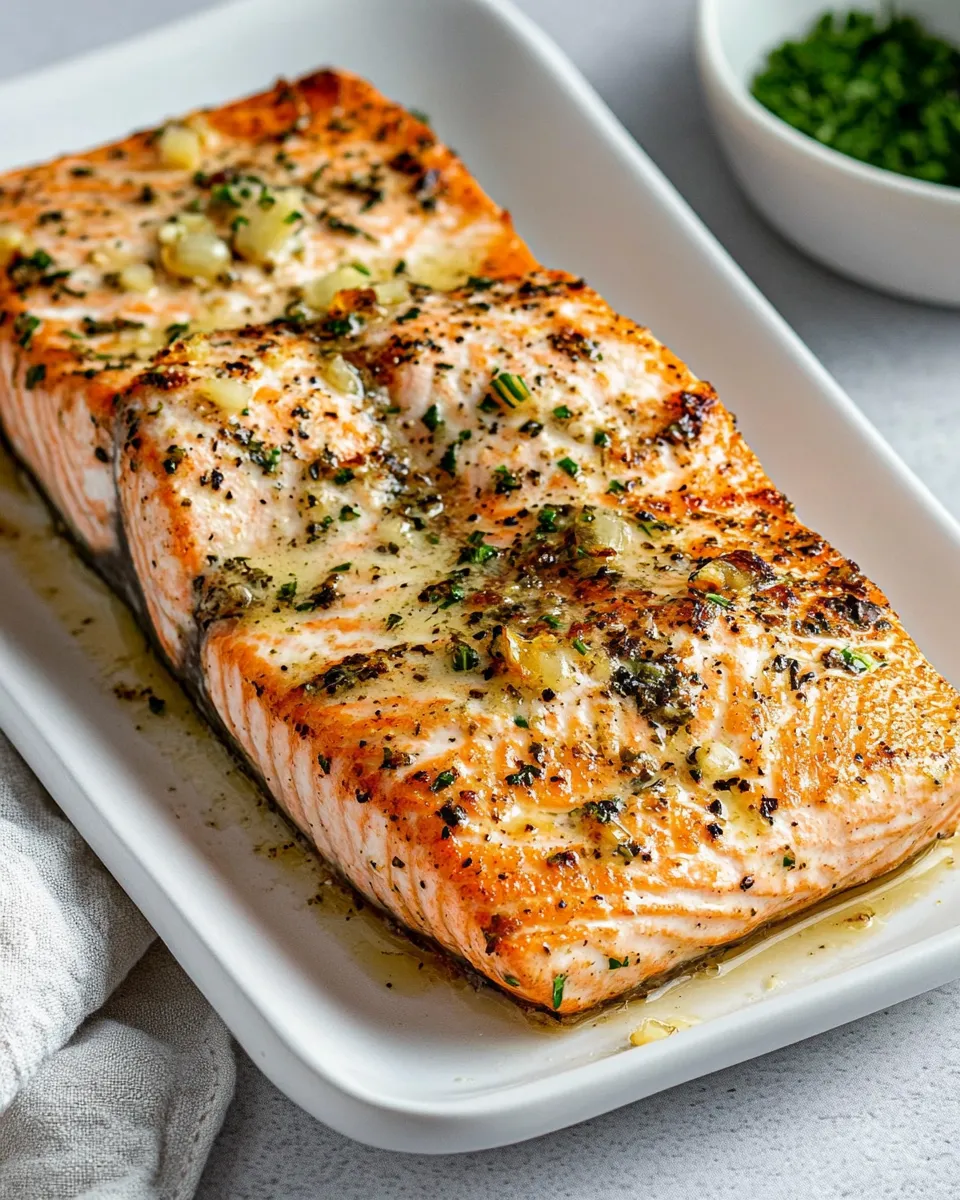
You can shift the finished profile using only the ingredients already in the recipe:
- Brighter: Increase the lemon juice slightly and add an extra pinch of parsley after baking for a fresher finish.
- Sweeter edge: Keep the brown sugar at the top where it can caramelize a bit more—apply a bit extra on the surface before broiling for a glossy, sweet finish.
- More garlicky: Use the full teaspoon of minced garlic inside the butter and scatter a few tiny extra bits on top of the fillets before baking, watching the broil carefully so they don’t burn.
Equipment at a Glance
This recipe uses very little equipment, which is part of its appeal. You need:
- A sheet pan large enough to hold the fillets without crowding.
- Aluminum foil to line the pan for easier cleanup.
- A medium bowl and a spoon or spatula for mixing the butter.
- A small offset spatula or knife to spread the butter evenly.
- An oven with a reliable broil setting if you want a browned top.
Simple tools mean fewer barriers to making this regularly.
Errors to Dodge
Most problems come from timing and temperature errors rather than the components themselves. Watch for these common mistakes:
- Overcooking: Salmon goes from perfectly flaky to dry quickly. Start checking doneness near 12 minutes for smaller fillets.
- Cold butter: If the butter is too cold it won’t spread smoothly and won’t meld properly with the aromatics. Bring the butter to room temperature before mixing.
- Too close together: Crowding the fillets traps steam and prevents even browning. Give each piece some breathing room.
- Broiling without watching: Two minutes under a high broiler is enough; if you step away it can go from golden to burnt fast.
How to Make It Lighter
If you want to cut back on richness without losing flavor, focus on proportion and technique rather than swapping in unfamiliar ingredients.
- Reduce the butter: Use half the butter in the compound mix and spread more thinly. The lemon juice and parsley will compensate with brightness.
- Trim visible fat: Trim any extra skin or thick fat line from the fillets before cooking so you get less total fat per bite.
- Shorter bake time: Remove as soon as the center is opaque and flakes easily. Slightly undercooked but tender salmon tastes lighter than overcooked, dry flakes.
Cook’s Notes
Timing and Doneness
For the 4 oz fillets called for here, 12–14 minutes at 400°F is the sweet spot. A thicker fillet will need the upper end of that range or a minute or two more. You’re looking for opaque flesh that flakes with a gentle fork. If you want a thermometer: 125–130°F is medium-rare to medium and keeps the fish moist. Remove the pan from the oven and let the residual heat carry the internal temperature the rest of the way.
Butter and Mixing Tips
Room-temperature butter mixes smoothly with the other ingredients. If the butter is too soft, the mixture can be oily; if it’s too hard, it will be lumpy. Stir until the mixture holds together and you can smear it easily across the fillet surfaces.
Finishing Touches
Let the fillets rest 1–2 minutes after baking. The carryover heat evens out the temperature and settles the juices. Serve immediately for best texture and flavor.
Shelf Life & Storage
Cool leftover salmon to room temperature for no more than two hours, then store it in an airtight container in the refrigerator. Consume within 2–3 days for best quality. Reheat gently—short bursts in a low oven or covered in a skillet over low heat—so the fish doesn’t dry out.
For longer storage, wrap tightly and freeze. Properly wrapped cooked salmon will hold for a couple of months in the freezer, but texture will degrade over time. Thaw overnight in the fridge before reheating gently.
Popular Questions
Can I use frozen salmon fillets?
Yes, but thaw completely in the refrigerator before applying the butter mixture so the seasoning adheres and cooking time is accurate.
Do I have to broil at the end?
No. Broiling is optional and only for a more browned, caramelized top. If you prefer not to broil, simply bake until done.
How can I tell when the salmon is done?
Look for opaque color through the fish and a flaky texture when prodded gently with a fork. If you use a thermometer, aim for about 125–130°F for a moist result.
Is the brown sugar necessary?
The brown sugar is a small balancing element that promotes a caramelized surface. If you prefer less sweetness you can reduce or omit it; the fish will still be flavorful thanks to the butter, garlic, and lemon.
In Closing
This garlic butter roasted salmon is a dependable recipe that delivers on flavor and ease. It’s flexible enough to fit a busy weeknight and polished enough for company. Stick to the simple compound butter, respect the oven time, and you’ll have flaky, flavorful salmon with minimal fuss.
Make it as written the first time, then tweak lemon, garlic, or brown sugar levels to match your taste. Once you have the timing dialed in for your oven and the thickness of your fillets, this will become one of those go-to recipes you can rely on every season.
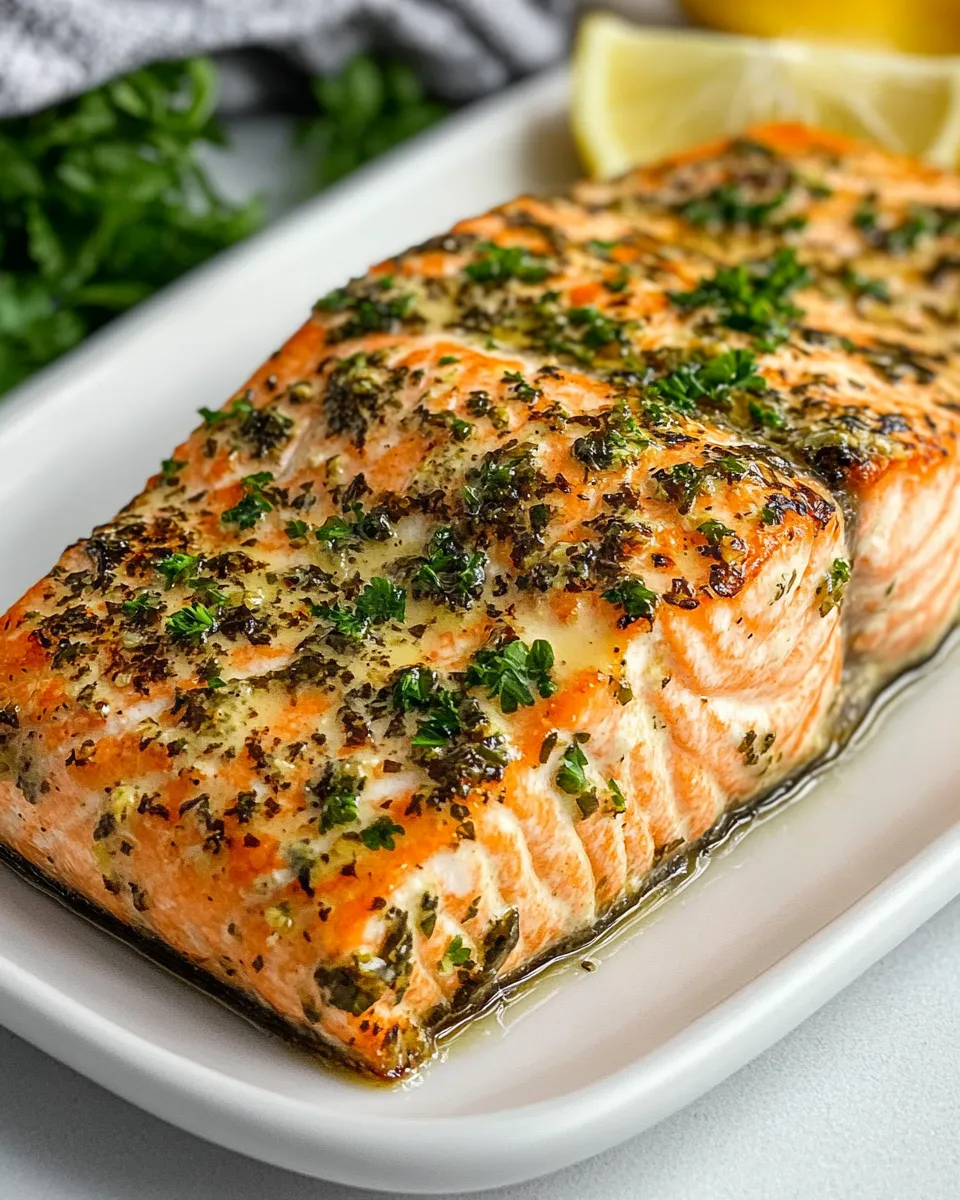
Garlic Butter Roasted Salmon
Ingredients
Equipment
Method
- Preheat the oven to 400°F (200°C). Line a sheet pan with aluminum foil.
- In a medium bowl, combine 4 tablespoons butter (room temperature), 1 teaspoon brown sugar, 1 teaspoon minced garlic, 1 teaspoon chopped fresh parsley, 1 tablespoon lemon juice, ½ teaspoon ground pepper, and salt to taste. Stir until smooth and well blended.
- Use a small amount of the butter mixture to lightly grease the foil-lined sheet pan. Arrange the 3–4 salmon fillets (about 4 oz each) on the pan in a single layer with space between them.
- Generously rub the remaining butter mixture over the tops and sides of each fillet so they are evenly coated.
- Bake in the preheated oven for 12–14 minutes, or until the salmon is opaque in the center and flakes easily with a fork. If you want a more browned top, broil on high for 2 minutes—watch closely to avoid burning.
- Remove the salmon from the oven, let rest briefly (1–2 minutes), and serve immediately.