Greek Yogurt with Berries, Nuts and Honey
I love recipes that are uncomplicated, honest, and make mornings feel a little brighter. This one checks every box: creamy yogurt, bright berries, a crunchy handful of nuts and a ribbon of honey. It comes together in minutes but tastes like care and attention went into it.
As a food writer who leans on simple rituals, I reach for this bowl on rushed weekdays and quiet weekends alike. The texture contrasts — silky yogurt, juicy berries, and toasted walnuts — are what make each spoonful interesting. Little choices, like using local honey or chopping the nuts a touch smaller, nudge it toward breakfast perfection.
Below you’ll find the exact ingredients and the simple, step-by-step method. I’ll also share practical tips, sensible substitutions, storage notes and answers to common questions so you can make this your go-to bowl, every time.
What Goes In
Ingredients
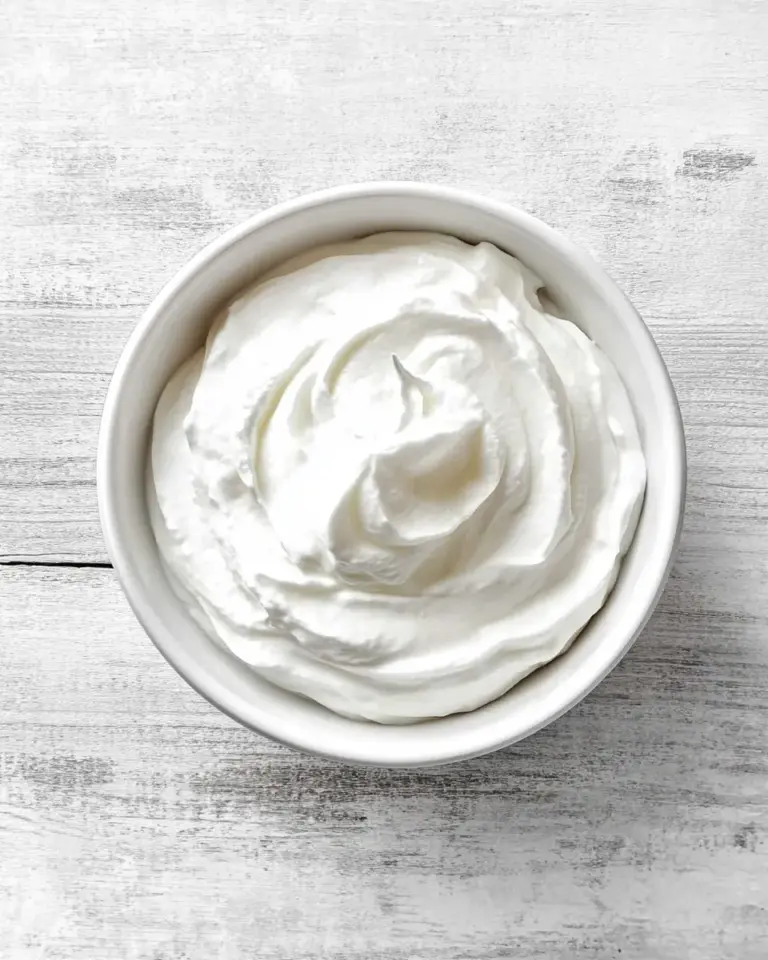
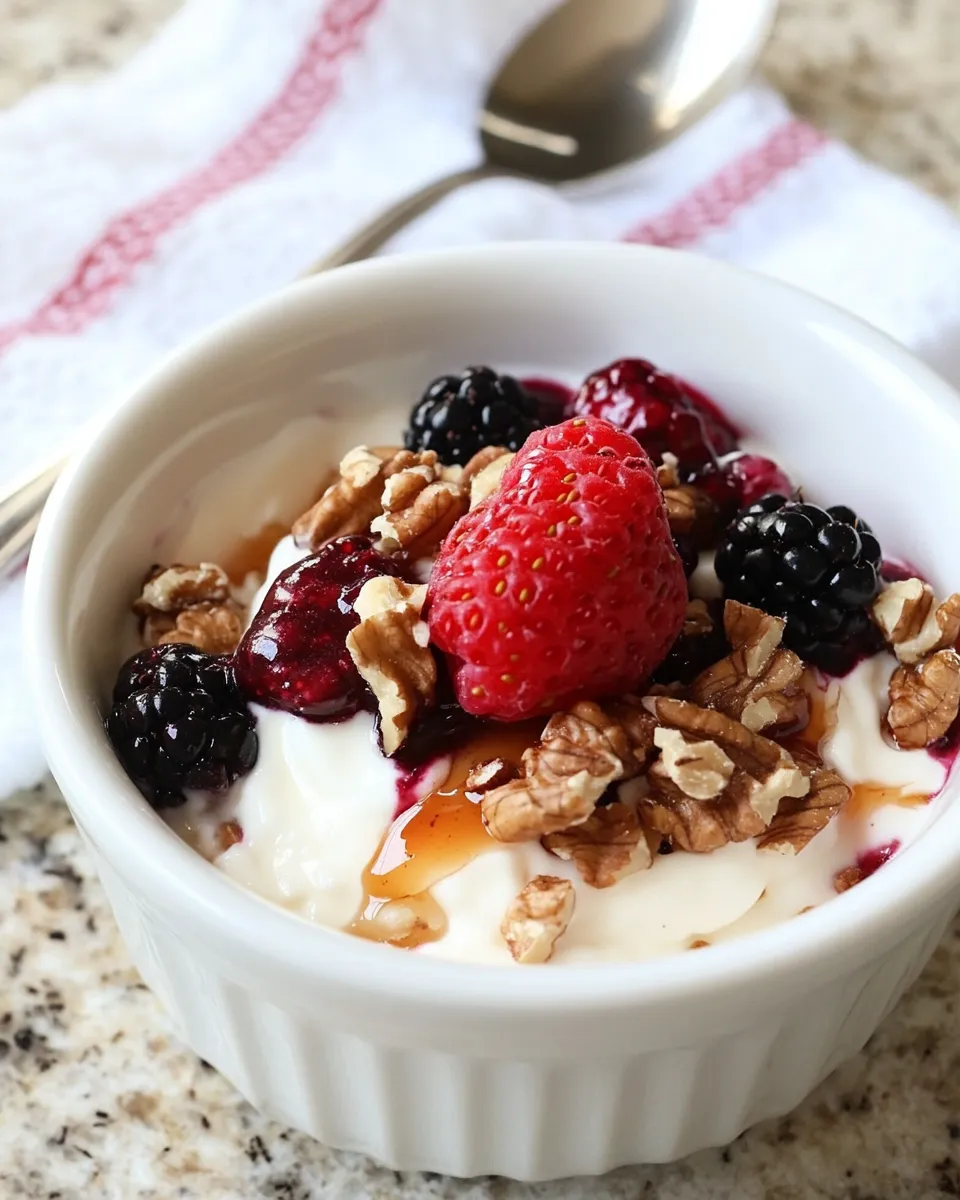
- 6oz nonfat plain Greek yogurt — creamy, protein-rich base; spoon it into the bowl and smooth the top.
- 1 tbsp honey, local preferred — adds gentle sweetness and floral notes; drizzle over the finished bowl.
- 1/2 cup fresh berries — bright, juicy contrast; wash and prepare as directed in the steps.
- 1 tbsp chopped walnuts — provides crunch and a nutty finish; sprinkle just before serving.
Cook Greek Yogurt with Berries, Nuts and Honey Like This
- Rinse 1/2 cup fresh berries and pat dry; remove stems and halve or slice any large berries so pieces are bite-sized.
- Spoon 6 oz nonfat plain Greek yogurt into a serving bowl and smooth the surface.
- Arrange the prepared berries evenly over the yogurt.
- Sprinkle 1 tbsp chopped walnuts over the berries.
- Drizzle 1 tbsp honey over the top and serve immediately.
Why You’ll Love This Recipe
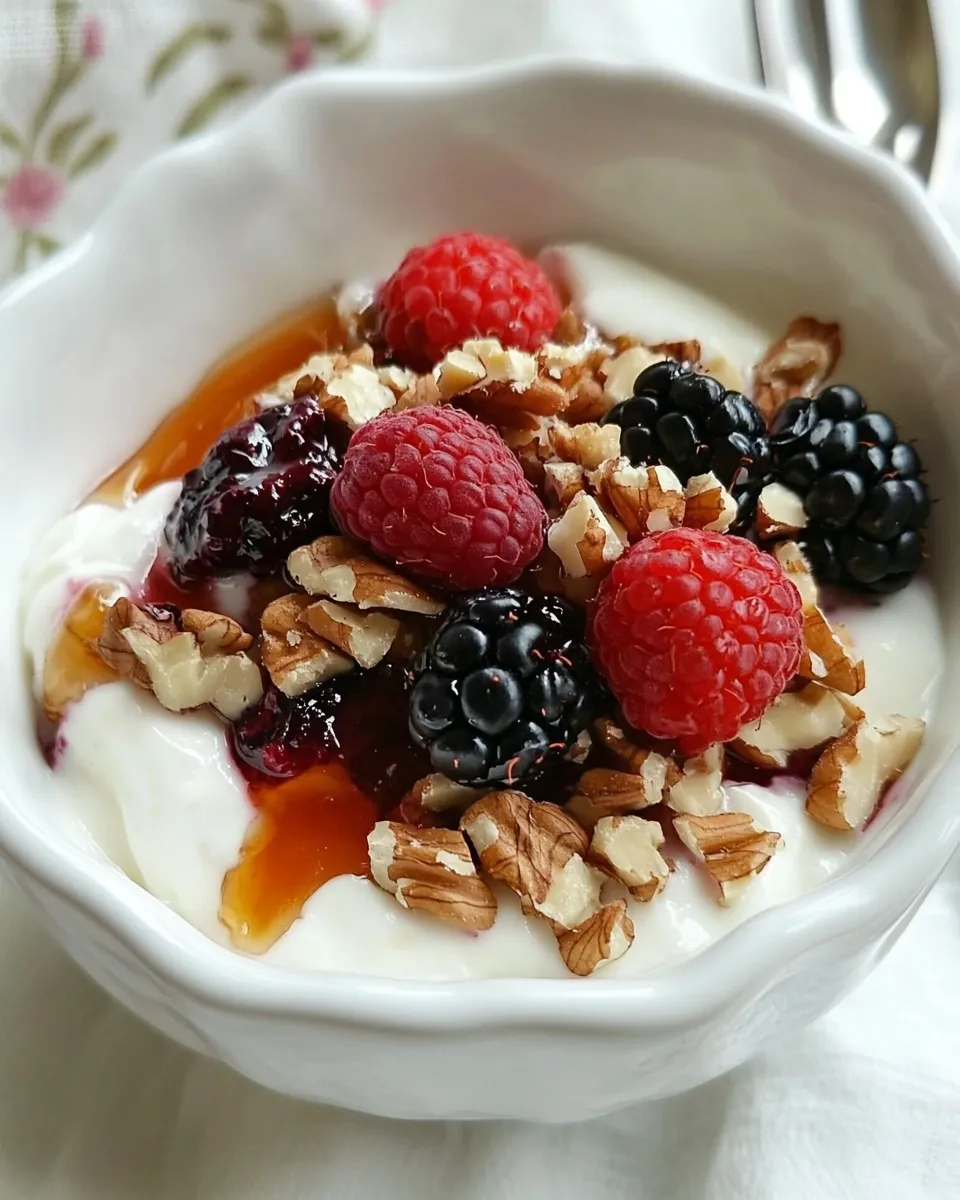
This bowl balances nutrition and pleasure in a straightforward way. The Greek yogurt brings a thick, tangy backdrop and a serious protein hit that keeps you satisfied for longer than milk-thin yogurt. Fresh berries brighten every spoonful with natural acidity and sweetness. Walnuts add a pleasant contrast — crunch and a faint bitterness that complements the honey’s sweetness.
It’s also flexible in portion and mood. Make it exactly as written for a light breakfast, or double the berries for a fruit-forward version. The recipe is forgiving: tiny variations in berry size or a touch more or less honey won’t break it. That reliability is what turns a simple idea into a dependable ritual.
Finally, it’s fast. From rinsing fruit to that first spoonful you can be seated in under five minutes. For busy mornings, that speed matters — and so does the fact that it feels thoughtful, not thrown together.
Smart Substitutions
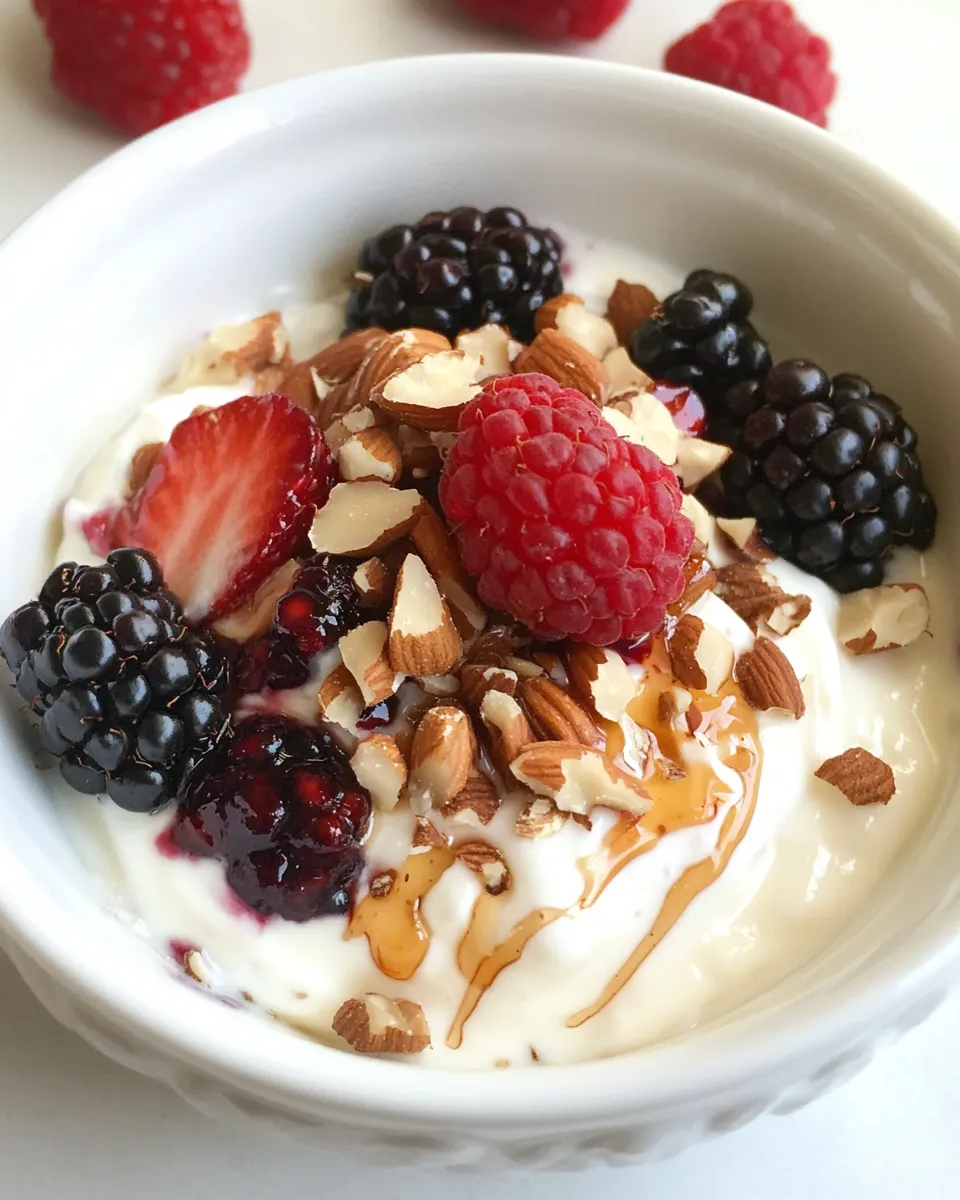
Substitutions let you adapt the bowl to what’s on hand or to dietary preferences. Keep the spirit of the dish — creamy base, fresh fruit, crunchy element, and a sweet finish — and swap within those roles.
- Yogurt: If you don’t have nonfat Greek yogurt, plain whole-milk Greek yogurt works for a richer mouthfeel. For a dairy-free option, unsweetened thickened plant yogurts (like strained coconut or almond-based styles) can stand in, though texture and tang will differ.
- Honey: If you prefer not to use honey, a light drizzle of maple syrup or agave will add sweetness without changing the assembly. Note: these are sweeter and more liquid, so drizzle carefully.
- Berries: Use any mix of berries you like — strawberries, blueberries, raspberries, blackberries, or a combination. If stone fruit is ripe and you want variety, thinly sliced peaches or nectarines can be added alongside or instead of berries.
- Nuts: If walnuts aren’t liked or available, chopped almonds, pecans, or hazelnuts provide similar crunch. For nut-free kitchens, toasted pumpkin or sunflower seeds give a pleasing texture.
Tools & Equipment Needed
You don’t need special gadgets for this recipe. A few reliable items make it painless:
- A small mixing bowl or serving bowl — to hold the yogurt and toppings.
- A small knife and cutting board — for trimming and halving larger berries.
- A spoon — for smoothing yogurt and for eating (or for serving if making multiple bowls).
- Measuring spoons and a scale are helpful if you like precision, but eyeballing the amounts works fine for casual serving.
Avoid These Traps
Even a simple recipe can go sideways if you rush small steps or ignore texture. Watch for these common missteps:
- Using wet berries. If you don’t pat the berries dry after rinsing, the yogurt can become watery on the surface and dilute the texture. Pat them gently with a clean kitchen towel or paper towel.
- Over-chopping the fruit. If berries are too finely chopped they can turn jammy and blend into the yogurt. Aim for bite-sized pieces that keep their shape.
- Putting nuts on too early. Add chopped walnuts just before serving; if they sit too long they’ll absorb moisture and soften. For best crunch, toast them briefly in a dry pan over medium heat for a minute or two, watching carefully so they don’t burn.
- Using overly sweet yogurt. Flavored yogurts can have a lot of added sugar and dominate the delicate balance between tang, fruit, and honey. Plain Greek yogurt is the cleanest base.
Tailor It to Your Diet
This recipe is naturally adaptable across many dietary needs. Here’s how to make it fit specific goals without complicating things.
Higher protein
Keep the nonfat Greek yogurt as the base — it’s already protein-dense. You can add a tablespoon of chia or hemp seeds on top for extra protein and healthy fats without changing the core flavors.
Lower sugar
Use tart berries (raspberries or blackberries) and reduce or eliminate the honey if you want to limit added sugars. The natural sweetness from ripe berries often offsets a smaller drizzle of honey.
Dairy-free
Choose thick, unsweetened plant-based yogurts. Look for ones labeled “Greek-style” or “strained” for a closer texture match. Keep an eye on ingredient lists — some plant yogurts contain added sugars.
Nut-free
Swap walnuts for seeds like roasted pumpkin or sunflower seeds to preserve crunch and provide healthy fats.
Little Things that Matter
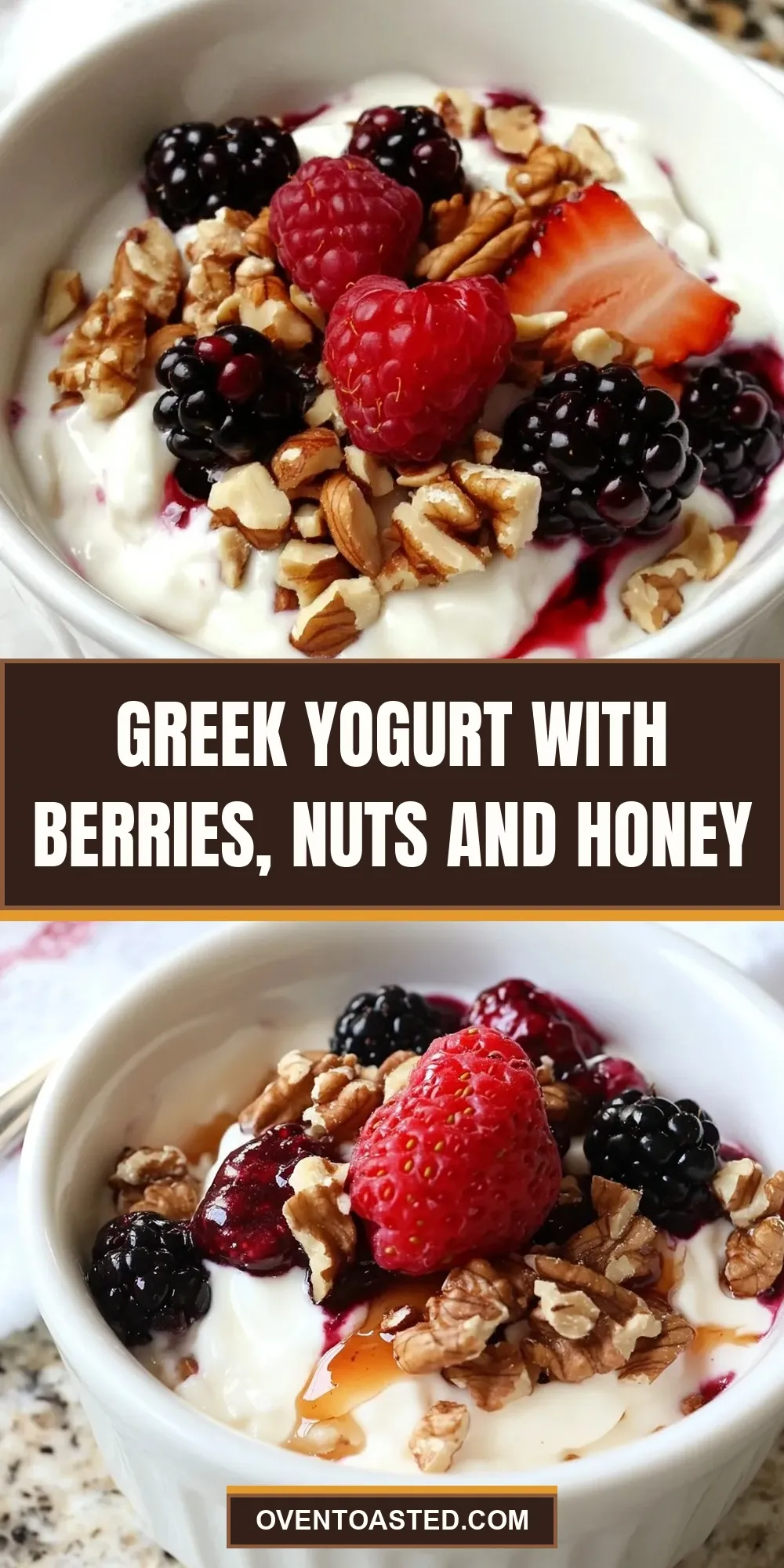
When a recipe is this simple, tiny adjustments make a big difference. Here are the small habits I use that consistently improve the bowl.
- Temperature: Use yogurt straight from the fridge but let the bowl sit for a minute if your berries are icy-cold. The slight temperature difference keeps textures lively.
- Honey placement: Drizzle honey over the nuts and berries rather than directly into the yogurt to create little pockets of sweetness and draw the nuts and fruit together visually.
- Presentation: Arrange berries evenly rather than dumping them on top. A thoughtful arrangement elevates the experience without extra effort.
- Chopping: Chop large berries or walnuts into uniform pieces so every spoonful feels balanced.
Refrigerate, Freeze, Reheat
This dish is best eaten immediately, but here are practical storage tips for components and quick assemblies.
- Prepared bowl: Because of fresh berries and honey, the assembled bowl is not ideal for refrigeration beyond a short period. If you must store it, cover tightly and refrigerate for up to 24 hours, but expect the nuts to soften and the berries to release juice.
- Yogurt: Unused yogurt keeps well in its original container in the fridge according to the expiration date. Transfer leftovers into a clean container for freshness.
- Berries: Washed and dried berries will keep in the fridge for 1–2 days; for longer storage, freeze berries on a tray then transfer to a sealed bag — great for smoothies but not ideal if you want fresh texture in this bowl.
- Nuts: Store chopped walnuts in an airtight container in the fridge or freezer to preserve crunch and prevent rancidity.
- Reheating: This is a cold bowl — no reheating required. If you want warm elements, briefly toast the nuts or warm the honey before drizzling, but don’t heat the yogurt.
Troubleshooting Q&A
Quick answers to common questions so you can fix things without second-guessing.
Q: My yogurt tastes too bitter or sour. What can I do?
A: Greek yogurt can be tangy by nature. Balance the tang with a slightly larger drizzle of honey or choose a whole-milk Greek yogurt for a milder flavor. Also check the yogurt’s expiration date — past-date tang can be sharper.
Q: My berries made the yogurt watery. How do I prevent that?
A: Pat berries completely dry after rinsing and add them to the yogurt just before serving. If berries are overripe and juicy, spoon off excess juice before adding them to the bowl.
Q: Nuts went soft after a short time. Any tips?
A: Keep the nuts separate until serving if you need to make the bowl ahead. Store chopped walnuts in the fridge and sprinkle them on at the last minute. Toasting them briefly also helps preserve a crisper bite for longer.
Q: Can I scale this up for guests?
A: Yes — multiply the ingredients and assemble bowls individually for neat presentation, or create a yogurt station with toppings set out so guests can build their own.
Time to Try It
Make this bowl today and notice how a few quality ingredients combine into a satisfying, elegant breakfast or snack. It’s quick, forgiving, and adaptable — the kind of recipe I keep in heavy rotation. Let the yogurt be thick, the berries fresh, the nuts toasted if you like, and the honey a finishing touch. Then sit down, spoon in, and enjoy a small, real moment of deliciousness.
If you try it, tell me what substitution you used or what little tweak made it feel like yours. I love hearing how a simple recipe becomes someone’s favorite.
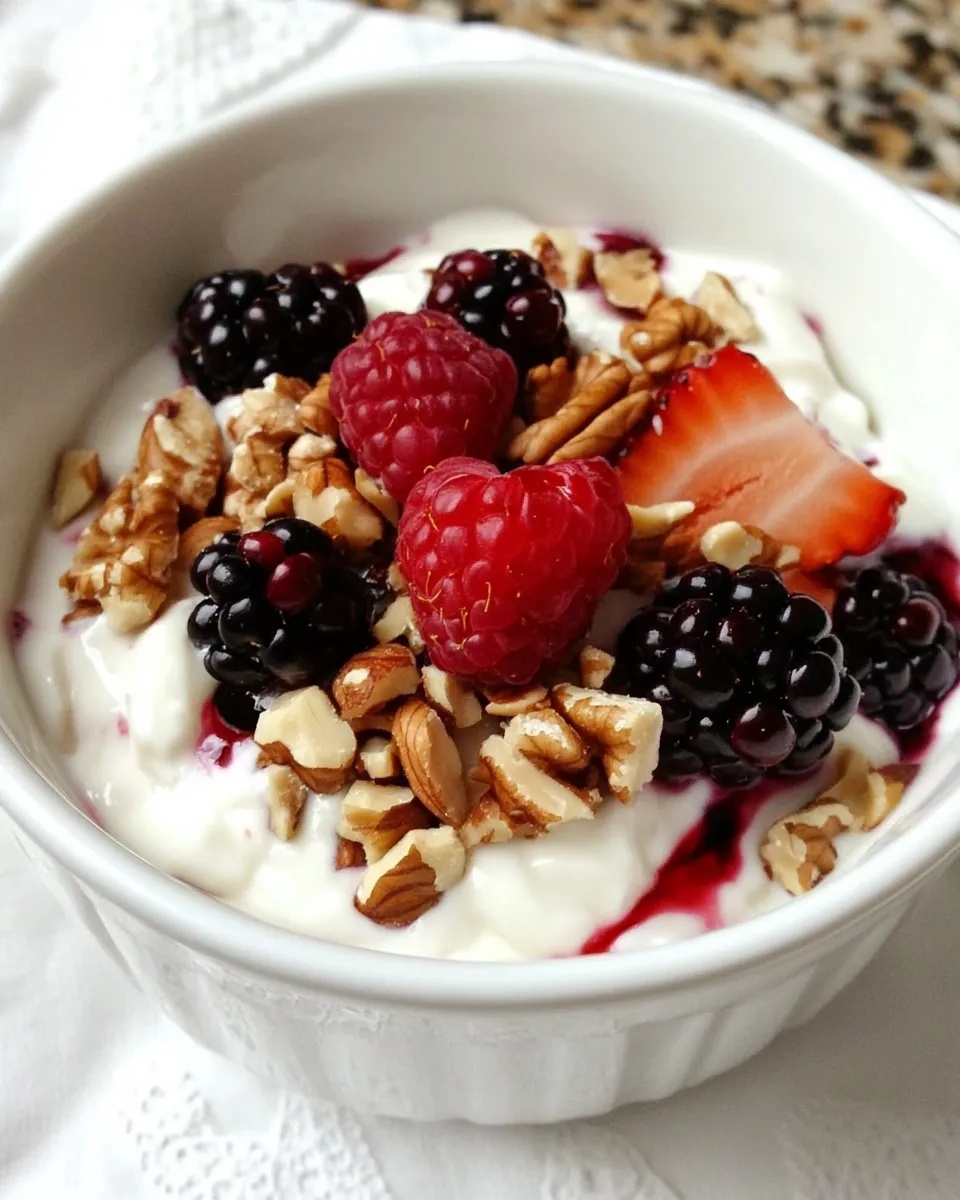
Greek Yogurt with Berries, Nuts and Honey
Ingredients
Equipment
Method
- Rinse 1/2 cup fresh berries and pat dry; remove stems and halve or slice any large berries so pieces are bite-sized.
- Spoon 6 oz nonfat plain Greek yogurt into a serving bowl and smooth the surface.
- Arrange the prepared berries evenly over the yogurt.
- Sprinkle 1 tbsp chopped walnuts over the berries.
- Drizzle 1 tbsp honey over the top and serve immediately.