Healthy Oat Crepes
I make these oat crepes at least once a week. They’re fast, forgiving, and that gentle oat flavor works with both sweet and savory fillings. The batter blends in seconds, and you can have a stack on the table before you finish a pot of coffee.
These crepes are lighter than the classic butter-and-flour version but still tender and pliable. The oat flour brings natural sweetness and body, while a touch of all-purpose flour keeps the crepes delicate enough to flip without tearing. Small tweaks—like thinning the batter or adjusting the heat—make a big difference.
No fuss, no special skills: measure, blend, rest briefly if you like, and cook. Below I walk you through ingredient notes, the exact steps, substitutions that actually work, equipment choices, and the things I want you to avoid. Practical, straightforward, and reliably delicious.
Ingredient Notes

Oat crepes live in the sweet spot between pancakes and classic thin French crepes. The oat flour gives the batter more body, so you’ll watch the skillet and adjust milk slightly if the batter thickens. Eggs do the lifting and binding; a little all-purpose flour helps with structure and ease of flipping. Butter in the batter enriches and helps the crepes brown nicely, and a spray of oil keeps sticking to a minimum.
Pay attention to batter consistency. Pourability is everything: if the batter sits and thickens, it needs a few tablespoons of milk to return to crepe-thin. Heat control matters too—medium heat is the sweet spot for even color without burning. Finally, keep finished crepes warm and breathable by stacking and covering with a towel, so they don’t sweat and go gummy.
Ingredients
- 1 1/2cups (355ml) low fat milk* — thins the batter to a pourable consistency; add more if batter thickens while resting.
- 3largeeggs — provide structure and help the crepes hold together for flipping and folding.
- 1 1/2Tbspreal maple syrup — light sweetener that also boosts browning and flavor.
- 1tspvanilla extract — enhances sweetness and rounds the flavor for sweet fillings.
- 1 1/3cups (160g)oat flour(use a scale to measure or scoop and level in a measuring cup) — the main dry ingredient; gives nutty flavor and body.
- 3Tbsp (29g)all purpose flour — adds structure and helps with elasticity so crepes don’t tear.
- 1/4tspsalt — balances sweetness and highlights flavor.
- 2Tbsp (28g)melted butter — adds richness and encourages even browning; cool slightly before blending so eggs don’t cook.
- Avocado oilor olive oil cooking spray — for greasing the skillet without excess butter; use lightly to prevent sticking.
Healthy Oat Crepes: From Prep to Plate
- Pour 1 1/2 cups (355 ml) low fat milk, 3 large eggs, 1 1/2 Tbsp real maple syrup, and 1 tsp vanilla extract into a blender.
- Add 1 1/3 cups (160 g) oat flour, 3 Tbsp (29 g) all-purpose flour, 1/4 tsp salt, and 2 Tbsp (28 g) melted butter to the blender.
- Cover and blend on low speed until the batter is smooth and well combined, about 10 seconds. If batter seems very lumpy, blend a few seconds longer.
- If the batter rests and thickens, thin it to a pourable crepe consistency by stirring in a few more tablespoons of the low fat milk as needed.
- Heat a 10-inch nonstick skillet over medium heat until hot. Lightly spray the inside bottom of the pan with avocado oil or olive oil cooking spray.
- Pour a scant 1/3 cup of batter into the center of the skillet, then immediately tilt and swirl the pan to spread the batter into a thin, even layer.
- Cook until the bottom is golden brown and the top is set. Use an offset spatula to loosen one edge, then flip the crepe and cook the second side until it is just golden brown. If the crepes are browning too quickly, reduce the burner temperature slightly.
- Transfer the finished crepe to a wire rack. Repeat steps 5–7 with the remaining batter, spraying the pan as needed.
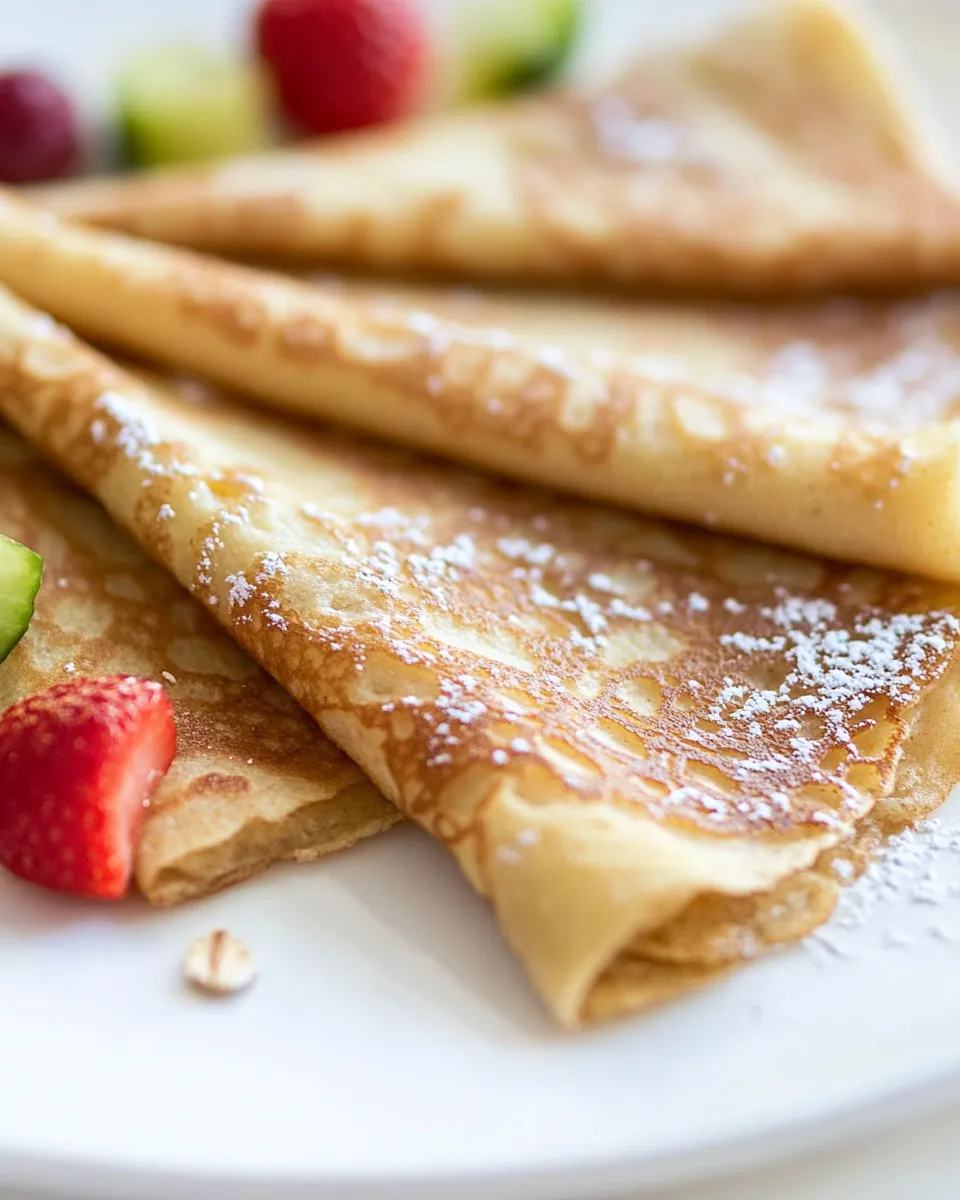
- Keep cooked crepes warm by stacking them and covering with a tea towel, or fold each crepe into fourths as you go.
Why I Love This Recipe
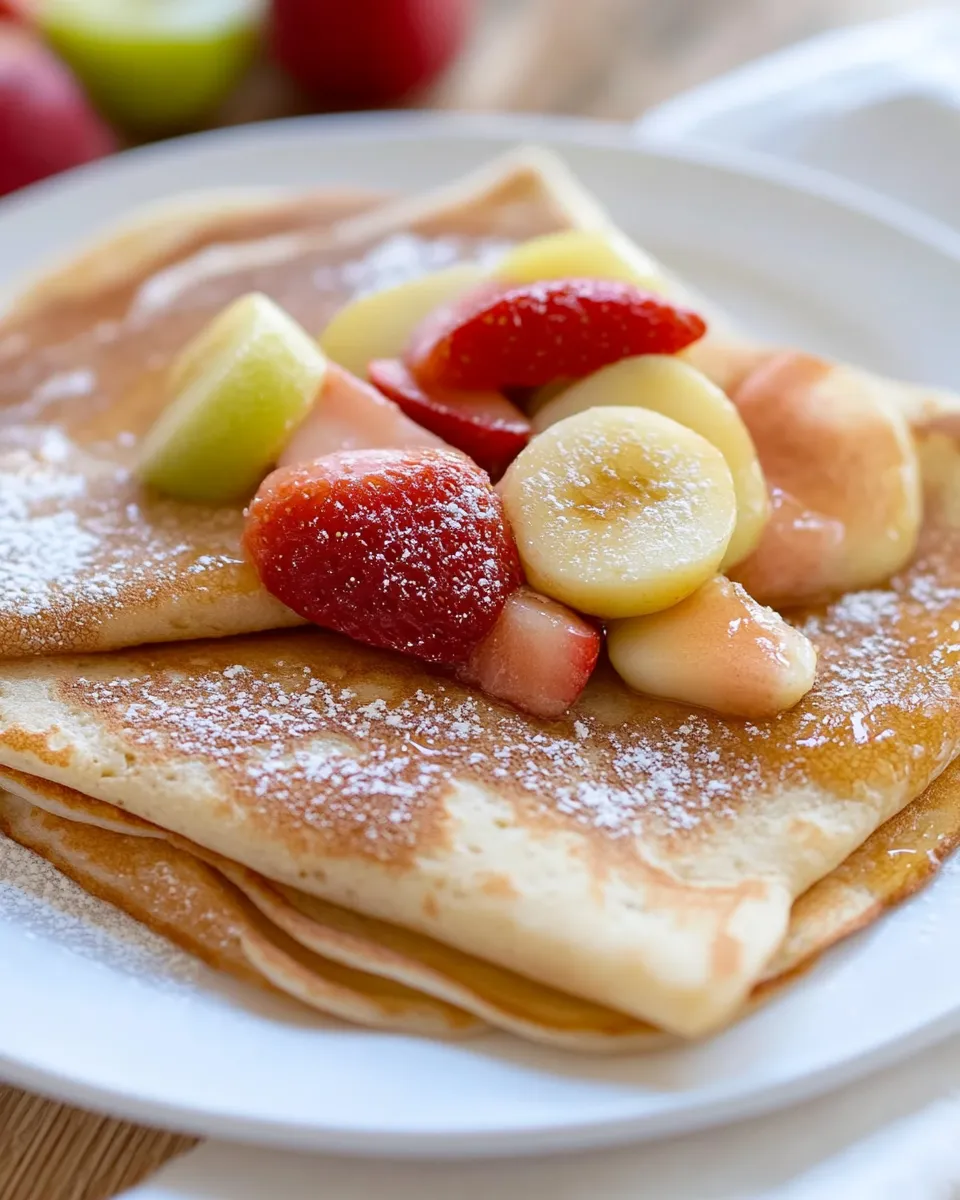
These crepes are a reliable weekday breakfast that feels a bit special. They’re quicker than juggling a bowl and whisk, since the blender does the work. Texture-wise, they’re tender and slightly elastic, which makes folding or rolling easy. The oat flour adds a comforting, lightly nutty note that pairs beautifully with fruit, yogurt, or a savory filling like sautéed mushrooms and herbs.
They’re forgiving. Batter thickness, pan temperature, and how you swirl the pan all influence the final crepe, but small missteps are fixable. If one crepe browns too fast, lower the heat and the next one will be perfect. If the batter is too thick after resting, a tablespoon of milk brings it back. For hectic mornings, that predictability matters.
Smart Substitutions

Want to adapt these crepes to what you have on hand? Here are swaps that work without breaking the recipe’s texture.
– Milk: Use any neutral milk—dairy or plant-based—if you need a dairy-free option. Thicker milks (like some canned or full-fat alternatives) may require extra thinning.
– Oat flour: If you don’t have oat flour, you can pulse rolled oats in a blender to roughly the same texture, but weigh or measure carefully so the batter isn’t gummy.
– Butter: Melted butter in the batter contributes flavor. If you prefer oil, swap with a neutral-tasting oil (same volume), though the taste will be slightly different.
– Sweetener: If you skip the maple syrup the crepes will be neutral and work better for savory fillings. Honey or a mild liquid sweetener can replace maple if needed.
Equipment at a Glance
Keep it simple: a blender, a 10-inch nonstick skillet, a measuring cup or scale for oat flour, an offset spatula, and a wire rack. The blender smooths the batter quickly and saves time. I prefer a nonstick skillet for ease of flipping and minimal oil. An offset spatula is small but essential for loosening edges without tearing. A wire rack prevents steam buildup and keeps crepes from getting soggy when you stack them.
Don’t Do This
Don’t skip testing the pan heat. Too hot and the crepes will color before the center sets; too cool and they’ll be rubbery. Don’t pour too much batter—1/3 cup scant is the right amount for a 10-inch pan. A thicker pour makes pancakes more than crepes and will increase cooking time and tearing risk.
Don’t let cooked crepes sit in an airtight container while hot; trapped steam makes them limp. Use a wire rack and a cloth to keep them warm and dry. Don’t overblend the batter to the point of heating eggs—brief blending is enough to combine and smooth.
Seasonal Flavor Boosts
Spring: Add thinly sliced strawberries and a smear of ricotta with a drizzle of honey for a bright, floral breakfast.
Summer: Fresh peaches or berries with lemon zest and a dollop of yogurt is refreshing and light.
Autumn: Stir a pinch of cinnamon into the batter and fill crepes with stewed apples and a sprinkle of chopped toasted nuts.
Winter: Warm pears in maple and a splash of vanilla with a scattering of toasted seeds feels cozy and balanced.
Notes on Ingredients
Measure oat flour by weight if possible—1 1/3 cups (160 g) is the amount in the recipe. Oats can compress differently in measuring cups, so the scale gives consistency. The recipe calls for low fat milk, which keeps the crepes lighter; you can use whole milk if you want richer flavor, but expect slightly more browning. The 3 Tbsp of all-purpose flour is small but useful: it gives the crepes just enough gluten to hold together while still keeping them tender.
The eggs are non-negotiable for structure; they’re the main protein that sets the crepe. Salt is small in amount but crucial for rounding flavors. Melted butter in the batter adds flavor and helps the crepes brown; if you swap for oil, choose a neutral oil for a similar outcome. Use cooking spray sparingly—too much oil will fry the crepes rather than brown them evenly.
Save It for Later
These crepes freeze and reheat well. Stack crepes with parchment between each, then wrap tightly in plastic and freeze. To reheat, let them thaw in the fridge or at room temperature, then warm in a dry skillet for 20–30 seconds per side or in a 300°F oven until warmed through. If you’re saving crepes for a few hours, stack them on a wire rack and cover with a light towel so they don’t trap steam.
Make-ahead tips
You can mix the batter and keep it covered in the fridge for up to 24 hours; it may thicken, so stir in a tablespoon of milk before cooking. If you plan to serve multiple fillings, keep them warm in separate shallow dishes in a low oven so assembly is quick when guests arrive.
FAQ
Q: Can I make these gluten-free?
A: Oat flour is naturally gluten-free, but cross-contamination can occur. Use certified gluten-free oat flour if you need a strict gluten-free recipe. Also check your all-purpose flour—substitute a gluten-free 1:1 flour blend if necessary, though the texture will change slightly.
Q: My crepes tear when I flip—why?
A: Two common causes: batter too thick or the crepe not set enough on the first side. If the batter is thick, thin with a tablespoon or two of milk until it pours like heavy cream. Wait until the top is set and edges lift slightly before loosening and flipping. Also make sure you’re using a nonstick pan and spraying lightly between crepes.
Q: Can I skip the blender?
A: Yes, you can whisk by hand. Expect a slightly less smooth batter and that the oat flour may need a few extra seconds of whisking to hydrate. Strain if you want a silkier texture.
Q: How thin should the crepes be?
A: Thin enough that the previous batter appearance is nearly translucent when cooked—tilt and swirl immediately after pouring to achieve an even, thin layer. A scant 1/3 cup in a 10-inch pan is a good starting amount.
Q: Are these suitable for savory fillings?
A: Absolutely. Oat crepes have a mild flavor that pairs well with savory ingredients—think herbed goat cheese, smoked salmon, sautéed greens, or mushrooms. Omit or reduce maple syrup for a more neutral base.
The Last Word
Healthy Oat Crepes are my go-to when I want something quick, adaptable, and pleasing to a crowd. The technique is simple: blend, pour thin, watch the heat, and flip when set. A few small adjustments—thinning the batter, controlling pan temperature, and keeping crepes covered but aired—will elevate the result every time.
Make a batch, experiment with fillings, and keep a stack in the fridge or freezer for busy mornings. Once you get the swirl motion down, these crepes will feel effortless. Enjoy.
Healthy Oat Crepes
Ingredients
Equipment
Method
- Pour 1 1/2 cups (355 ml) low fat milk, 3 large eggs, 1 1/2 Tbsp real maple syrup, and 1 tsp vanilla extract into a blender.
- Add 1 1/3 cups (160 g) oat flour, 3 Tbsp (29 g) all-purpose flour, 1/4 tsp salt, and 2 Tbsp (28 g) melted butter to the blender.
- Cover and blend on low speed until the batter is smooth and well combined, about 10 seconds. If batter seems very lumpy, blend a few seconds longer.
- If the batter rests and thickens, thin it to a pourable crepe consistency by stirring in a few more tablespoons of the low fat milk as needed.
- Heat a 10-inch nonstick skillet over medium heat until hot. Lightly spray the inside bottom of the pan with avocado oil or olive oil cooking spray.
- Pour a scant 1/3 cup of batter into the center of the skillet, then immediately tilt and swirl the pan to spread the batter into a thin, even layer.
- Cook until the bottom is golden brown and the top is set. Use an offset spatula to loosen one edge, then flip the crepe and cook the second side until it is just golden brown. If the crepes are browning too quickly, reduce the burner temperature slightly.
- Transfer the finished crepe to a wire rack. Repeat steps 5–7 with the remaining batter, spraying the pan as needed.
- Keep cooked crepes warm by stacking them and covering with a tea towel, or fold each crepe into fourths as you go.
Notes
*A nondairy milk could be used as well you'll just want to add a few tablespoons less since it's thinner.