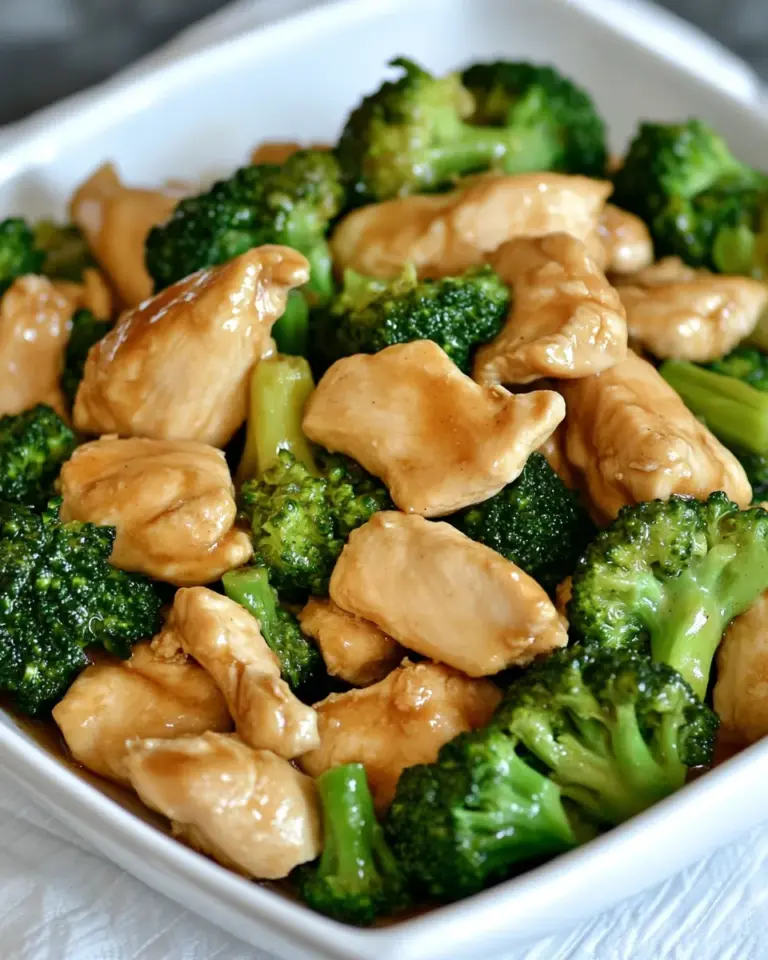
Homemade Egg Noodles
These egg noodles are the kind you’ll turn to when comfort food calls. They’re simple: flour, salt, eggs, and a touch of water. No machine required. You get a tender, satisfying bite that holds up in brothy soups or butter-sautéed bowls.
I make a batch on a quiet weekend and use them all week. They cook fast and finish dishes quickly, which is exactly why learning the small details matters. This recipe gives you that classic texture every time, plus practical tips for handling, storing, and varying the flavor.
What Goes Into Homemade Egg Noodles
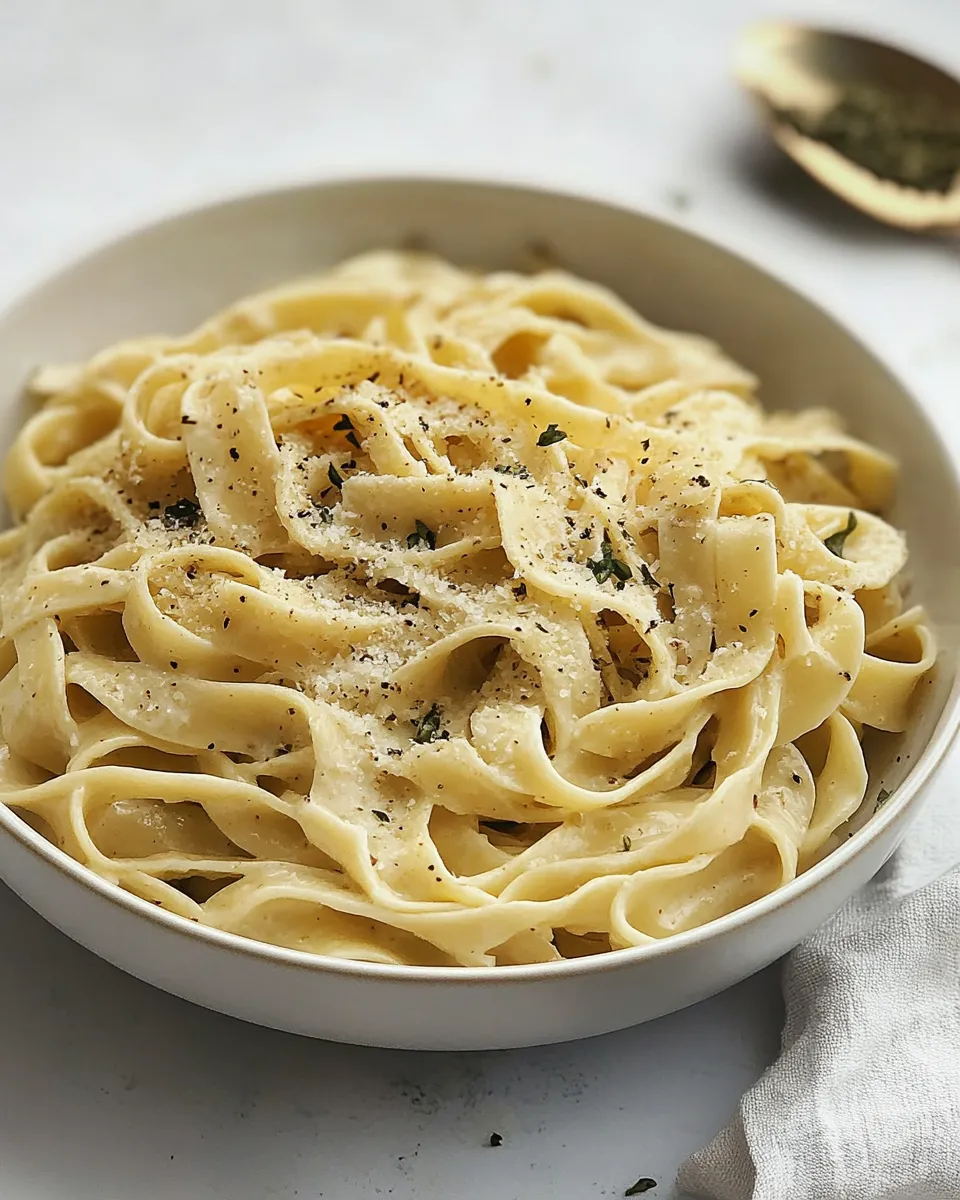
Ingredients
- 2 cups all-purpose flour — the structure of the noodle; measure by spooning into the cup and leveling for accuracy.
- 1 3/4 teaspoons salt — seasons the dough through and enhances the noodle’s flavor.
- 3 large egg yolks — add richness and a tender, yellow crumb to the pasta.
- 1 large egg — boosts moisture and helps bind the dough.
- 5 tablespoons water — hydrates the dough; add more sparingly only if needed so noodles don’t become sticky.
- plus more if needed — a reminder to adjust the water a little at a time if your dough still feels dry after the measured 5 tablespoons.
Cooking Homemade Egg Noodles: The Process
- On a clean work surface, measure and combine the 2 cups all-purpose flour and 1 3/4 teaspoons salt; pile into a mound and make a well in the center.
- Add the 3 large egg yolks and the 1 large whole egg into the well.
- Using a fork or your fingertips, break the eggs in the well and begin pulling in flour from the sides a little at a time until the mixture becomes shaggy.
- Add the 5 tablespoons water gradually, one tablespoon at a time, incorporating it with your fingers or the fork until the dough comes together; if the dough is still too dry after the 5 tablespoons, add additional water sparingly, a little at a time, only until it holds.
- Gather the dough into a ball and knead by hand on the floured surface for about 10 minutes, until it feels smooth and elastic.
- Wrap the dough in plastic wrap or cover with a bowl or clean towel and let it rest for 10 minutes at room temperature.
- Lightly flour the work surface and a rolling pin. Roll the rested dough into a rectangle about 1/8 inch thick.
- Lightly flour the top of the rolled dough to prevent sticking, then cut into strips 1/8 to 1/4 inch wide using a knife or pizza cutter.
- Gently separate the cut noodles and toss them lightly with a little flour to keep them from sticking together.
- Bring a large pot of water to a rolling boil.
- Add the fresh noodles to the boiling water and cook for 2 to 4 minutes, checking for tenderness; cooking time will depend on thickness.
- Drain the noodles and serve immediately.
What Makes This Recipe Special
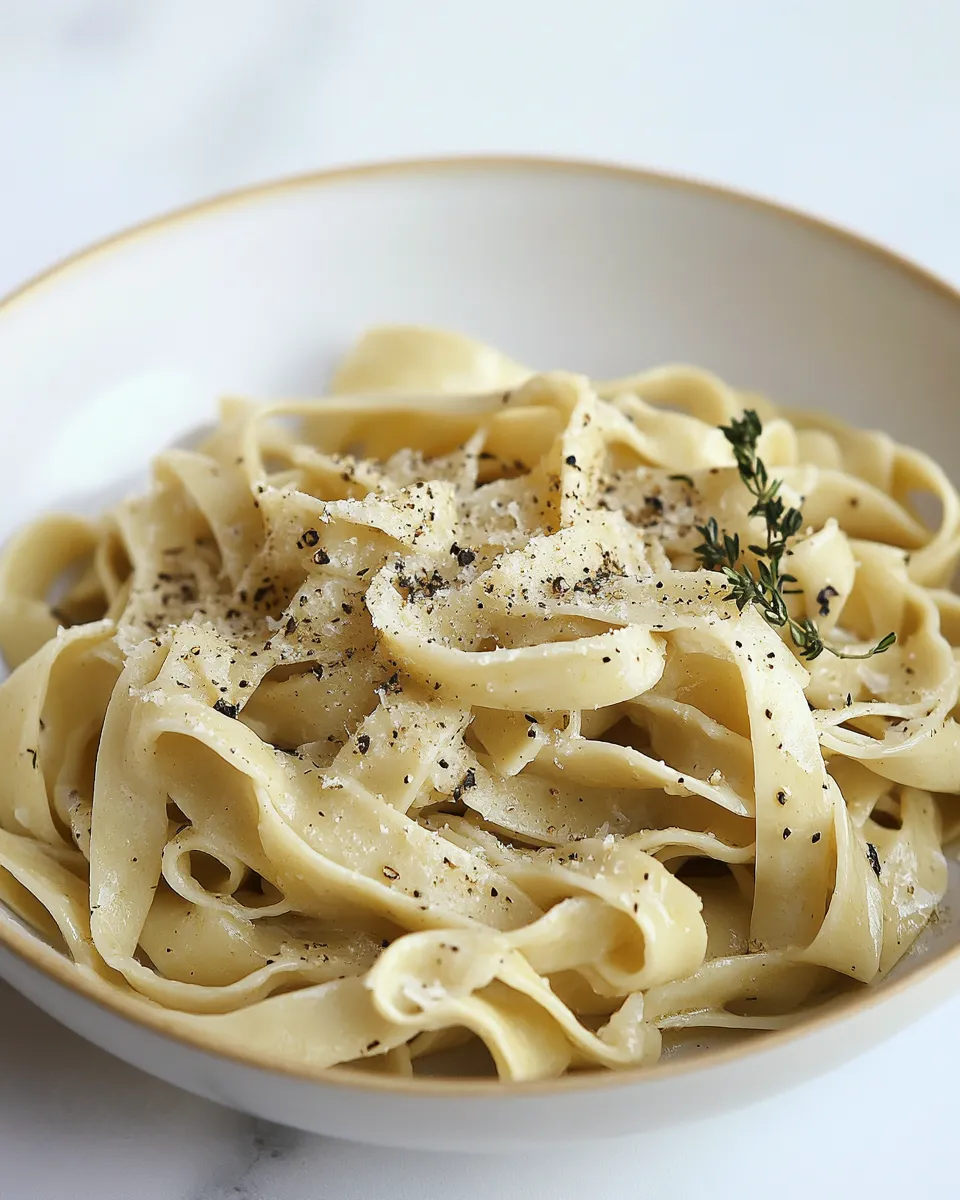
It’s the balance: extra yolks for richness and a single whole egg for structure. That combination yields noodles that are tender but not fragile. The measured but minimal water keeps the dough from becoming gummy and helps you achieve that ideal chew.
This method is intentionally manual. No pasta roller, no hands-off machine work. You control the dough’s feel. When you knead and roll by hand you can see and adjust hydration and thickness in real time. That small attention makes a big difference in texture.
Flavor-Forward Alternatives
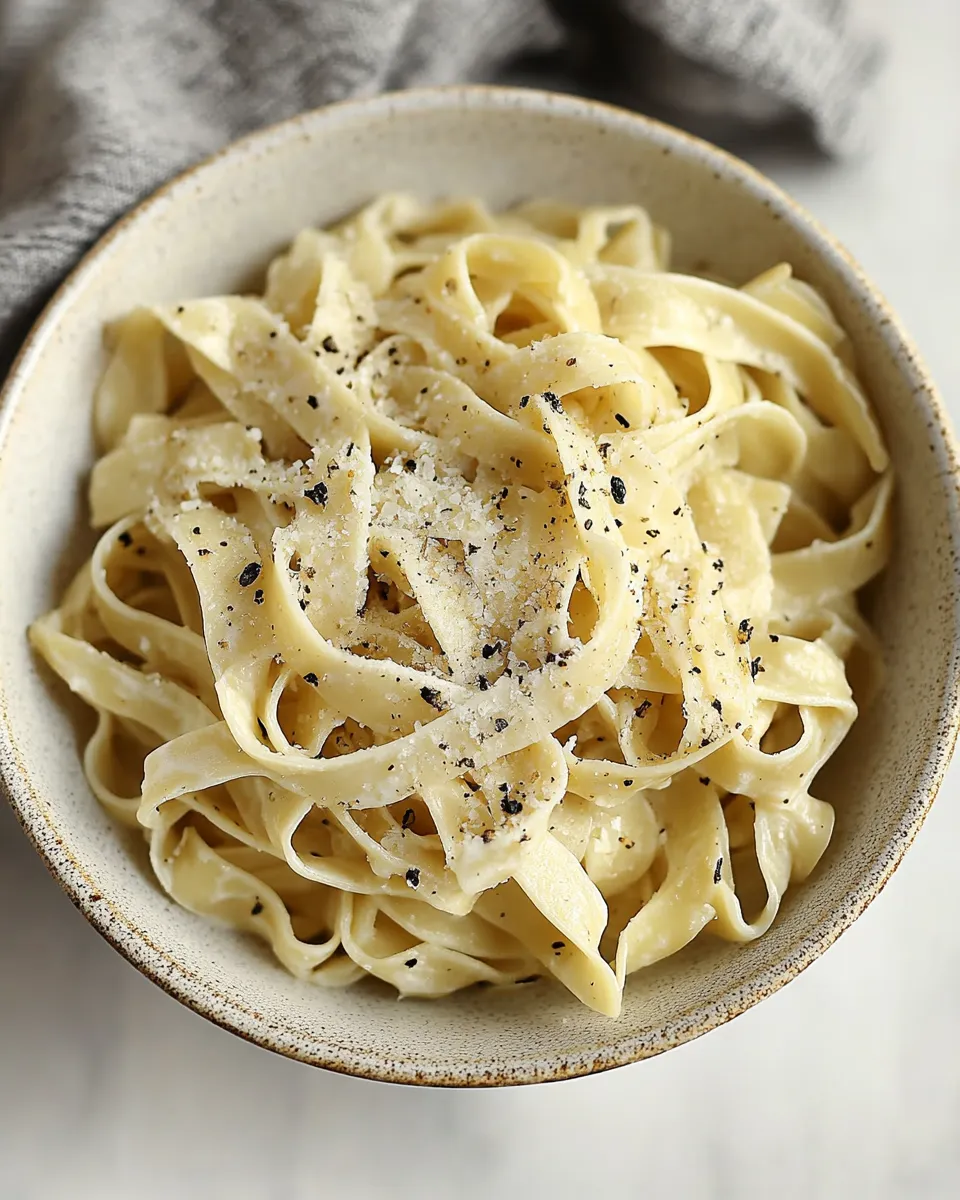
Want to shift the profile without changing the core recipe? Try one of these practical swaps or additions. Each option keeps the main process the same but nudges the result toward a new direction.
- Herbed butter finish — toss drained noodles in browned butter with chopped parsley and a pinch of lemon zest for brightness.
- Sautéed aromatics — finish in a pan with garlic and sliced mushrooms; add a splash of white wine and a knob of butter.
- Soup-ready — leave noodles on the slightly thicker side and cook them directly in simmering broth; they’ll hold up and absorb flavor.
- Cheesy pack-in — toss hot noodles with grated Parmesan and black pepper for a quick, rustic mac-and-cheese-style dish.
Gear Checklist
- Large, clean work surface — for mixing and kneading.
- Rolling pin — a straight wooden pin is ideal for even thickness.
- Sharp knife or pizza cutter — for clean, uniform cuts.
- Large pot — for a full boil so noodles have space to move.
- Colander or slotted spoon — to drain without damage.
- Plastic wrap or clean towel — to rest and keep dough from drying while it relaxes.
Pitfalls & How to Prevent Them
Common Problems and Fixes
- Dough too dry — add water a teaspoon at a time. The recipe allows extra water sparingly; it’s better to add too little and adjust than to over-hydrate.
- Dough too sticky — dust the surface and your hands with a little flour, but avoid adding too much to the dough itself; excess flour makes noodles tough.
- Noodles stick together — toss cut noodles lightly with flour and spread them in a single layer if possible until you drop them in boiling water.
- Uneven thickness — rotate the dough and use even pressure when rolling. Move from the center out with long strokes.
- Overcooked noodles — fresh noodles cook fast. Start checking tenderness at 2 minutes and drain as soon as they’re tender with a slight bite.
Seasonal Serving Ideas
Egg noodles are a year-round canvas. Fall and winter beg for hearty pairings. Think braised beef, roasted root vegetables, or a rich mushroom gravy. Spring and summer welcome lighter preparations — toss with lemony greens, fresh peas, and herbs for a bright plate.
Here are quick seasonal pairings to keep in mind:
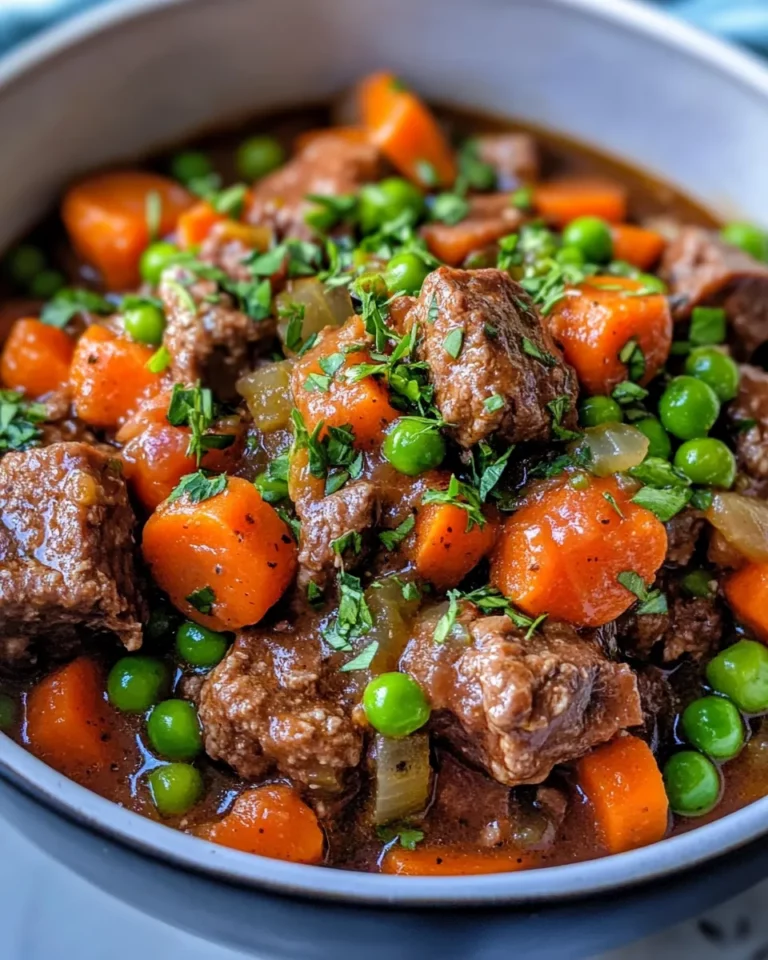
- Winter — beef stew or chicken and dumpling style soups.
- Spring — asparagus, peas, and a touch of lemon zest with Parmesan.
- Summer — chilled noodle salad with vinaigrette and chopped herbs.
- Fall — brown-butter sage sauce and roasted squash.
Method to the Madness
The method is straightforward but purposeful. Start by mixing the dry and wet components in a well — it keeps control of hydration and prevents early lumps. Pulling flour in gradually is the key move; it lets you judge when the dough has reached the right shaggy stage.
Kneading for roughly 10 minutes develops enough gluten to give the noodle body without making it chewy. Resting is short but critical — it relaxes the gluten so the dough rolls out smoothly. From there, your thickness decision determines cooking time and final texture. Roll thin for tender ribbons; a slightly thicker 1/4-inch makes a heartier noodle that stands up to stews.
Prep Ahead & Store
These noodles come together fast and you can prepare them ahead for convenience. After cutting, toss them lightly with flour, spread them in a single layer on a baking sheet, and refrigerate for up to 24–48 hours. If you stack them, separate layers with parchment to prevent clumping.
For longer storage, freeze in a single layer on a tray until solid, then transfer to a freezer bag. Cook straight from frozen; add a minute or two to the boiling time. Leftover cooked noodles keep in the fridge for 3–4 days stored in an airtight container; reheat gently with a splash of stock or olive oil to prevent drying.
Your Top Questions
Q: Can I use whole eggs only? A: Yes, but the original balance of yolks and a whole egg gives extra richness. Using only whole eggs will still work but the color and richness will be a touch milder.
Q: Can I use bread flour or semolina? A: This recipe is written for all-purpose flour. Bread flour will create a firmer, chewier noodle; semolina will alter hydration and texture and requires recipe adjustments.
Q: How thin should I roll the dough? A: Aim for about 1/8 inch for a classic tender ribbon. Thicker, up to 1/4 inch, if you want a meatier bite that holds up in soups and stews.
Q: Do I rinse the noodles after boiling? A: No. Drain and serve. Rinsing removes surface starch that helps sauces cling. If you’re making a cold salad, a quick rinse in cold water will stop cooking, but then toss in a little oil to prevent sticking.
Wrap-Up
Homemade egg noodles are an easy skill that rewards you again and again. The recipe is reliable: measured flour, salted, enriched with yolks, and gently hydrated. Knead until smooth, rest briefly, then roll and cut to your preferred thickness. Cook briefly, drain, and pair with whatever comforts you.
Make a batch. Use them in soup, with butter and herbs, or as a base for a slow-simmered ragù. The process is simple; the result is satisfying. Once you’ve made them a few times, you’ll know precisely how the dough should feel under your hands. That familiarity creates the best bowls.
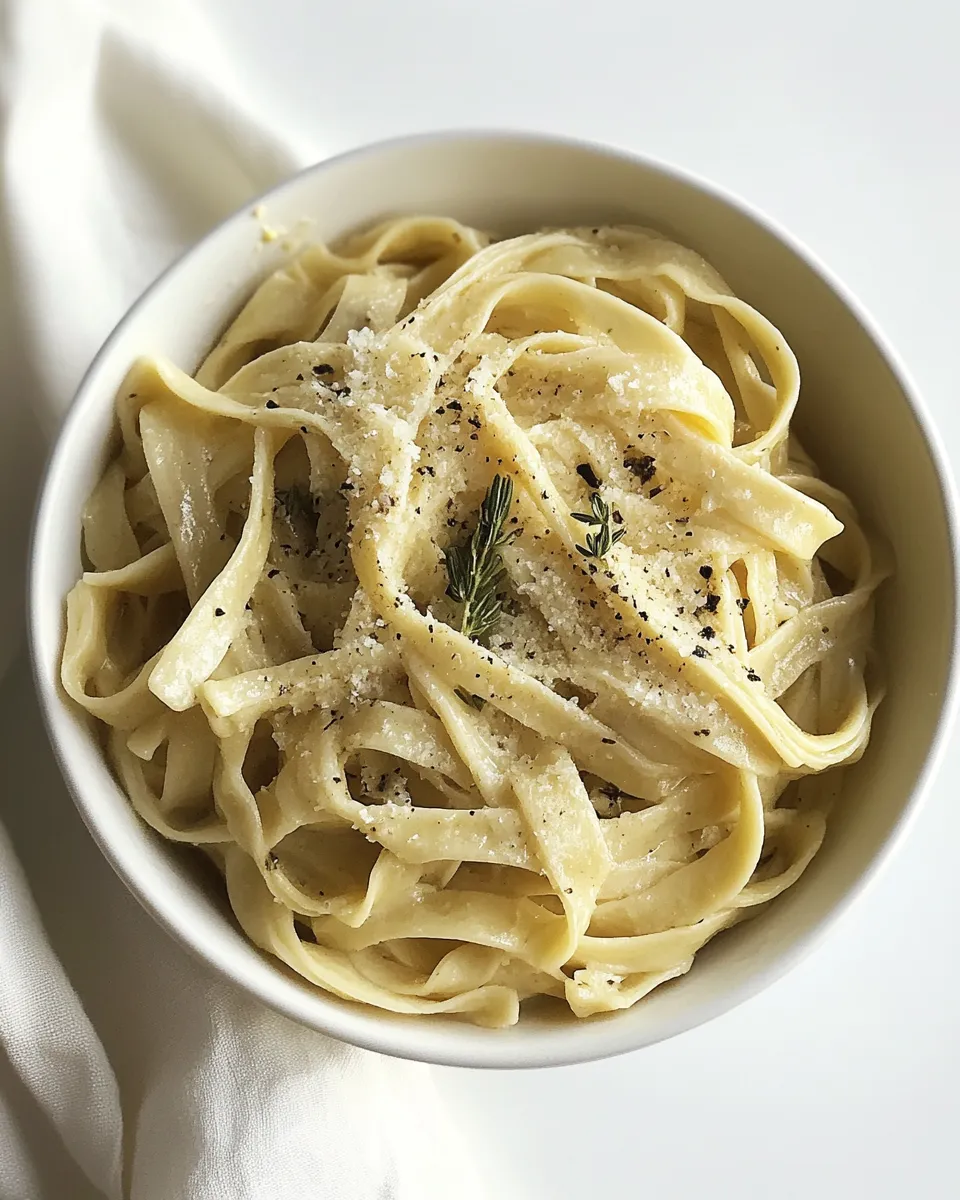
Homemade Egg Noodles
Ingredients
Equipment
Method
- On a clean work surface, measure and combine the 2 cups all-purpose flour and 1 3/4 teaspoons salt; pile into a mound and make a well in the center.
- Add the 3 large egg yolks and the 1 large whole egg into the well.
- Using a fork or your fingertips, break the eggs in the well and begin pulling in flour from the sides a little at a time until the mixture becomes shaggy.
- Add the 5 tablespoons water gradually, one tablespoon at a time, incorporating it with your fingers or the fork until the dough comes together; if the dough is still too dry after the 5 tablespoons, add additional water sparingly, a little at a time, only until it holds.
- Gather the dough into a ball and knead by hand on the floured surface for about 10 minutes, until it feels smooth and elastic.
- Wrap the dough in plastic wrap or cover with a bowl or clean towel and let it rest for 10 minutes at room temperature.
- Lightly flour the work surface and a rolling pin. Roll the rested dough into a rectangle about 1/8 inch thick.
- Lightly flour the top of the rolled dough to prevent sticking, then cut into strips 1/8 to 1/4 inch wide using a knife or pizza cutter.
- Gently separate the cut noodles and toss them lightly with a little flour to keep them from sticking together.
- Bring a large pot of water to a rolling boil.
- Add the fresh noodles to the boiling water and cook for 2 to 4 minutes, checking for tenderness; cooking time will depend on thickness.
- Drain the noodles and serve immediately.