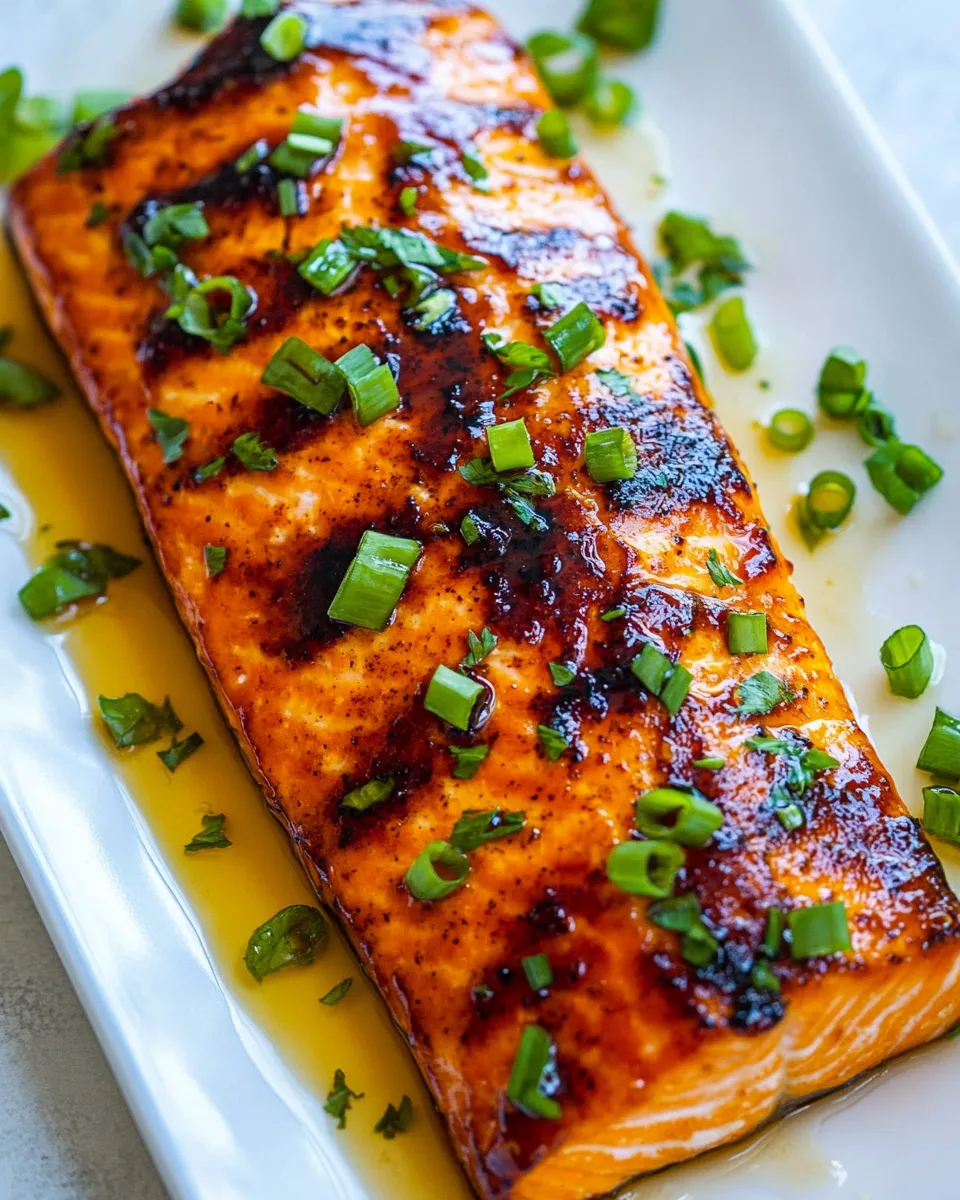
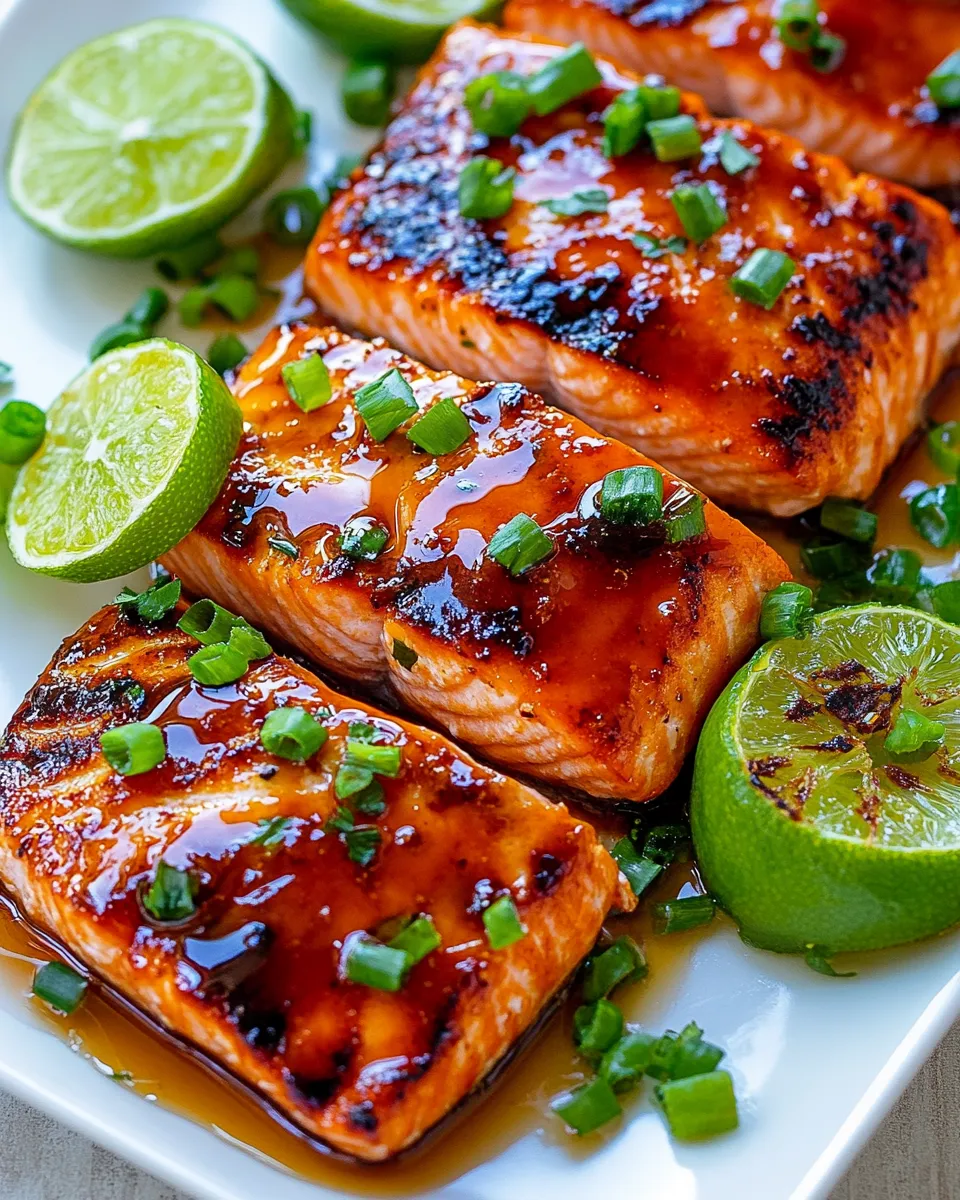
Honey Glazed Salmon Recipe
Salmon is one of my go-to weeknight proteins: quick to cook, forgiving, and naturally flavorful. This honey-glazed version gives you a glossy, slightly sweet crust with that savory lift from soy sauce. It’s straightforward, fast, and looks like you spent far more time on it than you did.
I love recipes that deliver texture and balance without a long ingredient list. Here, flour provides a thin, crisp coating, the honey caramelizes into a shiny glaze, and lime brightens the finished fish. Little touches—like chopping chives and squeezing lime at the end—make a simple plate sing.
Shopping List
- 24 oz salmon filet, boneless and skinless — cut into six 4 oz pieces for even cooking.
- 1/2 tsp sea salt — to season the fillets.
- 1/8 tsp black pepper — for a faint peppered lift.
- 1/4 cup all-purpose flour — for a light dredge that crisps the surface.
- 2 Tbsp light olive oil — a high-heat oil to sear the fish.
- 1/4 cup honey — the base of the glaze; brings sweetness and caramelization.
- 2 Tbsp soy sauce — adds umami and balances the honey.
- 1 lime — cut into wedges for finishing brightness.
- 1 Tbsp chives — optional garnish for color and a mild onion note.
Honey Glazed Salmon Cooking Guide
This guide walks you through the exact steps so you get a caramelized glaze, moist interior, and crisp exterior. The method is designed for a large skillet on the stove—fast, direct heat gives the glaze that beautiful caramel finish.
Timing matters: roughly 3 minutes per side for 4 oz pieces. Hot oil, pre-measured glaze, and dry salmon are your friends. Work deliberately, and don’t overcrowd the pan.
Ingredients
- 24 oz salmon filet, boneless and skinless (cut into 6 pieces, 4 oz each) — portioned pieces ensure even cooking; room-temperature fish cooks more evenly.
- 1/2 tsp sea salt, (or to taste) — seasons the flesh; adjust to your preference.
- 1/8 tsp black pepper, (or to taste) — subtle warmth; freshly cracked is best.
- 1/4 cup all-purpose flour — light dredge that helps the glaze stick and gives a thin crust.
- 2 Tbsp light olive oil, or any high-heat cooking oil — use an oil that can take medium heat without smoking.
- 1/4 cup honey — creates the glossy, sweet glaze; measure carefully for balance.
- 2 Tbsp soy sauce, * — adds saltiness and depth to the glaze; mix with honey before applying.
- 1 lime, cut into wedges — a squeeze brightens the finished fish and cuts through the sweetness.
- 1 Tbsp chives, to garnish (optional) — fresh color and a mild onion finish; optional but pretty.
Honey Glazed Salmon Cooking Guide
- Make the glaze: in a measuring cup, combine 1/4 cup honey and 2 Tbsp soy sauce; stir until well combined and set aside.
- Pat the 24 oz salmon filet pieces dry with paper towels. Season both sides of each 4 oz piece with 1/2 tsp sea salt and 1/8 tsp black pepper.
- Pour 1/4 cup all-purpose flour onto a shallow plate. Dredge both sides of each salmon piece in the flour, then shake off any excess.
- Heat a large skillet over medium heat and add 2 Tbsp light olive oil. Heat until the oil is hot and shimmery.
- Divide the prepared glaze roughly in half (half for the first side, half for the second). Brush one side of each floured salmon piece generously with half of the glaze.
- When the oil is hot, place the salmon in the pan glaze-side-down. Do not overcrowd the pan; cook in batches if needed.
- Immediately brush the top (now-up) side of each piece with the remaining glaze.
- Sauté the salmon without moving for about 3 minutes on the first side, then carefully flip and sauté the second side for about 3 minutes more, or until the glaze is caramelized and the salmon is opaque and flakes easily with a fork.
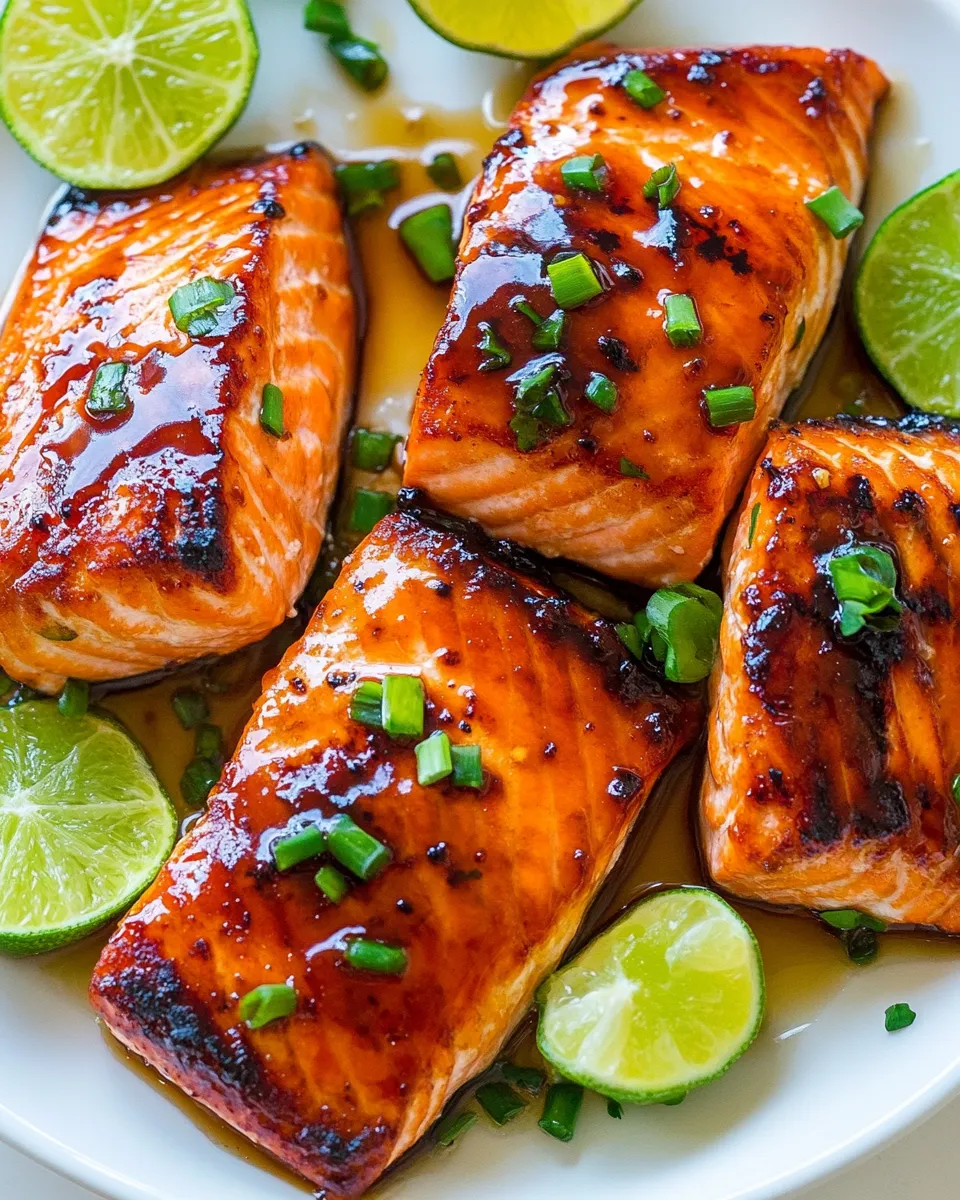
- Transfer salmon to a serving plate, squeeze lime wedges over the top, and garnish with 1 Tbsp chopped chives if desired.
Why This Recipe is a Keeper
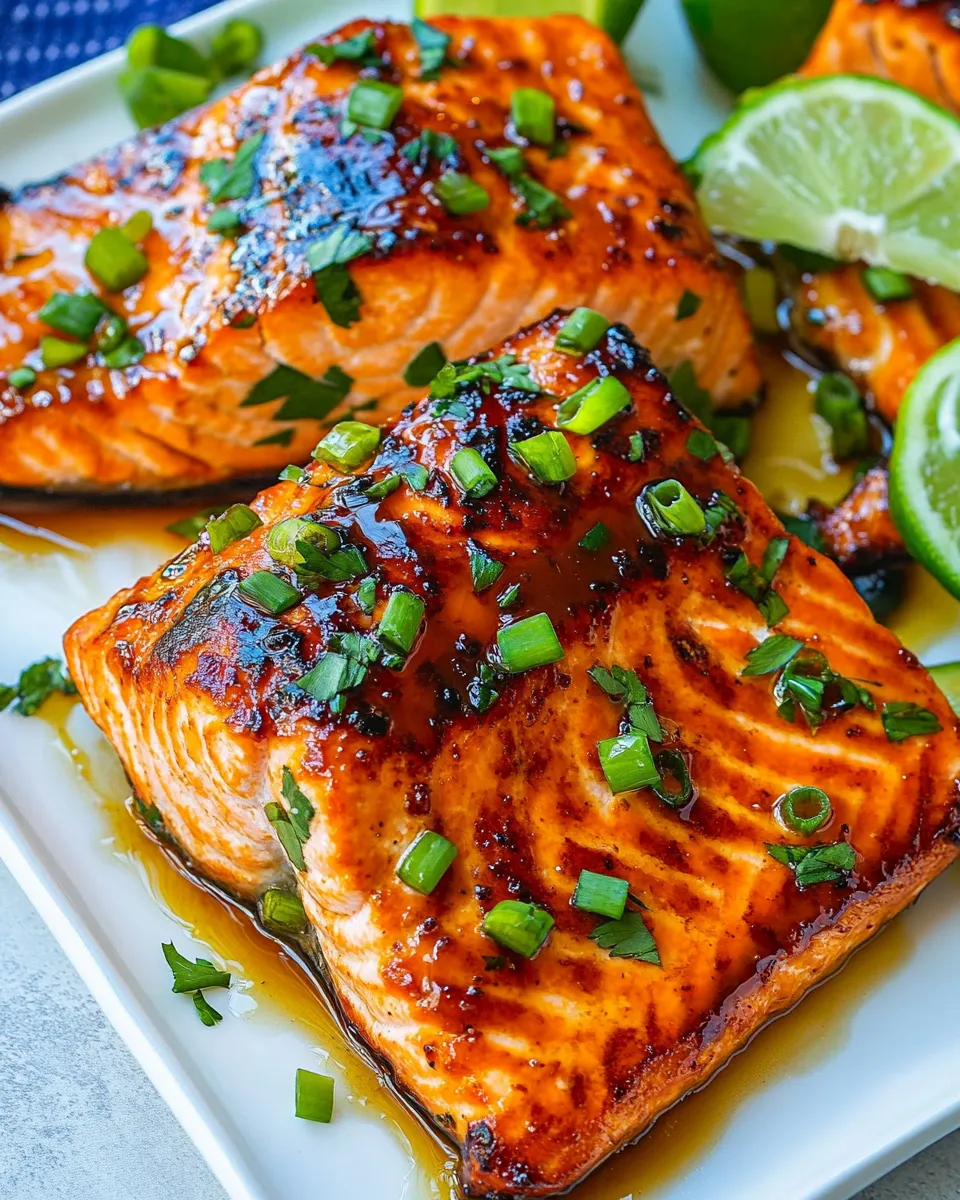
It’s fast. From pan to plate in under 20 minutes for a full dinner. The technique relies on a few deliberate moves—drying the salmon, light flouring, and working with hot oil—so you get consistent results.
The flavor profile is balanced. Honey gives caramelized sweetness while soy sauce anchors the dish with savory depth. Lime at the end cuts through the richness and keeps the palate refreshed. Those contrasts are why this shows up on repeat in my kitchen.
If You’re Out Of…
- All-purpose flour — you can skip the dredge entirely; the fish will still glaze and sear, though the exterior won’t have the same tender crunch.
- Light olive oil — use any high-heat cooking oil you already have; the ingredient list allows for that flexibility.
- Chives — omit them; a squeeze of lime still finishes the plate well.
- Lime — serve with the salmon as-is; the fish will still be flavorful thanks to the glaze.
Equipment Breakdown
- Large skillet — essential for even contact and caramelization; stainless steel or nonstick both work, but watch heat with nonstick.
- Measuring cup — for mixing the glaze so the honey and soy sauce combine cleanly.
- Shallow plate — for the flour dredge; makes quick work of coating each piece.
- Tongs or a fish spatula — for flipping without tearing the fillets.
- Paper towels — for patting fish dry; a small step that makes a big difference in browning.
Avoid These Traps
- Overcrowding the pan — crowding drops the oil temperature and sends steam to the surface, preventing a caramelized glaze.
- Skipping the paper towel step — wet fish won’t sear properly and the glaze will slip off instead of caramelizing.
- Cooking at too-high heat — if the oil smokes, the glaze will burn quickly. Medium heat gives controlled caramelization.
- Moving the salmon too soon — patience during the initial sear prevents tearing and keeps the crust intact.
Health-Conscious Tweaks
- Reduce honey slightly if you’re watching sugar — a touch less still gives shine and flavor; keep the soy sauce for umami to compensate.
- Use minimal oil in the pan — 2 Tbsp is already conservative; consider a well-heated nonstick pan to reduce oil further.
- Skip the flour if you need a gluten-free version — the fish will still taste great without the light crust.
- Add a vegetable side steamed or roasted — salmon pairs well with quick greens or roasted root veg for a balanced plate.
Behind-the-Scenes Notes
Why flour? It’s not about breading; a light flouring helps the glaze cling and creates a delicate barrier that crisps. I shake off excess so the coating stays thin and doesn’t mask the salmon.
Why divide the glaze? Brushing half on before the pan and half after ensures both sides get an even coating without dumping all the sugar in the pan at once. This staged application helps prevent burning while still producing a glossy finish.
Storage & Reheat Guide
- Fridge: Store cooked salmon in an airtight container for up to 3 days. Keep lime wedges separate to preserve brightness.
- Freezer: I don’t recommend freezing glazed salmon; the texture changes after thawing. If you must, freeze plain cooked salmon and re-glaze after reheating.
- Reheat: Gently reheat in a low oven (275–300°F / ~135–150°C) for 6–10 minutes, depending on thickness. A quick pan reheat over low heat works too—cover briefly to warm through without drying.
Troubleshooting Q&A
- My glaze burned on the pan — Lower the heat and ensure you aren’t using the hottest setting. Divide the glaze as directed and watch the pan closely when flipping.
- The salmon is dry — It may be overcooked. Aim for opacity and flakiness but remove from heat as soon as it flakes easily. Pieces that are too thin will cook much faster.
- The glaze didn’t stick — Make sure the salmon is patted dry and that you dredged it lightly in flour. Applying the first half of the glaze before the pan helps it adhere when placed glaze-side-down.
- The crust is soggy — The likely cause is excess moisture or overcrowding the pan. Cook in batches and dry the fish well before flouring.
The Takeaway
This Honey Glazed Salmon checks all the boxes: fast, elegant, and reliably delicious. With a small set of pantry items and a single skillet, you get glossy caramelization, balanced sweetness, and a bright citrus finish. Keep the steps simple—dry the fish, flour lightly, work with hot oil, and divide the glaze—and you’ll have a weeknight main that looks and tastes like a treat.
Make a mental note to have lime and a small herb on hand—those final touches elevate a straightforward dish into one you’ll happily serve company. Now, heat the pan and enjoy the calm confidence that comes from one great, repeatable recipe.
Honey Glazed Salmon Recipe
Ingredients
Method
- Make the glaze: in a measuring cup, combine 1/4 cup honey and 2 Tbsp soy sauce; stir until well combined and set aside.
- Pat the 24 oz salmon filet pieces dry with paper towels. Season both sides of each 4 oz piece with 1/2 tsp sea salt and 1/8 tsp black pepper.
- Pour 1/4 cup all-purpose flour onto a shallow plate. Dredge both sides of each salmon piece in the flour, then shake off any excess.
- Heat a large skillet over medium heat and add 2 Tbsp light olive oil. Heat until the oil is hot and shimmery.
- Divide the prepared glaze roughly in half (half for the first side, half for the second). Brush one side of each floured salmon piece generously with half of the glaze.
- When the oil is hot, place the salmon in the pan glaze-side-down. Do not overcrowd the pan; cook in batches if needed.
- Immediately brush the top (now-up) side of each piece with the remaining glaze.
- Sauté the salmon without moving for about 3 minutes on the first side, then carefully flip and sauté the second side for about 3 minutes more, or until the glaze is caramelized and the salmon is opaque and flakes easily with a fork.
- Transfer salmon to a serving plate, squeeze lime wedges over the top, and garnish with 1 Tbsp chopped chives if desired.
Notes
*For Gluten Free – substitute soy sauce with coconut aminos or use Tamari Gluten Free Soy Sauce.
**Do not cook over high heat or you will burn the glaze.