How to Make Easy Homemade Mayonnaise
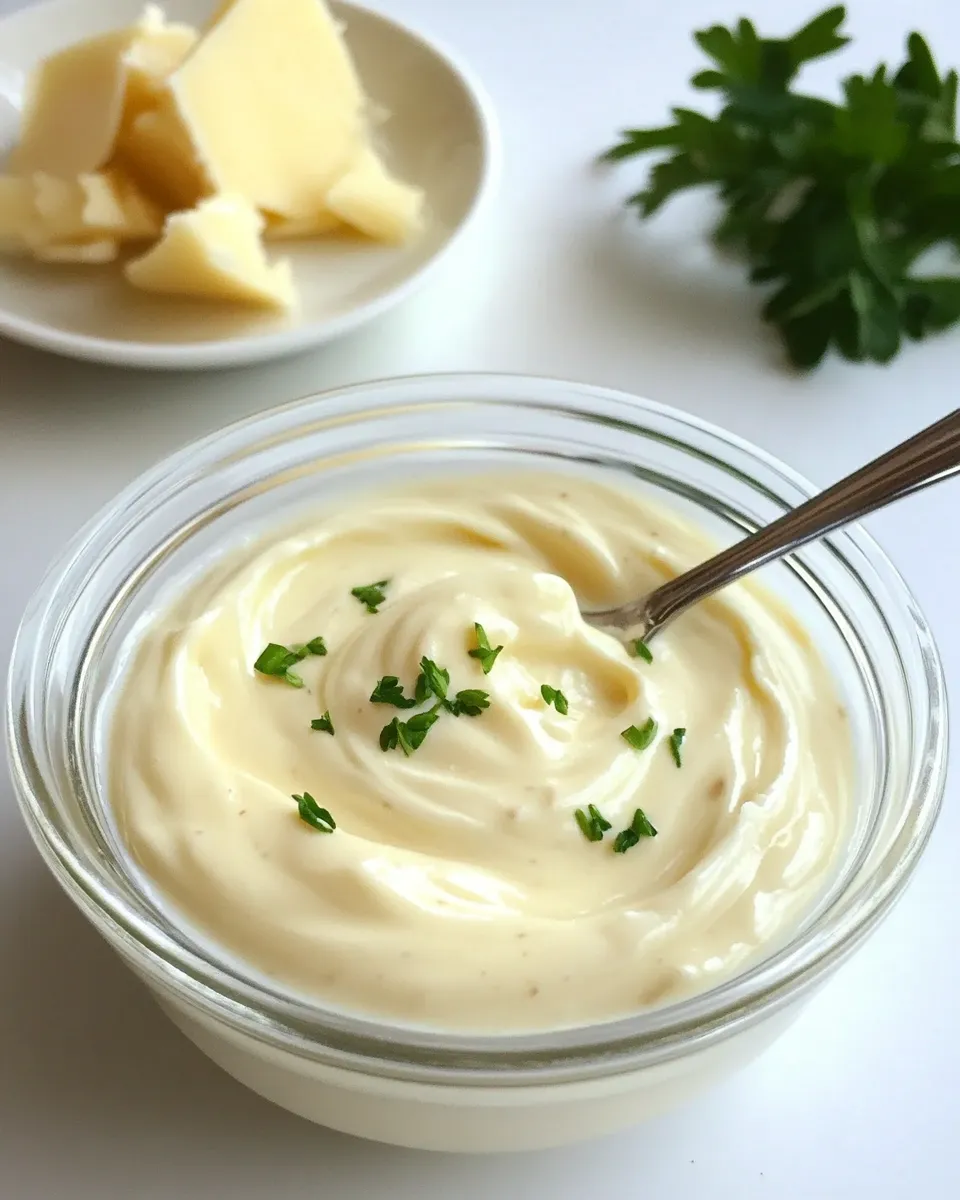
I make mayonnaise at home because it tastes brighter, fresher, and more honest than anything in a jar. It takes a little attention at the start, and then the bowl does the rest. The payoff is a rich, silky mayo you control — salt level, tang, and texture.
This recipe is straightforward and forgiving. You only need the basics and one steady hand (or an immersion blender). If you’ve never emulsified before, I’ll walk you through the exact steps so you finish with a stable, creamy result every time.
Ingredients
- 2 large egg yolks — the emulsifiers; they help the oil and acid bind into a smooth mayo.
- 1 teaspoon white vinegar — a little acid to balance flavor and help stabilize the emulsion.
- A pinch of salt — enhances flavor; start small and adjust to taste.
- A pinch of white/black pepper — a touch of seasoning; white is subtle, black gives a bit more bite.
- 2 tablespoon lemon juice — brightens the mayonnaise; add gradually once the emulsion is formed.
- 7 fl oz vegetable oil — the body of the mayo; neutral-flavored oils work best for a classic taste.
Your Shopping Guide
Buy the freshest eggs you can get. For mayonnaise, freshness matters because you’re using yolks raw. If you feel unsure about raw eggs, use pasteurized yolks or pasteurized whole eggs labeled for safe raw use.
Choose a neutral vegetable oil — sunflower, canola, or light olive oil. Avoid robust extra-virgin olive oil unless you want a distinctly olive-forward flavor; it can become bitter when overworked. Keep lemon and vinegar on hand; the acid is key to brightening and stabilizing the sauce.
Cooking (Homemade Mayonnaise): The Process
- Put 2 large egg yolks, 1 teaspoon white vinegar, a pinch of salt, and a pinch of pepper into a large bowl (if whisking) or a tall, narrow container (if using an immersion blender).
- Begin beating the yolks with a whisk, hand mixer, or immersion blender. Start adding the 7 fl oz vegetable oil drop by drop while continuously whisking or blending; keep the oil flow very slow at first to form a stable emulsion.
- Once the mixture begins to thicken and emulsify (you will see it become creamy and hold together), continue adding the remaining oil in a thin, steady stream while you keep whisking or blending until all 7 fl oz are incorporated and the mayonnaise is thick.
- While whisking or blending and after the emulsion has formed, add 2 tablespoons lemon juice a little at a time and mix until fully combined.
- Taste and adjust with additional pinch(es) of salt or pepper if needed.
- Use the mayonnaise immediately or transfer to an airtight container and refrigerate. Store in the fridge for a couple of days.
Why This Recipe Works
This method relies on a classic emulsification: egg yolks contain lecithin and proteins that bind water (from the yolks and the lemon/vinegar) to oil droplets. Starting with yolks, acid, and a tiny bit of oil creates a stable base. Adding oil slowly forces tiny droplets into that base so they stay suspended rather than separating.
The two-stage acid approach — vinegar at the start and lemon after — gives both stability and brightness. Vinegar helps the emulsion form, and the lemon juice added after preserves texture while tuning flavor. The balance of oil volume to two yolks is tried-and-true for a thick, spreadable mayonnaise.
Texture-Safe Substitutions
- If you prefer a softer, looser mayo, use slightly less oil or add a teaspoon of warm water at the end to thin gently. Add only a little at a time.
- To keep the flavor neutral but use a different oil, swap any neutral vegetable oil for the 7 fl oz called for — sunflower, grapeseed, or light avocado oil work well.
- If you need a dairy-free or different-taste mayo, do not substitute whole eggs or egg whites; the recipe depends on yolks for emulsifying power. If you must avoid yolks entirely, look for recipes specifically designed for egg-free emulsions (these will use aquafaba or commercial emulsifiers).
What You’ll Need (Gear)
- Large bowl — if whisking by hand.
- Tall, narrow container — if using an immersion blender; helps direct the oil and base together for a quick emulsion.
- Whisk, hand mixer, or immersion blender — any will work; immersion blender is fastest and most forgiving for beginners.
- Measuring spoons and a small measuring cup for the oil — accurate measures keep the ratio correct.
- Spatula — for scraping the bowl and transferring finished mayo to storage container.
Frequent Missteps to Avoid
- Pouring the oil too fast. If you tip the bottle or stream oil in quickly, the droplets grow too large and the base can’t hold them. Go slow at first, drop by drop or a thin stream.
- Starting with cold ingredients straight from the fridge. Bring eggs and lemon to room temperature for a more reliable emulsion. Cold ingredients increase the chance of breaking the mayo.
- Using very strong-flavored oil early on. Robust oils can overpower the delicate balance. Reserve strong olive oil for a flavored finish or an olive-forward recipe.
- Over-beating after the mayo is formed. Keep mixing until fully combined, but if you see the texture break (thin or separated), stop and troubleshoot — you can often rescue it (see next section).
Holiday & Seasonal Touches
Mayonnaise is a great canvas for seasonal flavors. For summer, stir in finely minced herbs like tarragon, basil, or chives for a fresh finish. In cooler months, add a teaspoon of Dijon mustard and a little roasted garlic for warmth and depth. For holiday spreads, fold in lemon zest and a touch of horseradish to accompany roast meats and hearty sandwiches.
When entertaining, make flavored mayo variations in small batches: a smokey paprika mayo for roasted vegetables, lemon-herb mayo for seafood, or a curry-spiced mayo for an unexpected twist. Keep the base recipe the same and add small, measured flavorings after tasting to avoid overpowering the emulsion.
Pro Perspective
Chefs treat mayonnaise as both ingredient and technique. The control here is key: salt level, tang, and texture determine how the mayo interacts with other ingredients. Professional kitchens often make small batches several times a day to keep the flavor bright and the texture perfect.
One pro tip: after the emulsion forms, pour the oil in a slightly faster but steady stream. The mayo will thicken and become glossy. If using a blender, pulse carefully to avoid overheating the yolks — heat can also cause separation.
Make-Ahead & Storage
You can make this mayonnaise a few hours ahead or the day before. Transfer it to a clean, airtight jar and refrigerate. The recipe notes storing in the fridge for a couple of days; because this contains raw yolks, don’t keep it longer than recommended. Use within 48 hours for best safety and flavor.
If the mayo thickens too much after chilling, whisk in a teaspoon of warm water or lemon juice to loosen it slightly before serving. Always store it chilled and discard if it develops an off smell or color.
Top Questions & Answers
- Can I use whole eggs instead of yolks? You can, but whole eggs give a looser texture and slightly different flavor. This recipe is sized for yolks to achieve a thick, classic mayo. If substituting whole eggs, expect a thinner result.
- What if the mayo “breaks” or separates? Stop adding oil. Whisk in a teaspoon of warm water or a fresh egg yolk in a clean bowl, then slowly whisk the broken mayo into that base to rebuild the emulsion.
- Is pasteurized egg required? It’s recommended if you’re concerned about raw eggs. Pasteurized yolks work the same in the recipe and reduce food-safety concerns for pregnant people, older adults, or immune-compromised guests.
- How can I make flavored mayonnaise? Add flavorings after the mayo is made — herbs, mustard, garlic, roasted peppers, or spices — a teaspoon or tablespoon at a time until you reach the desired taste.
Time to Try It
Gather your ingredients and choose your tool: whisk or immersion blender. Start the egg yolks, vinegar, salt, and pepper together. Add oil slowly and patiently. Once the emulsion appears, finish with lemon juice and a quick taste. Adjust seasoning and you’re done.
Make a sandwich, dress a salad, or set out a bowl of mayo-based dip at your next gathering. Homemade mayonnaise is simple, versatile, and worth the small effort — and now you have the exact steps to make it reliably every time.
How to Make Easy Homemade Mayonnaise
Ingredients
Equipment
Method
- Put 2 large egg yolks, 1 teaspoon white vinegar, a pinch of salt, and a pinch of pepper into a large bowl (if whisking) or a tall, narrow container (if using an immersion blender).
- Begin beating the yolks with a whisk, hand mixer, or immersion blender. Start adding the 7 fl oz vegetable oil drop by drop while continuously whisking or blending; keep the oil flow very slow at first to form a stable emulsion.
- Once the mixture begins to thicken and emulsify (you will see it become creamy and hold together), continue adding the remaining oil in a thin, steady stream while you keep whisking or blending until all 7 fl oz are incorporated and the mayonnaise is thick.
- While whisking or blending and after the emulsion has formed, add 2 tablespoons lemon juice a little at a time and mix until fully combined.
- Taste and adjust with additional pinch(es) of salt or pepper if needed.
- Use the mayonnaise immediately or transfer to an airtight container and refrigerate. Store in the fridge for a couple of days.