How to Make Orange Sauce
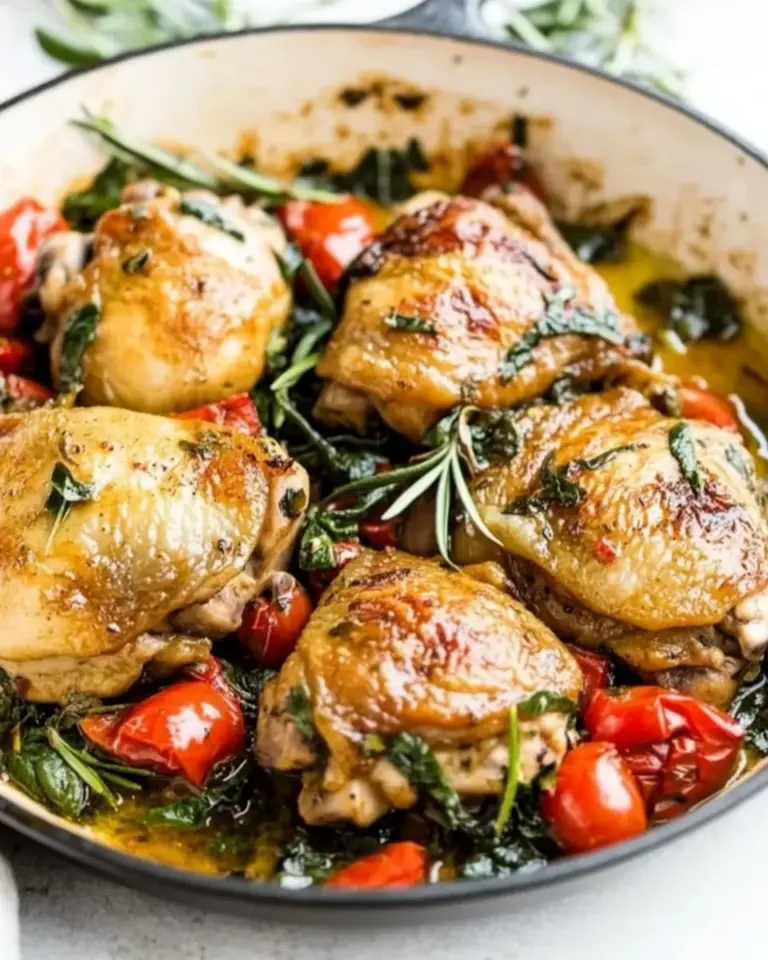
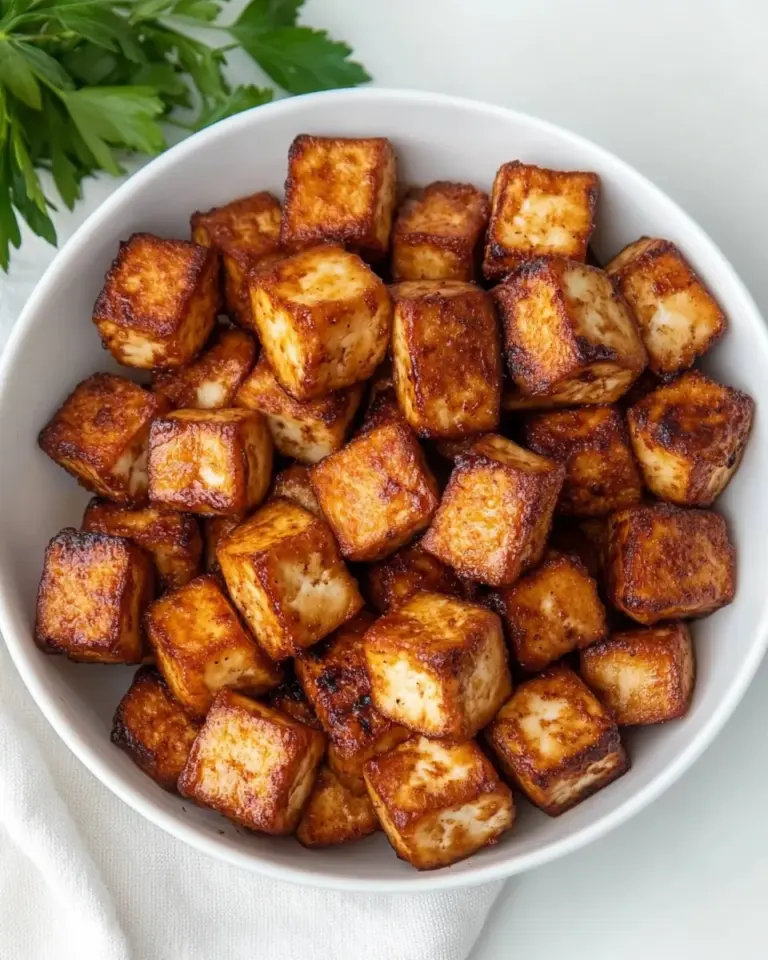
I make this orange sauce when I want something bright, sticky, and effortless to lift a weeknight dinner. It takes about twenty minutes from start to finish, uses pantry staples, and finishes with fresh orange zest so it never tastes canned. I lean on it for glazed chicken, tofu, or tossed with roasted vegetables.
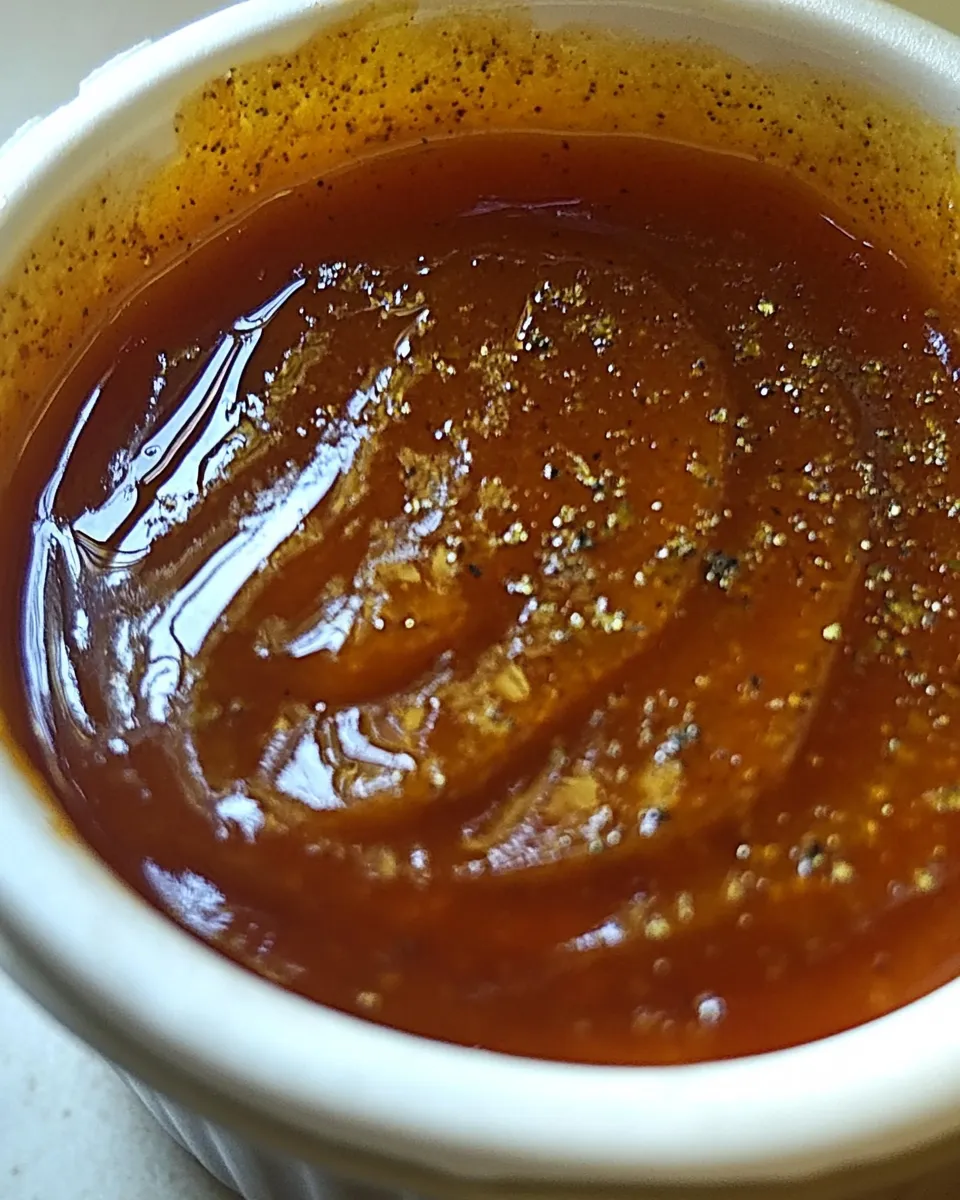
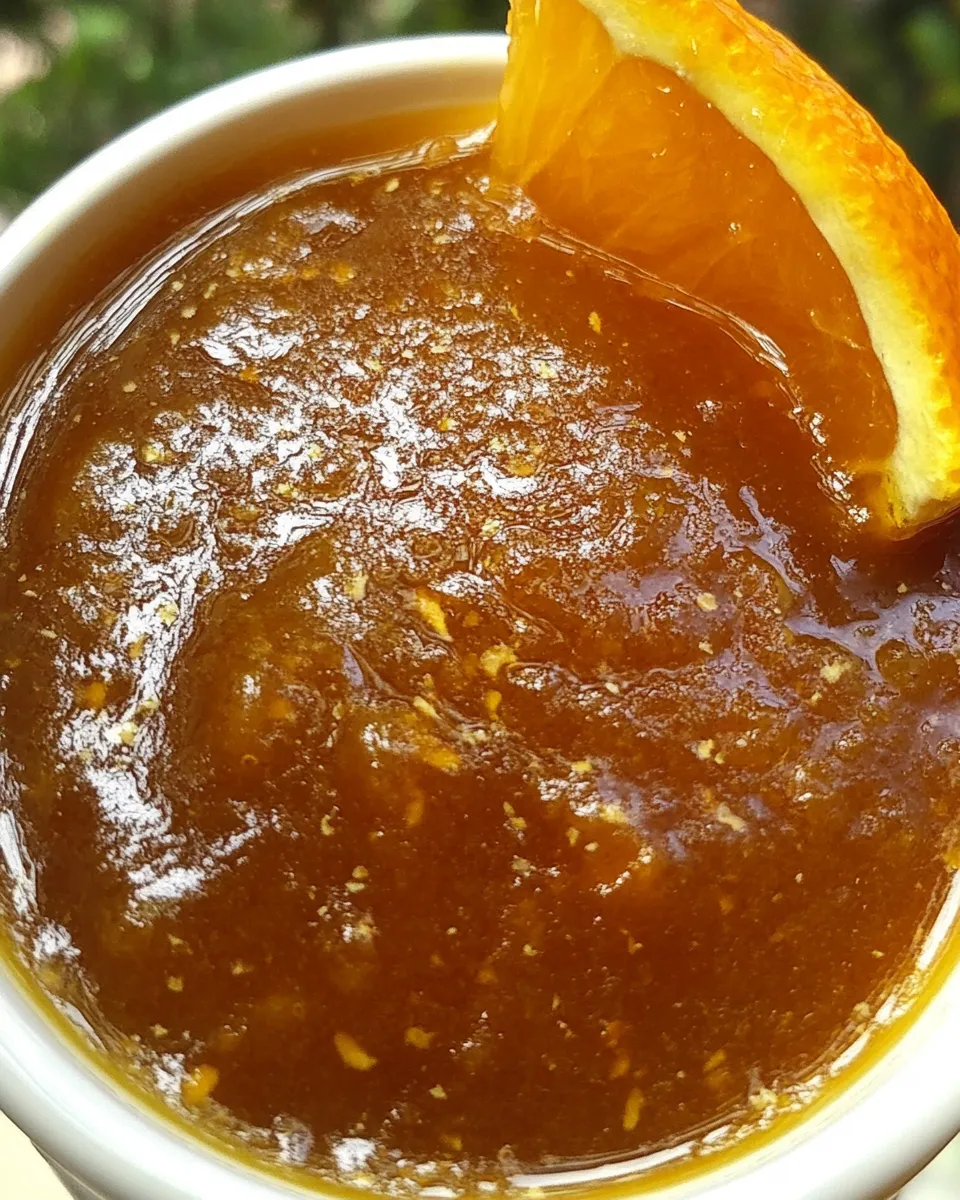
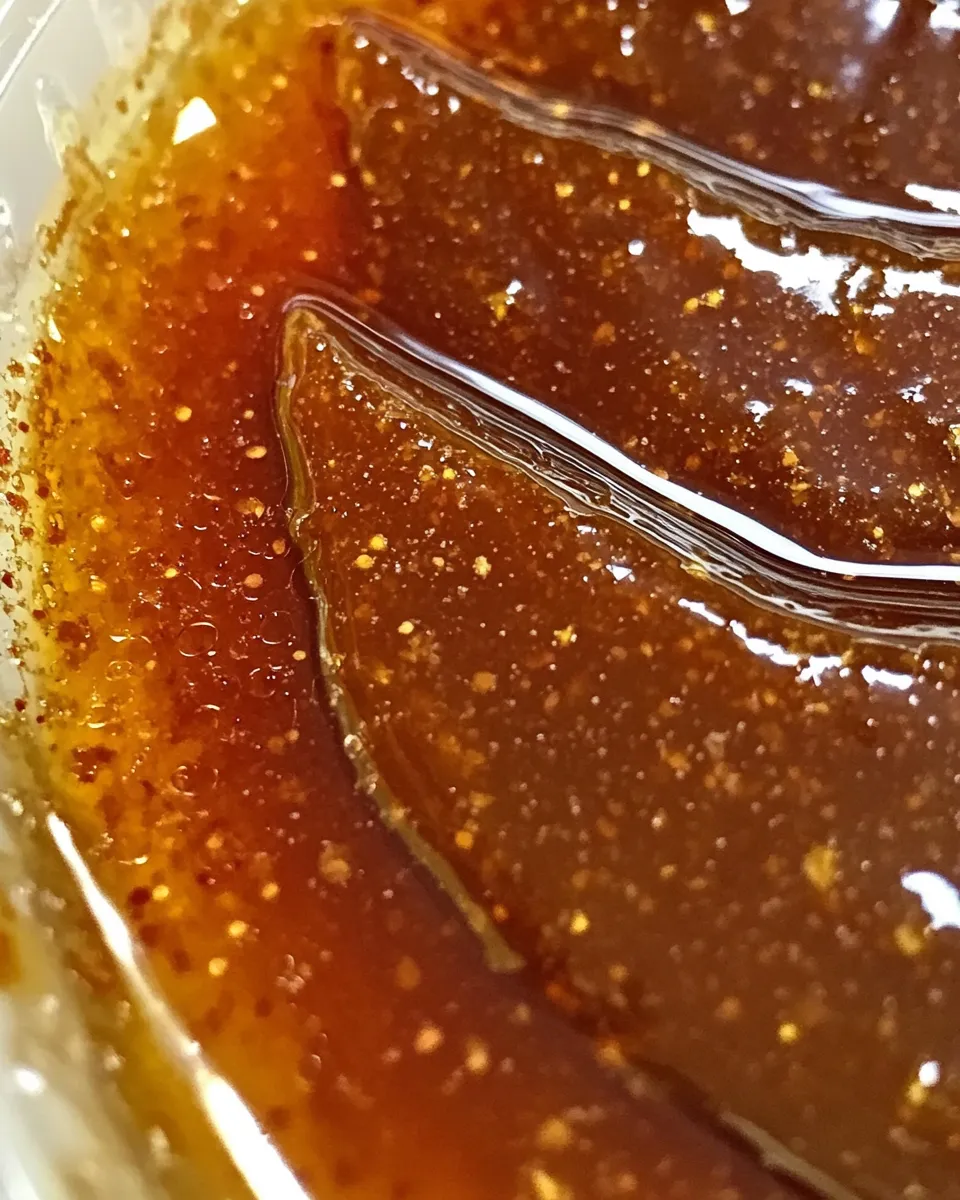
The texture is glossy and just thick enough to cling to food, thanks to a small cornstarch slurry. The flavor balances sweet, salty, tangy, and a little heat — white and brown sugar for depth, soy sauce for umami, rice vinegar for acidity, and red pepper flakes for a background kick. Use freshly squeezed orange juice and zest for the best result.
Below you’ll find the precise ingredients and step-by-step method I follow every time, plus tools, troubleshooting tips, and storage advice so you can make this confidently and adapt it without losing the core flavor.
Ingredients
- 1 cup orange juice — the bright citrus base; use freshly squeezed for best flavor.
- 1/4 cup white sugar — provides sweetness and helps with caramelization and balance.
- 1/4 cup brown sugar — adds molasses notes for depth and a richer color.
- 2 tablespoons rice vinegar — gives acidity to cut the sweetness and brighten the sauce.
- 1/4 cup soy sauce — brings salt and umami; use low-sodium if you prefer less salt.
- 1 tablespoon fresh ginger minced — fresh ginger adds warmth and a fresh bite.
- 2 cloves garlic finely diced — garlic gives savory foundation; mince small so it blends into the sauce.
- 1/2 teaspoon red pepper flakes — for a gentle heat; adjust to taste but start here for balance.
- 1 orange zested — zest brightens the finished sauce with fragrant oils.
- 1 tablespoon cornstarch — thickener; mixed into a small slurry so the sauce thickens without lumps.
What Goes Into Orange Sauce
This section unpacks the ingredient roles and what to expect from each component as the sauce comes together. The orange juice is the forward flavor — sweet, floral, and acidic — while the sugars build body and gloss. The soy sauce and rice vinegar anchor the sweet with savory and tang, respectively. Fresh ginger and garlic give aromatics that cut through sugar, and red pepper flakes add a background warmth so the sauce doesn’t taste one-dimensional.
Cornstarch is the mechanical trick: it creates a glossy, clingy texture without requiring reduction to a syrup. Adding orange zest at the end preserves its volatile oils — that fresh pop you notice in well-made citrus sauces.
Orange Sauce — Do This Next
- Measure 1 cup orange juice and set aside 2 tablespoons of it in a small bowl for the cornstarch slurry. Put the remaining orange juice into a medium saucepan. Add 1/4 cup white sugar, 1/4 cup brown sugar, 2 tablespoons rice vinegar, 1/4 cup soy sauce, 1 tablespoon minced fresh ginger, 2 cloves garlic (finely diced), and 1/2 teaspoon red pepper flakes. Stir to combine.
- Cook the mixture over medium heat, stirring occasionally, until it comes to a gentle simmer; continue cooking for 3 minutes to dissolve the sugars and blend the flavors.
- While the sauce simmers, whisk 1 tablespoon cornstarch into the reserved 2 tablespoons of orange juice until fully dissolved and smooth.
- Slowly pour the cornstarch slurry into the simmering sauce while whisking continuously. Continue to cook over medium heat, whisking frequently, until the sauce thickens, about 2–5 minutes.
- Remove the pan from the heat and stir in the zest of 1 orange. Let the sauce cool slightly before using.
Why You’ll Keep Making It
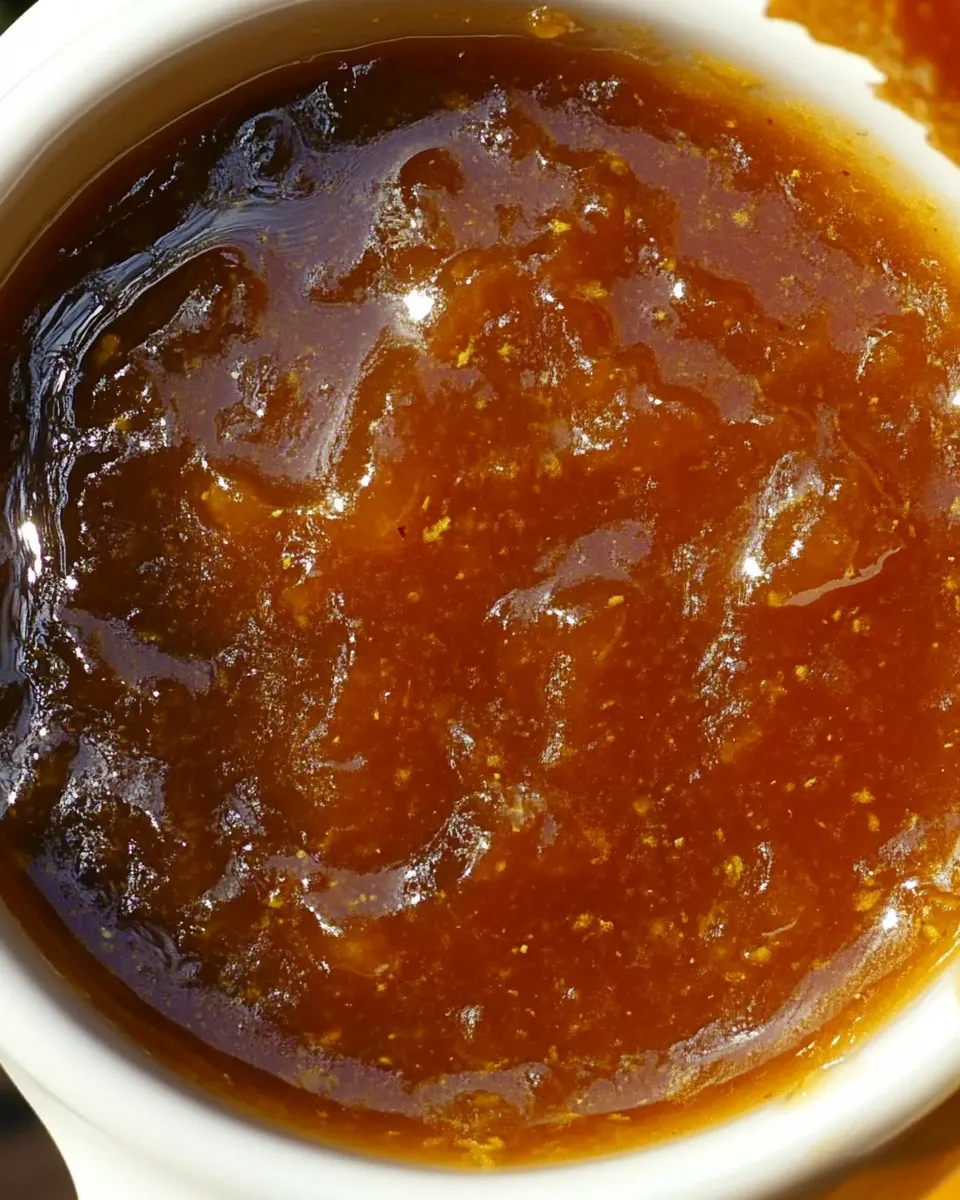
This orange sauce is one of those recipes that reliably improves whatever it touches. It’s versatile enough to glaze baked or pan-fried proteins, toss with noodles, or use as a dipping sauce. It hits several satisfying elements: sweetness, acidity, saltiness, and aromatics. The balance is familiar but layered, thanks to the brown sugar and soy sauce. It’s fast, forgiving, and scales well, so you’ll reach for it when you want a simple, crowd-pleasing finish.
You’ll also keep making it because most of the ingredients are pantry or refrigerator staples — sugar, soy sauce, cornstarch, garlic, ginger, and an orange. Even on a busy night this comes together quickly and cleans up easily.
International Equivalents
Many cuisines offer citrus-based sauces; here are close counterparts and small swaps if you want a regional twist:
- Chinese-style orange sauce — the recipe as written is close to American-Chinese orange sauce. Use light soy sauce and add a touch of sesame oil at the end for a nuttier finish.
- Southeast Asian flair — swap rice vinegar for lime juice and add a teaspoon of fish sauce for deeper umami; finish with fresh cilantro.
- Mediterranean twist — reduce red pepper flakes, replace soy with a little white wine and a pinch of salt, and finish with orange zest and chopped fresh herbs like parsley.
Recommended Tools
These tools make the process faster and reduce mistakes:
- Medium saucepan — even heat distribution helps sugars dissolve without burning.
- Whisk — essential for smoothing the cornstarch slurry into the hot liquid without lumps.
- Microplane or fine grater — for zesting the orange thinly and evenly.
- Measuring spoons and cups — precision matters with sugar and cornstarch.
- Small bowl — to mix the cornstarch slurry so it’s lump-free before adding to the hot sauce.
Avoid These Traps
Small mistakes wreck the texture or balance. Watch for the following:
- Adding cornstarch dry: Never dump cornstarch directly into the hot pan — it will clump. Always dissolve it in the reserved orange juice first.
- Boiling too hard: A rolling boil can break down the sauce or make it overly syrupy and sticky. Keep to a gentle simmer.
- Overcooking after thickening: Cornstarch-thickened sauces can thin if cooked aggressively for too long. Once it thickens, remove from heat and add zest.
- Using bottled juice with additives: Use pure orange juice; some juices contain stabilizers that affect thickening and flavor.
Better-for-You Options
If you want to reduce sugar, sodium, or calories without losing the essence of the sauce, try these swaps and techniques:
- Reduce sugars: Cut white and brown sugar by up to half and rely more on the orange’s natural sweetness. The sauce will be less glossy but still flavorful.
- Lower sodium: Use low-sodium soy sauce or dilute regular soy with an equal part of water and taste before final seasoning.
- Alternative thickeners: If you avoid cornstarch, use arrowroot in a 1:1 substitute for similar results, mixed into the reserved juice. Note: arrowroot thickens clearer and at lower temperatures.
- Less refined sugar: Swap the white sugar for a tablespoon of honey (keeping the brown sugar) for a slightly different sweetness profile; reduce total liquids slightly to maintain thickness.
What I Learned Testing
When I first tested this sauce I overcooked it until it became almost hard caramel — lesson learned: low and slow is kinder to the citrus flavor. I also tried adding the orange zest at the start, which faded during cooking; adding it off-heat preserves that burst of aroma. Finally, a cornstarch slurry mixed into cold juice prevented lumps every time — don’t skip this step.
Testing also showed the ginger and garlic timing matters. If minced too large, they stay texturally prominent. I now finely mince garlic and ginger so they meld into the sauce and don’t compete with the glaze experience.
Refrigerate, Freeze, Reheat
Storage is straightforward:
- Refrigerate: Cool completely, transfer to an airtight container, and refrigerate up to 5 days. The sauce will thicken further when cold; reheat gently.
- Freeze: Freeze in a shallow container for up to 3 months. Thaw overnight in the refrigerator before reheating.
- Reheat: Warm over low heat, whisking. If it’s too thick after refrigerating, add a splash of orange juice or water and whisk to restore the glaze texture.
Reader Q&A
Q: Can I make this sugar-free?
A: You can reduce sugars but removing them entirely changes texture and sheen. Try reducing both sugars and adding a small amount of liquid sweetener like stevia syrup carefully, then adjust to taste.
Q: What protein pairs best?
A: Pan-fried chicken thighs, crispy tofu, grilled shrimp, and salmon all work wonderfully. Brush the sauce on in the last few minutes of cooking or toss cooked protein briefly in a hot pan with the sauce to glaze.
Q: Can I double the recipe?
A: Yes. Use a larger saucepan and follow the same steps, keeping the cornstarch slurry ratio the same for consistent thickening.
Before You Go
This orange sauce lives at the intersection of quick and transformative. Keep fresh oranges on hand, and you’ve got a go-to for brightening proteins and sides without fuss. The method here is reliable: simmer to marry flavors, slurry to thicken, and zest at the end for lift. Try it once exactly as written; then tweak sugar, heat, or soy to match your palate. Little adjustments make it uniquely yours — but the base recipe is worth keeping in rotation.
If you try it, come back and tell me how you used it — glaze, dip, or stir — I love hearing variations and small wins from the kitchen.
How to Make Orange Sauce
Ingredients
Equipment
Method
- Measure 1 cup orange juice and set aside 2 tablespoons of it in a small bowl for the cornstarch slurry. Put the remaining orange juice into a medium saucepan. Add 1/4 cup white sugar, 1/4 cup brown sugar, 2 tablespoons rice vinegar, 1/4 cup soy sauce, 1 tablespoon minced fresh ginger, 2 cloves garlic (finely diced), and 1/2 teaspoon red pepper flakes. Stir to combine.
- Cook the mixture over medium heat, stirring occasionally, until it comes to a gentle simmer; continue cooking for 3 minutes to dissolve the sugars and blend the flavors.
- While the sauce simmers, whisk 1 tablespoon cornstarch into the reserved 2 tablespoons of orange juice until fully dissolved and smooth.
- Slowly pour the cornstarch slurry into the simmering sauce while whisking continuously. Continue to cook over medium heat, whisking frequently, until the sauce thickens, about 2–5 minutes.
- Remove the pan from the heat and stir in the zest of 1 orange. Let the sauce cool slightly before using.