How to Make Socca
Socca is a simple, honest flatbread from the Mediterranean coast that feels like a small miracle: just chickpea flour, water, oil, and salt turn into something crispy, soft, and endlessly adaptable. I love it for weeknight dinners and for serving when friends drop by. It’s quick to mix, forgiving to bake, and you can dress it however the moment calls for.
I’ll walk you through the exact ingredients and the exact steps I use every time. The method is intentionally minimal — the few technical bits are what make the edges sing and the middle stay tender. Follow those and you’ll get reliably good socca.
This post covers ingredient notes, the step-by-step bake, why this version works, sensible swaps, tools that matter, common mistakes and how to fix them, and storage. No fluff — just practical tips so your first Socca performs like the one from my kitchen.
Ingredient Breakdown
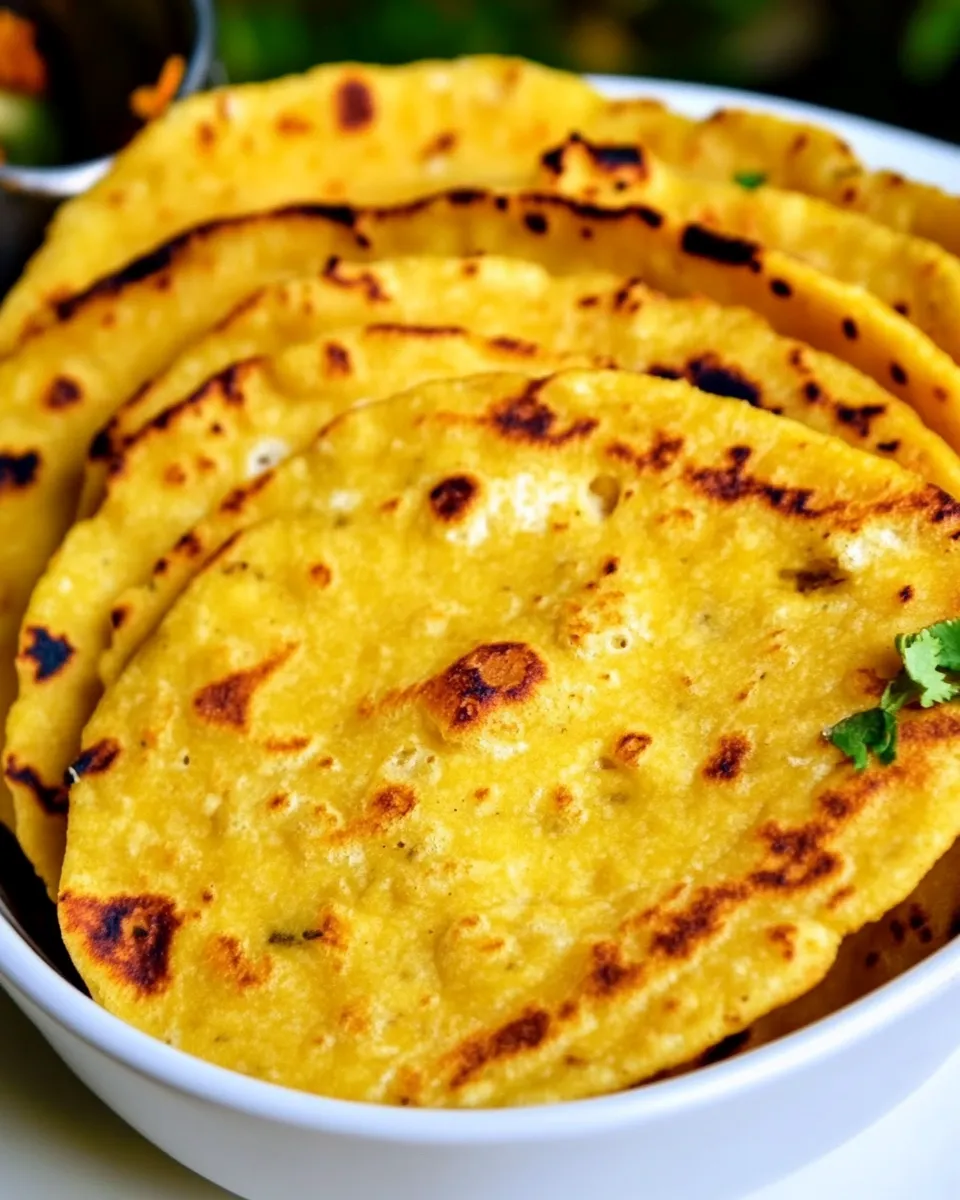
- 1 cup (109 g) chickpea flour — the structure and nutty flavor; finely sifted or well stirred for a smoother batter.
- 1 cup water (8 ounces) — hydrates the flour and controls batter thickness; room temperature is fine.
- 1.5 tablespoons olive oil (18 grams; plus more for greasing the pan) — adds flavor, helps browning, and ensures a crisp edge; reserve a splash for the hot skillet.
- 3/4 teaspoon fine sea salt (5 grams; I use Real Salt brand) — balances the chickpea’s nuttiness; dissolve into the batter for even seasoning.
Build Socca Step by Step
- In a large bowl combine 1 cup (109 g) chickpea flour, 1 cup (8 oz) water, 1.5 tablespoons (18 g) olive oil, and 3/4 teaspoon (5 g) fine sea salt. Whisk until the batter is smooth and lumps are broken up.
- Cover the bowl and let the batter rest at room temperature for at least 30 minutes (or refrigerate overnight if making ahead).
- When the batter is nearly done resting, preheat the oven to 450°F and place a 10-inch cast-iron skillet in the oven to heat.
- Using oven mitts, carefully remove the hot skillet from the oven. Add additional olive oil to the skillet and swirl to coat the bottom and sides.
- Pour the rested batter into the hot, oiled skillet (it may sizzle). Return the skillet to the oven and bake at 450°F for 20–25 minutes, until the edges are golden and crispy and the top is set.
- Remove the skillet from the oven. Use a spatula to loosen and lift the socca from the pan (it should release easily).
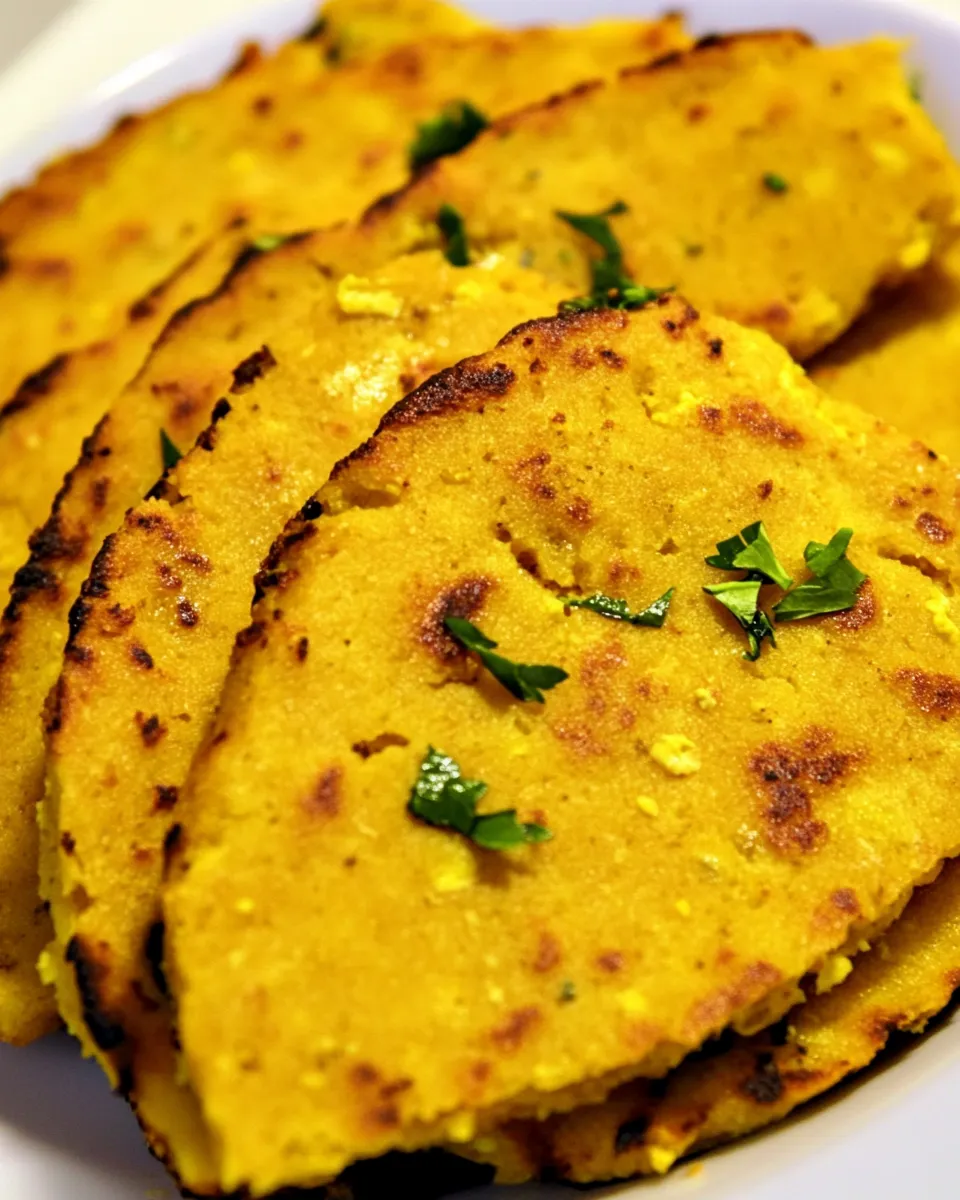
- Slice the socca into wedges with a pizza cutter and serve warm with your preferred toppings or dip.
- Store any leftovers in an airtight container in the refrigerator for up to 5 days.
Why This Recipe is a Keeper
This version of Socca works because it respects three things: batter consistency, resting time, and high heat. Chickpea flour can be stubborn if mixed too aggressively; a smooth, slightly runny batter gives a thin, even layer in the skillet. Resting relaxes the flour and helps bubbles form cleanly when baked. Finally, the screaming-hot pan creates immediate steam and a crisp exterior while leaving the interior tender.
It’s also wonderfully practical. The ingredients are pantry staples in many kitchens. The technique requires little hands-on time — most of it is passive — and it scales easily: the same ratios work for doubling or halving. Whether you use Socca as a snack, a pizza base, or a plate for dips and salads, it delivers both texture and flavor with minimal fuss.
Finally, it’s forgiving. Miss the 30-minute rest and it still turns out acceptable; underbake it and it still tastes fine. But follow the three technical points above and you’ll elevate it every time.
Budget & Availability Swaps
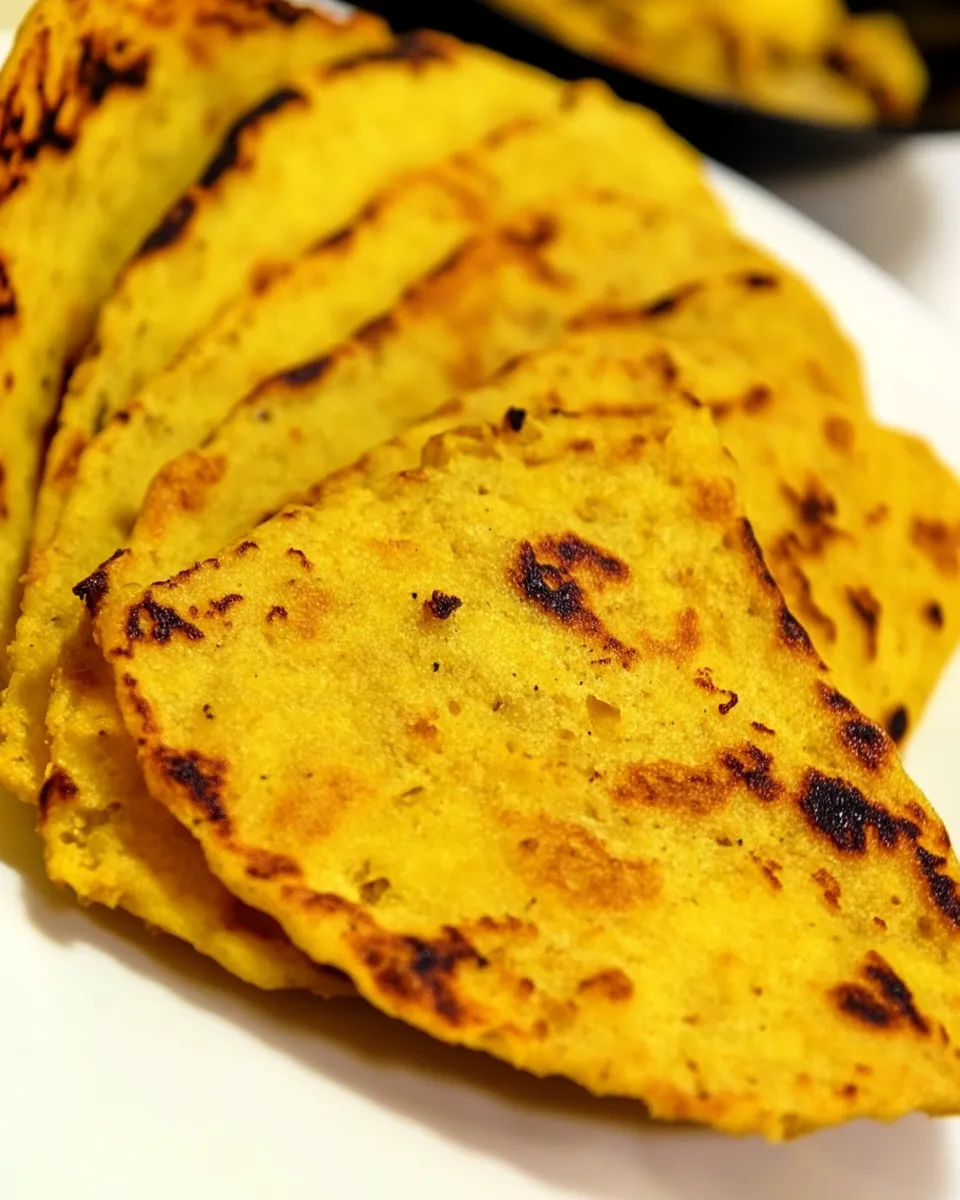
Chickpea flour is the essential component and is usually inexpensive. If you can’t find it at your supermarket, look for gram flour, besan, or garbanzo bean flour — they are the same product under different names. Buying in bulk will save money if you plan to bake with it regularly.
Olive oil adds flavor, but if budget or availability is a concern you can use a neutral oil (grapeseed, sunflower) for frying and browning. I prefer olive oil for aroma and its contribution to color, but the substitute won’t break the recipe.
Salt brand won’t change the process; use whatever fine salt you have. If all you have is coarse salt, dissolve it in the water first so seasoning distributes evenly.
Essential Tools for Success
- 10-inch cast-iron skillet — absorbs and holds high heat, which is crucial for a crisp edge; avoid glass or thin pans for best results.
- Whisk or fork — to beat the batter smooth and remove lumps.
- Mixing bowl with cover — for resting the batter without drying the surface.
- Oven mitts — the skillet will be extremely hot; safety first.
- Spatula — to loosen the socca from the pan cleanly.
- Pizza cutter or sharp knife — for quick, clean wedges.
Learn from These Mistakes
Common missteps are easy to avoid once you know them.
- Cold skillet: If the pan isn’t hot enough, the socca won’t blister or brown properly and will have a dense texture. Always preheat your skillet in the oven at 450°F.
- Too-thick batter: Batter that’s too thick yields a dense, heavy result. The recipe ratio gives a pourable consistency; whisk until smooth and check that it spreads easily when poured.
- Not enough oil: Sparse oil prevents crisping and can make the socca stick. Add the extra oil to the hot skillet and coat bottom and sides well.
- Skipping the rest: While a short batter rest still works, skipping it entirely makes the texture less cohesive and can increase bubbling in uneven ways. Give it at least 30 minutes when possible.
- Overbaking: Baking beyond the recommended 25 minutes risks a dry center. Watch for golden, blistered edges and a set top.
- Cutting too soon: Let the socca sit 1–2 minutes after removing from oven before nimbly loosening and cutting — it continues to set and will release more cleanly.
Dietary Swaps & Alternatives
Socca is naturally gluten-free and vegan as written, which makes it a great option for many dietary needs.
- Gluten-free: The recipe is inherently gluten-free because chickpea flour contains no wheat.
- Vegan: No animal products are required here, so it’s vegan-friendly straight from the recipe.
- Lower-oil option: Reduce oil slightly in the batter, but keep a slick of oil in the hot skillet to prevent sticking and to promote browning.
- Add-ins and topping ideas: You can top warm slices with herbs, roasted vegetables, or a squeeze of lemon—these are finishing choices rather than changes to the recipe’s base.
Flavor Logic
Chickpea flour brings a savory, slightly nutty backbone that pairs beautifully with bright, acidic, or herbaceous flavors. Salt is minimal but essential — it amplifies the chickpea’s taste. Olive oil does triple duty: it flavors, crisps, and helps the batter blister against the hot skillet.
Texture is a key reason people love socca: the contrast between a thin, crisp edge and a tender, slightly creamy interior is what makes each wedge satisfying. High heat creates that contrast by rapidly evaporating moisture at the surface while the center cooks more gently.
Think of Socca as a platform. Sharp, acidic components (lemon, vinegar-based dressings) cut through the richness; herbaceous notes (thyme, rosemary, parsley) add freshness; salty or pungent finishes (olives, anchovies, aged cheeses) work as bold accents. If you prefer simple, a drizzle of olive oil and a good grind of black pepper is all you need.
Prep Ahead & Store
You can make the batter the night before and refrigerate it covered. Resting overnight mellows the flour’s edge and is handy when you want to speed up dinnertime. If refrigerating, bring the batter back toward room temperature for 20–30 minutes before pouring into the hot skillet for more reliable bubbling and browning.
Leftover socca keeps well. Store cooled wedges in an airtight container in the refrigerator for up to 5 days. Reheat in a 350°F oven or in a skillet over medium heat to restore crispness — avoid microwaving if you want the edges to remain crisp.
Quick Questions
- Is Socca gluten-free? Yes. Made from chickpea flour, it contains no wheat unless you add it intentionally.
- Can I make it without a cast-iron skillet? A cast-iron skillet gives the best texture due to heat retention. A heavy oven-safe pan will work; thin metal or glass pans won’t brown as well.
- Can I double the recipe? Yes. Use the same ratios and a larger skillet or two pans. Baking time may change slightly depending on thickness; watch for golden edges.
- Can I freeze leftovers? You can freeze cooked wedges wrapped tightly; thaw in the fridge and re-crisp in a skillet or oven.
- What toppings work best? Simple is great: olive oil, lemon, fresh herbs, or a bowl of tapenade. If you want more, roasted vegetables, quick pickles, or a smear of yogurt or labneh are excellent.
Next Steps
Now that you know the technique, experiment with scale and toppings. Try making one skillet for a solo lunch with a handful of greens on top. Or double it for a shareable snack and set out a few small bowls—lemon wedges, chopped herbs, olives, and a spicy dip—and let people build their own wedges.
This Socca recipe should live in your rotating weeknight repertoire: inexpensive, fast, and flexible. The next time you need a quick base for a salad, a plate for dips, or a simple weekend project, you’ll have everything you need to make a reliably pleasing Socca.
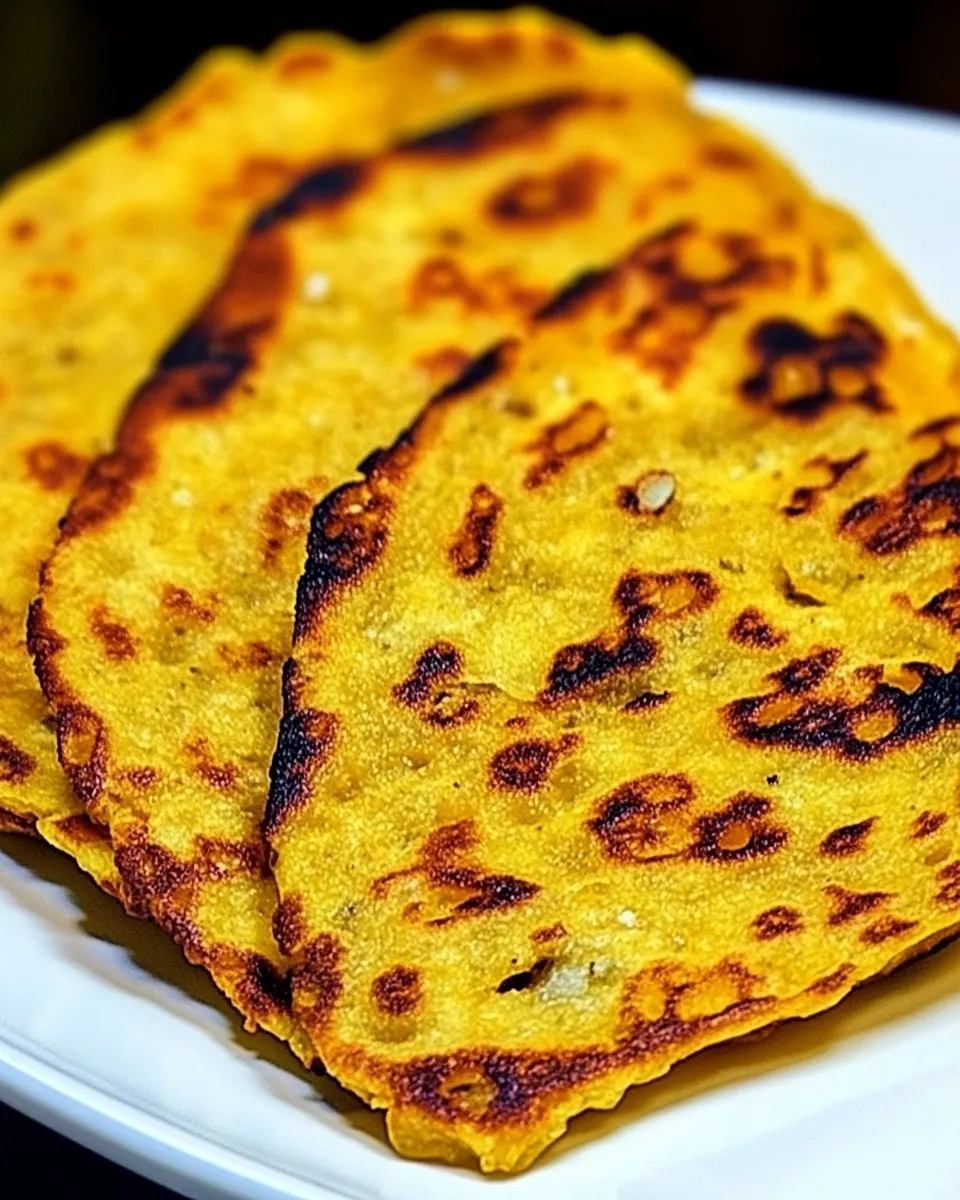
How to Make Socca
Ingredients
Equipment
Method
- In a large bowl combine 1 cup (109 g) chickpea flour, 1 cup (8 oz) water, 1.5 tablespoons (18 g) olive oil, and 3/4 teaspoon (5 g) fine sea salt. Whisk until the batter is smooth and lumps are broken up.
- Cover the bowl and let the batter rest at room temperature for at least 30 minutes (or refrigerate overnight if making ahead).
- When the batter is nearly done resting, preheat the oven to 450°F and place a 10-inch cast-iron skillet in the oven to heat.
- Using oven mitts, carefully remove the hot skillet from the oven. Add additional olive oil to the skillet and swirl to coat the bottom and sides.
- Pour the rested batter into the hot, oiled skillet (it may sizzle). Return the skillet to the oven and bake at 450°F for 20–25 minutes, until the edges are golden and crispy and the top is set.
- Remove the skillet from the oven. Use a spatula to loosen and lift the socca from the pan (it should release easily).
- Slice the socca into wedges with a pizza cutter and serve warm with your preferred toppings or dip.
- Store any leftovers in an airtight container in the refrigerator for up to 5 days.
Notes
Nutrition information is for 1/4 of this recipe. This is automatically calculated, and is just an estimate, not a guarantee.