How to Make the Perfect Grilled Cheese Sandwich
I make grilled cheese all the time — for myself, for friends, for anyone who walks through the door looking for comfort. It’s simple, quick, and endlessly comforting when done right. The trick isn’t in a secret ingredient. It’s in a few careful choices and a patient cook time that lets bread toast without burning and cheese melt without turning rubbery.
This post will walk you through one reliable method I use when I want a deeply golden crust and gooey, evenly melted cheddar. I explain why each step matters, offer practical swaps if you don’t have the exact things on hand, and troubleshoot the common problems you’ll run into so you can rescue any sandwich mid-cook.
No fluff here — just a clear build, precise steps from the tested source recipe, and useful extras so your next grilled cheese comes out perfect every time. Read on, then heat your pan and let’s make lunch (or dinner) happen.
Ingredient List
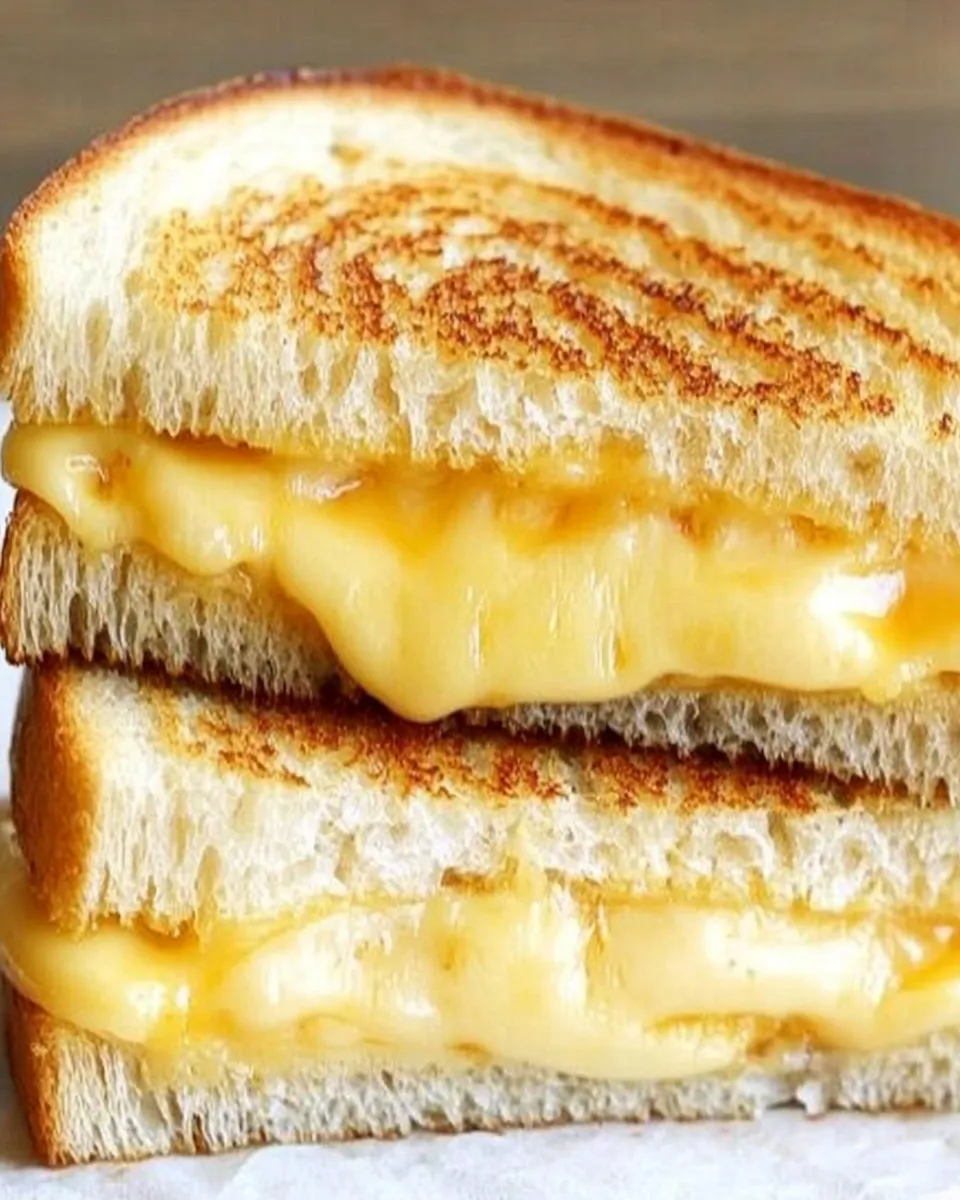
- 2 slices bread — your favorite sandwich bread is perfect; sturdy slices hold up to butter and melted cheese without falling apart.
- 2 tablespoons butter — room temperature for easiest spreading; butter creates the golden, crisp exterior and adds flavor.
- 3 ounces of your favorite medium cheddar cheese — slice about 1/8–1/4 inch thick; a medium cheddar melts well and gives a classic sharp-but-creamy profile.
Build the Perfect Grilled Cheese Sandwich Step by Step
- Lay out the 2 slices of bread. Using the full 2 tablespoons of room-temperature butter, spread an even layer on one side of each slice so both slices have a buttered side.
- Turn the bread so the unbuttered sides are facing up. Slice the 3 ounces of cheddar into slices about 1/8–1/4 inch thick and arrange a single layer of cheese over the unbuttered side of one bread slice, covering the bread; overlap slices if needed.
- Place the second slice of bread on top of the cheese with the buttered side facing out to form the sandwich.
- Preheat either an electric griddle to about 275°F or a roomy sauté pan over medium-low heat.
- Put the sandwich on the preheated surface, buttered side down. Cook undisturbed for 4–6 minutes, until the bottom is golden brown. Lower the heat if the bread is browning too quickly.
- Carefully flip the sandwich with a spatula and cook the other side for another 4–6 minutes, until that side is golden and the cheese begins to melt.
- If the bread is not yet the desired golden brown or the cheese isn’t fully melted, increase the heat to medium and continue turning the sandwich every 30–60 seconds, watching closely, until the bread is evenly toasted a deep golden brown and the cheese is fully melted.
- Remove the sandwich from the heat, carefully cut in half if you like, and serve immediately.
What Sets This Recipe Apart
This method focuses on temperature control and patience. Many grilled cheese recipes push for high heat to get a fast crust; that often leaves cold, unmelted cheese inside or charred bread outside. Cooking slowly at about 275°F or using a medium-low stovetop setting lets butter brown slowly and cheese soften evenly before you finish with a slight heat bump if needed.
The exact butter amount matters too. Two tablespoons spread thinly over both outer faces gives a predictable golden crust. Too little butter and the toast is dry; too much and you risk greasy, soggy bread. The recommended 3 ounces of medium cheddar strikes a balance: enough cheese for good melt and flavor without overpowering the bread or spilling out excessively.
Finally, arranging a single layer of cheddar slices across the unbuttered side ensures full coverage and even melting. Overlapping pieces is fine, but stacked clumps can slow melting and create pockets of cold cheese.
Substitutions by Category
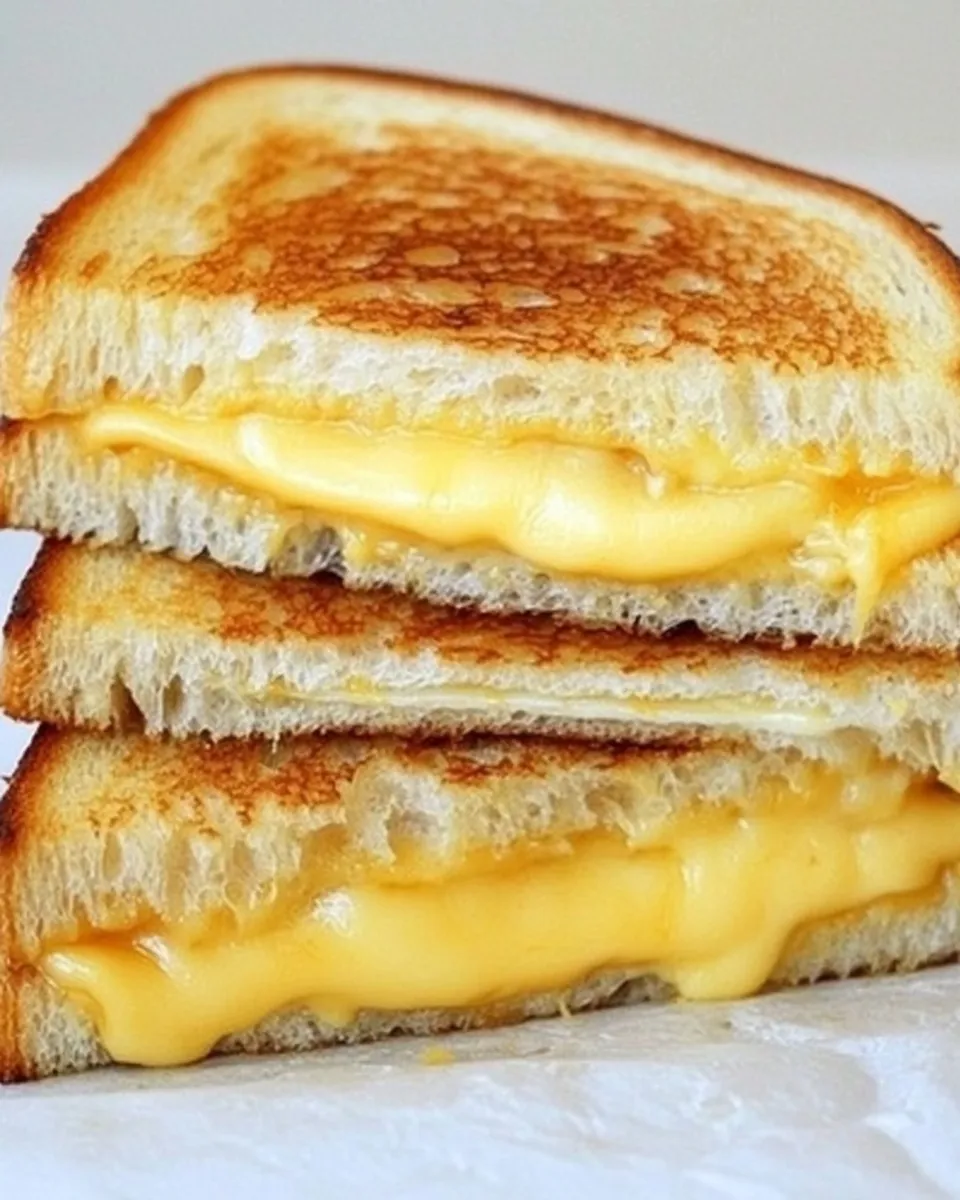
- Bread: Use any sandwich loaf you like — sourdough, whole wheat, country white, or an artisan boule sliced 3/4 inch thick. Thinner bread toasts faster; thicker bread needs slightly more time. Avoid very soft, pre-sliced supermarket sandwich bread if you want a sturdy exterior.
- Butter: Salted or unsalted butter both work. If you prefer, substitute an equal amount of mayonnaise on the outside for a different crisp, which browns reliably. (This is a swap, not an invention of a new ingredient.)
- Cheese: The recipe uses 3 ounces of medium cheddar. You can use any single cheese with similar melt behavior (Colby, Monterey Jack) or a blend — but keep the total at 3 ounces to preserve balance between bread and filling.
Recommended Tools
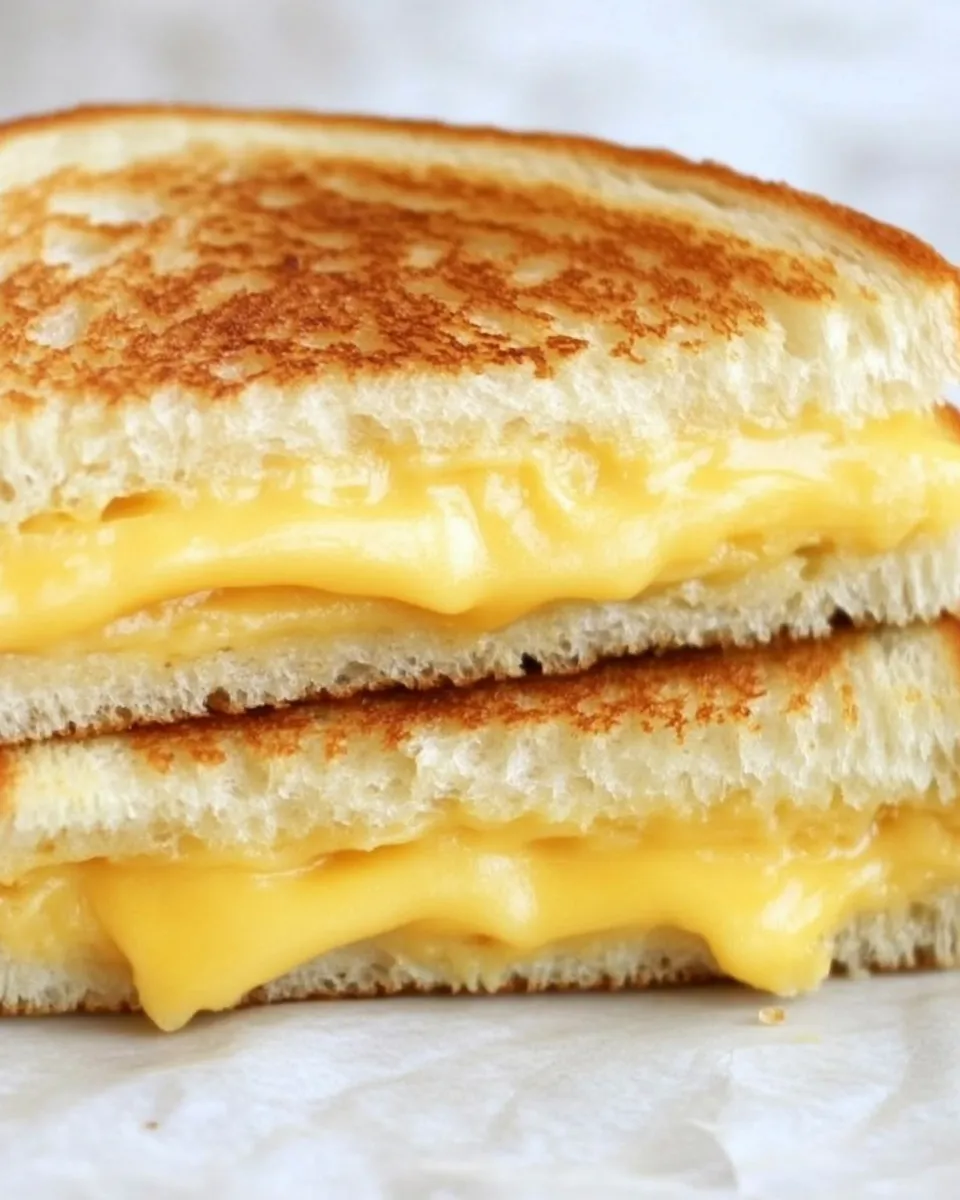
- Roomy sauté pan or skillet — a heavy-bottomed 10–12 inch pan gives even heat and room to flip the sandwich easily.
- Electric griddle — if you have one, set it around 275°F for even, controlled toasting.
- Thin, sturdy spatula — for sliding under the sandwich and flipping without squashing it.
- Sharp knife — for slicing the cheddar into 1/8–1/4 inch pieces and for cutting the finished sandwich cleanly.
- Butter knife — for spreading the room-temperature butter evenly across the bread.
Common Errors (and Fixes)
- Bread browning too fast, cheese still cold: Cause: heat too high. Fix: lower to medium-low or remove from heat briefly. Start again at lower temperature and allow more time for the cheese to soften.
- Greasy or soggy exterior: Cause: too much butter or using a very oily spread. Fix: wipe excess butter with a paper towel next time; measure 2 tablespoons and spread thinly. If you used mayo, use a thinner layer.
- Cheese not melting evenly: Cause: cheese slices too thick or stacked. Fix: slice cheese 1/8–1/4 inch thick and arrange a single layer. If you already flipped and it’s not melted, continue cooking at medium heat and flip more frequently as instructed in step 7.
- Sandwich collapses when flipped: Cause: overfilled or bread too soft. Fix: use the spatula to support the bottom while flipping. Reduce filling next time or choose a firmer bread.
- Outer crust too dark, interior underdone: Cause: uneven contact heat or hot spots. Fix: move sandwich to a cooler part of the pan or lower the heat and continue cooking, turning more frequently to even out toasting.
Dietary Swaps & Alternatives
- Lower-fat option: Use a light butter spread or a measured light margarine, keeping the 2-tablespoon total. Expect a slightly different browning and mouthfeel.
- Dairy-free: Swap to a dairy-free butter alternative and use 3 ounces of a plant-based meltable cheese. Keep technique identical, but watch melting times — many non-dairy cheeses need slightly higher heat to start softening.
- Gluten-free: Use two slices of a gluten-free sandwich bread of comparable thickness. Toasting may behave differently; monitor closely and extend cooking time in small increments.
- Extra protein (not in source recipe): If you want meat, add thin cooked slices of ham or turkey between the cheese slices. Keep overall filling thin to ensure proper melting and even toasting.
Pro Tips & Notes
Use room-temperature butter. If your butter is cold, you’ll tear the bread trying to spread it and end up with uneven coverage. Let it sit on the counter for 10–20 minutes before spreading, or soften in brief 5–7 second bursts in the microwave, checking often.
Cut your cheese uniformly. Even slices let the sandwich melt consistently. If you like an extra-stretchy pull, thin slices arranged with small gaps allow heat to reach the center faster, helping full melt without burning the crust.
When you flip, do it confidently and support the sandwich with your spatula. A shaky flip can force hot cheese to spill or compress the sandwich. If the cheese starts to escape, press gently with the spatula for a few seconds to reseal the seam before continuing to cook.
Finish at a slightly higher heat only if needed. The recipe recommends increasing to medium and turning every 30–60 seconds if the cheese hasn’t melted after the initial low-and-slow sear. That brief uptick helps finish melting without sacrificing color or texture.
Save It for Later
Grilled cheese is best fresh. If you must store it, cool completely and wrap tightly in foil or plastic wrap; keep in the fridge for up to 24 hours. To reheat, use a skillet over low heat and cover briefly with a lid so the cheese melts without burning the bread — a microwave will melt the interior but make the bread soft and somewhat chewy.
Do not freeze a fully assembled grilled cheese with buttered exterior; freezing changes texture and the butter can separate when reheated. If you plan ahead, freeze the components (bread and sliced cheese) separately and assemble fresh when you’re ready to cook.
Questions People Ask
- Can I use shredded cheese instead of slices? Yes, but measure 3 ounces and spread it in a single even layer. Shredded cheese can clump and may create uneven melting; use a fine, even layer and press lightly to distribute.
- Why is my grilled cheese greasy? Likely too much butter or a butter substitute that melts into puddles. Use the recommended 2 tablespoons and spread thinly; wipe excess if necessary before cooking.
- What heat should I use? Start low — around 275°F on a griddle or medium-low on a stovetop pan — and follow the 4–6 minute per side guideline. Increase briefly to medium only if the cheese still hasn’t melted after both sides are golden.
- Can I add toppings like tomato or bacon? Yes. If you add high-moisture ingredients like tomato, pat them dry first and keep the layer thin. Cooked bacon is fine; place it between cheese layers so it reheats without making the bread soggy.
- How do I get a perfectly even golden crust? Use a flat, heavy pan for even heat distribution, spread the butter uniformly, and don’t press down hard while cooking. Low, steady heat and patience are the best tools.
Ready to Cook?
You’ve got the exact ingredient amounts and step-by-step method you need. Get your butter softened, slice that cheddar to 1/8–1/4 inch, and set your pan to medium-low. Follow the build precisely, watch for a golden brown exterior, and be patient while the cheese softens. Cut into it hot and enjoy that molten, satisfying pull.
If you try this method, drop a note about what bread and cheese you used and any small twists you loved. I read every comment and love hearing how people make this tiny, perfect sandwich their own.
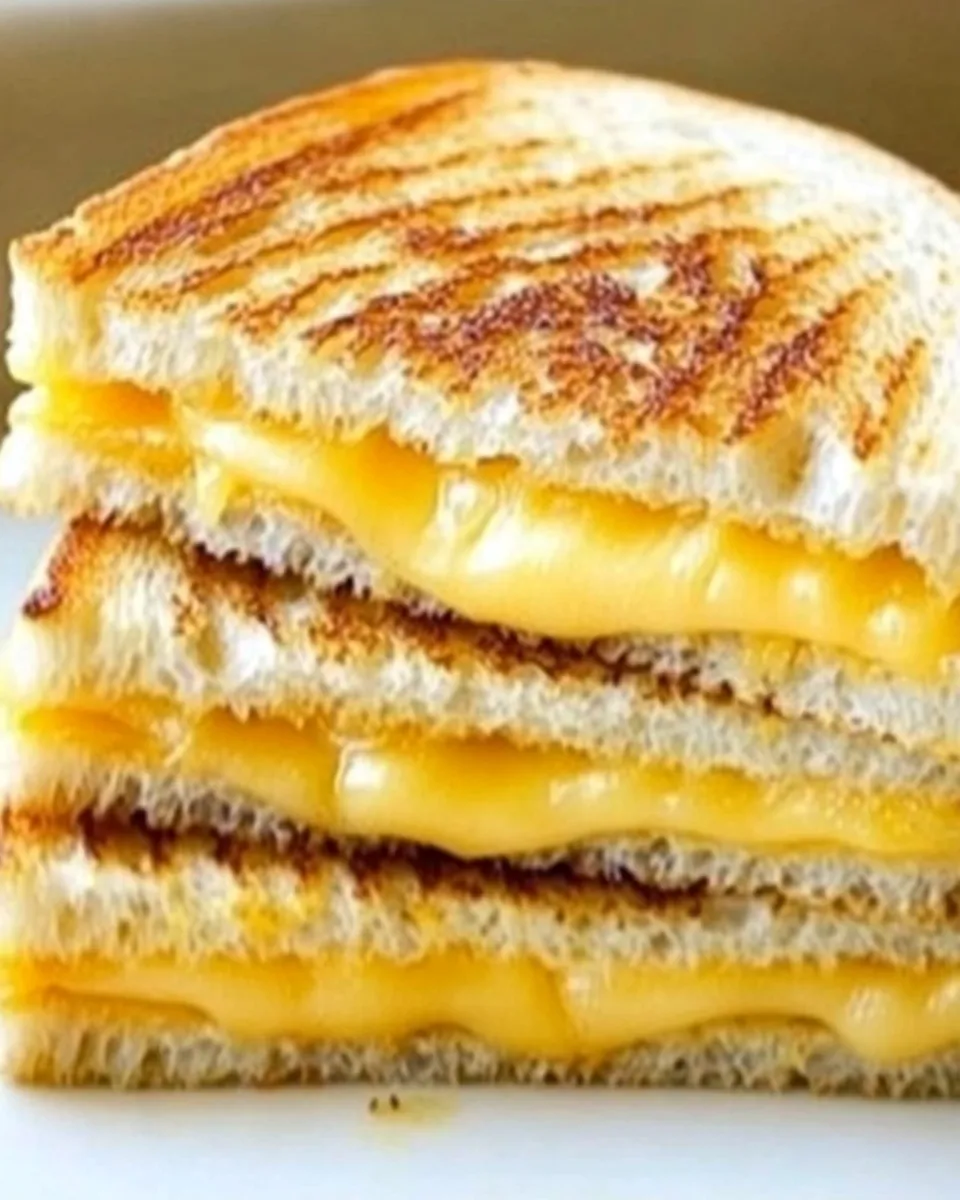
How to Make the Perfect Grilled Cheese Sandwich
Ingredients
Equipment
Method
- Lay out the 2 slices of bread. Using the full 2 tablespoons of room-temperature butter, spread an even layer on one side of each slice so both slices have a buttered side.
- Turn the bread so the unbuttered sides are facing up. Slice the 3 ounces of cheddar into slices about 1/8–1/4 inch thick and arrange a single layer of cheese over the unbuttered side of one bread slice, covering the bread; overlap slices if needed.
- Place the second slice of bread on top of the cheese with the buttered side facing out to form the sandwich.
- Preheat either an electric griddle to about 275°F or a roomy sauté pan over medium-low heat.
- Put the sandwich on the preheated surface, buttered side down. Cook undisturbed for 4–6 minutes, until the bottom is golden brown. Lower the heat if the bread is browning too quickly.
- Carefully flip the sandwich with a spatula and cook the other side for another 4–6 minutes, until that side is golden and the cheese begins to melt.
- If the bread is not yet the desired golden brown or the cheese isn’t fully melted, increase the heat to medium and continue turning the sandwich every 30–60 seconds, watching closely, until the bread is evenly toasted a deep golden brown and the cheese is fully melted.
- Remove the sandwich from the heat, carefully cut in half if you like, and serve immediately.
Notes
A note for vegetarians: If you’re concerned about rennet in your cheese, Tillamook’s cheeses are made with a vegetable-based rennet.