Jasmine Rice
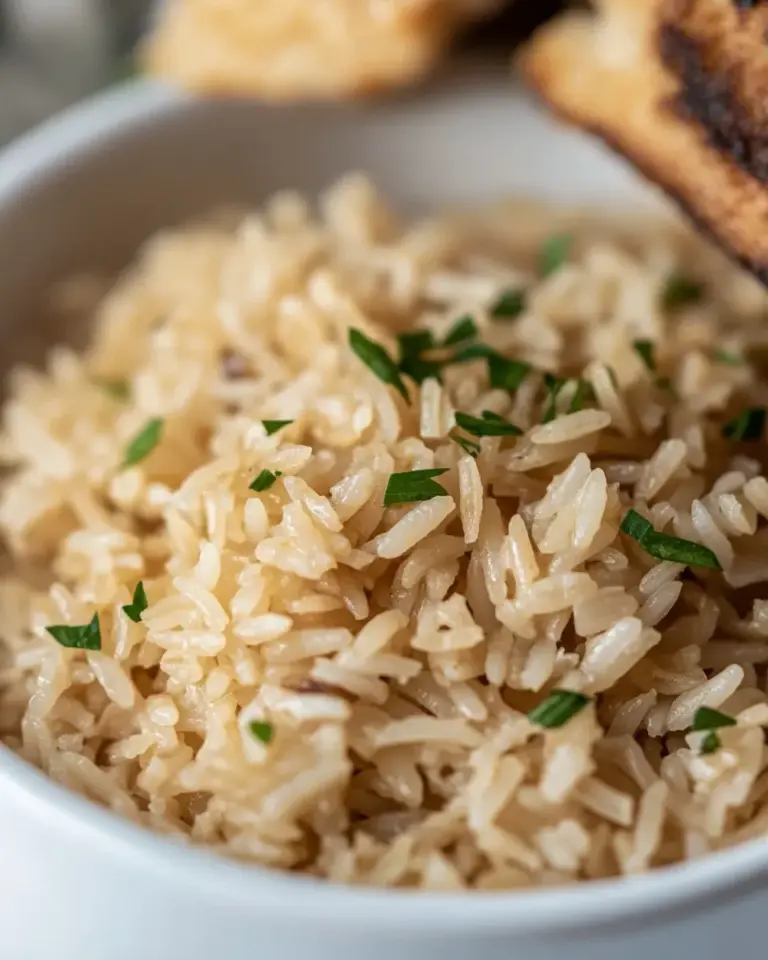
Jasmine rice is one of those pantry staples that quietly makes weekdays feel more put together. It cooks fast, smells floral, and plays nicely with almost any protein, sauce, or stir-fry you pair it with. I keep this exact simple method in heavy rotation because it reliably produces tender, separate grains without fuss.
No rinsing, a single pot, and a short rest are all it takes. The technique focuses on timing and the right water ratio so you can focus on the rest of the meal. This post walks through the straightforward steps and gives practical tips for small mistakes, swaps if you don’t have something on hand, and how to store leftovers so they reheat well.
Follow this method the first few times and you’ll see how consistent results come from small, repeatable choices: measured rice, measured water, a tight lid, and patience during the rest. Let’s get started.
Ingredients at a Glance
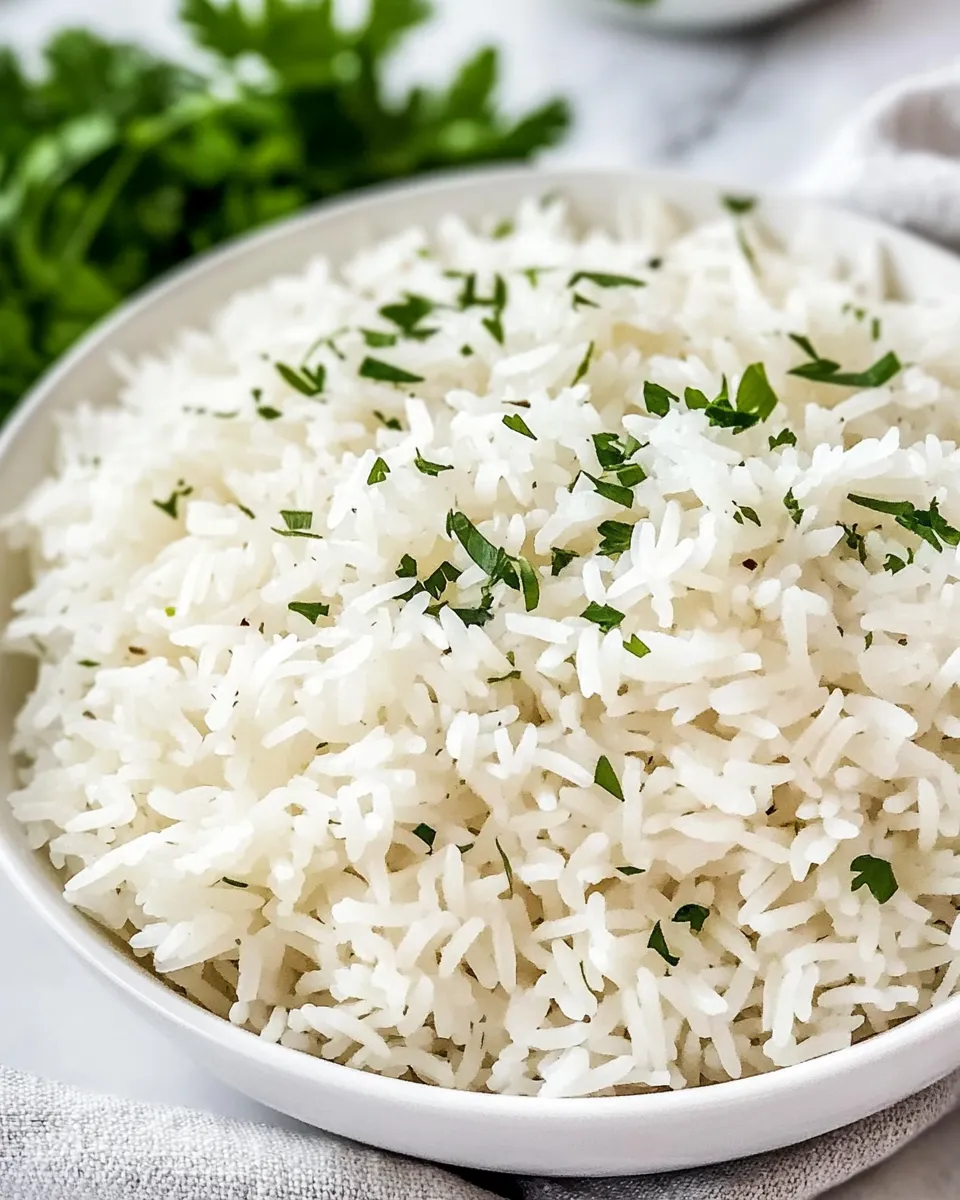
- 1 cup jasmine rice (unrinsed) — the soft, fragrant long-grain rice that’s the focus here; leaving it unrinsed keeps the texture slightly stickier, which many people prefer.
- 1¾ cups water — the precise ratio for tender, evenly cooked grains with this rice and pot method.
- ½ teaspoon salt — seasons the rice from the inside; adjust later if serving with salty sauces.
- 1 tablespoon unsalted butter — adds a subtle richness and helps separate grains; you can omit for a dairy-free version.
Directions: Jasmine Rice
- Place a medium-sized pot on the counter and add 1 cup jasmine rice (unrinsed), 1 3/4 cups water, 1/2 teaspoon salt, and 1 tablespoon unsalted butter. Stir once to combine.
- Set the pot on the stove and turn the heat to high. Bring the contents to a boil, watching so it does not boil over.
- As soon as it reaches a boil, reduce the heat to low to maintain a gentle simmer and cover the pot with a tight-fitting lid.
- Let the rice cook, covered, without lifting the lid, for 15 minutes.
- After 15 minutes, turn off the heat and keep the pot covered. Let the rice rest for 5 minutes.
- Remove the lid, fluff the rice gently with a fork to separate the grains, and serve.
Why This Recipe Is Reliable
This method is reliable because it controls the three most important variables: ratio, heat, and timing. The 1:1.75 rice-to-water ratio matches the way jasmine rice absorbs liquids in a medium-sized pot. The quick high heat to bring the pot to a boil, followed by an immediate reduction to a very low simmer, prevents the water from evaporating too quickly and burning the bottom.
Keeping the lid on during the full 15-minute cook time and the 5-minute rest locks in steam so the rice finishes gently and evenly. Fluffing at the end with a fork separates grains without crushing them. The small amount of butter melts into the rice, boosting flavor and mouthfeel without making it greasy.
Budget & Availability Swaps
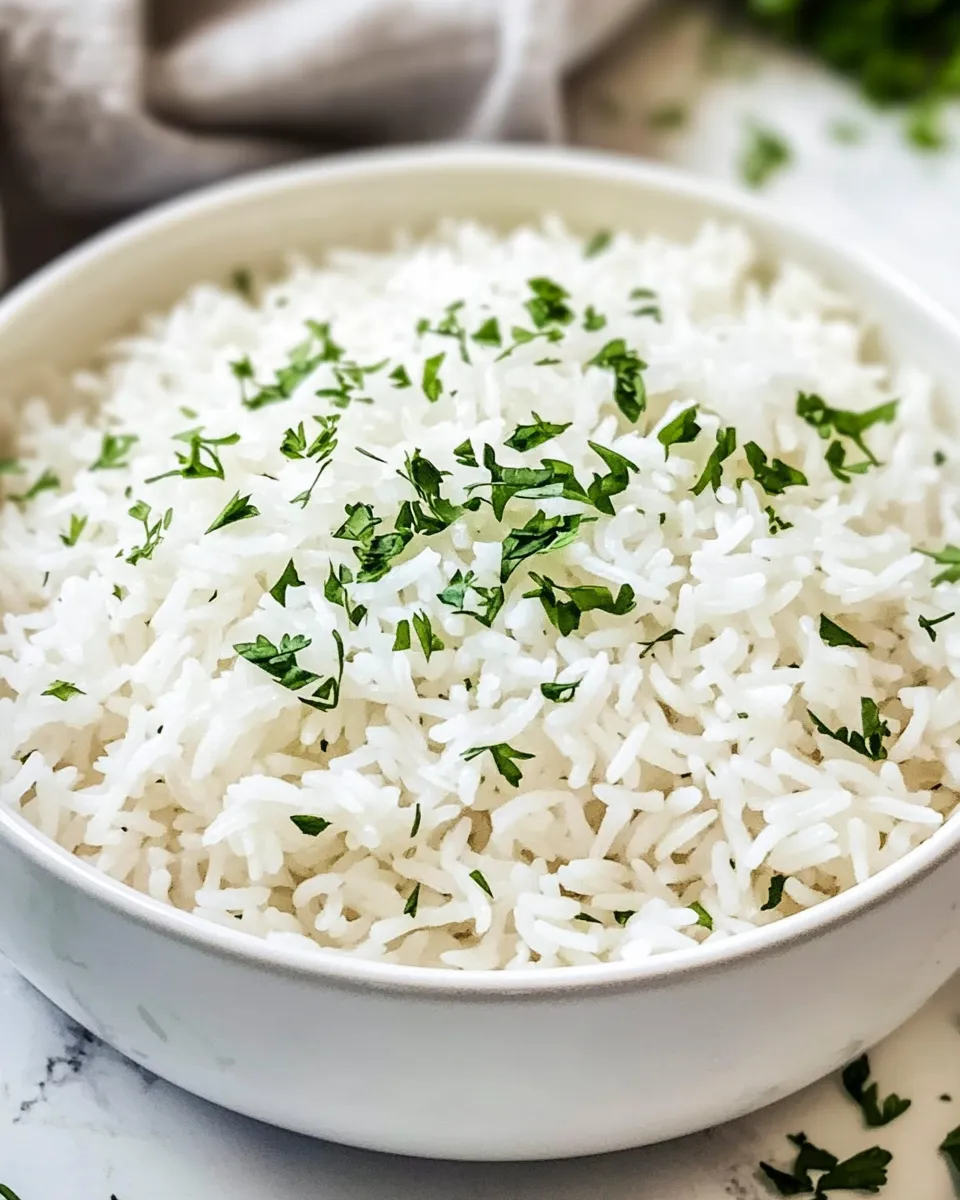
- Butter: If you’re out of unsalted butter, use a neutral oil (vegetable or canola) or olive oil for a dairy-free option. Use roughly the same amount—1 tablespoon—if you want the moistening effect.
- Salt: Any table salt works; if using kosher salt, start slightly lower and taste the finished rice before adding more because crystal sizes vary.
- Rice types: This exact ratio and timing are tuned for jasmine rice. Long-grain white rice in general behaves similarly, but short-grain or brown rice needs different water and time.
Before You Start: Equipment
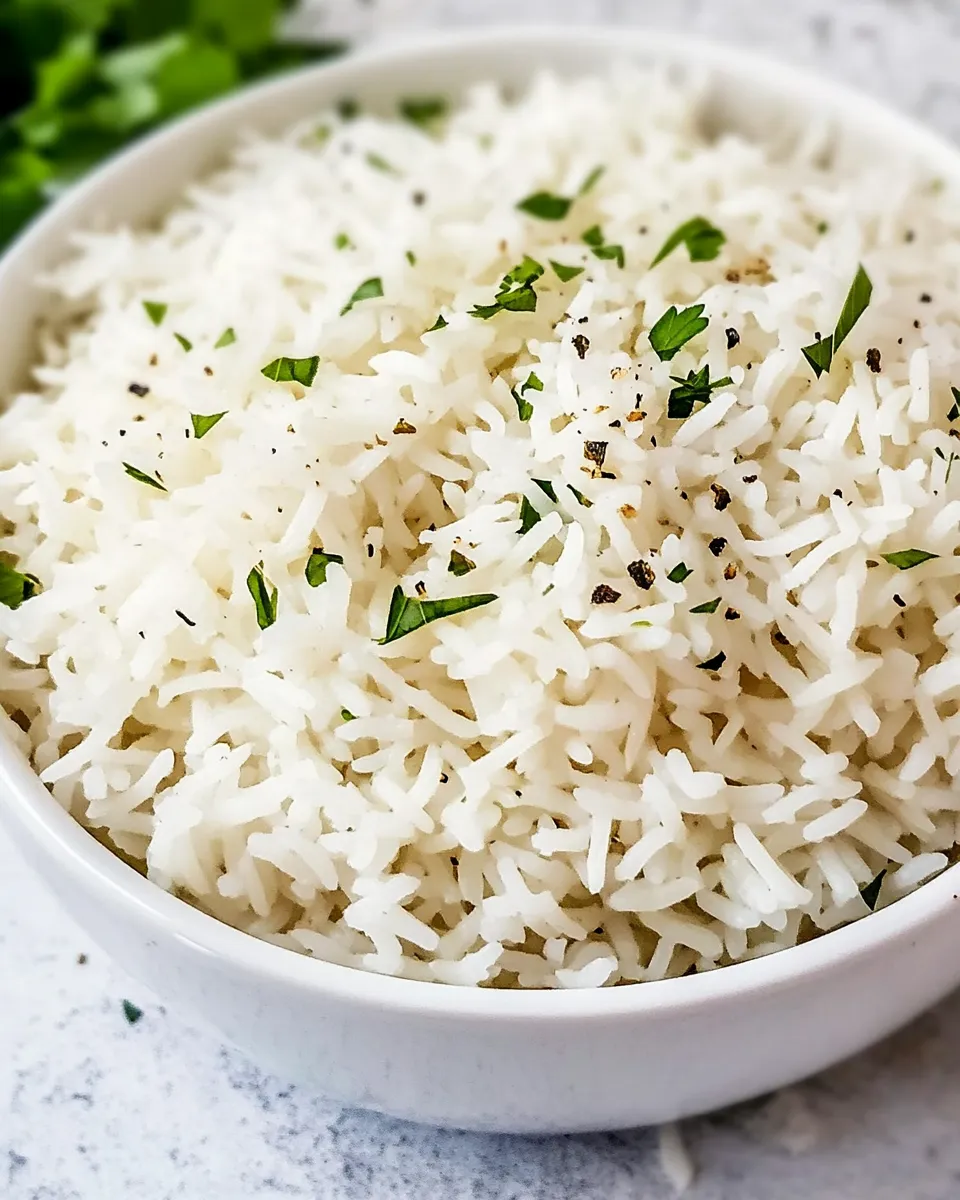
- Medium-sized pot with a tight-fitting lid — a snug lid traps steam; a loose one will change cook times.
- Measuring cup for rice and water — accuracy matters; use the same cup for both to keep proportions consistent.
- Fork for fluffing — a rice paddle works too, but a fork gives gentle separation.
- Stovetop that allows you to see and reduce heat quickly — fingertip control between medium-high and low makes the process fail-safe.
Learn from These Mistakes
Small mistakes happen, and most are easy to fix or avoid. Below are the ones I see most often and the practical corrections that save the batch.
Common problems and quick fixes
- Rice is gummy or clumped: You likely used too much water, stirred during the simmer, or lifted the lid during cooking. In future, measure carefully, avoid stirring once the lid is on, and resist peeking. If it’s just slightly sticky, fluff vigorously with a fork to separate grains. If it’s very mushy, use it as a base for a fried rice dish where loose texture works in your favor.
- Rice is undercooked or crunchy: The simmer wasn’t low enough, or the pot lost steam because the lid didn’t fit tightly. Return the pot to low heat, add a tablespoon or two of hot water, re-cover, and cook for a couple of more minutes. Let it rest again for five minutes off the heat.
- Bottom layer scorched: Heat was too high or the pot was too thin. For next time, reduce the heat sooner when it reaches a boil. If only the bottom layer has a burn, scoop the unburnt rice into a new pot to salvage it.
Holiday & Seasonal Touches
Jasmine rice is an ideal canvas for seasonal accents because its fragrance complements both savory and aromatic additions. During cooler months, serve it next to braises, roasted vegetables, or stews that have a bold, saucy component. In warm months, it pairs beautifully with grilled fish, light curries, and fresh herbs.
For holidays, you don’t need to change the core method. Instead, add finishing touches after fluffing: a few roasted nuts, toasted sesame seeds, or a small drizzle of flavored oil can make the side dish feel more festive without impacting texture. If you plan to add wet ingredients (coconut milk, broths, or juice) to the cooking liquid, be aware those will change both flavor and urgency of the water ratio.
Little Things that Matter
The details turn a good batch into a great one. Measure the rice and water in the same measuring cup so your ratio stays consistent. Use a pot with a broad base; it warms more evenly than a narrow, tall pot. When bringing the water to boil, watch carefully—jasmine rice water foams quickly and can steam up and spill. Finally, leave the lid on while it rests. That five-minute quiet period is when steam finishes the job and makes the rice light.
Freezer-Friendly Notes
Jasmine rice freezes and reheats well when handled correctly. Spread fully cooled rice on a tray to chill quickly, then portion into airtight freezer bags or containers. Seal with as little air as possible and label with the date. Stored this way, rice keeps well for up to three months.
To reheat, sprinkle a little water over the rice (about 1 tablespoon per cup), cover, and microwave until steaming. Alternatively, reheat in a covered skillet over low heat, adding a splash of water and stirring gently to separate and rehydrate grains.
Questions People Ask
- Do I need to rinse jasmine rice? — Not for this method. The recipe uses the rice unrinsed to retain a slightly stickier texture. If you prefer drier, more separate grains, rinse until the water runs mostly clear and adjust the water slightly lower.
- Can I double the recipe? — Yes. If you double the rice and water, cook time stays the same, but use a larger pot so steam circulates and the lid seals properly.
- Why not use a rice cooker? — You can. A rice cooker will handle timing and heat automatically. This stovetop method is for when you don’t have one or prefer to control the process directly.
- Can I add flavor during cooking? — You can swap part or all of the water for stock or add a whole spice or two, but note that liquids with fat (like coconut milk) change the absorption rate and could require a small adjustment to the water amount.
Wrap-Up
This jasmine rice recipe is simple, precise, and forgiving once you know the key points: measure, bring to a boil, reduce to a gentle simmer, don’t lift the lid, and let it rest. The small addition of butter and a modest amount of salt elevates the rice without complicating it. Keep this method in your repertoire for everything from weeknight bowls to a holiday spread—consistency comes from repetition, and this one’s worth repeating.
Make a pot today, taste how the grains separate, and adjust the little details to your preference. With a reliable base like this, the rest of the meal gets a solid foundation.
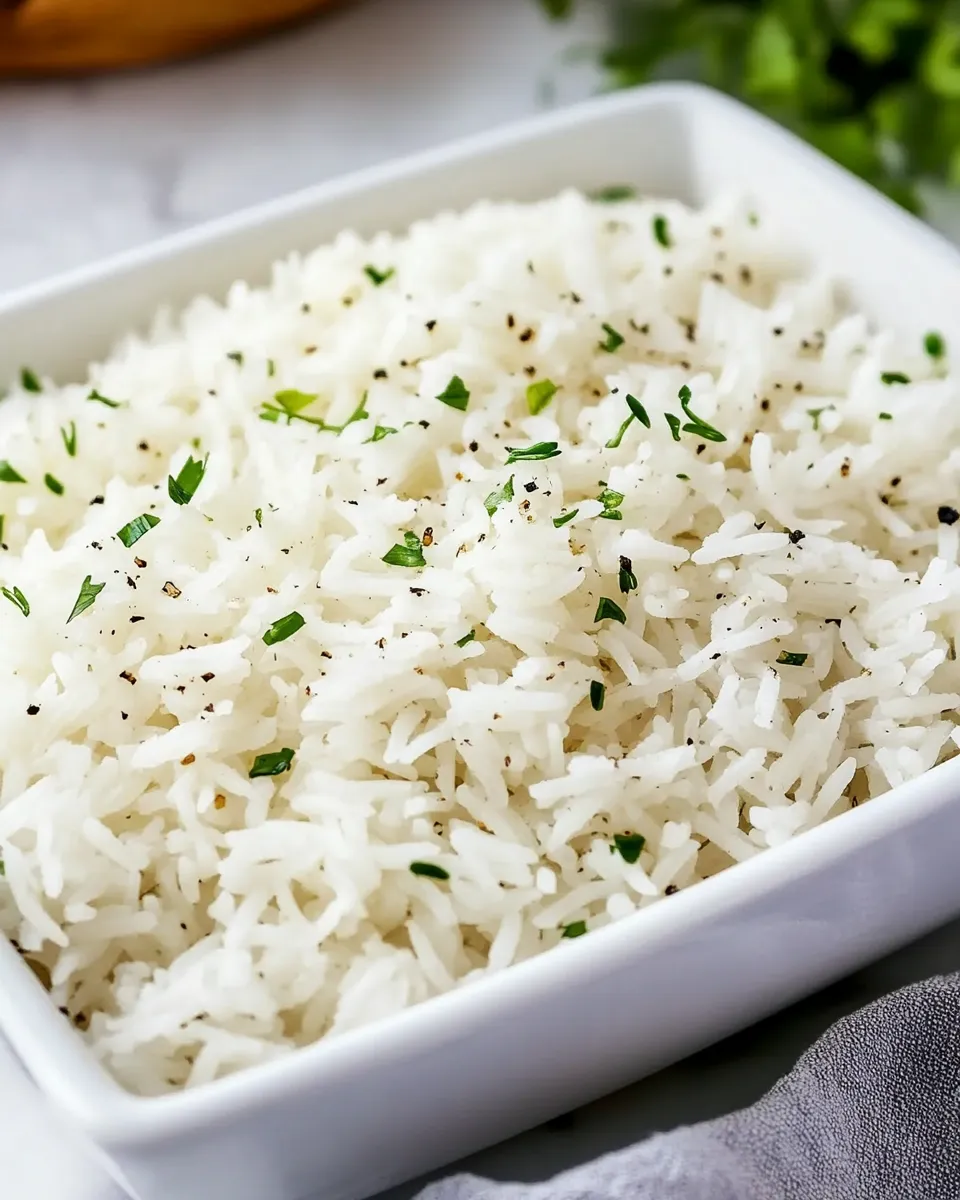
Ingredients
Equipment
Method
- Place a medium-sized pot on the counter and add 1 cup jasmine rice (unrinsed), 1 3/4 cups water, 1/2 teaspoon salt, and 1 tablespoon unsalted butter. Stir once to combine.
- Set the pot on the stove and turn the heat to high. Bring the contents to a boil, watching so it does not boil over.
- As soon as it reaches a boil, reduce the heat to low to maintain a gentle simmer and cover the pot with a tight-fitting lid.
- Let the rice cook, covered, without lifting the lid, for 15 minutes.
- After 15 minutes, turn off the heat and keep the pot covered. Let the rice rest for 5 minutes.
- Remove the lid, fluff the rice gently with a fork to separate the grains, and serve.
Notes
If you prefer a less sticky texture, rinse the rice under cold water until the water runs clear before cooking.
Feel free to adjust the salt according to your taste preferences or dietary needs.
This recipe is easily scalable. Just maintain the same water-to-rice ratio for larger quantities.
Leftover Jasmine Rice can be stored in an airtight container in the refrigerator for up to5 days. Reheat with a sprinkle of water to retain moisture.
For an aromatic twist, add a bay leaf or a cinnamon stick to the water before boiling.