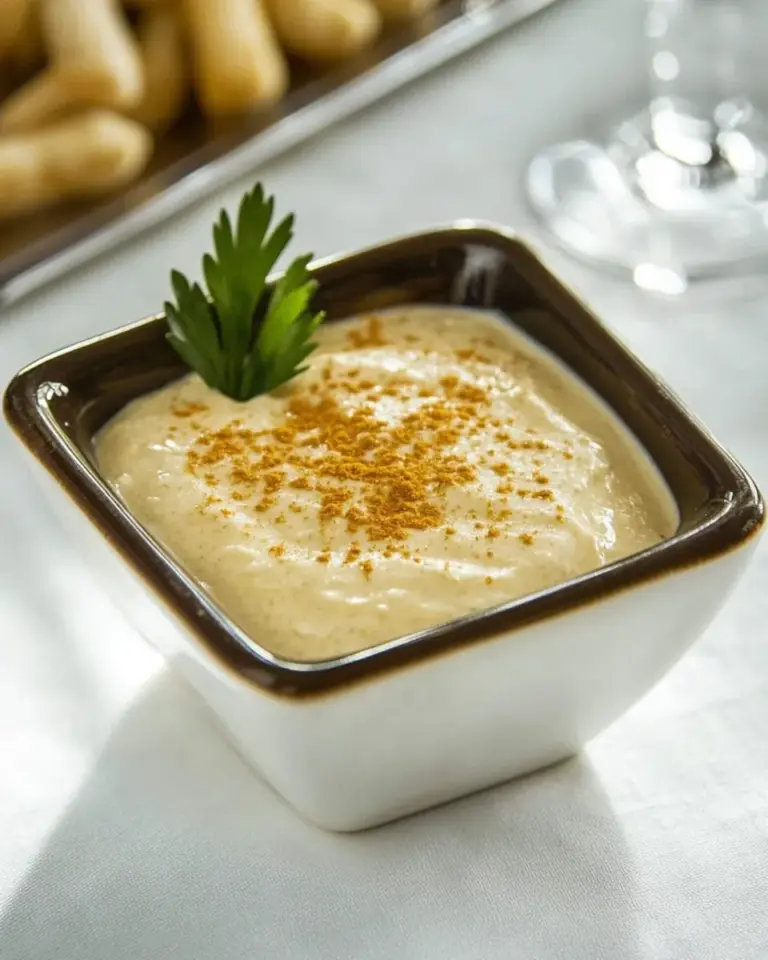
Keto Hummus
I make a lot of dips, and this Keto Hummus is one I reach for when I want something creamy, bright, and low-carb. It roasts cauliflower until it’s sweet and golden, then blends it with tahini, lemon, garlic, and olive oil into a spread that spoon-feeds itself into every vegetable or cracker within reach. It behaves and tastes like hummus without the chickpeas, and that’s a win when you’re watching carbs but not willing to compromise on texture.
The recipe is straightforward and forgiving: roast, cool, blend, adjust. That cooling step matters more than you’d expect because warm cauliflower changes how the tahini and oils emulsify. The method uses simple tools and pantry basics. You’ll get a bowl of dip in under an hour with most of that being hands-off roasting time.
Below I walk through the ingredients and every practical detail I picked up testing this several times. There are swap ideas that stay within the same ingredient set, troubleshooting notes, and storage guidance so your batch stays as good as possible for days.
Gather These Ingredients
Ingredients
- 1 large cauliflower — 400 g / 14 oz florets — Roast florets for sweetness and body; trimming to similar sizes helps even browning.
- ¼ cup / 60 g tahini — The nutty backbone; choose a runny, well-stirred tahini for easier blending.
- 3 tablespoon extra virgin olive oil — divided — One tablespoon for roasting and two for finishing/blending; adds silk and flavor.
- 8 tablespoon water — or to desired thinness — Add gradually to control texture; this replaces the liquid chickpea cooking water in classic hummus.
- Juice of 1 lemon + zest of ½ — Brightens and balances the tahini; zest adds aroma.
- 1 garlic clove — minced — Fresh garlic gives a sharp edge; mince finely so it blends smoothly.
- ⅓ teaspoon flaked sea salt — or to taste — Flaky salt seasons during roasting and final tasting; adjust at the end.
- Pinch of paprika — For finishing color and a hint of warmth; smoked paprika works too if you like smokiness.
Method: Keto Hummus
- Preheat the oven to 200°C (180°C fan).
- Arrange the 400 g (14 oz) cauliflower florets in a single layer on a baking tray. Drizzle with 1 tablespoon of the extra virgin olive oil and sprinkle the 1/3 teaspoon flaked sea salt evenly over the florets.
- Roast for about 25 minutes, or until the cauliflower is golden and tender. Remove from the oven and allow the cauliflower to cool completely.
- While the cauliflower cools, zest ½ lemon and juice the whole lemon. Mince the garlic clove.
- Place the cooled cauliflower, 1/4 cup (60 g) tahini, 1 tablespoon extra virgin olive oil, the lemon juice and lemon zest, and the minced garlic into a high-speed blender or food processor.
- Add water up to 8 tablespoons in 1-tablespoon increments, blending between additions, until the hummus reaches your desired thinness.
- Blend until smooth and creamy, scraping down the sides as needed. This may take a couple of minutes; longer blending will yield a smoother texture. Taste and adjust seasoning if desired.
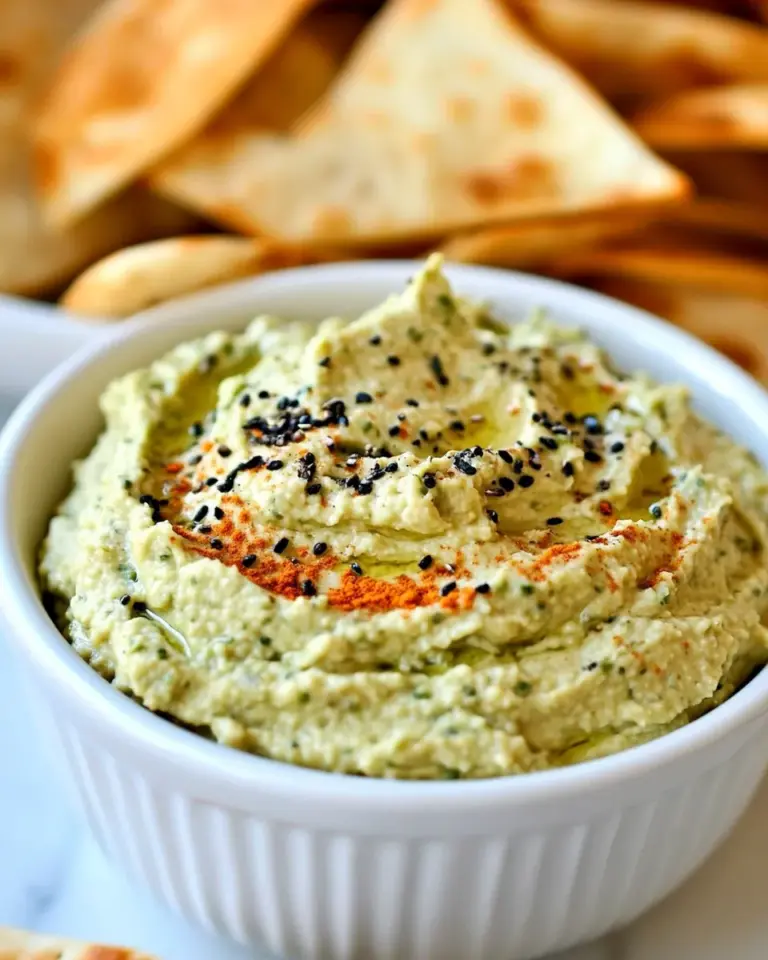
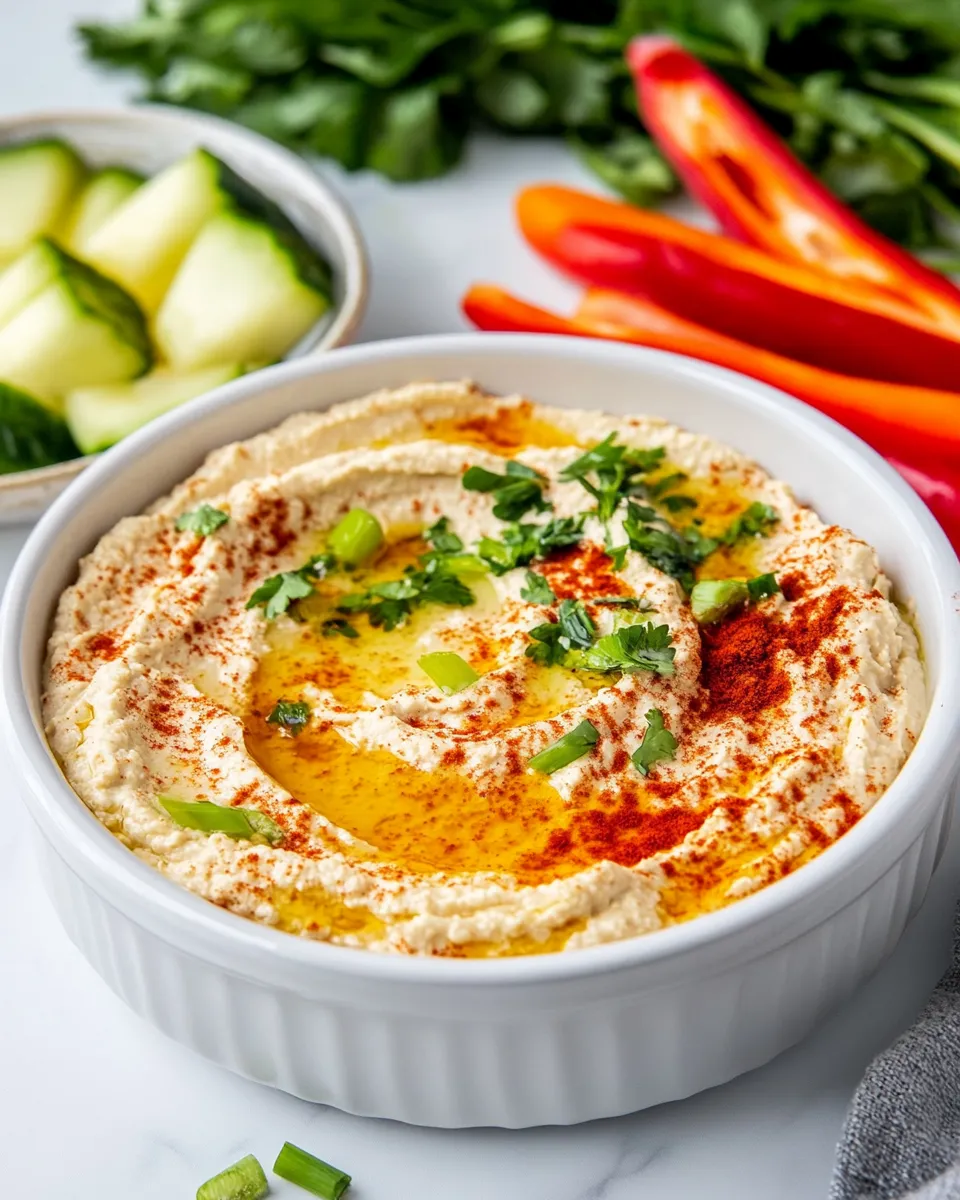
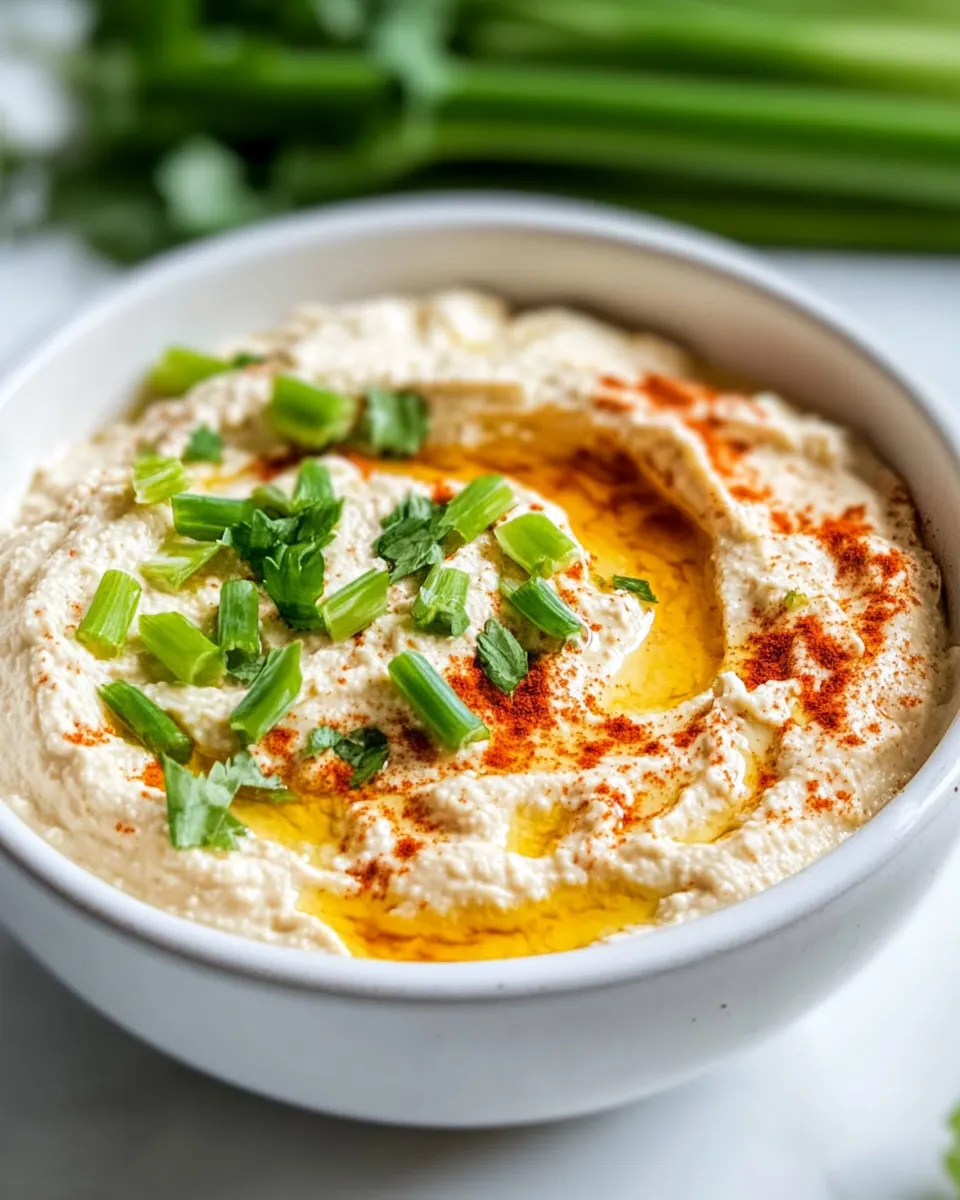
- Transfer to a serving bowl, drizzle with the remaining 1 tablespoon extra virgin olive oil, and finish with a pinch of paprika. Serve.
This ordered method is intentionally tight: roast, cool, flavor, blend, finish. Cooling the cauliflower completely before you blend helps the tahini emulsify and prevents the finished dip from warming and separating. If you prefer a silkier finish, allow extra blending time and add water in small increments until it flows off a spoon the way you like.
Why This Recipe Works
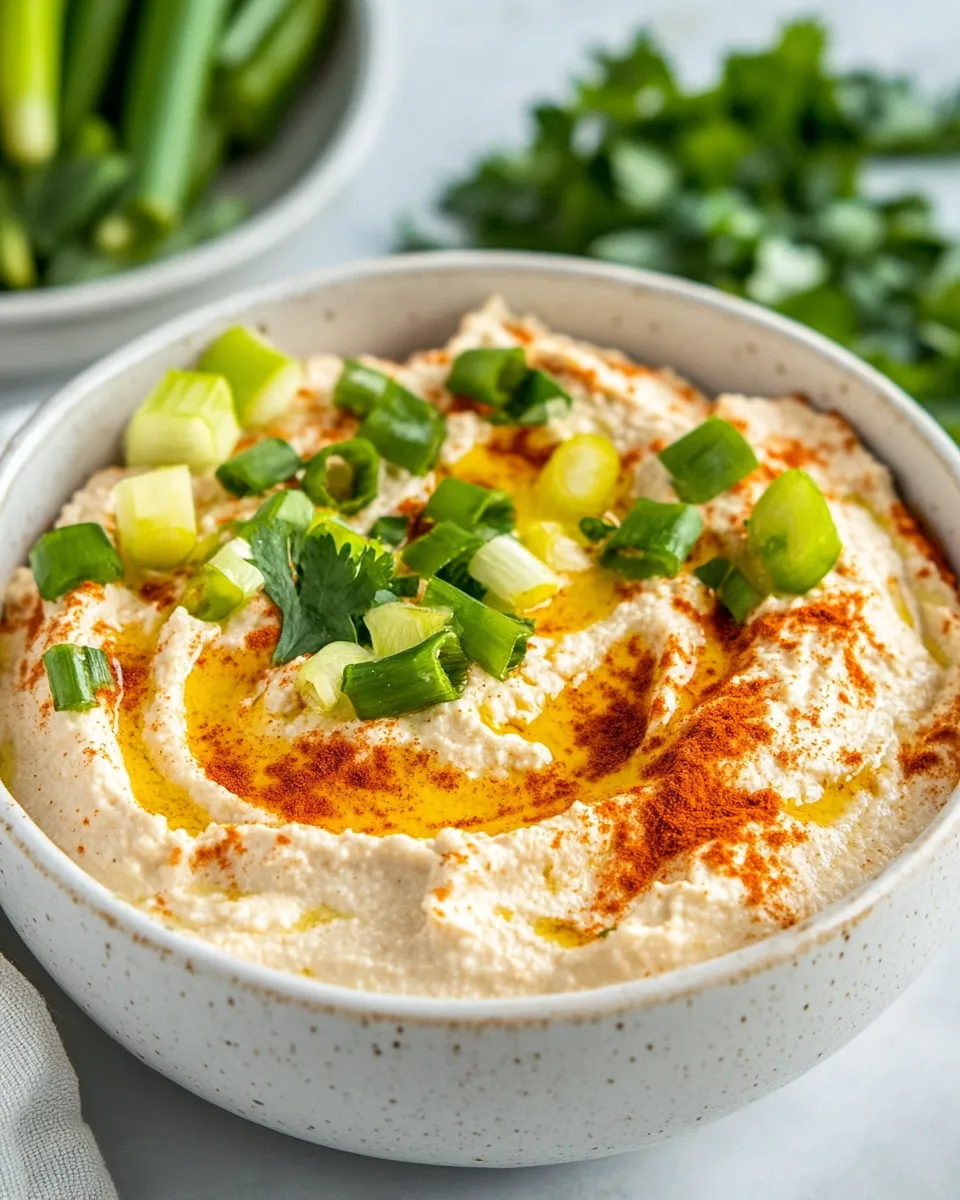
This version leans on three pillars: roasted vegetable sweetness, tahini fat and emulsification, and acid to cut through the richness. Roasting caramelizes the cauliflower’s sugars, giving body and a slightly nutty character that mimics the depth chickpeas usually provide. Tahini contributes both fat and the sesame flavor that defines hummus; it also helps with mouthfeel and creates a creamy emulsion when blended with the olive oil and lemon. Lemon juice and zest bring brightness, which is essential for balance and prevents the dip from tasting flat.
The technique—cooling the roasted cauliflower—matters mechanically. Warm veg can loosen tahini and oil in an unstable way, leading to a thin, separated texture. Cooling first lets the tahini incorporate gradually without overheating, producing a more stable, spreadable cream. The stepwise addition of water gives you precise control over texture: scoopable, spreadable, or downright dip-able.
Quick Replacement Ideas

- Want a nuttier profile? Increase the ratio of tahini slightly; it deepens the sesame note and thickens the dip.
- Need a thinner dip? Add water by the tablespoon until you reach the required pour or scoop consistency.
- Prefer less lemon bite? Start with half the juice and add more to taste after blending.
- Reduce garlic intensity by using a smaller clove or lightly roasting the clove with the cauliflower to mellow the flavor.
- For a smokier finish, finish with smoked paprika instead of plain paprika for the final pinch.
Equipment & Tools
Essentials
- Oven and baking tray — for roasting the florets evenly in a single layer.
- High-speed blender or food processor — you need a machine that can turn roasted cauliflower into a creamy puree.
- Mixing bowl or serving bowl — to hold the hummus for chilling or serving.
Nice-to-haves
- Citrus zester — for fragrant lemon zest without pith.
- Spoon for drizzling olive oil — a small pour keeps the finish neat and pretty.
Easy-to-Miss Gotchas
- Roast crowding — if florets touch too much they steam, not roast. Give each piece space for browning.
- Blending warm cauliflower — blend only after the cauliflower is completely cool to avoid a runny texture.
- Adding all the water at once — this can make the hummus too thin. Add water in 1-tablespoon increments as directed.
- Undersalting during roasting — salting the florets before roasting seasons them from the inside out; taste at the end and adjust.
- Not scraping the bowl — stop and scrape down the sides a couple of times to get an even, silky texture.
Customize for Your Needs
If you want a thicker spread for sandwiches, blend to a thicker consistency and use the lower end of the water range. If you like a looser dip for drizzling over roasted vegetables, add water until it reaches that level of pour. To make the hummus milder for kids, reduce the garlic or skip the zest and use only the lemon juice for acidity. If you prefer bolder flavor for entertaining, increase lemon zest and finish with an extra drizzle of olive oil plus a heavier pinch of paprika.
For presentation, create a small well in the center of the bowl before serving and add a teaspoon more olive oil; the oil pockets help each bite deliver fat and flavor. Garnish sparingly with paprika so the color pops without overwhelming the palate.
Flavor Logic
The profile is built on contrast: roasted sweet cauliflower versus bright citrus and nutty tahini. Olive oil adds silk and a fruity backbone; garlic and salt sharpen it. The pinch of paprika at the end does two jobs — it adds a touch of warmth and gives the hummus a visual signal that this is more than just blended veg. If you remove any element, think about what fills its role: leave out the tahini and you lose depth; omit the lemon and it becomes heavy; skip the garlic and the dip will lack bite.
Think of this as a three-part balance: fat (tahini + olive oil), acid (lemon), and seasoning (salt + garlic). Adjust each to move the flavor toward richer, brighter, or more savory as you prefer.
Shelf Life & Storage
Store leftovers in an airtight container in the refrigerator. The hummus will keep well for 3–4 days. Because this recipe uses fresh lemon and garlic, the flavor can change over time; the garlic will mellow, and the tahini can firm slightly. If the hummus thickens in the fridge, whisk in a small splash of water or a teaspoon of olive oil to bring it back to serving texture.
For longer storage, you can freeze in small portions for up to one month, but note the texture may change slightly after thawing. Thaw overnight in the fridge and re-blend or whisk to reincorporate any separated oil before serving.
Handy Q&A
- Can I use the whole cauliflower instead of florets? — Use florets for even roasting. Whole stems will roast unevenly and change the texture.
- Is tahini necessary? — Tahini provides key flavor and texture. Omitting it will change the character; if you must skip it, add extra olive oil and accept a different profile.
- Why cool the cauliflower? — Cooling stabilizes the emulsion so the tahini and oil blend smoothly without separating.
- How smooth should it be? — Blend until you reach your preferred texture. Longer blending yields silkier hummus. The recipe notes that a couple of minutes may be needed.
- Can I roast the garlic with the cauliflower? — You can, but roasted garlic is sweeter and milder. The recipe calls for minced raw garlic for a sharper edge; choose based on your taste.
The Last Word
This Keto Hummus replaces chickpeas with roasted cauliflower but keeps the elements that make hummus comforting and versatile: creamy fat, bright acid, and assertive seasoning. It’s practical, low-effort, and forgiving. Roast evenly, cool thoroughly, blend patiently, and you’ll have a reliable dip that stands up to veggies, crackers, and sandwiches. Keep tasting and adjusting—small changes in lemon, tahini, or water will take the dip from fine to memorable.
Ingredients
Equipment
Method
- Preheat the oven to 200°C (180°C fan).
- Arrange the 400 g (14 oz) cauliflower florets in a single layer on a baking tray. Drizzle with 1 tablespoon of the extra virgin olive oil and sprinkle the 1/3 teaspoon flaked sea salt evenly over the florets.
- Roast for about 25 minutes, or until the cauliflower is golden and tender. Remove from the oven and allow the cauliflower to cool completely.
- While the cauliflower cools, zest ½ lemon and juice the whole lemon. Mince the garlic clove.
- Place the cooled cauliflower, 1/4 cup (60 g) tahini, 1 tablespoon extra virgin olive oil, the lemon juice and lemon zest, and the minced garlic into a high-speed blender or food processor.
- Add water up to 8 tablespoons in 1-tablespoon increments, blending between additions, until the hummus reaches your desired thinness.
- Blend until smooth and creamy, scraping down the sides as needed. This may take a couple of minutes; longer blending will yield a smoother texture. Taste and adjust seasoning if desired.
- Transfer to a serving bowl, drizzle with the remaining 1 tablespoon extra virgin olive oil, and finish with a pinch of paprika. Serve.
Notes
3.4g net carbs per portion. 1 portion is 3 tbsp. Recipe makes about 1 ⅓ cups of hummus in total.
NOTE: a standard blender will not achieve a super creamy consistency. If you do not have a high speed blender, a food processor can be used but it will not be as smooth.
Storage: Tupperware in the fridge for 4-7 days. Alternatively, freeze for up to 6 months.