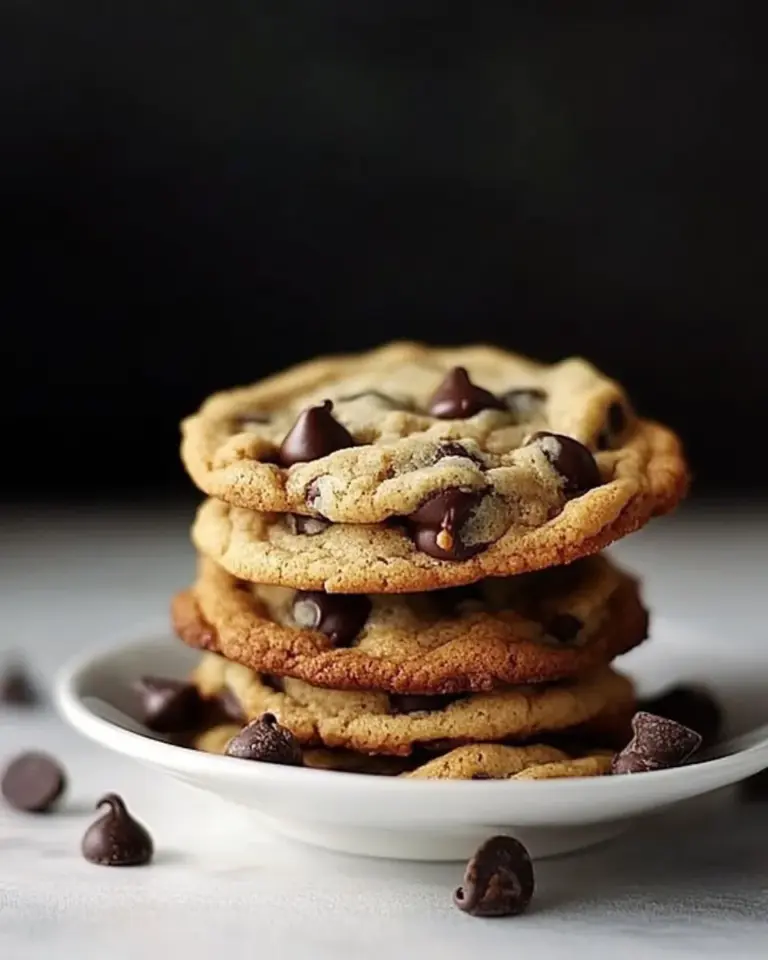
Keto Pie Crust
This crust is the low‑carb foundation I reach for when I want a flaky, buttery shell that won’t spike blood sugar or fall apart when filled. It handles both custard-style pies and tart fruit-style fillings with minimal fuss, and it comes together quickly because the dough is forgiving and chills fast.
I developed this version after testing a few ratios of almond and coconut flours until I found the balance that rolls without crumbling and bakes with a light golden color. The short ingredient list keeps things simple: low‑carb flours, a touch of thickener, an egg for structure, and salted butter for flavor and that classic pie mouthfeel.
No elaborate techniques here—just cold fat, a pulse in the processor, a chill, and a light bake. I’ll walk you through the exact steps from start to finish, explain why this Keto Pie Crust performs, and give practical swaps and troubleshooting so your crust comes out right every time.
Ingredients at a Glance
- 1 cup almond flour — the main body of the crust; adds structure and a tender, nutty crumb.
- 1/2 cup coconut flour — absorbs moisture and helps the dough hold together; a little goes a long way.
- 3 tablespoons low‑carb sweetener — optional for a slightly sweet crust; balances savory butter flavor if you’re making a dessert pie.
- 1/2 teaspoon xanthum gum — acts as a binder to mimic gluten’s hold and prevent crumbling.
- 7 tablespoons salted butter, cold and cubed — cold fat creates flakiness and flavor; if using unsalted butter, add salt as directed.
- 1 egg — provides structure and helps the dough come together into a cohesive ball.
- 1/2 teaspoon vanilla extract — optional but lovely in sweet pies; adds depth to the crust’s flavor.
From Start to Finish: Keto Pie Crust
- Add 1cupalmond flour, 1/2cupcoconut flour, 3tablespoonslow-carb sweetener, and 1/2teaspoonxanthum gum to a food processor. Pulse several times to combine the dry ingredients.
- If using unsalted butter, add 1/4 teaspoon of salt to the dry mixture now.
- Add 7tablespoonssalted butter, cold and cubed, 1egg, and 1/2teaspoonvanilla extract to the food processor. Pulse until the mixture comes together into a cohesive dough ball. If the dough stays crumbly, pulse a few more times until it holds when pressed.
- Turn the dough out, form it into a disc, wrap tightly in plastic wrap, and chill in the refrigerator for 30 minutes. (Note: dough can be frozen for 6 months.)
- Place the chilled dough between two sheets of parchment paper and roll it out to fit a 9-inch pie pan. Remove the top sheet of parchment, invert the rolled dough over the pie pan, and gently press it into the bottom and up the sides. Trim any excess dough and prick the bottom and sides of the crust several times with a fork.
- Preheat the oven to 400 degrees F.
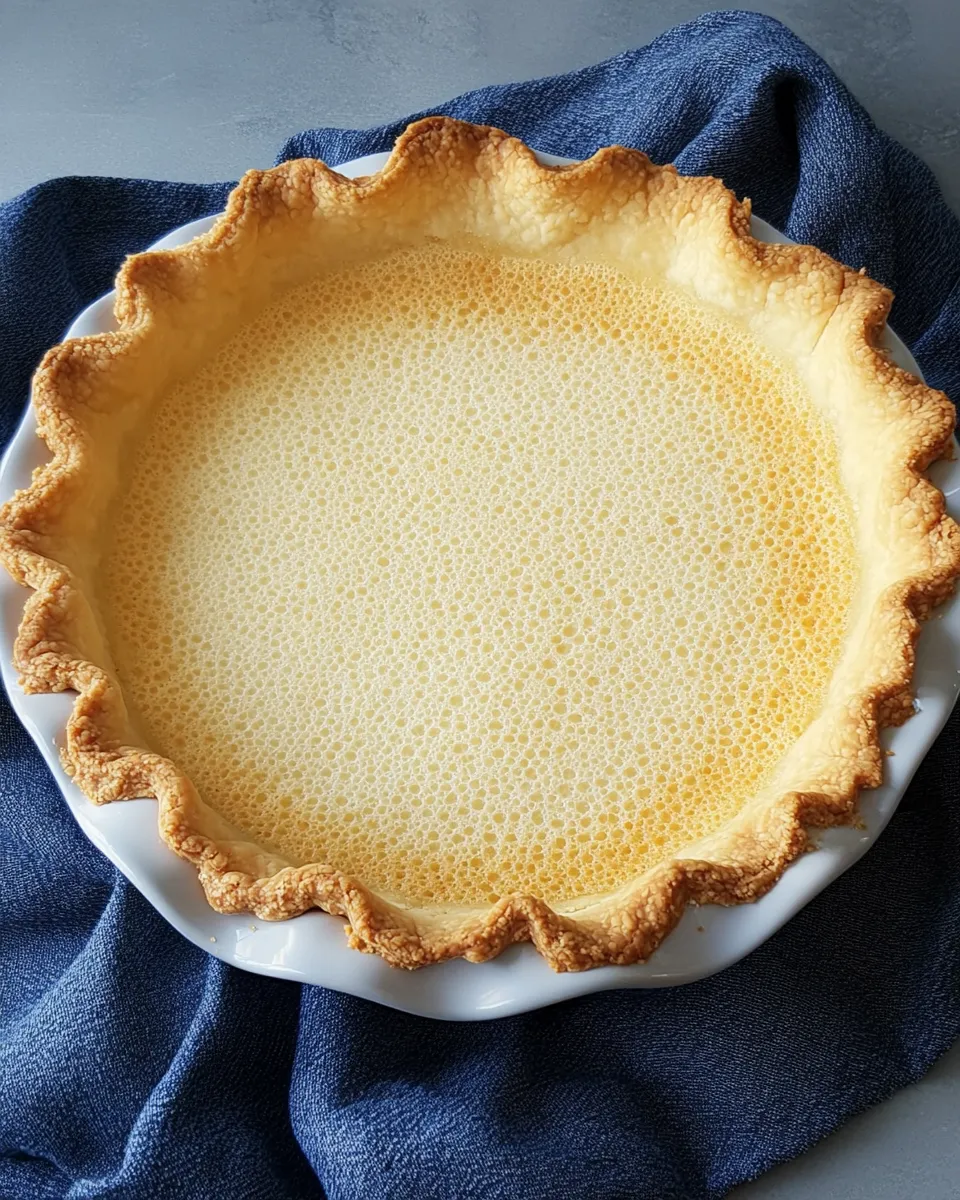
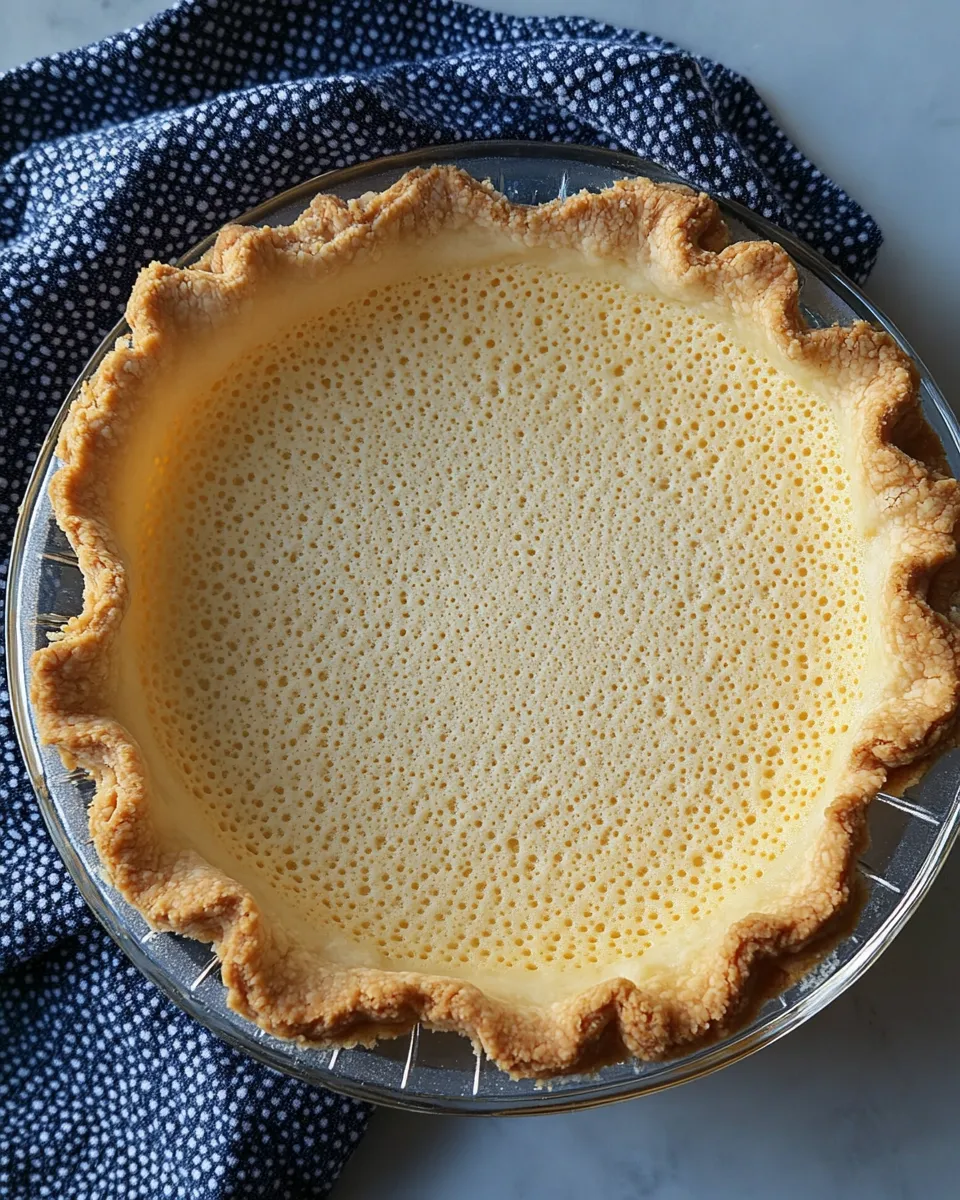
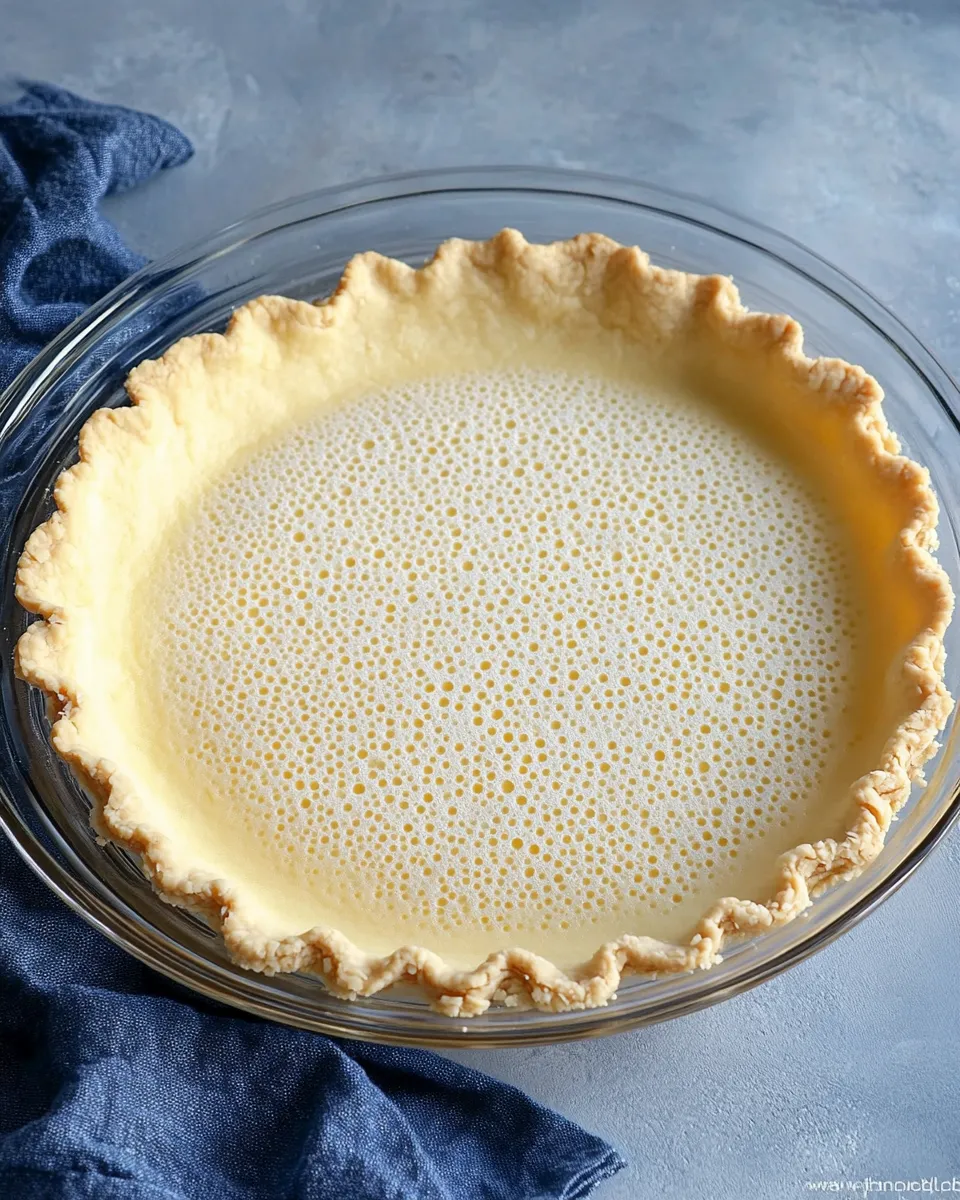
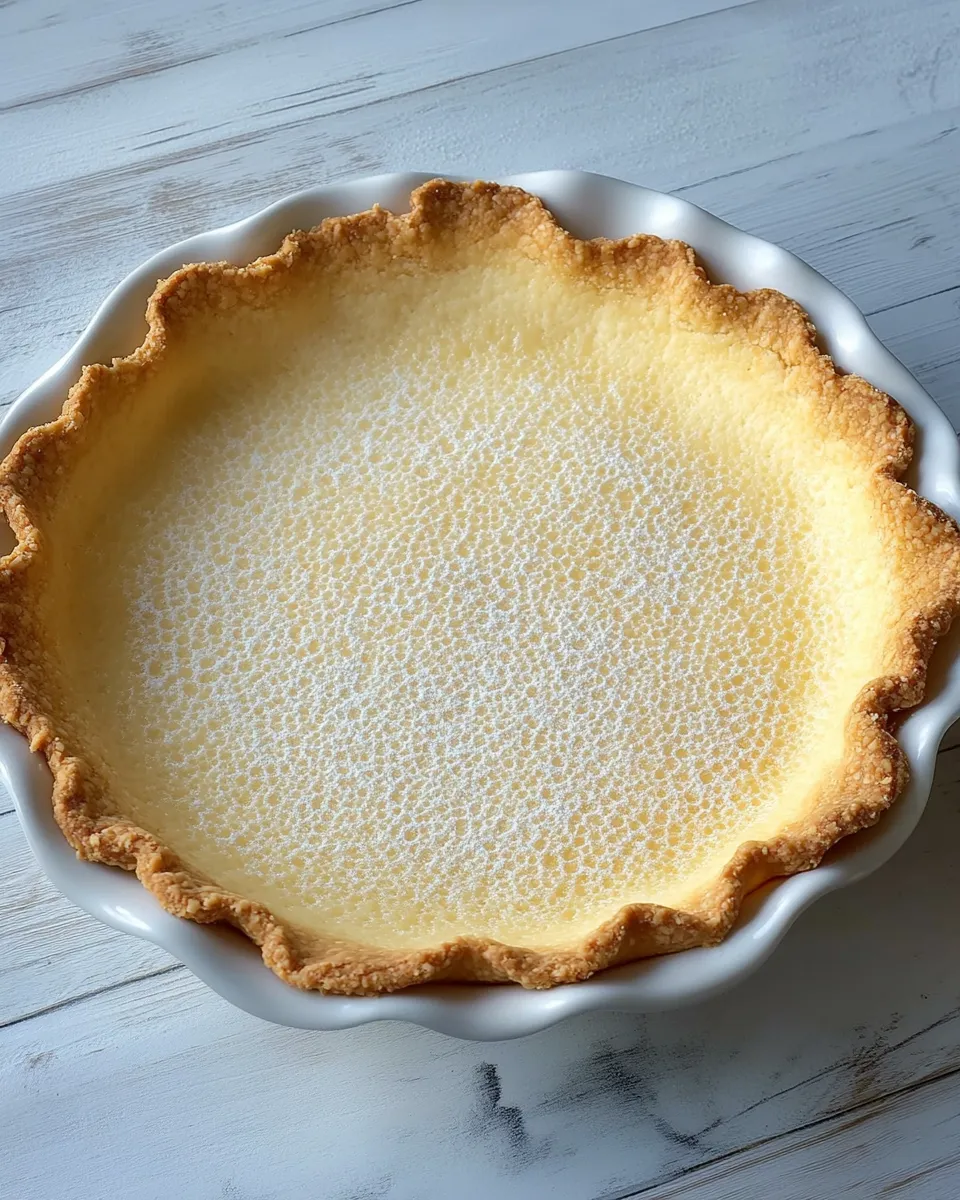
- For an unfilled pie, bake the crust 10–12 minutes or until golden brown. For a filled pie, bake according to the filling’s directions, making sure the filling adequately covers the crust so it does not burn.
Why This Keto Pie Crust Stands Out
There are a few reasons this Keto Pie Crust has earned a permanent spot in my recipe rotation. First, the almond-to-coconut flour ratio gives structure without the dryness that coconut flour alone can create. Almond flour delivers fat and crumb; coconut flour absorbs excess moisture and prevents spreading during baking.
The small addition of xanthum gum is the quiet star. It recreates the holding power that gluten provides in wheat-based crusts, so you don’t end up with a fragile shell that flakes apart the moment you slice. And because the recipe uses salted butter by default, you get immediate flavor depth. If you use unsalted butter, there’s a precise salt adjustment in the method so flavor stays balanced.
Finally, this dough is forgiving: pulse until it forms a cohesive ball rather than obsessing over “just the right” texture. Chill time is short—30 minutes—so you get a crisp edge and less risk of overworking. All of that adds up to a crust that’s both practical for weeknight baking and confident enough for holiday pies.
Swap Guide
- Almond flour: If you need a nut‑free option, sunflower seed flour can work in a pinch, but be aware it may react with baking soda or flavors and produce a greenish tint in some fillings. Adjust flavors as needed.
- Coconut flour: This flour is highly absorbent; reducing or omitting it will change texture. If you prefer a lighter almond-only crust, reduce the coconut flour gradually and expect a slightly looser dough.
- Sweetener: Any granulated low‑carb sweetener that measures like sugar will work. Taste preferences vary—some are sweeter than others—so you can reduce by a tablespoon if you prefer less sweetness.
- Butter: Ghee or clarified butter can be used, but you’ll lose some of the water content that contributes to steam and flakiness. If using unsalted butter, follow the method’s salt note to add 1/4 teaspoon to the dry mix.
li>Egg: For an egg‑free crust, xanthan gum and a bit more butter will help bind, but I don’t recommend removing the egg entirely unless necessary; texture will be denser.
Tools of the Trade
- Food processor — for quick, even mixing and to bring the dough together without overworking.
- 9-inch pie pan — the size specified in the method for rolling and shaping.
- Parchment paper — roll between two sheets to prevent sticking and make transfer easy.
- Rolling pin — for even thickness; a small one works well if your dough is a bit stiff.
- Plastic wrap — to chill the dough disc tightly so it firms up and rolls more smoothly.
- Fork — to prick the crust and prevent bubbles while baking.
Mistakes That Ruin Keto Pie Crust
There are a few common missteps that lead to disappointment:
- Overworking the dough — pressing or kneading too much warms the butter and makes the crust dense rather than flaky. Pulse in the processor and stop when it holds together.
- Skipping the chill — the dough needs 30 minutes to firm. Rolling warm dough causes tearing and shrinkage in the pan.
- Using too much coconut flour — because it soaks up liquid, adding more than directed leads to a dry, crumbly crust. Follow the recipe’s balance.
- Leaving the crust exposed while baking an uncovered filling — exposed shell can brown or burn. Make sure fillings cover the crust, or shield edges with foil if needed.
- Assuming all low‑carb sweeteners behave the same — some caramelize or brown differently. Pick one you’ve used before or reduce the amount if it tastes very sweet.
Variations by Season
Change the mood of this crust by pairing it with seasonal fillings or small flavor adjustments:
- Autumn: Add 1/2 teaspoon ground cinnamon or pumpkin pie spice to the dry mix to complement pumpkin or spiced apple fillings.
- Winter: Fold 1 teaspoon orange zest into the dough when pulsing for a bright note that pairs nicely with cranberry or dark chocolate fillings.
- Spring: Omit the sweetener for a more neutral shell and fill with lemon curd or a berry compote for a lighter dessert.
- Summer: Keep the crust slightly thinner and blind bake fully for tarts that get fresh fruit and whipped cream—this prevents sogginess.
Chef’s Notes
Measure the almond and coconut flours by spooning into the cup and leveling, rather than scooping from a container, to avoid compacting and altering ratios. When working with small quantities like 7 tablespoons of butter, keep the butter cold and cubed; the cold is what creates flakiness.
If your dough is sticky after chilling, it may be slightly warmer than ideal—briefly chill it again rather than adding more flour, which will change texture. For a prettier edge, trim the excess dough and crimp with your thumb and forefinger or a fork, but don’t overwork the rim.
Make Ahead Like a Pro
This dough loves being prepped in advance. After forming the disc, wrap tightly in plastic and refrigerate for up to 48 hours, or freeze for up to 6 months. To use from frozen, thaw in the refrigerator overnight, then roll between parchment as directed.
If you need a fully baked crust ahead of time, blind bake per the unfilled instructions, cool completely, wrap well, and store in the fridge for up to 4 days or freeze for a month. Recrisp in a 350°F oven for 5–7 minutes before filling to refresh texture.
Handy Q&A
Can I make this crust dairy-free? You can try substituting a plant butter, but expect differences in flavor and potentially structure. The recipe is optimized for real butter.
Why does the recipe use both almond and coconut flour? Almond flour provides the bulk and tender crumb; coconut flour soaks up moisture and keeps the dough from being too loose. Together they create a workable dough that bakes reliably.
My crust cracks when I press it into the pan—what happened? The dough was likely too cold and stiff or too dry. Let it sit at room temperature for a few minutes to soften slightly, then press gently. If it crumbles, press crumbs back together and dock with a fork; the egg and butter will help bind during baking.
Do I need to pre-bake (blind bake) the crust? For unfilled pies or pies with a wet filling that requires long baking, blind baking is recommended. Follow the unfilled bake time in the method before adding sensitive fillings.
Final Bite
This Keto Pie Crust is a practical, reliable template: simple ingredients, a short chill, and a straightforward bake that gets you a buttery, sliceable shell every time. It’s flexible enough to take on seasonal fillings, and forgiving enough for weekday baking—just keep cold butter cold, pulse until the dough holds, and give it the 30 minutes it asks for.
Make a double batch and freeze discs for quick pie nights, or blind bake to keep on hand for fast tarts. The next time you crave a classic pie without the carbs, this crust will be waiting with the texture and flavor you expect—just keto friendly.
Ingredients
Equipment
Method
- Add 1cupalmond flour, 1/2cupcoconut flour, 3tablespoonslow-carb sweetener, and 1/2teaspoonxanthum gum to a food processor. Pulse several times to combine the dry ingredients.
- If using unsalted butter, add 1/4 teaspoon of salt to the dry mixture now.
- Add 7tablespoonssalted butter, cold and cubed, 1egg, and 1/2teaspoonvanilla extract to the food processor. Pulse until the mixture comes together into a cohesive dough ball. If the dough stays crumbly, pulse a few more times until it holds when pressed.
- Turn the dough out, form it into a disc, wrap tightly in plastic wrap, and chill in the refrigerator for 30 minutes. (Note: dough can be frozen for 6 months.)
- Place the chilled dough between two sheets of parchment paper and roll it out to fit a 9-inch pie pan. Remove the top sheet of parchment, invert the rolled dough over the pie pan, and gently press it into the bottom and up the sides. Trim any excess dough and prick the bottom and sides of the crust several times with a fork.
- Preheat the oven to 400 degrees F.
- For an unfilled pie, bake the crust 10–12 minutes or until golden brown. For a filled pie, bake according to the filling’s directions, making sure the filling adequately covers the crust so it does not burn.
Notes
Dough can be frozen for up to 6 months.