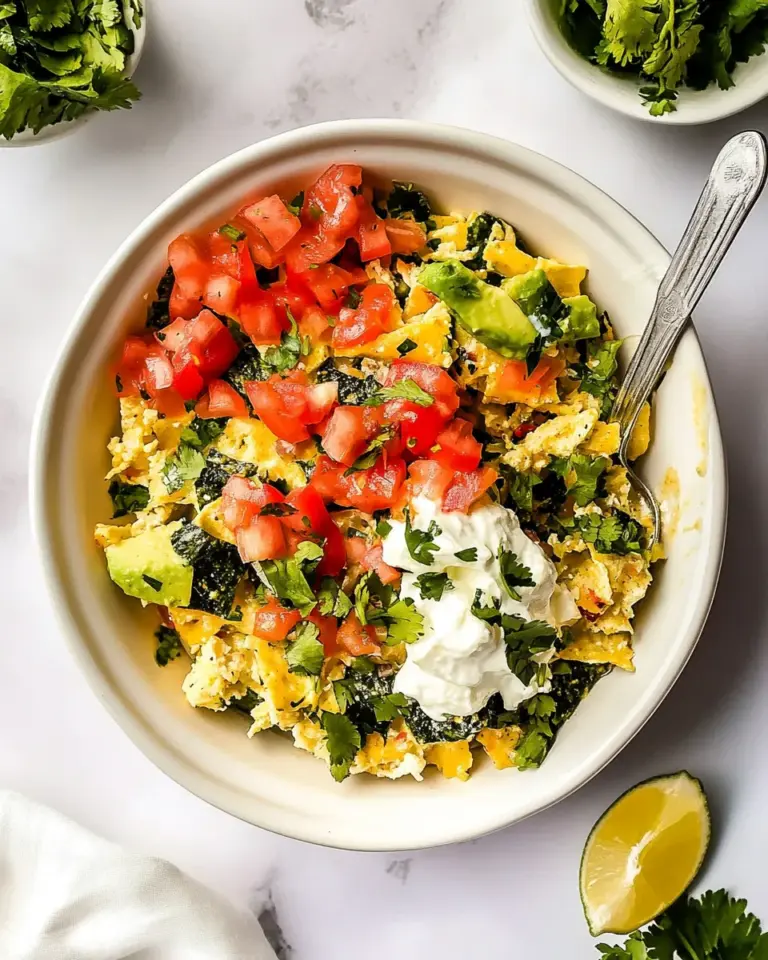
Keto Scrambled Eggs
I learned early on that a great scrambled egg is not a recipe you follow once and forget. It’s a small, daily ritual that rewards patience and a few straightforward habits. On a keto plan, eggs are a reliable staple — fast, filling, and forgiving when you know what to watch for. I write about food because these tiny wins in the morning matter: the texture, the temperature, the seasoning. They make the whole day feel put together.
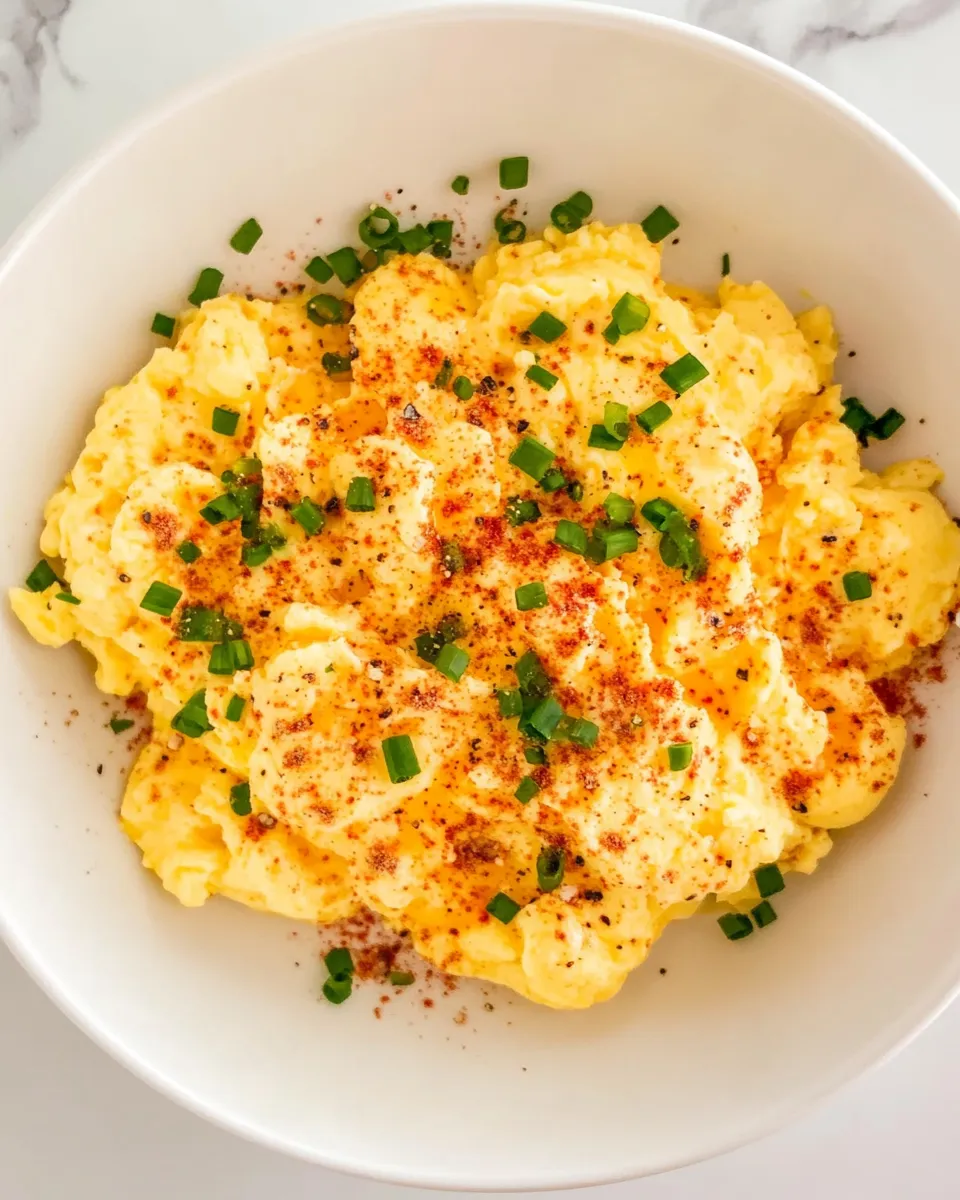
This version is intentionally simple: four eggs, a little mustard, butter, and salt. The mustard is a quiet helper — it keeps the curds tender and adds depth without pushing the dish away from classic scrambled eggs. The method focuses on low heat and gentle folding so you end with soft, creamy curds instead of dry, rubbery patches.
Below you’ll find everything you need: the exact ingredients, the step-by-step directions to follow to the letter, and practical notes from my time at the stove. If you want to personalize this later, I’ll offer gentle options and troubleshooting so you get the texture you’re aiming for every time.
Ingredients
- 4 eggs (large) — the base of the dish; choose fresh eggs for the best texture and flavor.
- 2 tablespoon butter — provides fat and silk; melt gently so it doesn’t brown.
- ½ teaspoon mustard — keeps the curds tender and adds subtle depth; Dijon or yellow both work.
- salt to taste — seasoning; add sparingly at first and adjust after cooking if needed.
Shopping List
When you’re headed out for groceries, keep this list short and focused. Each item plays a clear role in the finished eggs.
- Eggs — buy enough for a few days if you eat them frequently. Freshness matters for texture and flavor.
- Butter — a stick is handy; you’ll use it across many breakfasts and keto recipes.
- Mustard — a small jar lasts a long time; it’s used in tiny amounts but makes a noticeable difference.
- Salt — whatever you normally use; kosher or sea salt both work. Keep it within reach while cooking.
Keto Scrambled Eggs: Step-by-Step Guide
- Crack the 4 eggs into a bowl, add ½ teaspoon mustard and salt to taste, and whisk until the mixture is uniform and slightly frothy.
- Place a non-stick pan over medium heat and add 2 tablespoons butter. Melt the butter, watching carefully so it melts but does not brown.
- As soon as the butter is melted (and not browned), pour the whisked eggs into the pan and immediately reduce the heat to low.
- Let the eggs sit undisturbed for about 20 seconds so they begin to set on the bottom.
- Using a wooden spoon or spatula, gently stir by lifting and folding the eggs from the bottom of the pan; break up any large curds as you go.
- Continue lifting, folding, and gently stirring until the eggs are softly set and still slightly runny in places. Take your time and keep the heat low.
- Remove the pan from the heat just before the eggs look fully cooked—the residual heat will finish them.
- Give the eggs one last gentle stir, then serve immediately.
Why You’ll Keep Making It
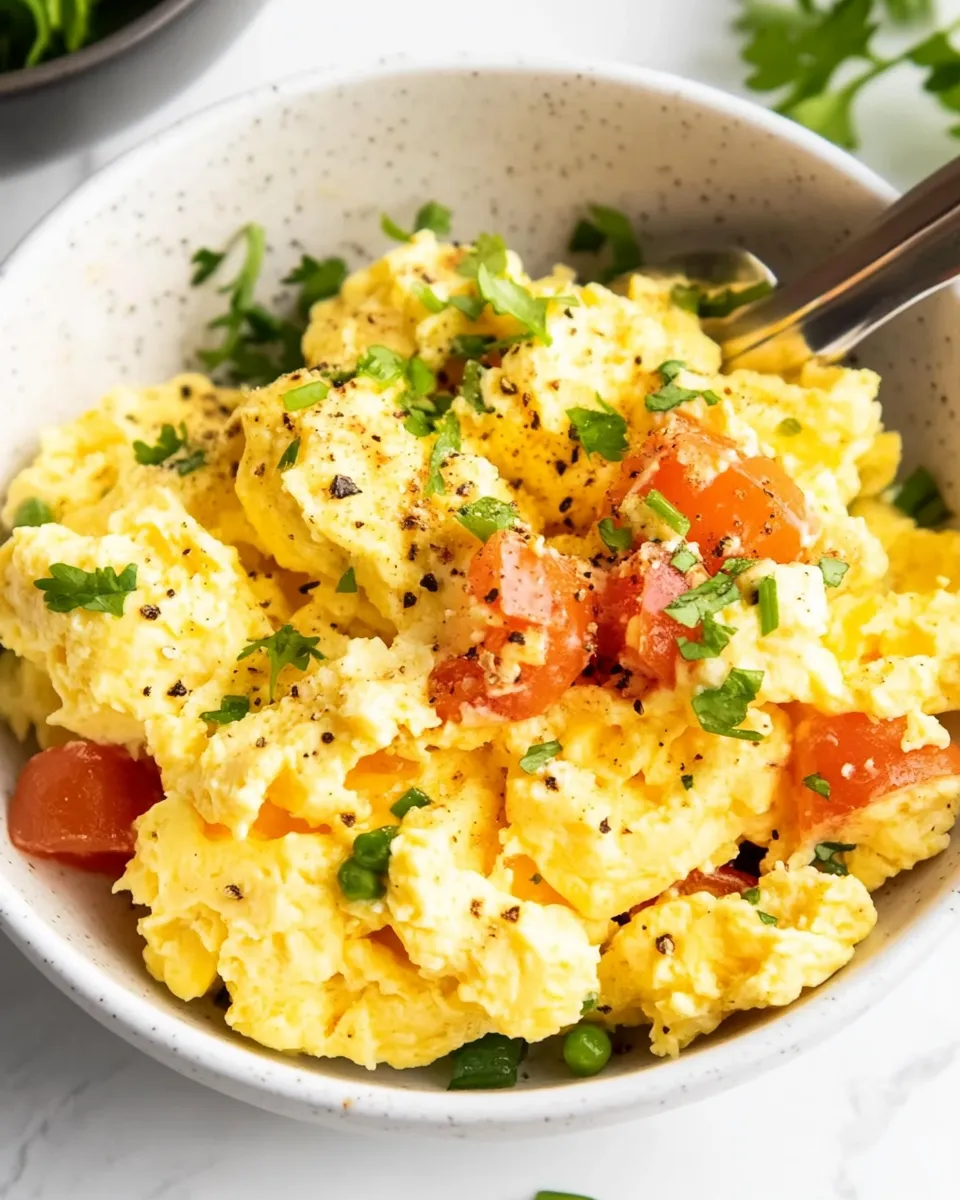
There are dishes you make because they’re fast, and dishes you make because they’re satisfying. These scrambled eggs are both. Once you get comfortable with the low heat technique and the timing, you’ll consistently end up with soft, creamy eggs. They’re a dependable source of protein and fat, which aligns perfectly with keto needs.
Beyond nutrition, the flavor and texture are comforting. The mustard disappears into the eggs but leaves an impression: a rounded, slightly savory note that helps the dish taste “finished” even with minimal extra seasoning. You can dress the eggs up or keep them plain; either way, they’re reliable and quick. That reliability becomes habit-forming in the best way — you’ll reach for this method on busy mornings and slow weekends alike.
Budget & Availability Swaps
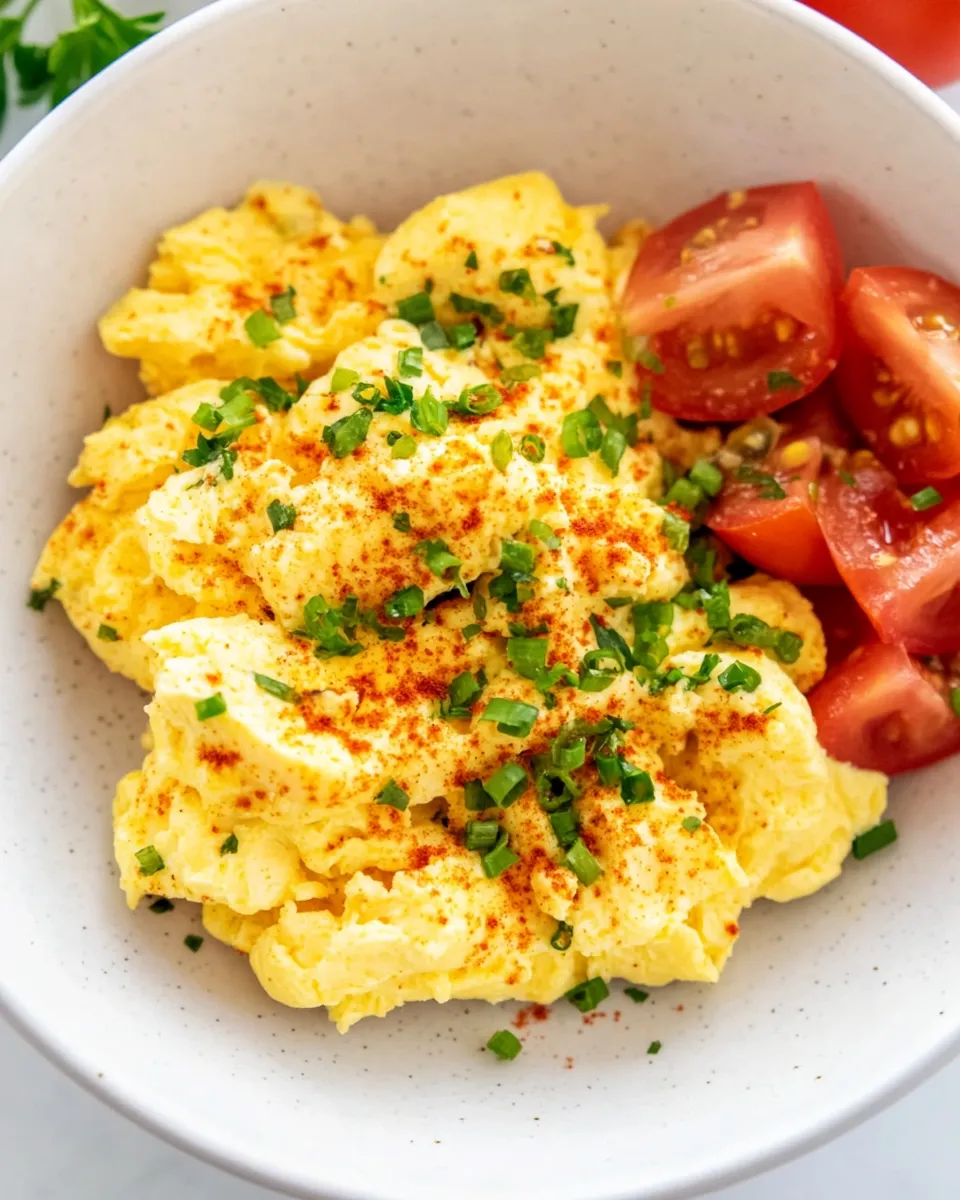
Keep things pragmatic. If an item on the list is hard to find or pricey, here are sensible approaches without overcomplicating the recipe:
- If eggs are on sale, buy a larger carton and rotate through them quickly — they’re versatile and last a while refrigerated.
- Butter can be expensive in small packages. Look for sales or slightly larger sizes to save money per serving.
- If you have a favorite mustard variety at home, use that. The recipe calls for a small amount, so the jar will last.
- Salt quality matters less than technique here. Use what you have and adjust at the end if the eggs need a lift.
Toolbox for This Recipe
Simple tools produce great results. You don’t need special equipment — just the right basics handled well.
- Non-stick pan, roughly 8–10 inches — big enough for four eggs without crowding.
- Whisk or fork — to beat the eggs until uniform and slightly frothy.
- Mixing bowl — for whisking the eggs before they hit the pan.
- Wooden spoon or spatula — for gentle lifting, folding, and stirring.
- Stove with controllable heat — the ability to go low and steady is crucial.
Troubles You Can Avoid
Most scrambled egg mistakes come from heat and haste. Here are practical fixes that will transform inconsistent mornings into reliably great breakfasts.
- Dry, rubbery eggs: you probably cooked too hot or too long. Lower the heat and take the pan off the stove just before the eggs look fully cooked; the residual heat finishes them.
- Over-browned butter: watch the pan. Melt the butter over medium, then reduce heat before pouring in the eggs. Browned butter changes the flavor and can make the texture uneven.
- Large curds and uneven texture: start folding gently and break larger curds early. Consistent, gentle motion creates small, creamy curds.
- Undersalted final dish: add salt carefully. Season a little before cooking and adjust after; the cooking process softens salt’s impact, so small additions at the end help balance.
How to Make It Lighter
If you want a lighter mouthfeel without changing the basic ingredients list, tweak technique rather than inventing new components. Use slightly less butter — for example, reduce by a third — and keep the eggs moving a bit more to aerate them. Lower total fat creates a lighter finish while the mustard still helps with tenderness.
Another approach is to reduce portion size: make fewer eggs per serving and pair the dish with a light, low-carb side like fresh greens. Small adjustments in fat or portion keep the dish within your desired calorie or texture goals without changing the core recipe.
Cook’s Commentary
I keep repairing the same habits in the kitchen: turn down the heat sooner, stop stirring too aggressively, and resist the urge to finish on high flame. The single best habit for these eggs is patience. Low heat and gentle motion let proteins set slowly and form soft curds with a silky finish.
The mustard is a little trick I use when I don’t want cream or cheese but still want creaminess. It stabilizes the mixture and gives an invisible backbone of flavor. Also: using a non-stick pan lowers stress. If your pan is temperamental, reduce heat a touch more and give yourself an extra 10–20 seconds of time before the first fold.
Keep It Fresh: Storage Guide
Scrambled eggs are best straight from the pan. If you must store leftovers, cool them quickly and refrigerate in an airtight container. Use within 2–3 days for safety and best texture. Reheat gently over very low heat, stirring often, or microwave in short bursts and stir in between to avoid overcooking.
Avoid freezing these scrambled eggs. Freezing changes texture and tends to introduce watery pockets when thawed, which make them less pleasant. If you expect leftovers frequently, make smaller batches to preserve quality.
Ask & Learn
Q: Can I add cheese or herbs?
A: Yes. Once your technique is solid, small additions can personalize the dish. Add grated cheese off the heat so it melts gently into the warm curds. Fresh herbs are best added at the end to keep their brightness.
Q: Is the mustard necessary?
A: No, but it helps. The eggs will still scramble without it. Think of the mustard as a texture and flavor helper that nudges the eggs toward creaminess and a rounded taste.
Q: How low is low heat?
A: Low means a barely steady simmer setting on your stove. You want the pan to feel warm, not hot. If you can place your hand briefly near the pan surface without it feeling overly hot, you’re in the right range. Err on the side of too low; you can always leave the pan on a touch longer.
Wrap-Up
This is a small, dependable recipe that works when you follow a few clear rules: whisk well, melt butter carefully, reduce heat immediately, fold gently, and pull the pan off just before the eggs look done. The result is soft, slightly creamy scrambled eggs that fit seamlessly into a keto day. Practice once or twice and you’ll find the rhythm — then it becomes one of those simple kitchen triumphs you rely on all the time.
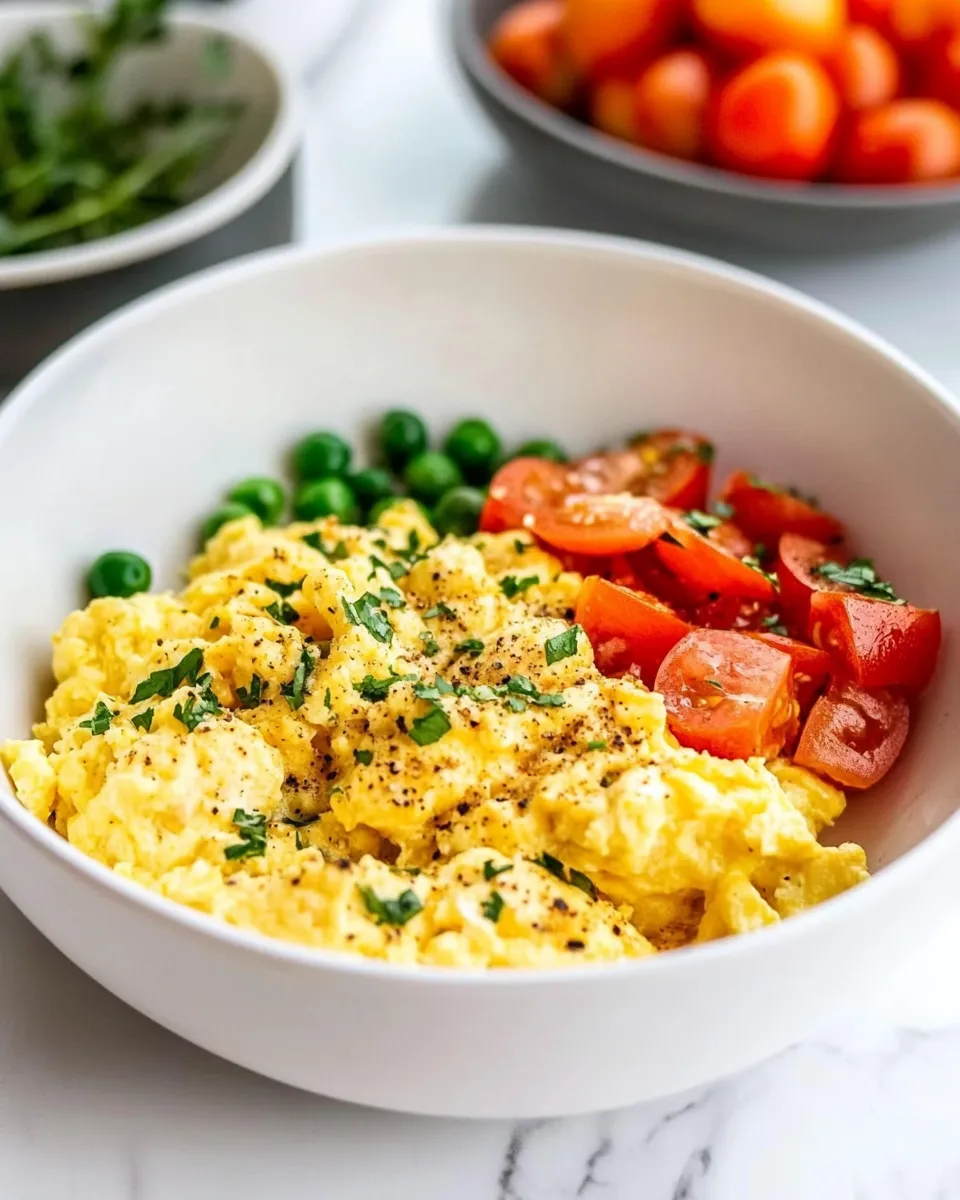
Keto Scrambled Eggs
Ingredients
Equipment
Method
- Crack the 4 eggs into a bowl, add ½ teaspoon mustard and salt to taste, and whisk until the mixture is uniform and slightly frothy.
- Place a non-stick pan over medium heat and add 2 tablespoons butter. Melt the butter, watching carefully so it melts but does not brown.
- As soon as the butter is melted (and not browned), pour the whisked eggs into the pan and immediately reduce the heat to low.
- Let the eggs sit undisturbed for about 20 seconds so they begin to set on the bottom.
- Using a wooden spoon or spatula, gently stir by lifting and folding the eggs from the bottom of the pan; break up any large curds as you go.
- Continue lifting, folding, and gently stirring until the eggs are softly set and still slightly runny in places. Take your time and keep the heat low.
- Remove the pan from the heat just before the eggs look fully cooked—the residual heat will finish them.
- Give the eggs one last gentle stir, then serve immediately.
Notes
100g sugar free smoked salmon
1 medium avocado (140g flesh only)
1 teaspoon chopped fresh chives
3 tablespoon crumbled feta cheese
4 tablespoon grated cheese, add in with the egg so it melts
1.5 tablespoon cream cheese, whisk into the eggs