Lemon Butter Baked Halibut
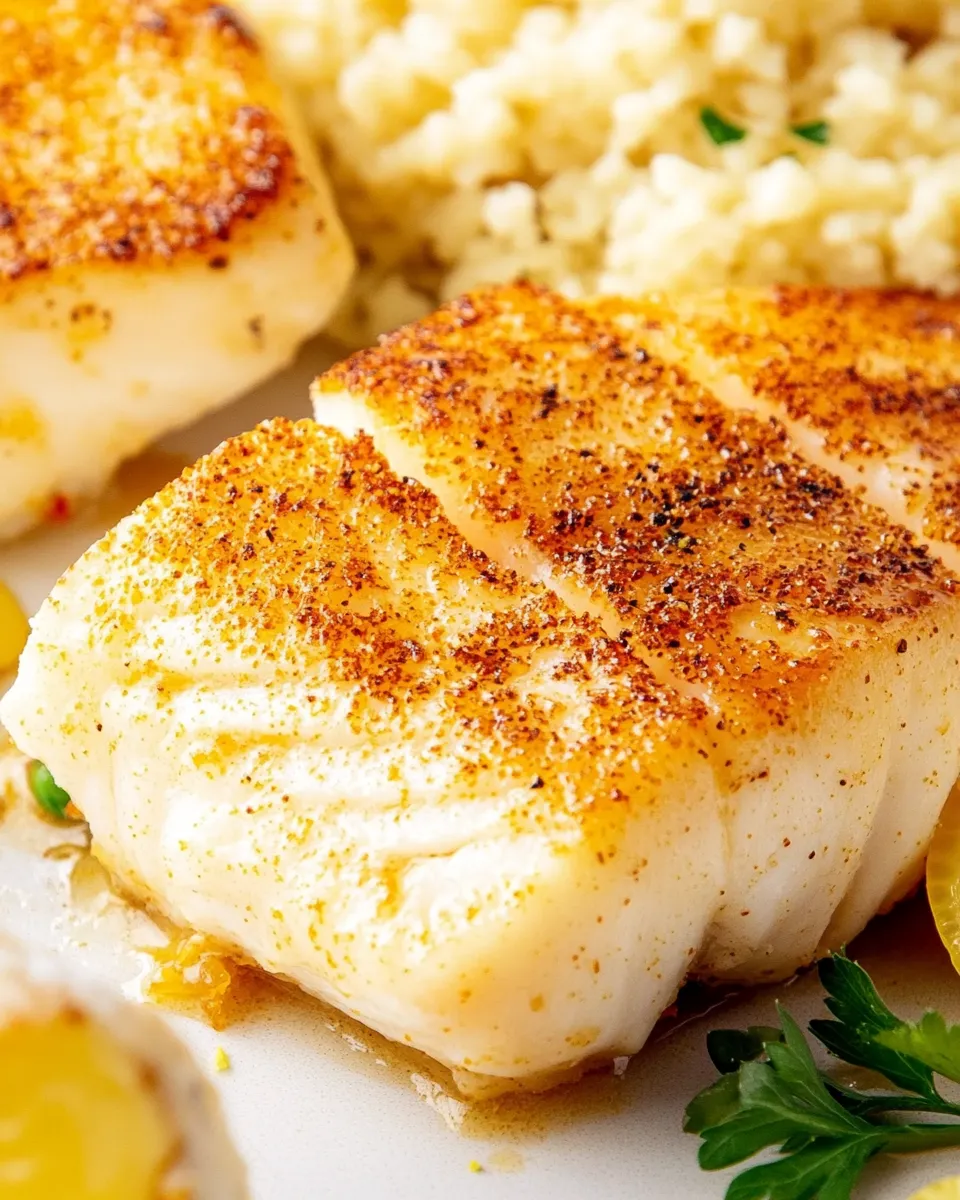
I make this Lemon Butter Baked Halibut on busy weeknights and when guests come over. It feels elegant but the steps are straightforward. Bright lemon, melted butter and garlic turn simple halibut fillets into a flaky, flavorful main in under 30 minutes.
This recipe is forgiving. The timing is short, so the fish stays moist and delicate when you follow the guide. I’ll walk you through the exact method I use, the tools that matter, and common mistakes to avoid so you get it right the first time.
Keep the pantry list short and the technique focused. Little tips in each section will help you adapt sides, store leftovers, and reheat without drying the fish. Let’s get into it.
Ingredient Breakdown
Ingredients
- 4 halibut fillets (6 ounces each) — main protein; even-thickness fillets cook more uniformly.
- 1/2 teaspoon salt — seasons the fish; evenly distributed for balanced flavor.
- 1/4 teaspoon pepper — adds a gentle bite; freshly ground works best.
- 1/2 teaspoon dried dill — herb note that pairs with lemon; dried stays stable under heat.
- 1 tablespoon lemon juice — brightens the butter and lifts the fish.
- 2 tablespoons butter — provides richness and helps baste the fillets while baking.
- 2 cloves garlic, minced — aromatic backbone; mince fine so it disperses evenly in the butter.
- 1/2 large lemon, sliced — forms a citrus bed for the fish and infuses the pan juices.
Mastering Lemon Butter Baked Halibut: How-To
- Preheat the oven to 200°C / 400°F.
- Pat the 4 halibut fillets (6 ounces each) dry with paper towels. Season both sides of each fillet with 1/2 teaspoon salt, 1/4 teaspoon pepper, and 1/2 teaspoon dried dill.
- Melt 2 tablespoons butter (in a small microwave-safe bowl for 15–30 seconds or in a small saucepan over low heat).
- In a small bowl, whisk the melted butter with 1 tablespoon lemon juice and the 2 cloves minced garlic until combined.
- Arrange the slices from 1/2 large lemon in the bottom of a small baking dish in a single layer. Place the seasoned halibut fillets on top of the lemon slices in a single layer.
- Drizzle the lemon-butter mixture evenly over the fillets.
- Bake uncovered for 12–15 minutes, until the fish is opaque throughout and flakes easily with a fork (or reaches 145°F / 63°C).
- Remove from the oven, spoon the pan juices over the fillets, let rest 1–2 minutes, and serve.
Why You’ll Love This Recipe
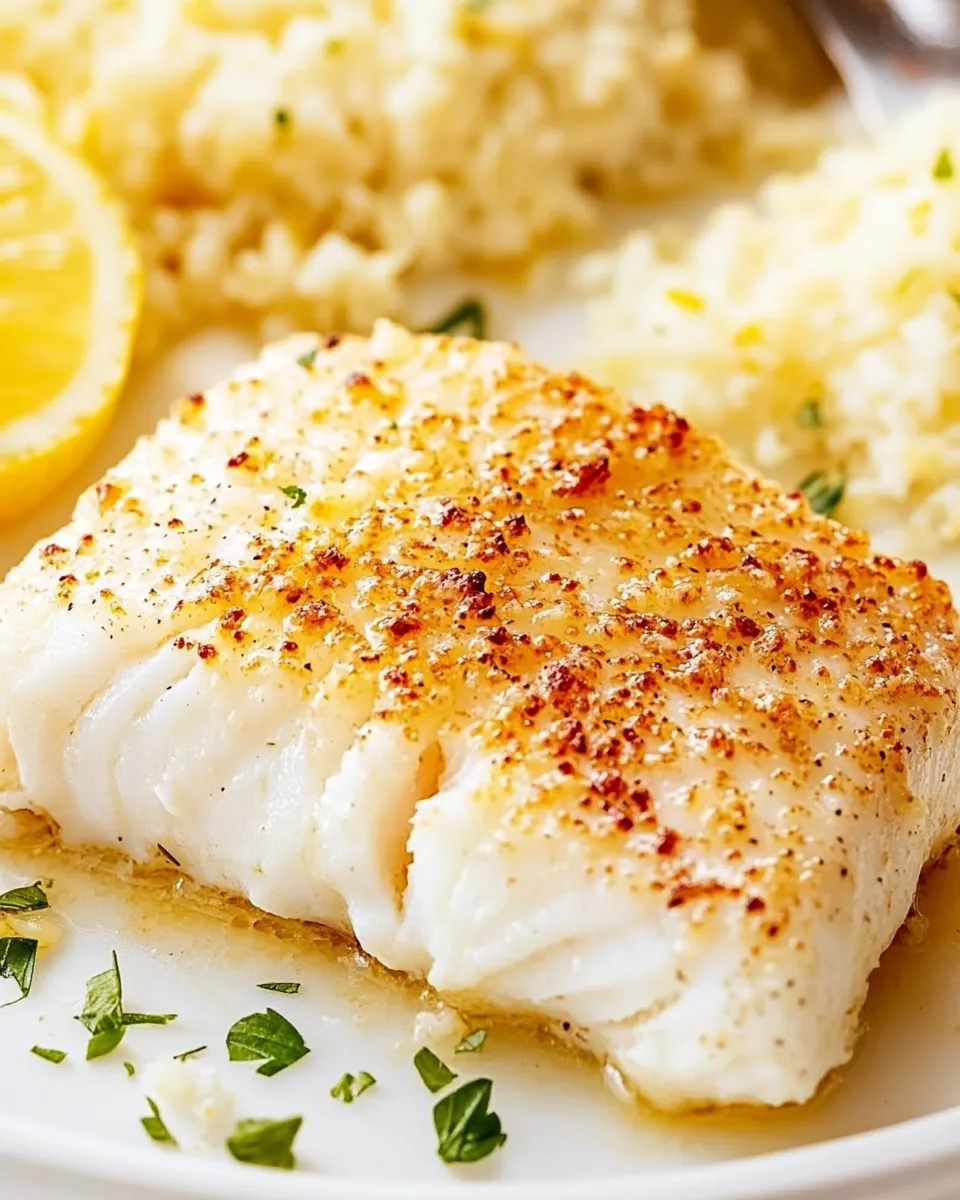
It’s fast. From oven to table in about 20–25 minutes of active time. That makes it perfect for weeknights when you want something elevated without fuss.
The flavors are simple and balanced: lemon provides brightness, butter adds richness, and garlic gives a savory depth. The lemon slices under the fillets prevent sticking and infuse gentle citrus into the fish as it cooks.
Because the method uses short, direct heat, it preserves the halibut’s natural texture. You get flaky, tender fillets instead of dry, overcooked slabs.
Quick Replacement Ideas
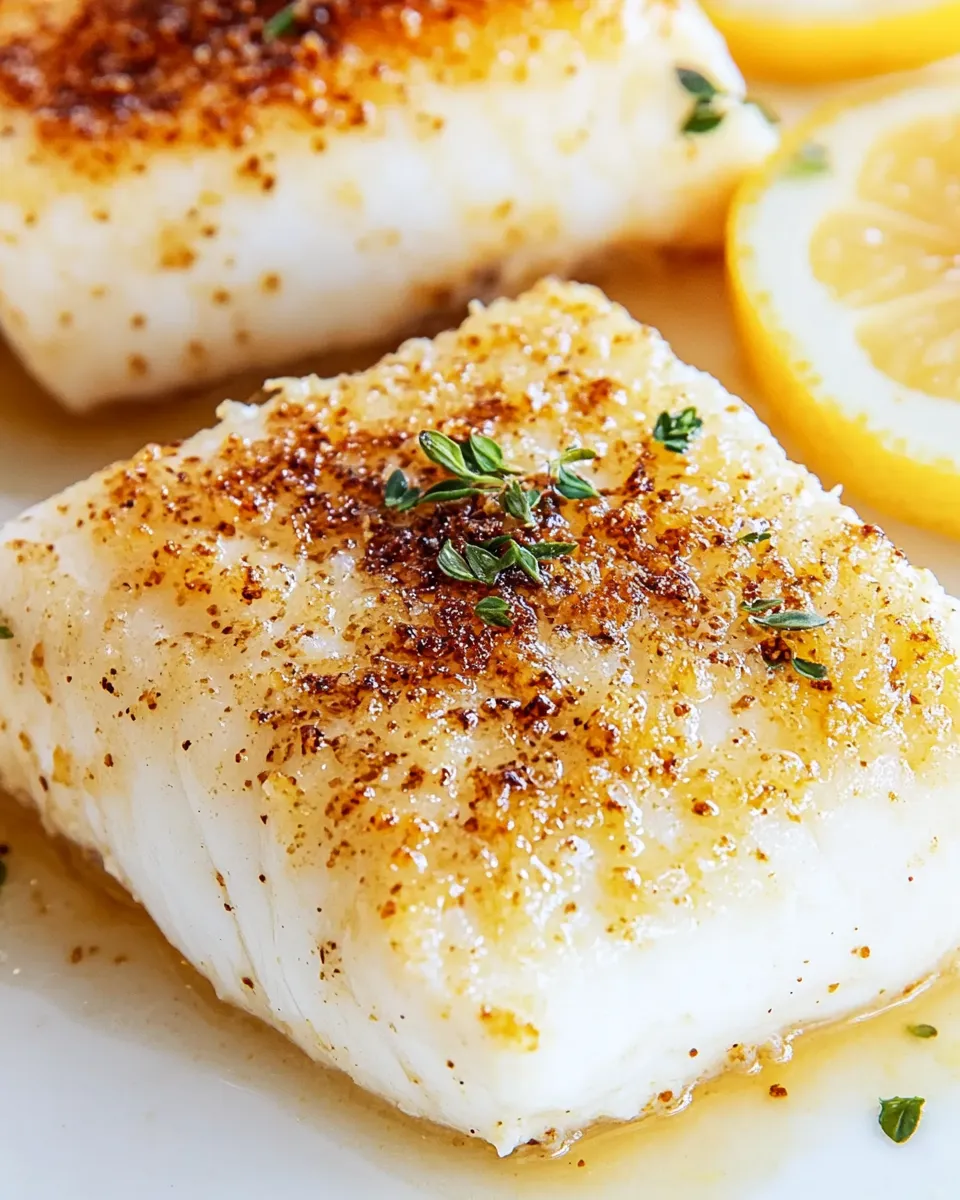
- Butter — you can use olive oil if you prefer a dairy-free option; drizzle rather than pour to mimic the butter’s coating.
- Lemon juice — any fresh citrus like lime or orange will change the profile slightly but still brighten the dish.
- Dried dill — if you don’t have dill, use a light sprinkle of dried parsley or omit the herb altogether; the lemon and garlic still carry the flavor.
- Garlic — garlic powder can work in a pinch, but it won’t provide the same fresh aroma.
Tools & Equipment Needed
- Oven capable of 200°C / 400°F — stable temperature matters for consistent doneness.
- Small baking dish — large enough to hold four fillets in a single layer so they cook evenly.
- Small bowl and a whisk or fork — to mix melted butter, lemon juice and garlic.
- Paper towels — to pat the fillets dry; moisture on the surface prevents good browning.
- Instant-read thermometer (optional but helpful) — to check for 145°F / 63°C if you want precise doneness.
Common Errors (and Fixes)
Overcooking: Halibut cooks quickly. Fix: start checking at 12 minutes and use an instant-read thermometer or flake test. The fish should be opaque and separate easily into flakes.
Fish sticks to the dish: If you skip the lemon slices or a light oiling, the fillets can stick. Fix: arrange lemon slices as instructed or lightly oil the baking dish before placing the fish.
Burnt garlic in the butter: If you melt butter too long on high heat or pre-brown the garlic, it can become bitter. Fix: melt butter gently and use minced raw garlic in the sauce so it softens in the oven rather than frying beforehand.
Uneven cooking: Thick and thin parts cook at different rates. Fix: choose fillets of even thickness or fold thinner ends under to even them out before seasoning.
Seasonal Serving Ideas
Spring: Pair the fillets with steamed asparagus, new potatoes and a green herb salad. A light squeeze of extra lemon on the plate brightens everything.
Summer: Serve with a chilled cucumber-dill salad, grilled corn and a side of quinoa tossed with chopped tomato and basil.
Fall: Roast root vegetables like carrots and parsnips alongside the fish; the caramelized vegetables complement the buttery sauce.
Winter: Serve with creamy mashed potatoes or a warm lentil salad and wilted spinach to add body and comfort.
Behind the Recipe
This method comes from wanting a simple fish dinner that still feels special. Baking fish on citrus slices is an old technique that keeps it from drying and adds subtle flavor. The lemon bed acts like a natural rack and a gentle flavor infuser.
The butter-lemon garlic combo is classic for a reason: it adds fat and acidity in a way that highlights delicate fish without overpowering it. I favor minimal seasoning so the halibut’s natural sweetness shines through.
Refrigerate, Freeze, Reheat
Refrigerate: Cool leftovers to room temperature within two hours, then store in an airtight container for up to 2 days. Keep the pan juices with the fillets to preserve moisture.
Freeze: You can freeze baked halibut, but texture will change. Wrap tightly and freeze for up to one month. Thaw overnight in the refrigerator before reheating.
Reheat: Reheat gently in a low 275–300°F (135–150°C) oven for 8–12 minutes, or until warmed through. Spoon pan juices or a touch of melted butter over the fillet before reheating to keep it moist. Avoid microwaving if you can; it tends to dry the fish out.
Reader Q&A
Q: Can I use fresh dill instead of dried?
A: Yes. If you use fresh dill, add it after baking or sprinkle a small amount on the fillets before baking. Fresh herbs are more delicate; too much heat can mute their flavor.
Q: What if my fillets are thicker than average?
A: Increase the bake time slightly and check doneness with a fork or thermometer. Start checking every 2 minutes after 15 minutes to avoid overcooking.
Q: Can I double the recipe?
A: Yes. Use a larger baking dish and keep the fillets in a single layer. If the dish is crowded, they’ll steam instead of bake; give the oven plenty of space for even heat circulation.
Time to Try It
Set the oven to 200°C / 400°F, gather your pan and a bowl, and keep the recipe steps handy. The technique is short and reliable: dry the fish, season, make the lemon-butter sauce, place the fillets on lemon slices, and bake. Spoon the juices back over the fillets and serve immediately.
Make it tonight. You’ll have a restaurant-quality fish dinner with a few minutes of prep and predictable results. When you try it, tell me how you adapted the sides or which quick swap worked best for your pantry.
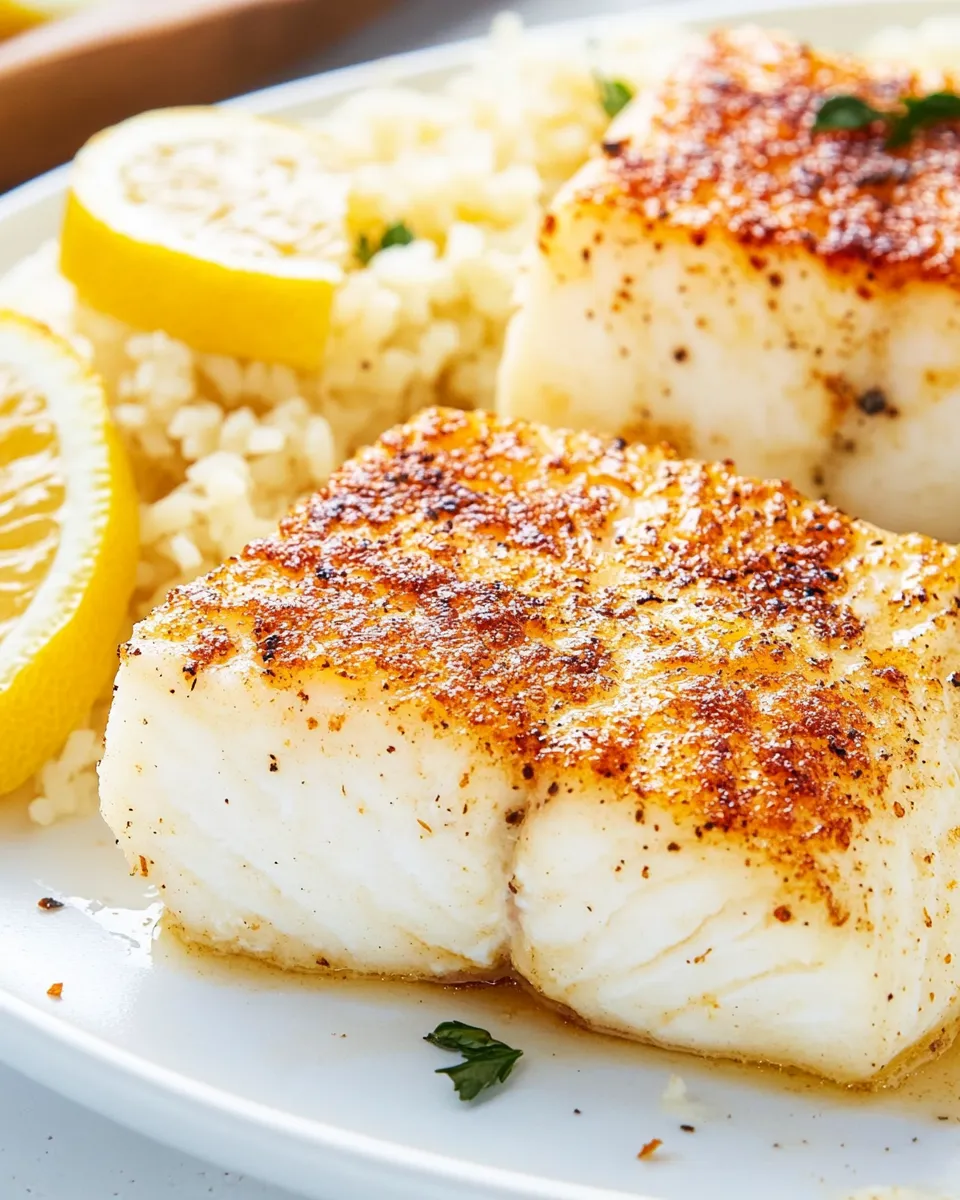
Lemon Butter Baked Halibut
Ingredients
Equipment
Method
- Preheat the oven to 200°C / 400°F.
- Pat the 4 halibut fillets (6 ounces each) dry with paper towels. Season both sides of each fillet with 1/2 teaspoon salt, 1/4 teaspoon pepper, and 1/2 teaspoon dried dill.
- Melt 2 tablespoons butter (in a small microwave-safe bowl for 15–30 seconds or in a small saucepan over low heat).
- In a small bowl, whisk the melted butter with 1 tablespoon lemon juice and the 2 cloves minced garlic until combined.
- Arrange the slices from 1/2 large lemon in the bottom of a small baking dish in a single layer. Place the seasoned halibut fillets on top of the lemon slices in a single layer.
- Drizzle the lemon-butter mixture evenly over the fillets.
- Bake uncovered for 12–15 minutes, until the fish is opaque throughout and flakes easily with a fork (or reaches 145°F / 63°C).
- Remove from the oven, spoon the pan juices over the fillets, let rest 1–2 minutes, and serve.
Notes
TO STORE:
Any leftovers can be placed in an airtight container and refrigerated for up to 3 days.
TO REHEAT:
Place in the oven at 200 C/400 F and gently heat through for a few minutes.
Air fryer method
: You’ll follow a similar process to my
air fryer cod
. Once the fish is seasoned, add the fillets to the air fryer basket and air fry at 200C/400F for 8 minutes, flipping halfway through.
Stovetop method:
Grease a large skillet or frying pan and place the seasoned fish fillets on top. Cook over medium-high heat for 3-4 minutes per side.