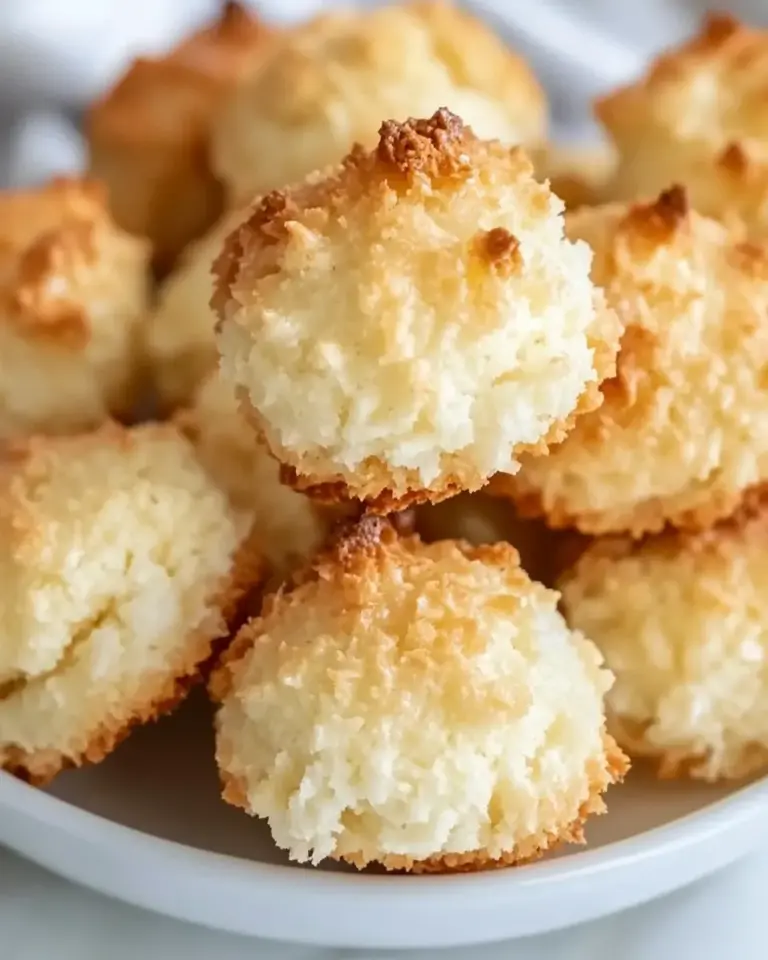
Lemon Gumdrop Cookies
Bright, tender cookies studded with sticky little pockets of gumdrop — this is one of those recipes that surprises guests and keeps the kitchen cheerful. The lemon comes through in both the dough and a quick glaze, so every bite is a balance of citrusy brightness and sweet, chewy candy. These cookies are approachable: nothing fussy, just one bowl, a mixer, and a cookie sheet.
I rely on this recipe when I want something slightly different for a cookie plate without spending all afternoon. The dough is soft, scoop-and-press, and the gumdrops add playful texture. The lemon glaze brushed on while the cookies are warm gives them an extra hit of fresh flavor that makes them feel homemade in a very particular way.
Below you’ll find a clear shopping list, the exact ingredient notes, step-by-step instructions from the original recipe, and practical tips to make your batch consistently successful. If you like a pop of color and a bright, not-too-sweet cookie, these will be a new favorite.
What to Buy

Focus on fresh lemons and good butter — they make the flavor vivid. Grab yellow gumdrops (they’re intentionally used here for color and flavor) and make sure the sugar you use for the glaze is fine enough to start dissolving when mixed with warm lemon juice. If you don’t have a zester, pick up one: the finely grated lemon zest in this recipe is small but essential.
Ingredients
- 1/2 cup (1 stick) butter, at room temperature — for creaming; room-temp butter traps air for a light dough.
- 3/4 cup granulated white sugar — sweetens and helps with structure in the dough.
- 4 teaspoons finely grated lemon zest — concentrates lemon flavor without adding extra liquid.
- 1/2 teaspoon baking powder — provides gentle lift.
- 1/2 teaspoon baking soda — reacts with the lemon juice and sour cream to tenderize.
- 1/8 teaspoon salt — balances sweetness and enhances flavors.
- 1 large egg — binds the dough and adds richness.
- 1/2 cup sour cream — adds moisture and a tender crumb.
- 1/3 cup freshly squeezed lemon juice — brightens the dough and reacts with leaveners.
- 2 cups all purpose flour — the structure for the cookies; measure by spooning into the cup and leveling.
- 14 yellow gumdrops, each cut into thirds (or more, as desired) — stud the cookies; cut into thirds so each cookie gets a piece.
- 1/4 cup granulated white sugar — for the lemon glaze; dissolves when mixed with warm lemon juice.
- 2 tablespoons freshly squeezed lemon juice, warmed a little bit — mixed with sugar to make a simple glaze to brush on warm cookies.
How to Prepare (Lemon Gumdrop Cookies)
- Preheat the oven to 375°F and position a rack in the center of the oven.
- Cut the 14 yellow gumdrops into thirds and set the pieces aside.
- In a large bowl, beat 1/2 cup (1 stick) butter at room temperature on medium speed with an electric mixer for 30 seconds.
- Add 3/4 cup granulated white sugar, 4 teaspoons finely grated lemon zest, 1/2 teaspoon baking powder, 1/2 teaspoon baking soda, and 1/8 teaspoon salt. Beat on medium speed until combined, scraping down the sides of the bowl occasionally.
- Add 1 large egg, 1/2 cup sour cream, and 1/3 cup freshly squeezed lemon juice. Beat until the mixture is uniform.
- Add 2 cups all-purpose flour to the bowl. Beat with the mixer as much of the flour as you can, then finish stirring in any remaining flour with a spatula until just combined. Do not overmix.
- Drop the dough by slightly rounded tablespoons onto an ungreased cookie sheet, spacing the drops about 3 inches apart.
- Gently press one gumdrop piece (one of the thirds) into the center of each cookie. Use remaining gumdrop pieces as desired.
- Bake the cookies for 10 to 11 minutes, or until the tops are firm and the edges are set.
- While the cookies bake, make the lemon glaze: warm 2 tablespoons freshly squeezed lemon juice a little (warm but not hot) and stir it together with 1/4 cup granulated white sugar in a small bowl until the sugar begins to dissolve.
- Transfer the baked cookies to a wire rack. Brush the tops of the warm cookies with the lemon glaze.
- Let the cookies cool on the wire rack before serving.
Why This (Lemon Gumdrop Cookies) Stands Out

There are a few small design choices in this recipe that change everything. First, the combination of lemon zest, lemon juice in the dough, and a lemon glaze ensures the lemon flavor is layered — not one-note. The sour cream adds moisture and a tender crumb that keeps these cookies from drying out, even if you bake a minute or two extra.
Then there are the gumdrops. They’re not just decoration. Cut into thirds and pressed into the center, they soften in the oven and give a chewy, candy-like pocket in each cookie. It’s playful and nostalgic without being overly sweet because the dough itself is restrained in sugar.
Finally, the quick glaze brushed on while the cookies are warm seals in moisture and amplifies the citrus profile. That small finishing touch is what elevates them from ordinary drop cookies to something guests remember.
Easy Ingredient Swaps

If you need small adjustments, consider these practical options:
- Swap the sour cream with an equal amount of thick plain yogurt if that’s what you have on hand; it will give similar moisture and tang.
- If fresh lemons are unavailable, use bottled lemon juice for the liquid measurements, but increase finely grated zest only if you can get some fresh rind — zest delivers concentrated aroma.
- For a slightly softer cookie, reduce the baking time by a minute; for crisper edges, add 1–2 minutes to the bake time and watch closely.
Prep & Cook Tools
- Electric mixer — for creaming the butter and mixing the dough smoothly.
- Large mixing bowl — to combine ingredients comfortably.
- Measuring cups and spoons — accuracy matters, especially with flour and leaveners.
- Fine grater or microplane — for 4 teaspoons of lemon zest.
- Cutting board and knife — to cut 14 yellow gumdrops into thirds.
- Spatula — to finish mixing the flour without overworking the dough.
- Cookie sheet(s) — ungreased is fine; use parchment if you prefer easier cleanup.
- Wire rack — for cooling and glazing.
- Small bowl and pastry brush (or spoon) — for making and applying the lemon glaze.
Troubleshooting Tips
Common issues and how to fix them:
- Cookie spread too much: Make sure your butter was properly measured and not melted. Chill the dough 10–15 minutes before baking if your kitchen is warm.
- Cookies are dry or crumbly: Don’t overbake — pull them when the tops are firm and edges set but centers still look slightly soft. Also ensure you measured the flour correctly (no packed cups).
- Gumdrops sink or melt excessively: Cut them into thirds as directed and press gently into the dough rather than pushing them down hard. If yours are very soft, reduce baking time by a minute or two.
- Glaze is gritty: Warm the lemon juice only slightly so the sugar begins to dissolve; if needed, stir a little longer or use slightly warmer juice (not hot).
Dietary Customizations
Here are straightforward routes to adapt the recipe while preserving its character.
- Lower sugar preference: Reduce the 3/4 cup sugar in the dough by up to 2 tablespoons; expect a slightly less tender texture and adjust glaze sweetness to taste.
- Dairy adjustment: Substitute sour cream with a thick plain yogurt in equal measure. For a full dairy-free version, consider a plant-based yogurt and a vegan butter alternative, but results will vary in texture.
- Egg considerations: If you need an egg-free cookie, you can try a commercial egg replacer following package instructions; the texture will be slightly different because the egg contributes structure.
Method to the Madness
Why order matters
Creaming butter briefly aerates the fat, which is the foundation for a lighter cookie. Adding sugar, zest, and leaveners together next lets the dry leaveners distribute evenly before the wet ingredients join. Mixing in the egg, sour cream, and lemon juice after creates a smooth emulsion; add flour last to avoid developing gluten.
Handling the dough
Beat as much flour as the mixer will handle, then finish by hand. Overmixing at this stage encourages gluten, which can yield tougher cookies. The dough should be soft enough to drop by rounded tablespoons but firm enough to hold its shape once on the sheet.
Gumdrops and glaze timing
Press gumdrop pieces gently into the tops so they stay visible and don’t sink completely. The lemon glaze goes on while cookies are warm so it absorbs slightly and gives a glossy, slightly sticky finish that keeps them tasting fresh.
Keep-It-Fresh Plan
Store cooled cookies in an airtight container at room temperature for up to 3 days. Layer with parchment to prevent sticking. For longer storage, freeze baked, cooled cookies in a single layer on a baking sheet, then transfer to a freezer bag for up to 2 months; thaw at room temperature and brush with the glaze or reheat briefly if you want the gumdrops softer.
Questions People Ask
- Can I use different colored gumdrops? Yes — the recipe uses yellow gumdrops for lemon harmony, but other colors work if you want mixed looks. Expect slight flavor changes depending on gumdrop flavor.
- Do I need a mixer? A mixer helps with texture, but you can cream the butter and sugar by hand with a sturdy wooden spoon if necessary.
- Why both baking powder and baking soda? They work together: baking soda reacts with acidic lemon juice and sour cream for lift, baking powder adds extra rise and lightness.
Make It Tonight
If you want to make these Lemon Gumdrop Cookies tonight, here’s a quick timeline: 10–15 minutes prep (including cutting gumdrops and zesting lemons), 10–11 minutes bake time per sheet, and 10–15 minutes cooling and glazing. Total active time under 30 minutes, total time about 45 minutes from start to serving. Preheat your oven first, gather your ingredients, and you’ll have a fresh batch to enjoy before dessert time.
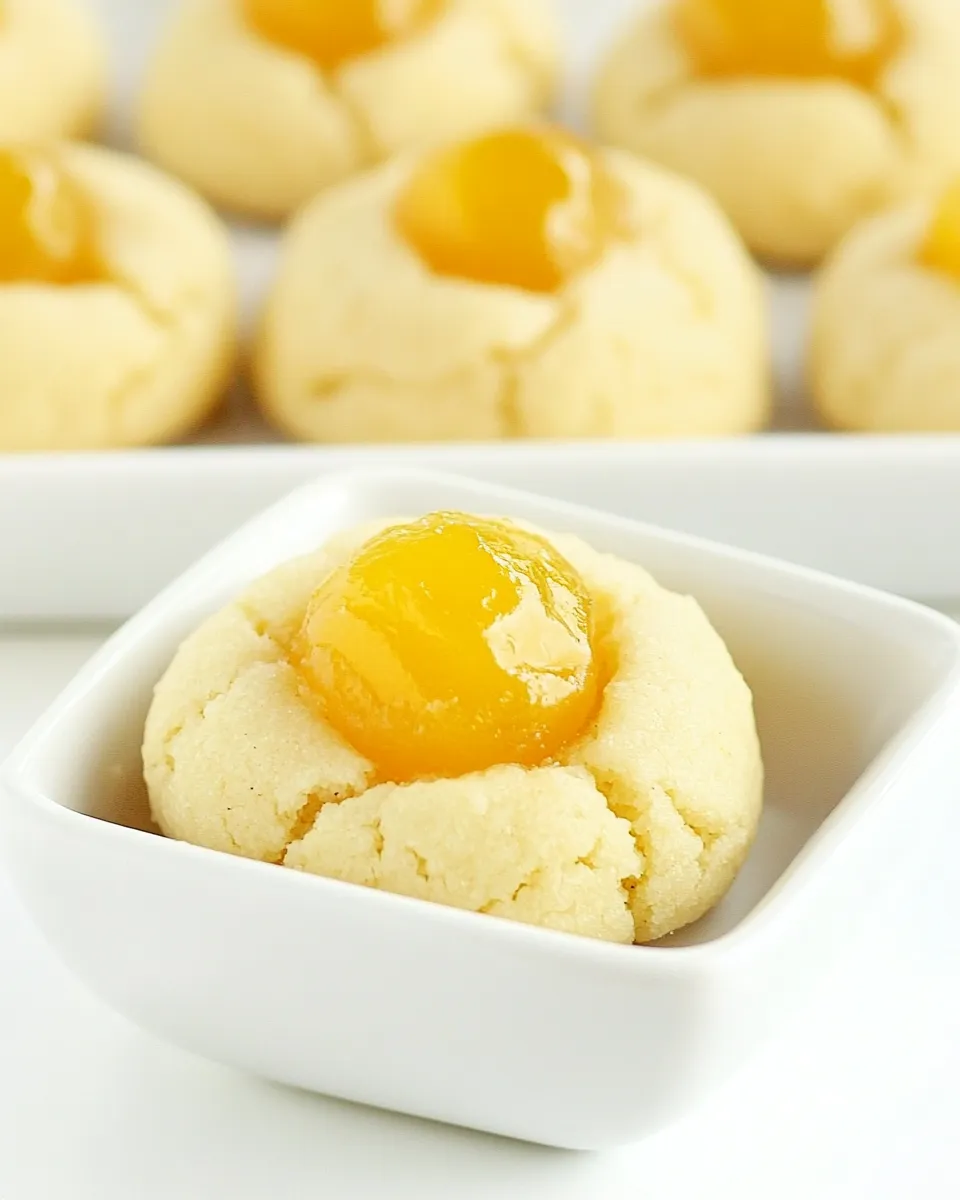
Lemon Gumdrop Cookies
Ingredients
Equipment
Method
- Preheat the oven to 375°F and position a rack in the center of the oven.
- Cut the 14 yellow gumdrops into thirds and set the pieces aside.
- In a large bowl, beat 1/2 cup (1 stick) butter at room temperature on medium speed with an electric mixer for 30 seconds.
- Add 3/4 cup granulated white sugar, 4 teaspoons finely grated lemon zest, 1/2 teaspoon baking powder, 1/2 teaspoon baking soda, and 1/8 teaspoon salt. Beat on medium speed until combined, scraping down the sides of the bowl occasionally.
- Add 1 large egg, 1/2 cup sour cream, and 1/3 cup freshly squeezed lemon juice. Beat until the mixture is uniform.
- Add 2 cups all-purpose flour to the bowl. Beat with the mixer as much of the flour as you can, then finish stirring in any remaining flour with a spatula until just combined. Do not overmix.
- Drop the dough by slightly rounded tablespoons onto an ungreased cookie sheet, spacing the drops about 3 inches apart.
- Gently press one gumdrop piece (one of the thirds) into the center of each cookie. Use remaining gumdrop pieces as desired.
- Bake the cookies for 10 to 11 minutes, or until the tops are firm and the edges are set.
- While the cookies bake, make the lemon glaze: warm 2 tablespoons freshly squeezed lemon juice a little (warm but not hot) and stir it together with 1/4 cup granulated white sugar in a small bowl until the sugar begins to dissolve.
- Transfer the baked cookies to a wire rack. Brush the tops of the warm cookies with the lemon glaze.
- Let the cookies cool on the wire rack before serving.
Notes
You'll need 3 to 4 large lemons for this recipe.