Monkey Bread
Soft, sticky, pull-apart monkey bread is the kind of dessert that makes a crowd gather around the table. It’s simple dough, little butter-dipped balls, and cinnamon-sugar — baked together in a bundt until the top is caramelized and the interior is pillowy. You can serve it for brunch, dessert, or as a fun communal treat for a party.
I keep this recipe in heavy rotation because it hits three goals at once: it’s forgiving, it looks impressive, and it’s a real crowd-pleaser. The steps are straightforward, and most of the work is hands-off while the dough proofs. Read through the notes and gear list before you start so the actual bake goes smoothly.
Ingredient Notes
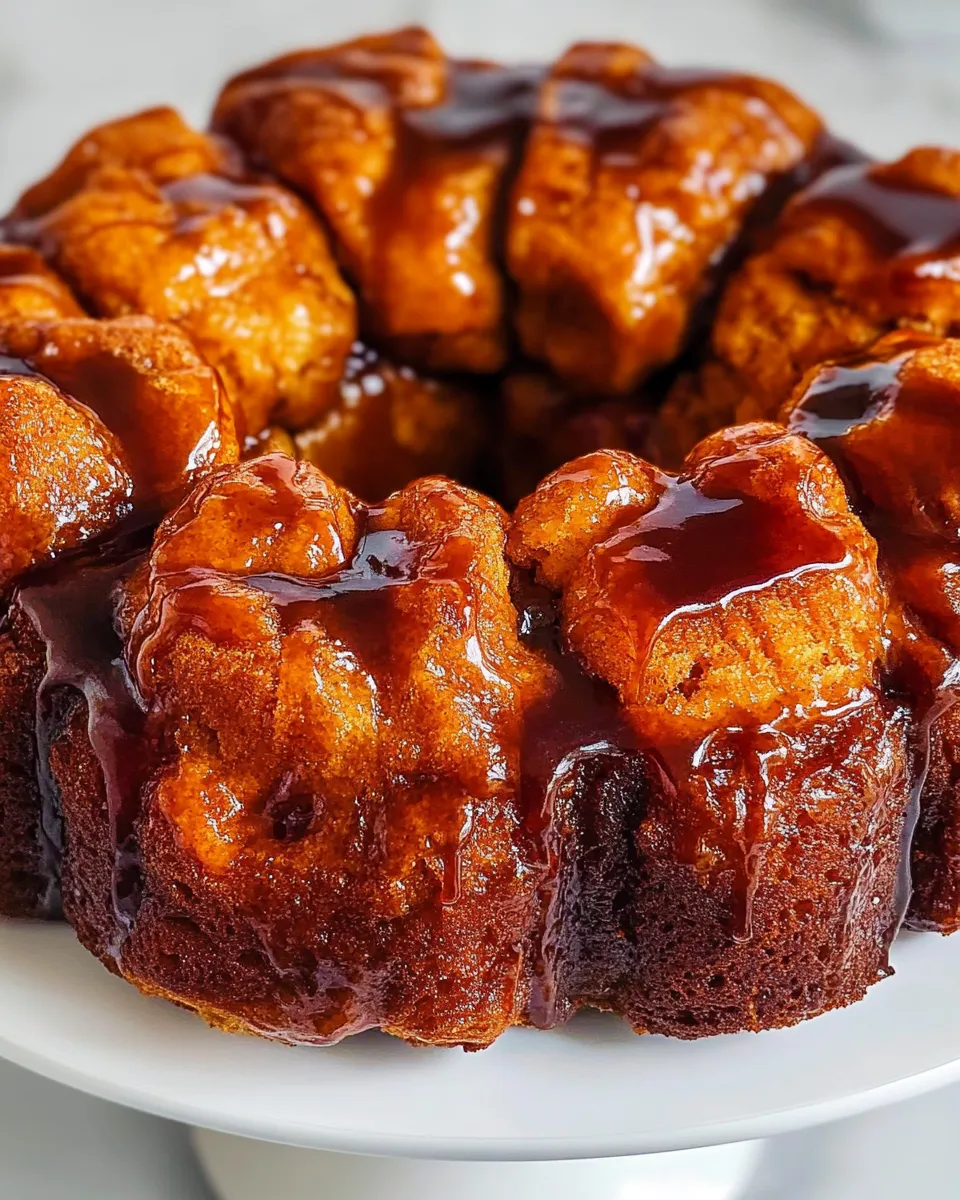
There are two different amounts of melted butter used here: a small amount folded into the dough and a larger portion that’s used for dipping and greasing. That bigger portion is what gives the outside its shine and helps the cinnamon-sugar stick. Use the exact measurements provided for consistent results.
The recipe calls for active yeast and warm milk and water. “Warm” means comfortable to the touch — not hot. If the liquid is too hot you’ll kill the yeast; too cool and it won’t activate. I explain temperatures and tolerant ranges below in the insider tips.
Ingredients
- ½ cup (120 ml) warm water — activates the yeast; should be warm, not hot.
- 2 ½ teaspoon active yeast — leavening agent; proof first to ensure activity.
- 3 ½ cups (420 g) all-purpose flour — total flour used; start with 1 cup in the mixer, add the rest gradually.
- 1 teaspoon salt — balances sweetness and strengthens the dough.
- ½ teaspoon pure vanilla extract — adds depth of flavor to the dough.
- 3 tablespoons (35 g) granulated sugar — feeds the yeast and sweetens the dough.
- 1 tablespoon (12 g) light brown sugar — adds a touch of molasses flavor to the dough.
- 1 large egg at room temperature — enriches the dough and improves structure.
- 2 tablespoons (28 g) unsalted butter, melted — folded into the dough for tenderness.
- ¾ cup (180 ml) whole milk, warm — hydrates and enriches; use whole milk for best texture.
- 1 ½ cups (180 g) brown sugar — for the cinnamon-sugar coating and caramelization.
- 1 ½ teaspoons ground cinnamon — mixed with the brown sugar for flavor.
- ½ cup (113 g) unsalted butter, melted — reserved for greasing and for dipping the dough balls.
Cooking Monkey Bread: The Process
- Melt the unsalted butter amounts called for: melt 2 tablespoons (28 g) and separately melt 1/2 cup (113 g). Set the 2 tablespoons aside for the dough and reserve the 1/2 cup for greasing/dipping the dough balls.
- In a small cup or bowl, combine 1/2 cup (120 ml) warm water, 2 1/2 teaspoons active yeast, and 1 tablespoon of the 3 tablespoons (35 g) granulated sugar. Stir gently and let sit 5–10 minutes, until the mixture is foamy.
- In the bowl of a stand mixer fitted with the dough hook, add 1 cup of the 3 1/2 cups (420 g) all-purpose flour, 1 teaspoon salt, the remaining granulated sugar (2 tablespoons), 1 tablespoon light brown sugar (12 g), 1/2 teaspoon pure vanilla extract, 1 large room-temperature egg, 3/4 cup (180 ml) warm whole milk, the reserved 2 tablespoons (28 g) melted unsalted butter, and the foamed yeast mixture. Mix on low speed until combined.
- With the mixer running on low, add the remaining 2 1/2 cups (approximately 300 g) all-purpose flour a little at a time until the dough comes together. Increase speed to medium-low and knead with the dough hook until the dough is smooth, elastic, and pulls away from the sides of the bowl, about 5–8 minutes.
- Transfer the dough to a lightly oiled or lightly floured bowl (use a small amount of the reserved melted butter if you prefer), cover tightly with plastic wrap, and let rise in a warm draft-free place until doubled in size, about 45–60 minutes.
- Meanwhile, in a medium bowl combine 1 1/2 cups (180 g) brown sugar with 1 1/2 teaspoons ground cinnamon and mix well; set aside.
- Lightly grease a bundt pan with some of the reserved 1/2 cup (113 g) melted unsalted butter.
- When the dough has doubled, turn it out onto a lightly floured surface and gently deflate it. Divide the dough into 32 equal pieces (or your preferred number of small balls). Roll each piece into a smooth ball.
- Working one at a time, use a fork or tongs to dip each dough ball into the reserved 1/2 cup (113 g) melted butter, then immediately roll it in the brown sugar–cinnamon mixture until well coated. Place each coated ball into the prepared bundt pan, arranging them evenly.
- Once all balls are coated and in the pan, cover the pan loosely with plastic wrap or a damp cloth and let the shaped dough rise in a warm place until the dough has almost doubled and the balls are puffy, about 30–40 minutes.
- While the dough is finishing its second rise, preheat the oven to 350°F (180°C).
- Bake the bundt pan in the preheated oven for 35 minutes, until the top is golden brown and the pieces are set.
- Remove the pan from the oven and let it cool on a wire rack for 10 minutes. Run a thin knife around the edges if needed, then invert the pan onto a serving plate to release the monkey bread. Serve warm.
Why You’ll Keep Making It
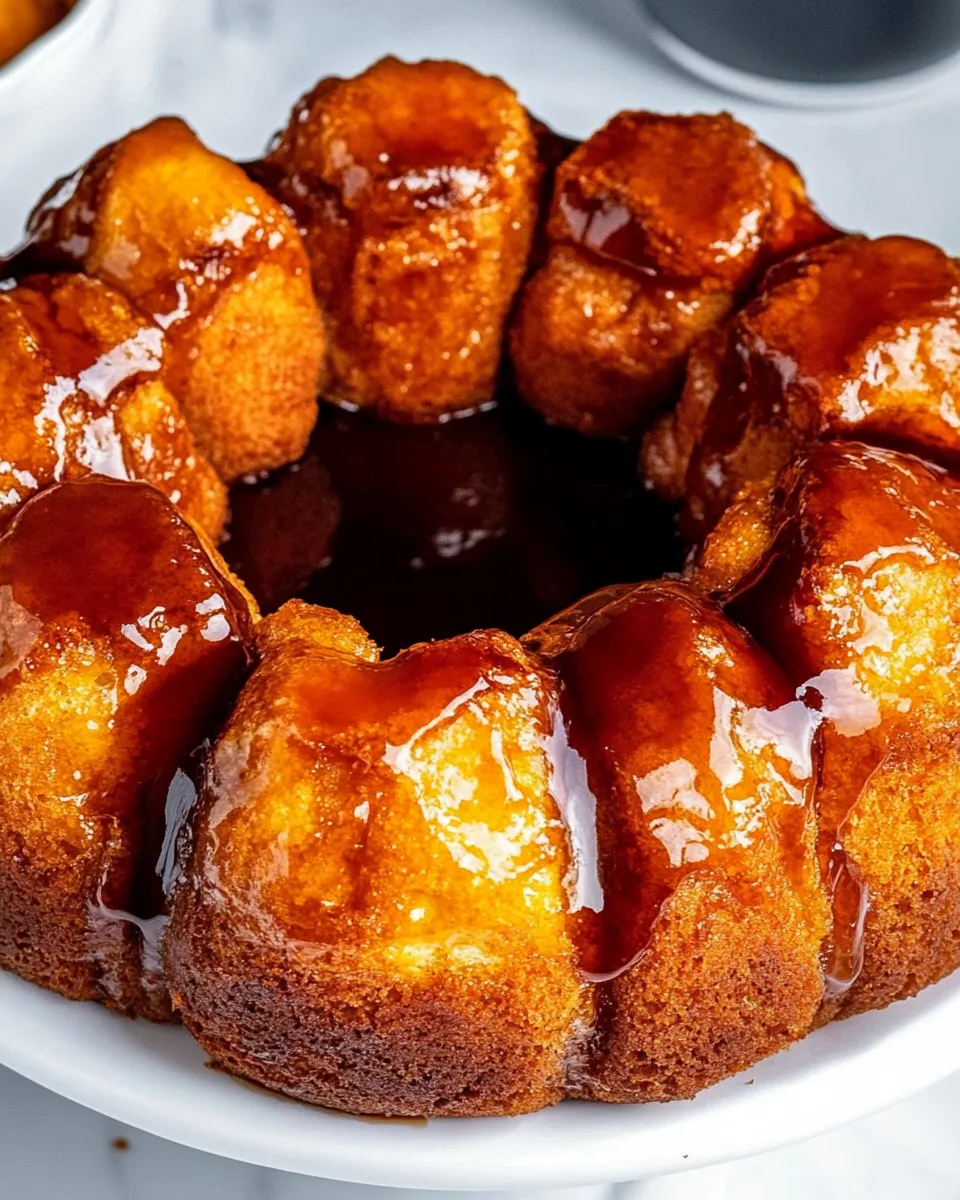
It’s hands-on enough to feel homemade but not fussy. The method is forgiving: small variations in size or timing won’t ruin the result. The dramatic bundt presentation looks like effort, but the assembly is repetitive and calming — roll, dip, coat, stack. It’s portable, shareable, and adored by kids and adults alike.
The flavor profile is universally appealing: buttery dough, cinnamon sugar, and caramelized edges. You can dress it up with a simple glaze or let people pull it apart plain; both ways work. For hosting, it’s a low-stress centerpiece because once it’s in the oven you can focus on other dishes.
Vegan & Vegetarian Swaps
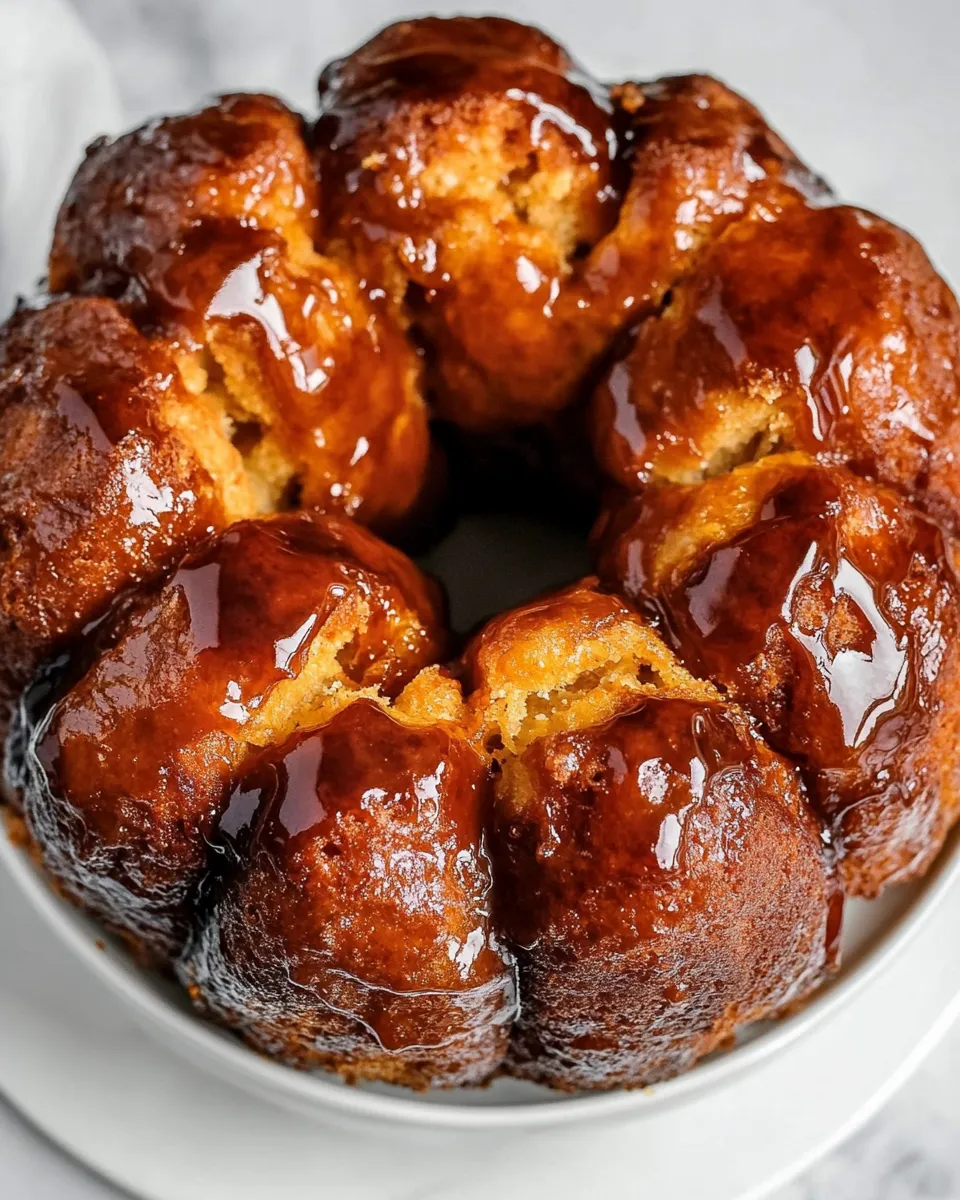
This recipe as written is vegetarian-friendly but not vegan. To make it vegan: replace whole milk with a plant milk such as oat or soy at the same temperature and volume, substitute the egg with a flax egg (1 tablespoon ground flaxseed + 3 tablespoons water, let sit 5 minutes) or a commercial egg replacer, and use vegan margarine or coconut oil in place of the melted butter (measure-to-measure). Choose a vegan brown sugar and granulated sugar if strict vegan standards are required.
Note: yeast behavior can vary slightly with plant milks, so ensure liquids are warm and yeast is foamy before adding to the mixer.
What You’ll Need (Gear)
- Stand mixer with dough hook (highly recommended for ease)
- Measuring cups and spoons (accurate scales are ideal)
- Medium bowl for cinnamon-sugar
- Small bowl or cup for proofing yeast
- Bundt pan (standard size)
- Plastic wrap or a damp clean kitchen towel for rises
- Fork or tongs for dipping dough balls
- Wire rack for cooling
Pitfalls & How to Prevent Them
- Dense bread from under-kneading — knead until dough is smooth and elastic; 5–8 minutes on medium-low in a mixer is the guideline.
- Flat or no rise — check yeast freshness and water temperature. The yeast mixture should be foamy after 5–10 minutes. If it isn’t, your yeast may be past its prime or the liquid was too cold/hot.
- Soggy center after baking — overfill the bundt pan or don’t bake long enough. Arrange balls with small gaps so heat circulates and check for set edges and a golden top.
- Candy-like burnt sugar — watch the oven; brown sugar can darken quickly. If the top browns too fast, tent lightly with foil for the last 10 minutes.
Tailor It to Your Diet
For a lower-sugar option, reduce the brown sugar coating slightly, but expect less caramelization. Use whole-grain flour blends up to 25–30% without major texture loss, but the crumb will be denser. For nut-free households, avoid adding chopped nuts in the coating; you can fold in seed mixes as an alternative. For added protein, serve slices with Greek yogurt or a ricotta spread.
Insider Tips
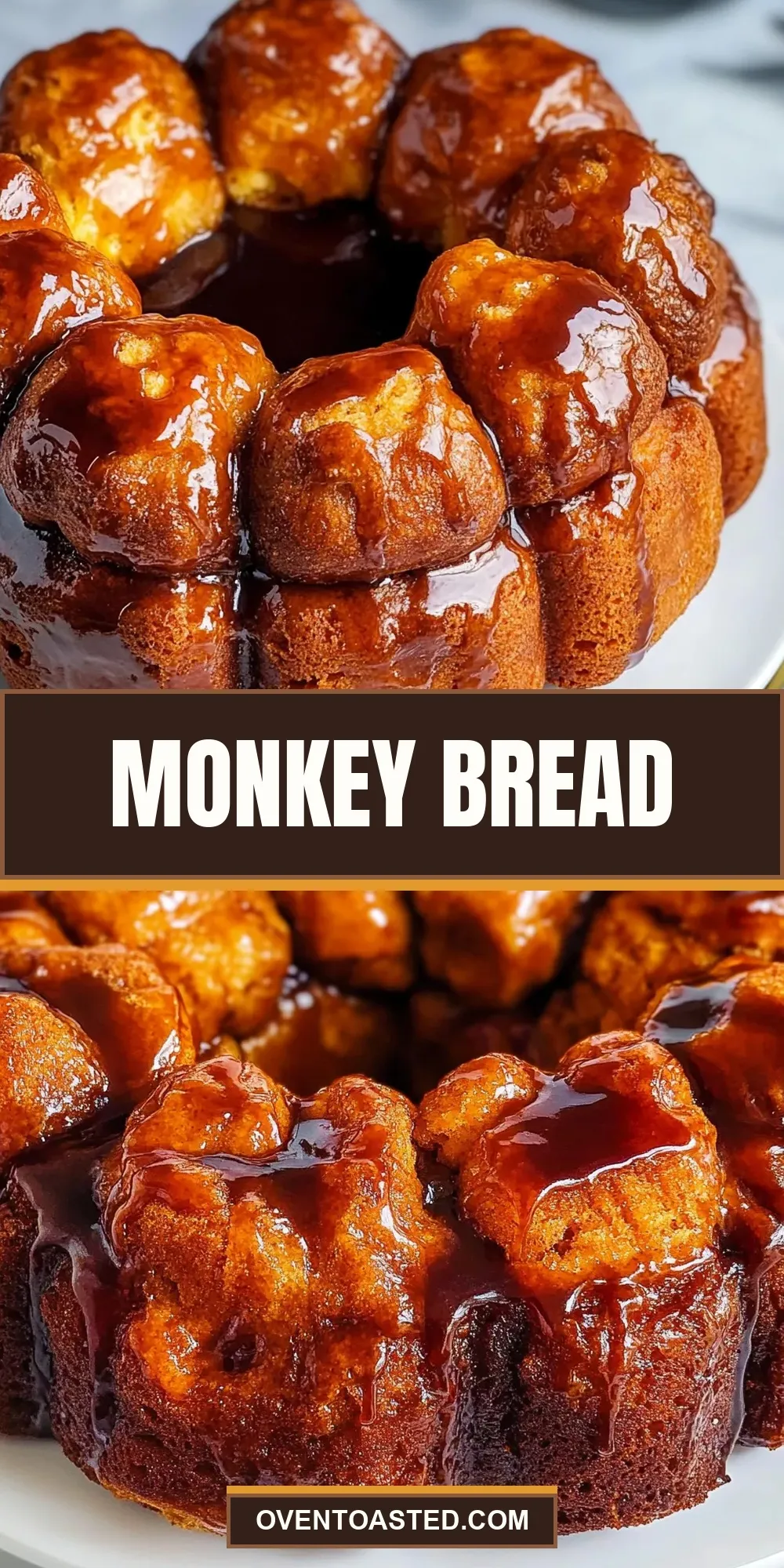
Divide the dough into 32 pieces for classic bite-sized balls — it makes the pull-apart effect optimal. Weighing dough portions is faster and more consistent than eyeballing. If you don’t have a scale, roll into a log and divide into equal segments before forming balls.
Keep your workspace lightly floured. The dough should be smooth and tacky but not sticky. If it sticks to your hands excessively, dust them with a touch of flour or use the reserved melted butter to coat your palms; that also helps shape smoother balls.
Proofing location: place the covered dough in an oven with the light on or on top of a warm (not hot) oven, or near a warm appliance. Avoid drafts. If your kitchen is cool, allow extra time for both rises.
Shelf Life & Storage
Monkey bread is best the day it’s made, served warm. If you have leftovers, cover tightly with plastic wrap or keep in an airtight container at room temperature for up to 2 days. Reheat gently in a 300°F (150°C) oven for 8–10 minutes or microwave single servings for 15–25 seconds to revive softness.
For longer storage, you can freeze the cooled, unglazed whole loaf (wrap tightly in plastic and foil) for up to 1 month. Thaw overnight in the fridge and warm before serving. Alternatively, freeze individual baked pieces on a tray, then transfer to a sealed container for easier reheating.
Common Questions
- Can I make this ahead? — Yes. You can prepare the dough, shape the balls, dip and coat them, then cover and refrigerate the filled bundt pan overnight. Let it come to room temperature and proof until puffy before baking. Add 20–30 minutes to the bake if chilled through.
- What if the dough sticks to the bundt pan? — Make sure you grease the pan generously with the reserved melted butter. Run a thin knife around the edges after it cools 10 minutes to help release. If it still sticks, warm the bottom briefly to loosen the caramel.
- Can I add nuts or raisins? — Yes. Toss in chopped nuts or raisins with the cinnamon-sugar mixture or sprinkle between layers, but keep an eye on bake time as added moisture or density may affect doneness slightly.
- Why didn’t my yeast foam? — The liquid may have been too hot or too cold, or the yeast may be expired. Try again with fresh yeast and water in the 100–110°F (38–43°C) range.
Next Steps
Make it for your next brunch or holiday morning. Start the dough the night before if you need to spread the work across two days. Once you’re comfortable with this base, experiment with fillings — swap some of the sugar for cardamom, add citrus zest to the coating, or drizzle a simple vanilla glaze after baking. Keep notes: small changes can yield big differences, and part of the joy is discovering your favorite variation.
Now gather your ingredients, warm the liquids, and enjoy the ritual of rolling and coating. Monkey Bread is comfort in pull-apart form — and it’s happiest shared.
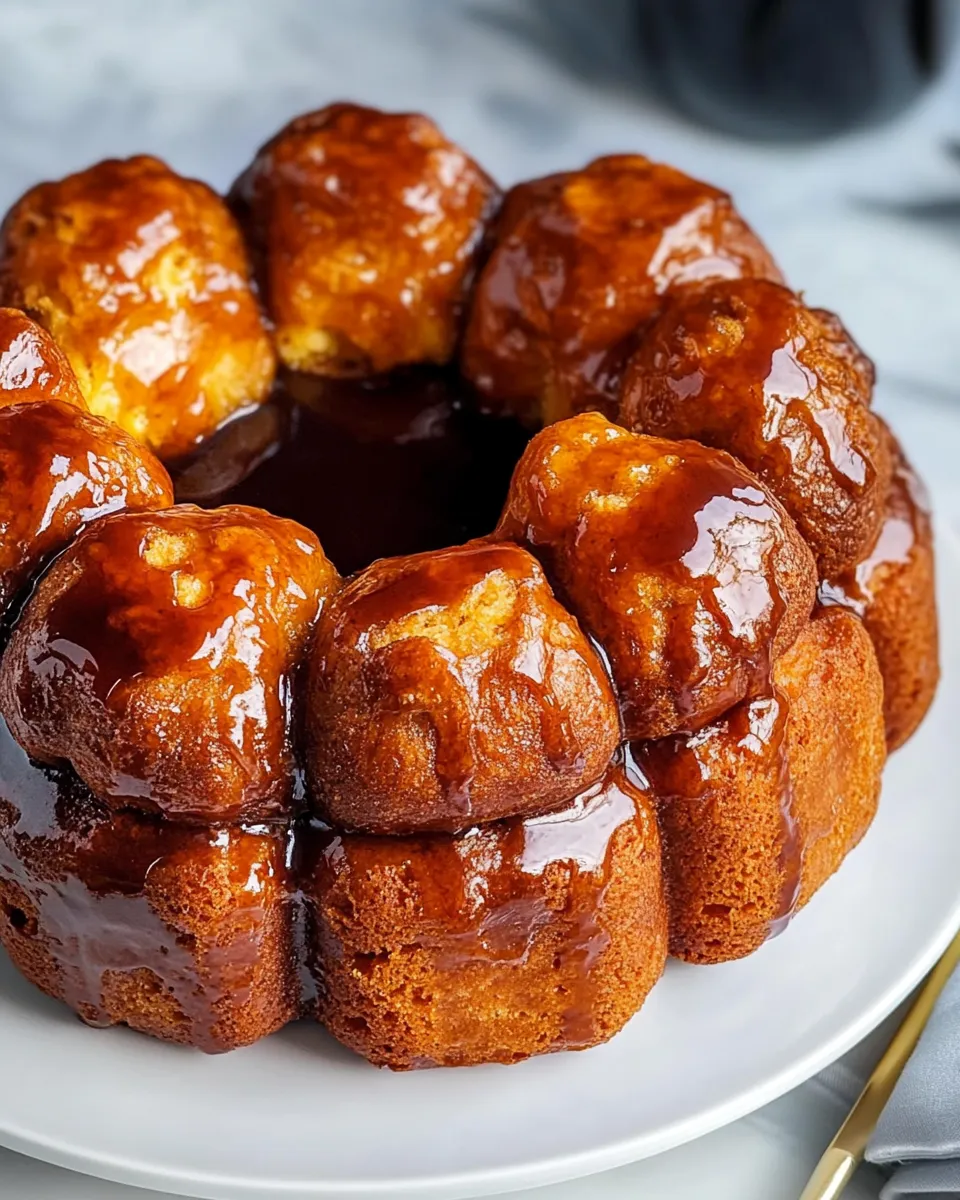
Monkey Bread
Ingredients
Equipment
Method
- Melt the unsalted butter amounts called for: melt 2 tablespoons (28 g) and separately melt 1/2 cup (113 g). Set the 2 tablespoons aside for the dough and reserve the 1/2 cup for greasing/dipping the dough balls.
- In a small cup or bowl, combine 1/2 cup (120 ml) warm water, 2 1/2 teaspoons active yeast, and 1 tablespoon of the 3 tablespoons (35 g) granulated sugar. Stir gently and let sit 5–10 minutes, until the mixture is foamy.
- In the bowl of a stand mixer fitted with the dough hook, add 1 cup of the 3 1/2 cups (420 g) all-purpose flour, 1 teaspoon salt, the remaining granulated sugar (2 tablespoons), 1 tablespoon light brown sugar (12 g), 1/2 teaspoon pure vanilla extract, 1 large room-temperature egg, 3/4 cup (180 ml) warm whole milk, the reserved 2 tablespoons (28 g) melted unsalted butter, and the foamed yeast mixture. Mix on low speed until combined.
- With the mixer running on low, add the remaining 2 1/2 cups (approximately 300 g) all-purpose flour a little at a time until the dough comes together. Increase speed to medium-low and knead with the dough hook until the dough is smooth, elastic, and pulls away from the sides of the bowl, about 5–8 minutes.
- Transfer the dough to a lightly oiled or lightly floured bowl (use a small amount of the reserved melted butter if you prefer), cover tightly with plastic wrap, and let rise in a warm draft-free place until doubled in size, about 45–60 minutes.
- Meanwhile, in a medium bowl combine 1 1/2 cups (180 g) brown sugar with 1 1/2 teaspoons ground cinnamon and mix well; set aside.
- Lightly grease a bundt pan with some of the reserved 1/2 cup (113 g) melted unsalted butter.
- When the dough has doubled, turn it out onto a lightly floured surface and gently deflate it. Divide the dough into 32 equal pieces (or your preferred number of small balls). Roll each piece into a smooth ball.
- Working one at a time, use a fork or tongs to dip each dough ball into the reserved 1/2 cup (113 g) melted butter, then immediately roll it in the brown sugar–cinnamon mixture until well coated. Place each coated ball into the prepared bundt pan, arranging them evenly.
- Once all balls are coated and in the pan, cover the pan loosely with plastic wrap or a damp cloth and let the shaped dough rise in a warm place until the dough has almost doubled and the balls are puffy, about 30–40 minutes.
- While the dough is finishing its second rise, preheat the oven to 350°F (180°C).
- Bake the bundt pan in the preheated oven for 35 minutes, until the top is golden brown and the pieces are set.
- Remove the pan from the oven and let it cool on a wire rack for 10 minutes. Run a thin knife around the edges if needed, then invert the pan onto a serving plate to release the monkey bread. Serve warm.