Peanut Butter Frosting
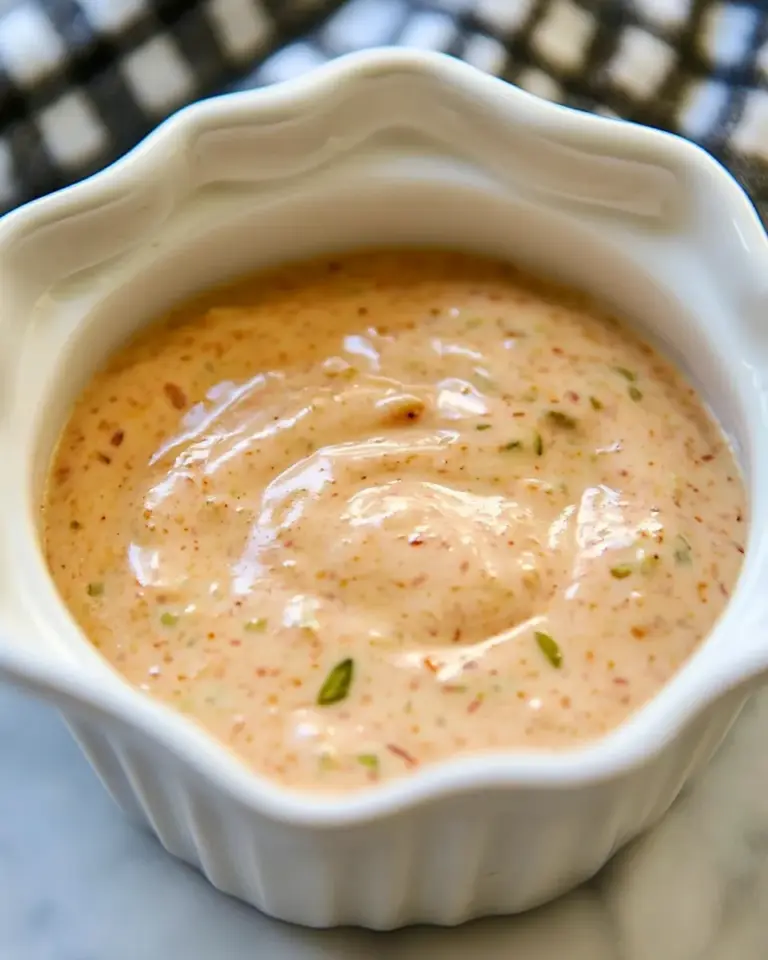
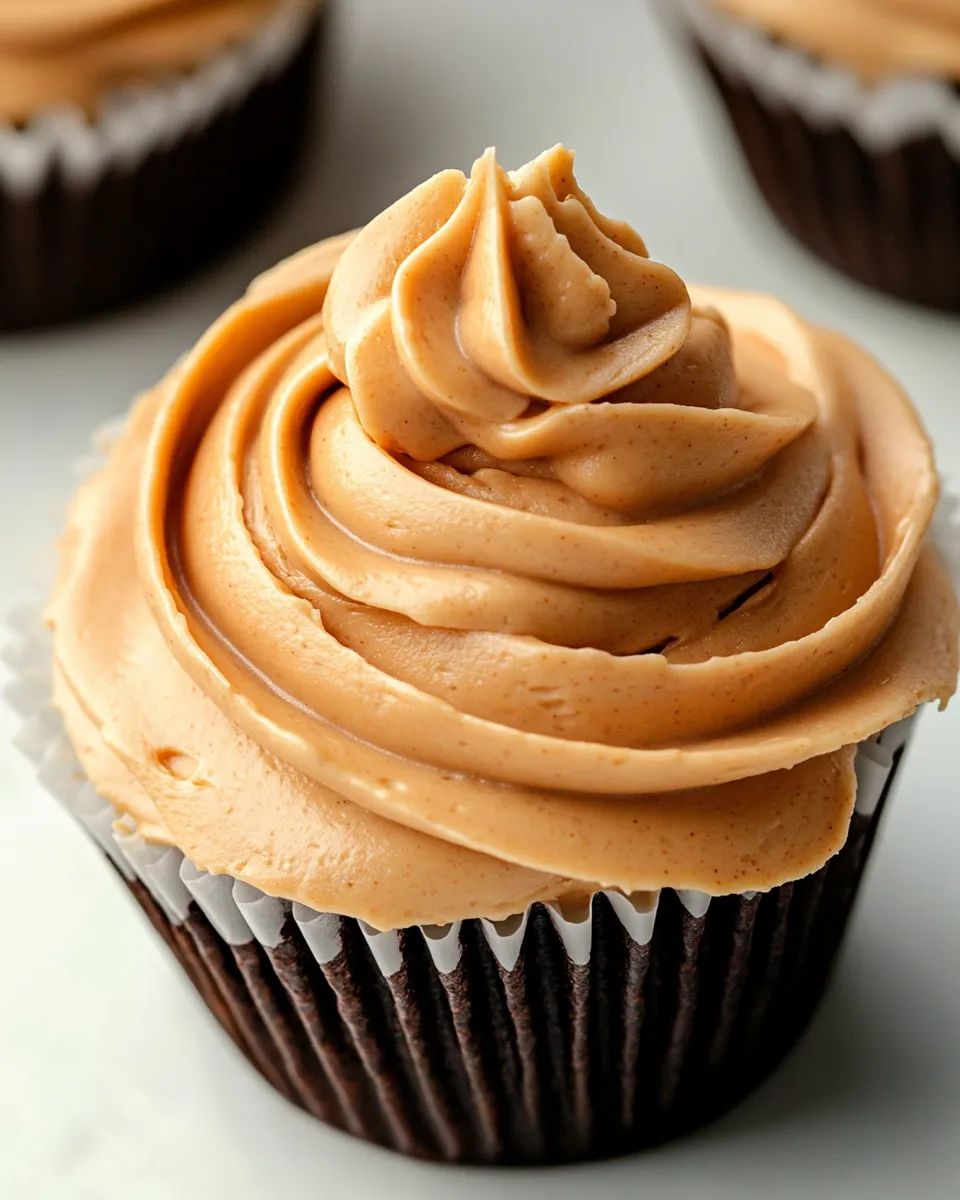
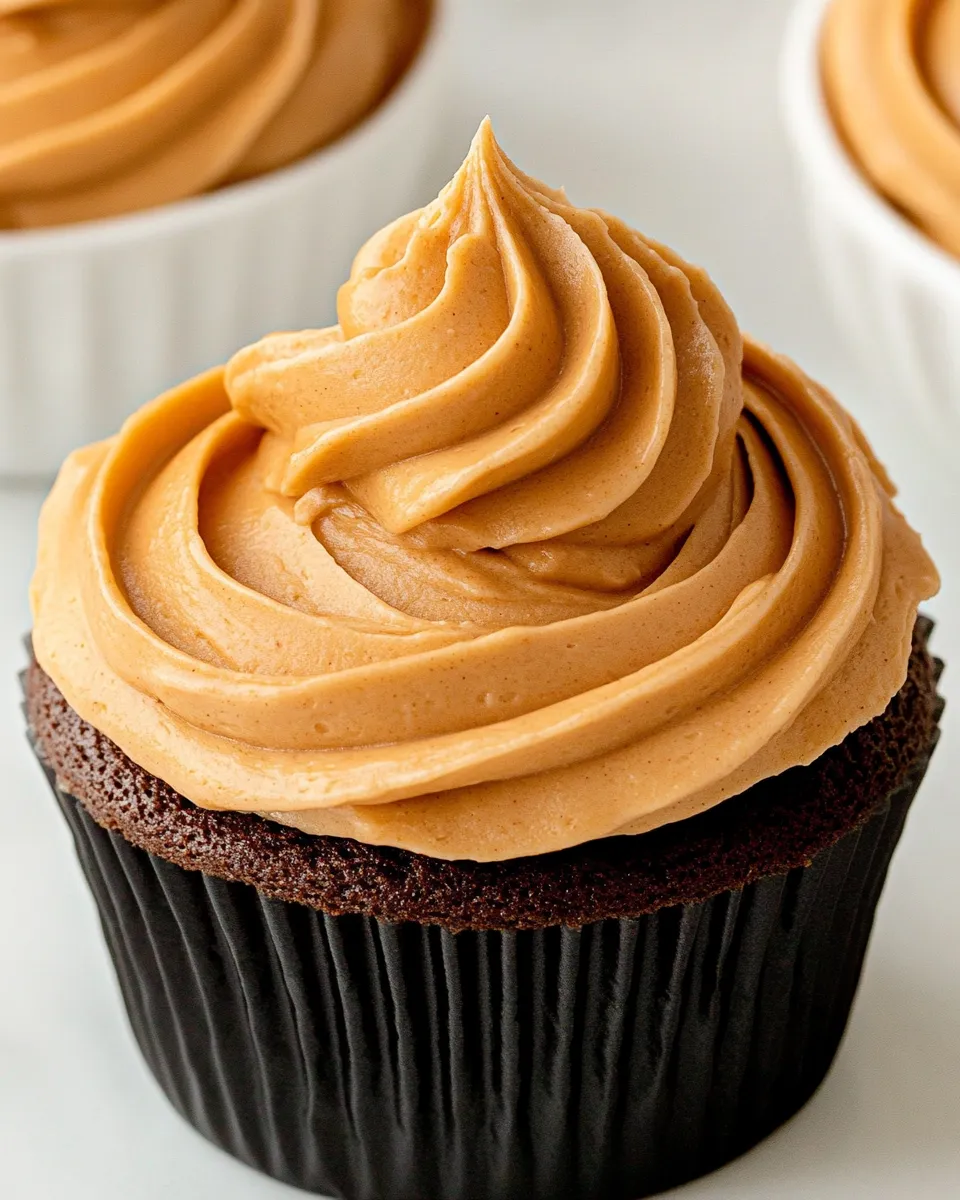
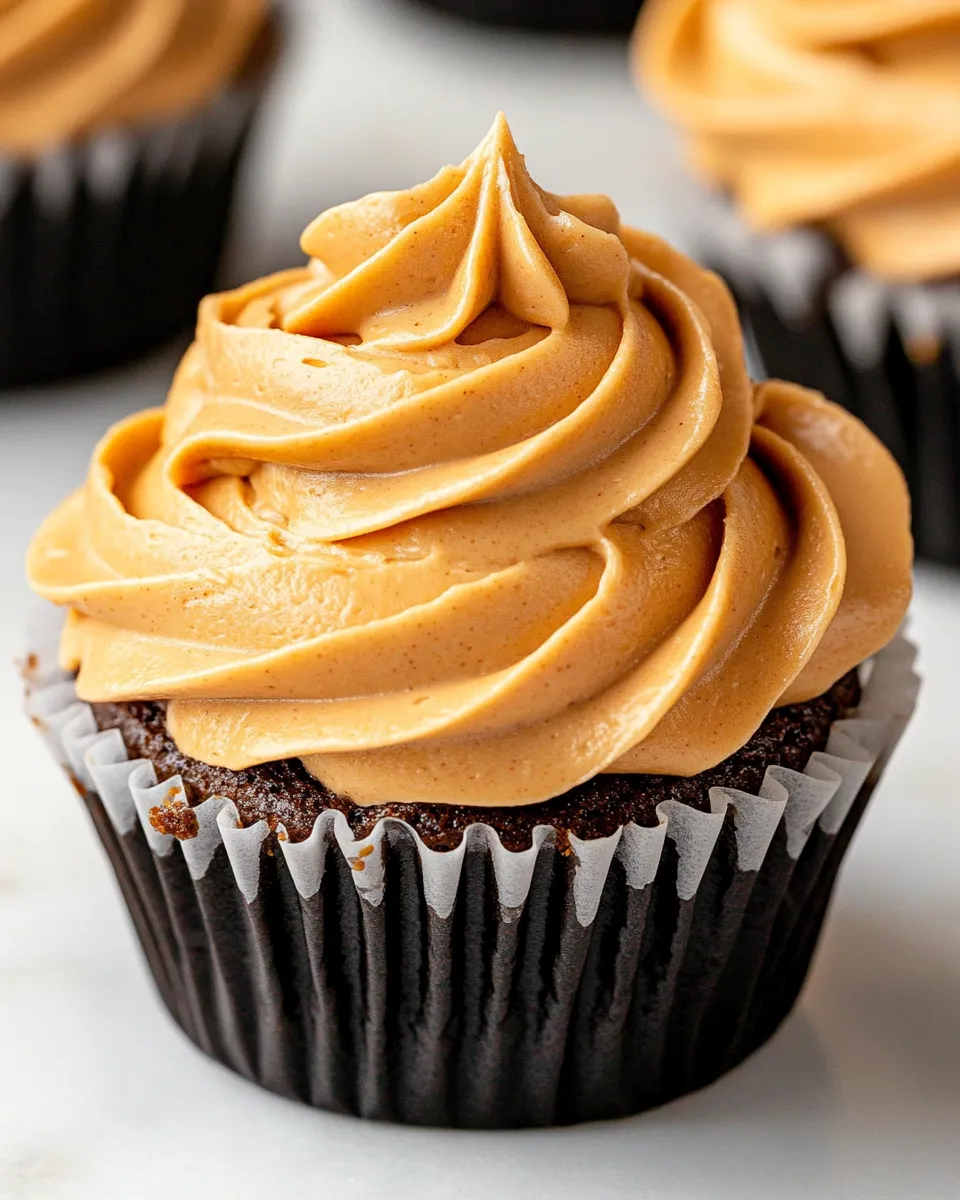
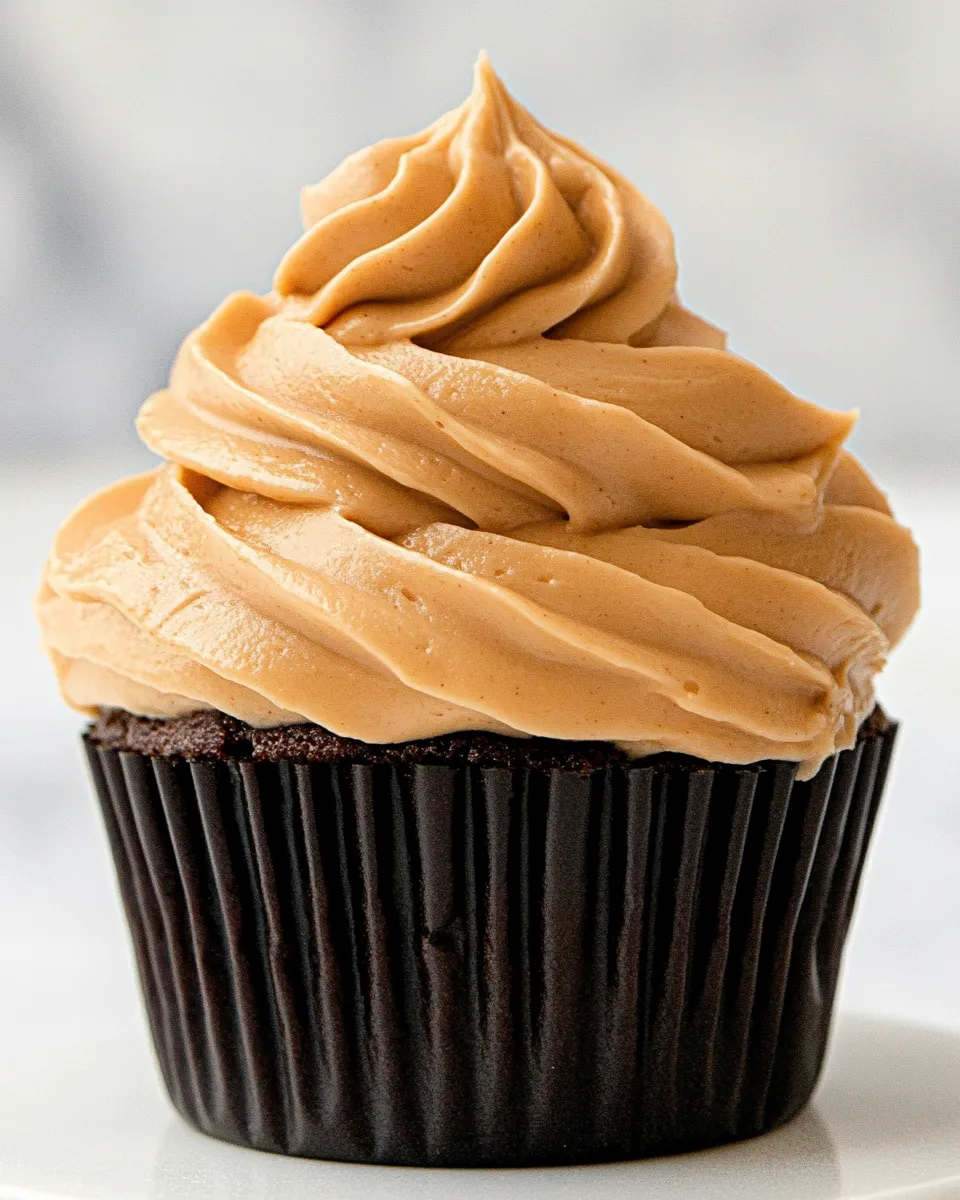
I bake a lot, and I test a lot more. This peanut butter frosting is the one I reach for when I want a reliable finish that tastes like pure nostalgia — rich, nutty, and not overly sweet. It comes together fast, cleans up even faster, and plays well with everything from chocolate cupcakes to plain sheet cake.
I wrote the method so you can follow it straight through, no guesswork. The texture is flexible: you can pipe it, spread it, or dollop it. Small tweaks change the mouthfeel, and I’ll show you how to do those without guessing measurements.
Below you’ll find the ingredients, a step-by-step method that follows a tested order, troubleshooting, substitutions, and storage tips. Use the instructions exactly as written the first time; then make small adjustments to match your taste.
What Goes In
Ingredients
- 1 cup (114 g) powdered sugar — provides sweetness and structure; sift or break up clumps for a smoother finish.
- 1 cup (270 g) peanut butter, creamy — the flavor base and fat; creamy gives the smoothest texture.
- 5 tablespoons (71 g) unsalted butter, room temperature — rounds the flavor and adds spreadability; let it soften but not melt.
- ¾ teaspoon vanilla extract — lifts and deepens the peanut notes; use pure vanilla if you have it.
- ¼ teaspoon kosher salt — balances sweetness and brings out the peanut flavor; adjust slightly if your peanut butter is already salted.
- ⅓ cup (80 ml) heavy cream — loosens the frosting to a silky consistency and helps it whip light.
Make Peanut Butter Frosting: A Simple Method
- Fit an electric mixer with the paddle attachment. Add the peanut butter (1 cup/270 g) and unsalted butter (5 tablespoons/71 g, room temperature) to the bowl. Mix on medium speed until smooth and uniform, scraping down the bowl with a rubber spatula as needed.
- Reduce the mixer to low speed and add the powdered sugar (1 cup/114 g) gradually, mixing until fully incorporated and there are no dry streaks. Scrape down the bowl once or twice while you work.
- Add the vanilla extract (3/4 teaspoon) and kosher salt (1/4 teaspoon). Mix on medium-low until evenly combined, scraping the bowl again.
- Pour in the heavy cream (1/3 cup/80 ml). Increase the mixer to high speed and beat until the frosting is light and smooth, stopping to scrape the bowl one final time if necessary.
- Use the frosting as desired.
- To store: transfer to an airtight container and refrigerate for up to 4 days. Before using, bring to room temperature and mix vigorously to restore a spreadable consistency.
Why This Recipe Belongs in Your Rotation
It’s fast. From bowl to cake in under ten minutes once your butter is softened. That speed makes it perfect for last-minute parties or weeknight baking.
It’s forgiving. The combination of peanut butter and butter creates a forgiving matrix: if the frosting is a touch too stiff, cream loosens it; if it’s too loose, a little more powdered sugar brings body. You don’t need precise pastry training to get great results.
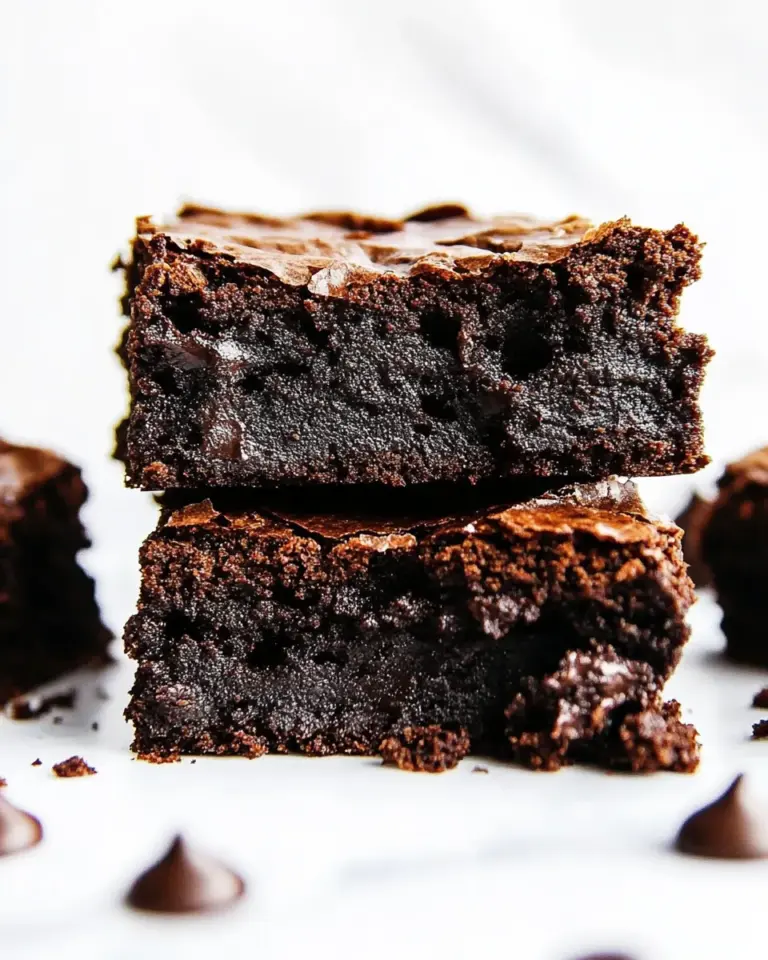
It’s versatile. Use it on cupcakes, layer cakes, brownies, or as a filling for sandwich cookies. It complements chocolate naturally, but it’s equally at home with banana, vanilla, or oatmeal-based desserts.
Smart Substitutions
- Peanut butter — swap for almond or cashew butter for a different nut profile. Keep the same weight, and expect subtle flavor changes.
- Unsalted butter — if you only have salted, reduce or omit the kosher salt in the recipe and taste before adding more.
- Heavy cream — whole milk thins the frosting but doesn’t whip it to the same lightness. Use a little at a time if substituting.
- Powdered sugar — for a less-sweet finish, use ¾ cup and add more to reach the texture you like; start conservative and test.
- Vanilla — try a tiny splash of bourbon or rum extract for a mature note, but use sparingly; vanilla is the neutral safe bet.
What’s in the Gear List
- Electric mixer with a paddle attachment — speeds the process and gives a consistent texture.
- Large mixing bowl — room to scrape and beat without spilling.
- Rubber spatula — essential for scraping the bowl clean and ensuring even mixing.
- Measuring cups and spoons — accurate amounts matter when you’re balancing sugar, fat, and liquid.
- Airtight container — for fridge storage and keeping the frosting fresh.
Missteps & Fixes
Frosting is too stiff
If the frosting feels dense or hard to spread, stir in the heavy cream a tablespoon at a time until the texture loosens. Let it sit at room temperature for a few minutes if the butter was colder than intended, then whisk or beat briefly to re-emulsify.
Frosting is too thin or runny
Add powdered sugar in small increments, mixing on low until it reaches a spreadable consistency. Chill briefly for 10–15 minutes if you need it to firm up quickly for piping or sculpted decoration.
Grainy texture
Graininess usually comes from undissolved sugar or dry streaks. Beat longer at medium speed and scrape the bowl well. If you used coarse peanut butter with bits, that will add texture — switch to creamy if you want perfectly smooth frosting.
Flavor too salty or sweet
Taste as you go. If it’s a touch too salty, a little more powdered sugar can balance it. If it’s too sweet, a tiny pinch more kosher salt or a splash more vanilla can help lift the flavors, but add sparingly.
Smart Substitutions
- Crunchy peanut butter option — use crunchy peanut butter instead of creamy for texture contrast. The texture will be chunkier; keep expectations in check when piping.
- Lower-fat option — replace half the heavy cream with whole milk to reduce richness; the frosting will be less airy.
- Less sugar — reduce powdered sugar to ¾ cup and adjust cream for texture. This keeps the peanut flavor forward but sacrifices some body.
- Dairy-free — use a plant-based butter and a full-fat coconut cream in place of heavy cream. Expect a slight coconut note but similar spreadability.
Chef’s Notes
Measure by weight when possible. Peanut butters vary widely in density, and measuring by weight (270 g for the peanut butter) gives the most reliable outcome. If you don’t have a scale, level your cup measurements carefully.
Room temperature matters. If the butter is too cold your frosting will be lumpy; too warm and it will be loose. Aim for butter that yields to a gentle press but isn’t glossy or oily.
Whip time affects texture. Beat at high speed only after the cream is added to incorporate air and lighten the frosting. Overbeating won’t wreck it, but it can change the mouthfeel to a whipped buttercream; stop when it looks light and smooth.
For piping: chill the frosting briefly if you need firmer ridges. For a spreadable finish, use immediately at room temperature. If using on warm cakes, cool the cake first so the frosting doesn’t slide.
Storage Pro Tips
Store the frosting in an airtight container and refrigerate for up to 4 days, per the tested method. When you’re ready to use it, bring it back to room temperature and beat vigorously to restore a smooth, spreadable consistency.
Quick warm-up: set the container in a bowl of warm (not hot) water for a few minutes to soften the outer layer, then beat. Avoid microwaving the entire container — that risks separating the fats and changing texture.
Make-ahead: you can make the frosting a day ahead and keep it chilled. Beat briefly just before using to freshen the texture. If you prefer to freeze, portion into small airtight containers; thaw overnight in the fridge, then bring to room temperature and re-beat. (Note: freezing is fine, but texture may change ever so slightly depending on the peanut butter brand.)
Helpful Q&A
Can I use natural peanut butter? Yes, but natural peanut butter often separates. Stir it thoroughly before measuring. You may need a touch less cream if it’s oily, or a bit more powdered sugar for structure.
Is this good for piping flowers and detailed decorations? For very fine piping, chill the frosting to firm it up and use a stiffer tip. This frosting can hold simple rosettes and borders after a short chill, but for extremely detailed work you may want a sturdier buttercream base.
Can I make it ahead and refrigerate overnight? Yes. Refrigerated frosting firms up. Bring it back to room temperature and beat vigorously before using to recover spreadability and texture.
How do I make it less sweet? Reduce the powdered sugar slightly (try ¾ cup) and taste. You’ll lose some structure, so add cream cautiously and expect a softer frosting. A small pinch more salt can help balance sweetness without increasing sugar.
Can I add chocolate? Yes — fold in melted and cooled chocolate for a chocolate–peanut butter swirl. Melt the chocolate, let it cool to room temperature, then mix into the finished frosting. Work gently to keep swirls if you want a marbled look.
The Takeaway
This peanut butter frosting is straightforward, fast, and dependable. It relies on a simple balance of peanut butter, butter, powdered sugar, a touch of salt, vanilla, and heavy cream. Follow the steps as written the first time, then tweak cream or sugar to match your preferred texture. It’s a versatile topping that’s at home on cupcakes, cakes, cookies, and more. Keep it chilled when you need firmness, and beat it back to life when you need spreadability. That simplicity is why it will become a regular in your baking routine.
Peanut Butter Frosting
Ingredients
Equipment
Method
- Fit an electric mixer with the paddle attachment. Add the peanut butter (1 cup/270 g) and unsalted butter (5 tablespoons/71 g, room temperature) to the bowl. Mix on medium speed until smooth and uniform, scraping down the bowl with a rubber spatula as needed.
- Reduce the mixer to low speed and add the powdered sugar (1 cup/114 g) gradually, mixing until fully incorporated and there are no dry streaks. Scrape down the bowl once or twice while you work.
- Add the vanilla extract (3/4 teaspoon) and kosher salt (1/4 teaspoon). Mix on medium-low until evenly combined, scraping the bowl again.
- Pour in the heavy cream (1/3 cup/80 ml). Increase the mixer to high speed and beat until the frosting is light and smooth, stopping to scrape the bowl one final time if necessary.
- Use the frosting as desired.
- To store: transfer to an airtight container and refrigerate for up to 4 days. Before using, bring to room temperature and mix vigorously to restore a spreadable consistency.
Notes
Scaling the Recipe- This recipe, as written, yields enough to generously frost 12 cupcakes. If you plan to fill and frost a cake, I would double the recipe.
Storing and Freezing- You can keep this frosting in the refrigerator in an airtight container for up to 3 days. You can also freeze leftover frosting in an airtight container for up to 3 months. Thaw in the refrigerator overnight, then re-beat it (with a mixer on medium speed or with a rubber spatula) before using.