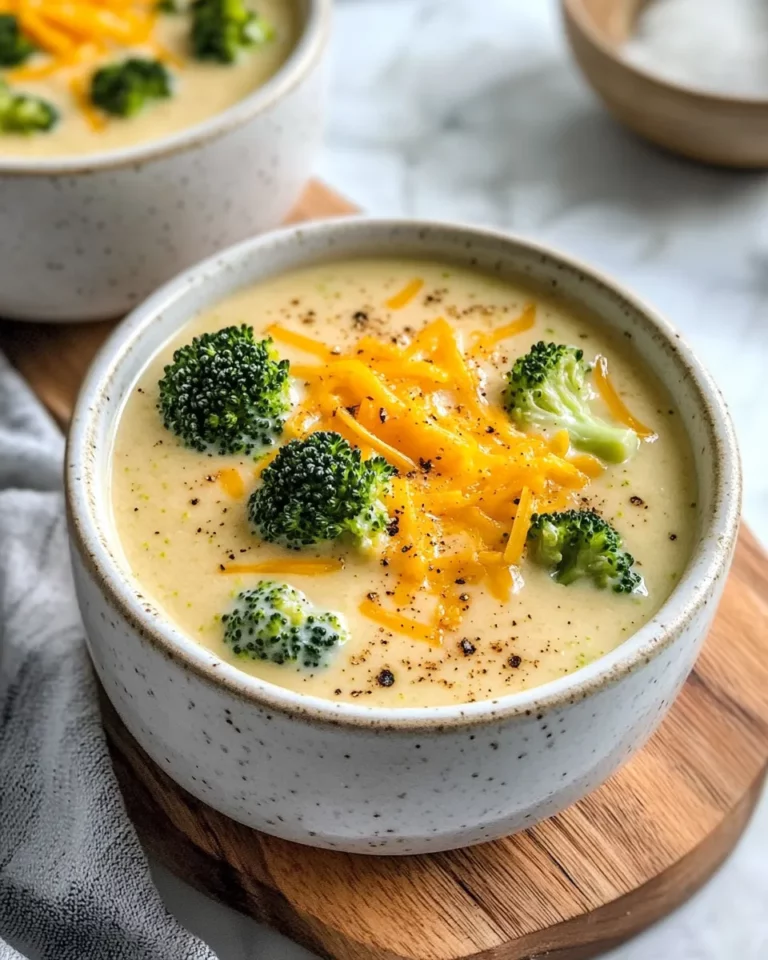
Perfect Steamed Rice
I want you to get the same tender, separate grains I get when I make rice for weeknight dinners and Sunday gatherings alike. This recipe is stubbornly simple, predictable, and forgiving when you follow the tiny rules. No fancy ingredients. Just the right rice, a little water, two bay leaves, and patience.
I’ll walk you through the small decisions that matter: how to rinse without wasting rice, why the lid must stay put during the simmer, and the one-minute finishing move that makes the difference between gluey and fluffy. Read once, try it, and you’ll have reliable steamed rice every time.
Below you’ll find the ingredient list, precise cooking steps, substitutions, troubleshooting notes, and storage guidance. Bookmark this page. It becomes your go-to method for long-grain white rice.
What You’ll Gather
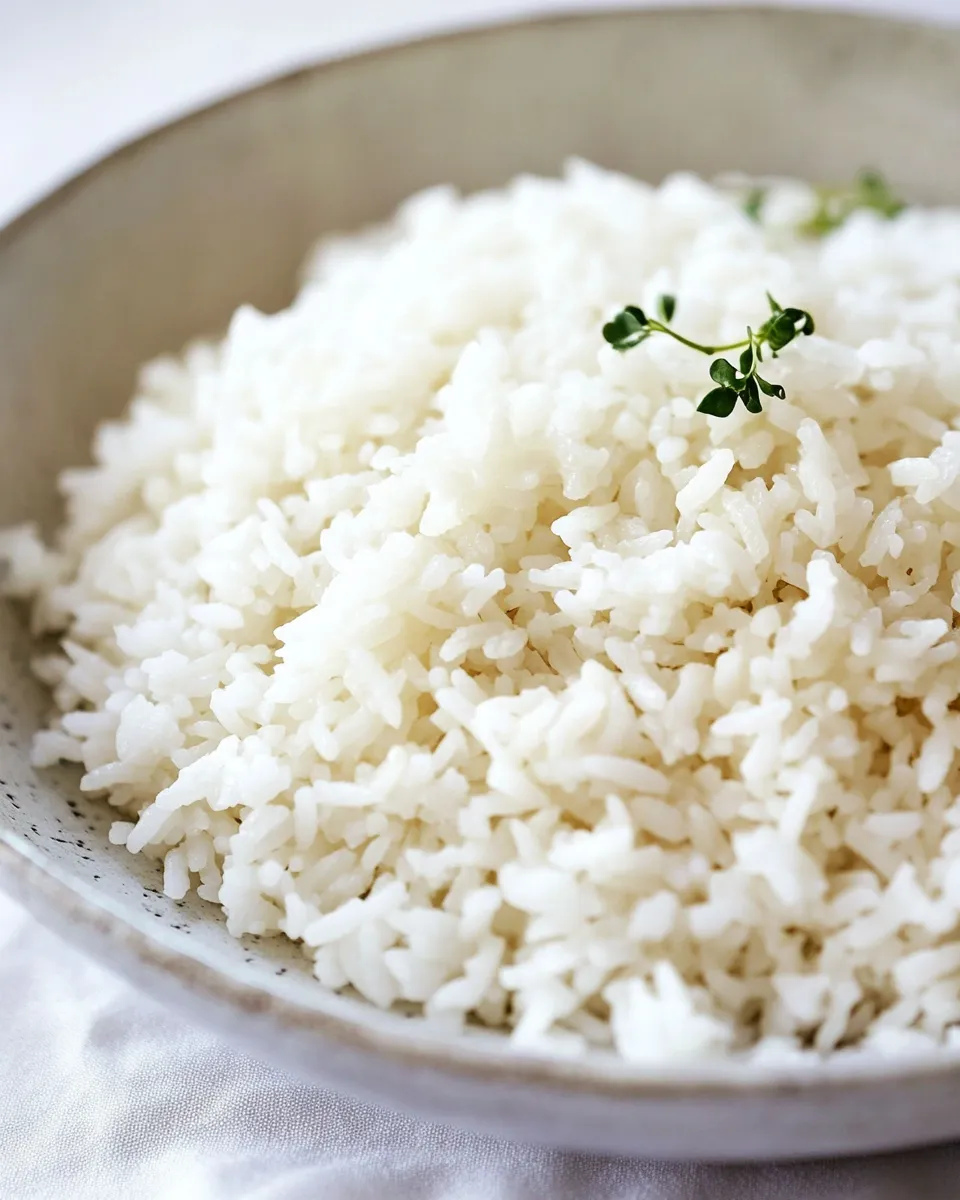
Gather a medium saucepan with a tight-fitting lid, a fine-mesh sieve for rinsing, and a fork for fluffing at the end. You only need a few pantry staples and a steady burner. Clear work area, a timer, and a towel to hold the lid if it’s hot will make the process smoother.
Ingredients
- 1 cup long-grain white rice — the backbone of the dish; long-grain gives distinct, separate kernels when cooked properly.
- 1½ cups water — measured for this ratio to yield tender but separate rice.
- 2 bay leaves — aromatics that add a subtle savory background note without changing texture.
- Pinch Kosher salt — seasons the grain; adjust to taste but keep it small so the rice stays delicate.
Cook Perfect Steamed Rice Like This
- Place 1 cup long-grain white rice in a fine-mesh sieve and rinse under cold running water until the water runs clear; drain well.
- Transfer the drained rice to a medium saucepan and add 1½ cups water, 2 bay leaves, and a pinch of Kosher salt.
- Bring the mixture to a rolling boil over medium-high heat, uncovered.
- As soon as it boils, reduce the heat to low, cover tightly, and simmer undisturbed for 20 minutes.
- Turn off the heat and keep the pot covered for another 5 minutes.
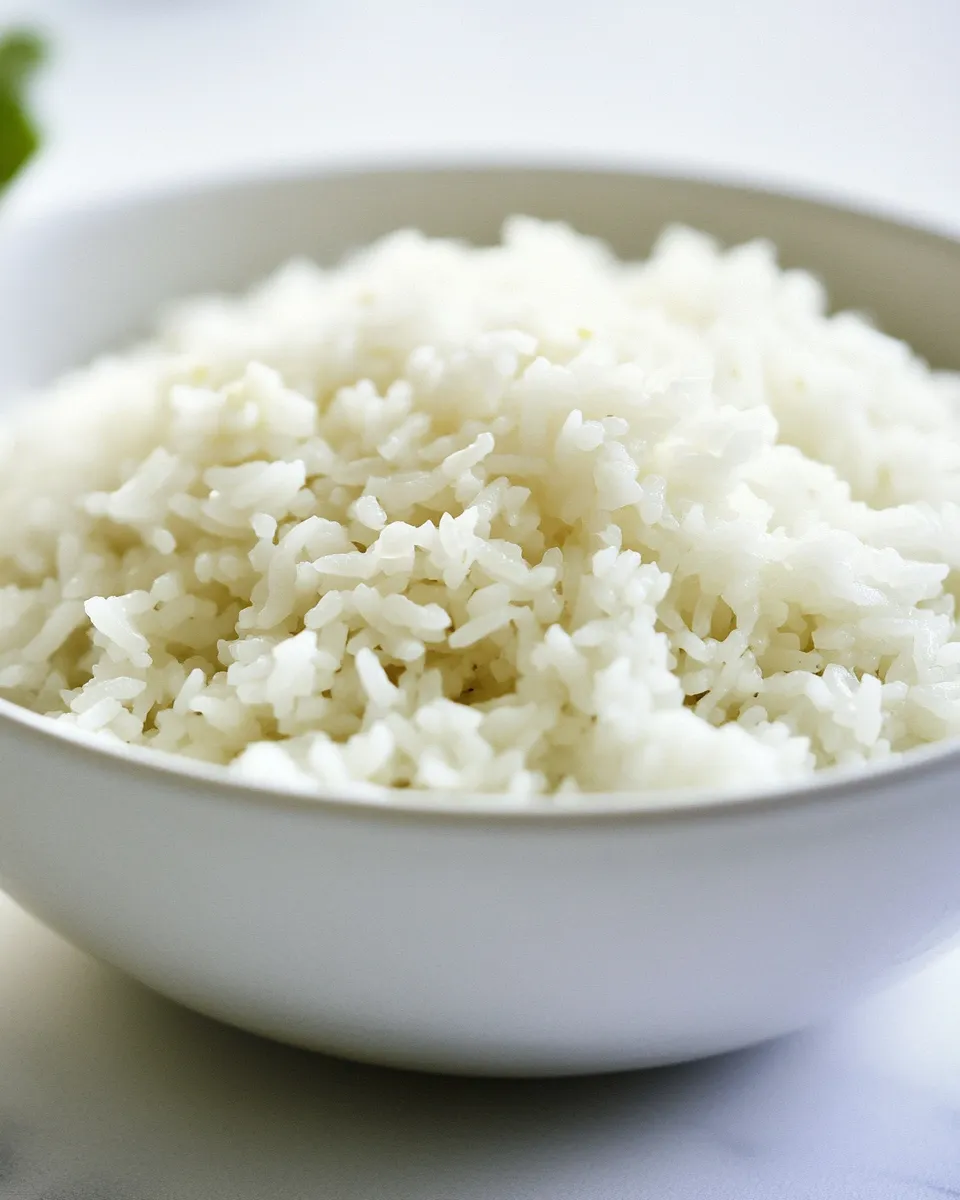
- Remove the lid, discard the bay leaves, and fluff the rice gently with a fork.
Why You’ll Love This Recipe
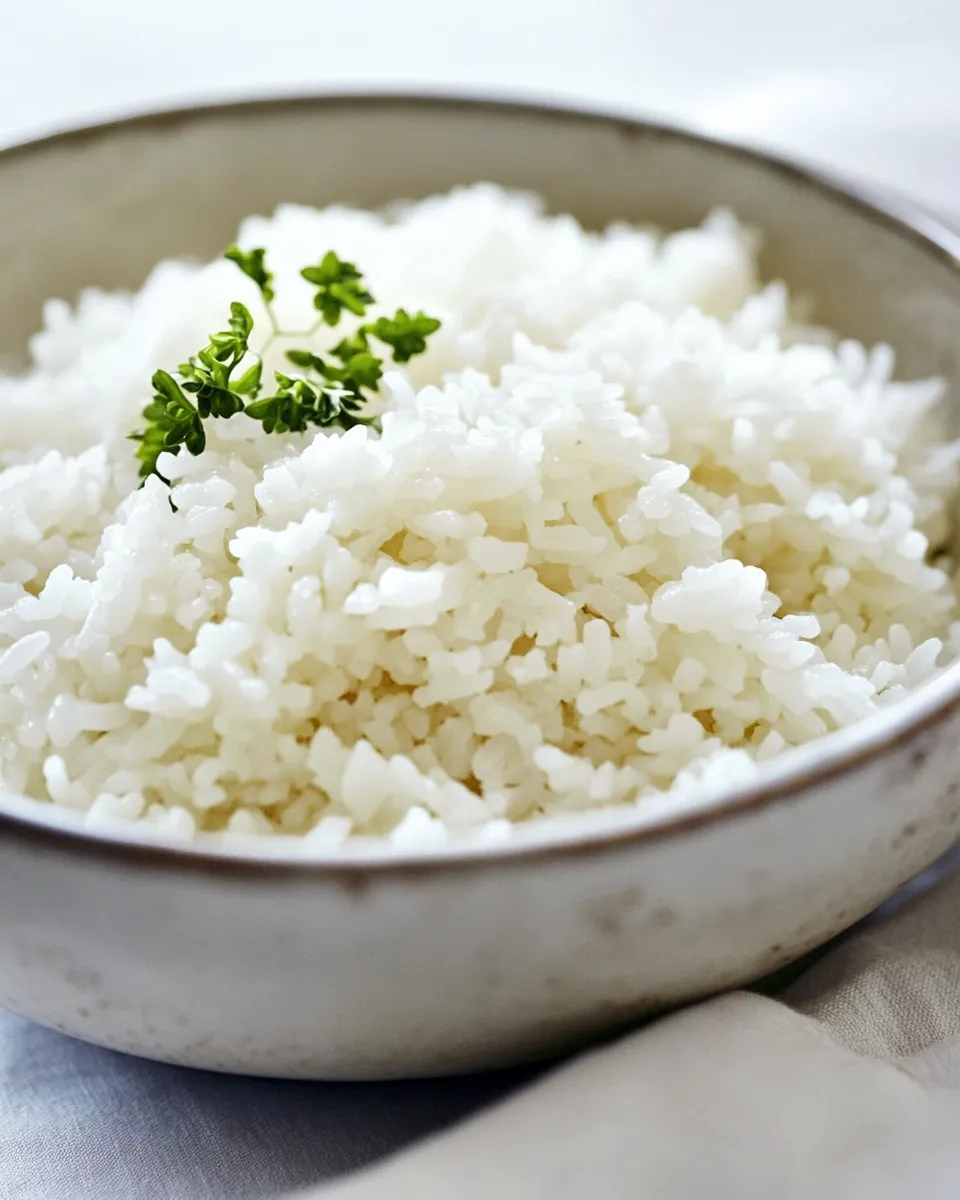
This method makes rice that’s reliably fluffy and separate without special equipment. It’s short on fuss but long on results. Rinsing gets rid of surface starch so each grain stays individual. The water-to-rice ratio and the timed rest after cooking lock in moisture evenly, so you won’t get a soggy bottom or a dry, undercooked center.
The aromatics are minimal—just bay leaves—so the rice stays neutral enough to pair with sauces, curries, or a simple sauté of vegetables. Because the technique is consistent, you can scale it or adapt it to different stoves and pans with confidence.
Finally, the method is fast. From rinse to fluff, it’s under 30 minutes of hands-off time. That makes it perfect for a weeknight side or as the base for meal-prep bowls.
Substitutions by Category
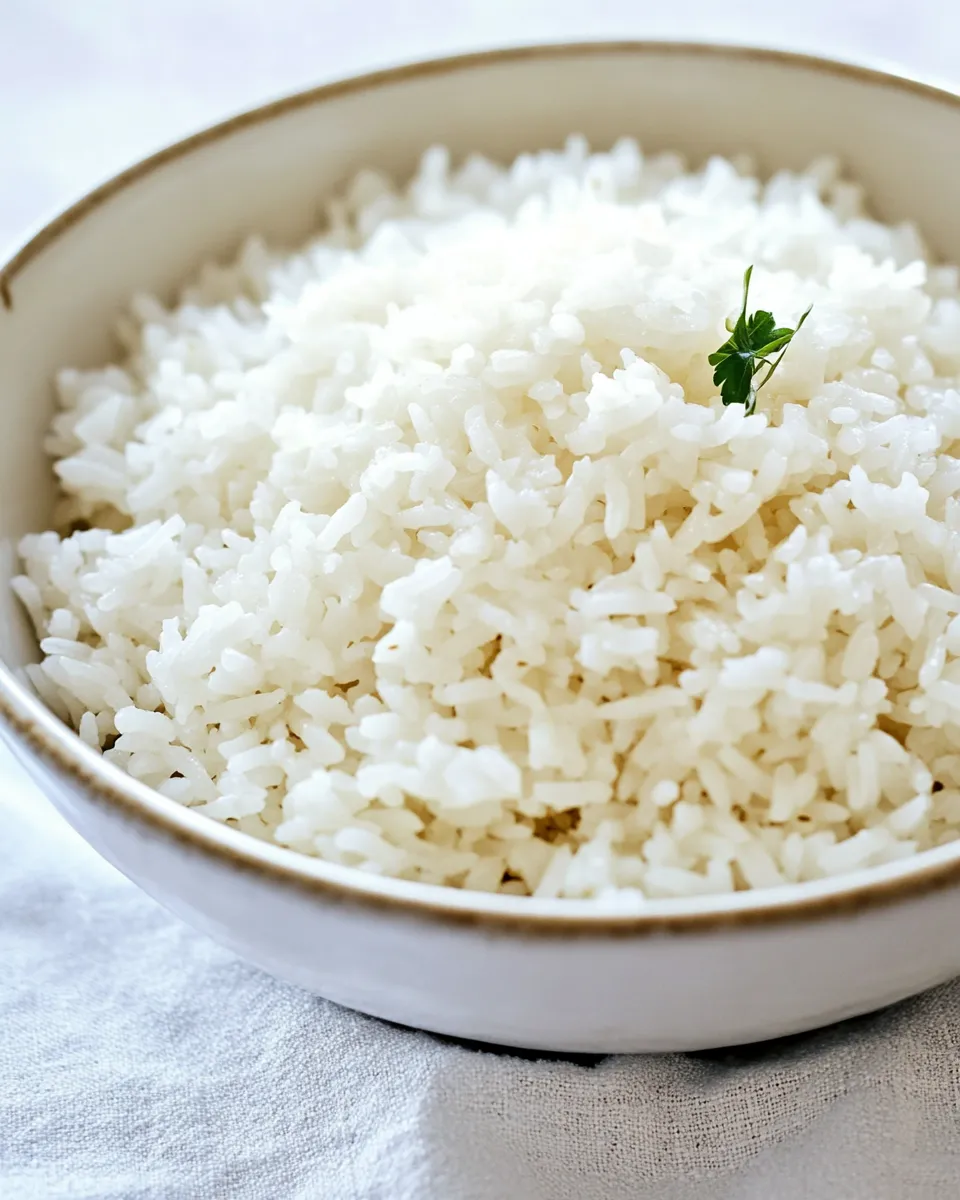
Rice type:
- Short- or medium-grain white rice will be stickier; if you use these, expect a different texture and consider slightly reducing the resting time.
- Brown rice requires more water and a much longer simmer; follow package directions for brown varieties rather than this recipe’s times and ratio.
Seasoning:
- Instead of bay leaves, you can omit aromatics for neutral rice or add a small piece of kombu for a gentle umami lift (no quantities given—use a thin strip and remove after cooking).
- Replace Kosher salt with fine sea salt in slightly smaller measure if you prefer finer crystals; taste and adjust future batches accordingly.
Liquid:
- Swap part or all of the water for low-sodium chicken or vegetable broth for more flavor; reduce added salt accordingly.
Appliances & Accessories
- Fine-mesh sieve — essential for rinsing the rice and removing excess starch.
- Medium saucepan with tight-fitting lid — a snug lid traps steam and ensures even cooking.
- Fork — for fluffing the rice gently without smashing the grains.
- Measuring cup — accurate proportions matter; use a standard dry measuring cup for the rice.
- Timer — helps you keep the simmer and the resting period precise.
Troubleshooting Tips
Too sticky or gummy
Cause: Rice not rinsed enough, too much agitation, or excess starch left on the grains. Fix: Rinse until the water runs clear next time and drain thoroughly. Handle the rice gently when fluffing—use a fork and lift, don’t stir vigorously.
Undercooked or hard center
Cause: Insufficient simmer time, too high a heat so water evaporates before rice cooks, or incorrect water ratio. Fix: Ensure you reduce to low immediately when it reaches a rolling boil and keep the lid tightly on for the full 20 minutes. If you open the lid early, return to low and add a tablespoon of water, then cover and cook 2–3 more minutes.
Burnt layer on the bottom
Cause: Heat too high during simmer or too-thin pan. Fix: Use a medium saucepan with a heavier base if possible. When simmering, the heat should be low enough to maintain a gentle steam, not a rapid boil. If you smell burning, remove from heat, and salvage the top layer gently with a spoon.
Water left after cooking
Cause: Too much water or insufficient resting time to absorb moisture. Fix: If there’s excess water after the covered 5-minute rest, drain through a fine sieve, then return to the pan off heat and let it sit covered briefly to steam dry.
Smart Substitutions
If you’re out of long-grain white rice but still want a quick batch, choose a white rice with the same cooking time on the package and follow the manufacturer’s recommended water ratio. For a flavor boost without changing texture much, swap up to half the water for a mild broth and skip or reduce the added salt.
Want fragrant rice? Add a small scrape of citrus zest or a split cinnamon stick during the simmer, but remove whole aromatics before serving. For a vegan umami touch, a sliver of dried kombu works well; remove it when you take off the lid.
Author’s Commentary
I’ve made rice a thousand ways, and this is the one I reach for when I want predictability. When I teach friends, the mistakes I see most are impatient stirring and lifting the lid too often. Treat the pot like a quiet conversation—check in rarely, and let it do its job.
My mother taught me to always rinse rice in cool water until it runs clear. She said the first rinse is a ceremony and the last rinse is proof the rice has been cared for. I don’t make a fuss about it anymore; I just rinse until clear and move on. It makes a difference in texture, and that matters when you’re building meals around the rice.
Storing Tips & Timelines
Cooked rice cools and stores well when handled promptly. Spread freshly cooked rice in a shallow pan to cool faster if you plan to refrigerate shortly after cooking. Transfer to an airtight container within two hours of cooking.
- Refrigerator: Store for up to 4 days. Reheat gently with a splash of water in the microwave or on the stovetop to restore moisture.
- Freezer: Freeze cooled rice in portion-sized bags or containers for up to 3 months. Reheat from frozen by steaming or microwaving with added moisture.
Tip: When reheating rice in the microwave, cover loosely and add a tablespoon or two of water per cup of rice. Heat in short intervals, fluffing between bursts to evenly distribute steam.
Helpful Q&A
Q: Can I double the recipe?
A: Yes. Use the same rice-to-water ratio and ensure your pot is large enough for even steaming. Cooking time remains similar, but the pot will take slightly longer to reach a boil.
Q: What if my rice is still wet after the 5-minute rest?
A: If only a little water remains, leave the lid off for a minute and let steam escape. If there’s noticeable water, drain it through a fine-mesh sieve and fluff the rice while it drains to release trapped steam.
Q: Do I have to use bay leaves?
A: No. Bay leaves add a subtle layer of flavor but are optional. Omit them if you want a neutral base.
Q: Can I use this method on an electric stove or induction?
A: Yes. The key is to bring to a rolling boil, then immediately reduce to a very low simmer. On induction, watch the heat reduction carefully because induction can drop temperature quickly and sharply.
Ready, Set, Cook
Checklist before you start: rice rinsed until clear, measured water ready, bay leaves and salt at hand, medium saucepan with tight lid, and a timer set. Follow the steps in order, resist peeking, and give the rice its full undisturbed 20 minutes on low plus 5 minutes off-heat rest. Fluff gently once you remove the lid.
This method gives you dependable, fluffy long-grain white rice—perfect for curries, stir-fries, bowls, and as a simple side. Make it once, and you’ll see how those small steps add up to a consistent, homey result every time.
Perfect Steamed Rice
Ingredients
Equipment
Method
- Place 1 cup long-grain white rice in a fine-mesh sieve and rinse under cold running water until the water runs clear; drain well.
- Transfer the drained rice to a medium saucepan and add 1½ cups water, 2 bay leaves, and a pinch of Kosher salt.
- Bring the mixture to a rolling boil over medium-high heat, uncovered.
- As soon as it boils, reduce the heat to low, cover tightly, and simmer undisturbed for 20 minutes.
- Turn off the heat and keep the pot covered for another 5 minutes.
- Remove the lid, discard the bay leaves, and fluff the rice gently with a fork.
Notes
To make a drier, less sticky rice, rinse the rice grains in cool water two or three times. Swishing the rice around in the water before draining off the water.
You can also make the rice in a pilaf manner by sautéing the rice briefly in butter or oil before adding the liquid. You could also sauté the rice in the butter/oil with some chopped onions.
Resist opening the lid while the rice is steaming. If you keep the heat on low, the rice will steam perfectly. If the rice has not absorbed all the water at the end of the simmering process, place the lid back on the pan and simmer for another 5 minutes, and raise the heat a small amount.
Reheat the cooked rice in microwave in 1-minute intervals, or on the stove with a splash of water.