Slow Cooker Baked Potatoes Recipe
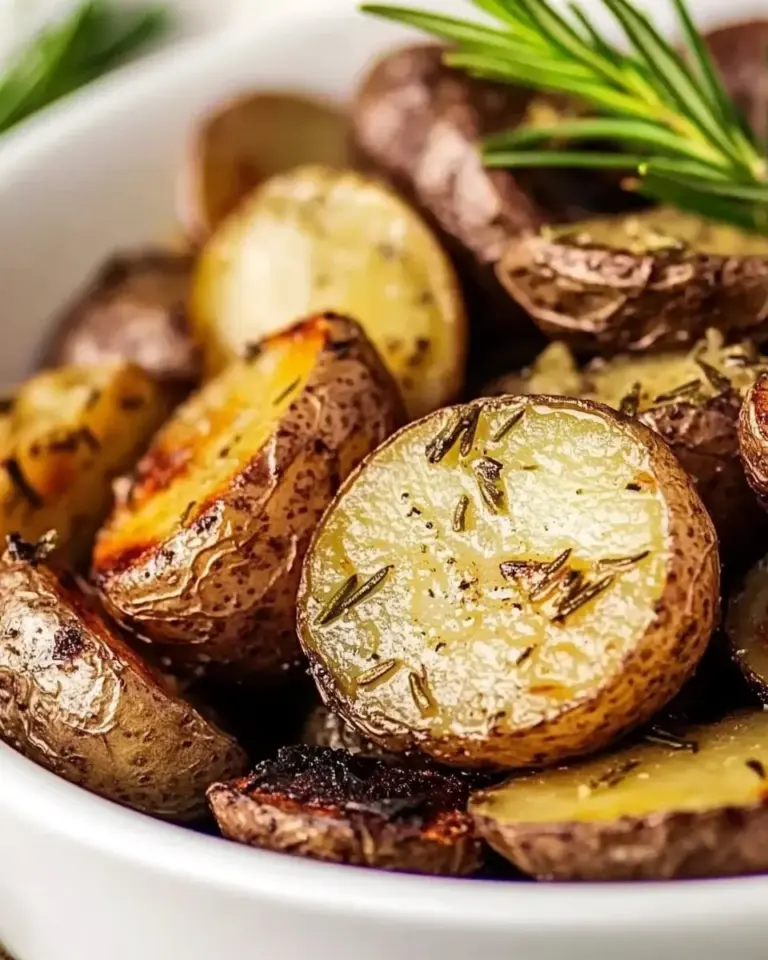
I love a good baked potato. They’re humble, forgiving, and in a slow cooker they transform into a hands-off weeknight hero: tender, steaming, and ready whenever you are. This method gives you reliably cooked interiors without babysitting an oven or standing over a stove. It’s one of those tricks I reach for when I want dinner to feel a little special with almost zero effort.
Slow-cooking wrapped potatoes keeps them moist and gives you a consistent texture from edge to center. The foil keeps the skins soft, and the little aluminum balls lift them off the insert so heat circulates more evenly. If you want a really lazy dinner plan or a make-ahead side for a busy holiday, these potatoes fit the bill.
Below you’ll find the ingredient list, the exact step-by-step instructions, troubleshooting tips, and practical storage notes. I’ll also explain why this method works and what to watch for so you get perfect potatoes every time.
Ingredient Rundown

Ingredients
- 4–6 Russet or Yukon Gold potatoes — Choose similar-sized spuds so they cook evenly; Russets give fluffier interiors, Yukon Golds stay a bit creamier.
- olive oil — Helps salt stick and encourages a lightly seasoned skin even when wrapped in foil.
- kosher salt — Season the skin; it’s the simplest way to start building flavor.
Slow Cooker Baked Potatoes: How It’s Done
- Scrub 4–6 Russet or Yukon Gold potatoes under running water and pat them dry with a towel.
- Tear off a piece of aluminum foil large enough to wrap one potato. Place one potato on the foil, drizzle it with olive oil, and sprinkle with kosher salt. Wrap the potato tightly in the foil. Repeat so each potato is individually wrapped.
- Make 4–6 balls of aluminum foil about the size of a tennis ball (aim for one ball per potato) and arrange them in a single layer on the bottom of the slow cooker insert.
- Place the foil-wrapped potatoes on top of the foil balls in the slow cooker in a single layer. Close the lid.
- Cook on HIGH for 4 hours or on LOW for 6–8 hours.
- Test a potato for doneness by piercing through the foil with a fork or skewer; it should slide in easily. If not done, continue cooking and recheck as needed.
- When potatoes are cooked, turn the slow cooker to WARM if not serving immediately. Use tongs or oven mitts to remove the hot, foil-wrapped potatoes, unwrap, and serve.
Why You’ll Love This Recipe
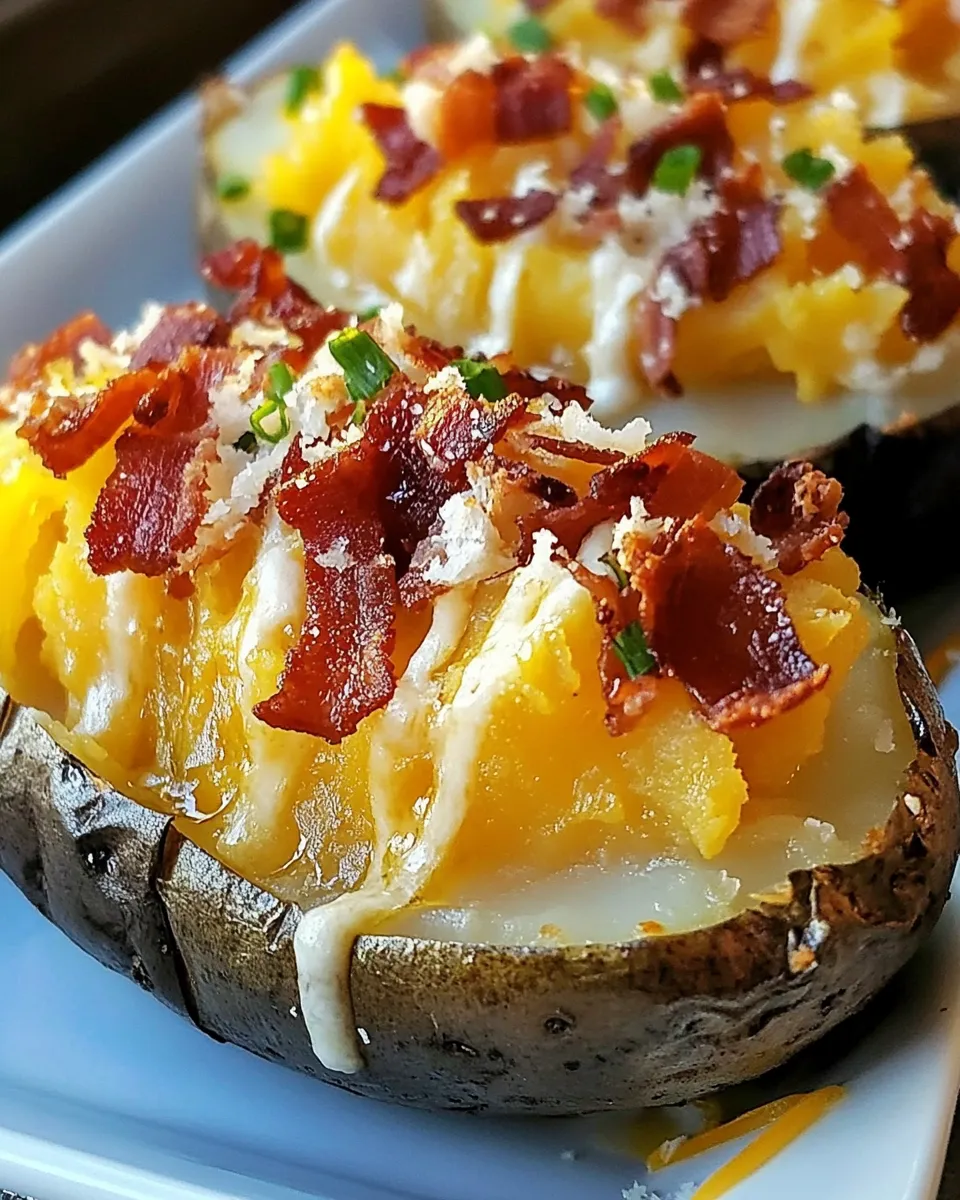
No oven? No problem. This recipe turns the slow cooker into a dependable potato oven. You get tender insides with very little hands-on time. If you’re juggling a busy schedule or feeding a crowd, this is a strategy that scales: the slow cooker does the time and temperature work for you.
It’s forgiving. Small changes in time won’t ruin the meal. That’s because the method uses gentle, consistent heat and individual foil wraps, so the potatoes steam in their own moisture and stay evenly cooked. They’re also easy to customize when you serve them — the base potato is a neutral canvas.
There’s minimal cleanup. The foil keeps juices contained and the slow cooker insert stays relatively clean. For weeknight dinners, that reduction in post-meal work matters more than you might expect.
Dairy-Free/Gluten-Free Swaps
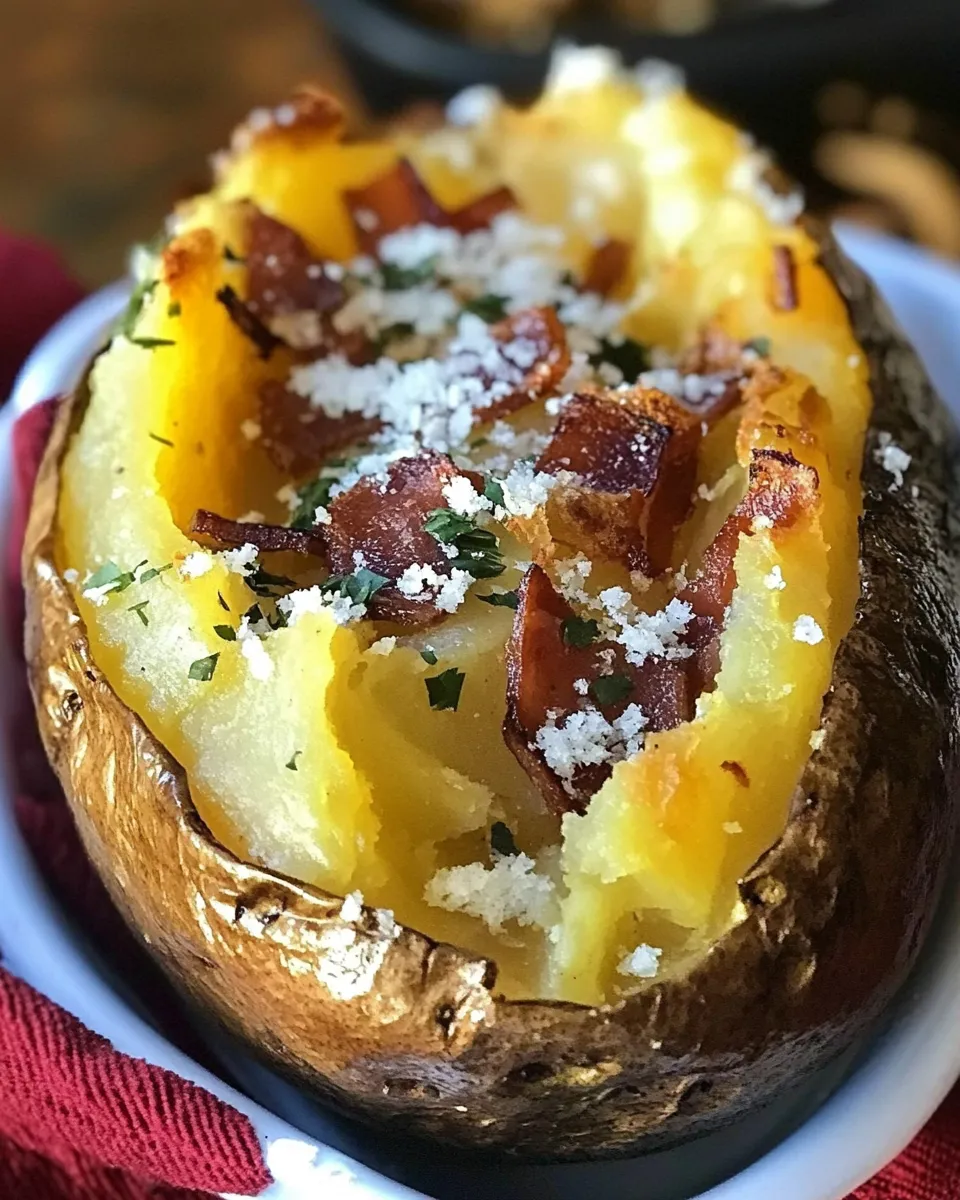
At its core, this recipe is naturally gluten-free and dairy-free: it uses only potatoes, olive oil, and salt. That makes it a solid option for guests with common dietary restrictions without any changes.
If someone wants to add creamy toppings or flavor finishes, use whatever specific dairy-free or gluten-free items you already prefer — plant-based options and certified gluten-free products slot in without changing the slow-cooking method. The potatoes themselves stay neutral and will carry whatever finishing choices you make.
Tools & Equipment Needed
- Slow cooker — Any size that can hold the potatoes in a single layer works. A 4- to 6-quart cooker is a good everyday choice.
- Aluminum foil — For wrapping each potato and for forming the foil balls that lift the potatoes off the insert.
- Tongs or oven mitts — For safely removing hot foil-wrapped potatoes from the cooker.
- Towel or cooling station — A clean surface to unwrap and rest the potatoes before serving.
Watch Outs & How to Fix
Undercooked Centers
If the fork doesn’t slide in easily, keep cooking. Potatoes vary by size and density. Continue on HIGH or LOW, checking every 20–30 minutes until tender. Test through the foil so you don’t lose heat by unwrapping too soon.
Soggy or Soft Skin
A slow cooker won’t crisp skins the way an oven or broiler does. If you want crispier skin, unwrap the potatoes and transfer them to a baking sheet, then finish under a hot broiler or in a 425°F oven for 5–10 minutes. That gives a nicely textured exterior without overcooking the interior.
Uneven Cooking
Make sure you use potatoes of similar size and arrange them in a single layer on the foil balls. If they’re stacked or very different in size, some will cook faster than others. Rearrange and continue cooking if you spot uneven doneness.
Foil Tears or Leaks
A small tear won’t ruin the potato, but it can allow moisture to escape and change the texture. If you see a leak, rewrap the potato and continue cooking. Use a fresh piece of foil large enough to seal tightly.
Seasonal Flavor Boosts
One of the nicest things about this recipe is how it plays well with seasonal touches at the finish. The slow-cooked potato is a blank slate, so a quick finish brings it to life.
In spring, think bright, fresh elements to contrast the warm, starchy interior. In summer, lighter, fresher finishes work best. Fall and winter invite richer, heartier accompaniments. Keep a few jars or staples on hand so you can dress each potato quickly when it comes out of the cooker.
If you want to experiment, make those finishes part of your serving routine rather than changing the cooking method. That keeps the base reliable and lets you adapt to what’s fresh or what you have in the pantry.
Behind the Recipe
This technique owes its simplicity to low-and-slow heat. The slow cooker maintains a moist environment and steady temperature, which is perfect for cooking dense vegetables like potatoes without burning or drying them out. Wrapping each potato in foil traps steam close to the surface and lets the flesh soften evenly.
The foil balls under the potatoes are a small but important trick. They lift the potatoes slightly off the insert, which improves air and heat circulation around each potato. That reduces cold spots and gives you a more uniform result than if the potatoes rested flat on the insert.
I adopted this method when I needed a low-effort way to produce a warm, comforting side that could sit in the cooker until people were ready to eat. It quickly became one of those recipes I rely on when timing is unpredictable.
Make-Ahead & Storage
Make-ahead: Cook the potatoes through the slow cooker method and keep them wrapped. They’ll stay warm and safe on the WARM setting for a short time, but for longer storage, move them to the refrigerator once cooled. Wrapped potatoes keep well in the fridge for up to 3–4 days.
Reheating: Reheat gently to avoid drying the interior. You can rewarm wrapped potatoes in the slow cooker on WARM for an hour, or unwrap and warm in an oven set to 350°F until heated through. Microwaving works in a pinch for single servings; wrap the potato in a damp paper towel to retain moisture and heat in short bursts, checking frequently.
Freezing: You can freeze cooked potato flesh (scooped) or whole potatoes, but note the texture may change — they might become a bit grainy after freezing and reheating. If you plan to freeze, mash the insides with a little oil before freezing for better results upon reheating.
Helpful Q&A
Q: Can I stack potatoes in the slow cooker?
A: It’s best not to. Single-layer placement on the foil balls ensures even heat circulation. If you must stack because of quantity, expect longer cook times and less even doneness; rotate or rearrange halfway through if possible.
Q: What if my potatoes are different sizes?
A: Try to group similarly sized potatoes together and test the largest one for doneness. Smaller ones will finish earlier; you can remove those as they’re ready to prevent overcooking.
Q: Can I skip the olive oil or the salt?
A: You can, but the oil helps the salt adhere and contributes a light seasoning to the skin. Salted skin tastes better, but skipping either won’t stop the potato from cooking.
Q: How do I get a crispy skin?
A: Finish under a broiler or in a very hot oven for a few minutes after unwrapping. That’s the easiest way to get crisp texture without changing the slow-cooker method.
Q: Is the foil necessary?
A: The foil keeps the potatoes moist and contained. Cooking without foil will lead to drier potatoes and could make cleanup harder. The method as written uses foil for best results.
Bring It Home
This slow cooker technique is about convenience without compromise. It gives you reliably cooked potatoes with minimal effort and low stress. Keep the process simple: scrub, oil, salt, wrap, lift, and slow-cook. That’s all it takes to produce a comforting side that’s adaptable to any meal plan.
Make a double batch for company, or set one cooker aside for a weekend brunch where everyone can top their own. The kitchen stays calm. Dinner becomes one less thing to worry about. When life gets busy, recipes like this are my quiet little wins — and I hope they become part of your regular rotation too.
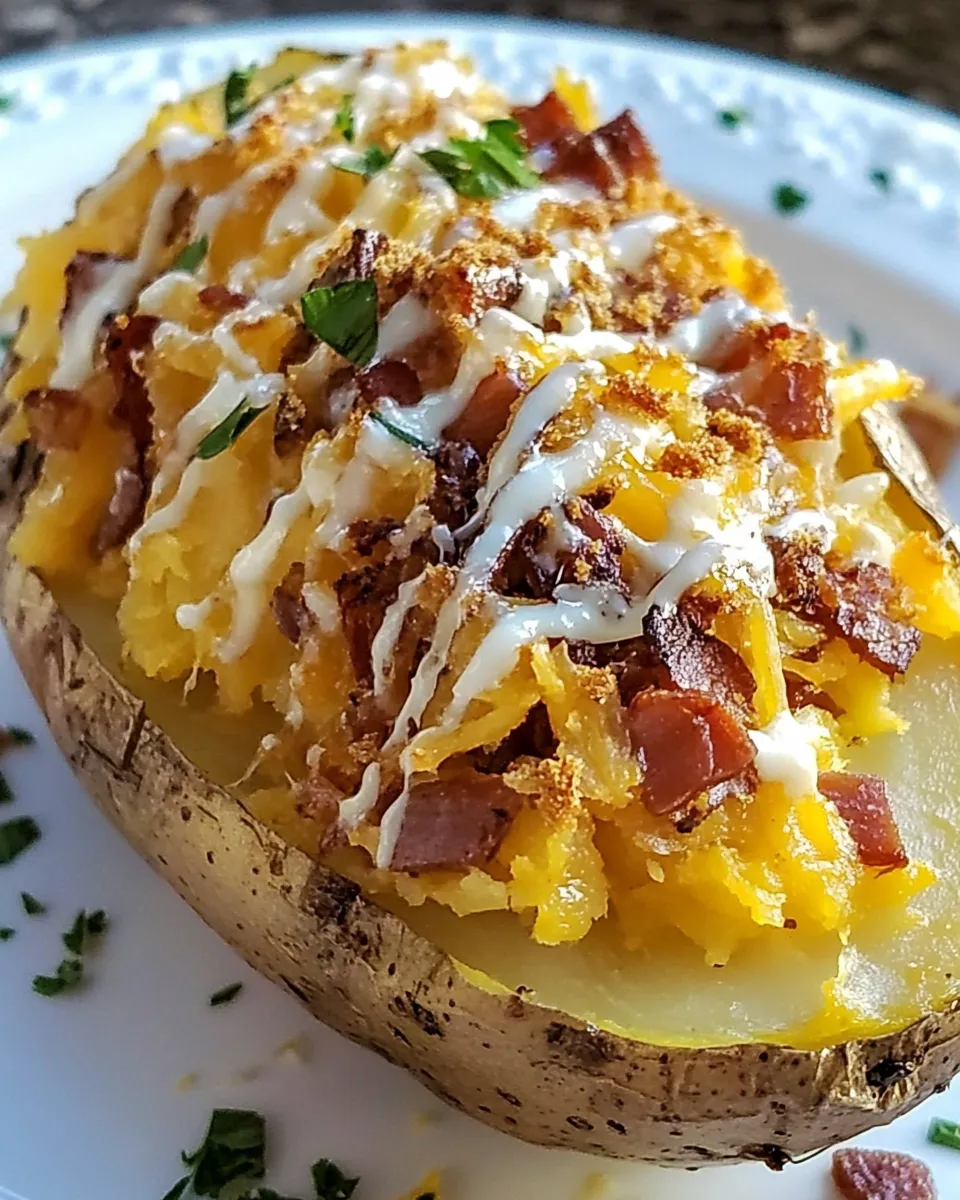
Slow Cooker Baked Potatoes Recipe
Ingredients
Equipment
Method
- Scrub 4–6 Russet or Yukon Gold potatoes under running water and pat them dry with a towel.
- Tear off a piece of aluminum foil large enough to wrap one potato. Place one potato on the foil, drizzle it with olive oil, and sprinkle with kosher salt. Wrap the potato tightly in the foil. Repeat so each potato is individually wrapped.
- Make 4–6 balls of aluminum foil about the size of a tennis ball (aim for one ball per potato) and arrange them in a single layer on the bottom of the slow cooker insert.
- Place the foil-wrapped potatoes on top of the foil balls in the slow cooker in a single layer. Close the lid.
- Cook on HIGH for 4 hours or on LOW for 6–8 hours.
- Test a potato for doneness by piercing through the foil with a fork or skewer; it should slide in easily. If not done, continue cooking and recheck as needed.
- When potatoes are cooked, turn the slow cooker to WARM if not serving immediately. Use tongs or oven mitts to remove the hot, foil-wrapped potatoes, unwrap, and serve.