State Fare Lemon Vinaigrette Salad Dressing
I first tasted a lemon vinaigrette like this at a small neighborhood bistro called State Fare. It was bright, clear, and perfectly balanced — no heavy mayo, no cloying sweetness. It clung to greens and herbs without overpowering them. I kept coming back until I learned the simple technique behind it.
This dressing is straightforward: dry mustard, salt, paprika, sugar, lemon juice, and oil. That short ingredient list makes it approachable, and the method is forgiving. You can shake it in a jar between errands or whisk it in a bowl while you chop a salad. Either way, you get a fresh, lively dressing that finishes many dishes.
Below I walk you through ingredient notes, step-by-step instructions from the original, sensible substitutions, and practical storage tips. No frills. Just the reliable, everyday method you’ll reach for when you want a lemony vinaigrette that works every time.
Ingredient Notes
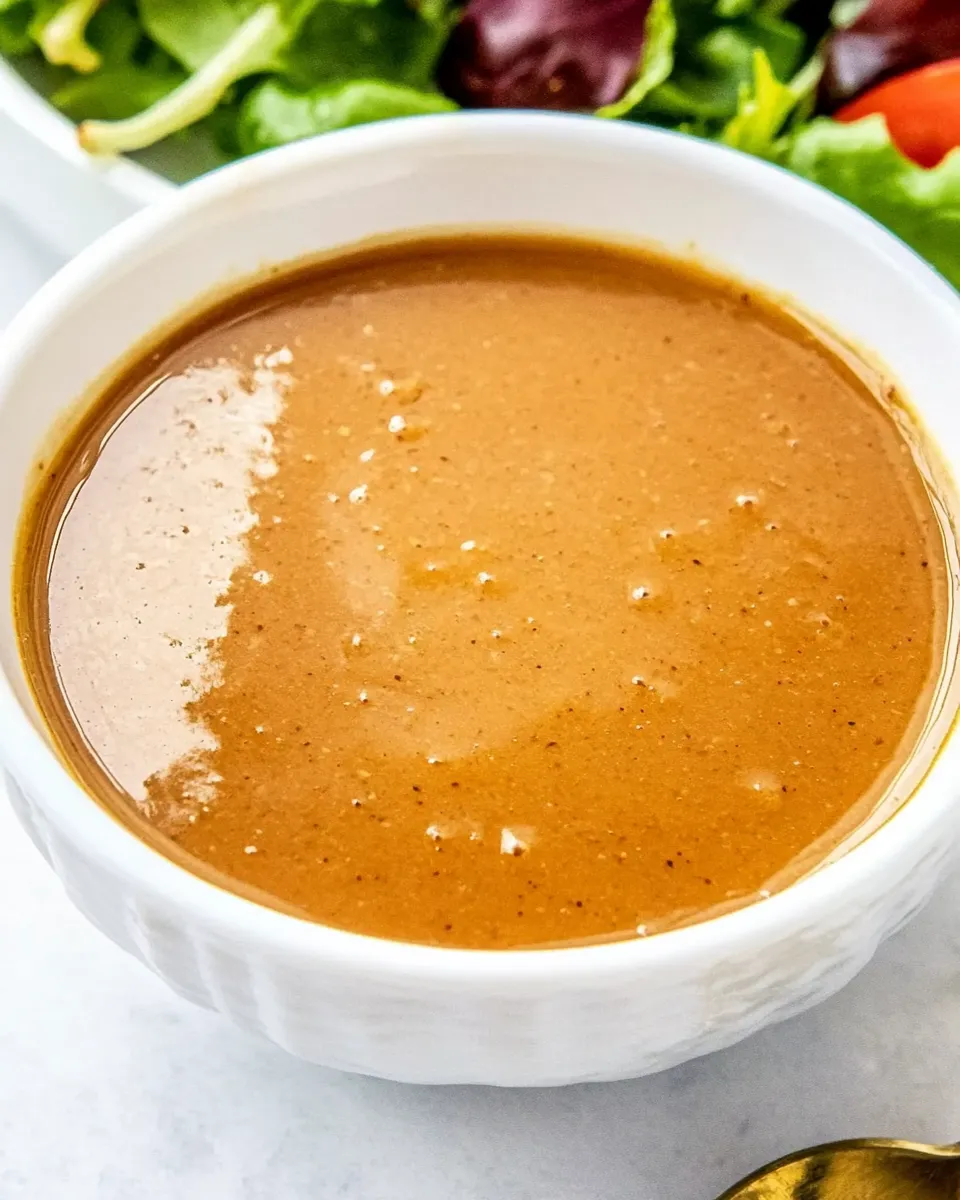
This vinaigrette depends on a few small things done well. Dry mustard is there to help the oil and lemon bind together; it’s a subtle emulsifier and adds a gentle layer of tang. Salt and a bit of sugar balance the lemon’s brightness so the dressing isn’t overly sharp. Paprika provides a touch of color and a whisper of warmth that keeps the overall flavor interesting.
Lemon juice is the acid anchor. Fresh-squeezed is best — it tastes cleaner and brighter than bottled. The recipe calls for vegetable or canola oil because they’re neutral and let the lemon sing. If you prefer a stronger oil character, read the substitutions below.
Technique matters more than fancy ingredients here. Adding oil slowly while whisking or shaking vigorously creates an emulsion that gives the dressing body and lets it cling to salad leaves. If the oil separates later, a quick shake or whisk brings it back.
Ingredients
- 1/4teaspoondry mustard — helps emulsify and adds subtle tang.
- 3/4teaspoonsalt — seasons the dressing; adjust to taste.
- 1/4teaspoonpaprika — gives color and a faint warm note.
- 1 1/2tablespoonssugar — balances the lemon’s acidity.
- 1/4cuplemon juice — the bright acidic backbone; use fresh if possible.
- 1/2cupvegetable or canola oil — neutral oil that carries flavor without overpowering.
State Fare Lemon Vinaigrette Salad Dressing Made Stepwise
- Measure and add the dry mustard, salt, paprika, and sugar to a clean jar with a tight-fitting lid or to a medium bowl.
- Add the lemon juice. Stir with a spoon (if using a bowl) or close the jar and shake until the sugar is dissolved and the mixture is uniform.
- Add the oil. If using a bowl, slowly drizzle the oil in while whisking constantly until the dressing becomes smooth and combined. If using the jar, pour in the oil, secure the lid, and shake vigorously until the dressing is well emulsified.
- Taste and use immediately, or transfer to the refrigerator.
- Refrigerate any leftovers and shake or whisk briefly before serving, as the oil may separate.
The Upside of State Fare Lemon Vinaigrette Salad Dressing

This dressing is fast, adaptable, and clean-tasting. It brightens simple salads without masking individual ingredients. Use it on baby greens, peppery arugula, or a composed salad with roasted beets and goat cheese. It’s also a smart finishing touch for grilled fish, steamed vegetables, or a chilled grain bowl.
Because the recipe uses neutral oil and a modest amount of sugar, the lemon flavor comes through clearly. It’s a good everyday vinaigrette when you want freshness and balance without fuss.
Smart Substitutions
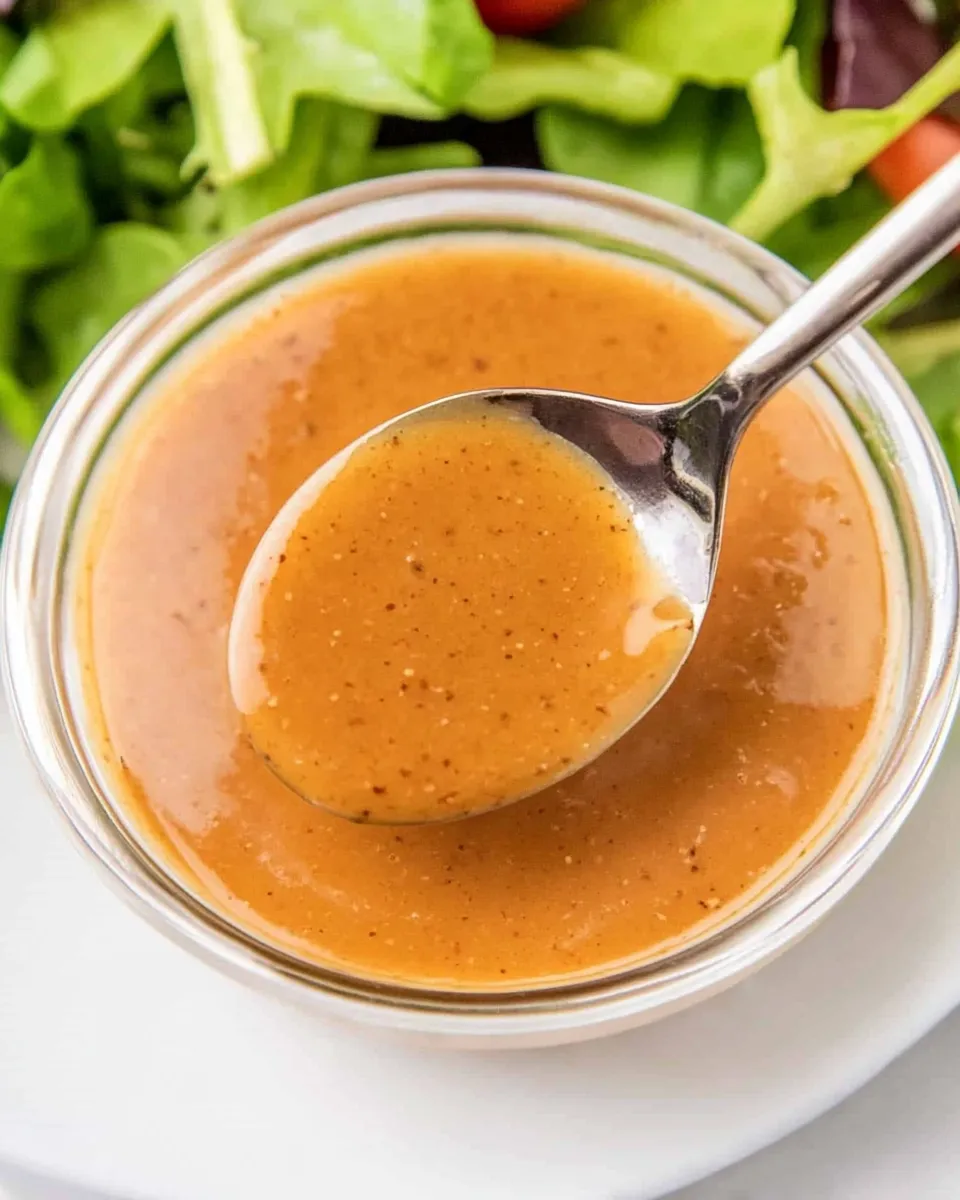
Here are thoughtful swaps if you don’t have the listed items or want to tweak the profile. Keep proportions in mind: the acid-to-oil relationship is what keeps a vinaigrette balanced.
- Oil: Substitute light olive oil for vegetable or canola for a slightly fruitier note. Avoid very robust extra-virgin olive oil if you want a clean lemon-forward result.
- Sweetener: If you prefer a less refined sweetener, replace the sugar with an equal amount of honey or maple syrup. Honey will add a floral roundness; maple lends a deeper, almost caramel note.
- Acid: For a milder tang, use half lemon juice and half white wine vinegar. This reduces overt citrus sharpness while keeping brightness.
- Seasonings: Smoked paprika can replace regular paprika for a smoky element. If you don’t have dry mustard, a small pinch of Dijon will provide similar emulsifying benefits and a touch more bite.
Tools & Equipment Needed
- Clean jar with tight-fitting lid — for shaking the dressing and easy storage.
- Medium bowl and whisk — if you prefer to whisk the dressing by hand.
- Measuring spoons and measuring cup — accurate quantities make the balance reliable.
- Citrus juicer or reamer — for fresh lemon juice with minimal seeds.
Mistakes That Ruin State Fare Lemon Vinaigrette Salad Dressing
Certain small missteps will throw off this simple vinaigrette. Here are the ones I see most often and how to avoid them.
- Using bottled lemon juice only: it can taste flat and metallic. If fresh lemons aren’t available, compensate with a pinch more sugar and a splash of water to round the flavor.
- Adding oil too quickly: pour the oil in slowly while whisking, or you’ll end up with a separated dressing. In a jar, that rapid, vigorous shaking helps, but pouring slowly is safest when whisking.
- Over-salting early: salt amplified by acid can feel much stronger after the dressing sits. Start with the recipe amount and adjust after tasting.
- Using a heavy-flavored oil without adjusting other ingredients: a robust oil will compete with lemon. Either use less or pick a milder oil.
Seasonal Serving Ideas
Spring: toss the vinaigrette with tender baby greens, sliced radishes, peas, and shavings of pecorino. The lemon cuts through the richness of the cheese and highlights spring vegetables.
Summer: dress a tomato and cucumber salad with generous herbs — mint, basil, and tarragon are lovely. The acidity keeps late-summer tomatoes bright and lively.
Autumn: use the dressing on a warm grain bowl with roasted squash, toasted seeds, and a sprinkle of feta to contrast sweet roasted flavors.
Winter: drizzle over roasted root vegetables or steamed Brussels sprouts right before serving to add a fresh counterpoint to earthy winter produce.
Method to the Madness
An emulsion is a suspension of tiny oil droplets in the water phase (here, lemon juice). Dry mustard acts as an emulsifier: it contains mucilage and compounds that stabilize those droplets so they don’t separate immediately. Whisking or shaking breaks the oil into small droplets and disperses them through the lemon-salt-sugar mixture.
Slowly adding oil while whisking makes a more stable emulsion because each small amount of oil is properly dispersed. In a jar, vigorous shaking achieves the same effect. Even then, oil and lemon will eventually separate because this is a vinaigrette, not a processed mayonnaise. That’s normal. A quick shake or whisk restores the emulsion.
Make-Ahead & Storage
You can make this dressing ahead. Prepare it, taste once more, and store it in a sealed jar in the refrigerator. The recipe’s directions already advise refrigerating leftovers.
When chilled, the oil may thicken and the dressing may lose a bit of loft. Remove it from the fridge 10–15 minutes before serving and give it a vigorous shake or whisk to re-emulsify. Stored properly, a lemon vinaigrette like this will keep well for about a week. If the flavor dulls over time, a squeeze of fresh lemon or a pinch more salt brings it back.
State Fare Lemon Vinaigrette Salad Dressing FAQs
Can I use olive oil instead of vegetable or canola? Yes. Use a light or mild olive oil if you want the lemon to remain dominant. Strong extra-virgin olive oil can overwhelm the citrus and change the dressing’s character.
Why is there sugar in a vinaigrette? Sugar softens the sharp edge of the lemon and rounds the flavors. It’s not overly sweet here — it simply balances the acid and makes the dressing more palatable on its own.
Is dry mustard necessary? It helps with emulsification and adds a subtle, savory tang. If you don’t have it, a small amount of Dijon or even a pinch of mustard powder can work in a pinch.
How do I fix a broken vinaigrette? If the oil has separated and won’t come back together, start with a fresh teaspoon of lemon juice or a splash of water in a bowl, then add the broken dressing slowly while whisking. That gives you a new base to re-emulsify.
Time to Try It
Make this lemon vinaigrette tonight. Measure the ingredients, shake or whisk, taste, and adjust. Use it on whatever you’re serving — greens, roasted veg, fish, or a grain bowl. It’s quick to make and forgiving to tweak.
Then come back and tell me how you used it. Did you swap the oil for light olive oil? Add fresh herbs? I love hearing the small changes readers make that turn a simple recipe into a regular favorite.

State Fare Lemon Vinaigrette Salad Dressing
Ingredients
Equipment
Method
- Measure and add the dry mustard, salt, paprika, and sugar to a clean jar with a tight-fitting lid or to a medium bowl.
- Add the lemon juice. Stir with a spoon (if using a bowl) or close the jar and shake until the sugar is dissolved and the mixture is uniform.
- Add the oil. If using a bowl, slowly drizzle the oil in while whisking constantly until the dressing becomes smooth and combined. If using the jar, pour in the oil, secure the lid, and shake vigorously until the dressing is well emulsified.
- Taste and use immediately, or transfer to the refrigerator.
- Refrigerate any leftovers and shake or whisk briefly before serving, as the oil may separate.