Sweet Irish Soda Bread
There’s something honest about soda bread: it’s quick, forgiving, and deeply comforting. This Sweet Irish Soda Bread takes that rustic simplicity and nudges it toward breakfast and tea time with a good measure of raisins and a sprinkle of turbinado sugar for a crackly top. It doesn’t rely on yeast or long rises, so you get a fresh loaf in under two hours from start to finish.
I developed this recipe through repeat baking and minor adjustments to texture and balance. The crumb should be dense but tender, like a thick cake rather than a dry, heavy brick. Caraway seeds give a faint, traditional bite that offsets the raisins’ sweetness. The loaf keeps well and slices neatly once fully cooled.
Ingredient Breakdown
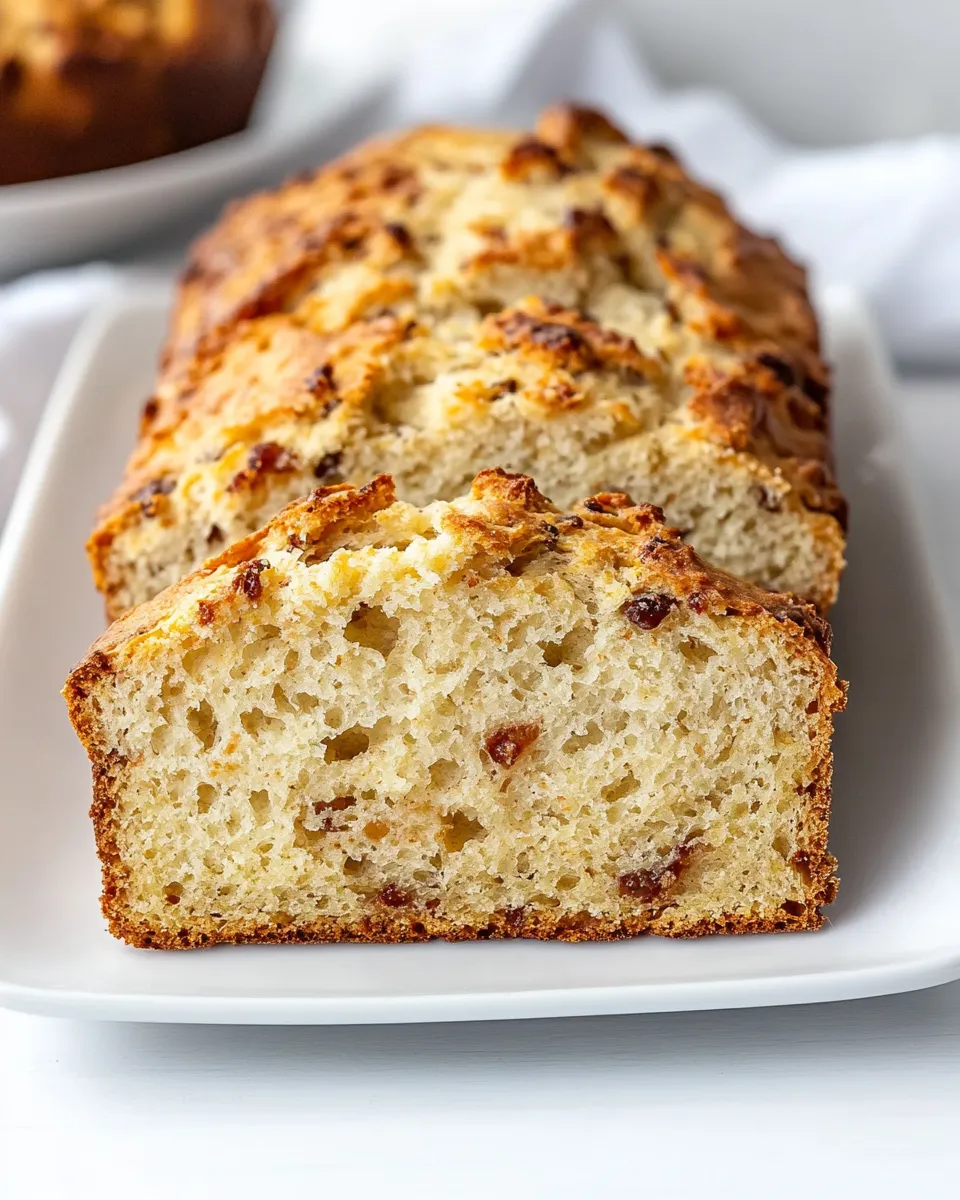
Before you start, know what each main ingredient brings to the loaf: flour provides structure, baking powder and baking soda supply lift, butter adds richness, and buttermilk reacts with the soda to create lift and tenderness. Raisins contribute moistness and chew; caraway seeds add aromatic contrast. Turbinado sugar is purely for texture and appearance on the crust.
Understanding roles helps you make subtle adjustments without breaking the recipe. For example, too little liquid makes the batter dry and heavy; too much produces gumminess and poor oven-spring. Keep the mixing gentle—overworking a soda bread batter can develop gluten and tighten the crumb.
Ingredients
- 5 cups sifted all-purpose flour — base and structure; sifted for an even, lighter crumb.
- 3/4 cup granulated sugar — sweetens the loaf; balances the tang of buttermilk and the bite of caraway.
- 2 teaspoons baking powder — primary leavening along with baking soda for oven lift.
- 1 1/2 teaspoons salt — enhances flavor and balances sweetness.
- 1 teaspoon baking soda — reacts with buttermilk to give extra rise and tenderness.
- 1/2 cup unsalted butter — cubed and cut into the flour for richness and flakier texture.
- 2 1/2 cups buttermilk — liquid, tenderizes crumb and reacts with baking soda.
- 1 large egg — binds and enriches the batter.
- 2 1/2 cups raisins, mixed light and dark — juicy pockets of sweetness throughout the loaf.
- 3 tablespoons caraway seeds — aromatic counterpoint to the raisins; optional if you dislike the flavor.
- Turbinado sugar for sprinkling — for a crunchy, glossy top finish.
Sweet Irish Soda Bread Made Stepwise
- Preheat the oven to 350°F (175°C). Generously butter two 9×5-inch loaf pans.
- Place the 5 cups sifted all-purpose flour in a large mixing bowl.
- Add the 3/4 cup granulated sugar, 2 teaspoons baking powder, 1 1/2 teaspoons salt, and 1 teaspoon baking soda to the flour; stir to combine.
- Cut the 1/2 cup unsalted butter into small cubes and work it into the flour mixture with your fingers or a pastry cutter until the mixture looks grainy and resembles coarse crumbs.
- Place the 2 1/2 cups raisins in a bowl and pour hot (not boiling) water over them; let them soak 15–20 minutes. Drain the raisins well and blot lightly if needed to remove excess surface moisture.
- Stir the drained raisins and 3 tablespoons caraway seeds into the flour-butter mixture until evenly distributed.
- In a separate bowl, whisk together the 2 1/2 cups buttermilk and 1 large egg until combined.
- Pour the buttermilk-and-egg mixture into the flour mixture and stir gently until just combined; the batter should be a thick cake-batter consistency.
- Divide the batter evenly between the two prepared loaf pans, smoothing the tops. Sprinkle turbinado sugar over each loaf.
- Bake on the center oven rack for 60–70 minutes, or until a toothpick inserted into the center of each loaf comes out clean or with only a few moist crumbs.
- Remove the pans from the oven and let the loaves cool in the pans for 3–5 minutes. Then transfer the loaves to a wire rack to cool completely before slicing.
Why You’ll Keep Making It
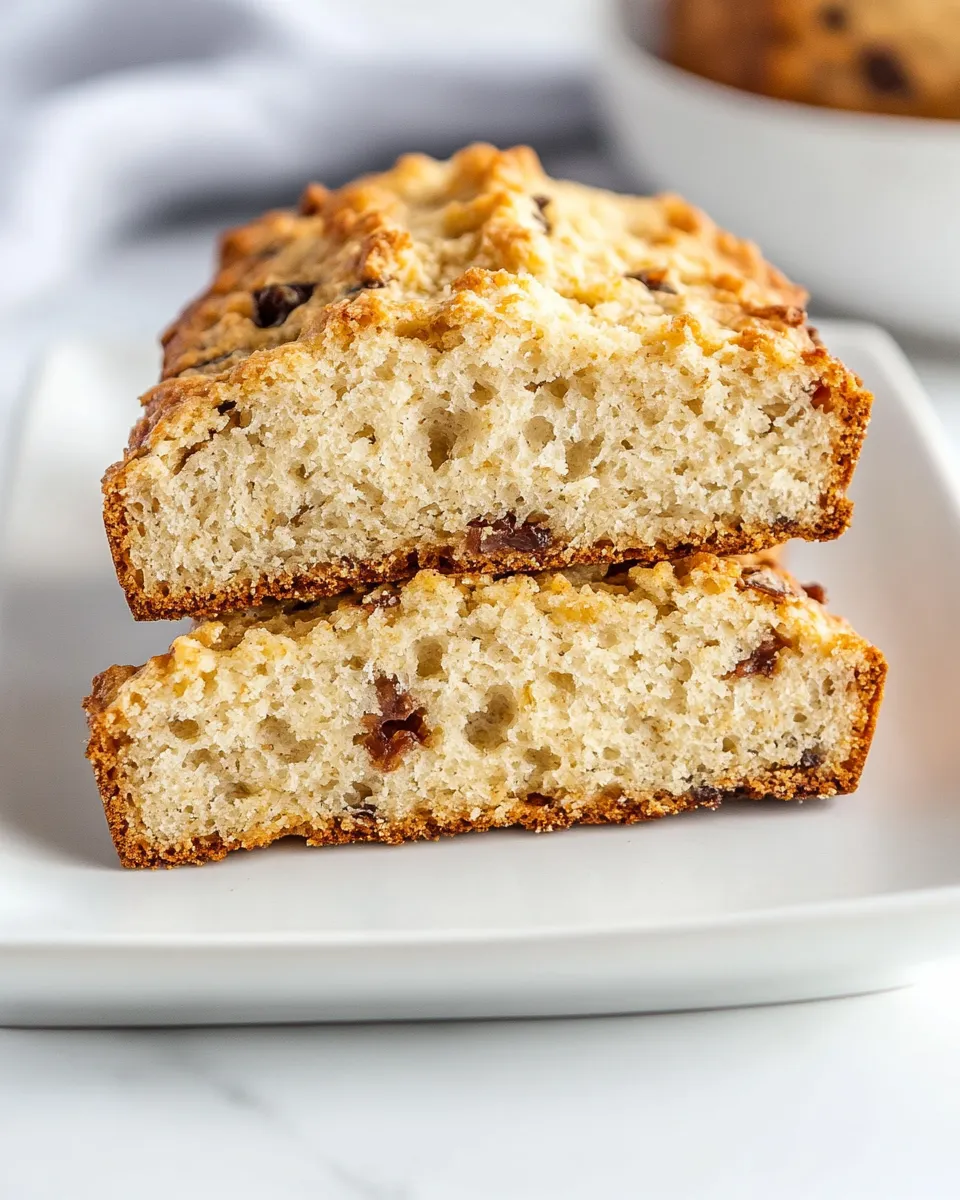
This loaf answers two core kitchen needs: speed and reliability. It takes advantage of pantry staples and demands no proofing. If you need a hearty breakfast bread, a companion for soups, or a portable snack for hikes, it fits the bill.
The texture is the other reason you’ll make it again. It’s dense enough to hold up to spreads but tender enough to slice without crumbling. The raisins make it sweet enough to eat solo and the caraway quietly lifts the flavor profile so it never feels flat.
Finally, the recipe scales cleanly: two loaves split for gifts, one loaf for a weekend family. It’s straightforward, so you can bake with roommates, kids, or when you’re short on time and patience.
No-Store Runs Needed
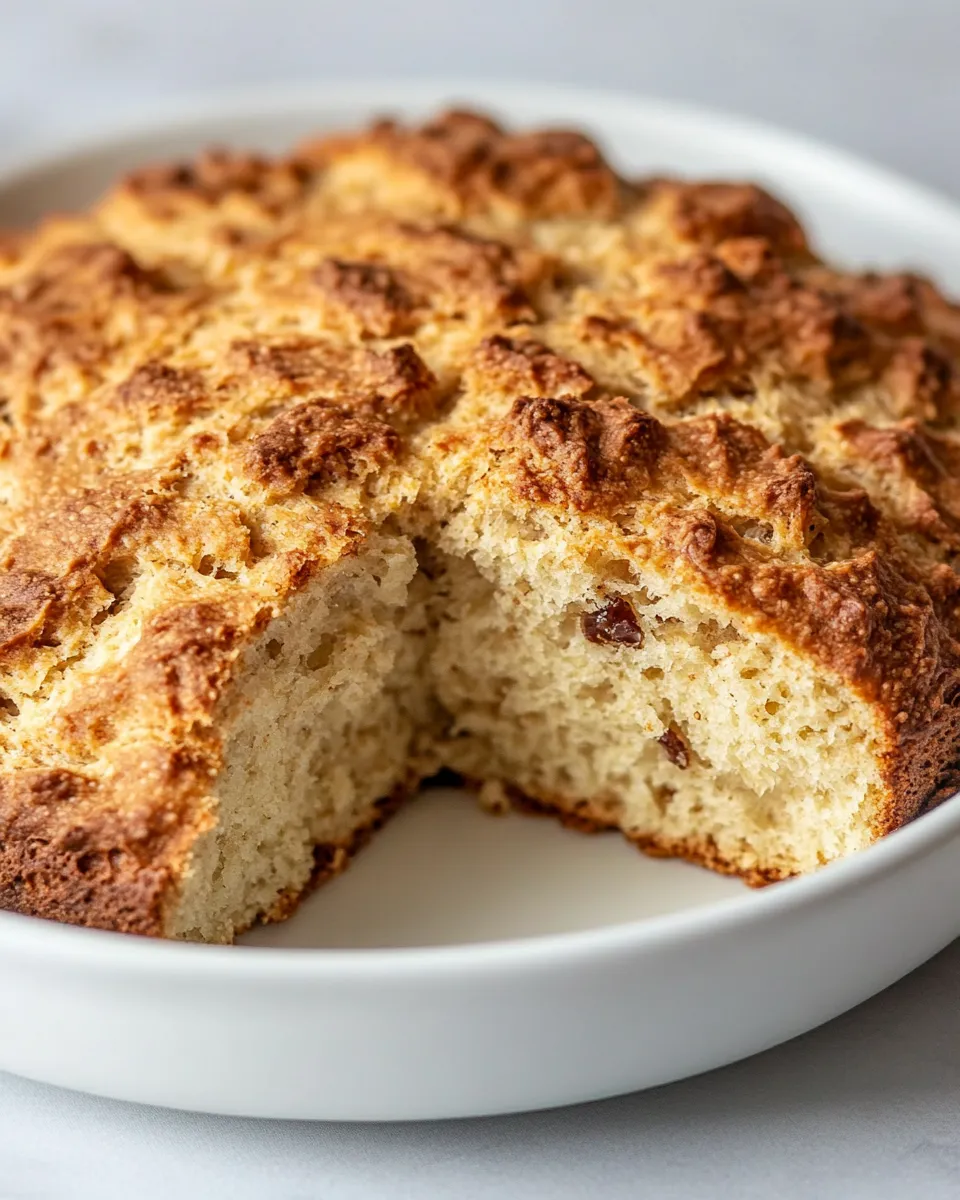
Most kitchens already carry the critical items: flour, sugar, a leavening agent, salt, butter, and some kind of milk or buttermilk. Raisins are common in many pantries; if you do have them, you’re nearly set.
If you’re missing buttermilk, check your fridge for a yogurt or kefir option you already have before heading out. Small adjustments will still keep the loaf workable. The caraway seeds and turbinado sugar are nice-to-haves but not strictly essential for a successful loaf.
Hardware & Gadgets
- Two 9×5-inch loaf pans — the recipe is written for two; use one if you prefer a taller loaf but adjust bake time.
- Large mixing bowl — for combining dry ingredients and batter.
- Pastry cutter or clean fingers — to cut butter into the flour until coarse crumbs form.
- Whisk — to mix the buttermilk and egg smoothly.
- Measuring cups and spoons — accurate leavening and salt measurements matter.
- Wire rack — cool loaves completely to avoid tearing when slicing.
Mistakes Even Pros Make
- Overmixing the batter — this develops gluten and produces a tough loaf. Stir only until combined.
- Using boiling water for the raisins — that cooks them; use hot but not boiling to plump the fruit without making them mushy.
- Skipping the brief cool — slicing hot soda bread causes the crumb to compress and crumble. Cool fully for clean slices.
- Under- or over-measuring flour — spoon it into the measuring cup and level it. Packing flour yields a drier, denser loaf.
- Baking at inconsistent oven temperature — preheat fully and avoid opening the door during the long bake time.
Tailor It to Your Diet
The recipe is naturally straightforward to tweak without changing the method. If you prefer less sweetness, reduce the granulated sugar slightly or omit the turbinado sprinkle. Prefer fewer inclusions? Cut the raisins to 1 1/2 cups rather than 2 1/2—less fruit still yields moist pockets without extra chew.
If caraway isn’t your thing, leave it out and the loaf will still be balanced. For a leaner loaf, use a lower-fat buttermilk if that’s what you have on hand. Small swaps are effective; the key is to maintain the 2 1/2 cups of liquid to keep the batter’s intended consistency.
What Could Go Wrong
Here are likely problems and how to address them, quickly.
- Dry, crumbly loaf — usually too much flour or insufficient liquid. Check your measuring technique. For a rescue, brush the top with a little buttermilk after baking to add moisture to slices.
- Gummy center — too much liquid or underbaked. Return the loaf to the oven for additional time and test again. A clean toothpick means done.
- Dense, tight crumb — overmixed batter or old leavening. Mix gently; check baking powder/soda freshness if you bake seldom.
- Raisins sinking — coat raisins lightly with a dusting of flour before folding in to help suspend them in the batter.
Save It for Later
Once cooled, wrap the loaf tightly in plastic wrap or place in an airtight container. At room temperature it will keep well for 2–3 days. For longer storage, slice and freeze. Individual slices thaw quickly in the toaster or under a warm broiler for a few minutes.
If you freeze a whole loaf, wrap it tightly in plastic and then in foil to prevent freezer burn. Thaw overnight in the refrigerator, then bring to room temperature before serving. Avoid refrigerating for long periods; it dries the bread more quickly than freezing.
Your Top Questions
How do I know when it’s done? Use a toothpick in the center; it should come out clean or with a few moist crumbs. The top should be nicely browned and the loaves should sound slightly hollow when tapped.
Can I bake one loaf instead of two? Yes. Use a single 9×5 or a slightly smaller pan for a taller loaf, but expect the total baking time to increase. Monitor doneness with a toothpick.
Why soak the raisins? Soaking plumps them, preventing them from stealing moisture from the crumb. Hot (not boiling) water for 15–20 minutes softens without overcooking.
Can I omit the caraway? Absolutely. The bread will be slightly sweeter and more straightforward in flavor without caraway; it remains a classic, crowd-pleasing loaf.
Ready to Cook?
If you’ve read this far, you’re set. Preheat the oven, butter your pans, and measure carefully. Keep your mixing gentle and your expectations practical: soda bread rewards speed and care rather than fuss. Follow the steps as written, cool fully, and slice cleanly. Bring it to breakfast, take it to work, or offer it to friends—this Sweet Irish Soda Bread is dependable comfort in loaf form.
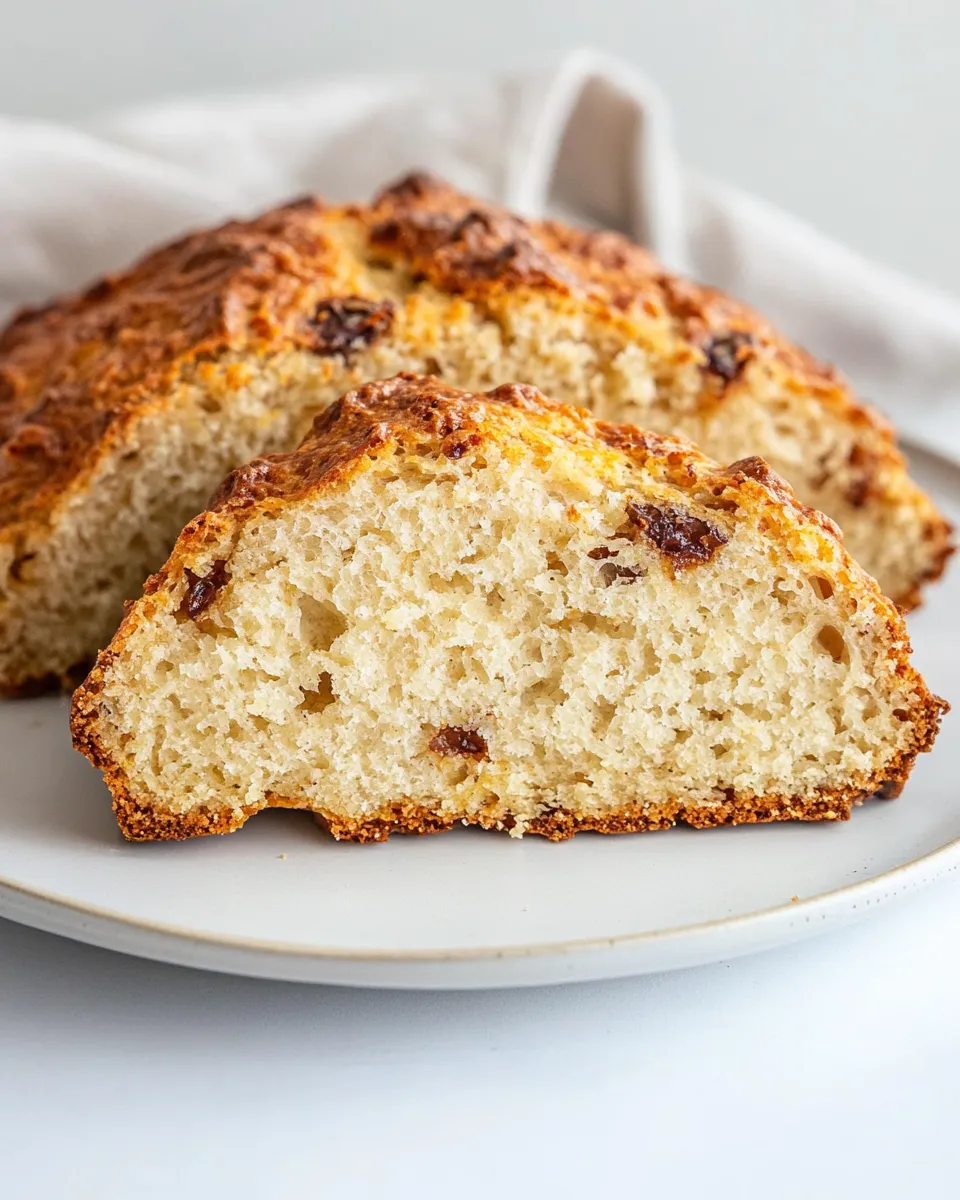
Sweet Irish Soda Bread
Ingredients
Equipment
Method
- Preheat the oven to 350°F (175°C). Generously butter two 9×5-inch loaf pans.
- Place the 5 cups sifted all-purpose flour in a large mixing bowl.
- Add the 3/4 cup granulated sugar, 2 teaspoons baking powder, 1 1/2 teaspoons salt, and 1 teaspoon baking soda to the flour; stir to combine.
- Cut the 1/2 cup unsalted butter into small cubes and work it into the flour mixture with your fingers or a pastry cutter until the mixture looks grainy and resembles coarse crumbs.
- Place the 2 1/2 cups raisins in a bowl and pour hot (not boiling) water over them; let them soak 15–20 minutes. Drain the raisins well and blot lightly if needed to remove excess surface moisture.
- Stir the drained raisins and 3 tablespoons caraway seeds into the flour-butter mixture until evenly distributed.
- In a separate bowl, whisk together the 2 1/2 cups buttermilk and 1 large egg until combined.
- Pour the buttermilk-and-egg mixture into the flour mixture and stir gently until just combined; the batter should be a thick cake-batter consistency.
- Divide the batter evenly between the two prepared loaf pans, smoothing the tops. Sprinkle turbinado sugar over each loaf.
- Bake on the center oven rack for 60–70 minutes, or until a toothpick inserted into the center of each loaf comes out clean or with only a few moist crumbs.
- Remove the pans from the oven and let the loaves cool in the pans for 3–5 minutes. Then transfer the loaves to a wire rack to cool completely before slicing.
Notes
NOTE:
Buttermilk can have different consistencies, depending on the brand. If your dough is thicker than dense cake batter, don’t worry! Just shape it into loaves and place in the pans. No need to add more liquid.