Three Bean Rice Bowl Recipe
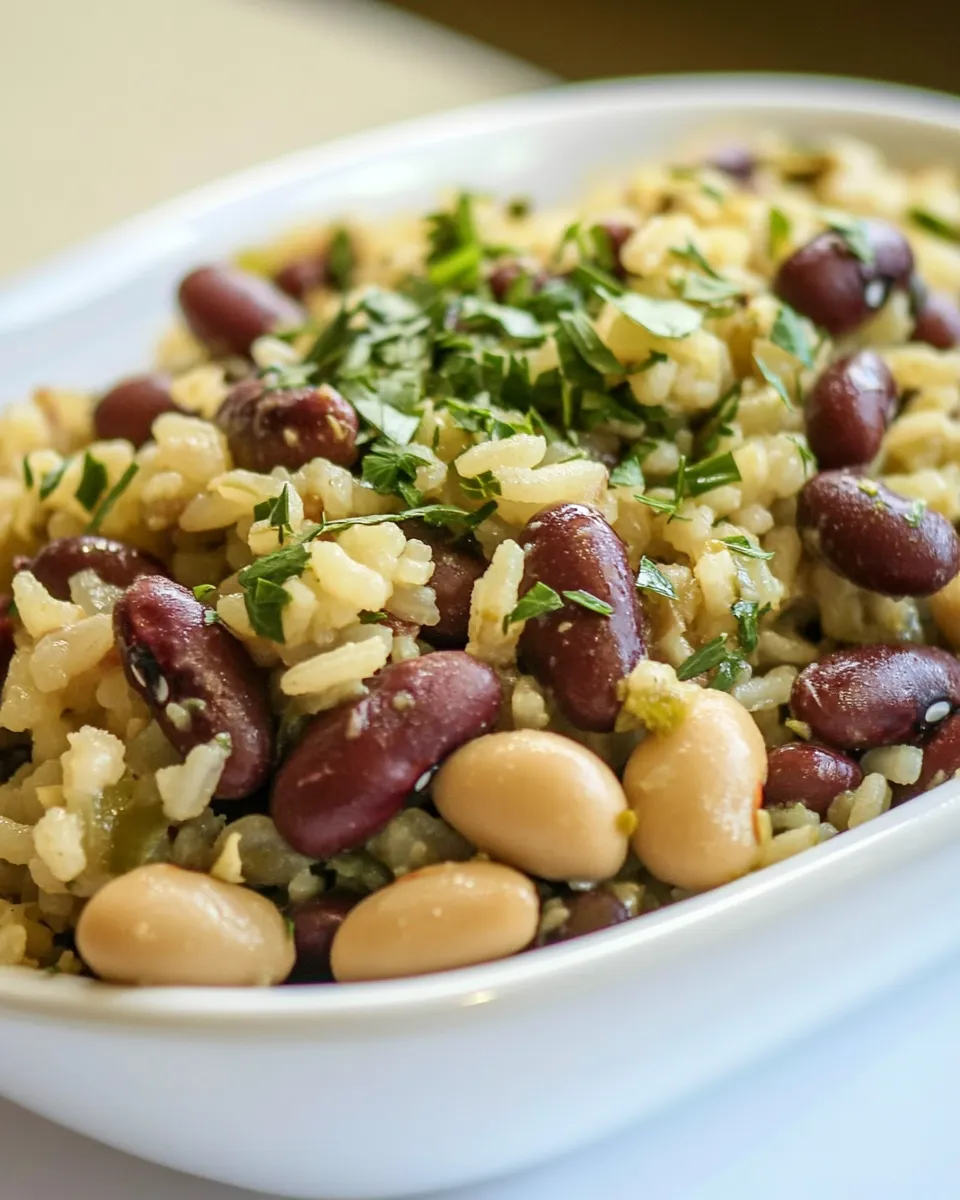
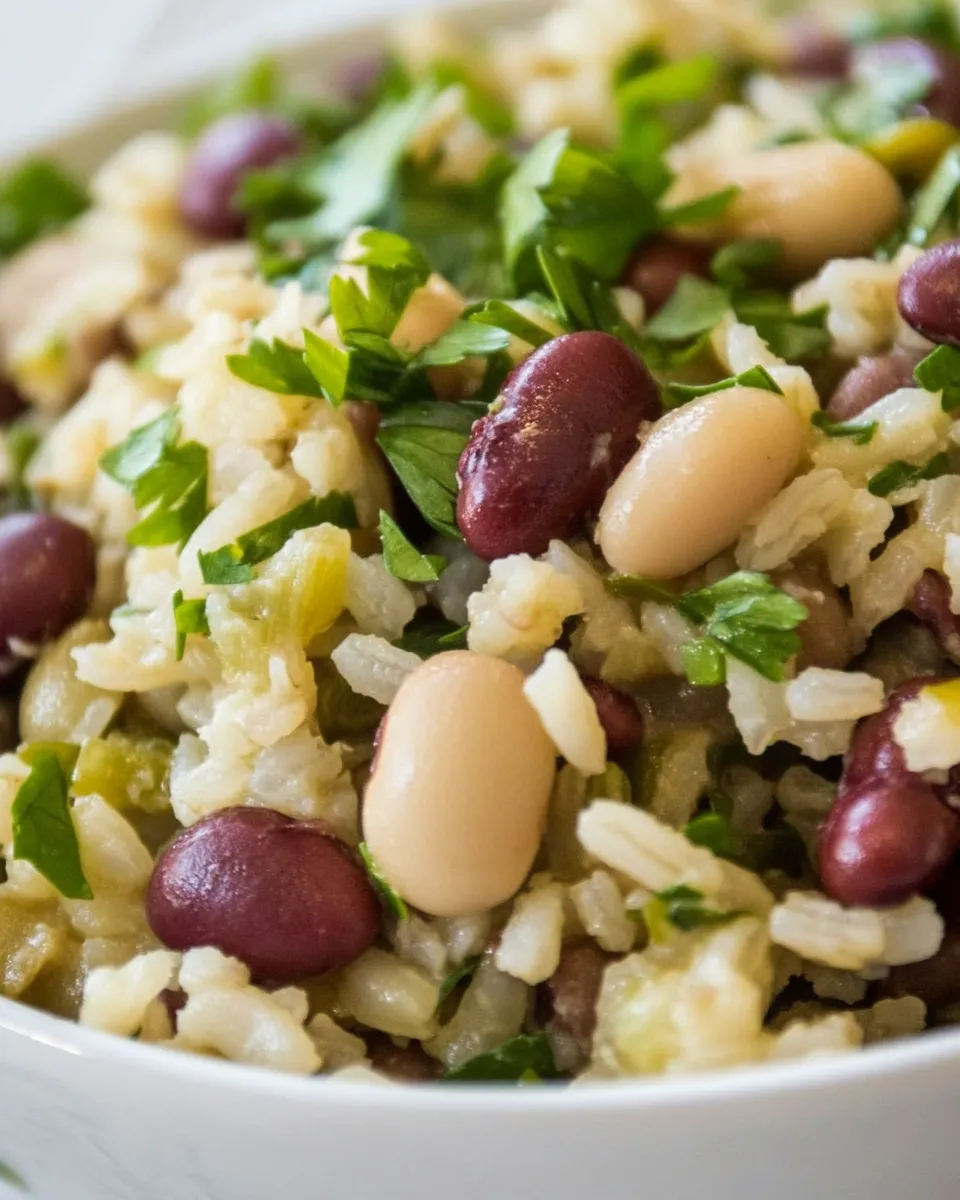
This bowl is one of my weekday workhorses — satisfying, colorful, and not fussed about precision. It layers nutty brown rice with bright green beans and a warm trio of beans for protein and texture. The Parmesan binds the rice with a subtle richness so each spoonful feels intentional, even on a busy night.
It’s a recipe built around pantry-ready things: brown rice, a couple of cans or containers of cooked beans, a handful of fresh green beans, and stock. The method is straightforward: coax flavor into the rice, blanch the green beans to keep them lively, and warm the beans in a skillet so they stay distinct and glossy.
I’ll walk you through the ingredient roles, the exact, no-fuss steps, and small adjustments that make this bowl work in different seasons. If you want quick swaps, storage notes, or troubleshooting hints, those are later on — practical and tested, not theory.
Ingredient Breakdown
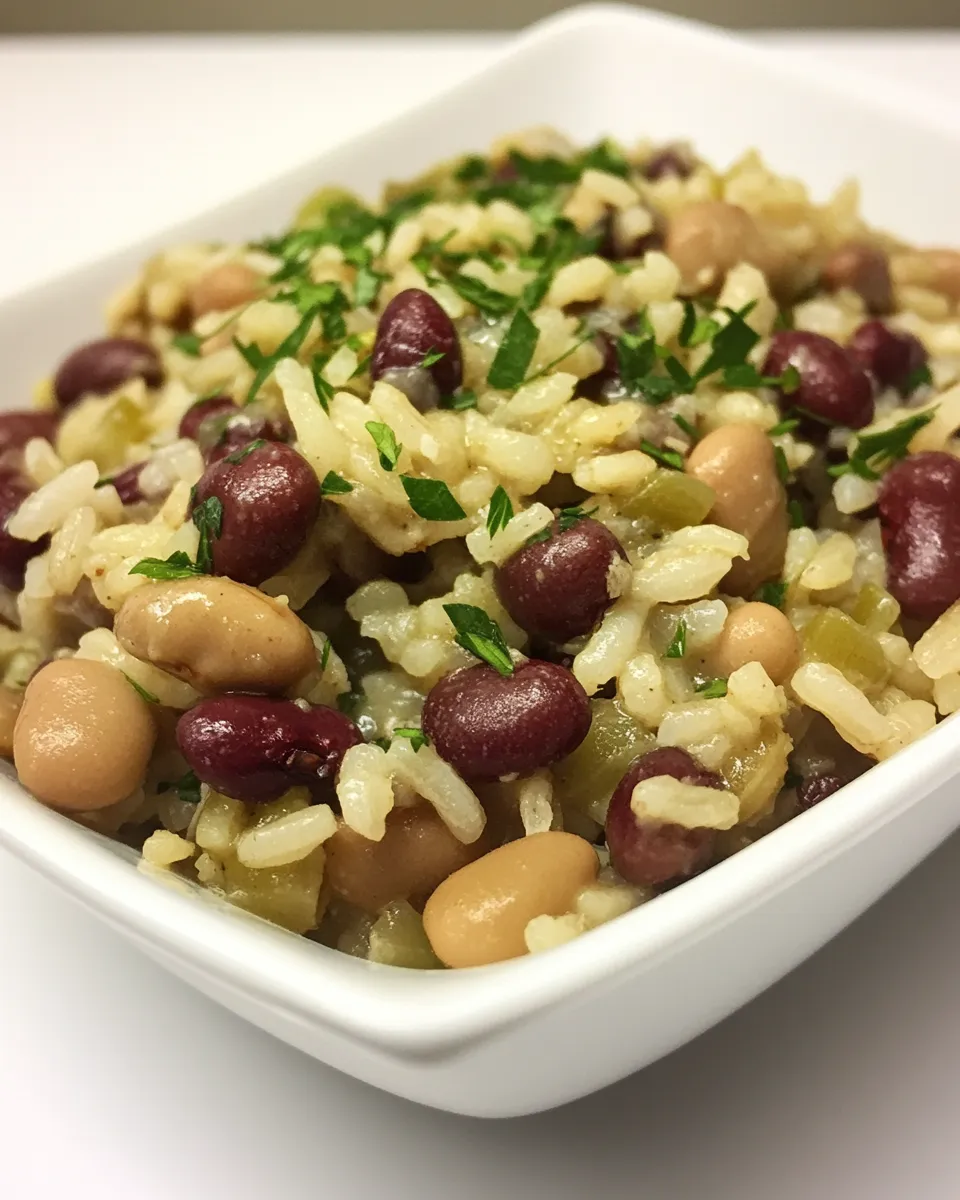
Before diving into the steps, here’s a quick look at what each ingredient does and a short tip so nothing takes you by surprise.
Ingredients
- 2 tablespoons olive oil, divided — Used to toast the rice and to warm the bean mixture; divided use gives flavor without greasiness.
- 1 cup brown rice — The base grain; it holds up well against the beans and has a nutty chew that contrasts the softer beans.
- 1/2 teaspoon black pepper, coarse-ground — Adds background heat and lift to the rice; coarse-ground gives a little texture.
- 2 cups vegetable stock — Cooks the rice with extra flavor compared to water; it’s the main seasoning liquid for the grain.
- 1/4 cup Parmesan cheese, grated — Stirred into the hot rice at the end for creaminess and umami; a little goes a long way.
- 1/2 pound green beans, fresh, trimmed — Blanched to keep color and crunch; they add freshness and a bright note.
- 1 cup chickpeas, cooked — One of the three beans; meaty and mild, they warm through in the skillet.
- 1 cup kidney beans, cooked — Provides color contrast and a different texture; warms alongside the chickpeas.
- 1/4 teaspoon sea salt — Added to the blanching water to season the green beans; small but important for balanced flavor.
Make Three Bean Rice Bowl Recipe: A Simple Method
- In a medium saucepan, heat 1 tablespoon olive oil over medium heat. Add 1 cup brown rice and stir to coat the grains in the oil. Cook, stirring, for 1 minute.
- Add 1/2 teaspoon coarse-ground black pepper and 2 cups vegetable stock to the saucepan. Bring to a boil, then reduce heat to low, cover, and simmer for 50 minutes, or until the liquid is absorbed.
- While the rice is cooking and has about 10 minutes remaining, bring a pot of water to a boil. Add 1/4 teaspoon sea salt to the boiling water, then add 1/2 pound trimmed green beans. Cook the green beans for 3–4 minutes until tender-crisp. Drain and immediately rinse the green beans under cold running water to stop the cooking. Drain well.
- After the rice has finished cooking, remove the saucepan from the heat and let the rice stand, covered, for 10 minutes. Uncover and stir in 1/4 cup grated Parmesan cheese until combined.
- Meanwhile, heat the remaining 1 tablespoon olive oil in a skillet over medium heat. Add the drained green beans, 1 cup cooked chickpeas, and 1 cup cooked kidney beans. Cook, stirring occasionally, for 3–5 minutes, until the beans are heated through.
- Serve the warmed bean mixture alongside the Parmesan rice.
Why I Love This Recipe
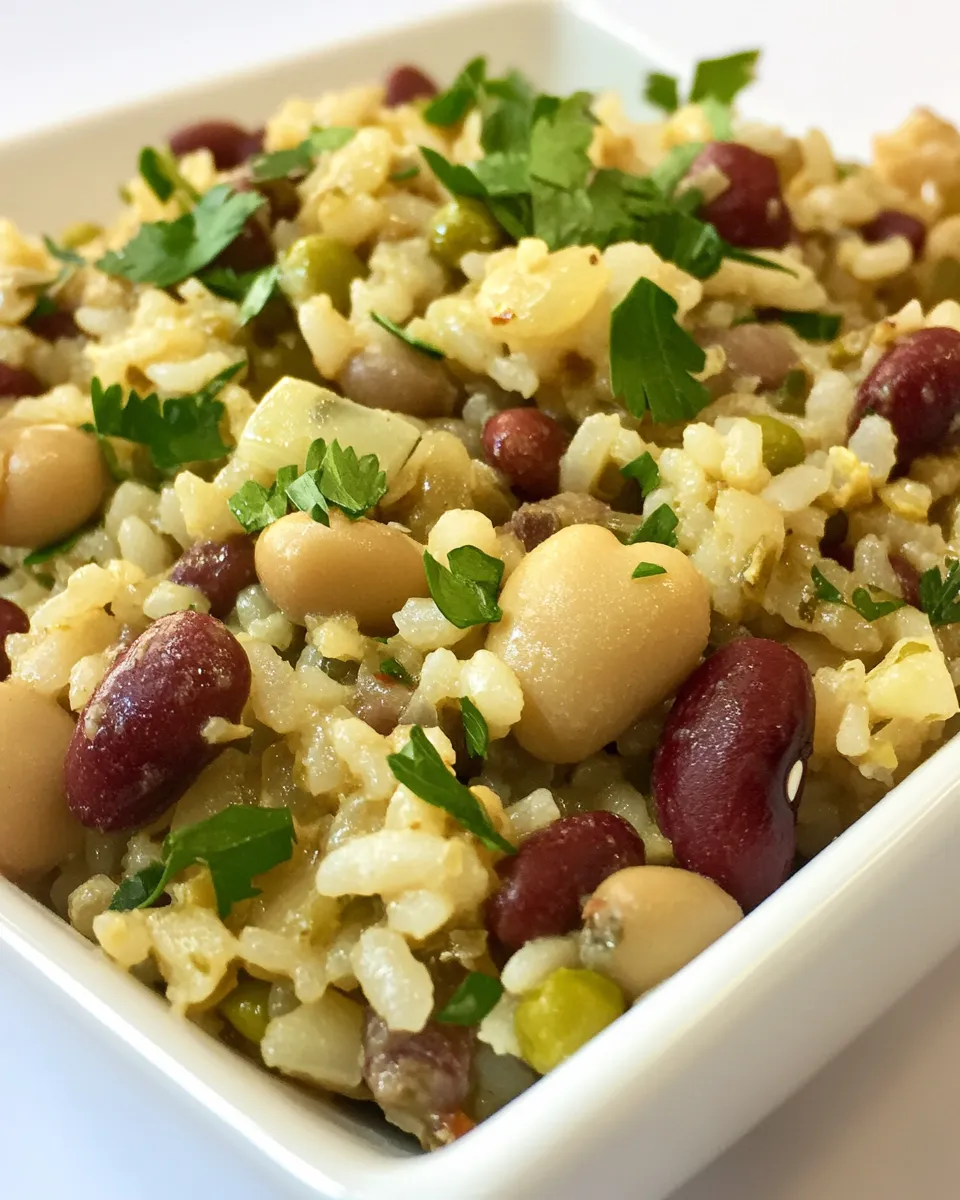
It’s honest, on-purpose food. The rice gets a toasty start in oil, which deepens the flavor instead of hiding it under heavy sauces. Parmesan folded in at the end keeps the rice creamy without being cloying, and the simple blanch-and-shock technique for the green beans preserves a snap and color that make the bowl feel fresh.
The triple-bean combo keeps the protein high without leaning on meat. Chickpeas and kidney beans offer different textures and flavors, so every bite is slightly different. It’s a bowl that feeds weeknight needs and also makes a sturdy lunch the next day.
Quick Replacement Ideas
- Swap brown rice for short-grain or basmati if you prefer a softer, faster-cooking grain — expect a change in texture.
- If you don’t have chickpeas or kidney beans, use another cooked bean you have on hand; keep the total bean volume similar to retain balance.
- Use water plus a splash of soy sauce or a bouillon cube if you don’t have vegetable stock — it will still be flavorful.
- For a dairy-free finish, omit the Parmesan or swap it for a sprinkle of nutritional yeast (if you keep pantry staples on hand).
Setup & Equipment
- Medium saucepan with a tight-fitting lid — for reliable simmering and resting of the rice.
- Large pot for blanching — gives the green beans space so they cook evenly.
- Colander or mesh strainer — for draining beans and rinsing the green beans after shocking.
- Skillet (medium) — to warm and gently sauté the beans without steaming them.
- Measuring cups and spoons — precision with the rice-to-liquid ratio matters for the texture.
Easy-to-Miss Gotchas
Don’t lift the lid while the rice simmers. Brown rice needs that steady, trapped steam to finish; lifting the lid early lengthens cooking time and can make the top layer dry.
Shock the green beans. Skipping the cold-water plunge will let carryover heat soften them further, and they’ll lose that bright color and snap that lifts the bowl.
Salt the blanch water. Just 1/4 teaspoon sea salt seasons the green beans from the inside out; otherwise they taste flat alongside the seasoned rice.
Drain canned or pre-cooked beans well. Excess liquid dilutes the olive oil and leaves the skillet soggy — you want glossy, separate beans, not stew.
Warm & Cool Weather Spins
Warm-weather: Let the rice cool slightly and make the bowl more like a grain salad — squeeze a lemon over the bean mixture and finish with plenty of chopped fresh herbs (mint or parsley). It brightens the beans without any extra cooking.
Cool-weather: Add a splash of toasted sesame oil or a knob of butter to the rice with the Parmesan for a rounder, cozier finish. Swap some of the blanched green beans for roasted root vegetables if you want a heartier, oven-driven bowl.
What I Learned Testing
Timing is everything. When I first tested this, I warmed the beans earlier and kept them on low heat; they turned dull and fell apart. Warming them briefly in a hot skillet keeps textures intact. The 3–5 minute window is forgiving and worth following.
Parmesan belongs in the rice at the end. Stirring it into hot-rested rice ensures it melts without clumping and creates a silkier mouthfeel than adding it cold or sprinkling it on top.
One jar of well-seasoned vegetable stock makes a big difference. I tested with plain water and then with stock; the bowls cooked in stock consistently tasted more finished with no extra effort.
Keep It Fresh: Storage Guide
Store components separately if you can: rice in one airtight container, the warmed bean mixture in another. The rice keeps best at room temperature briefly, then refrigerated within two hours. In the fridge, both components hold for about 3–4 days.
To reheat, warm the rice gently with a tablespoon or two of water to rehydrate, and reheat the bean mixture in a skillet over medium-low until just warmed through. If you reheat both together, add a splash of stock or water to the rice and stir constantly so it doesn’t dry out.
Reader Q&A
Q: Can I use frozen green beans?
A: Yes. Thaw and pat them dry, then sauté briefly instead of blanching so they don’t get soggy. Frozen beans tend to release more water, so a dry skillet helps maintain texture.
Q: What if I only have dry beans?
A: Cook them ahead according to the package directions and keep them drained and cooled. The recipe assumes cooked beans so the skillet step is just warming, not cooking from raw.
Q: Is this suitable for meal prep?
A: Absolutely. Keep rice and beans separate in meal-prep containers. Add the green beans only when you’re ready to eat to preserve color and snap.
Ready, Set, Cook
This Three Bean Rice Bowl hits the right notes quickly: whole-grain depth, bright green snap, and warmed beans that feel generous. It’s practical for weeknights and flexible enough to adapt to what’s on your shelf. Start with the exact steps above the first time, then make the small swaps that match your pantry. When you plate it, taste for salt and adjust — a final squeeze of acid or a dusting of cheese will often pull everything together.
If you try it, tell me what swap you made and how it turned out. I tweak mine depending on what beans are left in the pantry, and I’m always curious which combo becomes someone else’s weekday favorite.
Three Bean Rice Bowl Recipe
Ingredients
Equipment
Method
- In a medium saucepan, heat 1 tablespoon olive oil over medium heat. Add 1 cup brown rice and stir to coat the grains in the oil. Cook, stirring, for 1 minute.
- Add 1/2 teaspoon coarse-ground black pepper and 2 cups vegetable stock to the saucepan. Bring to a boil, then reduce heat to low, cover, and simmer for 50 minutes, or until the liquid is absorbed.
- While the rice is cooking and has about 10 minutes remaining, bring a pot of water to a boil. Add 1/4 teaspoon sea salt to the boiling water, then add 1/2 pound trimmed green beans. Cook the green beans for 3–4 minutes until tender-crisp. Drain and immediately rinse the green beans under cold running water to stop the cooking. Drain well.
- After the rice has finished cooking, remove the saucepan from the heat and let the rice stand, covered, for 10 minutes. Uncover and stir in 1/4 cup grated Parmesan cheese until combined.
- Meanwhile, heat the remaining 1 tablespoon olive oil in a skillet over medium heat. Add the drained green beans, 1 cup cooked chickpeas, and 1 cup cooked kidney beans. Cook, stirring occasionally, for 3–5 minutes, until the beans are heated through.
- Serve the warmed bean mixture alongside the Parmesan rice.