Ingredients
Equipment
Method
Instructions
- In a microwave-safe 2-cup measuring cup or small bowl, combine 1 cup coconut milk and 1 cup old-fashioned rolled oats. Heat in the microwave until the milk just begins to simmer (about 2 minutes). Stir, then let the mixture cool until it is warm to the touch, about 100–110°F (30–43°C), about 15 minutes.
- Stir 1/4 cup tap water into the cooled oat mixture.
- In the bowl of a stand mixer fitted with the dough hook (or in a large mixing bowl if kneading by hand), add 2 cups all-purpose flour, 2 tablespoons packed light brown sugar, 2 1/4 teaspoons instant dry yeast, and a pinch of salt (optional). Mix briefly to combine the dry ingredients.
- Add the cooled oat mixture and 3 tablespoons melted coconut oil to the dry ingredients. Mix on low speed in the stand mixer, or begin combining by hand, until a moist, shaggy dough forms.
- Knead the dough: in the stand mixer on low speed for 5–7 minutes, or by hand on a lightly floured surface for about 10 minutes, until the dough is cohesive and smooth. The dough will be moist and slightly sticky; resist adding extra flour unless it is so wet it will not hold together. If the dough is too dry, add up to an additional 1/4 cup water, a tablespoon at a time.
- Lightly grease a large bowl. Turn the kneaded dough into the greased bowl, turn once to coat, cover tightly with plastic wrap, and let rise in a warm, draft-free place until doubled in size, about 1½–2 hours. (To create a warm spot, you can preheat your oven to 400°F for 1–2 minutes, turn the oven off, then place the covered bowl inside the warm oven—do not turn the oven back on while the dough is rising.)
- While the dough is rising (or during the last 15 minutes of the rise), prepare an 8x4-inch loaf pan by spraying it with cooking spray or greasing and lightly flouring it; set aside.
- When the dough has doubled, punch it down and turn it out onto a lightly floured surface or a Silpat. Knead gently for about 3 minutes to deflate and smooth the dough.
- Using your fingers or a rolling pin, press the dough into an approximately 10-inch by 6-inch rectangle (the long side should be slightly longer than the pan). Starting at a long edge, roll the dough into a tight cylinder with about 2–3 turns. Tuck the ends under, place the loaf seam-side down into the prepared pan.
- Cover the pan with plastic wrap and let the dough rise in a warm, draft-free place until roughly doubled, about 60–75 minutes.
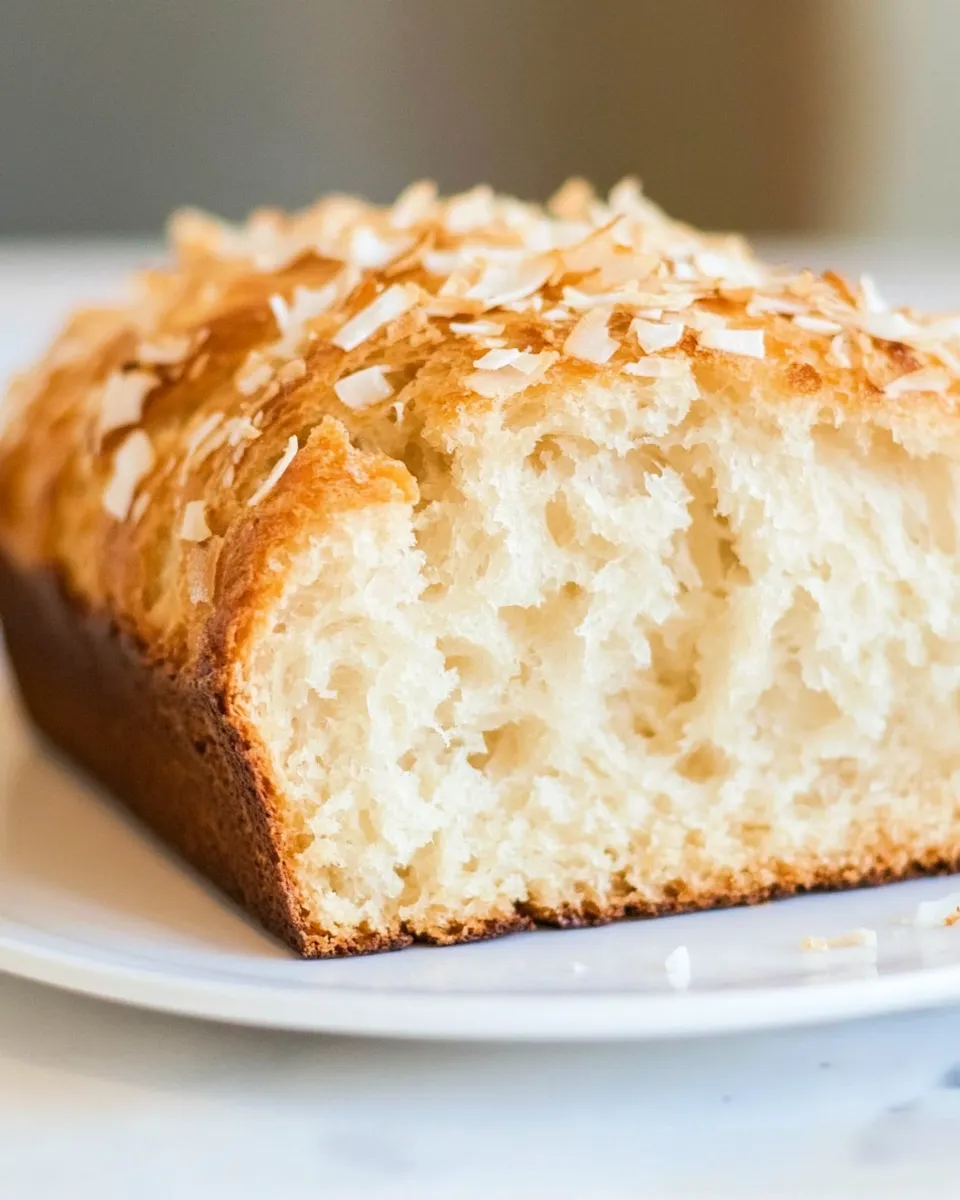
- In the last few minutes of the final rise, preheat the oven to 350°F. Bake the loaf for about 30 minutes, or until the top is lightly golden, domed, and puffy. Rotate the pan halfway through baking if desired. The bread should sound hollow when tapped; an instant-read thermometer inserted into the center can read toward the higher end (many bakers use about 190–210°F as a done range).
- Remove the loaf from the oven and let it cool in the pan for 5–10 minutes. Turn the loaf out onto a wire rack and cool completely before slicing.
- Store a fully cooled loaf wrapped in plastic wrap and placed in a sealed bag at room temperature for up to about 5 days, or freeze in an airtight, freezer-safe container for up to 3 months.
Notes
13. Store a fully cooled loaf wrapped in plastic wrap and placed in a sealed bag at room temperature for up to about 5 days, or freeze in an airtight, freezer-safe container for up to 3 months.