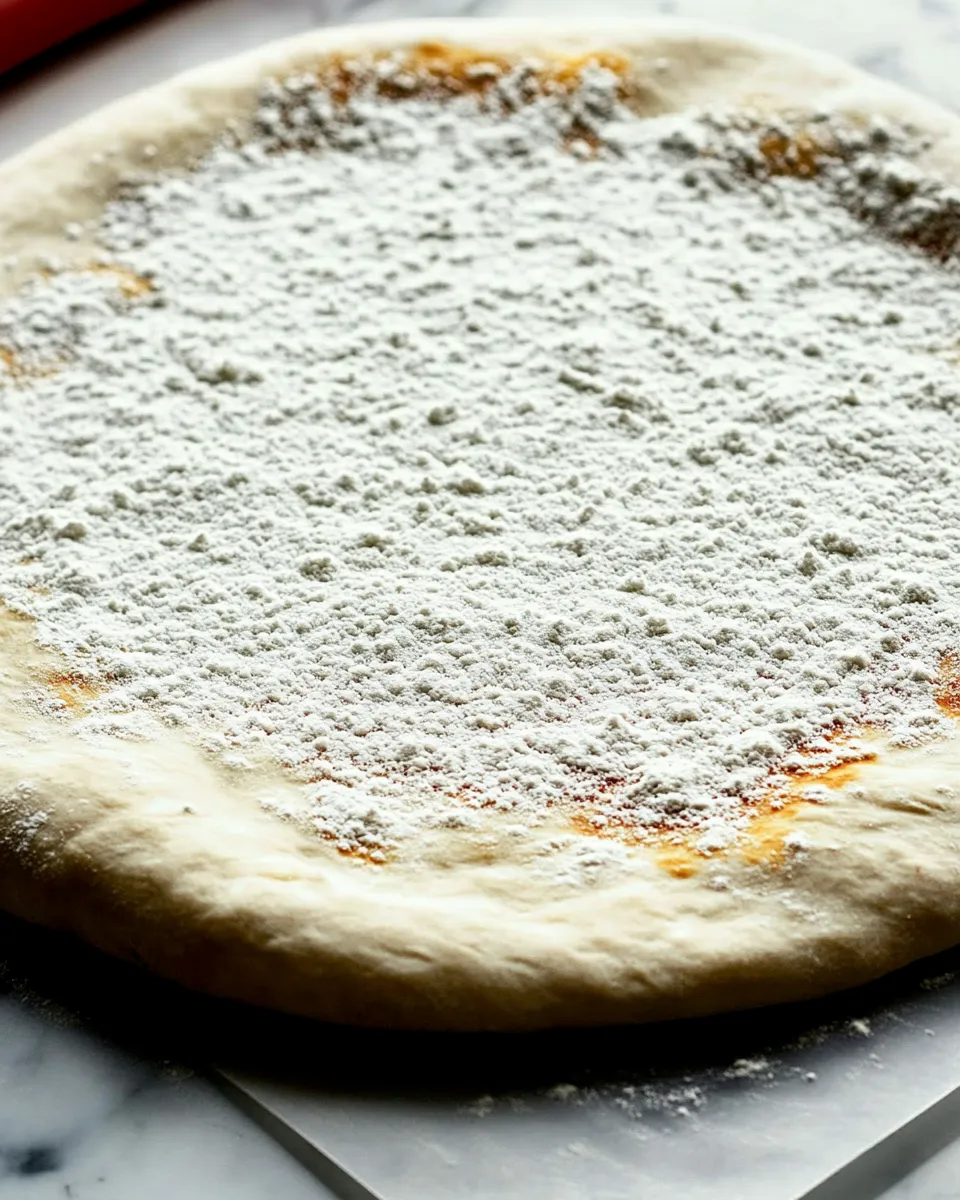
In a large mixing bowl, combine the 500 grams of flour and 12 grams of fine sea salt. Mix well to distribute the salt evenly throughout the flour.
In a separate bowl, mix the 335 grams of filtered room temperature water with the 100 grams of active sourdough starter until well combined. Slowly pour this mixture into the bowl with the flour while using a dough scraper or spatula to mix until a shaggy dough forms.
Cover the bowl with plastic wrap or a damp towel and let it rest for about 30 minutes. This autolyse step allows the flour to absorb the water, which helps in gluten development.
After the autolyse, knead the dough in the bowl or on a lightly floured surface for about 5-7 minutes until it becomes smooth and elastic. You can also use the stretch and fold technique, where you gently stretch the dough and fold it over itself multiple times.
Transfer the dough to a lightly greased bowl and cover it again. Let it bulk ferment at room temperature for 4-6 hours. During this time, perform a series of stretch and folds every 30 minutes for the first 2 hours to strengthen the dough.
Once the dough has increased in size and shows bubbles, gently turn it out onto a lightly floured surface. Divide the dough into two equal portions for large pizzas or four for smaller ones. Pre-shape each piece into a tight ball and let them rest for 30 minutes.
After resting, take each dough ball and gently stretch it into a round shape. Avoid pressing out all the air bubbles, as they contribute to the crust’s texture.
Place the shaped dough onto a semolina-dusted pizza peel. Cover with a damp towel and let it proof for another 1-2 hours or until puffy.
While the dough is proofing, preheat your oven to its highest setting (usually around 475°F to 500°F or 245°C to 260°C). If using a pizza stone, place it in the oven to heat up as well.
Once the dough has proofed, add your favorite toppings. Carefully slide the pizza onto the preheated pizza stone or baking surface. Bake for 10-12 minutes or until the crust is golden and crispy.