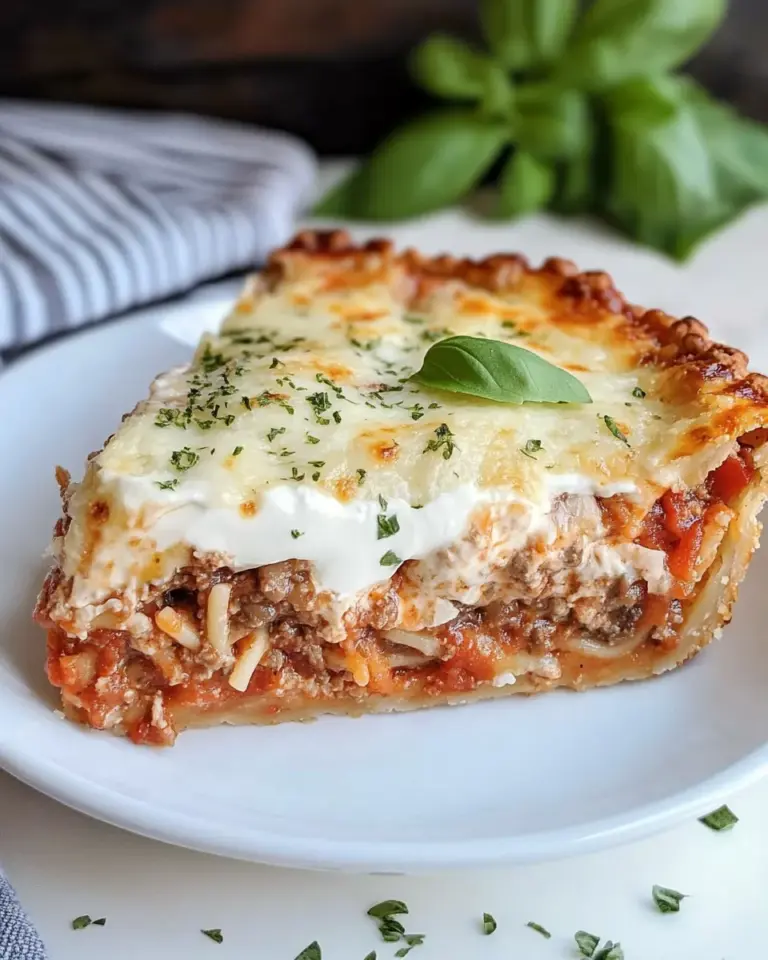
Angel Hair Pasta From Scratch
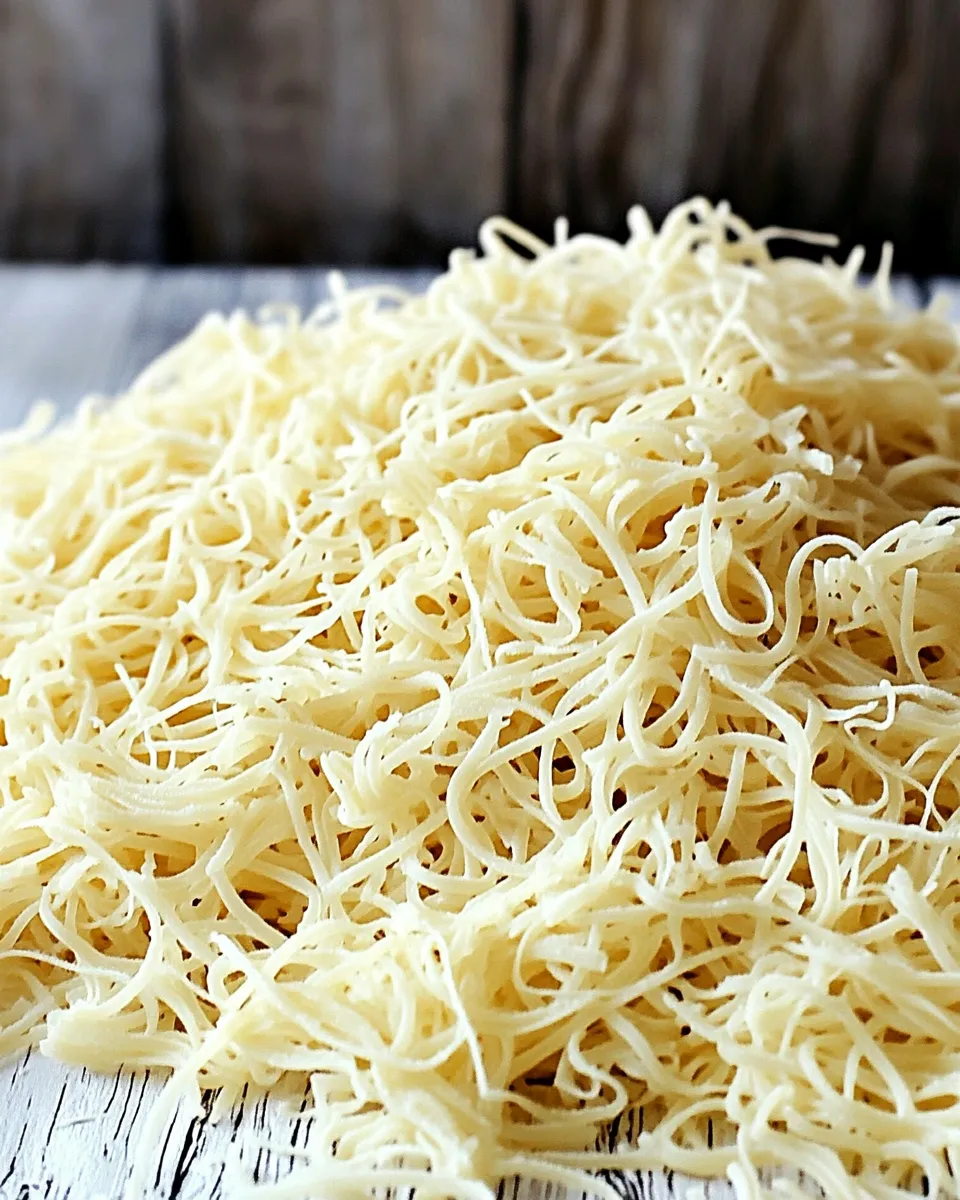
There’s something endlessly satisfying about making pasta at home: the rhythm of the dough under your palms, the golden ribbon of strands drying on a rack, and the way a simple sauce clings to freshly made noodles. This angel hair pasta from scratch recipe uses just three ingredients — 6 large eggs, 4 1/3 cups high quality organic flour, and extra flour for dusting — and it yields delicate, tender strands that cook in a flash. I’ll walk you through the process step by step, with tips and troubleshooting woven in, so you end up with silky pasta every time.
Why make angel hair pasta from scratch? Store-bought pasta is convenient, but fresh pasta has a texture and flavor that’s hard to beat. Because this pasta uses only eggs and flour, the flavor is pure and the texture is delicate. Angel hair is ideal for light sauces — think simple olive oil with lemon and herbs, a gentle tomato broth, or a seafood toss — where the pasta itself can shine.
Ingredients
- 6 large eggs
- 4 1/3 cups high quality organic flour
- Extra flour for dusting
Equipment and station setup
Gather these before you begin so the process flows smoothly:
- Large clean work surface or mixing bowl
- Bench scraper or sharp knife
- Rolling pin or pasta machine
- Pasta drying rack or clean towel and space for drying
- Large pot for boiling
- Fine sieve or colander for draining
Prep and tips before you start
Use room-temperature eggs; they combine more easily with the flour and give a silkier dough. The type of flour matters: a high quality organic all-purpose or 00 flour will give you the best balance of structure and tenderness. If your flour is higher in protein, the dough will be slightly firmer and more elastic — not a problem for angel hair, but keep that in mind if you want an even more delicate result.
Lightly dust your workspace with extra flour to prevent sticking, but be cautious: too much flour can dry the dough and make it harder to roll thin. If the dough feels dry after mixing, a teaspoon of water or an extra egg yolk can be used sparingly to bring it together; if it’s too sticky, add small pinches of flour until it’s manageable.
Step-by-step directions
The following directions rewrite the method into clear, numbered steps and preserve the ingredient amounts exactly as specified.
- On a clean work surface, mound the 4 1/3 cups high quality organic flour into a rough circle. Create a deep well in the center that is large enough to hold the 6 large eggs.
- Crack the 6 large eggs into the well. Use a fork to gently whisk the eggs, gradually incorporating a small amount of flour from the inner edge of the well. Keep the flour walls intact at first so the eggs don’t spill out.
- Continue drawing in flour from the sides, whisking inward until the mixture becomes thicker and starts to form a shaggy dough. You may find it easier to use a bench scraper to fold the flour into the eggs as the dough becomes less liquid.
- Once the dough is too stiff to mix with the fork, use your hands to knead. Bring the dough together and begin kneading the mass on the work surface for about 8 to 10 minutes. Work by folding the dough toward you, pressing with the heel of your hand, turning it a quarter turn, and repeating. The dough should become smooth, elastic, and slightly tacky but not sticky. If it is sticky, dust with a small amount of extra flour; if it’s dry or crumbly, knead in tiny drops of water until it forms a cohesive ball.
- Shape the dough into a ball. Wrap it tightly with plastic wrap or place it in a covered bowl and let it rest at room temperature for 30 minutes. Resting relaxes the gluten and makes the dough easier to roll thin.
- Lightly dust your work surface with extra flour. Unwrap the dough and divide it into four equal portions. Keep the remaining portions covered to prevent drying while you work with the first piece.
- Flatten the first portion into a disk with your palm. Using a rolling pin or pasta machine, roll the dough out progressively thinner: start at the thickest setting (if using a machine) or roll and stretch by hand, then move to the next thinner setting. Continue until the sheet reaches a very thin consistency appropriate for angel hair — you should almost be able to see light through it, but handle carefully to avoid tearing.
- Generously dust the sheet on both sides with extra flour to prevent sticking. Fold the sheet loosely into thirds or, if you prefer, roll it like a loose jelly roll. Use a sharp knife to slice the folded sheet into very fine strands, aiming for widths close to angel hair (roughly 1 mm). If using a pasta machine with a thin spaghetti or angel hair cutter, feed the sheet through that cutter instead of slicing by hand.
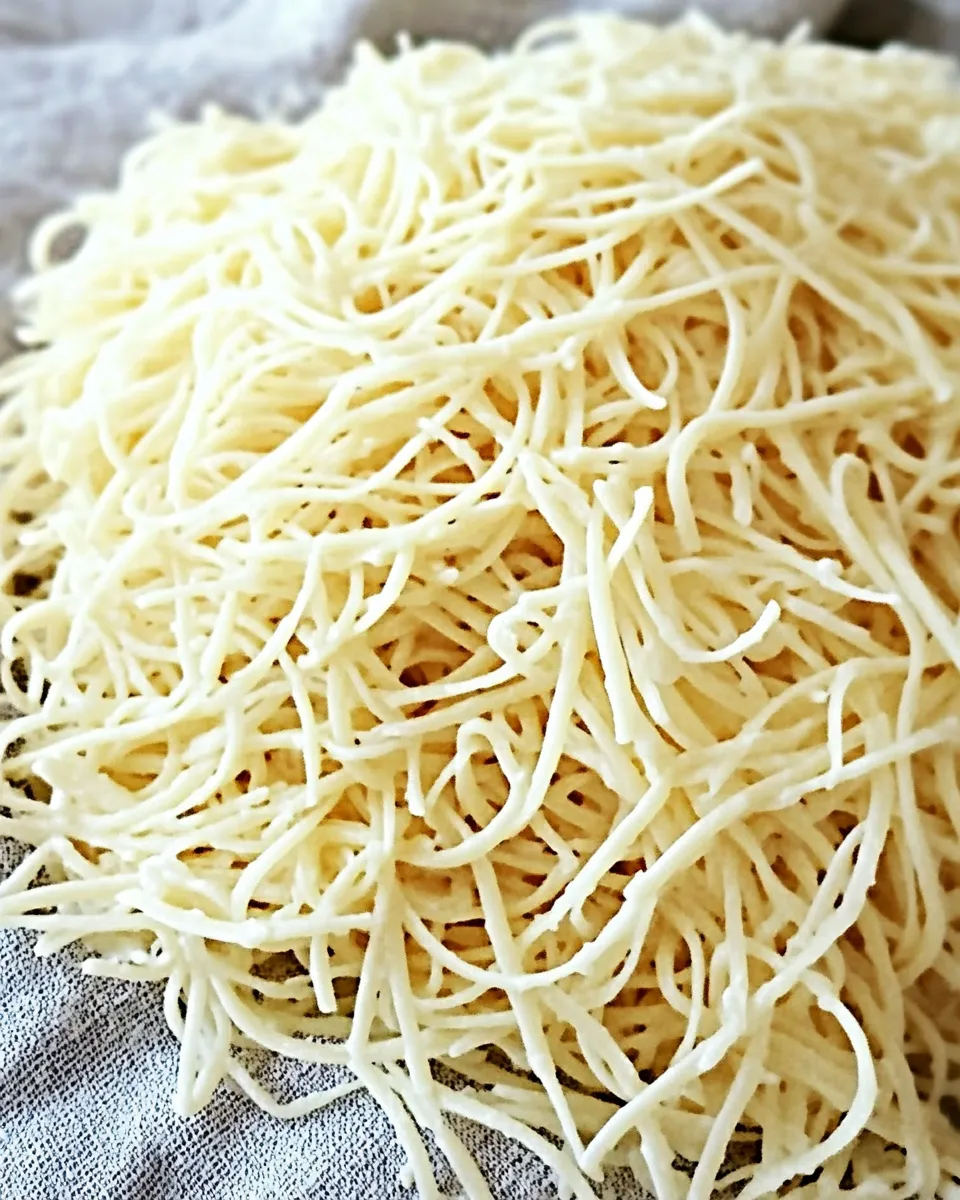
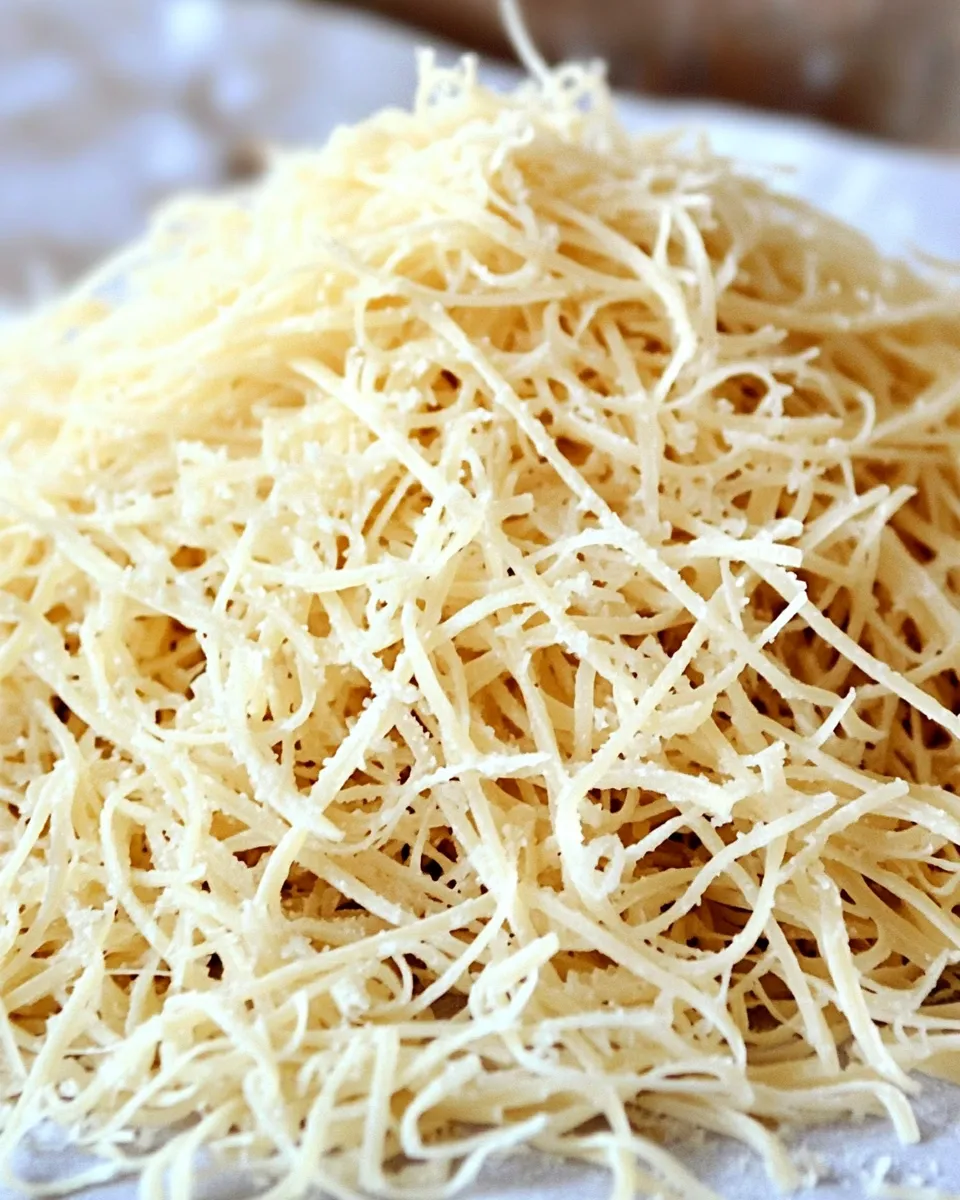
- Gently unfold the strands and separate them with your fingers so they don’t clump. Lay them on a lightly floured surface, hang them on a drying rack, or coil them into loose nests for short-term storage on a floured tray. If drying for longer storage, arrange them on a drying rack so air circulates freely and they dry evenly.
- When you’re ready to cook, bring a large pot of salted water to a rapid boil. Fresh angel hair cooks quickly; add the pasta and stir gently to prevent sticking. Cook for 1 to 2 minutes, depending on thickness, until tender but still with a slight bite. Taste to check doneness — fresh pasta is delicate and will finish cooking quickly.
- Drain the pasta in a fine sieve or colander, reserving a small cup of the starchy cooking water. Toss the drained pasta immediately with your chosen sauce or a drizzle of good olive oil, adding a splash of reserved pasta water if needed to bring the sauce together. Serve right away with your favorite toppings.
Simple sauce ideas that let the pasta shine
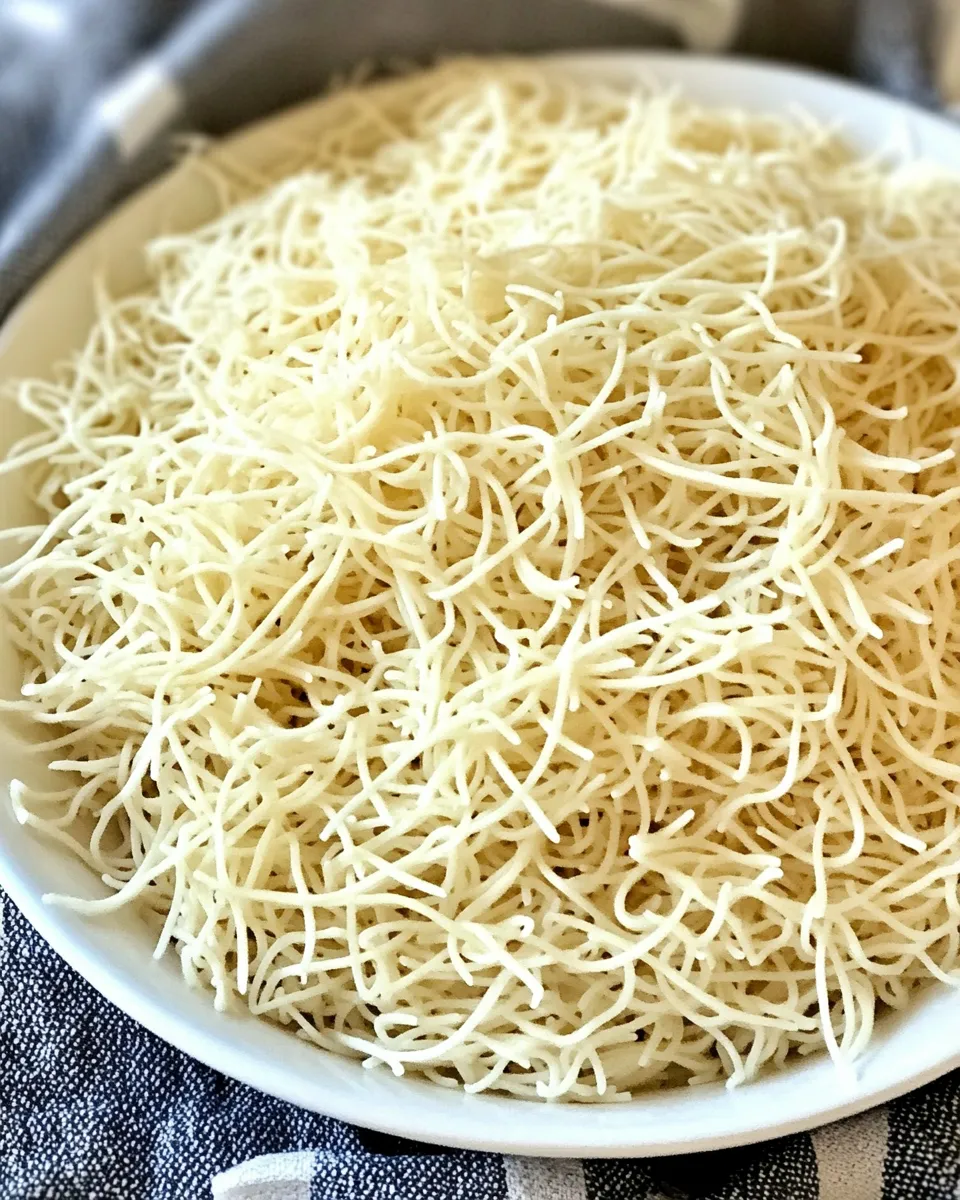
Angel hair is best paired with delicate sauces that won’t overpower the strands. Here are a few easy combinations:
- Olive oil, garlic, lemon zest, fresh parsley, and a pinch of red pepper flakes. Sauté thinly sliced garlic until fragrant, toss with cooked pasta, add lemon zest and parsley, and finish with a grind of black pepper.
- Light tomato brodo: heat crushed tomatoes with a little olive oil, minced garlic, salt, and a splash of pasta cooking water to loosen. Add fresh basil right before tossing with the pasta.
- Butter, toasted breadcrumbs, and grated cheese: melt butter in a skillet, stir in toasted breadcrumbs until crisp, then toss with pasta and finish with grated cheese and cracked black pepper.
- Sautéed shrimp or scallops with garlic, white wine, and parsley: cook seafood quickly until just opaque, deglaze with a splash of wine, toss with pasta and a pat of butter, and garnish with parsley.
Storage and reheating
Fresh pasta nests can be stored in the refrigerator for up to 24 hours on a floured tray, covered with a linen towel to prevent drying in. For longer storage, allow the pasta to dry completely on a rack, then store in an airtight container for several weeks. To freeze, place well-separated nests on a parchment-lined tray and flash-freeze until solid, then transfer to a freezer bag. Cook from frozen, adding an extra 30–60 seconds to the boiling time.
Troubleshooting common issues
- If the dough is crumbly and won’t come together: add a teaspoon of water at a time while kneading until cohesion is achieved.
- If the dough is too sticky: dust lightly with extra flour and continue kneading; avoid adding too much at once or the pasta will dry out.
- If the pasta tears while rolling: let the dough rest for an additional 10–20 minutes to relax the gluten, then try again.
- If the strands clump after cutting: toss them lightly with a little flour and separate by hand, or hang them on a drying rack briefly before cooking.
Why this ratio works
Using 6 large eggs to 4 1/3 cups of flour yields a dough with the right balance of moisture and structure for thin angel hair. The eggs provide richness, color, and binding, while the flour supplies the strength needed to roll the dough paper-thin without tearing. This formula creates strands that are substantial enough to hold together during a quick boil but still delicate enough to melt on the palate.
Final notes and serving suggestions
Angel hair pasta from scratch is a humble luxury. It’s fast to cook, beautiful on the plate, and rewarding to make. Pair it with fresh herbs, bright citrus, silky olive oil, or simply grated cheese. For a dinner that feels special, serve a small portion as a first course before a heartier main, or double the recipe for a main course paired with a crisp salad and crusty bread.
Enjoy the quiet ritual of making pasta: the tactile work, the steam from the pot, the first forkful that tells you all the effort was worth it. This recipe is a foundation — once you’re comfortable with the technique, experiment with infusing the dough with herbs, citrus zest, or a touch of spinach purée for color and subtle flavor. Happy rolling and cooking!
Angel Hair Pasta From Scratch
Ingredients
Equipment
Method
- Place the flour in a large mixing bowl and make a well in the center.
- Crack the 6 eggs into a small bowl, then add them to the well in the flour.
- Use a fork to gradually incorporate the flour into the eggs until a dough forms, then knead with your hands until smooth; add a little water if the dough is too dry to come together.
- Form the dough into a ball, dust it with flour, cover with a damp towel, and let it rest until slightly relaxed, about 20–30 minutes.
- Preheat the oven to 350°F (175°C).
- Cut the dough into 4 equal pieces. Work with one piece at a time and keep the remaining pieces covered.
- Roll one piece very thin with a rolling pin until nearly paper thin, dusting with extra flour as needed to prevent sticking.
- Transfer the rolled sheet to a baking sheet and place in the oven for a few minutes to dry slightly; it should be dry to the touch but still pliable and not cracking.
- Move the sheet to a cutting surface and cut the sheet into long rectangles about 3 inches wide (or wider if preferred), stack the rectangles, and cut very thinly across the width to form angel hair strands.
- Spread the cut noodles on a flat surface or tray to dry completely; they should not be wet before storing.
- Repeat rolling, drying briefly in the oven, and cutting with the remaining dough pieces.
- To cook, bring a large pot of water to a boil with salt and a splash of olive oil, add the pasta, and cook about 2 minutes until tender; drain and toss with a little olive oil to prevent sticking.
- Once completely dry for storage, transfer pasta to a paper box or dry container and keep in a dry place.
Notes
- Resting the dough makes rolling easier.
- Dry sheets only until pliable to avoid cracking.
- Dry pasta completely before storing.
- Cook fresh pasta very briefly, about 2 minutes.