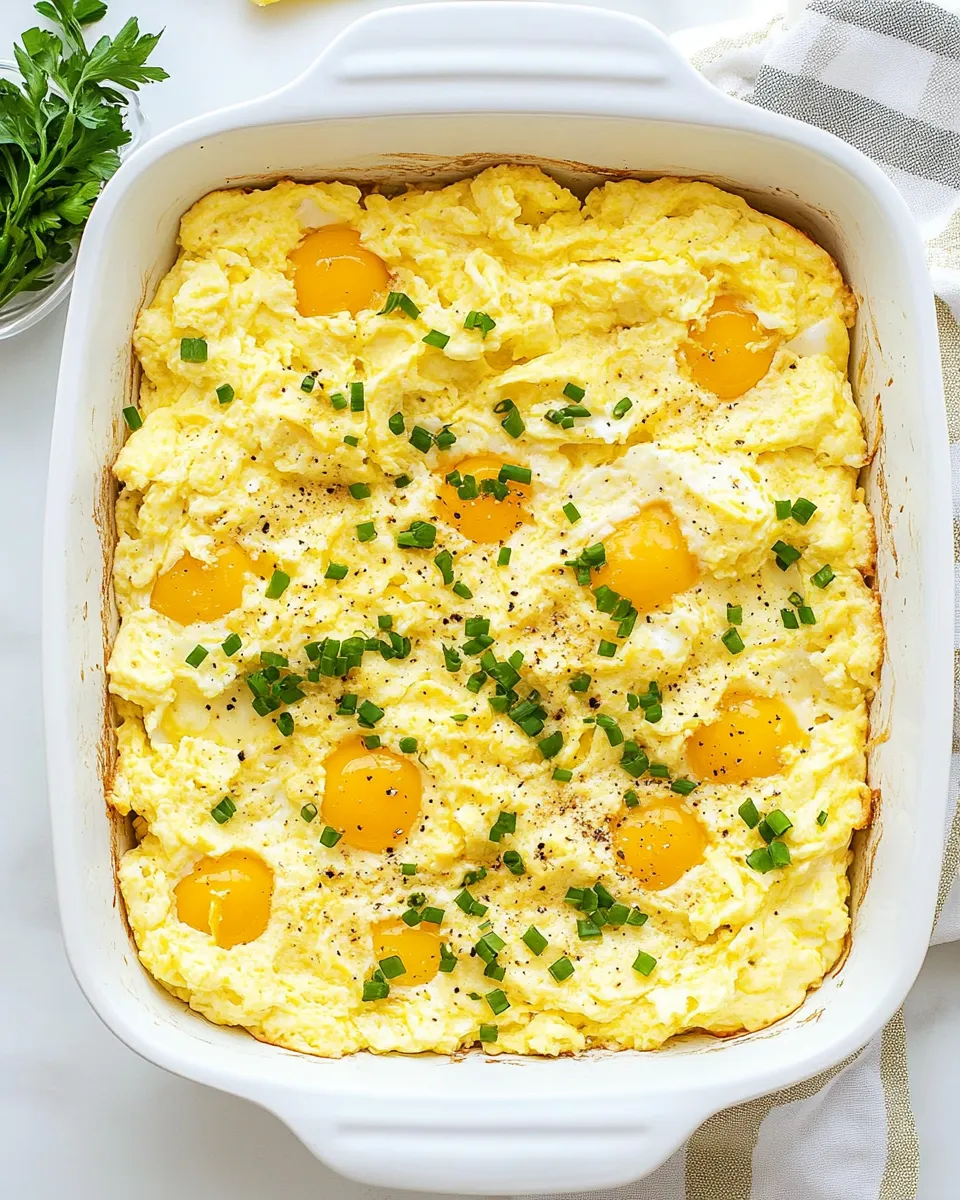
Baked Scrambled Eggs
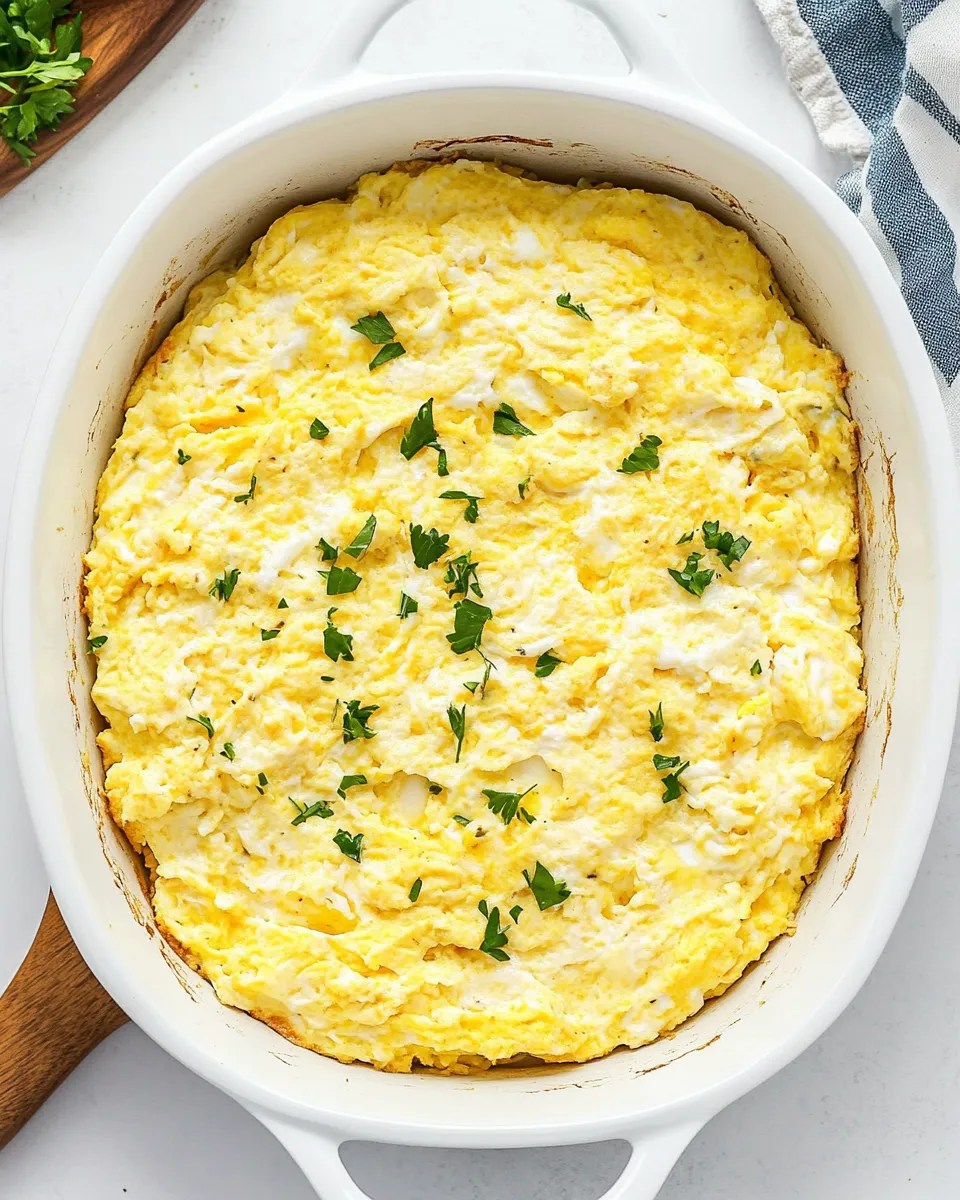
There’s something irresistibly comforting about a big, tawny pan of baked eggs coming out of the oven: warm, tender curds that are creamy throughout and easy to portion for a crowd. This Baked Scrambled Eggs recipe turns a simple breakfast into a make-ahead superstar. It’s dependable, hands-off for the most part, and delightfully adaptable. Whether you’re feeding family on a slow weekend morning, prepping for a brunch, or just craving effortless eggs, this dish delivers every time.
Before we dig into the how-to, a quick note about the recipe’s spirit: think cozy, rustic, and approachable. The method gives you eggs that are softly set and uniformly textured, without the fuss of constant stirring on the stovetop. The ingredients are straightforward and familiar: large eggs, milk, water, salt, and butter. The butter is melted and cooled so it blends smoothly into the egg mixture, adding richness without scrambling the eggs too quickly in the oven. Follow the steps below carefully and you’ll get evenly cooked, tender curds that slice and scoop beautifully.
Why you’ll love these Baked Scrambled Eggs
- Hands-off: Once assembled, the oven does the work, freeing you up for other breakfast tasks.
- Consistent: The oven’s gentle, even heat yields a consistent texture that’s hard to achieve in a pan when serving multiple people.
- Make-ahead friendly: You can assemble ahead and refrigerate for a short time, or reheat gently for a crowd.
- Customizable: Add cheeses, herbs, sautéed vegetables, or cooked halal bacon alternatives for variation.
Ingredients
- 12 large eggs
- 1 cup milk
- 1/4 cup water
- 1 teaspoon salt
- 1/4 cup butter, melted and cooled
That’s it—just five pantry basics that combine into something comforting and impressive. Keep in mind the butter should be melted and allowed to cool a bit so it doesn’t partially cook the eggs when mixed together. The water helps lighten the texture slightly, and the milk adds creaminess without making the curds heavy.
Equipment
- Large mixing bowl
- Whisk or fork
- 9×13-inch baking dish (or similar sized ovenproof dish)
- Rubber spatula
- Oven preheated to 350°F (175°C)
Step-by-step directions
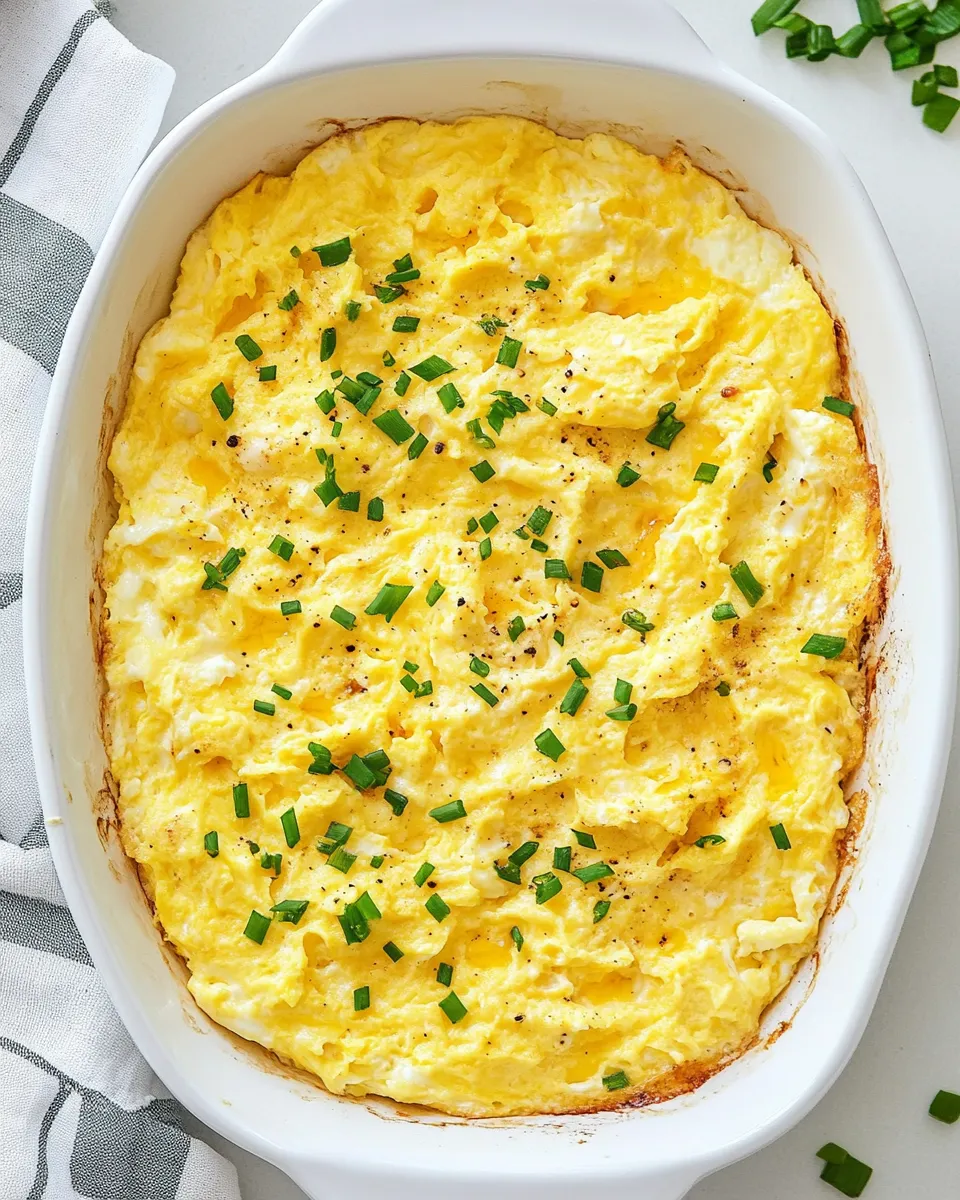
Follow these steps in order to prepare perfectly textured Baked Scrambled Eggs. The directions below are rewritten for clarity and usability, preserving the ingredient amounts exactly as listed above.
- Preheat the oven to 350°F (175°C). Position a rack in the center so the eggs bake evenly.
- Prepare the baking dish: Lightly grease a 9×13-inch baking dish with a small amount of butter or oil so the eggs won’t stick. Set the dish aside.
- Crack and combine the eggs: In a large mixing bowl, crack all 12 large eggs. Use a whisk or a sturdy fork to beat the eggs just until the yolks and whites are blended and slightly frothy. This ensures even texture without overworking the eggs.
- Add the milk and water: Pour in 1 cup milk and 1/4 cup water. Whisk gently but thoroughly to incorporate these liquids into the eggs, creating a uniform mixture.
- Season with salt: Add 1 teaspoon salt to the egg mixture. Whisk again briefly so the salt disperses evenly throughout the liquid.
- Incorporate the butter: Make sure the 1/4 cup butter is fully melted and has cooled slightly so it’s warm but not piping hot. Pour the melted, cooled butter into the egg mixture and whisk until the butter is evenly distributed. The cooled melted butter adds richness without cooking the eggs prematurely.
- Transfer to the baking dish: Pour the combined egg mixture into the prepared 9×13-inch baking dish, spreading it into an even layer so the eggs cook uniformly.
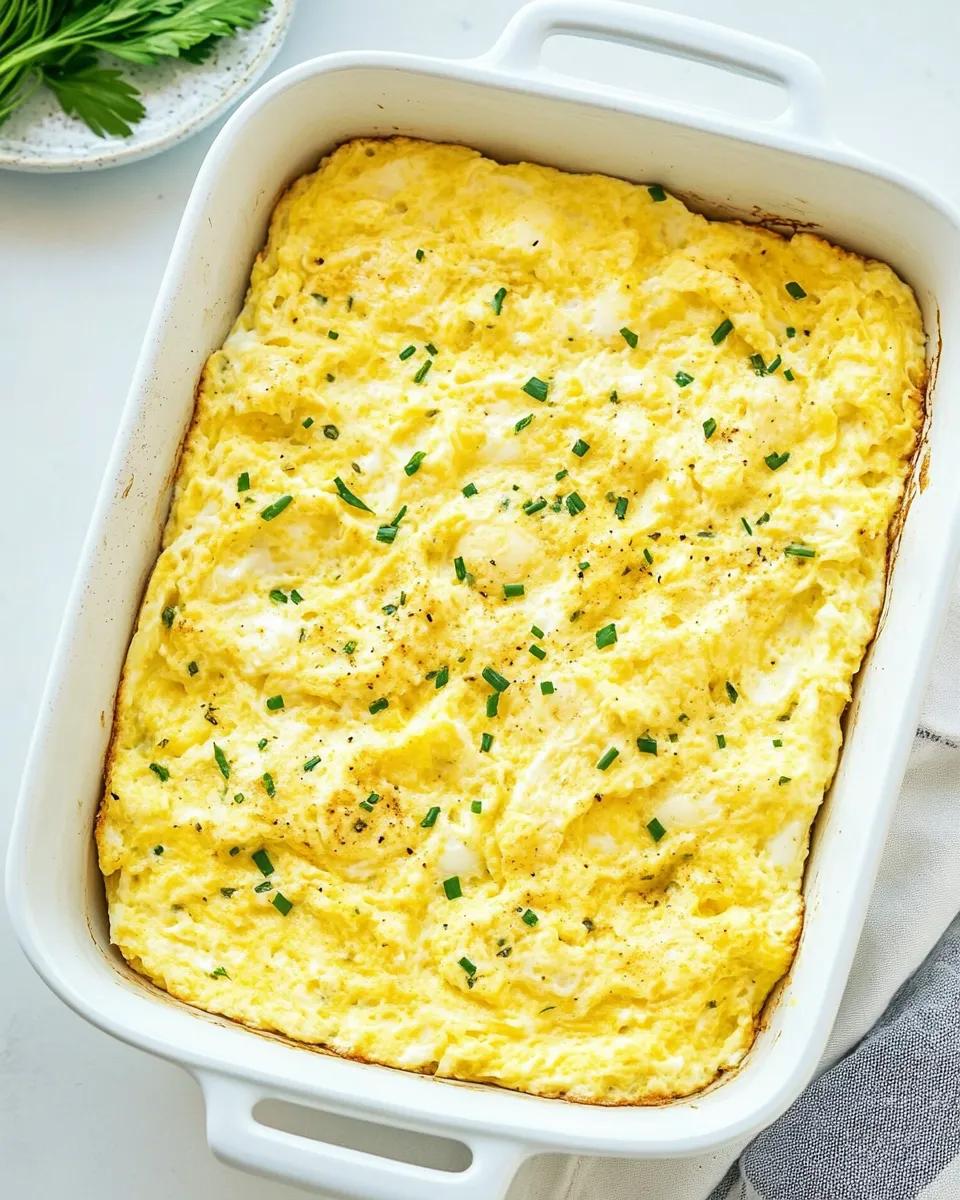
- Bake: Place the dish in the preheated oven and bake at 350°F (175°C). Check the eggs after about 20 minutes. The exact baking time can vary with oven performance and the depth of the eggs in the dish, but you’re aiming for softly set curds. The surface should appear set and slightly puffed, without a runny center. Total bake time will usually fall between 20 and 30 minutes.
- Finish and rest: When the eggs are softly set and no longer liquid in the center, remove the dish from the oven. The eggs will continue to gently firm up as they rest for a couple of minutes. Let the eggs sit in the dish for 2–3 minutes before serving to allow residual heat to finish the cooking and stabilize the curds.
- Serve: Use a rubber spatula to portion the baked eggs into wedges or scoops. Serve hot, and offer accompaniments like toast, fresh herbs, or a side of cooked vegetables if you like.
Tips for success
- Don’t overbeat. Whisk until blended and slightly frothy, but avoid whipping in too much air. That will make the texture gaps uneven.
- Check early. Ovens vary—start checking at 20 minutes to avoid overbaking. You want tender curds, not dry flakes.
- Let it rest. A brief rest after removing from the oven ensures the eggs finish cooking gently and hold together when cut.
- Customize carefully. If you add mix-ins like cheese, diced vegetables, or pre-cooked proteins, distribute them evenly in the dish before baking. Beware of adding too many watery vegetables raw; sautéing first prevents excess moisture.
- Reheating: Reheat gently in a low oven (300°F / 150°C) until warmed through or microwave in short bursts, stirring between intervals, to avoid rubbery texture.
Flavor variations
The base recipe is a perfect canvas. Here are a few simple ways to change it up:
- Cheesy: Stir 1–2 cups of shredded cheese into the egg mixture before baking. Cheddar, Monterey Jack, or a mild mozzarella work well.
- Herby: Fold in 2–3 tablespoons of chopped fresh herbs (chives, parsley, or dill) right before baking for a bright finish.
- Veg-forward: Sauté diced bell peppers, onions, or mushrooms until soft, cool slightly, then stir them into the egg mixture.
- Protein boost: Add pre-cooked, diced chicken or a plant-based breakfast sausage alternative for a heartier casserole.
Serving suggestions
Serve slices of the baked eggs warm with crisp toast, buttered English muffins, or over a bed of lightly dressed greens for a lighter meal. A little hot sauce, a sprinkle of freshly ground black pepper, or a scattering of chopped herbs adds contrast and brightness. For a brunch spread, pair it with roasted potatoes, a bowl of fresh fruit, and a pot of strong coffee or tea.
Make-ahead and storage
You can prepare the egg mixture up to a few hours ahead. Cover the assembled dish with plastic wrap and keep it refrigerated until ready to bake—this is handy for busy mornings. After baking, leftovers will keep in an airtight container in the refrigerator for up to 3 days. Reheat gently in a low oven or microwave in short bursts to preserve tenderness.
Common questions
Can I bake this in smaller dishes? Yes. If you want individual portions, divide the mixture into smaller ramekins. Watch the baking time—smaller portions will cook faster.
What if my eggs are overcooked? Overcooked baked eggs become dry and rubbery. Avoid this by checking early and removing from the oven as soon as the center is set. A short rest period will complete the cooking.
Can I double the recipe? Absolutely. Use a larger baking dish or two standard 9×13-inch pans. Adjust bake time slightly if the mixture is much deeper—thicker layers may need a bit longer to set.
Why this method works
Baking eggs gently in an even layer ensures uniform cooking from edge to center. The combination of milk and water creates a tender curd structure—milk adds richness while water helps the eggs stay light. Melted cooled butter folded into the mixture gives a silky mouthfeel without cooking the eggs prematurely. The oven’s steady heat prevents hot spots and the constant stirring that stovetop scrambled eggs require to avoid large, uneven curds. The result is reliable, tender eggs every time.
Final thoughts
This Baked Scrambled Eggs recipe is proof that simple ingredients and a thoughtful method can produce something greater than the sum of its parts. It’s practical for feeding a crowd, forgiving for imperfect mornings, and easy to tailor to your tastes. Keep the ingredient ratios the same, follow the step-by-step directions, and you’ll have a dependable, crowd-pleasing breakfast or brunch centerpiece that feels cozy and homemade.
Now preheat your oven, gather the eggs, and enjoy the pleasure of a pan of softly set baked eggs fresh from the oven. They’re perfect for sharing, slicing, and savoring—one comforting bite at a time.
Baked Scrambled Eggs
Ingredients
Equipment
Method
- Preheat the oven to 350°F (175°C). Spray a 9x13-inch glass baking dish with non-stick cooking spray.
- In a large bowl, crack in the eggs and add the milk, water, salt, and the cooled melted butter.
- Whisk the mixture until well blended and slightly frothy.
- Pour the egg mixture into the prepared baking dish and place it in the preheated oven.
- Bake uncovered for 10 minutes, then remove and gently stir the eggs to break up any set edges.
- Return the dish to the oven and bake for an additional 12 minutes, until eggs are mostly set but still slightly soft; they will finish setting as they rest.
- Fluff the baked eggs with a spatula, taste, and season with additional salt and pepper if desired. Serve warm.
Notes
- Use a metal baking dish if you prefer slightly faster cooking.
- Let eggs rest a minute before serving to finish setting.
- Whisk thoroughly for uniformly fluffy texture.