Best Pickled Eggs Recipe
There’s something timeless about a jar of tangy, colorful pickled eggs sitting in the fridge. They’re a salty-sour snack, a sandwich topper, a picnic star, and an unbeatable match for a cold beer. In this collection of three irresistible variations — bright beet-pickled eggs, lemon-rosemary pickled eggs, and a garden vegetable dill version — you’ll find clear, friendly steps to make the Best Pickled Eggs Recipe at home. Each version uses the same simple pickling brine base with small twists that transform hardboiled eggs into craveable, shelf-ready delights.
These recipes are approachable whether you’re a kitchen beginner or a seasoned maker. I walk you through preparing the brine, packing the jars, and timing the soak so the flavor is exactly where you want it. Follow one variation or make all three to compare flavors — they store well and make fantastic gifts too.
Why these are the Best Pickled Eggs Recipe
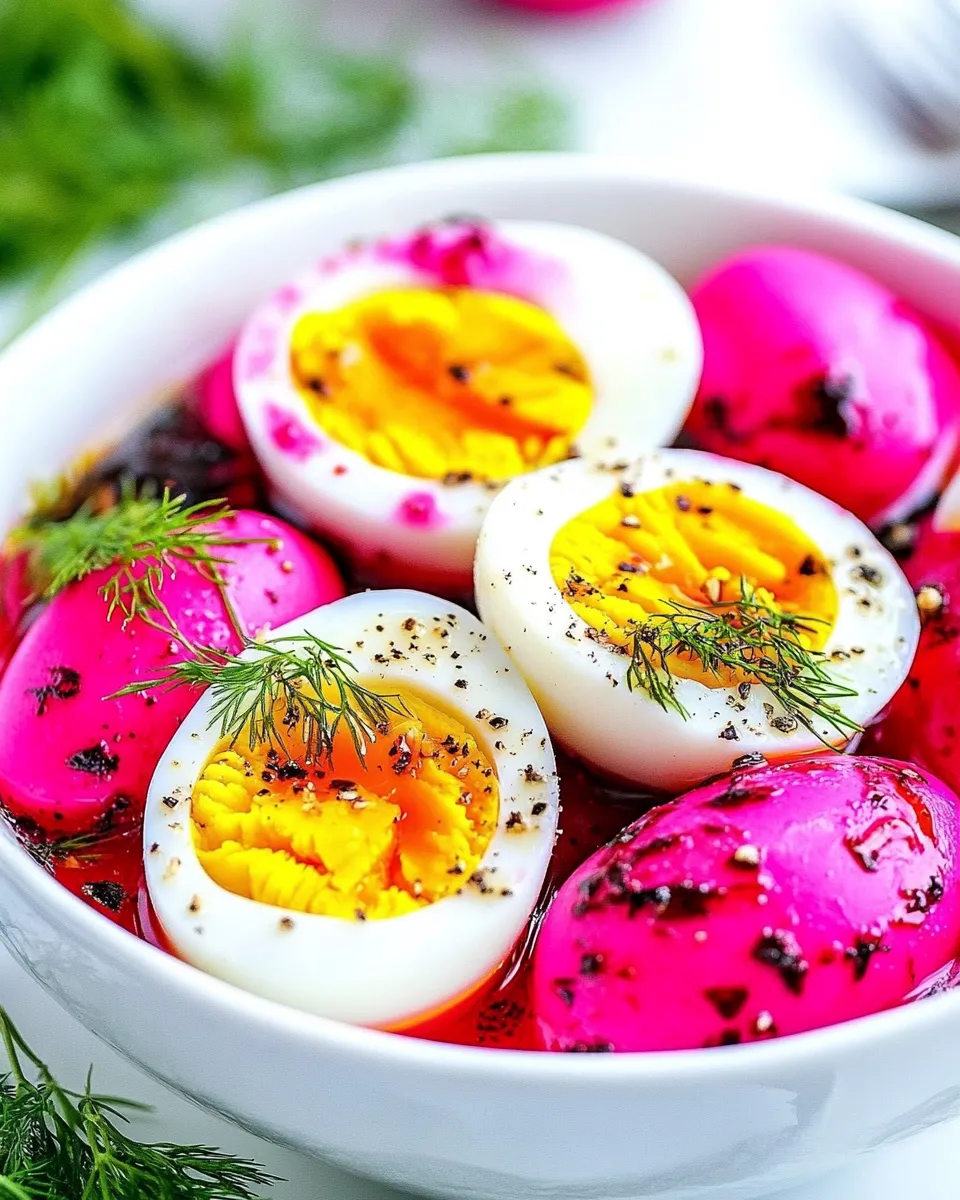
Pickled eggs are all about balance: vinegar for brightness, sugar for roundedness, aromatics for complexity, and the egg for creamy richness. The three variations here keep that balance while introducing distinct flavors. The beet version gives a stunning color and a hint of earthy sweetness. The lemon and rosemary version adds a bright citrus-herb note. The dill-and-vegetable version is garden-fresh and slightly crunchy from the vegetable rounds. Each recipe is written to be clear, step-by-step, and reliably delicious.
What you’ll need
These recipes use the same simple tools you probably already have in your kitchen: a saucepan, measuring cups, spoons, jars with lids (mason jars work great), a slotted spoon, and a sturdy bowl for chilling eggs.
Ingredients — three pickled egg variations
Make any one of the three variations below. Each variation is a single batch that yields about six pickled eggs.
-
Beet-Pickled Eggs:
- 6 hardboiled eggs, peeled
- 1 can of beets in liquid
- 3/4 cup cider vinegar
- 1 1/4 cups water
- 1 cup white sugar
- 6 cloves garlic, whole
- 1/8 teaspoon black peppercorns or red, whole
- Pinch of salt
-
Lemon & Rosemary Pickled Eggs:
- 6 hardboiled eggs, peeled
- 3/4 cup cider vinegar
- 1 1/4 cups water
- 1 cup white sugar
- 6 cloves garlic, whole
- Peel from 1 lemon
- 5 sprigs rosemary
- 1/8 teaspoon black peppercorns or red, whole
- Pinch of salt
-
Dill & Garden Vegetables Pickled Eggs:
- 6 hardboiled eggs, peeled
- 3/4 cup cider vinegar
- 1 1/4 cups water
- 1 cup white sugar
- 4 cloves garlic, whole
- 6 carrot rounds
- 6 zucchini rounds
- 5 sprigs fresh dill
- 1/8 teaspoon black peppercorns or red, whole
- Pinch of salt
Prep notes and tips
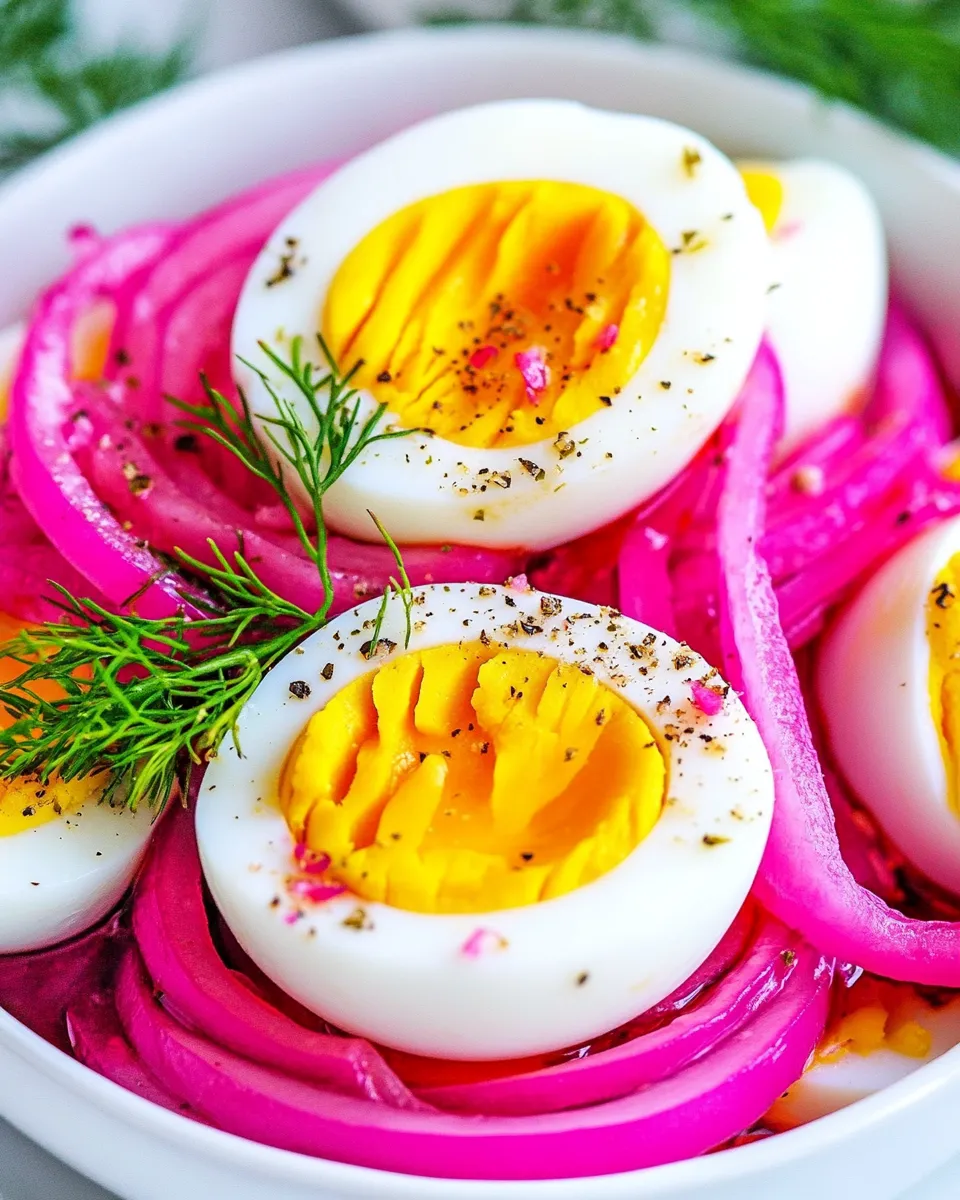
Hardboiled eggs: For clean shells and smooth whites, use eggs that are at least a few days old. Boil them gently — bring to a boil, cover, remove from heat, and let sit 10–12 minutes before cooling in an ice-bath. Peel them carefully so they stay intact in the jar.
Jars: Use clean, sanitized jars with tight-fitting lids. Mason jars or reused pickle jars are ideal. Warm the jars with hot water if you want to avoid cracking when adding hot brine.
Flavor tweaks: These recipes are balanced as written, but you can swap white sugar for an equal amount of honey if you prefer a different sweetness profile. If you prefer a spicier kick, add a small sliced hot pepper or a pinch of crushed red pepper to the jar.
Step-by-step Instructions — General process (same for each variation)
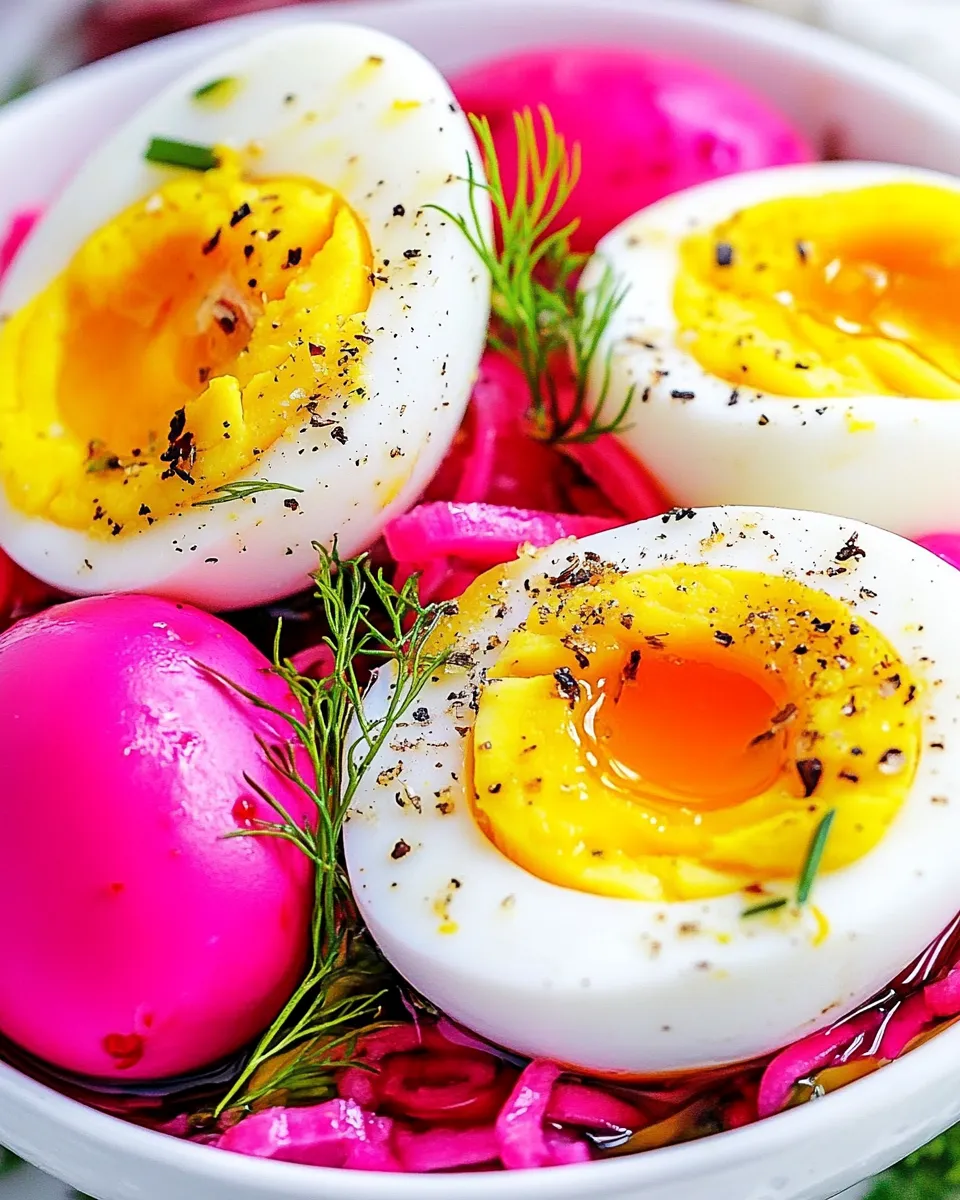
The three variations follow the same overall method: prepare the brine, pack the jars with eggs and flavorings, pour over hot brine, cool, and refrigerate. Below are clear, ordered steps tailored to each variation’s ingredients.
Beet-Pickled Eggs — Directions
- Place the peeled hardboiled eggs into a clean jar or jars, arranging them so they fit snugly but without crushing. If using a single jar, layer eggs to fill the space.
- Open the can of beets and pour the beets and their liquid into a small bowl; set the beets aside for now. Reserve the can liquid if you’d like extra beet flavor and color — you can add a few tablespoons to the brine later if desired.
- In a small saucepan, combine 3/4 cup cider vinegar, 1 1/4 cups water, and 1 cup white sugar. Add 6 whole garlic cloves, 1/8 teaspoon whole black peppercorns or red peppercorns (your choice), and a pinch of salt.
- Bring the mixture to a gentle simmer over medium heat, stirring until the sugar dissolves completely. Once it reaches a simmer, remove the pan from heat.
- Pour the hot brine over the eggs in the jar, then add the beets and enough of the beet liquid to fully cover the eggs. Leave about 1/2 inch headspace at the top of the jar.
- Seal the jar tightly and let it cool to room temperature. Once cooled, transfer the jar to the refrigerator.
- For best flavor and color, let the eggs pickle at least 24 hours. For deeper color and stronger beet flavor, refrigerate for 2–3 days before serving. Keep refrigerated and use within 3–4 weeks for best quality.
Lemon & Rosemary Pickled Eggs — Directions
- Place the peeled hardboiled eggs into a clean jar or jars, packing gently so the eggs are stable but not cramped.
- Use a vegetable peeler to remove the peel from 1 lemon in wide strips, taking care to avoid too much of the bitter white pith.
- In a small saucepan, combine 3/4 cup cider vinegar, 1 1/4 cups water, and 1 cup white sugar. Add 6 whole garlic cloves, the lemon peel, 5 sprigs of rosemary, 1/8 teaspoon whole black peppercorns or red peppercorns, and a pinch of salt.
- Warm the mixture over medium heat until the sugar dissolves and the liquid comes to a gentle simmer. Stir occasionally and remove from heat as soon as it simmers.
- Carefully pour the hot brine into the jar so it fully covers the eggs and the herbs. Leave about 1/2 inch headspace at the top of the jar.
- Seal the jar and allow it to cool to room temperature. Place the cooled jar in the refrigerator.
- Let the eggs pickle for at least 24 hours so the lemon and rosemary flavors infuse. They taste best after 2–3 days. Store in the refrigerator and use within 3–4 weeks.
Dill & Garden Vegetables Pickled Eggs — Directions
- Arrange the peeled hardboiled eggs in a clean jar or jars, leaving room to add vegetable rounds and dill sprigs.
- Place 6 carrot rounds and 6 zucchini rounds into the jar alongside the eggs, tucking them so the jar is efficiently packed but not overcrowded.
- Add 5 sprigs of fresh dill to the jar, positioning them so their fronds distribute flavor around the eggs and vegetables.
- In a small saucepan, combine 3/4 cup cider vinegar, 1 1/4 cups water, and 1 cup white sugar. Add 4 whole garlic cloves, 1/8 teaspoon whole black peppercorns or red peppercorns, and a pinch of salt.
- Heat the brine gently over medium heat, stirring until the sugar dissolves and the liquid simmers. Remove from heat once simmering.
- Pour the hot brine into the jar, covering the eggs, vegetables, and dill. Leave about 1/2 inch headspace at the top.
- Seal the jar, let it cool to room temperature, then refrigerate. Allow at least 24 hours for flavors to develop; the texture is best after 2–3 days. Use within 3–4 weeks for peak quality.
Serving ideas
Pickled eggs are wonderfully versatile. Slice one onto a salad for acidity and contrast. Halve and top with a sprinkle of paprika or flaky salt for a simple snack. Dice and mix into an egg salad for an upgraded sandwich filling. The beet version makes a stunning bright garnish for grain bowls, while the lemon-rosemary eggs pair beautifully with roasted vegetables. The dill-and-veg eggs are perfect with open-faced rye sandwiches or a crunchy winter slaw.
Storage and safety
Always refrigerate pickled eggs after the brine has cooled. Use clean utensils when removing eggs so you don’t introduce contaminants. These recipes are best enjoyed within 3–4 weeks of pickling. If you notice off odors, cloudiness in the brine, or slimy textures, discard the jar.
Quick troubleshooting
If your eggs taste bland after 24 hours: give them more time; 48–72 hours often produces a fuller, deeper flavor.
If the color or flavor is too mild in the beet version: add a few tablespoons of the reserved beet liquid into the jar when you pour the brine.
If you want a sharper vinegar punch: increase the vinegar slightly in future batches or reduce the sugar by a tablespoon or two.
Recipe variations and ideas to try next
- Spicy twist: Add a small sliced chili or a few crushed red pepper flakes to any jar.
- Smoky note: Add a small pinch of smoked paprika to the jar before sealing for a subtle smoke flavor that complements the eggs.
- Herb swap: Try thyme instead of rosemary in the lemon variation, or use tarragon in place of dill for a licorice-like lift.
Final thoughts
These three preparations show how a handful of pantry staples transform simple hardboiled eggs into something special. Whether you choose the vivid beet option, the bright lemon-rosemary, or the garden-fresh dill and vegetable route, each delivers an approachable, delicious way to enjoy eggs beyond the usual. Make a batch, taste after a day, and watch them become your go-to snack or fridge staple. This is truly the Best Pickled Eggs Recipe for anyone who wants bold flavor without fuss.
Happy pickling! If you try more than one variation, compare them side-by-side to see which becomes your favorite. Keep notes — small changes to brine time or an extra garlic clove can make a big difference to the final flavor.

Best Pickled Eggs Recipe
Ingredients
Equipment
Method
- Drain the canned beets into a bowl, reserving 1 cup of the beet liquid; set the beets aside.
- Place 6 peeled hard-boiled eggs into a clean 2-quart glass jar along with some of the reserved beets, 6 whole garlic cloves, 1/8 teaspoon whole peppercorns, and a pinch of salt.
- In a small saucepan combine 3/4 cup apple cider vinegar, 1 1/4 cups water, 1 cup white sugar, and the reserved 1 cup beet liquid.
- Bring the mixture to a boil, then reduce heat and simmer 1–2 minutes until the sugar dissolves.
- Carefully pour the hot pickling liquid over the eggs and beets in the jar so the ingredients are fully submerged, then let the jar cool to room temperature.
- Screw the lid on tightly and refrigerate for at least 24–48 hours before serving to allow flavor and color to develop.
- For the lemon-rosemary variation, place eggs in a jar with peels from 1 lemon, 5 sprigs rosemary, 6 cloves garlic, 1/8 teaspoon peppercorns, and a pinch of salt; prepare the same pickling liquid without beet juice and pour hot over the eggs.
- For the vegetable-dill variation, place eggs with 4 cloves garlic, 6 carrot rounds, 6 zucchini rounds, 5 sprigs fresh dill, 1/8 teaspoon whole pepper and a pinch of salt; pour the same hot vinegar-sugar-water brine over the eggs and vegetables and cool, then refrigerate 24–48 hours.
Notes
- Use fully cooled hard-boiled eggs for best texture.
- Refrigerate at least 24 hours for flavor; 48 hours gives deeper color.
- Ensure eggs and add-ins are fully submerged in brine.
- Use whole peppercorns for a milder bite.
- Store in the refrigerator and consume within a few weeks.