Brown Sugar Glazed Salmon
This Brown Sugar Glazed Salmon recipe is simple, bright, and full of caramelized flavor that complements the natural richness of salmon. Think sticky-sweet glaze with a hint of soy and ginger, a kiss of lemon, and a buttery finish that makes weeknight dinners feel special. The sauce comes together quickly on the stovetop, so you can get perfectly glazed fillets on the table in under 30 minutes. Serve over steamed rice, fluffy couscous, or a crisp bed of greens for a meal that feels both comforting and elegant.
Why you’ll love this recipe
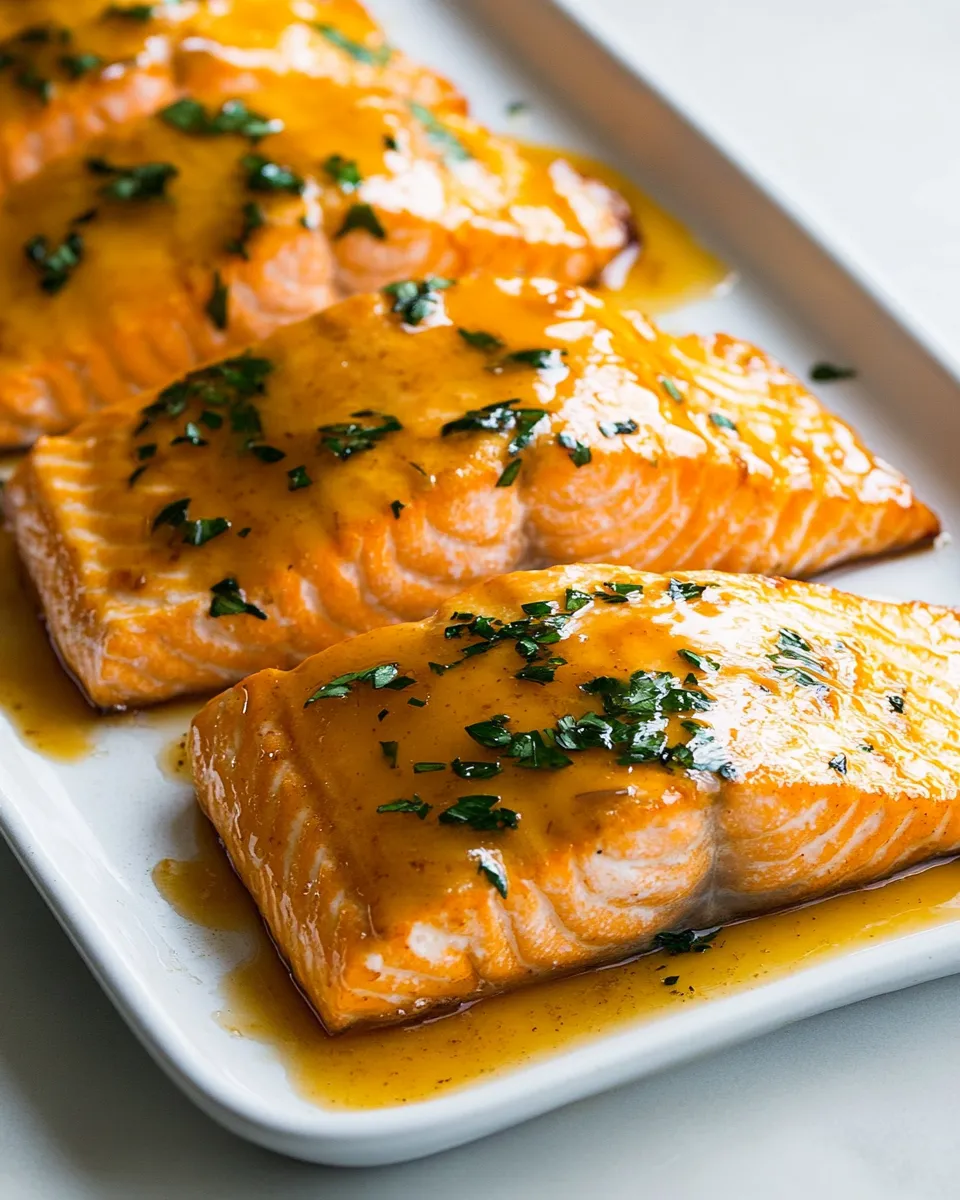
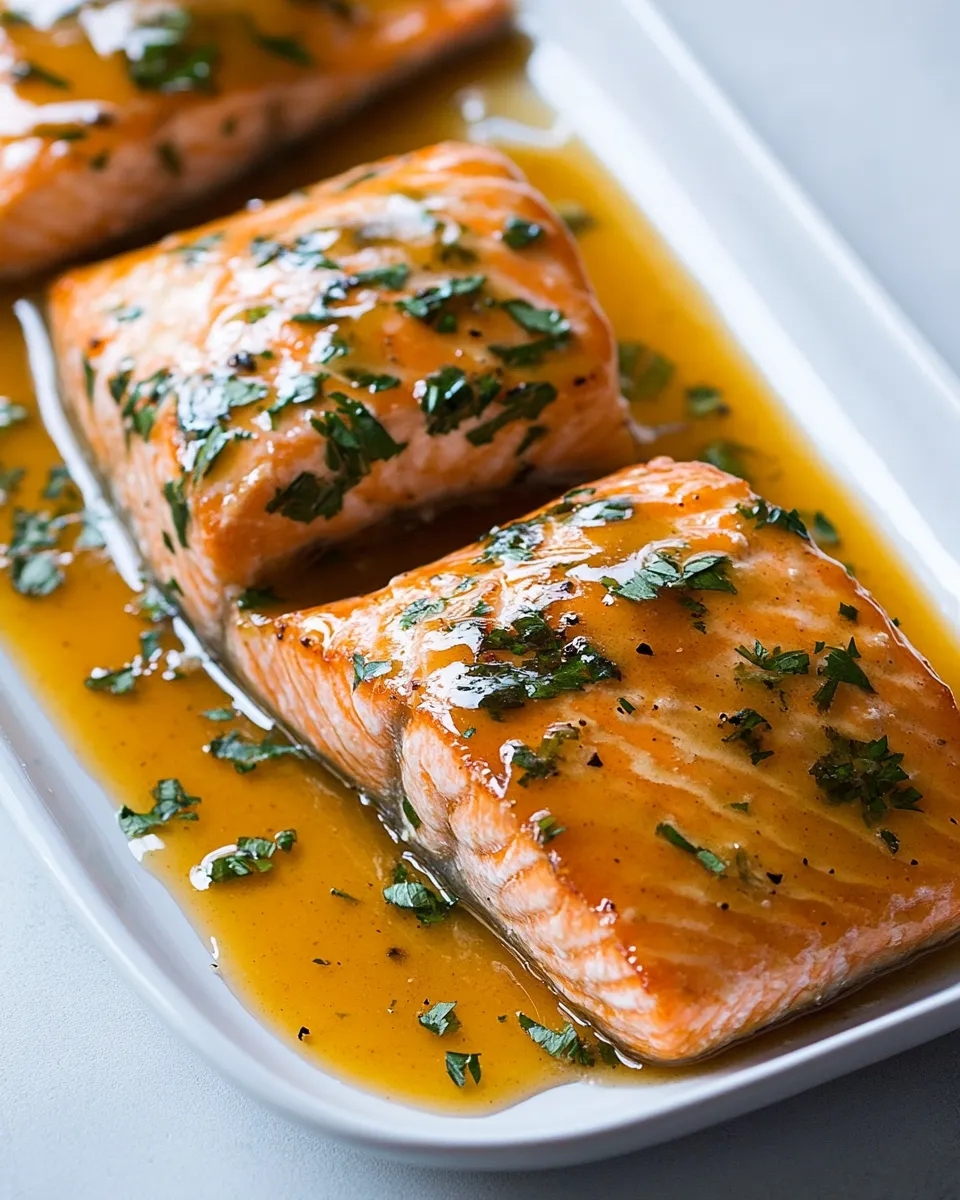
Salmon cooks fast and pairs beautifully with sweet-and-savory glazes. This version balances dark brown sugar with savory soy and Worcestershire, brightened by lemon and ginger. A small cornstarch slurry gives the sauce a glossy finish that clings to the fish. The ingredient list is short, the technique is forgiving, and the result is restaurant-worthy without complicated steps.
Ingredients
- ▢1 pound fresh salmon
- ▢Salt & pepper to taste
- ▢1 tablespoon olive oil
- ▢2 tablespoons butter divided
- ▢3 tablespoons brown sugar
- ▢1 tablespoon soy sauce
- ▢1/4 teaspoon garlic powder
- ▢1 tablespoon lemon juice
- ▢1/2 teaspoon fresh ginger grated
- ▢1 teaspoon Worcestershire sauce
- ▢2 tablespoons chicken broth or water
- ▢1 teaspoon cornstarch
Equipment
- Large nonstick or stainless steel skillet
- Spatula or fish turner
- Small bowl for mixing the sauce
- Microplane or fine grater for ginger
- Measuring spoons and cups
Prep Notes
Pat the salmon dry with paper towels before seasoning; this helps the fish brown nicely. If your fillet has skin, you can leave it on to help hold the fish together while cooking—simply sear skin-side down first. Measure the sauce ingredients into a small bowl so the glaze comes together quickly when you need it.
Step-by-step Instructions
The following directions are rewritten for clarity and follow the ingredient list exactly. They preserve the original order of steps while making each action easy to follow.
- Season the salmon: Pat the ▢1 pound fresh salmon dry with paper towels. Lightly season both sides with ▢Salt & pepper to taste.
- Heat the pan: Place a large skillet over medium-high heat and add ▢1 tablespoon olive oil. Let the oil heat until shimmering but not smoking.
- Sear the salmon: Add the salmon fillet to the hot skillet, presentation side down if the fillet has one. Cook for 3–4 minutes without moving it, until the bottom is golden-brown and the fillet releases easily from the pan. Flip the salmon and reduce heat to medium.
- Add butter for flavor: Add ▢1 tablespoon butter (half of the ▢2 tablespoons butter divided) to the pan around the salmon and let it melt. Tilt the pan and spoon the melted butter over the top of the fillet for 30–45 seconds to add richness.
- Combine the glaze: While the second side of the salmon cooks, mix the glaze in a small bowl: stir together ▢3 tablespoons brown sugar, ▢1 tablespoon soy sauce, ▢1/4 teaspoon garlic powder, ▢1 tablespoon lemon juice, ▢1/2 teaspoon fresh ginger grated, ▢1 teaspoon Worcestershire sauce, and ▢2 tablespoons chicken broth or water. In a separate tiny bowl, dissolve ▢1 teaspoon cornstarch in a tablespoon of the chicken broth or water to make a smooth slurry; set aside.
- Pour glaze into pan: When the salmon is almost cooked through (it should be opaque around the edges but slightly translucent in the center), pour the brown sugar mixture into the skillet around the fillet. Use a spatula to gently coat the top of the salmon with the glaze, being careful not to break the fillet.
- Thicken the sauce: Stir the cornstarch slurry once more, then slowly whisk or stir it into the glaze in the skillet. Continue cooking over medium heat for 1–2 minutes, stirring the sauce until it thickens and becomes glossy. Remove the pan from the heat once the sauce coats the back of a spoon.
- Finish with butter: Stir in the remaining ▢1 tablespoon butter into the glaze until melted and incorporated. Spoon the glossy sauce over the salmon to fully coat it.
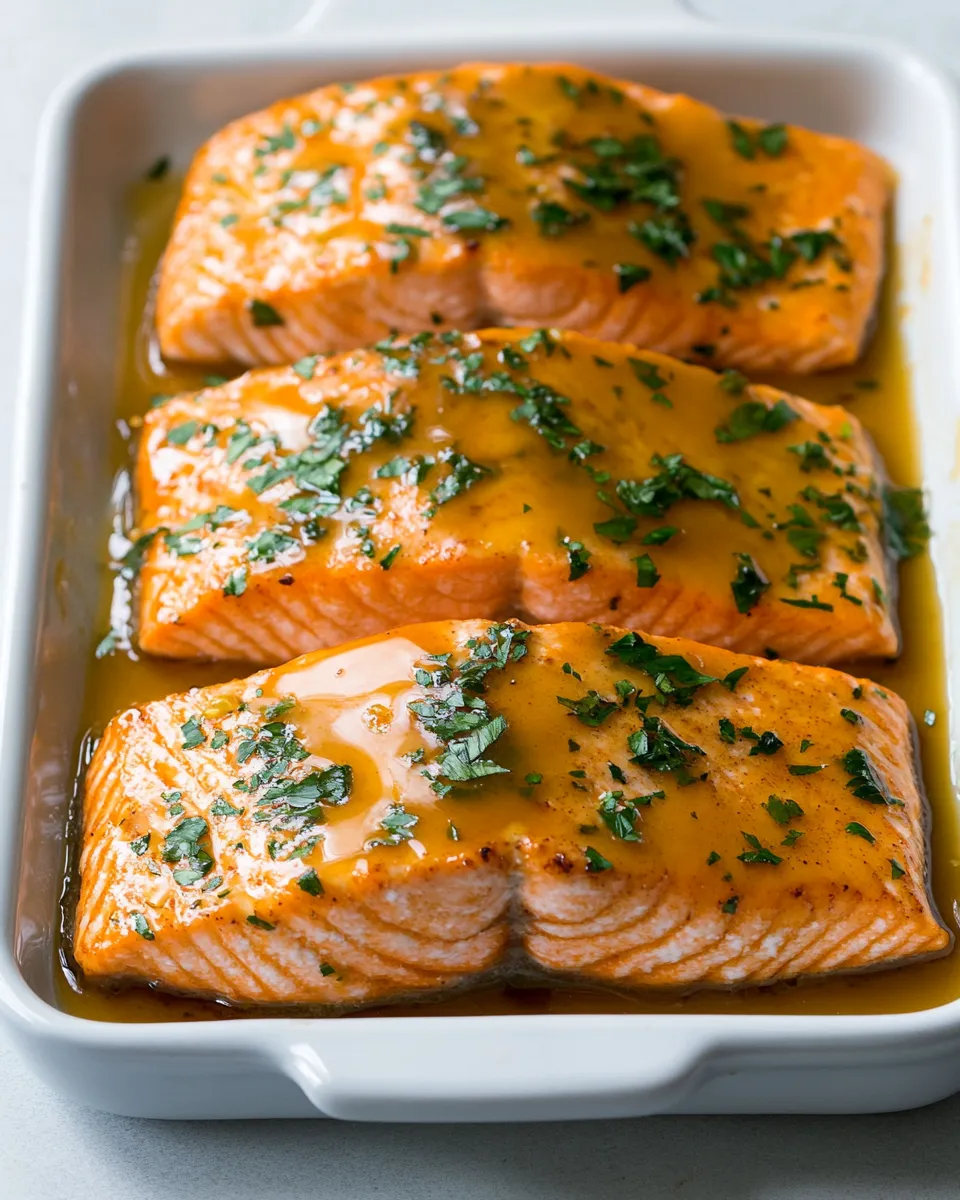
- Rest and serve: Transfer the salmon to a serving plate and let it rest for 2 minutes to allow the glaze to set. Spoon any remaining sauce from the pan over the fillet, then garnish as desired with thin lemon slices or chopped herbs. Serve immediately with rice, steamed vegetables, or a green salad.
Timing and Temperature Tips
- Cook time depends on fillet thickness. A 1-inch-thick fillet typically needs about 3–4 minutes per side on medium-high heat to reach medium doneness.
- Reduce heat if the glaze starts to smoke or burn; you want a glossy caramelization, not char.
- For extra-crisp skin, start with the skin-side down in a hot, lightly oiled pan; press gently for the first 30 seconds to ensure the skin makes full contact with the pan.
Flavor Variations
- Spicy: Add 1/4 teaspoon crushed red pepper flakes to the glaze for heat.
- Citrus-forward: Increase the ▢1 tablespoon lemon juice to 2 tablespoons and add a tablespoon of orange juice for a brighter glaze.
- Maple twist: Substitute 1 tablespoon of the brown sugar with 1 tablespoon pure maple syrup for a deeper, woodsy sweetness.
- Herb finish: Stir in 1 tablespoon chopped fresh parsley or cilantro just before serving for a fresh note.
Serving Suggestions
This Brown Sugar Glazed Salmon pairs beautifully with simple sides that soak up the sauce. Try it with steamed jasmine rice or brown rice, cauliflower rice for a lighter option, or buttery mashed potatoes. Add roasted broccoli, sautéed green beans, or a crisp cucumber-tomato salad to complete the plate. For an easy weeknight plate, serve the salmon over a bowl of warm rice and drizzle extra glaze over everything.
Make-ahead and storage
Prepare the glaze up to 24 hours ahead and store it covered in the refrigerator. When ready, reheat gently and spoon over freshly cooked salmon. Leftover glazed salmon keeps in an airtight container in the refrigerator for up to 2 days. Reheat gently in a low oven (275°F / 135°C) for 8–10 minutes or in a skillet over low heat to avoid drying out the fish. The sauce can be warmed in a small saucepan and spooned over the fish after reheating.
Common troubleshooting
- Burnt glaze: If the sugar darkens too quickly, lower the heat. Brown sugar can scorch, so cook the glaze over medium heat and watch closely.
- Sauce too thin: Make sure the cornstarch slurry was mixed well before adding, and simmer for a minute after adding it to activate thickening. If needed, mix another 1/2 teaspoon cornstarch with 1 teaspoon water and whisk it in.
- Fish sticking to pan: Ensure the pan and oil are hot before adding the salmon, and don’t move the fillet during the initial sear.
Nutrition snapshot (approximate)
Per serving (based on four servings): Salmon is a great source of protein and omega-3 fatty acids. The glaze adds sugar and sodium, so consider portion size and pairing with vegetables and whole grains to create a balanced meal.
Final thoughts
Sticky, shiny, and full of balanced flavor, this Brown Sugar Glazed Salmon is a fantastic option for nights when you want a special meal with minimal fuss. The glaze is flexible—brighten it with citrus, kick it up with chili, or deepen it with maple. It’s a go-to method for turning a simple fillet into a dish that feels curated and comforting at the same time. Give it a try the next time you want a quick, satisfying dinner that’s both elegant and approachable.
Enjoy your meal—and remember, when cooking fish, quick, confident techniques make all the difference. Happy cooking!
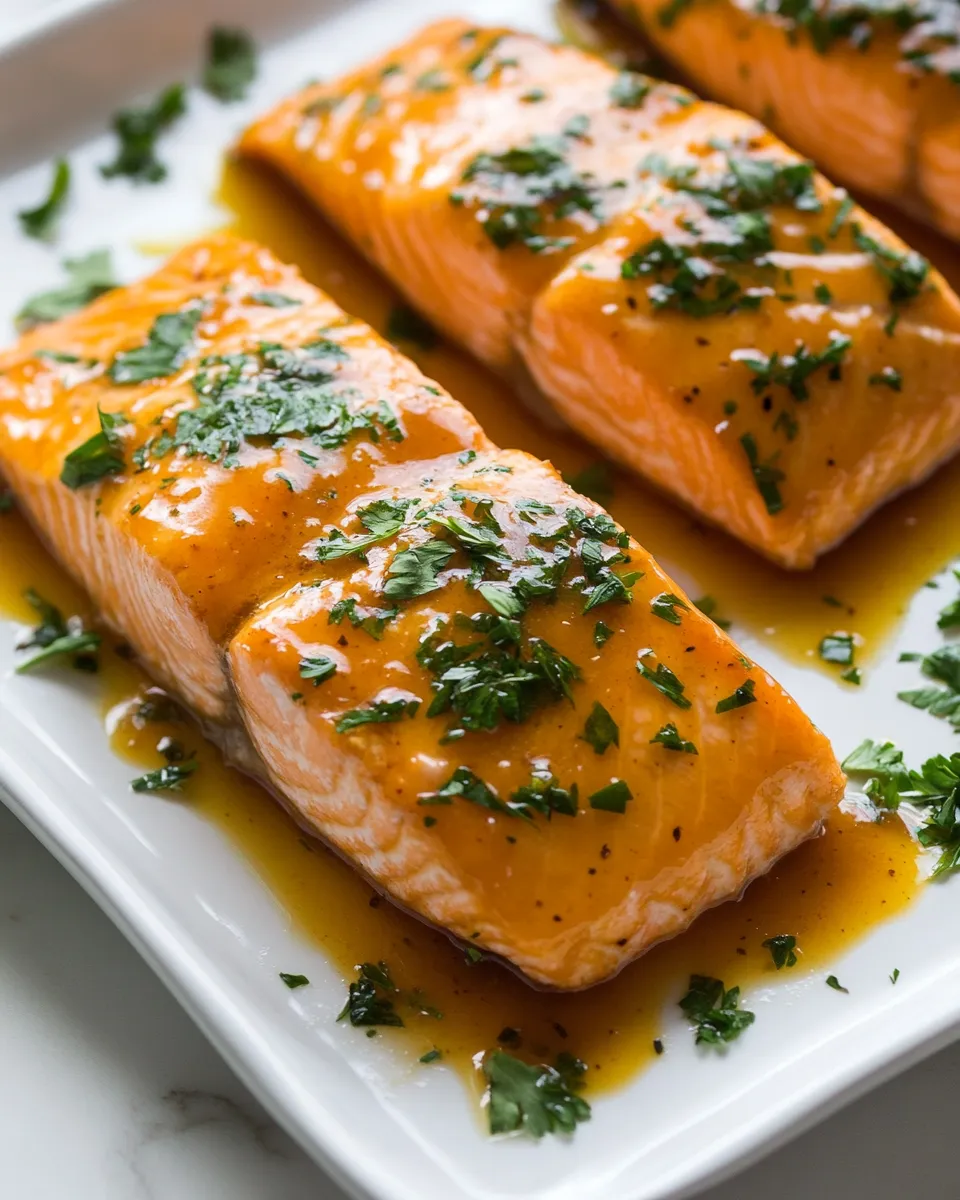
Brown Sugar Glazed Salmon
Ingredients
Equipment
Method
- Remove the salmon from the refrigerator 15–20 minutes before cooking. Cut into 4 equal pieces, pat dry, and season both sides with salt and pepper.
- In a bowl whisk together brown sugar, soy sauce, garlic powder, lemon juice, grated ginger, Worcestershire sauce, chicken broth (or water), and cornstarch until smooth.
- Heat a large skillet over medium-high and add the olive oil and 1 tablespoon butter. Let the fat heat for a minute until shimmering.
- Place salmon in the skillet skin-side down and sear without moving for 5 minutes.
- Reduce heat to medium, flip the salmon, and cook 2–3 more minutes until nearly cooked through.
- Add the remaining tablespoon of butter to the pan to melt, then pour the prepared sauce into the skillet between the salmon pieces.
- Let the sauce bubble and thicken for about 20–30 seconds while spooning it over the salmon, then remove the pan from heat to avoid burning; residual heat will finish thickening.
- Flip the salmon once more and spoon the glaze over the top. Serve immediately.
Notes
- Salmon used was about 1" thick; adjust cooking time for different thicknesses.
- It's okay to use slightly more than 1 lb, but avoid crowding the pan; sear in batches if needed.
- Freezing ginger makes it easier to grate.
- Patting salmon dry helps achieve a crisp skin.