Bucatini Pomodoro
There’s something so comforting about a simple tomato sauce tossed with long, toothy bucatini. This Bucatini Pomodoro is all about pure ingredients, basic technique, and big flavor from pantry staples. It’s the kind of dinner that feels special without requiring a fuss—perfect for a weekday supper or a leisurely weekend meal. Using canned whole plum tomatoes (or cherry tomatoes if you prefer), a medium-large onion, extra-virgin olive oil, fresh basil, and a modest amount of seasoning, this dish highlights how few ingredients can still produce something truly satisfying.
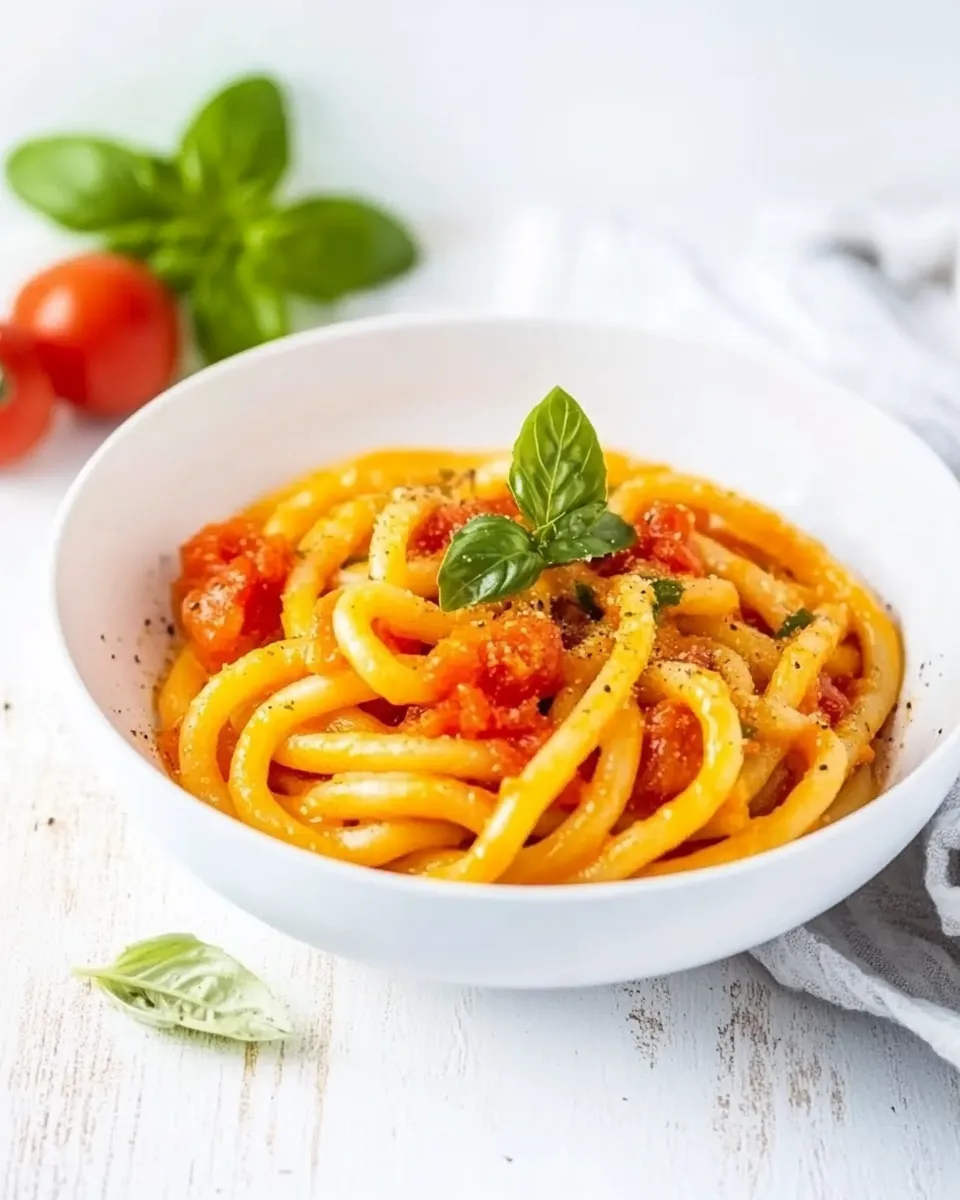
Before we get to the recipe, the guiding idea here is balance: bright tomatoes, a lightly caramelized onion base, and the gentle chew of bucatini. The cooking method is intentionally straightforward. You’ll simmer the tomatoes until they break down into a silky sauce, then toss with al dente bucatini and torn basil leaves for freshness. The pasta water is the secret weapon—starchy liquid that binds sauce and pasta together into a creamy, silky coating that clings to each strand.
Why this version works
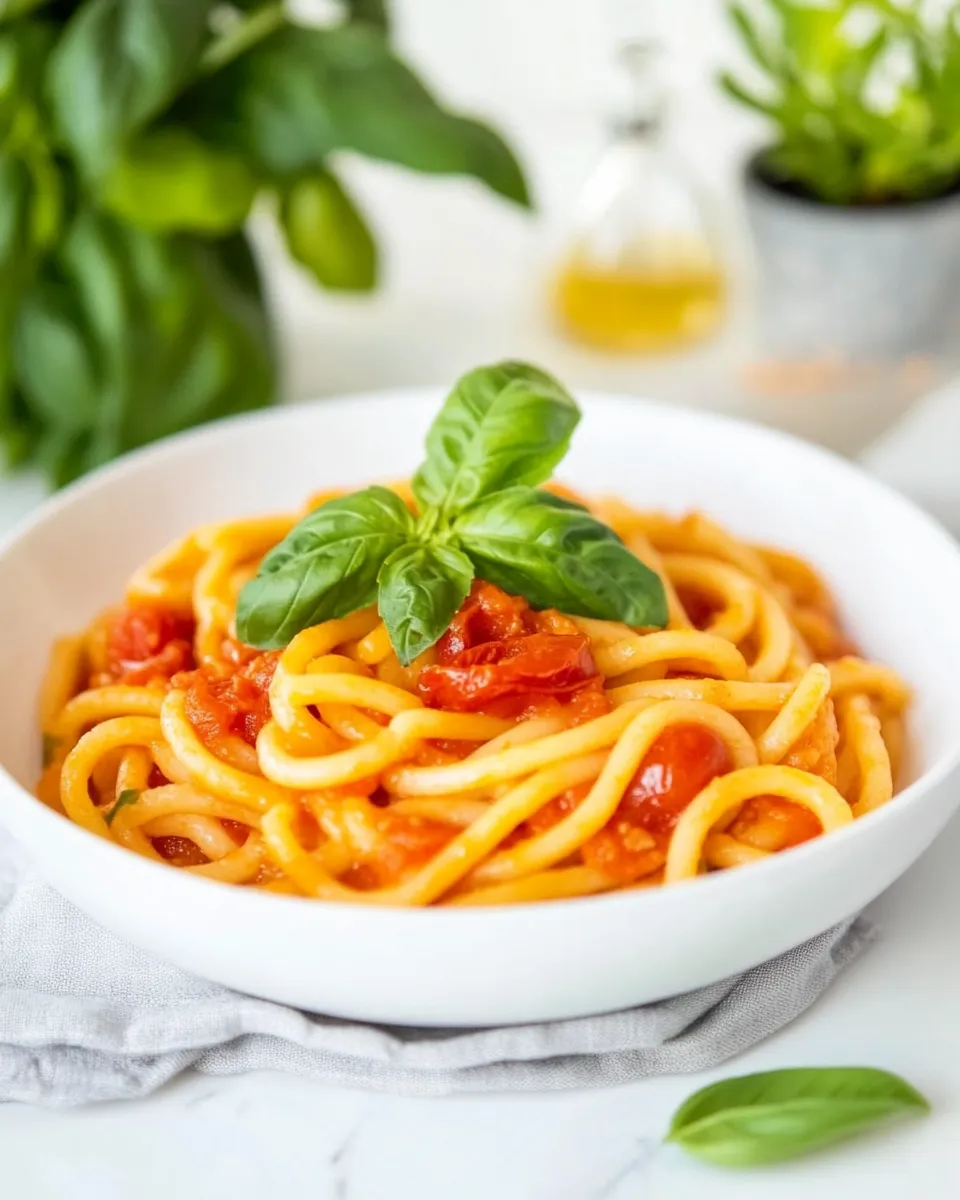
This rendition of Bucatini Pomodoro keeps things intentionally minimal. Two cans of whole plum tomatoes give the sauce a lush, balanced acidity and a clean tomato flavor. Finely minced onion melts into the sauce, offering sweetness without overwhelming the tomato note. Extra-virgin olive oil is used both for sautéing and to add a fruity richness at the finish. Fresh basil leaves are folded in at the last minute, preserving their bright aroma. And the bucatini—those hollow noodles—trap little pools of sauce inside while their outside surface holds an even coating, making every bite pleasurable.
Ingredients
- 1 medium-large onion, finely minced
- 2 cans organic whole plum tomatoes (15 oz / 400 g each), or canned cherry tomatoes
- 2 tablespoons extra-virgin olive oil
- 8 fresh basil leaves
- Sea salt and black pepper to taste
- 17.06 oz bucatini pasta
Prep and timing
This recipe takes about 10 minutes to prepare and roughly 20–25 minutes to cook, depending on how long you simmer the tomatoes and your ideal pasta doneness. It’s fast enough for a weeknight but flavorful enough for guests. Make sure to have a large pot for the pasta and a wide skillet or sauté pan for the sauce so the tomatoes can reduce quickly without crowding.
Step-by-step instructions
The following directions are rewritten for clarity while keeping the original order of steps and the ingredient amounts exactly as listed above.
- Bring a large pot of salted water to a boil. Use enough water for the bucatini to move freely—this helps prevent sticking and ensures even cooking. Salt the water generously; it should taste like the sea. Start the water first so it’s ready when the sauce has finished. Add the 17.06 oz bucatini once the water reaches a rolling boil.
- While the water heats, prepare the sauce base. Heat 2 tablespoons extra-virgin olive oil in a wide skillet or sauté pan over medium heat. Add the 1 medium-large onion that you’ve finely minced. Cook the onion, stirring occasionally, until it becomes translucent and begins to develop gentle golden edges—this typically takes 5–7 minutes. The goal is a soft, sweet base; you do not need to brown it deeply.
- Add the canned tomatoes. Pour in both cans of organic whole plum tomatoes (15 oz / 400 g each) or your chosen canned cherry tomatoes. If you’re using whole plum tomatoes, crush them by hand as you add them to the pan or use a spoon to break them up into smaller pieces. This helps the sauce come together faster and creates a pleasant mix of texture and silkiness.
- Bring the sauce to a simmer and season. Raise the heat slightly to bring the tomatoes and onions to a gentle simmer. Season with sea salt and freshly ground black pepper to taste. Lower the heat to maintain a steady gentle simmer—small bubbles, not a roaring boil. Allow the sauce to cook and reduce for about 10–15 minutes, stirring occasionally. This develops depth of flavor and concentrates the tomato sweetness and acidity.
- Check the bucatini for doneness. When the pasta has about 1–2 minutes left on the package cooking time, reserve about 1 cup of the starchy pasta water and set it aside. Then drain the bucatini, but do not rinse. The reserved pasta water is essential to finish the sauce and ensure it clings to the pasta.
- Combine pasta and sauce. Transfer the cooked bucatini directly into the skillet with the simmered tomato sauce. Toss the pasta gently to combine. Add a splash of the reserved pasta water as needed—start with 2–3 tablespoons and add more until the sauce reaches a glossy, smooth consistency that coats the bucatini evenly. The starchy water helps the sauce emulsify and adhere to the noodles.
- Taste and adjust seasoning. After tossing, taste the pasta and sauce. Add additional sea salt and black pepper if necessary. The sauce should taste bright and well-balanced—tomato-forward, with a touch of sweetness from the onions and a gentle fruitiness from the olive oil.
- Add the fresh basil and finish. Tear the 8 fresh basil leaves into pieces and fold them into the pasta right before serving to preserve their vibrant aroma and flavor. Give the pasta one final toss with a drizzle of extra-virgin olive oil if desired for extra sheen and richness.
- Serve immediately. Plate the bucatini hot, making sure each portion has a good distribution of sauce. Offer extra black pepper and a light drizzle of olive oil at the table for finishing touches.
Tips for success
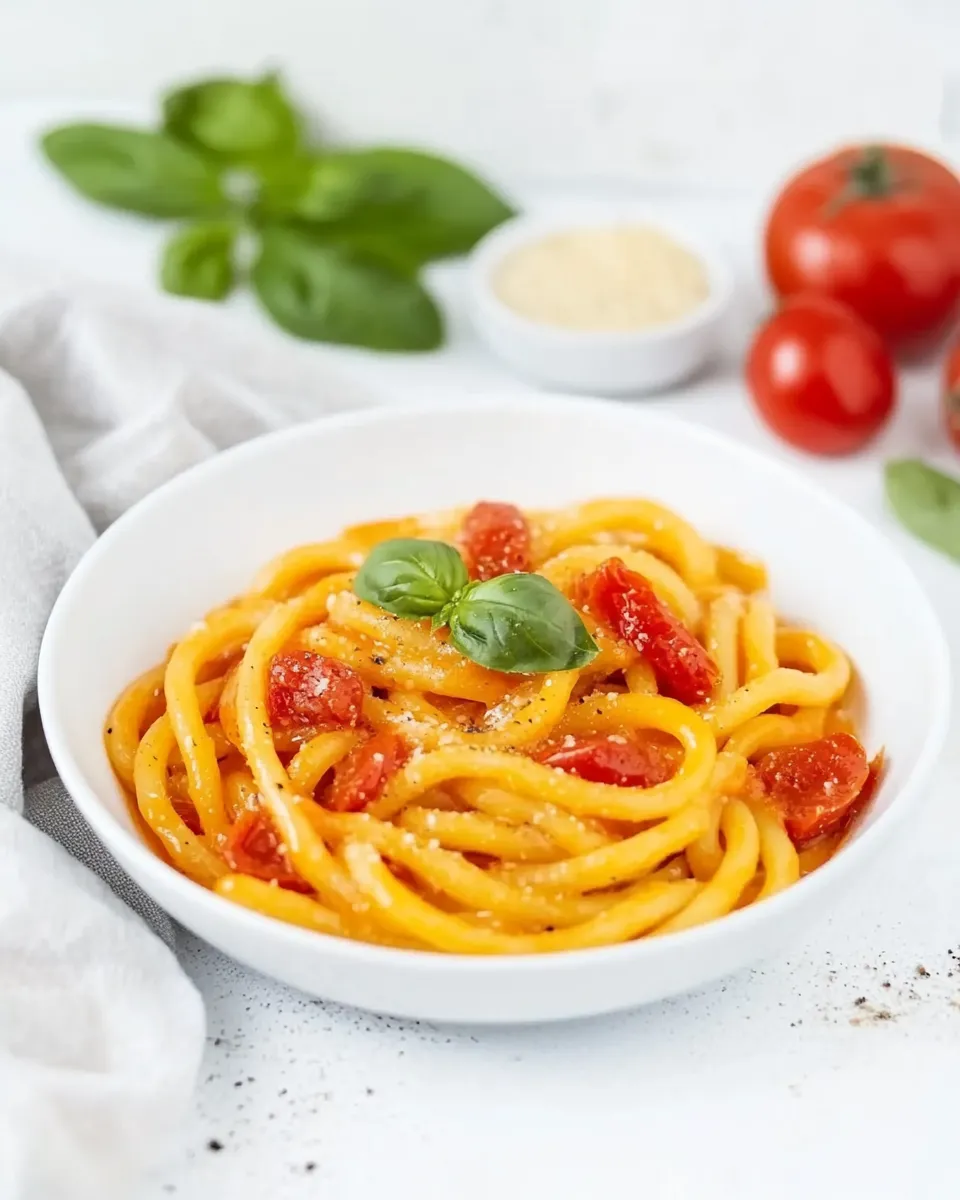
- Use quality canned tomatoes: San Marzano-style plum tomatoes or a good-brand canned cherry tomato can make a noticeable difference. The flavor of the tomatoes is front and center in this recipe.
- Don’t underestimate salt: Salting the pasta water and seasoning the sauce are crucial for balanced flavors. Add salt gradually and taste as you go.
- Reserve pasta water: That starchy water is the binding agent that creates a creamy, clingy sauce without adding cream or butter.
- Keep the basil fresh: Add basil at the end so it doesn’t wilt or turn dark. Tearing, rather than chopping, helps prevent bruising and releases essential oils for more aroma.
- Control simmer intensity: A gentle simmer allows the tomatoes to concentrate without burning or becoming excessively reduced. Stir occasionally to prevent sticking, especially as the sauce thickens.
Serving suggestions
Bucatini Pomodoro shines best simply plated and garnished. Consider a big bowl with a scattering of torn basil leaves and a final drizzle of extra-virgin olive oil. Serve alongside a simple green salad dressed with lemon and olive oil or a few toasted slices of crusty bread for sopping up sauce. For a more substantial meal, pair this with a grilled vegetable platter or a lemony arugula salad to balance the tomato richness.
Make-ahead and storage
This pasta is best served fresh, but you can prepare the tomato sauce up to 2 days ahead. Refrigerate the sauce in an airtight container, then reheat gently in a skillet with a splash of water or olive oil before tossing with freshly cooked bucatini. Leftover assembled pasta will keep in the refrigerator for 2–3 days; reheat over low heat with a little water to loosen the sauce.
Variations
Keep the core of the sauce intact and consider small tweaks to suit your tastes:
- If you like heat, add a pinch of red pepper flakes when sautéing the onion.
- For extra depth, stir in a teaspoon of tomato paste with the onions before adding the canned tomatoes.
- Add a handful of sautéed mushrooms or roasted vegetables for variety and texture.
- Finish with a grated hard cheese if desired—choose a vegetarian-friendly option if avoiding animal rennet.
Why bucatini?
Bucatini’s hollow center makes it ideal for this simple tomato sauce. The tube captures little bursts of sauce inside while the exterior still clings to a luscious coating. Compared with regular spaghetti, bucatini offers a slightly firmer bite and a satisfying contrast between outer and inner textures. It turns a modest Bucatini Pomodoro into something with a little more character.
Final thoughts
This Bucatini Pomodoro is proof that thoughtful ingredients and straightforward technique can yield a memorable pasta. It’s approachable for cooks of any level and easily adaptable depending on what you have on hand. The balance of gently sweet onions, vibrant tomatoes, fragrant basil, and well-salted bucatini creates a dish that’s both humble and deeply comforting. Make it when you want dinner that’s simple, reliable, and truly delicious.
Enjoy—this one’s destined to become a favorite quick pasta in your rotation.
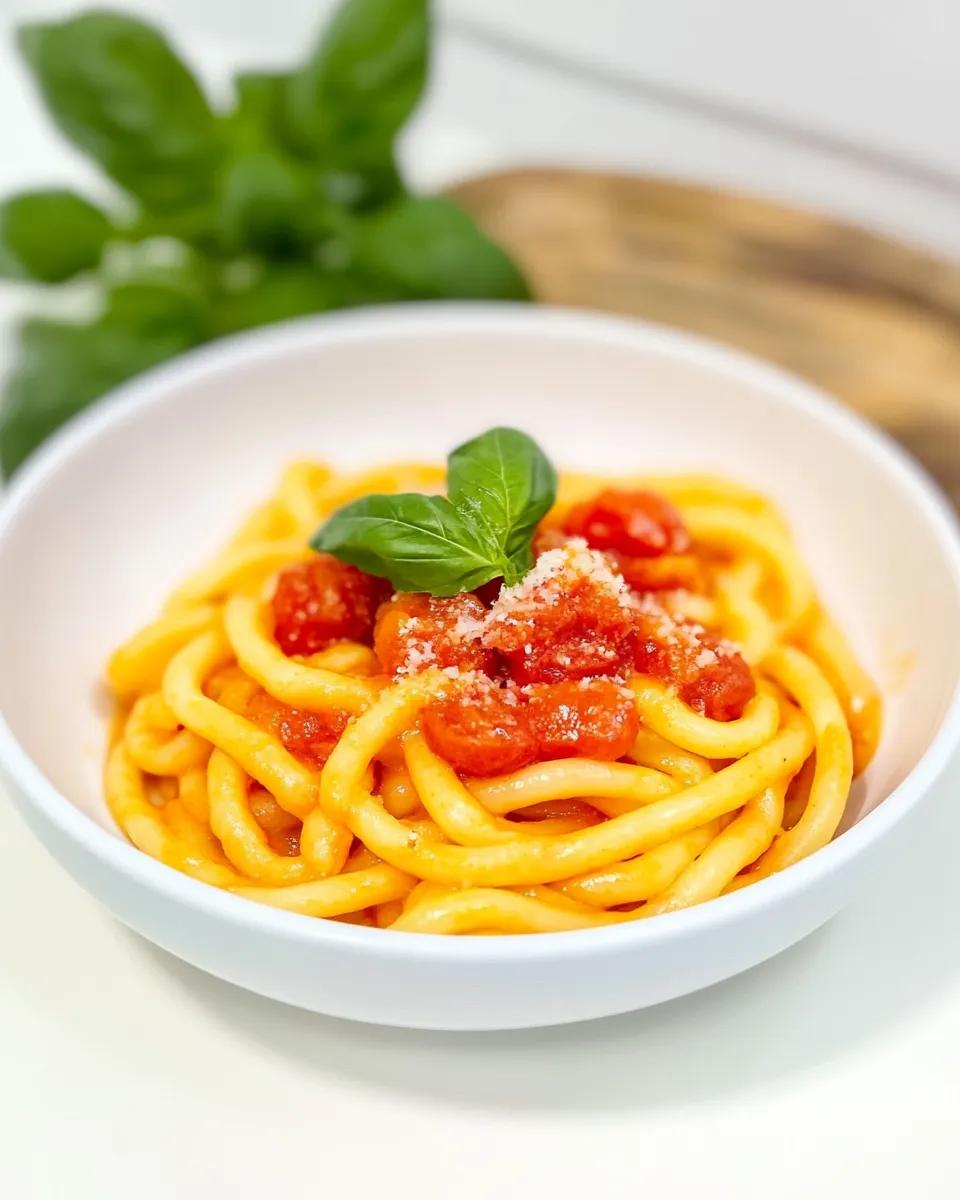
Bucatini Pomodoro
Ingredients
Equipment
Method
- Bring a large pot of lightly salted water to a boil for the bucatini.
- Heat the olive oil in a skillet over medium-low heat, add the finely minced onion and cook until translucent, about 4–5 minutes.
- Add the canned tomatoes with their juices to the skillet and gently crush them with a wooden spoon; season with most of the basil leaves (reserve a few for finishing).
- Cover and simmer the sauce on low heat for about 15 minutes, stirring occasionally, until creamy but still slightly chunky; taste and season with sea salt and black pepper.
- Meanwhile, cook the bucatini in the boiling water according to package directions for al dente, draining 2–3 minutes before the suggested time if you prefer firmer pasta; drain in a colander.
- Remove the sauce from the heat, stir in the remaining fresh basil leaves, then add the drained bucatini to the skillet and toss to combine; drizzle a little extra-virgin olive oil if desired and serve immediately.
Notes
- You can halve and deseed whole canned tomatoes to reduce bitterness, if desired.
- If the sauce tastes too acidic, add a bay leaf while cooking or a pinch of sugar.