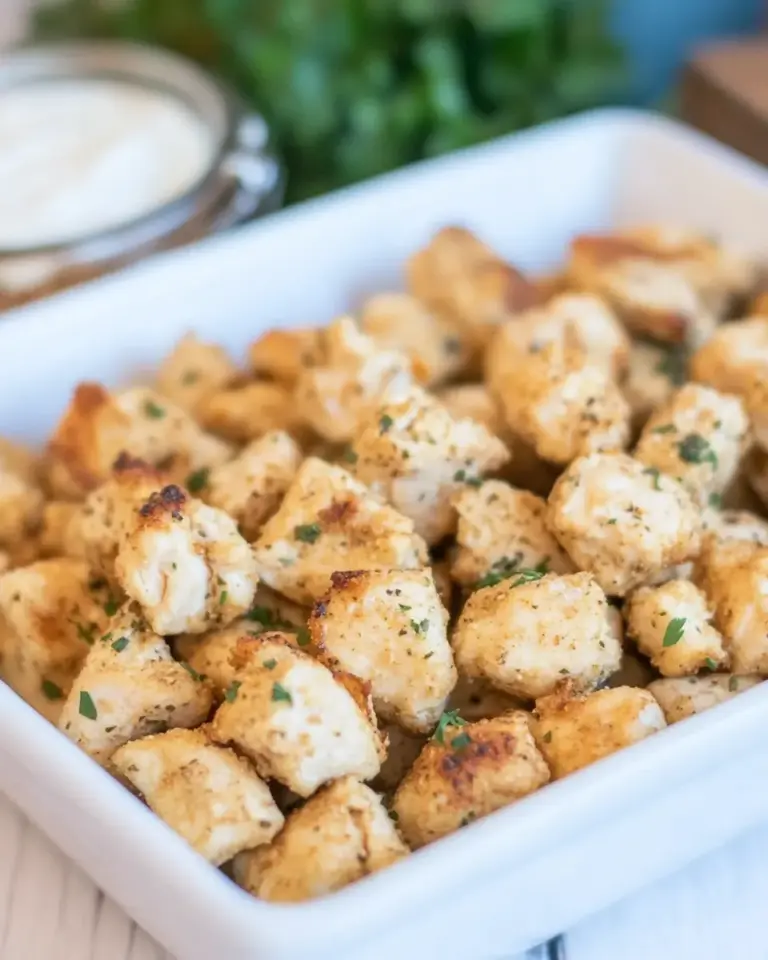
Easy Baked Chicken Tenders
There’s something comforting about crisp, golden chicken tenders fresh from the oven—tender on the inside, crunchy on the outside, and perfectly seasoned. These Easy Baked Chicken Tenders are my go-to for quick weeknight dinners, lunches that travel well, or a crowd-pleasing appetizer. They use simple pantry ingredients and a super-simple assembly method that keeps cleanup to a minimum. Baked instead of fried, they’re lighter but still deliver on texture and flavor.
Before we dive in, a few things I love about this recipe: it uses whole wheat panko for a robust, toasty crunch; a touch of Dijon mustard and Worcestershire sauce in the egg wash gives a tangy, savory backbone; and grated parmesan plus flaxseed meal add a nutty depth and a touch of protein. The seasoning mix is straightforward—thyme, garlic powder, onion powder, salt, and pepper—so you get classic flavor without any fuss. And because the tenders bake in a single layer, they crisp up evenly and don’t absorb excess oil.
Below you’ll find a short ingredient list, followed by clear, step-by-step instructions that mirror the original method while making each step easier to follow. I’ve also included notes on prep, oven timing tips, and a few serving suggestions so you can serve these exactly the way your family likes them.
Ingredients

- ▢1lb chicken tenderloins
- ▢1 egg
- ▢1 tsp dijon mustard
- ▢1 tsp Worcestershire sauce
- ▢Salt and pepper, to taste
- ▢1 cup whole wheat panko breadcrumbs
- ▢1/4 cup grated parmesan cheese
- ▢2 Tbsp flaxseed meal
- ▢1 tsp dried thyme
- ▢1/2 tsp garlic powder
- ▢1/4 tsp onion powder
Why this recipe works
This recipe balances bright and savory notes with satisfying crunch. The egg wash, bolstered by dijon mustard and Worcestershire sauce, helps the crumb mixture cling to each tender and adds layers of flavor. Whole wheat panko gives the exterior a grainy, rustic texture that browns beautifully in the oven. Parmesan and flaxseed meal contribute umami and a slightly nutty mouthfeel, while the dried thyme and powdered aromatics offer classic herb-and-garlic warmth without overpowering the chicken.
Because the tenders are baked on a single tray, the oven’s heat circulates around each piece, which helps keep the crust crisp without needing to flip often. This also makes it easier to batch-make for meal prep. The whole thing comes together quickly: a few minutes to mix, a few minutes to coat, and under 20 minutes in the oven.
Equipment
- Baking sheet
- Parchment paper or a silicone baking mat
- Shallow bowls for the egg wash and breadcrumb mixture
- Tongs or a fork for dipping
- Wire rack (optional, helps crisp the underside)
Step-by-step Instructions

Follow these concise steps to make the chicken tenders. I’ve kept the sequence faithful to the original method while clarifying each action so nothing is left to guesswork.
- Preheat your oven to 425°F (220°C). Line a baking sheet with parchment paper or a silicone mat. If you have a wire rack that fits inside the sheet, place it on top; otherwise a single layer directly on the sheet works well.
- Pat the 1 lb chicken tenderloins dry with paper towels and arrange them on a clean plate or cutting board. Season both sides lightly with salt and pepper to taste.
- In a shallow bowl, whisk together the 1 egg, 1 tsp dijon mustard, and 1 tsp Worcestershire sauce until smooth and evenly combined.
- In a second shallow bowl, combine 1 cup whole wheat panko breadcrumbs, 1/4 cup grated parmesan cheese, 2 Tbsp flaxseed meal, 1 tsp dried thyme, 1/2 tsp garlic powder, and 1/4 tsp onion powder. Stir until all dry components are evenly distributed.
- Working one or two tenders at a time, dip each chicken tenderloin into the egg mixture, ensuring it is fully coated. Allow any excess egg to drip back into the bowl.
- Immediately transfer the egg-coated tender to the breadcrumb mixture. Press the breadcrumbs gently onto all sides so the coating adheres well. Place the coated tender on the prepared baking sheet or wire rack. Repeat this process with the remaining tenders, spacing them in a single layer so each has room to crisp.
- When the tray is full, give the tenders a light spray of cooking oil or brush them lightly with oil if you prefer a deeper color and extra crispness. This step is optional but helps the coating brown evenly in the oven.
- Bake in the preheated oven for 16–20 minutes, or until the internal temperature of the thickest tender reaches 165°F (74°C) and the coating is golden brown. If you like a darker crust, broil for 1–2 minutes while watching carefully to prevent burning.
- Remove the sheet from the oven and let the tenders rest for 2–3 minutes before serving. Resting helps the juices settle and keeps the interior moist when you bite into the crisp exterior.
Tips and troubleshooting

- If your tenders vary in thickness, pound thicker pieces gently with the flat side of a meat mallet to promote even cooking.
- For extra-crispy tenders, use a wire rack over the baking sheet so hot air circulates underneath each piece.
- If the coating is not sticking well, make sure your tenders are properly dry before dipping and that you press the crumb mixture firmly so it adheres.
- To reheat leftovers, place tenders on a baking sheet in a 350°F (175°C) oven for 8–10 minutes until warmed through and refreshed. Avoid the microwave if you want to keep the crust crisp.
Serving ideas
These tenders are versatile. Serve them as a family dinner with a side of roasted vegetables and a grain like quinoa or brown rice. Turn them into wraps with greens and a smear of yogurt-based sauce, or slice and pile them over a hearty salad for added protein and crunch. They also make excellent appetizers—pair with mustard-mayo, a simple honey-mustard, or a yogurt-herb dip for dipping.
Make-ahead and storage
- Refrigerate cooled tenders in an airtight container for up to 3 days.
- Freeze cooled tenders in a single layer on a tray until firm, then transfer to a freezer-safe bag or container for up to 2 months. Reheat from frozen in a 375°F (190°C) oven for 12–16 minutes, or until heated through and crisp.
Flavor variations
Want to switch things up? Try these easy swaps without changing the structure of the recipe:
- Swap 1 tsp dried thyme for 1 tsp Italian seasoning for a more herb-forward profile.
- Add 1/4–1/2 tsp smoked paprika to the breadcrumb mix for a subtle smokiness.
- Replace parmesan with an equal amount of finely grated pecorino for a sharper, saltier bite.
- Stir 1 tsp lemon zest into the breadcrumb mixture for a bright citrus note that pairs well with yogurt-based dips.
Final notes
If you’re looking for an approachable, dependable recipe for dinner that the whole family will enjoy, these Easy Baked Chicken Tenders are a winner. They’re quick to prepare, bake up golden and crisp, and use pantry-friendly ingredients. Whether you’re packing lunches, planning a casual weeknight meal, or entertaining friends, these tenders offer that perfect balance of flavor, texture, and simplicity.
Make them tonight and enjoy the crisp, savory goodness—these Easy Baked Chicken Tenders are sure to become a regular in your rotation.

Easy Baked Chicken Tenders
Ingredients
Equipment
Method
- Preheat the oven to 400°F (200°C). Line a baking sheet with parchment paper or place a wire rack on the sheet.
- In one shallow bowl, whisk together the egg, Dijon mustard, Worcestershire sauce, and salt and pepper until smooth.
- In a second shallow bowl, combine the whole wheat panko, grated Parmesan, flaxseed meal, dried thyme, garlic powder, and onion powder.
- Working with one tender at a time, dip each chicken tenderloin into the egg mixture, letting excess drip off, then press into the breadcrumb mixture to coat evenly on all sides.
- Arrange the coated tenders on the prepared baking sheet or wire rack, leaving space between pieces for airflow.
- Lightly spray the tops of the tenders with cooking spray. Bake for about 20 minutes, flipping once halfway through, until golden brown and cooked through (internal temperature 165°F / 74°C).
- Remove from the oven and serve immediately with your favorite dipping sauce.
Notes
- Store in an airtight container in the fridge for up to 4 days.
- These tenders can be frozen for up to 3 months.