Fettuccine Alfredo with Fresh Pasta
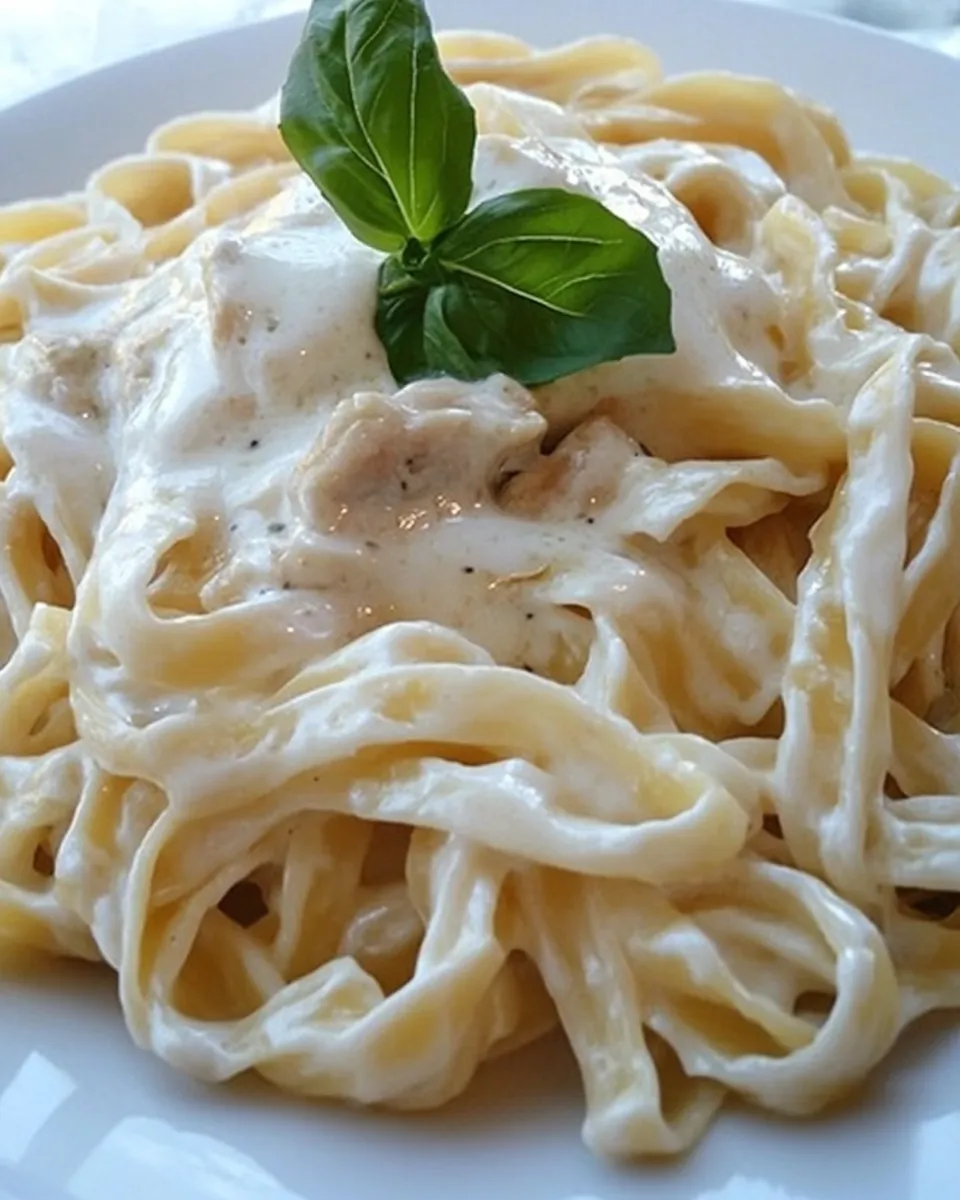
There’s something comforting and indulgent about a bowl of silky pasta coated in a creamy, cheesy sauce. Today I’m sharing a simple, satisfying recipe for Fettuccine Alfredo with Fresh Pasta that uses just a handful of pantry staples and comes together quickly. Fresh pasta makes a world of difference here: it’s tender, cooks in minutes, and soaks up the sauce in the best way. If you’ve ever wanted to make restaurant-worthy Alfredo at home without fuss, this version is for you.
Why you’ll love this version
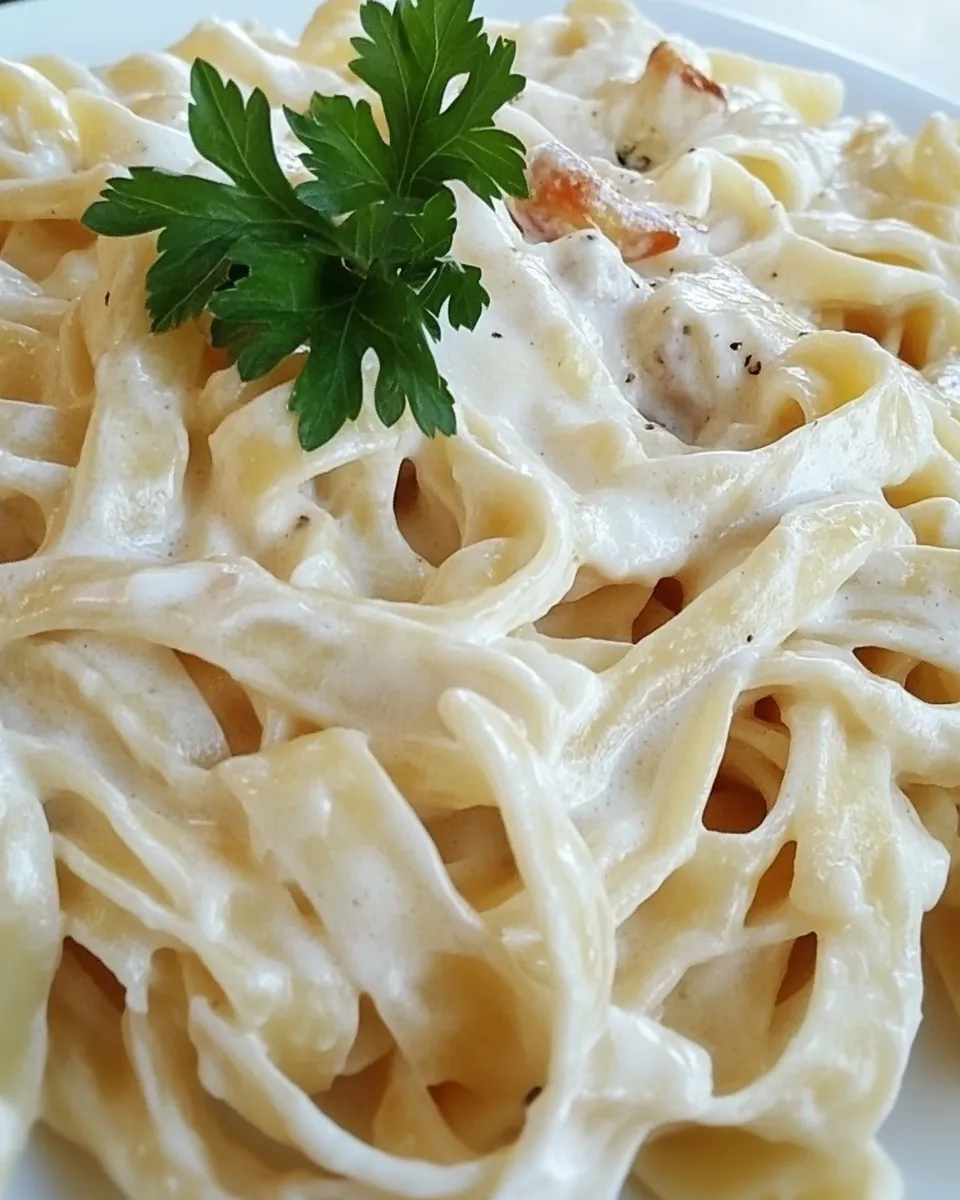
- Fresh pasta cooks in 2–3 minutes and has a tender texture you can’t get from dried noodles.
- The sauce is ultra-simple—cream, butter, and Parmesan—so the quality of your ingredients really shines.
- It’s a short recipe with clear steps that are easy to follow, great for weeknights or a cozy weekend dinner.
Ingredients
- ▢1cup(125g)all-purpose flour
- ▢2large eggs
- ▢½cup(119ml)heavy cream
- ▢1tablespoonbutter
- ▢½cup(50g)grated Parmesan cheese
- ▢Freshly ground black pepper and salt,to taste
Equipment
- Mixing bowl
- Rolling pin or pasta machine
- Sharp knife or pasta cutter
- Large pot for boiling
- Large skillet for the sauce
- Tongs or pasta fork
Prep at a glance
Plan 15 minutes active time to make the fresh pasta dough and about 10–15 minutes to roll, cut, and cook the noodles. The Alfredo sauce comes together in under 5 minutes while the pasta cooks, so have your cheese measured and ready.
Step-by-step Instructions
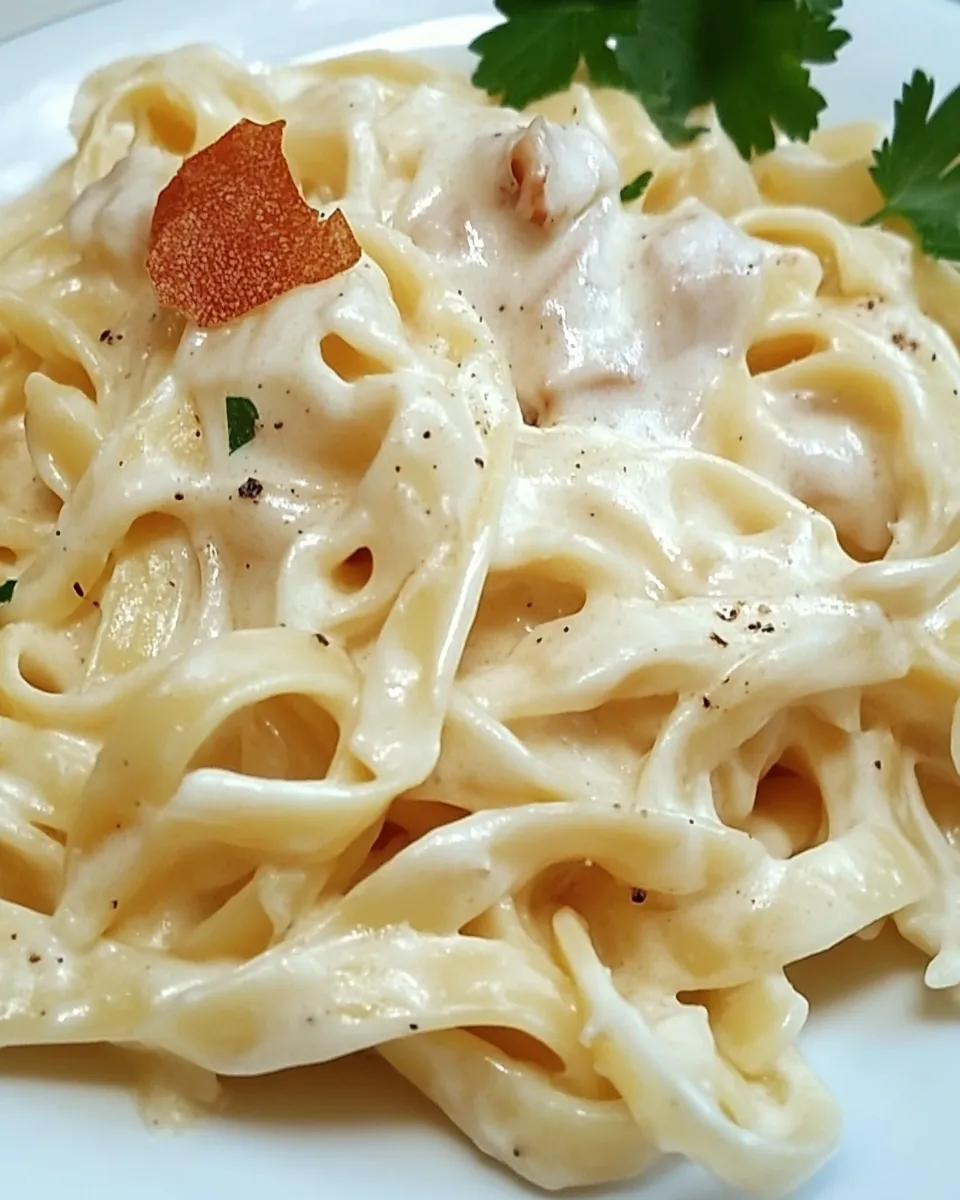
- Make the dough: On a clean work surface or in a large bowl, mound the ▢1cup(125g)all-purpose flour and make a well in the center. Crack the ▢2large eggs into the well. Using a fork, gently beat the eggs and gradually incorporate the flour from the inner walls until a shaggy dough forms.
- Knead the dough: Gather the dough and knead it for about 5–8 minutes until smooth and elastic. If the dough feels too sticky, sprinkle with a little more flour; if it’s too dry, add a few drops of water. Shape into a ball, wrap in plastic wrap or cover with a bowl, and let it rest 15–20 minutes to relax the gluten.
- Roll and cut: After the dough has rested, divide it into two pieces. Working with one piece at a time, use a rolling pin or pasta machine to roll the dough thin—about 1–2 mm thickness for fettuccine. Lightly dust with flour to prevent sticking. Fold the sheet of dough into thirds or loosely roll it, then use a sharp knife or pasta cutter to slice into strips about 6–8 mm wide. Unfold the strips gently and lay them on a lightly floured surface to keep them separated.
- Bring water to a boil: Fill a large pot with water and bring it to a rolling boil. Add a generous pinch of salt to the water. Fresh pasta cooks quickly, so you’ll want the water boiling before you start the sauce.
- Prepare the sauce: While the water comes to a boil, heat a large skillet over low-medium heat. Add the ▢1tablespoonbutter and let it melt. Pour in the ▢½cup(119ml)heavy cream and warm it gently, stirring, until it begins to steam and small bubbles form at the edge—do not boil. Remove the skillet from the heat briefly if it threatens to boil too vigorously.
- Cook the pasta: Add the fresh fettuccine to the boiling water and cook for 2–3 minutes, or until al dente. Fresh pasta cooks much faster than dried, so start checking at 2 minutes. Reserve about ¼ cup of the starchy pasta cooking water before draining.
- Finish the sauce: Return the cream and butter mixture to low heat if needed. Stir in the ▢½cup(50g)grated Parmesan cheese a little at a time, stirring constantly until it melts into a smooth sauce. If the sauce seems too thick, add a tablespoon or two of the reserved pasta water to loosen it. Season with ▢Freshly ground black pepper and salt,to taste—start with a few grinds of pepper and a small pinch of salt, then adjust.
- Toss and serve: Add the drained fresh fettuccine directly to the skillet with the Alfredo sauce. Using tongs, toss the pasta gently to coat each strand in sauce. If needed, add another splash of reserved pasta water to reach your desired consistency. Taste and adjust seasoning. Serve immediately with an extra sprinkle of grated Parmesan and more black pepper if you like.
Troubleshooting and tips
- Dough too sticky or too dry: Slightly sticky dough benefits from a touch more flour; overly dry dough needs a few drops of water. Knead until the texture becomes smooth and elastic.
- Rolling thin sheets: If you don’t have a pasta machine, roll the dough as thin as you can with a rolling pin. Let the dough rest between rolls if it springs back.
- Sauce texture: Parmesan melts best into warm cream. If the sauce separates or looks oily, reduce heat and whisk in a tablespoon or two of reserved pasta water to bring it back together.
- Keeping the pasta from sticking: Toss cut noodles with a light dusting of flour or semolina while you finish the sauce, or spread them out on a floured surface so they don’t clump.
Serving suggestions
This dish is luxurious on its own, but a few simple sides make a full meal. A crisp green salad with a bright lemon vinaigrette cuts through the richness; roasted or steamed seasonal vegetables add color and texture. For an elevated finish, top with freshly cracked black pepper, a light drizzle of good olive oil, or a scattering of chopped fresh parsley.
Make-ahead and storage
- Fresh pasta dough: You can make the dough ahead of time and refrigerate it, wrapped tightly, for up to 24 hours. Bring it to room temperature before rolling.
- Cooked pasta and sauce: Alfredo is best eaten immediately. If you have leftovers, store them in an airtight container in the refrigerator for up to 2 days. Reheat gently in a skillet over low heat with a splash of cream or milk to loosen the sauce.
Nutritional notes
This recipe is rich and comforting—heavy cream and Parmesan create a calorie-dense sauce, so portions are naturally satisfying. Using fresh eggs and freshly grated cheese makes a noticeable difference in flavor. You can reduce the richness by substituting part of the cream with a lighter dairy option, though the texture will change.
Final thoughts
Fettuccine Alfredo with Fresh Pasta is a simple classic that rewards patience with delicious, homey results. The fresh pasta gives this version a silkier mouthfeel and faster cook time, while the minimalist sauce highlights buttery, cheesy comfort. Follow the step-by-step directions above and you’ll have a restaurant-quality plate of pasta ready in under an hour. Invite someone you love, light a candle, and enjoy the effortless luxury of homemade comfort food.
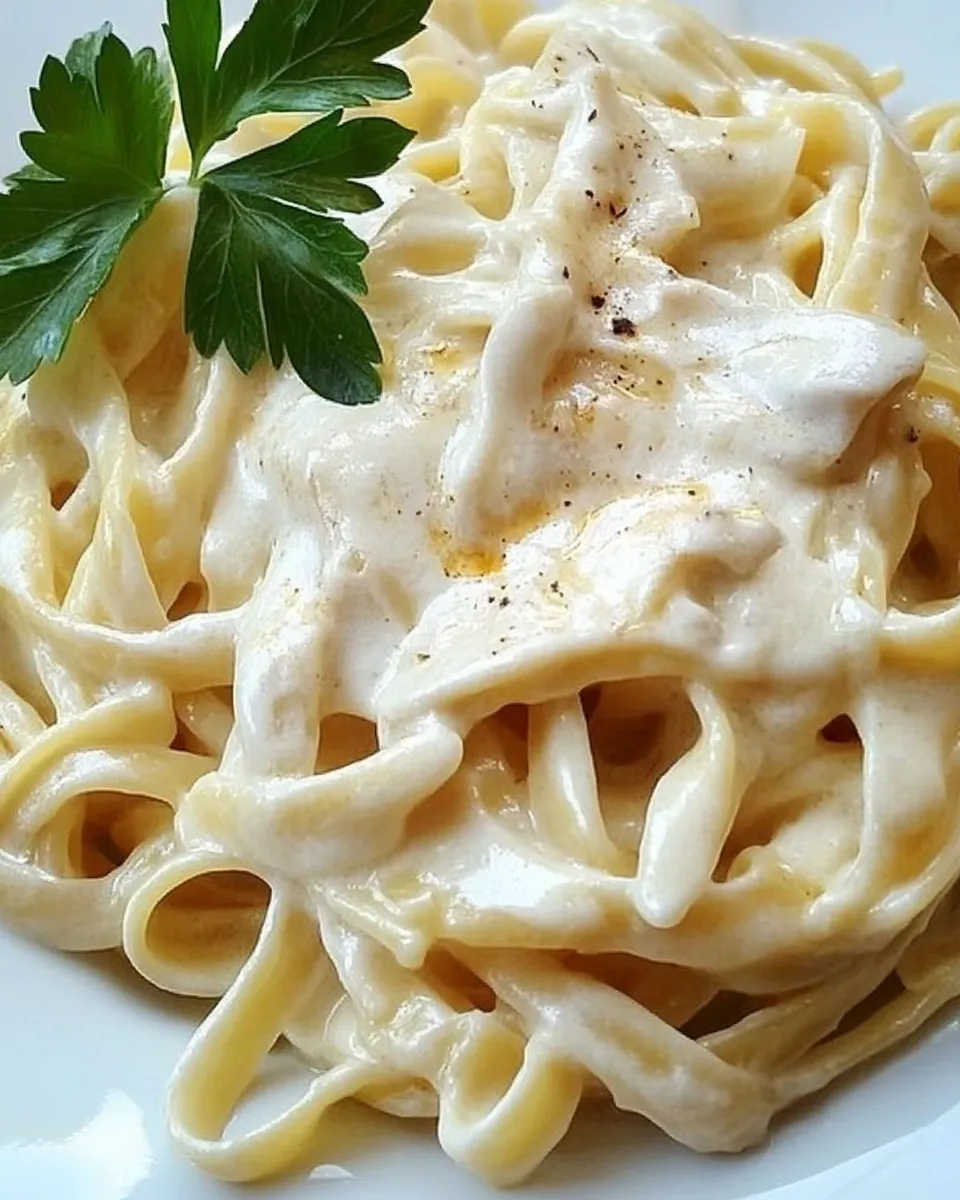
Fettuccine Alfredo with Fresh Pasta
Ingredients
Equipment
Method
- Make the pasta dough: mound the flour on a clean work surface and form a large well in the center. Crack the eggs into the well and beat with a fork, gradually incorporating flour from the inside edge until a shaggy dough forms. If sticky, add a little more flour.
- Knead the dough: knead by pressing with the heel of your hand, folding, turning, and repeating for about 8 minutes until smooth and elastic. Cover and let rest briefly while you prepare equipment.
- Roll the dough: divide dough in half. On a lightly floured surface, flatten one piece with a rolling pin enough to feed through the widest setting of your pasta machine. Pass through the widest setting several times, folding and flouring between passes, until smooth (about 10 passes).
- Thin the sheets: progressively reduce the roller setting, passing the sheet through each setting until you reach your desired thickness for fettuccine (second thinnest setting recommended). Cut sheets in half if they become too long.
- Prepare and dry the sheets: dust a parchment-lined baking sheet with flour and transfer rolled sheets, separating layers with parchment and flour. Cover with a towel and let rest at least 10 minutes before cutting.
- Cut and nest the pasta: feed each sheet through the fettuccine cutter, dust lightly with flour, gather lengthwise into a bundle, then twist into small nested mounds and place on the prepared sheet.
- Cook the pasta: bring a large pot of water to a rolling boil, add a drizzle of olive oil if desired, and add the fresh fettuccine. Cook 1½–2 minutes until al dente. Drain and reserve a little pasta water if needed.
- Make the Alfredo sauce: in a saucepan over low heat, simmer the heavy cream and butter together until slightly thickened, about 5 minutes. Remove from heat and stir in the grated Parmesan until mostly melted and combined.
- Toss and season: add the drained pasta to the sauce and toss to coat, adding a splash of reserved pasta water if needed to loosen. Season with salt and freshly ground black pepper to taste, then serve immediately.
Notes
- Use extra flour to prevent sticking while rolling and cutting.
- Let pasta rest 10 minutes before cutting to firm up.
- Fresh pasta cooks very quickly; watch closely.
- Reserve a little pasta water to adjust sauce consistency.