Fettuccine Alfredo
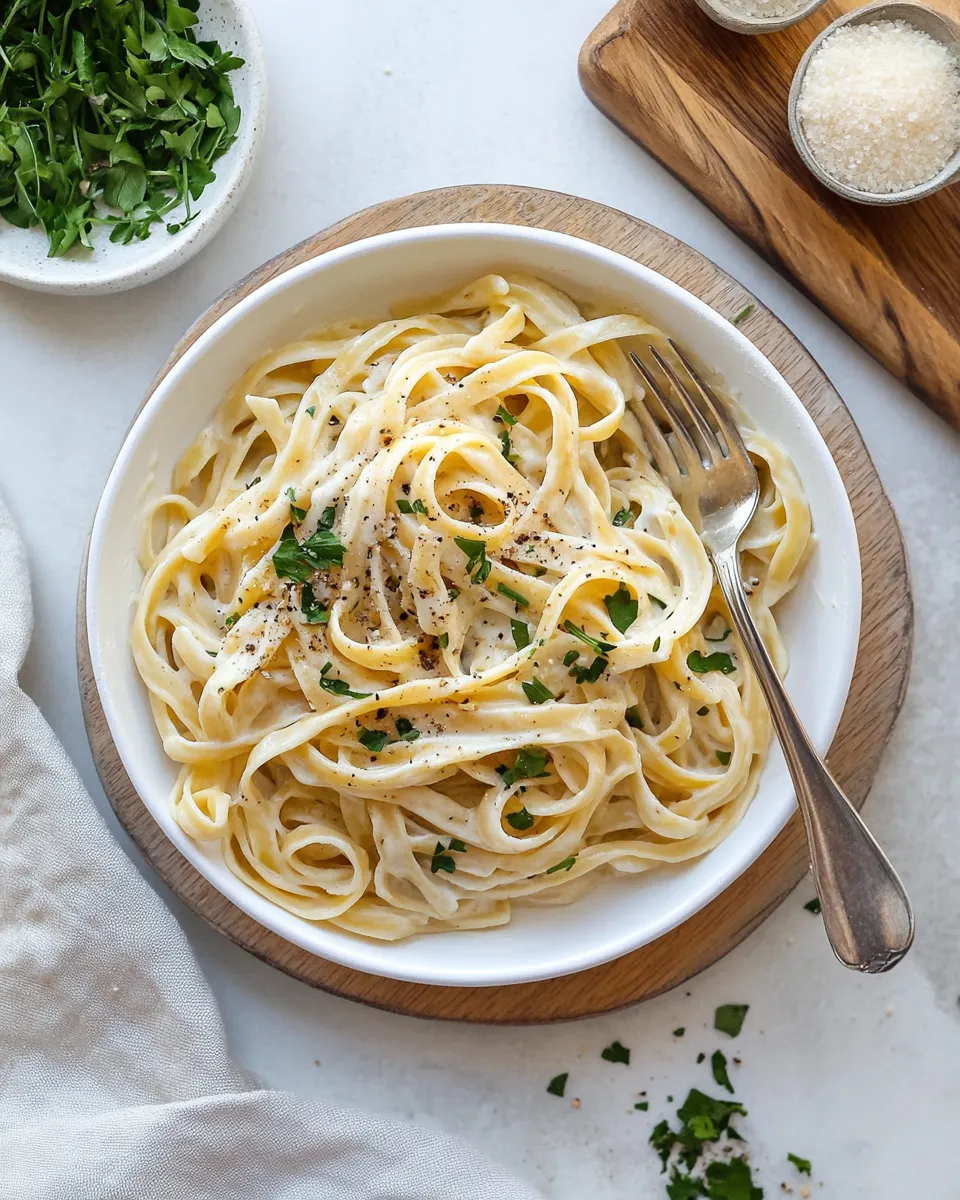
There’s comfort in the simple things: warm pasta, a glossy, creamy sauce, and the bright lift of lemon zest. This version of Fettuccine Alfredo is all about balance — a silk-smooth sauce built from butter, cream, egg yolks, and freshly grated Parmigiano-Reggiano, finished with a whisper of nutmeg and a lively note of lemon. It’s rich but restrained, and the small, intentional steps make for an elegant weeknight dinner or a cozy weekend treat.
Before we get to the hands-on part, a few practical notes: time your pasta so it finishes cooking just as the sauce comes together. Reserve a little of that starchy pasta water — it’s the secret to bringing the sauce and noodles into perfect harmony. Use fresh Parmigiano-Reggiano and grate it yourself; pre-grated cheese won’t melt into the sauce the same way. Lastly, the egg yolks temper the cream and add silky texture, so move carefully when combining hot and cold components.
Ingredients
- 9 ounces fresh fettuccine, cooked al dente in lightly salted water with a little olive oil and timed to be ready just as the sauce is done. Reserve 1/4 cup of the pasta water.
- 5 tablespoons quality unsalted butter
- 2 cloves garlic, minced
- 1 1/4 cups heavy cream
- 2 large egg yolks
- 1 cup freshly grated quality Parmigiano-Reggiano
- 1 teaspoon finely grated lemon zest
- Small pinch of freshly grated nutmeg
- 1/4 teaspoon salt
Why this method works
The technique here relies on three things: emulsion, timing, and restraint. The butter and cream form the base of the sauce; the egg yolks add body and a satin finish; the reserved pasta water loosens the sauce and helps it cling to the noodles. Cooking the garlic gently in butter releases flavor without browning, which keeps the sauce smooth and delicate. Adding the cheese off heat prevents it from graininess and ensures a glossy finish.
Step-by-step Instructions
Follow these steps in order. The ingredient amounts above are the source of truth; do not change them. Read each step fully before beginning.
- Prepare the pasta water and pasta: Bring a large pot of water to a rolling boil. Add a pinch of salt to the water and a splash of olive oil. Add the fresh fettuccine and cook until al dente, following package timing but checking early because fresh pasta cooks quickly. Time the cooking so the pasta finishes just as the sauce is ready. Before draining, reserve 1/4 cup of the cooking water, then drain the pasta and set aside, keeping it warm.
- Warm the butter and garlic: Place a medium skillet over medium-low heat. Add 5 tablespoons of quality unsalted butter and allow it to melt slowly. Once the butter is melted, add 2 cloves of minced garlic and gently sweat the garlic for about 30 to 60 seconds, stirring constantly, until fragrant but not browned. The goal is to infuse the butter with garlic flavor without developing any bitter notes.
- Add the cream: Pour 1 1/4 cups of heavy cream into the skillet with the melted butter and garlic. Increase the heat to medium-low and warm the cream, stirring occasionally, until small bubbles appear at the edge of the pan. Do not let it come to a full boil. Heat the mixture gently until it begins to thicken slightly, about 3 to 5 minutes.
- Temper the egg yolks: While the cream is warming, place 2 large egg yolks in a small bowl and whisk lightly. To prevent the yolks from scrambling when added to the warm cream, slowly ladle about a tablespoon or two of the hot cream mixture into the yolks while whisking continuously, repeating until the yolks are warmed through. This gradual process brings the yolks up to temperature so they will incorporate smoothly into the sauce.
- Combine yolks and cream: Once tempered, pour the egg yolk mixture back into the skillet with the warm cream and butter, stirring constantly over the lowest heat setting. Continue stirring until the sauce thickens slightly and becomes glossy. Keep the heat low to avoid curdling; the sauce should be gently warmed, not boiling.
- Add the cheese and seasonings: Remove the skillet from the heat. Stir in 1 cup of freshly grated quality Parmigiano-Reggiano a little at a time, mixing thoroughly between additions so the cheese melts evenly into the warm sauce. Add 1 teaspoon of finely grated lemon zest, a small pinch of freshly grated nutmeg, and 1/4 teaspoon of salt. Taste and adjust the seasoning carefully; the cheese contributes salinity, so start with the stated 1/4 teaspoon and add more only if needed.
- Finish the sauce with reserved pasta water: If the sauce seems too thick or stiff, stir in some or all of the reserved 1/4 cup of pasta water a tablespoon at a time until the sauce reaches a silky, pourable consistency that will coat the noodles. The starchy water helps the sauce bind to the pasta without thinning flavor.
- Toss pasta with sauce: Add the drained fresh fettuccine directly to the skillet or into a large warmed bowl. Pour the sauce over the pasta and gently toss or use tongs to lift and coat the noodles evenly, making sure each strand is covered in the creamy sauce. Continue tossing for 30 to 60 seconds until the sauce clings and the pasta appears glossy.
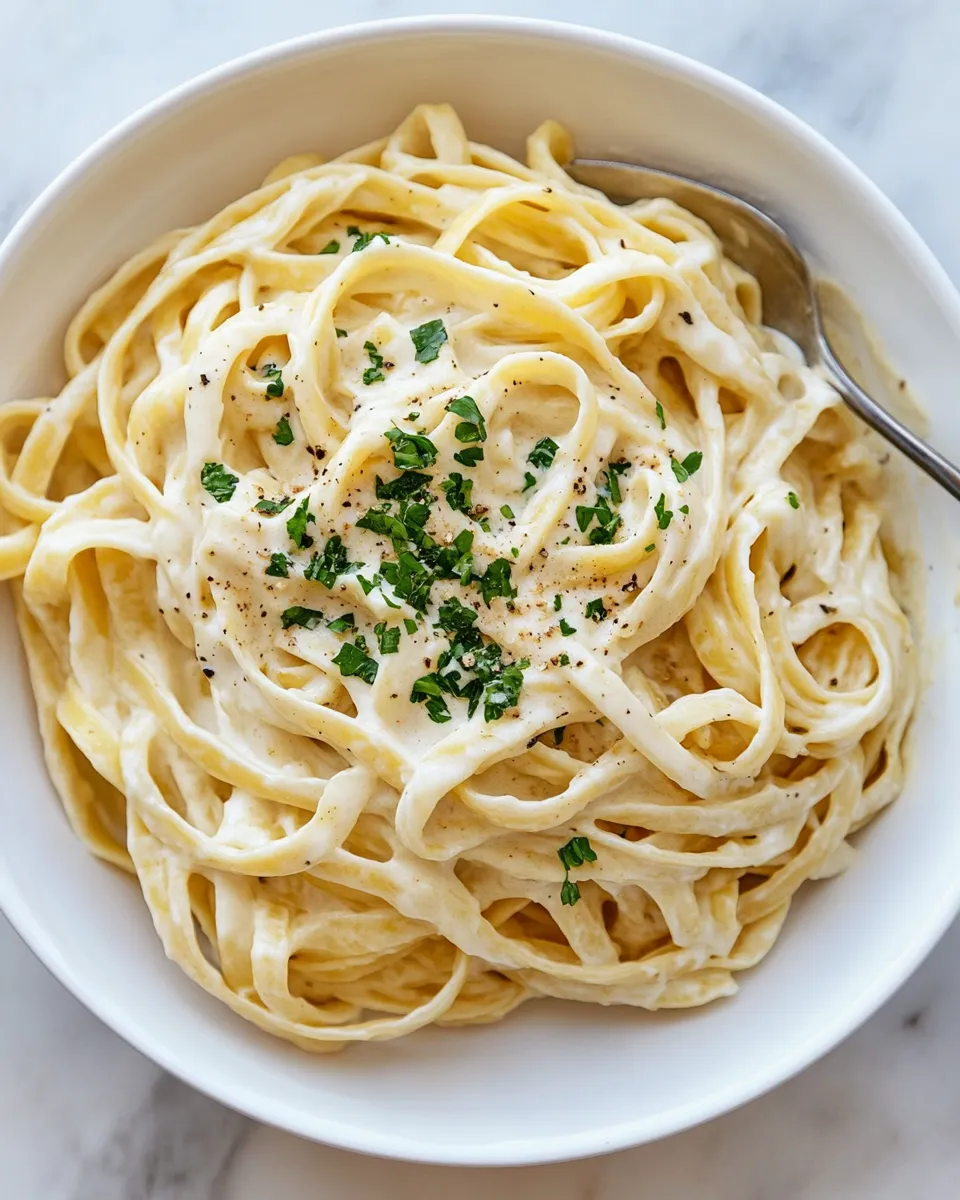
- Plate and serve immediately: Divide the sauced fettuccine among warmed plates or a shallow serving bowl. Finish with an extra dusting of grated Parmigiano-Reggiano if desired, and a final twist of freshly ground black pepper if you like a little contrast. Serve right away — this sauce is best while warm and silky.
Troubleshooting and tips
- Sauce broke or curdled: If the sauce separates, it likely got too hot. Remove from heat immediately and whisk in a tablespoon of cold cream or a tablespoon of reserved pasta water to cool and re-emulsify. Work gently and gradually.
- Too thick: Add the reserved pasta water a teaspoon at a time until the consistency loosens. Warm sauce will thin more readily than cold additions.
- Too thin: Simmer gently on very low heat while stirring to reduce slightly, but move carefully to avoid scrambling the egg yolks. Alternatively, toss longer with the pasta; the starch will help thicken the coating.
- Cheese texture grainy: Make sure to remove the pan from direct heat before adding the Parmigiano-Reggiano and stir quickly. Use freshly grated cheese and add it gradually so it melts evenly.
- Garlic too strong: Sweating the garlic over low heat prevents harshness. If a clove is especially potent, reduce to one clove or mince it very finely so it melds with the butter.
Variations and serving ideas
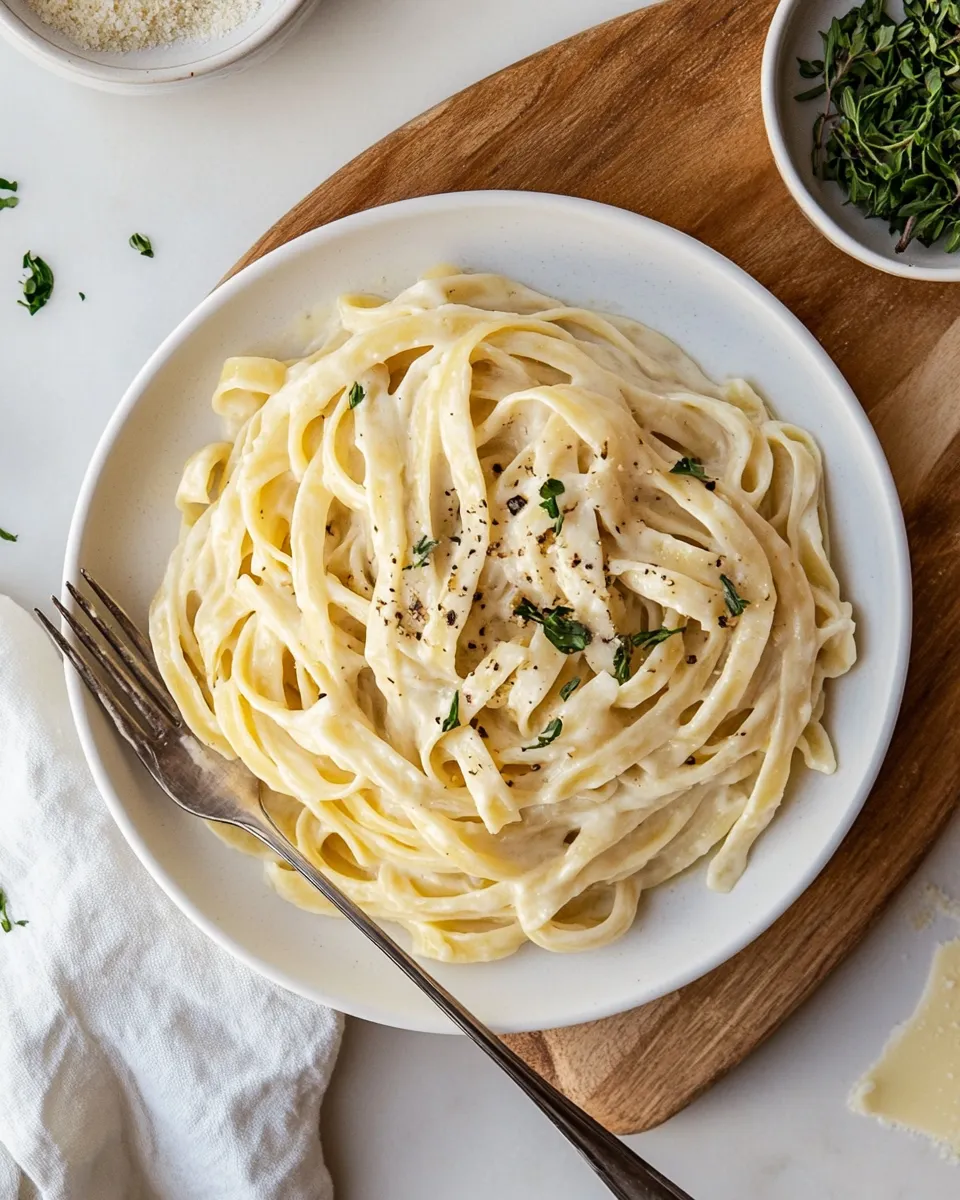
This classic is lovely on its own, but you can build small variations around the same base if you want to stretch it into other meals. Stir in a handful of lightly sautéed spinach at the end for color and a hint of bitterness. Gently fold in cooked, peeled shrimp for a seafood twist, adding the shrimp at the very end so they stay tender. For a bright finish, a spoonful of lemon juice can be added right before serving, but add sparingly so it doesn’t compete with the cheese.
Pair the dish with a crisp green salad and a simple vinaigrette to cut through the richness. A glass of light-bodied white wine, chilled, complements the creamy flavors without overpowering them.
Make-ahead and storage
This sauce and pasta are best eaten immediately. If you must store leftovers, cool quickly and refrigerate in an airtight container for up to 24 hours. Reheat gently over low heat, adding a splash of cream or reserved pasta water to restore silkiness. Keep in mind that the texture will change after refrigeration due to the egg yolks and cheese.
Final thoughts
Fettuccine Alfredo is a celebration of good ingredients and simple technique. A handful of carefully chosen components — fresh pasta, good butter, real Parmigiano-Reggiano, and the lift of lemon zest — come together with gentle heat and a little patience. The result is rich but delicate, luxurious but approachable. With these steps, you’ll get a restaurant-worthy plate that feels comforting and refined at once.
Enjoy the process, and remember: timing and attention are the real secrets. When pasta and sauce arrive at the table together, that’s when the magic happens.
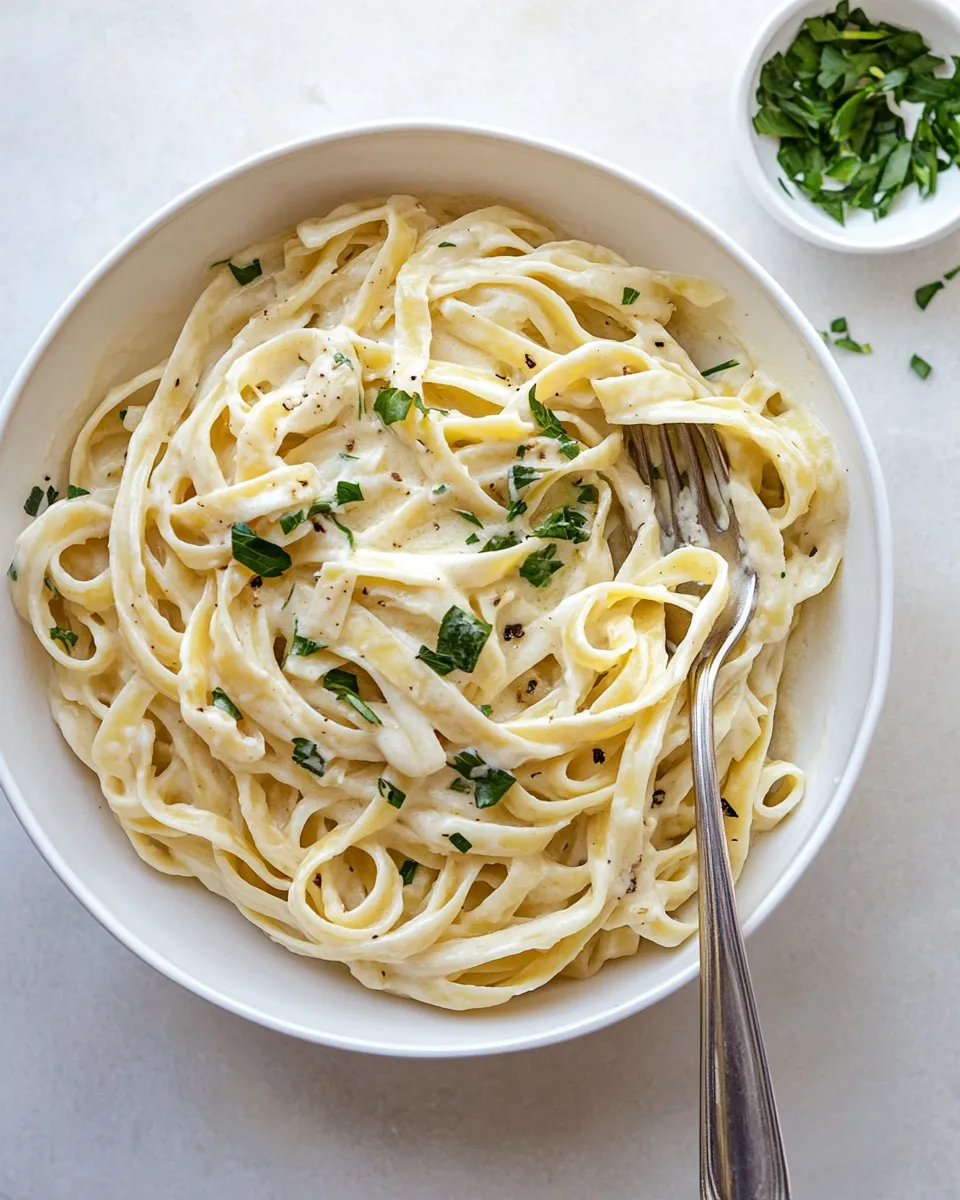
Fettuccine Alfredo
Ingredients
Equipment
Method
- Bring a large pot of lightly salted water to a boil and cook the fresh fettuccine until al dente; reserve 1/4 cup of the pasta cooking water, then drain, keeping pasta ready to add to the sauce.
- Melt the butter in a medium saucepan over medium-high heat, then add the minced garlic and cook, stirring, for 2–3 minutes until fragrant but not browned.
- Add the heavy cream to the saucepan and bring it to a gentle simmer.
- In a small bowl, whisk the 2 egg yolks and temper them by slowly whisking in 1/4 cup of the hot cream until smooth, then whisk the tempered yolks back into the pot while whisking constantly.
- Simmer the sauce, stirring, until it thickens lightly, about 2 minutes, then whisk in the grated Parmigiano-Reggiano until melted and smooth.
- Stir in the lemon zest, salt, and freshly grated nutmeg, and add 2 tablespoons of the reserved pasta water to loosen the sauce as needed.
- Add the hot drained fettuccine directly to the sauce and toss with tongs or a spoon until the pasta is thoroughly coated, adding a little more reserved pasta water if necessary for a silky consistency.
- Serve immediately for best texture.
Notes
- Reserve pasta water to adjust sauce consistency.
- Temper egg yolks with hot cream to prevent scrambling.
- Use freshly grated Parmigiano-Reggiano for best flavor.
- Do not overcook garlic to avoid bitterness.