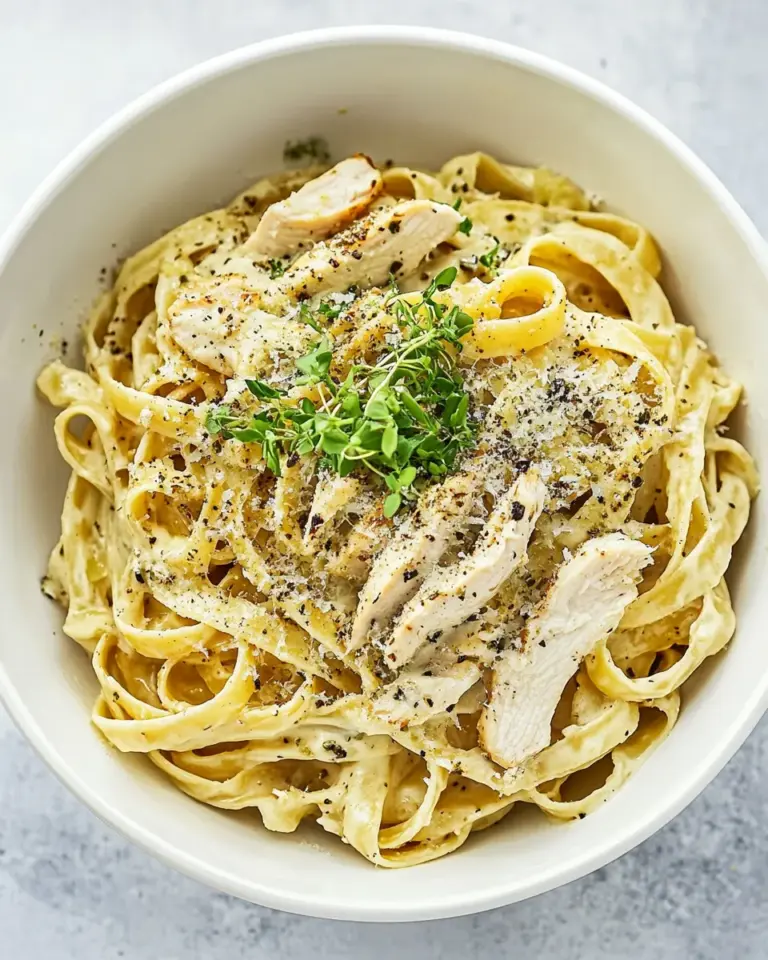
Garlic Butter Salmon Pasta
There’s something irresistible about a simple, soulful pasta that comes together in under 30 minutes and still tastes like it took a chef’s touch. This Garlic Butter Salmon Pasta does exactly that. Tender flakes of salmon, a glossy garlic butter sauce, and al dente pasta mingle with bright lemon and savory broth for a weeknight favorite that also shines on a weekend dinner table. The best part? You only need a handful of ingredients to make it feel special.
This recipe highlights good-quality ingredients and straightforward technique. The flavors are clean: rich butter, fragrant garlic, a splash of lemon, and the ocean-fresh quality of salmon. If you like bold, comforting plates that don’t require fussing over many pots, this Garlic Butter Salmon Pasta is for you.
Why you’ll love this Garlic Butter Salmon Pasta
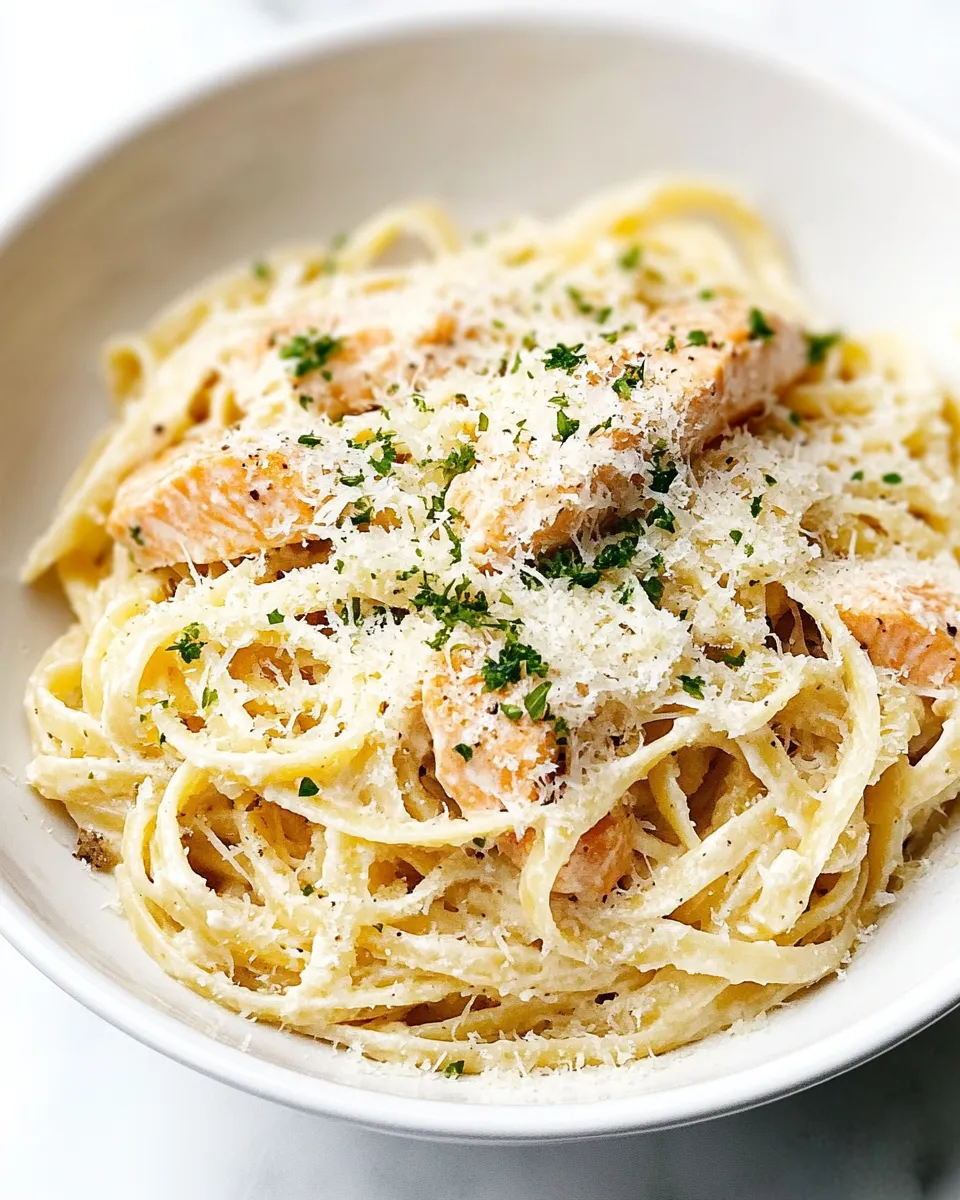
- Fast and satisfying: Ready in roughly 20–30 minutes.
- Simple pantry-forward ingredients with a fresh protein twist.
- Comforting yet elegant—perfect for both family dinners and casual entertaining.
- Flexible: swap pasta shapes or use vegetable broth if you prefer.
Ingredients
- ▢4 ounces uncooked pasta
- ▢1/2 pound fresh salmon
- ▢Salt & pepper to taste
- ▢Flour for dredging
- ▢1 tablespoon olive oil
- ▢2 tablespoons butter
- ▢1/2 cup chicken broth or veg broth
- ▢1 tablespoon lemon juice
- ▢3-4 cloves garlic minced
- ▢Optional garnish: fresh parsley, red pepper flakes, parmesan cheese
Prep notes
Measure and prep all ingredients before you start cooking. Bring a pot of salted water to a boil for the pasta, pat the salmon dry, and mince the garlic. Dredging the salmon lightly in flour creates a delicate crust and helps the sauce cling to it later.
Step-by-step instructions
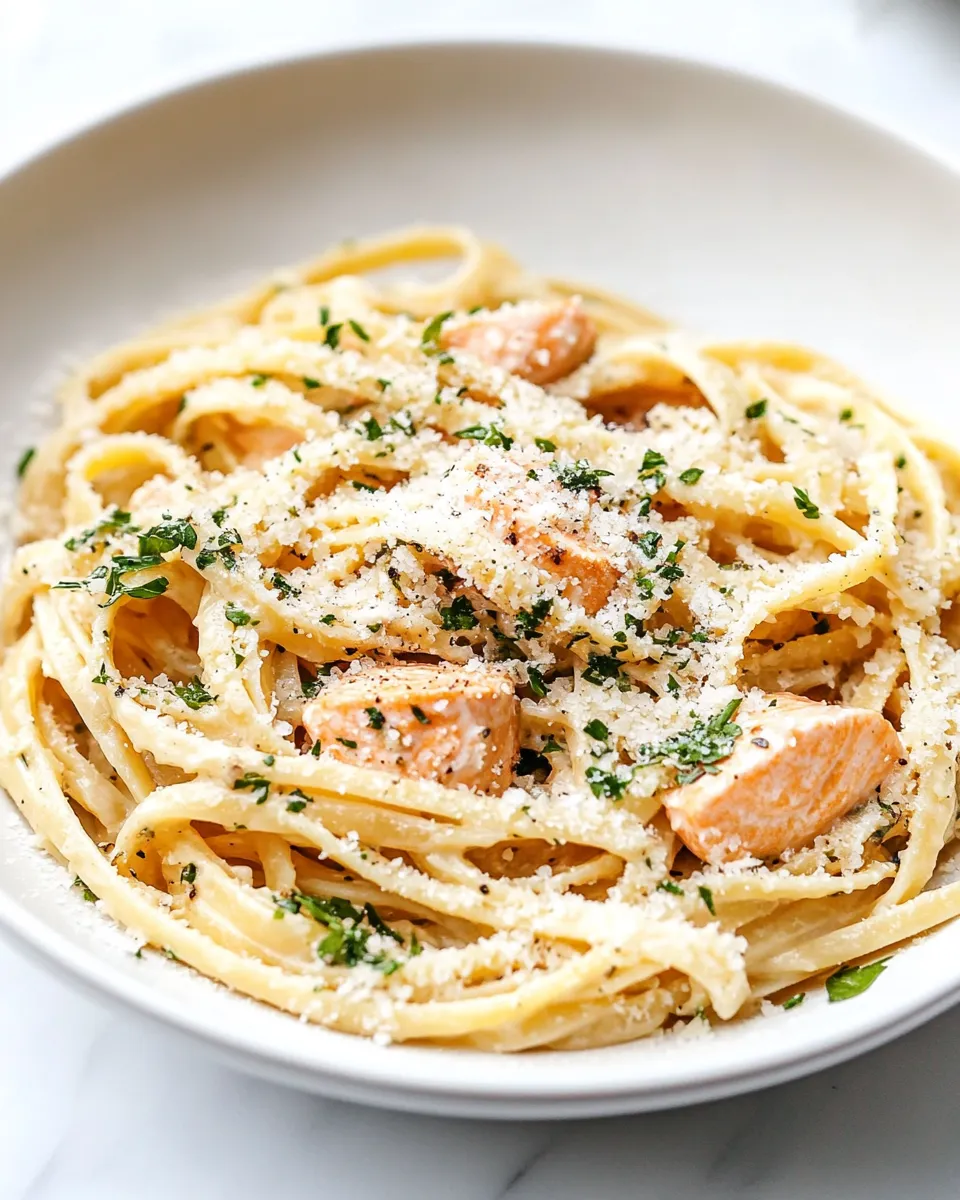
- Bring a medium pot of salted water to a boil. Add the ▢4 ounces uncooked pasta and cook according to package directions until al dente. Reserve about 1/4 cup of the starchy pasta water before draining, then drain the pasta and set it aside while you finish the sauce and salmon.
- While the pasta cooks, pat the ▢1/2 pound fresh salmon dry with paper towels. Season both sides lightly with ▢Salt & pepper to taste.
- Place a shallow layer of ▢Flour for dredging on a plate. Lightly dredge the salmon in the flour, shaking off any excess. The flour should form a thin coating—this helps develop a light crust and slightly thickens the sauce.
- Heat a large skillet over medium-high heat. Add ▢1 tablespoon olive oil to the pan and let it warm until shimmering but not smoking.
- Carefully add the floured salmon to the hot oil. Cook the salmon for about 3 minutes per side, depending on thickness, until a golden crust forms and the fish is cooked through. Transfer the cooked salmon to a plate and tent loosely with foil to keep it warm. If your filet is thicker, increase cooking time slightly, but avoid overcooking to maintain a moist texture.
- In the same skillet, reduce the heat to medium and add ▢2 tablespoons butter. Let the butter melt and begin to sizzle gently, scraping up any browned bits from the pan left by the salmon—those bits add flavor to the sauce.
- Add ▢3-4 cloves garlic minced to the butter. Sauté the garlic for about 30–60 seconds, stirring constantly, until fragrant. Be careful not to let the garlic brown, which can turn bitter.
- Pour in ▢1/2 cup chicken broth or veg broth and ▢1 tablespoon lemon juice. Stir to combine, then let the sauce simmer for 1–2 minutes to reduce slightly and concentrate the flavors.
- If the sauce looks thin, stir in a splash of the reserved pasta water—this starchy water helps the sauce cling to the pasta. Add the drained pasta to the skillet and toss gently to coat the noodles in the garlic butter sauce. If needed, add more reserved pasta water a teaspoon at a time until you reach the desired consistency.
- Return the cooked salmon to the pan, breaking it into large, bite-sized flakes with a spatula or fork if you prefer the fish distributed through the pasta. Gently toss the pasta and salmon together, warming the salmon briefly—just long enough to combine flavors without overcooking the fish.
- Taste and adjust seasoning with additional ▢Salt & pepper to taste and a little more lemon juice if you want extra brightness. Remove the skillet from the heat.
- Serve immediately, garnished with optional fresh parsley, a pinch of red pepper flakes for heat, and shaved or grated parmesan cheese if you like a savory finish.
Troubleshooting and tips
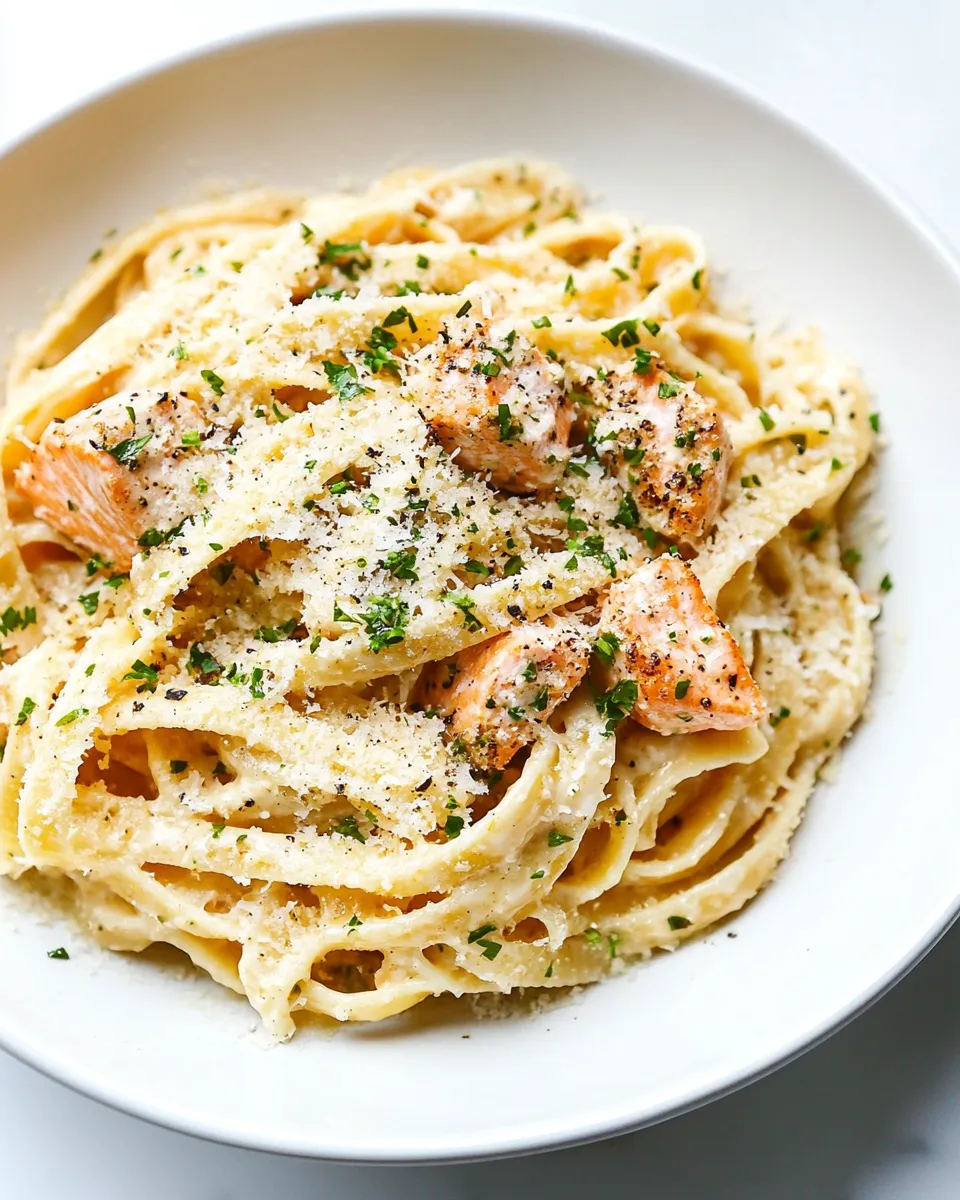
- Timing: Start the pasta just before you cook the salmon so both are ready at the same time. The pasta can rest briefly without getting gummy if you reserve some pasta water and toss it in later.
- Salmon doneness: For the best texture, aim for just-cooked salmon. It should flake easily and still be moist. Overcooking will dry it out.
- Garlic: Mince the garlic finely so it integrates into the butter sauce and provides even flavor in every bite. Watch it closely while cooking; burnt garlic becomes bitter.
- Sauce consistency: Use the reserved pasta water to loosen the sauce. A little goes a long way—add it a teaspoon at a time until the sauce coats the pasta smoothly.
- Make it creamier: If you want a creamier sauce, stir in a splash (1–2 tablespoons) of cream or a dollop of cream cheese at the end, then warm gently until smooth.
Serving suggestions
This Garlic Butter Salmon Pasta pairs beautifully with a green salad dressed in a light vinaigrette, roasted asparagus, or steamed green beans. A crisp, acidic white wine or a citrusy sparkling water complements the lemon and butter notes nicely.
Storage and reheating
Store any leftovers in an airtight container in the refrigerator for up to 2 days. When reheating, do so gently over low heat on the stovetop with a splash of water or broth to loosen the sauce. Microwaving works too—heat in short intervals and stir in a little liquid to prevent the pasta from drying out. Note that salmon texture changes with reheating; it will be firmer than when freshly cooked.
Ingredient swaps and variations
- Pasta: Use linguine, spaghetti, or a short shape like penne—4 ounces uncooked will serve about one hearty portion or two modest ones.
- Broth: You can use either chicken broth or veg broth as noted in the ingredient list. Vegetable broth keeps the flavor lighter, while chicken broth adds a deeper savoriness.
- Herbs: Fresh dill or basil are lovely alternatives to parsley for garnish and add distinct flavor profiles.
- Spice: Add a pinch of red pepper flakes while sautéing the garlic if you like a gentle heat throughout the sauce.
- Cheesy finish: Sprinkle with parmesan cheese for richness—use a vegetarian-friendly hard cheese if desired.
What makes this Garlic Butter Salmon Pasta weeknight-friendly
The whole recipe relies on quick-cooking techniques and minimal cleanup. The pasta and salmon cook in roughly the same amount of time, and the simple skillet sauce comes together in minutes. Yet the result doesn’t taste like a rushed meal—the combination of butter, garlic, lemon, and broth forms a bright, silky sauce that elevates the salmon and pasta.
Final thoughts
This Garlic Butter Salmon Pasta proves that elegance and ease can coexist. It’s straightforward enough for a busy weeknight, but flavorful enough to serve when you want to impress. The delicate dredged crust on the salmon, the fragrant garlic butter sauce, and the small bright pop of lemon make each bite balanced and satisfying. Keep the ingredients fresh, watch the garlic and salmon while they cook, and you’ll have a dinner on the table that feels like a treat without the fuss.
Ready to make a cozy, restaurant-quality dinner tonight? Gather your ▢4 ounces uncooked pasta and ▢1/2 pound fresh salmon and let this Garlic Butter Salmon Pasta become one of your go-to meals.
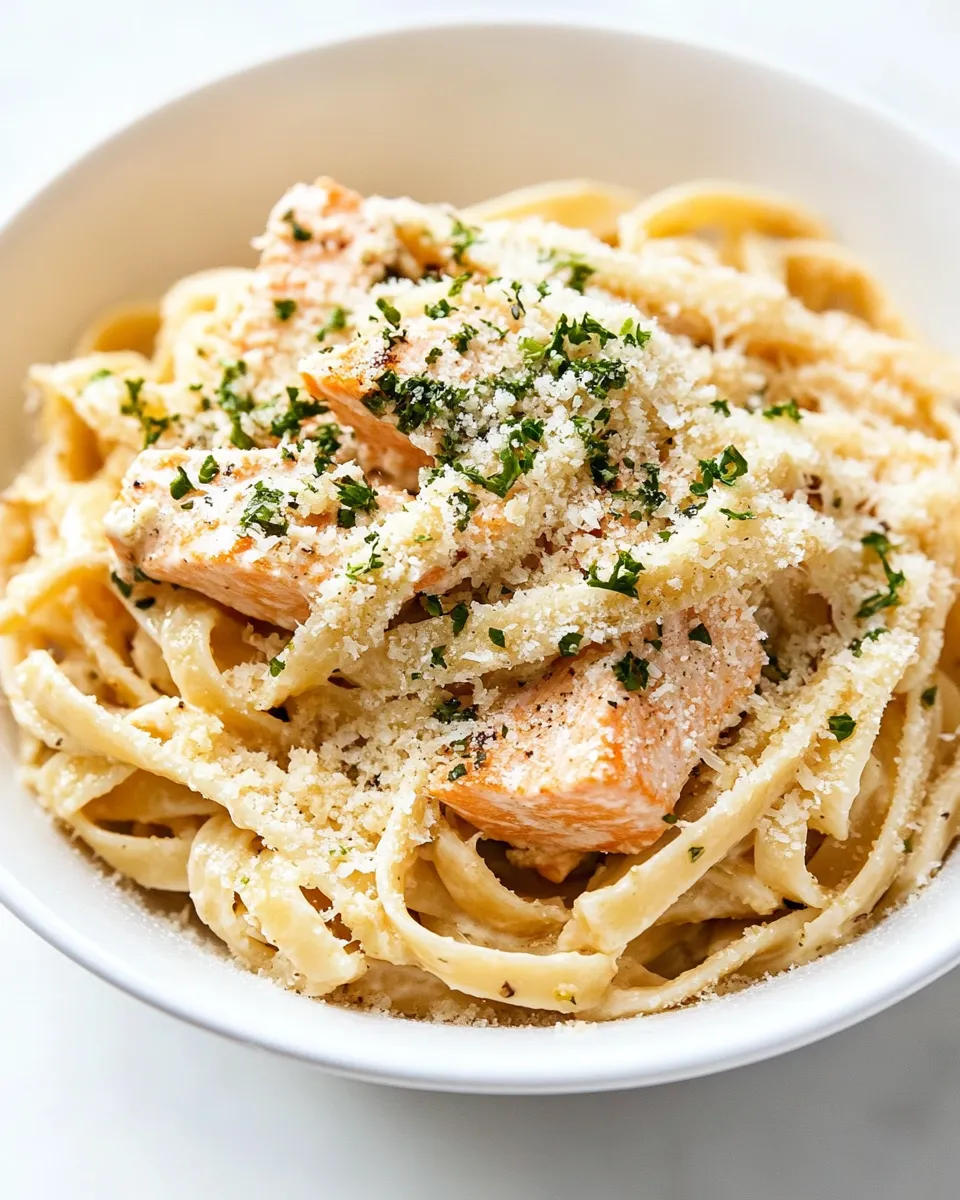
Garlic Butter Salmon Pasta
Ingredients
Equipment
Method
- Bring a large pot of salted water to a boil and cook the pasta until al dente according to package directions. Reserve a small cup of pasta cooking water, then drain the pasta.
- Season the salmon with salt and pepper, then lightly coat all sides with flour, shaking off any excess.
- Heat the olive oil and 2 tablespoons butter in a skillet over medium-high heat until hot and butter is melted.
- Add the salmon to the skillet and cook about 2 minutes per side until seared; remove the salmon to a plate and set aside. If salmon has skin and you prefer not to serve it, peel the skin off now.
- Reduce heat to medium and add the chicken or vegetable broth, minced garlic, and lemon juice to the skillet. Simmer for about 1 minute to combine and slightly reduce the sauce.
- Return the salmon to the pan and break it into bite-size pieces with a spoon. Cook a few more minutes until the salmon is fully cooked and the sauce has reduced to your liking.
- Add the drained pasta to the skillet and toss to coat, adding a splash of reserved pasta water if needed to loosen the sauce. Serve immediately with optional parsley, red pepper flakes, and parmesan.
Notes
- Start the sauce once the pasta water is boiling to save time.
- Reserve a little pasta water to adjust sauce consistency.
- Use either chicken or vegetable broth as preferred.
- Peel salmon skin after searing if you do not want to serve it.