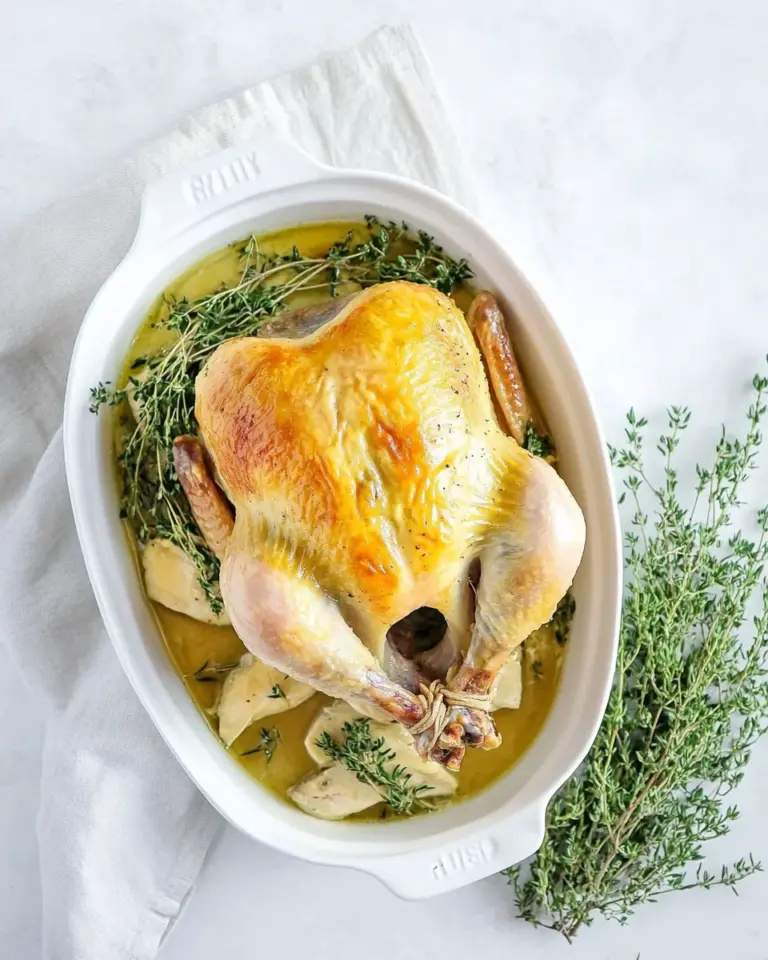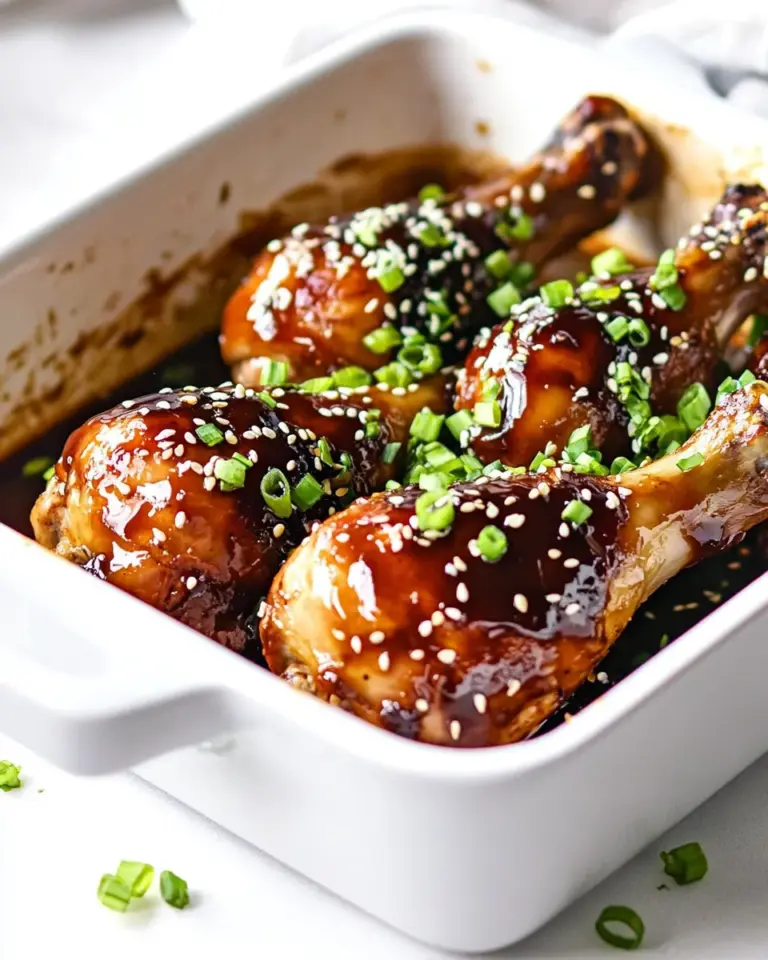
Gochujang Chicken
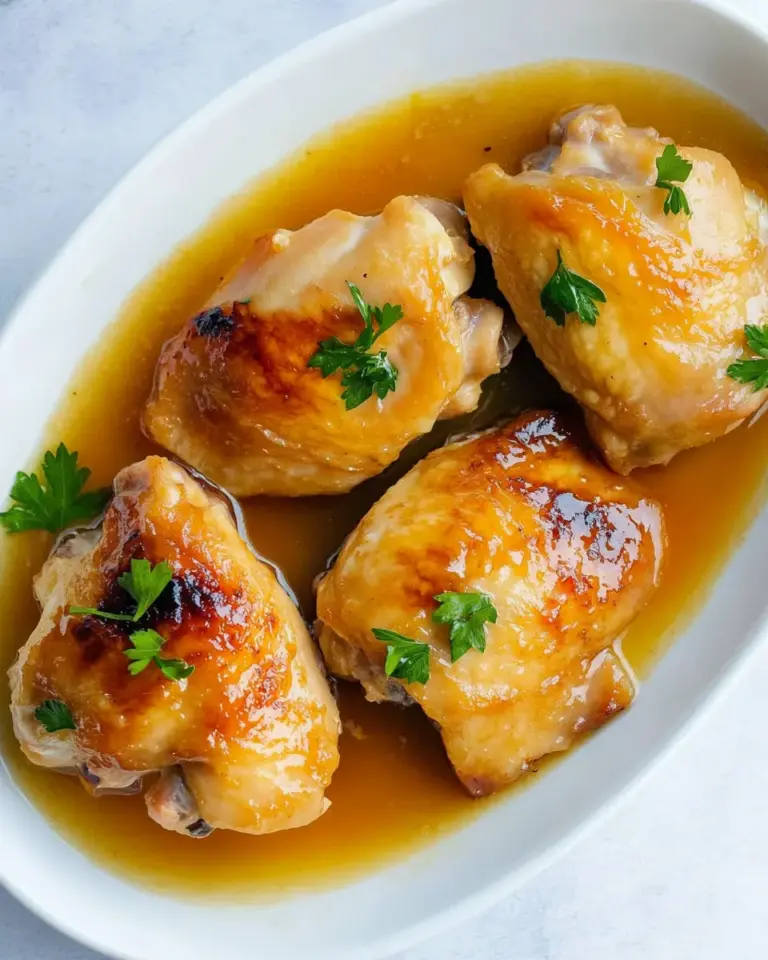
Warm, glossy, and just the right mix of sweet, salty, and spicy—this Gochujang Chicken is the kind of weeknight meal that feels special but comes together fast. Inspired by bold Korean flavors, the sticky gochujang glaze coats tender bites of chicken thigh, making every forkful sing. Below you’ll find a simple ingredient list, clear step-by-step directions, easy serving ideas, and tips for getting perfect caramelization and balanced heat. This recipe uses ingredients you probably already have on hand and takes under 30 minutes from start to finish.
Why you’ll love this recipe
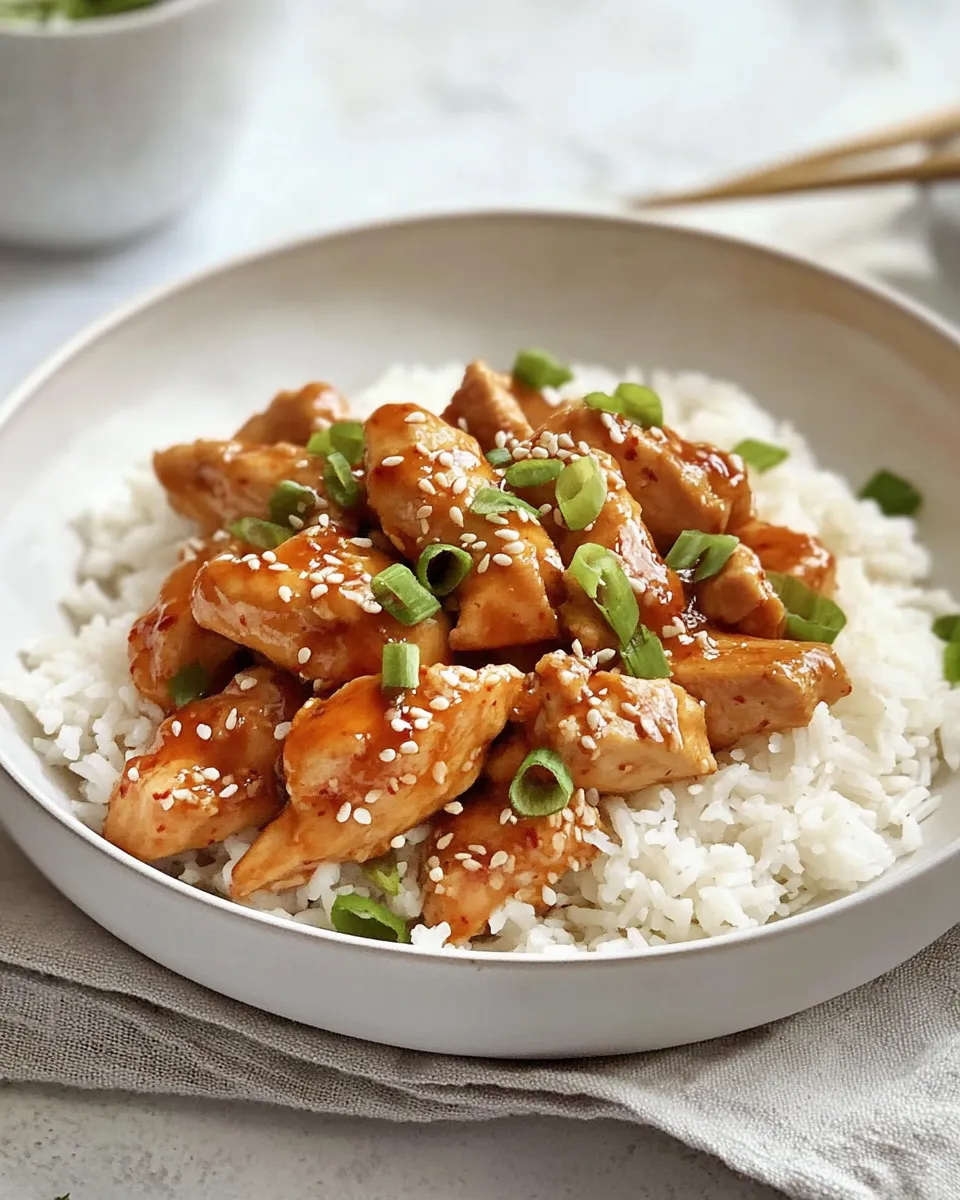
This Gochujang Chicken checks a lot of boxes: it’s saucy but not soupy, has bright aromatics from garlic and ginger, and the honey smooths out the red pepper paste so it’s approachable for most palates. Using boneless, skinless chicken thighs keeps the meat juicy and forgiving if you slightly overcook it. The sauce is made with just a handful of pantry staples—gochujang paste, soy sauce, honey, garlic, ginger, water, and vegetable oil—so it’s easy to pull together on a busy evening.
Ingredients
- 2 tablespoons gochujang paste
- 1 tablespoon soy sauce
- 1 tablespoon honey
- 2 cloves garlic, minced
- 1 teaspoon fresh ginger, grated
- 1/4 cup water
- 1 tablespoon vegetable oil
- 1 pound boneless, skinless chicken thighs, cut into bite-sized pieces
- 2 green onions, sliced for garnish
- 1 teaspoon sesame seeds for garnish
Equipment
- Large bowl for mixing the sauce
- Nonstick or stainless-steel skillet with lid
- Measuring spoons and cup
- Tongs or a spatula
- Sharp knife and cutting board
Prep in advance
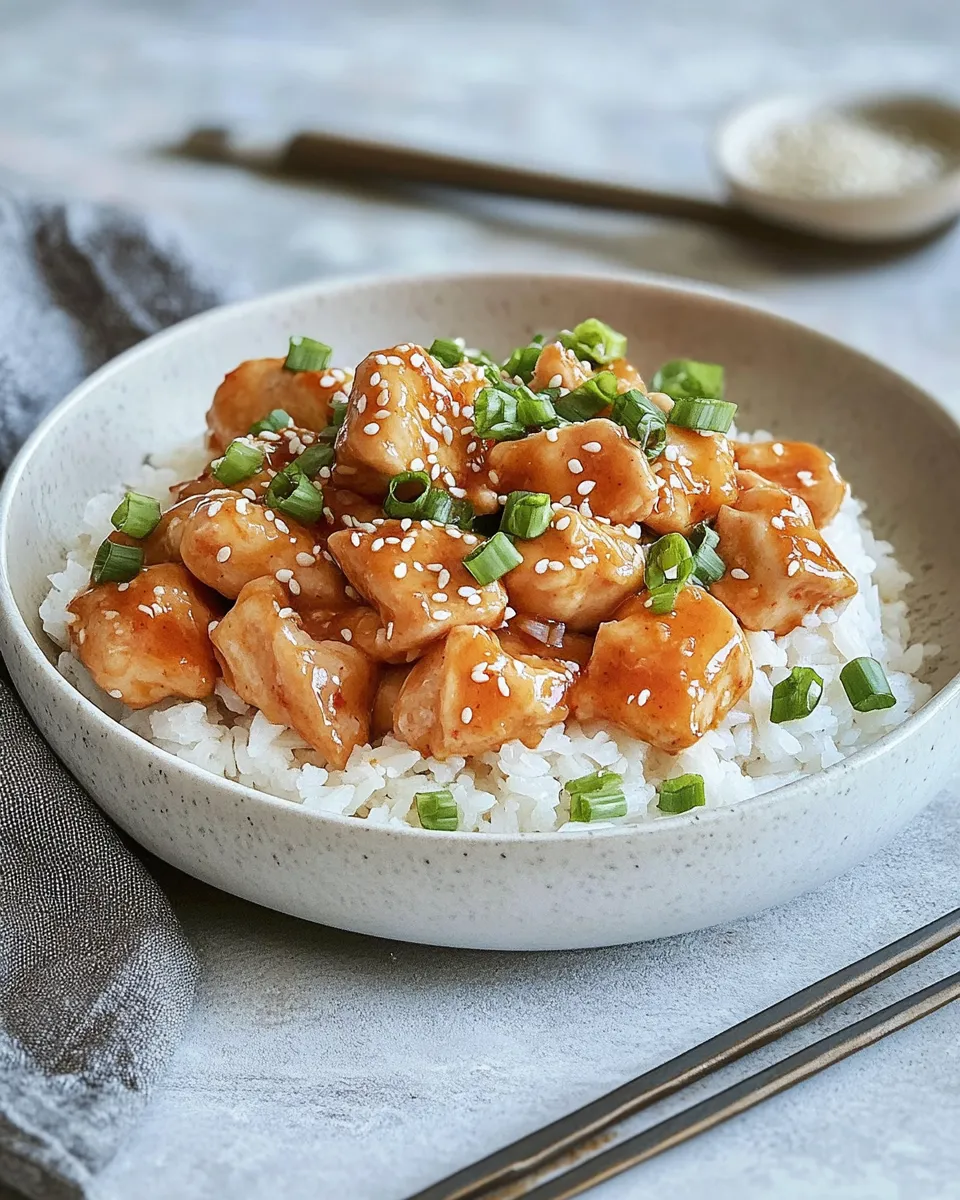
You can save time by mincing the garlic and grating the ginger ahead of time. If you like deeper flavor, toss the chicken pieces with half the sauce and chill for 30 minutes to an hour before cooking. Otherwise, the quick skillet method will still produce juicy, flavorful results.
Step-by-step instructions
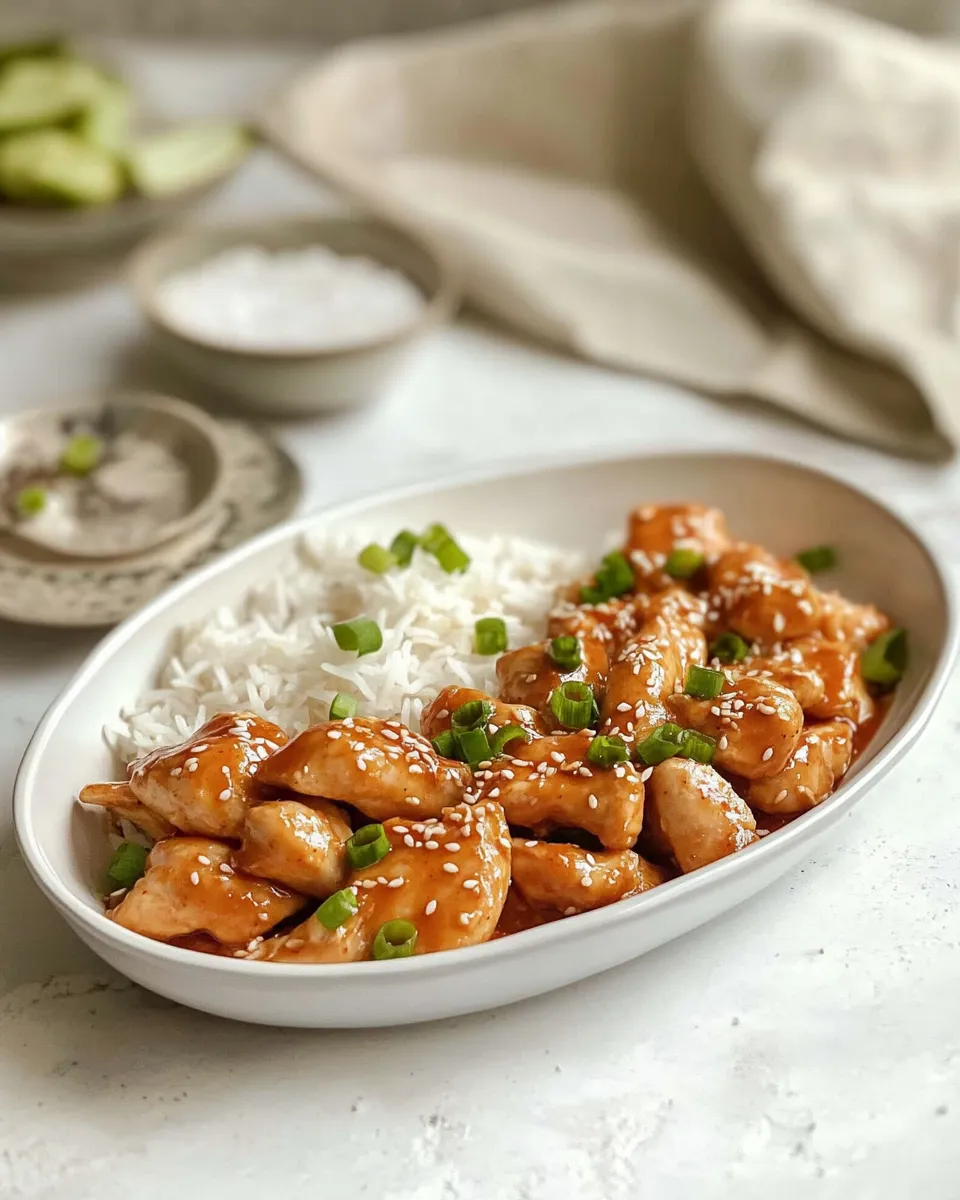
The following directions are rewritten into clear, numbered steps that follow the same order as the original recipe ingredients and quantities. Please read each step before beginning so you can work efficiently.
- Make the sauce: In a large bowl, whisk together 2 tablespoons gochujang paste, 1 tablespoon soy sauce, 1 tablespoon honey, 2 cloves garlic (minced), 1 teaspoon fresh ginger (grated), and 1/4 cup water. Stir until the mixture is smooth and evenly combined. This is your glaze.
- Heat the oil: Place a large skillet over medium-high heat and add 1 tablespoon vegetable oil. Allow the oil to heat for about 30 seconds until it shimmers but does not smoke.
- Cook the chicken: Add 1 pound boneless, skinless chicken thighs (cut into bite-sized pieces) to the hot skillet in a single layer. Let the chicken sear without moving it for 2 minutes to develop color, then stir or flip the pieces so they cook evenly. Continue cooking for another 3 to 4 minutes, stirring occasionally, until most pieces are lightly browned and nearly cooked through.
- Reduce heat and add sauce: Lower the heat to medium. Pour the prepared sauce over the chicken and stir to coat every piece. The sauce will be thin at first thanks to the 1/4 cup water; this helps it spread and begin to infuse the chicken.
- Simmer to thicken: Let the chicken simmer in the sauce for 2 to 4 minutes, stirring occasionally. As the sauce cooks, it will reduce and become glossy, sticking to the chicken. If the pan seems dry before the sauce has thickened, add a splash of the reserved water (up to 1 tablespoon) to prevent burning and help the sauce glaze the pieces.
- Check doneness: Ensure the chicken pieces reach an internal temperature of 165°F (74°C) or are no longer pink in the center. The total cooking time should be about 6 to 8 minutes after the chicken hits the pan, depending on piece size.
- Finish and garnish: Once the sauce has thickened and the chicken is cooked through, remove the skillet from heat. Taste and adjust seasoning if desired—add a tiny pinch of salt if you want it saltier, or an extra 1/2 teaspoon honey if you prefer sweeter. Sprinkle 2 green onions (sliced) and 1 teaspoon sesame seeds over the chicken for a fresh, nutty finish.
- Serve immediately: Transfer the Gochujang Chicken to a serving dish and enjoy while hot. This dish is perfect over steamed rice, cauliflower rice, or tossed with noodles and a handful of quick-steamed greens.
Troubleshooting & tips
- For a deeper caramelized flavor, let the chicken sit undisturbed in the skillet for a full 2 minutes before stirring the first time.
- If the sauce becomes too thick before the chicken is cooked, add small splashes of water to loosen it while keeping the glaze glossy.
- Gochujang varies in heat between brands. Start with the listed 2 tablespoons; if you want more kick, add a little extra at the end to taste.
- To make the sauce saltier without extra soy, add a few drops of tamari for a richer umami.
- Use boneless, skinless chicken thighs as written—dark meat stays moist and pairs beautifully with the sticky glaze.
Serving suggestions
This Gochujang Chicken is versatile. Try one of the following serving ideas:
- Serve over steamed white or brown rice with a side of quick-pickled cucumbers for crunch.
- Toss with your favorite noodles and a handful of blanched spinach or bok choy for a complete bowl.
- Fill warm tortillas or lettuce wraps with the chicken and finish with sliced avocado and extra scallions.
- Pair alongside roasted vegetables—broccoli, carrots, or sweet potatoes soak up the sauce nicely.
Make-ahead and storage
Leftovers store well. Cool the dish to room temperature, then transfer to an airtight container and refrigerate for up to 3 days. Reheat gently in a skillet over low heat with a splash of water to loosen the glaze, or microwave in short bursts, stirring between intervals to maintain texture.
Nutrition snapshot (approximate)
Per serving (recipe yields about 3–4 servings): calories ~280–350 depending on portion size and whether served with rice. The chicken thighs provide protein and the sauce adds minimal extra fat beyond the 1 tablespoon vegetable oil used for cooking.
Flavor variations
- To add brightness, finish with a squeeze of lime or lemon over the plated chicken.
- Stir in a tablespoon of rice vinegar when making the sauce for a tangier profile.
- If you like a crunchy contrast, sprinkle a handful of chopped roasted peanuts or crushed roasted almonds over the top just before serving.
- For an herby twist, add chopped cilantro or mint as an alternative garnish to the green onions.
Final notes
This Gochujang Chicken is a dependable recipe to have in your rotation. It’s quick enough for weeknights, bold enough to impress guests, and flexible enough to pair with a variety of sides. The simple sauce transforms ordinary chicken into a vibrant dish with minimal fuss. Make it as written the first time, then tweak the spice, sweetness, or acid next time to make it your own.
Enjoy your meal!
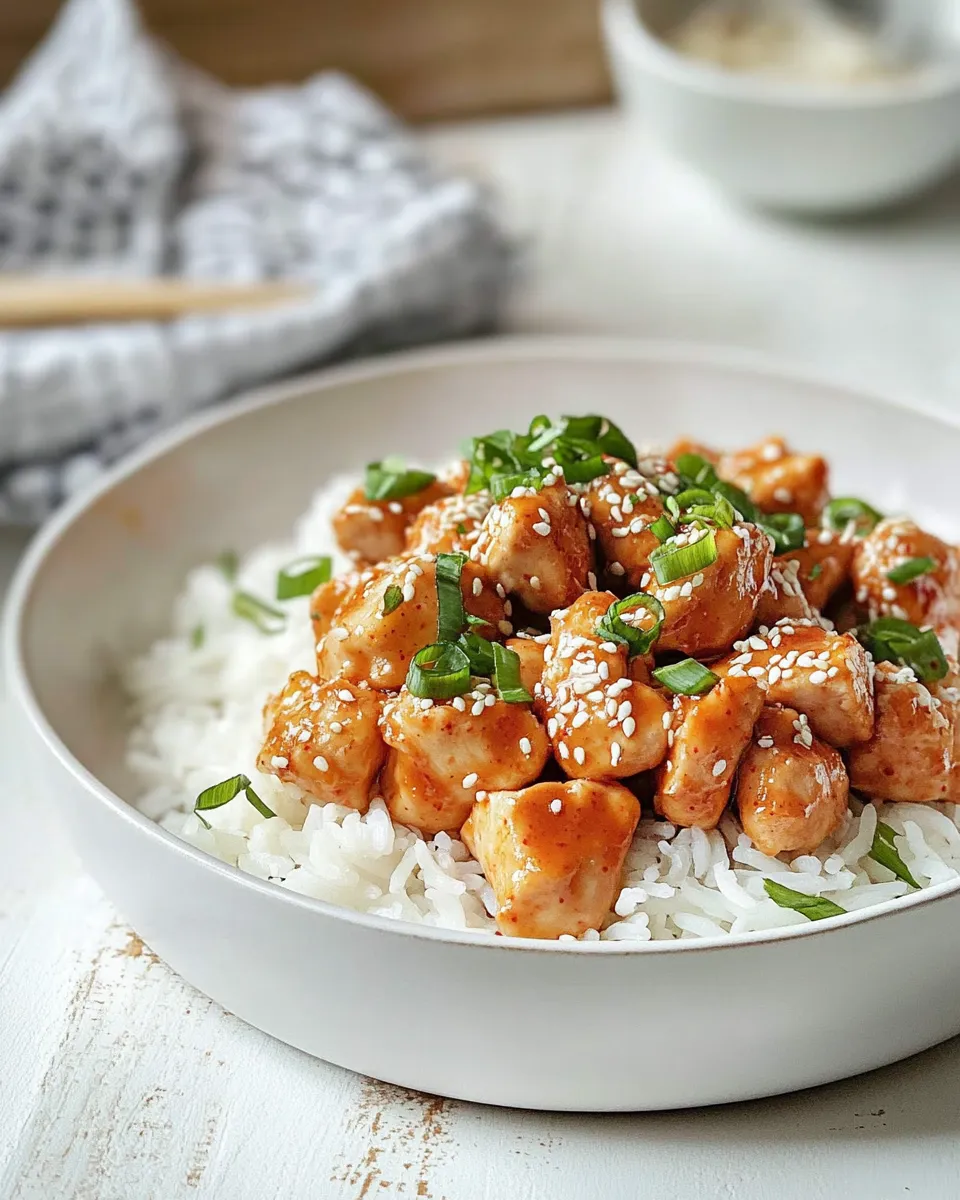
Gochujang Chicken
Ingredients
Equipment
Method
- In a mixing bowl, whisk together gochujang, soy sauce, honey, minced garlic, grated ginger, and water until smooth to form the sauce.
- Heat the vegetable oil in a skillet over medium heat until shimmering.
- Add the bite-sized chicken pieces to the skillet in a single layer and cook, stirring occasionally, until browned on all sides, about 5–7 minutes.
- Pour the prepared sauce over the browned chicken, reduce heat to low, and simmer uncovered, stirring occasionally, until the chicken is cooked through and the sauce thickens, about 10 minutes.
- Remove from heat and garnish with sliced green onions and sesame seeds before serving.
Notes
- Use chicken thighs for juicier results.
- Adjust gochujang to taste for more or less heat.
- Slice green onions thinly for a delicate garnish.