Gordon Ramsay Scrambled Eggs
I have a confession: I used to think scrambled eggs were the easiest thing in the world to get right. Then I tried this version and realized there’s a world of texture, temperature, and technique tucked into a simple breakfast bowl. Today’s recipe for Gordon Ramsay Scrambled Eggs is creamy, just-set, and brightened with a touch of crème fraîche. The result is silky curds, peppered with fresh chives and finished with a glossy sheen from butter.
This version uses six large eggs, a tablespoon of unsalted butter, and two tablespoons of crème fraîche. A little salt and pepper season the eggs, and chives add a fresh, oniony finish. The steps are straightforward, but timing and heat control make all the difference. I’ll walk you through each step so you can achieve restaurant-worthy scrambled eggs in your own kitchen.
Why this method works
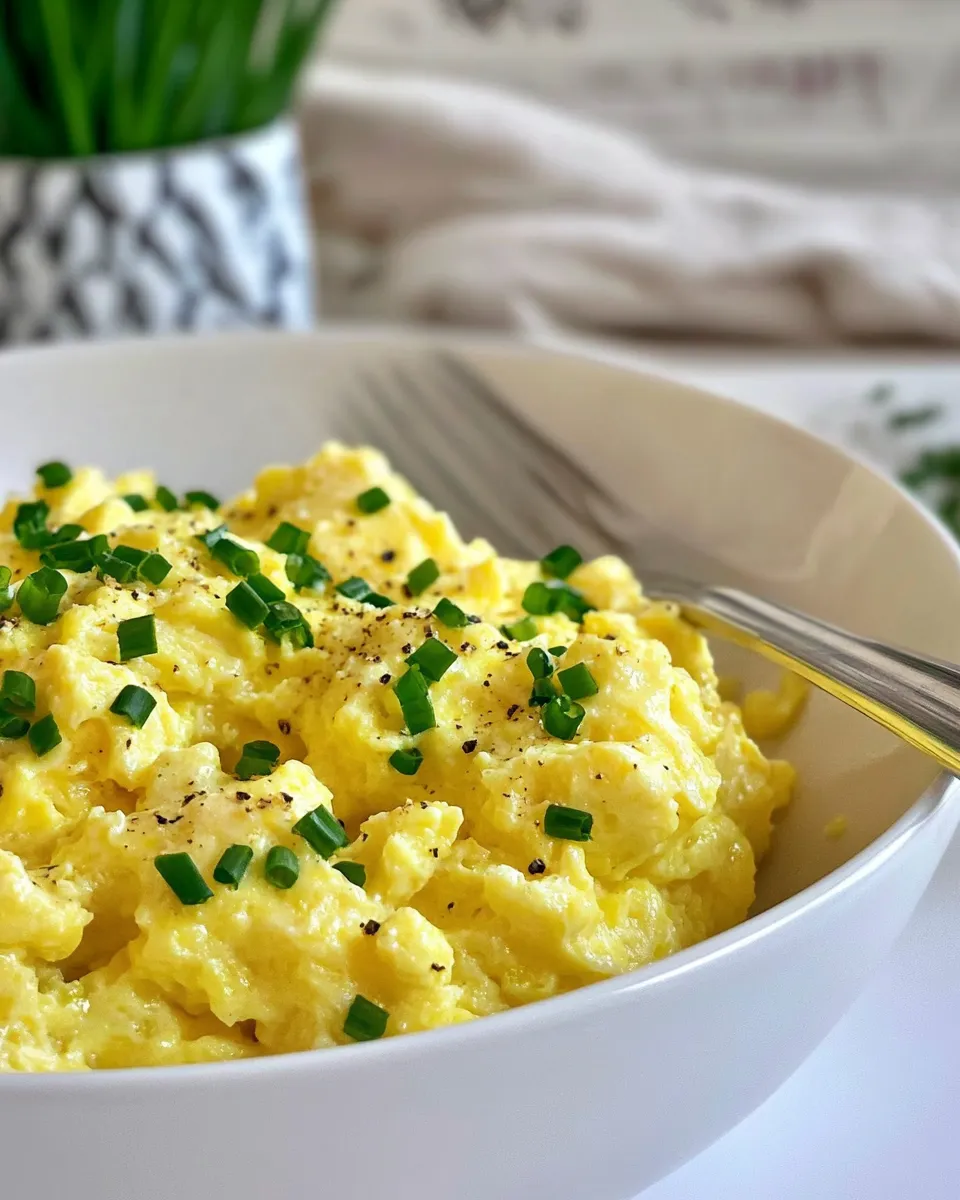
Many people overcook scrambled eggs by relying on high heat and fast whipping. Gordon Ramsay’s approach is different: low heat and gentle agitation. Cook slowly, remove the pan from direct heat periodically, and finish with crème fraîche to stop the eggs from carrying on cooking and to add a silky tang. The butter helps build a glossy finish and carries flavor. The result is soft, custardy curds rather than dry, rubbery flakes.
What you’ll need
- 6 eggs, cold
- 1 tablespoon unsalted butter
- 2 tablespoons crème fraîche
- Salt and pepper, to taste
- Chives, for garnish
Equipment
- Small nonstick skillet
- Rubber spatula or wooden spoon
- Mixing bowl
- Whisk or fork
- Serving plate or warmed bowls
Prep tips before you start
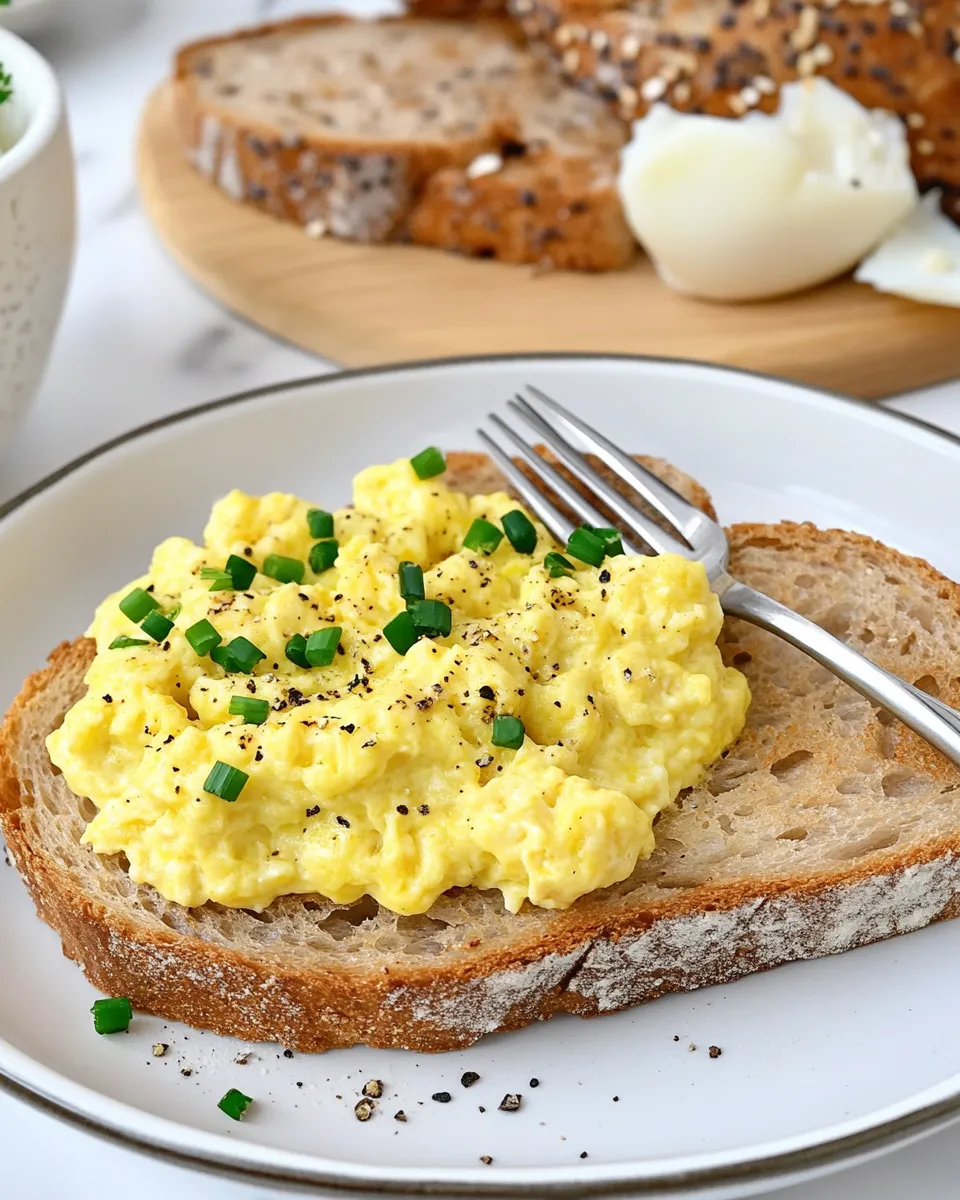
Bring the eggs straight from the fridge to the bowl — using cold eggs helps control the cooking process. Have your butter measured and your crème fraîche ready. Keep your pan on a medium-low flame so it heats gently; the entire cook time is short, and you’ll be removing the pan from the heat a few times. Set your chives nearby for a quick snip at the end.
Step-by-step instructions
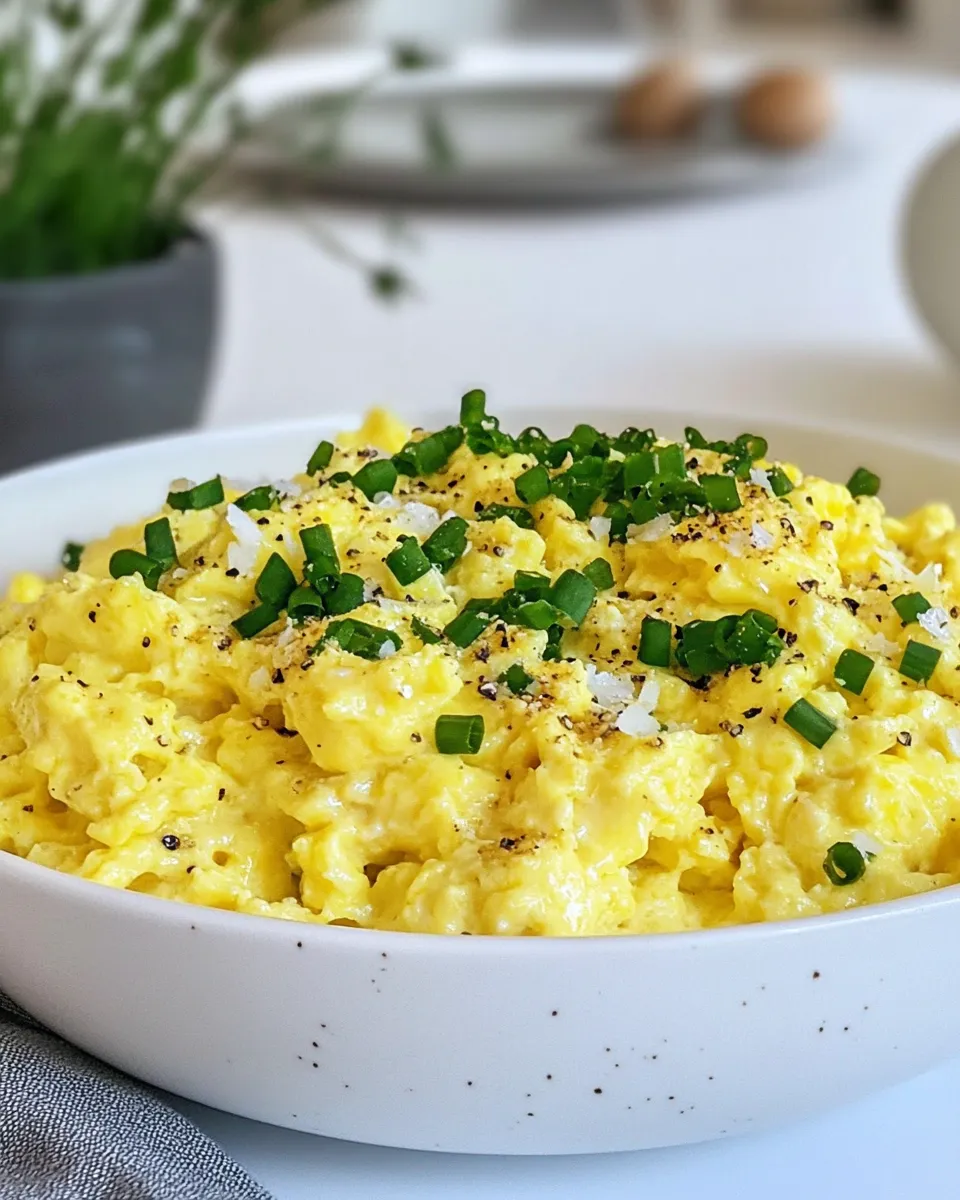
- Crack the eggs into a bowl. Use six eggs, cold from the fridge. Break the yolks gently and combine them with the whites so the mixture is homogenous but not overly frothy.
- Season the eggs lightly with salt and a few grinds of black pepper. Remember you’re finishing with crème fraîche, so keep the salt moderate — you can always add more later.
- Place a small nonstick skillet over low to medium-low heat. Add 1 tablespoon unsalted butter and let it melt slowly until it foams but does not brown. The pan should be warm, not hot.
- Pour the egg mixture into the melted butter. Stir immediately and gently with a rubber spatula or wooden spoon. Keep the motion constant and deliberate: sweep the eggs from the edges to the center, forming soft folds rather than vigorous whisking.
- After about 20 to 30 seconds of gentle stirring, the eggs will begin to thicken. When you notice the edges starting to set, lift the skillet from the heat for 10 to 15 seconds while you continue stirring. This pause prevents overcooking and allows carryover heat to shape the curds.
- Return the skillet to the heat and continue stirring for another 10 to 20 seconds. Repeat removing the skillet from the heat whenever the eggs look close to done. The eggs should be mostly set but still glossy and slightly runny — they will finish cooking off the heat.
- Once the curds are soft and just barely holding together, remove the pan from the heat for the final time. Stir in 2 tablespoons crème fraîche. The crème fraîche stops the eggs from cooking further and creates a silky, tangy finish.
- Taste and adjust seasoning with salt and pepper if needed. Transfer the eggs to a warm plate or bowl immediately so residual heat in the pan won’t overcook them.
- Garnish with freshly chopped chives for color and a mild oniony note. Serve right away with toast, a simple salad, or on a buttered roll.
Notes on timing and texture
The most important part of making Gordon Ramsay Scrambled Eggs is timing. The total cook time is under two minutes, but it requires short bursts on heat interspersed with rests off the stove. Watch closely as eggs can go from custardy to overcooked in seconds. The eggs should look slightly underdone when you remove them because they will continue to set while you finish them with crème fraîche.
Be patient and keep the movement gentle. You want to create soft curds rather than breaking the mixture into tiny pieces. If you prefer creamier eggs, stir more slowly and avoid letting them set too firmly before you take them off the heat. For firmer eggs, let them sit on the heat slightly longer, but be careful not to brown them.
Serving suggestions
These eggs are a perfect base for simple, elegant breakfasts and brunches. Serve Gordon Ramsay Scrambled Eggs with:
- Thick slices of toasted sourdough or a warm, buttered roll.
- Smoked salmon and a squeeze of lemon for a luxurious plate.
- Cherry tomatoes and mixed greens tossed in a light vinaigrette for fresh contrast.
- A side of roasted mushrooms or sautéed spinach for an earthy note.
Frequently asked questions
Can I make these with fewer eggs? Yes. The method scales well. Keep the same gentle heat and timing; cook time will be slightly shorter with fewer eggs.
What if I don’t have crème fraîche? You can use a tablespoon of plain full-fat yogurt or a touch of sour cream as an alternative. These will give a similar tang and help halt the cooking, but crème fraîche is the most neutral and silky option.
Why use unsalted butter? Unsalted butter gives you control over the final salt level. Using salted butter is fine; just reduce or omit added salt to taste.
Should the eggs be whisked a lot? No. Break the yolks and whisk until the whites and yolks are combined; you don’t want to aerate them excessively. The goal is a uniform mixture, not a frothy one.
Storing and reheating
Scrambled eggs are best enjoyed immediately. If you must store leftovers, cool them quickly and refrigerate in an airtight container for up to 24 hours. To gently reheat, warm them over very low heat with a small splash of milk or cream, stirring constantly until just warmed. Keep in mind reheated eggs will be denser than freshly made ones.
Why chives?
Chives add a bright, delicate onion flavor that complements the richness of these eggs without overpowering them. Chop them finely and sprinkle just before serving to preserve their color and fresh aroma.
Final thoughts
Gordon Ramsay Scrambled Eggs are deceptively simple and infinitely satisfying when you pay attention to heat and timing. With six eggs, a spoonful of butter, and a couple tablespoons of crème fraîche, you can create a breakfast that feels indulgent and refined. Follow the steps carefully, keep the motion gentle, and finish with chives for a beautiful contrast. Once you master this technique, you’ll never reach for the boxed scramble mix again.
Try this the next time you want a weekend brunch that looks like it took hours but comes together in minutes. The creamy texture and bright finish make these eggs a standout on any plate.
Recipe card
Yield: Serves 2
Ingredients:
- 6 eggs, cold
- 1 tablespoon unsalted butter
- 2 tablespoons crème fraîche
- Salt and pepper, to taste
- Chives, for garnish
Directions:
- Crack 6 cold eggs into a bowl and gently combine yolks and whites until uniform but not frothy.
- Season the eggs lightly with salt and pepper.
- Set a small nonstick skillet over low to medium-low heat. Add 1 tablespoon unsalted butter and let it melt without browning.
- Pour the eggs into the pan and stir immediately with a rubber spatula or wooden spoon, sweeping from edges to center to form soft folds.
- When the edges begin to set, lift the skillet off the heat for 10–15 seconds while continuing to stir.
- Return the skillet to the heat and continue stirring, repeating brief rests off the stove as needed, until the eggs are mostly set but still glossy and slightly runny.
- Remove the pan from the heat completely and stir in 2 tablespoons crème fraîche to stop the cooking and add creaminess.
- Taste and adjust seasoning with salt and pepper if necessary. Transfer the eggs to a warm plate immediately.
- Garnish with chopped chives and serve right away.
Enjoy your bowl of Gordon Ramsay Scrambled Eggs — tender, rich, and perfectly balanced for a morning treat.
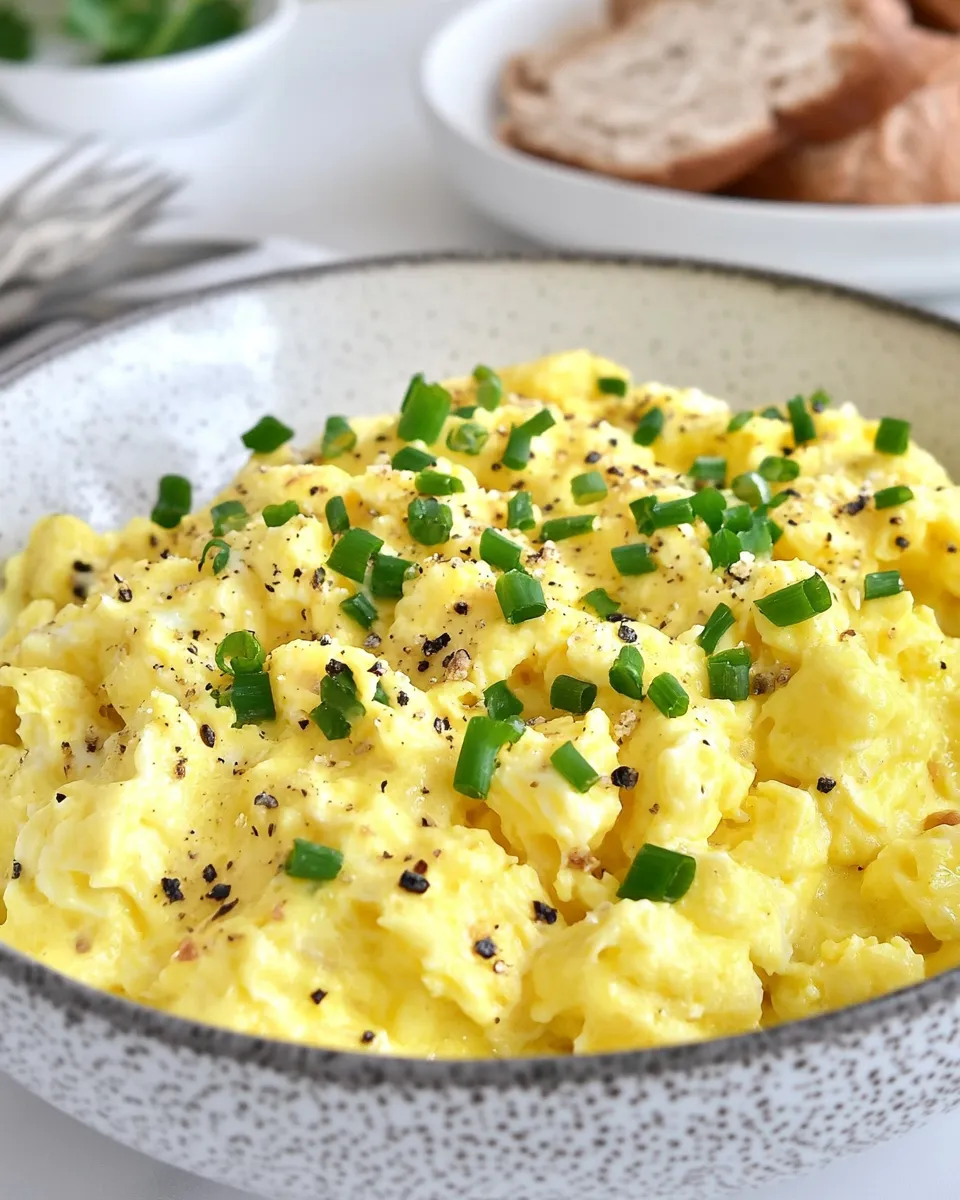
Gordon Ramsay Scrambled Eggs
Ingredients
Equipment
Method
- Crack the cold eggs into a small saucepan or nonstick frying pan and add the butter.
- Place the pan over high heat and begin stirring continuously with a rubber spatula, scraping the bottom and sides; do not whisk.
- After about 30 seconds of stirring on the heat, remove the pan from the heat but continue stirring for 10 seconds.
- Return the pan to the heat and continue the on-off stirring cycle (on the heat, then off while stirring) until the eggs are nearly cooked, repeating for a total of about 3 minutes of cooking time.
- When the eggs are almost set but still slightly runny, remove the pan from the heat and stir in the crème fraîche and a pinch of salt and pepper until combined and creamy.
- Transfer immediately to plates, garnish with chopped chives, and serve right away.
Notes
- Use cold eggs for the classic texture described.
- Stirring on and off the heat controls the curd size and creaminess.
- Do not whisk the eggs; scrape and fold with a spatula.
- Add crème fraîche at the end for extra creaminess and to stop cooking.