Homemade Ravioli Recipe
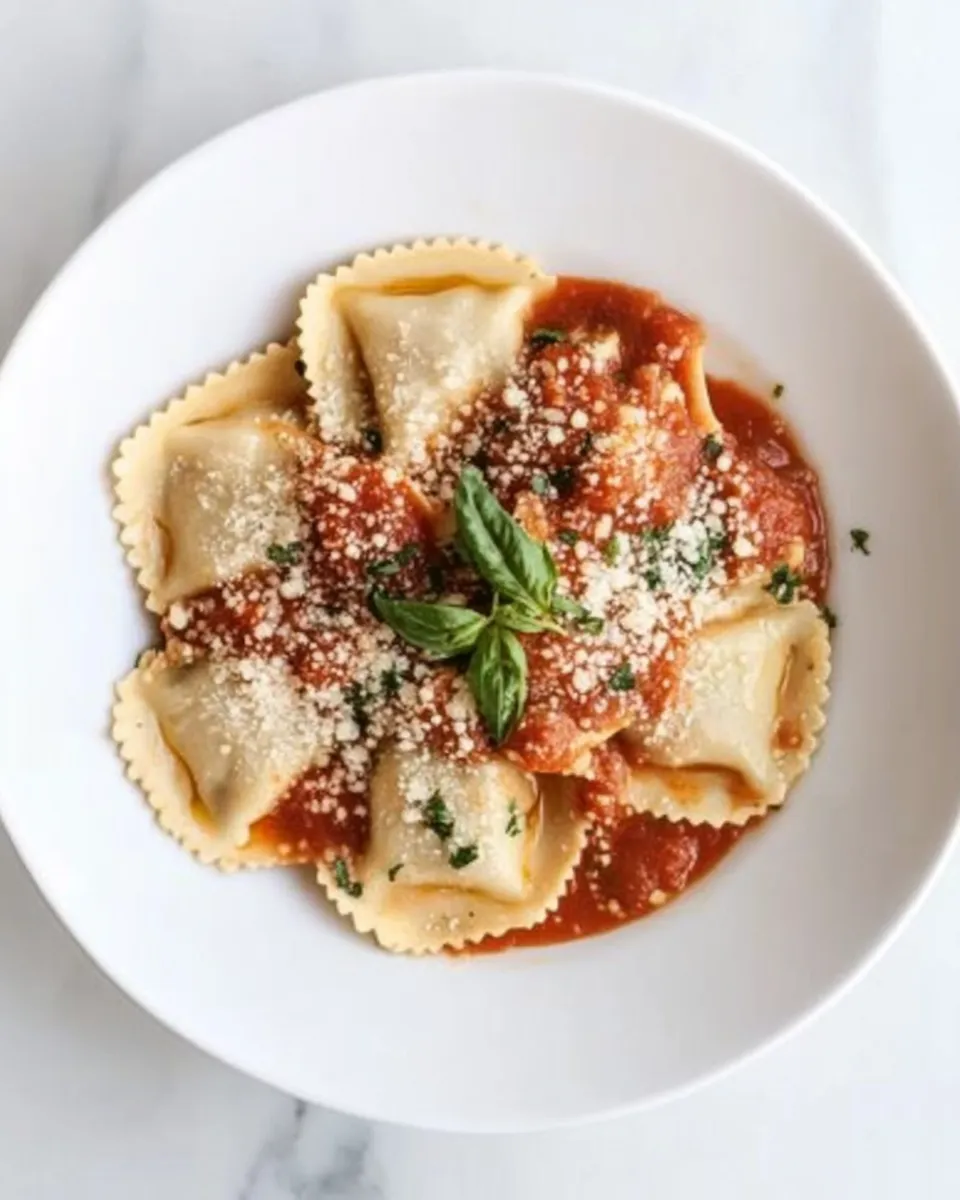
There’s something inherently comforting about a plate of freshly made ravioli: delicate pasta pillows surrounding a rich, savory filling, finished with a simple sauce and an extra grating of cheese. This Homemade Ravioli Recipe guides you through making everything from scratch — the dough, the beef-and-ricotta filling, assembly, and cooking — using accessible ingredients and straightforward steps. The result is a tender pasta that holds its shape, a filling that’s perfectly seasoned, and an experience that’s worth the time spent in the kitchen.
Why You’ll Love This Recipe
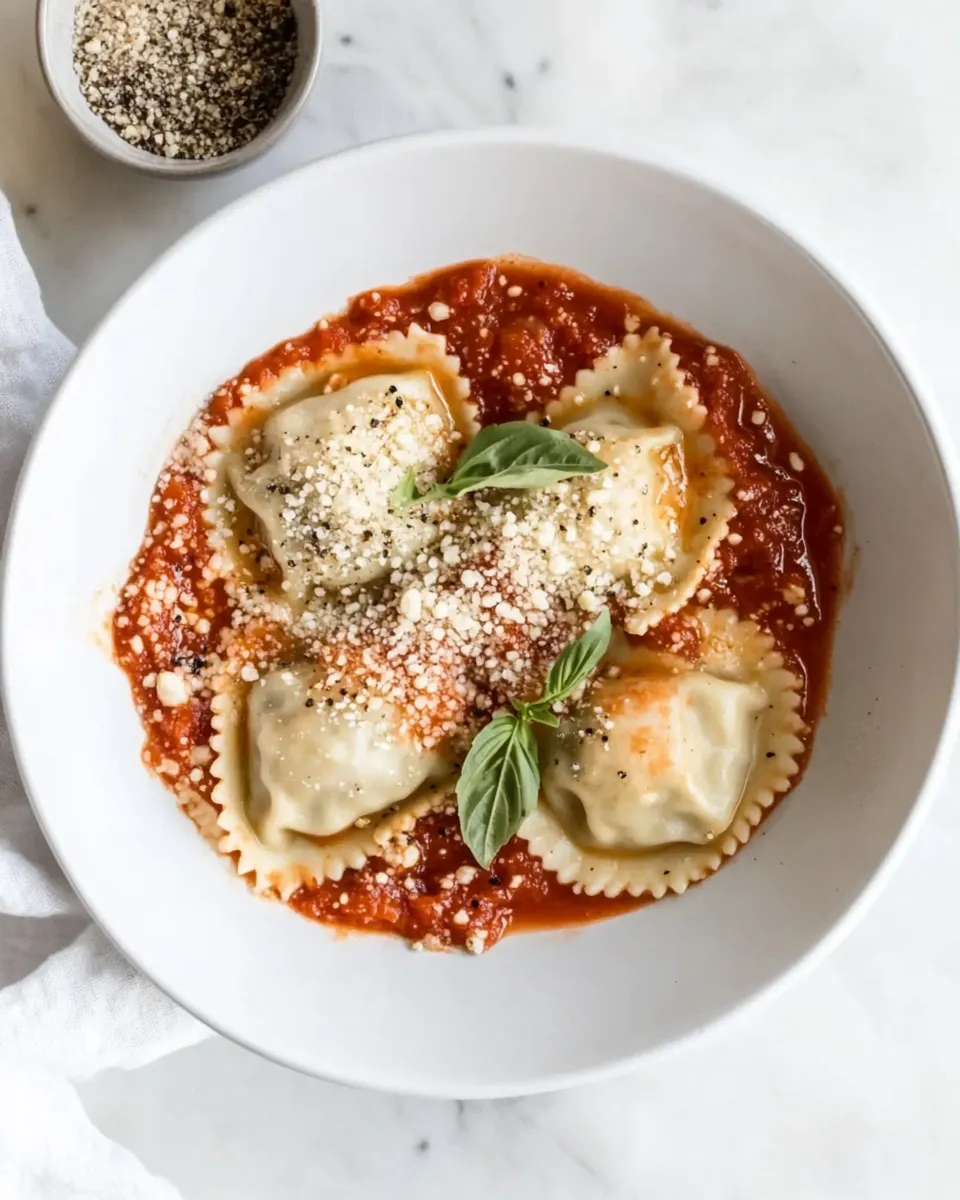
This recipe uses fine ground durum semolina flour for a pasta dough with great structure and a slightly chewy bite that’s ideal for stuffed pasta. The filling blends ground beef with creamy whole milk ricotta and pecorino Romano for a savory, comforting center. With simple seasonings like garlic granules and dried oregano, the flavors are familiar and homey—perfect for family dinners or a weekend project.
Ingredients
- 4 cups fine ground durum semolina flour
- 1 teaspoon sea salt
- 4 large eggs
- ¼ cup extra virgin olive oil
- ½ cup cold water
- 4 eggs (for filling)
- 1 pound ground beef
- 2 1/3 cup whole milk ricotta cheese
- ¾ cup grated pecorino Romano cheese
- 2 teaspoons sea salt
- ¼ teaspoon black pepper
- 1 teaspoon dried oregano
- 1 1/2 teaspoons garlic granules
Prep Work and Notes
Before you begin, set aside a large, clean workspace for rolling the dough and assembling the ravioli. Have a rolling pin or pasta roller, a spoon or small cookie cutter for shaping, and a large pot for boiling. Keep a bowl of flour nearby to dust your work surface to prevent sticking. This Homemade Ravioli Recipe assumes you’ll cook and assemble immediately, but the dough can be wrapped and refrigerated for up to 24 hours if needed.
Step-by-Step Instructions
Make the Pasta Dough
- Measure 4 cups of fine ground durum semolina flour and place it in a large mixing bowl or directly on a clean work surface. Create a well in the center of the flour large enough to hold the wet ingredients.
- Add 1 teaspoon of sea salt to the flour, gently stirring it into the outer edge of the well so the salt is evenly distributed.
- Crack 4 large eggs into the center of the well. Add ¼ cup of extra virgin olive oil and ½ cup of cold water to the eggs.
- Using a fork or your fingertips, begin to whisk the eggs, oil, and water together, gradually drawing in flour from the inner walls of the well. Continue incorporating flour until a rough dough forms.
- Once the dough begins to come together, use your hands to knead it on the work surface for about 8–10 minutes. Knead until the dough is smooth, elastic, and no longer sticky. If it’s too dry, add a teaspoon of water at a time; if too sticky, dust with a little more semolina flour.
- Shape the dough into a ball, wrap it tightly in plastic wrap, and let it rest at room temperature for at least 30 minutes. Resting relaxes the gluten and makes rolling easier.
Prepare the Filling
- While the dough rests, cook 1 pound of ground beef. Heat a nonstick skillet over medium heat and add the ground beef, breaking it into small pieces with a spoon or spatula.
- Cook the beef until it’s fully browned and no pink remains. Drain any excess fat and return the beef to the skillet for a minute to let any remaining moisture evaporate. Allow the beef to cool slightly.
- In a large mixing bowl, combine the cooked ground beef with 2 1/3 cups of whole milk ricotta cheese and ¾ cup of grated pecorino Romano cheese.
- Add 2 teaspoons of sea salt, ¼ teaspoon of black pepper, 1 teaspoon of dried oregano, and 1 1/2 teaspoons of garlic granules to the bowl. Stir thoroughly to distribute the seasonings evenly through the mixture.
- Crack 4 eggs (the ones listed for the filling) into the bowl with the filling ingredients and mix until everything is fully incorporated and the mixture has a slightly loose, spreadable consistency. If the filling seems too wet, add a small spoonful of cheese or a pinch of semolina to firm it up; if too dry, a tablespoon of ricotta will help.
- Cover the filling and refrigerate if the dough is still resting. Cold filling is easier to work with when assembling ravioli.
Roll and Shape the Pasta
- Divide the rested dough into 4 equal portions. Keep the portions you’re not working with covered to prevent them from drying out.
- On a lightly floured surface, flatten one portion of dough with your hands or a rolling pin until it’s thin enough to run through a pasta roller or to roll by hand to about 1/16–1/8 inch thickness. Aim for a sheet thin enough to see your hand through but not so thin it tears easily.
- If using a pasta machine, pass the dough through the widest setting a couple of times, folding once or twice and then gradually working down to a thinner setting until you reach the desired thickness.
- Lay the pasta sheet on a lightly floured surface and cut it into long strips approximately 3–4 inches wide. These will be the base for your ravioli pockets.
Assemble the Ravioli
- Spoon small mounds of the filling onto one strip of pasta, spacing them about 1½–2 inches apart. Each mound should be roughly 1 tablespoon to 1½ tablespoons, depending on how large you want the ravioli to be.
- Brush a thin line of water or a little beaten egg around the edges of the pasta strip and between each mound of filling; this acts as glue to seal the top sheet.
- Carefully lay a second pasta strip over the first, aligning edges. Gently press down around each mound to seal the filling inside, ensuring there are no air pockets. Use your fingers to press out excess air, working from the center of each ravioli toward the edges.
- Cut individual ravioli with a knife, pastry cutter, or cookie cutter. Press the edges together firmly to ensure a tight seal. If needed, crimp the edges with a fork for extra security and a decorative finish.
- Place finished ravioli on a lightly floured tray in a single layer. If stacking is necessary, place parchment between layers so they don’t stick together.
Cook the Ravioli
- Bring a large pot of salted water to a gentle boil. Add a tablespoon of salt to the water so it’s nicely seasoned.
- Working in batches so the ravioli don’t crowd the pot, carefully add the ravioli to the boiling water. Stir gently right after adding them to prevent sticking.
- Cook the ravioli for about 3–5 minutes, depending on their thickness. Fresh ravioli are done when they float to the surface and the pasta feels tender but still substantial when bitten. Taste one to confirm doneness.
- Use a slotted spoon to remove the ravioli and transfer them to a warm serving dish. If desired, toss lightly with a little extra virgin olive oil or butter to prevent sticking and to add gloss.
Sauce Suggestions and Serving
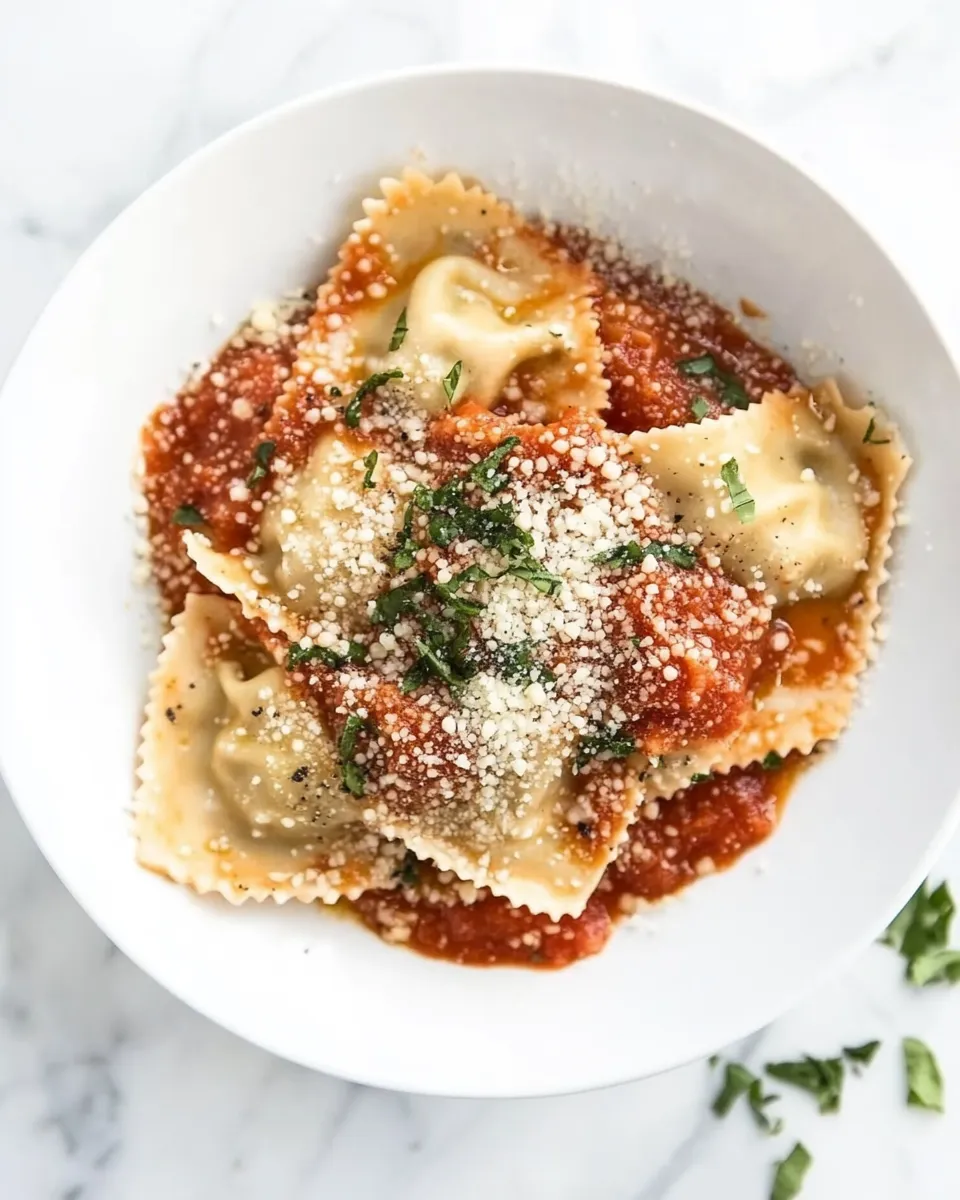
This Homemade Ravioli Recipe pairs beautifully with several sauce options. A simple sauce keeps the focus on the filling:
- Brown butter and sage: Melt 4 tablespoons of butter over medium heat until it becomes nutty and fragrant, add a handful of fresh sage leaves for 30–60 seconds, and toss with the cooked ravioli. Finish with a sprinkle of pecorino Romano.
- Light tomato sauce: Simmer crushed tomatoes with a drizzle of extra virgin olive oil, a pinch of salt, and a teaspoon of dried oregano for 10–15 minutes. Spoon over the ravioli and top with grated pecorino.
- Creamy garlic sauce: Warm 1 cup of cream with 1–2 cloves of minced garlic, reduce slightly, and toss with ravioli for a rich, smooth finish. Add a little grated cheese to thicken and season to taste.
Garnish each plate with a dusting of pecorino Romano and a few turns of black pepper. A light scattering of chopped fresh parsley or basil brightens the dish and adds color.
Make-Ahead and Storage
If you want to prepare ahead, you can make and fill the ravioli, then freeze them in a single layer on a baking tray until solid. Once frozen, transfer to a sealed container or freezer bag. Cooked ravioli can be refrigerated for up to 3 days in a covered container. To reheat, gently simmer in sauce or briefly poach in simmering water until heated through.
Troubleshooting Tips
- If the dough tears while rolling, it’s likely too dry; knead in a teaspoon of water at a time until it becomes pliable. If the dough is sticky, dust lightly with semolina flour.
- If the filling oozes out during cooking, the ravioli weren’t sealed tightly enough. Press the edges firmly and ensure there’s a water or egg wash to glue the sheets together.
- If ravioli collapse or fall apart while boiling, the pasta may be too thin or the filling too wet. Make the sheets slightly thicker or reduce filling moisture with a small amount of extra pecorino or semolina.
Final Notes
Making pasta from scratch rewards patience with a fresh, tender texture and deeply satisfying flavors. This Homemade Ravioli Recipe balances structured pasta made from fine ground durum semolina flour with a rich ground beef and ricotta filling seasoned with garlic, oregano, sea salt, and pecorino Romano. The process—mixing, resting, rolling, filling, and cooking—feels artisanal yet approachable, and the results are truly delicious.
Serve these ravioli with a sauce that complements rather than overpowers the filling, enjoy the fruits of your labor, and savor the warmth that comes from a homemade meal. Happy cooking!
Homemade Ravioli Recipe
Ingredients
Equipment
Method
- Combine the 4 cups semolina flour and 1 teaspoon sea salt in a food processor and pulse 3–4 times to mix.
- Whisk together 4 large eggs, 1/4 cup extra virgin olive oil, and 1/2 cup cold water in a small bowl or liquid measuring cup until blended.
- With the processor running at high speed, slowly pour the egg mixture into the flour until a dough forms; add 1–2 tablespoons more water if needed to bring the dough together.
- Process until the dough forms a tight ball that cleans the sides of the bowl, then turn it onto a lightly floured surface and knead 2–3 minutes until soft and smooth.
- Cover the dough and let it rest 20 minutes.
- Make the filling: in a large bowl mix 1 pound ground beef, 2 1/3 cups ricotta, 3/4 cup grated Pecorino Romano, 4 eggs (for filling), 2 teaspoons sea salt, 1/4 teaspoon black pepper, 1 teaspoon dried oregano, and 1 1/2 teaspoons garlic granules until thoroughly combined; keep chilled until ready to fill.
- Divide the rested pasta dough into 8 equal balls. Press each ball flat and lightly flour both sides.
- Run each flattened dough ball through the widest setting on a pasta roller, then roll to the second-to-last (thin) setting; lightly flour sheets as needed and hang them to prevent sticking.
- Lightly flour the ravioli mold and place one sheet of rolled pasta over it.
- Fill each ravioli cavity with 1 to 1 1/2 tablespoons filling (do not overfill), covering 12 cavities per sheet.
- Lay a second sheet of pasta over the filled mold, dust with flour, then roll a rolling pin over the mold to seal and cut the ravioli; remove excess dough and repeat with remaining sheets to make 48 ravioli total.
- Place finished ravioli on a parchment-lined sheet tray; either freeze them on the tray until firm or cook immediately.
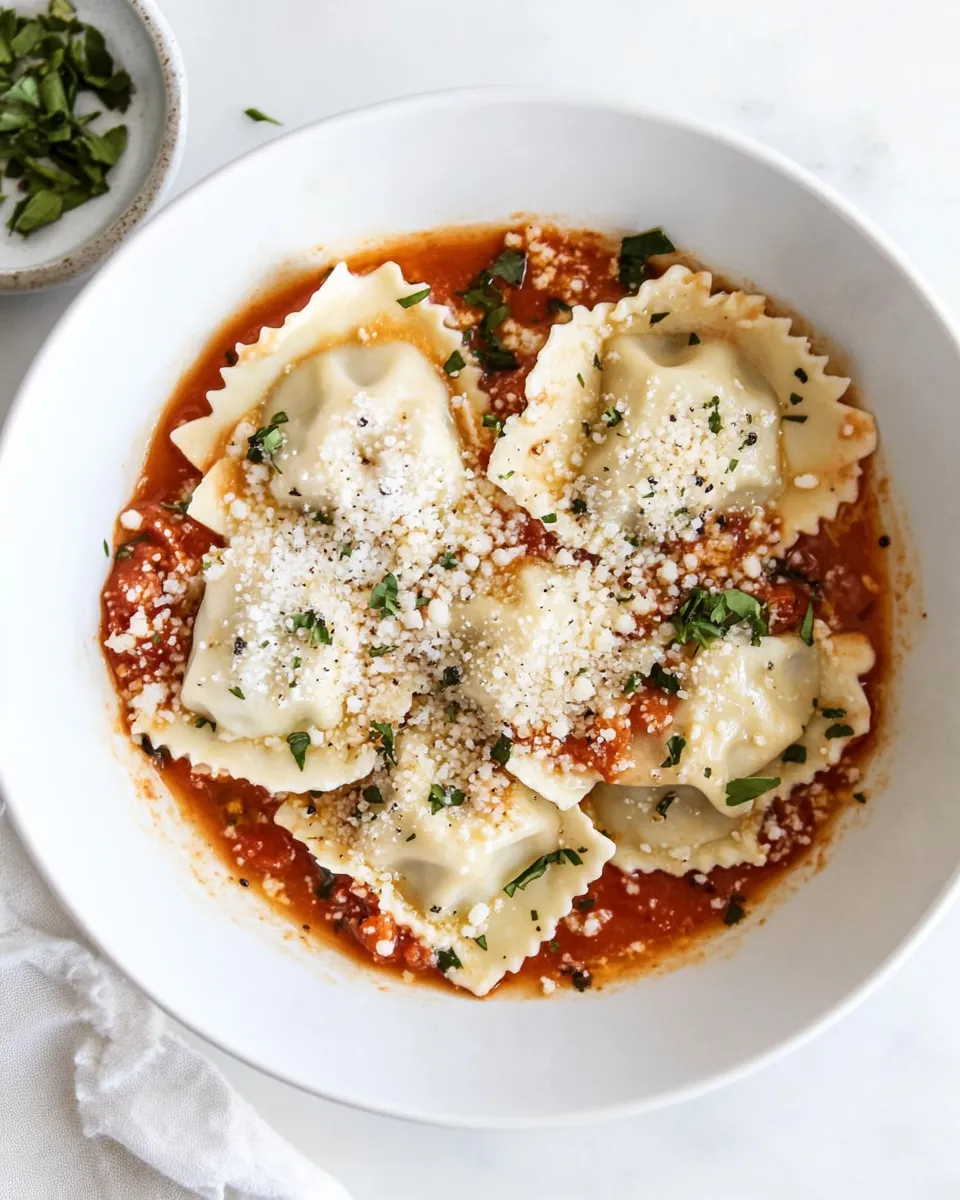
- To cook, add ravioli to a large pot of boiling salted water; when they float, continue cooking 5–6 minutes or until the meat filling is cooked through, then drain and serve with your preferred sauce.
Notes
- Use finely ground semolina, not coarse, for smooth dough.
- The filling can be chilled before assembling to make handling easier.
- Freeze ravioli on a tray before transferring to storage to keep them from sticking.
- Re-roll excess dough to make other pasta shapes.
- Substitute Italian sausage for ground beef if desired.