How to Defrost Chicken (3 Fast and Easy Ways!)
One of the first hurdles when you want to cook dinner is finding out your chicken is still frozen. I’ve been there—standing in the kitchen with a craving for something juicy and flavorful, and a rock-solid package in the freezer. Good news: there are dependable, safe, and fast ways to defrost chicken so you can get dinner on the table without sacrificing texture or flavor. In this guide you’ll find three easy methods for thawing ▢1chicken (breast, wings, thighs, legs, whole) using items you already have at home. Each method is written in clear, step-by-step language so even busy weeknights are stress-free.
How to Defrost Chicken (3 Fast and Easy Ways!) is all about practical tips, safety, and speed. Read through the three options and choose the one that best fits your timeline: slowly in the refrigerator, quickly in cold water, or very quickly using a microwave. I also include tips for cooking immediately after thawing, how to refreeze safely, and answers to common questions so you’re confident every time you thaw and cook chicken.
Quick Overview: Which Method to Use?
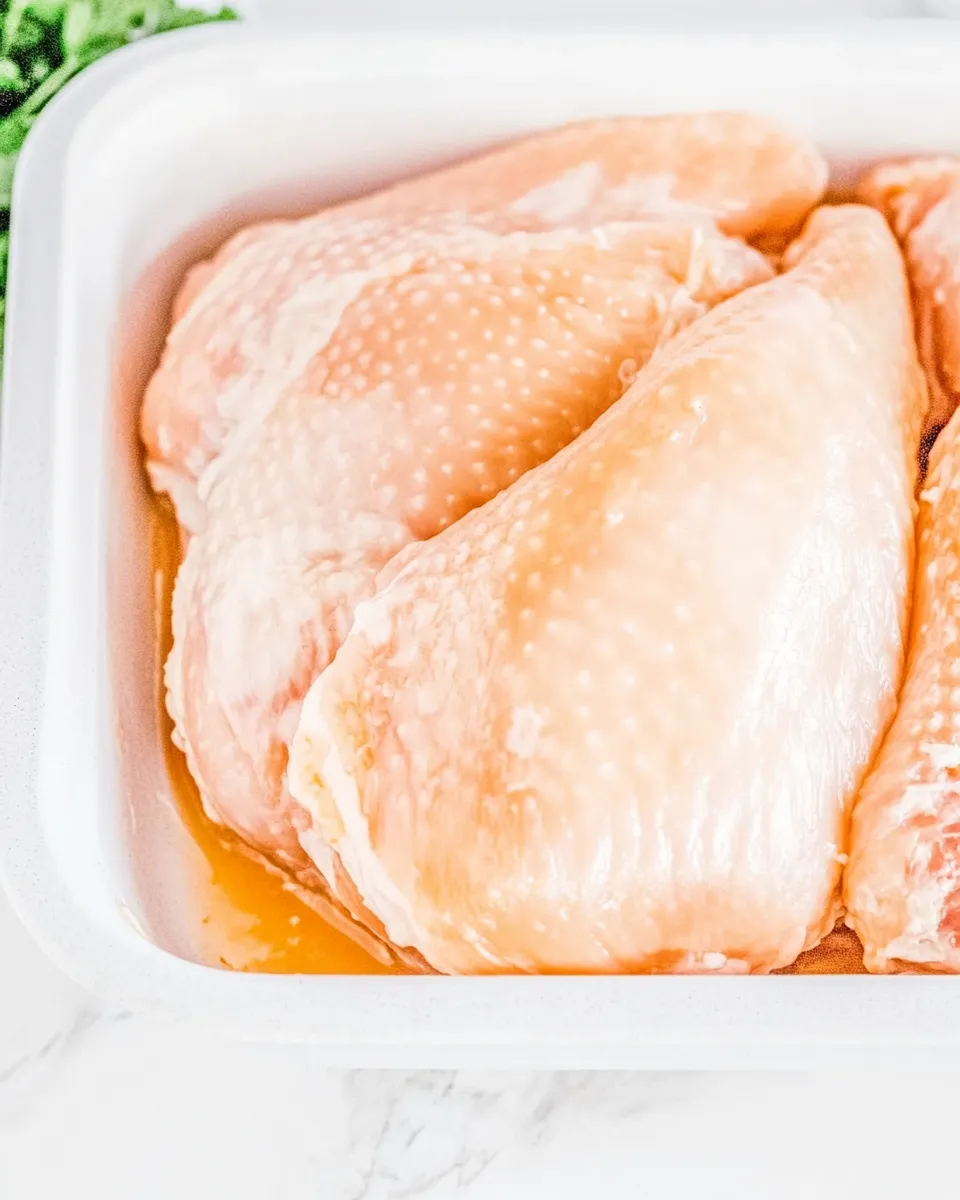
- Refrigerator thawing: Best for planning ahead. Safest and preserves texture—takes 12–48 hours depending on piece size.
- Cold water thawing: Faster and reliable for last-minute plans—takes 30 minutes to a few hours depending on cut.
- Microwave thawing: Fastest. Use when you need to cook immediately after thawing to avoid partial cooking.
What You’ll Need
- ▢1chicken (breast, wings, thighs, legs, whole)
- ▢water (for thawing in water; enough to submerge chicken)
- Zip-top freezer bag or leak-proof container (for water method)
- Microwave-safe dish (for microwave method)
- Tray or plate (to catch any drips while thawing)
Safety First
Always prioritize food safety when thawing poultry. Never thaw chicken at room temperature on the counter—this allows the outer surface to enter the temperature danger zone where bacteria multiply quickly. With these three approved methods you’ll keep your chicken safe and delicious.
Method 1: Refrigerator Thawing (Slow but Best Texture)
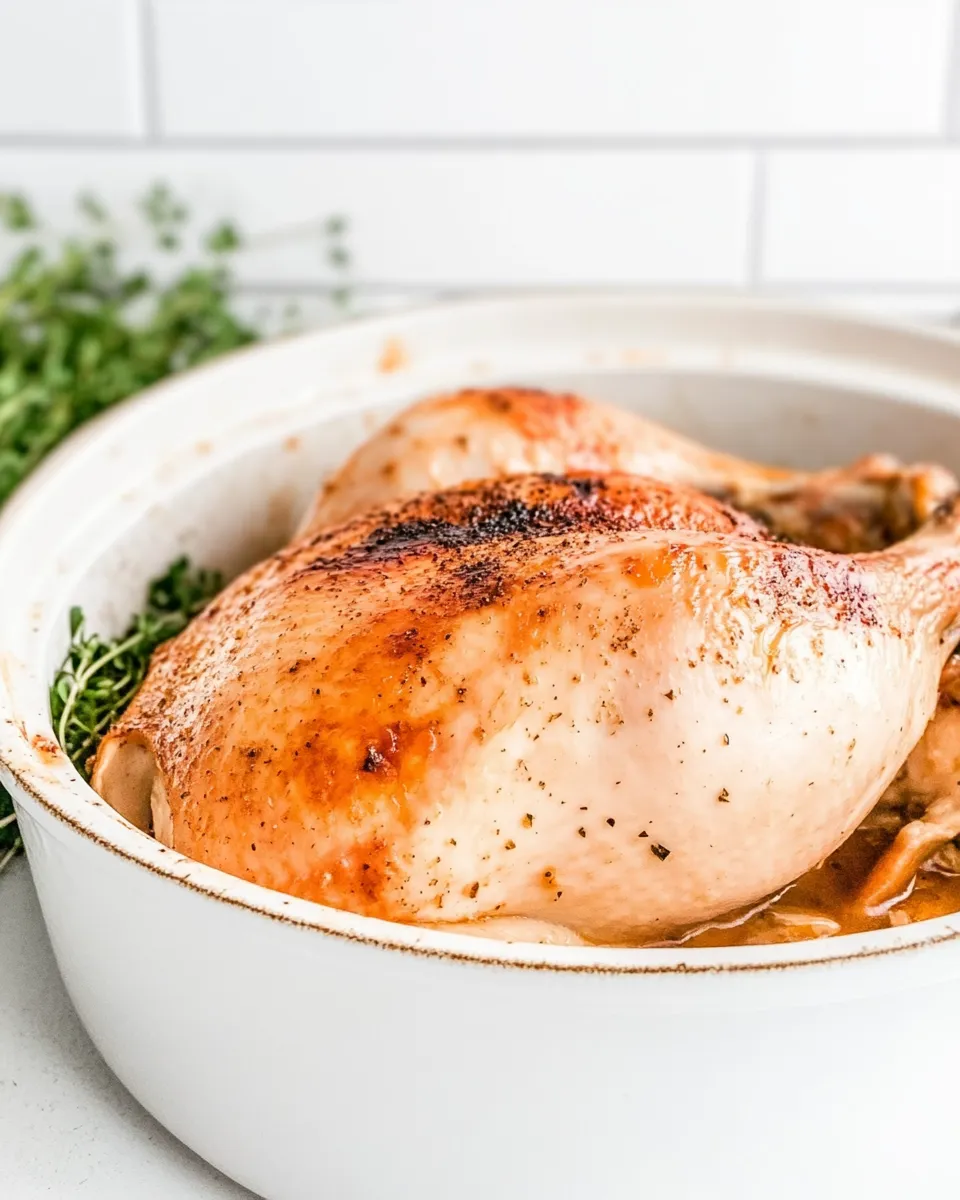
This method is the most forgiving and preserves the best texture. It’s perfect when you plan ahead.
Step-by-Step Refrigerator Thawing
- Keep the chicken in its original packaging or place it in a leak-proof container or tray to catch any juices.
- Place the chicken on the bottom shelf of the refrigerator so any drips won’t contaminate other foods.
- Allow enough time: small pieces like wings or boneless breasts usually thaw in about 12–24 hours; bone-in pieces and whole birds may take 24–48 hours.
- Once fully thawed, cook the chicken within 1–2 days for best quality. If you decide not to cook it, you may refreeze it safely within that window.
Method 2: Cold Water Thawing (Fast and Reliable)
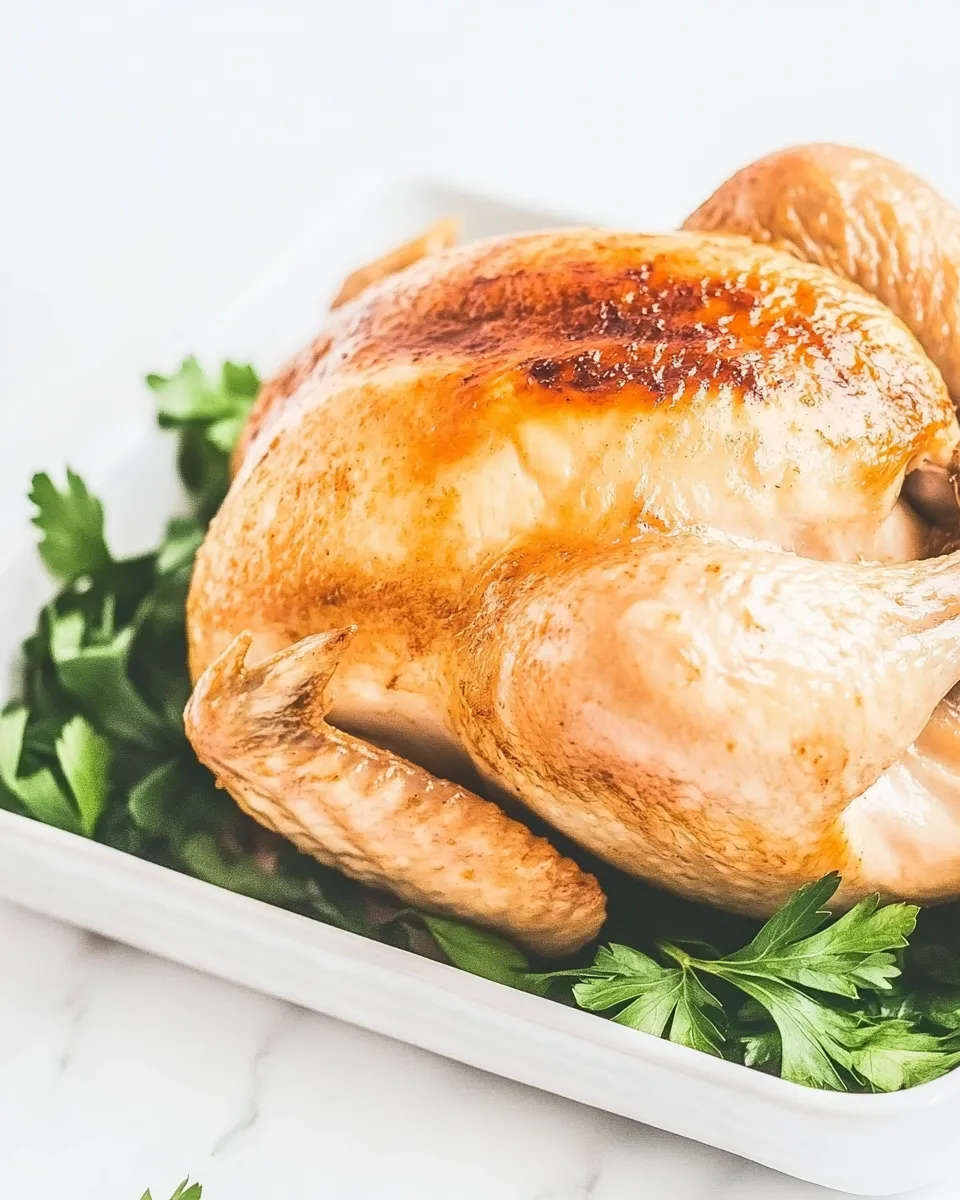
Need to thaw chicken faster but still want to retain good texture? The cold water method is an excellent middle ground. It requires a little attention but gets things moving in a fraction of the refrigerator time.
Step-by-Step Cold Water Thawing
- Place the chicken in a leak-proof zip-top bag or airtight container to prevent water from contacting the meat and to avoid cross-contamination.
- Fill a large bowl, sink, or container with ▢water—enough to completely submerge the bagged chicken.
- Submerge the sealed chicken in the cold water, making sure it is fully covered.
- Change the water every 30 minutes to keep it cold. This keeps thawing safe and speeds the process.
- Allow time based on cut size: small pieces like wings or boneless breasts usually thaw in about 30–60 minutes; larger bone-in pieces or whole birds can take 2–3 hours.
- Once thawed, cook the chicken immediately. Do not refreeze raw chicken that has been thawed using the cold water method unless you cook it first.
Method 3: Microwave Thawing (When You’re in a Hurry)
Microwave thawing is the fastest option, but it requires care to prevent partial cooking. Use your microwave’s defrost setting and follow the steps below. After microwaving, cook the chicken immediately.
Step-by-Step Microwave Thawing
- Remove any packaging that is not microwave-safe and place the chicken on a microwave-safe dish to catch juices.
- Set your microwave to the defrost setting or to 30% power. If your microwave asks for weight, enter the approximate weight of the chicken piece you’re thawing.
- Defrost in short intervals: start with 2–3 minutes for smaller pieces and 4–5 minutes for larger pieces. Pause and check the chicken frequently.
- Rotate and flip the chicken periodically to promote even thawing and prevent partial cooking at the edges. Break apart any pieces that start to thaw and separate them so the inner sections can defrost.
- Once thawed, cook the chicken immediately—do not let it sit at room temperature. Partial cooking in the microwave can create hot spots where bacteria can grow if left standing.
How Long Does Thawing Take?
Approximate thawing times to help you plan:
- Boneless chicken breasts: Refrigerator 12–24 hours; Cold water 30–60 minutes; Microwave 2–4 minutes per breast (check frequently).
- Bone-in thighs or legs: Refrigerator 24 hours; Cold water 1–2 hours; Microwave 4–6 minutes (check frequently).
- Wings: Refrigerator 12–24 hours; Cold water 30–45 minutes; Microwave 2–3 minutes (check frequently).
- Whole chicken: Refrigerator 24–48 hours; Cold water 2–3 hours; Microwave not recommended for whole birds because of uneven heating.
Refreezing: What You Need to Know
You can safely refreeze chicken that was thawed in the refrigerator without cooking, though you may notice a slight loss in quality. If you used the cold water or microwave method, cook the chicken before refreezing. Always store leftovers in airtight containers and freeze within 1–2 days of cooking for best results.
Tips for Best Results
- Plan ahead and choose refrigerator thawing for the best texture and least fuss.
- Keep the chicken in sealed packaging when using the cold water method to prevent contamination.
- Use a thermometer to check doneness when cooking: chicken should reach an internal temperature of 165°F (74°C).
- If you accidentally start to cook the chicken in the microwave while thawing, finish cooking it right away rather than letting it sit.
- Marinades work well after thawing. For quicker flavor, pat the chicken dry and apply marinade for at least 15–30 minutes before cooking, or longer if time allows.
Common Questions
Is it safe to cook chicken from frozen?
Yes, you can cook chicken from frozen, though it will take roughly 50% longer than fully thawed chicken. Use a thermometer to ensure an internal temperature of 165°F (74°C) is reached. For even cooking and better texture, thawing first is recommended.
Can I thaw chicken in hot water?
No. Hot or warm water raises the surface temperature of the chicken into the danger zone where bacteria grow quickly. Stick to cold water for the safe, fast method.
My package was torn—can I still thaw it?
If the packaging is torn, transfer the chicken to a leak-proof bag or container before using the cold water method. For refrigerator thawing, place the chicken on a tray to catch juices.
Simple Recipe Ideas After Thawing
Once your chicken is thawed, you have endless dinner possibilities. Here are a few quick ideas:
- Pan-seared chicken breasts with a simple lemon-herb sauce.
- Crispy baked chicken thighs with garlic and paprika.
- One-pan roasted chicken pieces with root vegetables.
- Quick stir-fry using thinly sliced thawed chicken and your favorite vegetables.
Final Notes
Thawing chicken doesn’t have to be stressful. Whether you prefer the slow, hands-off approach of the refrigerator, the faster cold water method, or the speedy microwave route, pick the method that matches your timeline and follow the steps for safe, even thawing. With these techniques in your kitchen toolkit, dinner comes together more smoothly and reliably.
Instructions (Rewritten Step-by-Step)
Below are concise, rewritten instructions that follow the order of the methods presented. Use these as a quick reference when you’re ready to thaw:
- Refrigerator Thawing:
- Keep the chicken in its sealed packaging or place it in a leak-proof container.
- Put the chicken on the bottom shelf of the refrigerator to prevent drips onto other foods.
- Thaw for 12–24 hours for small pieces and 24–48 hours for large or whole birds.
- Cook within 1–2 days after thawing or refreeze if you won’t cook it within that timeframe.
- Cold Water Thawing:
- Place the chicken in a sealed zip-top bag or airtight container.
- Submerge the bagged chicken in a bowl or sink filled with cold ▢water, ensuring it is fully covered.
- Change the water every 30 minutes to keep it cold and to speed thawing.
- Thaw small pieces in 30–60 minutes, and larger pieces or whole birds in 1–3 hours.
- Cook the chicken immediately after thawing; do not refreeze raw chicken thawed this way unless it is first cooked.
- Microwave Thawing:
- Remove non-microwave-safe packaging and place the chicken on a microwave-safe dish.
- Use the microwave’s defrost setting or set power to 30% and enter the chicken’s weight if prompted.
- Defrost in short intervals (2–5 minutes), checking frequently and rotating or flipping the chicken to avoid partial cooking.
- Break apart pieces as they begin to thaw so inner sections can defrost evenly.
- Cook immediately after microwaving to prevent bacteria growth from warm spots.
With these three methods—refrigerator, cold water, and microwave—you can handle any thawing situation with confidence. Use the refrigerator method when you can plan ahead, the cold water method for reliable speed, and the microwave when time is tight. Enjoy delicious chicken dinners without the last-minute scramble!
How to Defrost Chicken (3 Fast and Easy Ways!)
Ingredients
Equipment
Method
- Microwave method: Place the chicken in a microwave-safe dish and use the defrost setting.
- Microwave method: Heat in 2–3 minute intervals, checking and turning or repositioning the chicken between intervals until the center is no longer frozen.
- Microwave method: Cook the chicken immediately after thawing in the microwave.
- Cold water method: Place the chicken in an airtight, leak-proof resealable bag and seal so no water can enter.
- Cold water method: Submerge the sealed bag in a large bowl or sink filled with cold water and change the water every 25–30 minutes to keep it cold.
- Cold water method: Continue changing the water until the chicken is fully thawed, then cook immediately.
- Refrigerator method: Keep the chicken in its packaging and place it on the bottom shelf or on a tray in the refrigerator to thaw.
- Refrigerator method: Allow about 24 hours for smaller amounts (under 1 lb) and up to 48 hours for a whole chicken; cook within 1–2 days after thawing.
Notes
- Fridge thaw: 1–2 days depending on amount.
- Cold water thaw: 1–3 hours; estimate ~30 minutes per pound.
- Microwave thaw: under 15 minutes for less than 5 pounds.
- Always cook chicken immediately after thawing by microwave or cold water methods.
- Use cold water only; do not use hot or warm water.