How To Layer Lasagna
Lasagna is one of those comforting, crowd-pleasing dinners that brings people together. When done right, each forkful offers a perfect balance of tender pasta, bright tomato sauce, creamy seasoned ricotta, and melty shredded cheese with the occasional burst of flavor from roasted vegetables. In this guide, I’ll walk you through exactly How To Layer Lasagna so your bake comes out balanced, beautiful, and utterly delicious every time.
Why layering matters
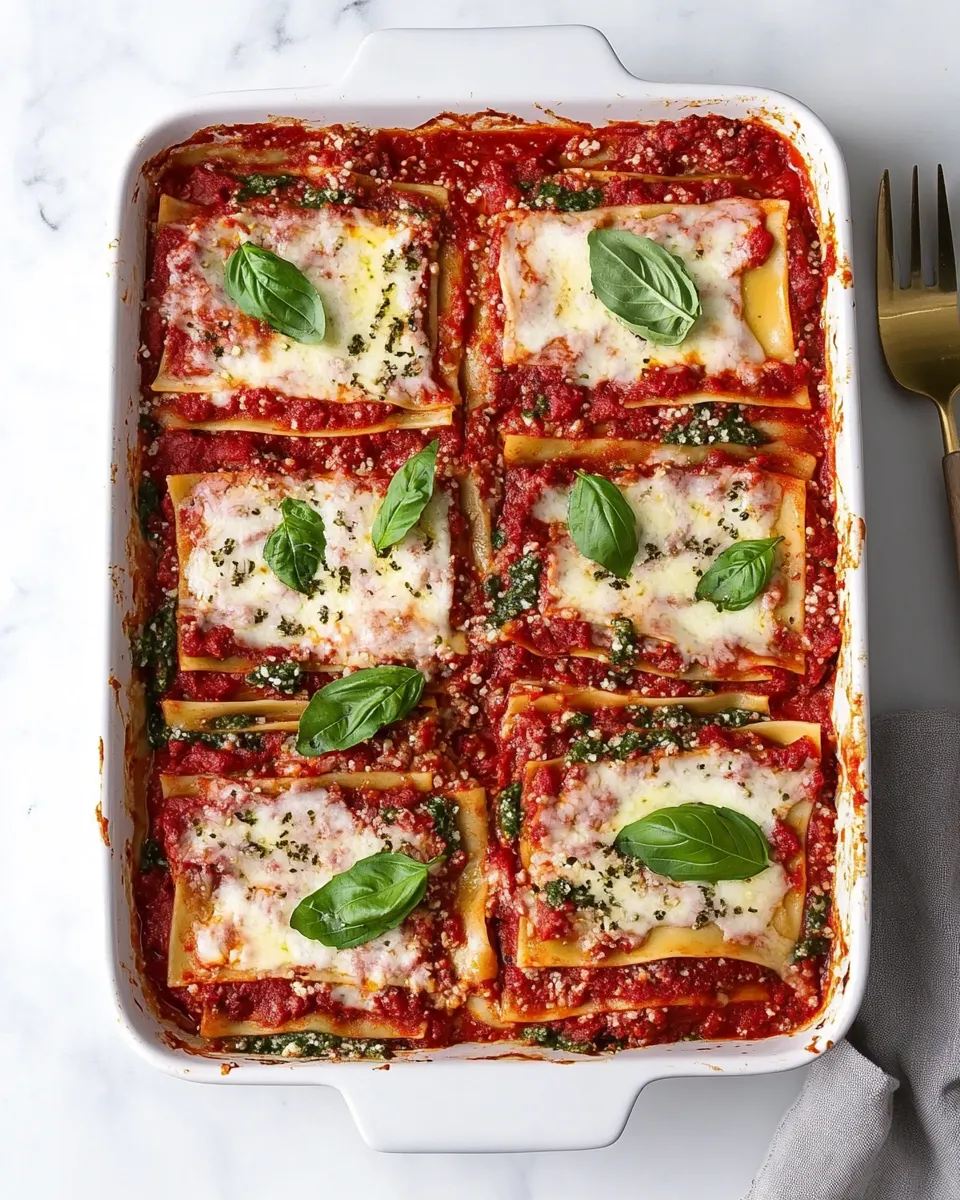
The way you layer lasagna controls texture and flavor in every bite. Too much sauce at the bottom and the noodles can become gummy. Too little ricotta and the filling feels dry. This method emphasizes even distribution: sauce to keep noodles tender, a thin ricotta layer for creaminess, fillings tucked into pockets, and shredded cheese to create that irresistible, bubbly top. Follow the steps below and you’ll learn how to assemble a lasagna that slices cleanly and serves with confidence.
Ingredients
- Extra-virgin olive oil — 2 tablespoons
- Tomato sauce — 4 cups
- Lasagna noodles, no-boil or fully cooked — 12 noodles
- Ricotta cheese, seasoned with salt and pepper — 2 cups
- Desired fillings, such as roasted vegetables — 3 cups
- Shredded cheese, I like mozzarella and Parmesan — 2 1/2 cups combined (about 2 cups mozzarella + 1/2 cup Parmesan)
Equipment
- 9×13-inch baking dish
- Mixing bowls
- Spoon or offset spatula for spreading
- Aluminum foil
- Sharp knife for serving
Prep notes
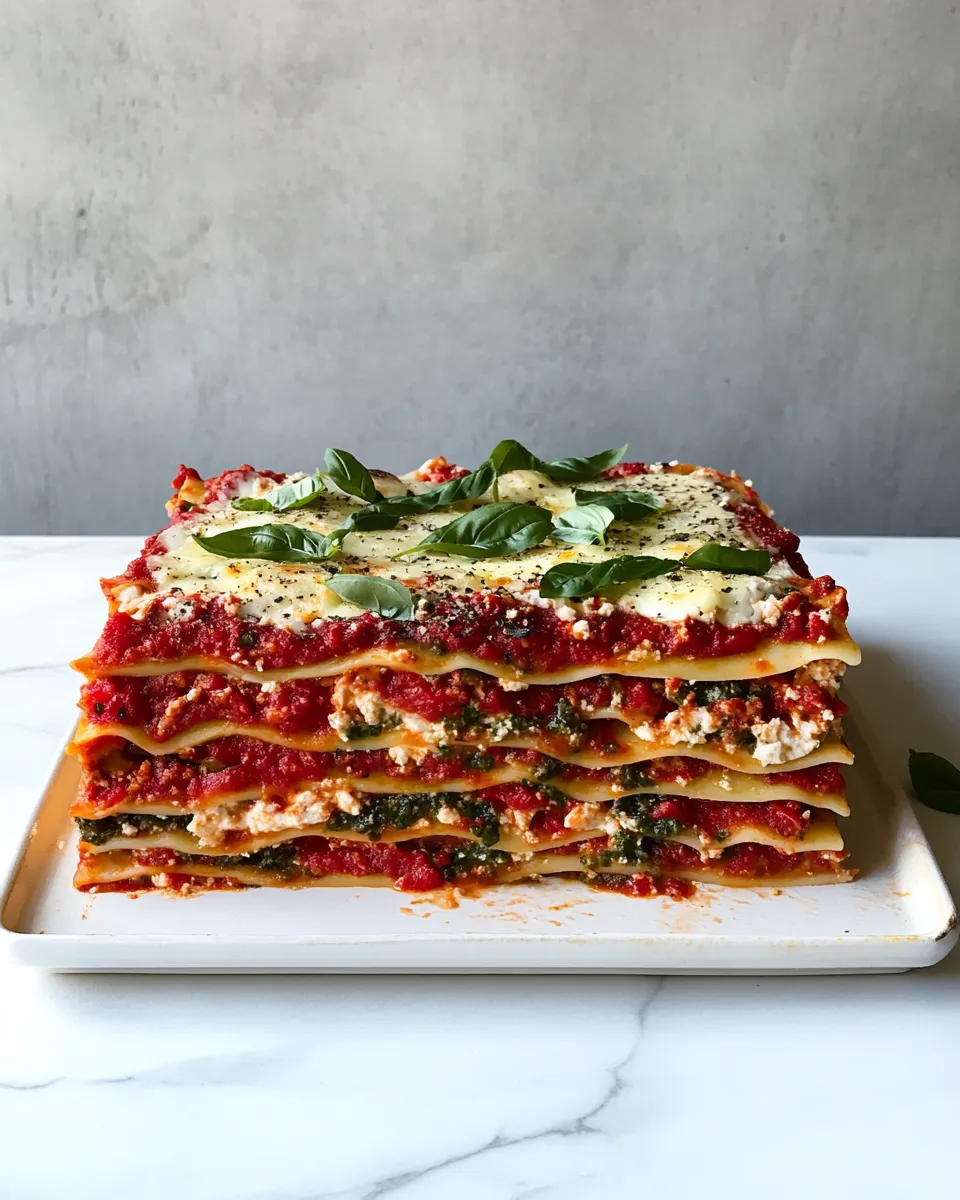
Before you begin, preheat your oven to 375°F (190°C). If you’re using fully cooked lasagna noodles, make sure they’re drained and separated so they won’t stick together; if using no-boil noodles, there’s no pre-cooking required. Have your ricotta seasoned with salt and pepper, your shredded cheese measured, and your roasted vegetables ready. A light brush of olive oil on the baking dish helps prevent any sticking and contributes a subtle, fruity background flavor.
Layering overview
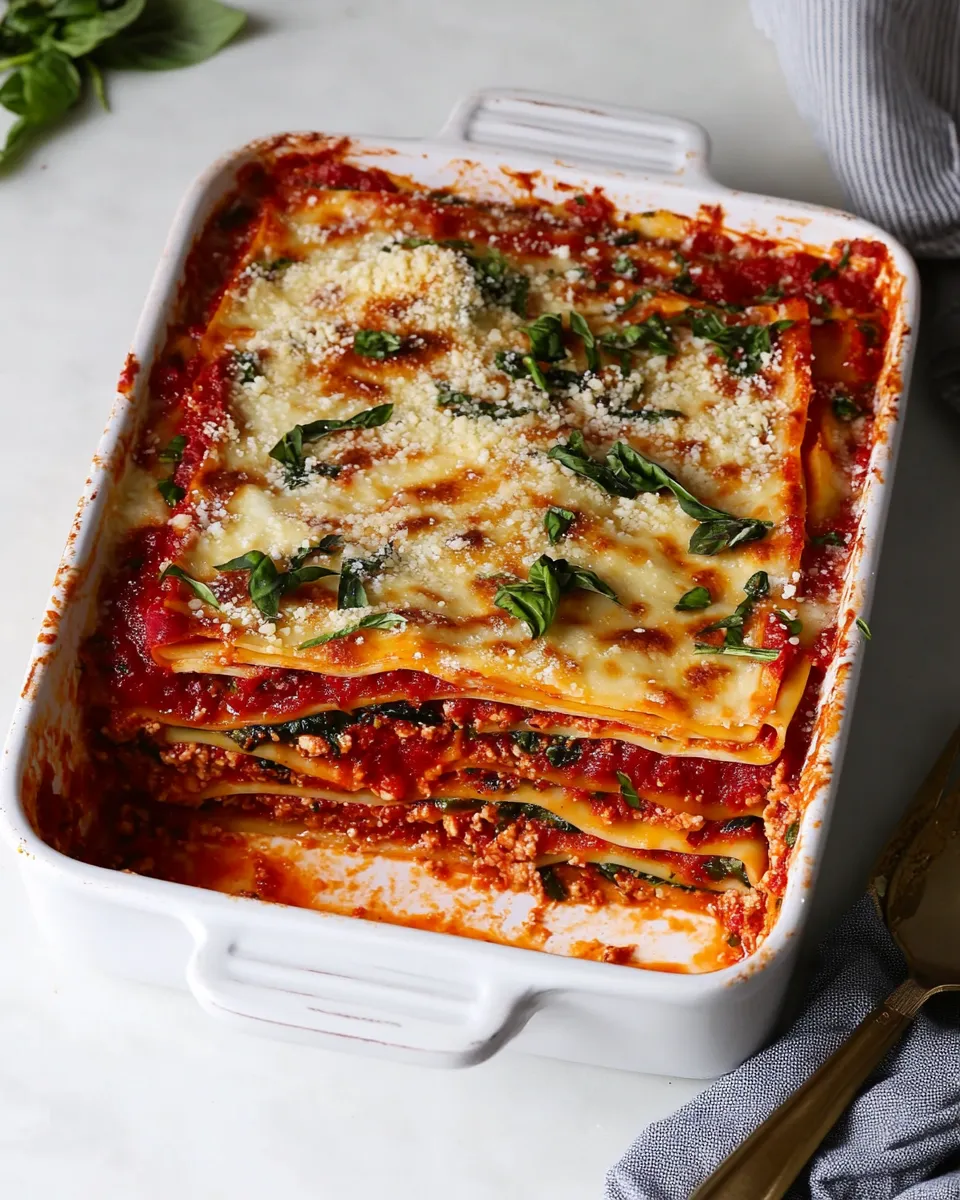
We’ll build five layers: a thin oil-slicked base, sauce, noodles, ricotta plus fillings, then shredded cheese. Repeat until you reach the top of the dish, finishing with sauce and a generous layer of shredded cheese. This pattern ensures noodles are coated in sauce to soften properly, ricotta is nestled safely between pasta sheets, and the top melts into a golden crust.
Step-by-step assembly — How To Layer Lasagna
Follow these steps exactly as written for consistent results. Measurements and ingredient names match the ingredient list above.
- Prepare the baking dish. Lightly coat the bottom of a 9×13-inch baking dish with 2 tablespoons of extra-virgin olive oil. Use the back of a spoon or a pastry brush to spread the oil evenly so the entire base has a thin sheen. This prevents sticking and keeps the bottom noodles from drying out.
- Spread the first layer of tomato sauce. Spoon about 3/4 cup to 1 cup of tomato sauce into the oiled dish and spread it into a thin, even layer that just covers the bottom. The purpose of this initial sauce layer is to give the first sheet of noodles immediate moisture so it softens properly during baking.
- Place the first lasagna noodles. Arrange 3 lasagna noodles side by side in a single layer over the sauce. If the noodles are slightly shorter than the dish, they can overlap a little. For no-boil noodles, keep them in one flat layer; for fully cooked noodles, separate and lay them flat so they don’t stick together.
- Dot with ricotta and add fillings. Spoon about 2/3 cup of the seasoned ricotta cheese across the noodles in three even dollops. Use a spoon or offset spatula to gently spread the ricotta into an even, thin layer, leaving a small gap at the edges to help steam escape. Sprinkle about 1 cup of your desired fillings, such as roasted vegetables, on top of the ricotta, distributing them in an even layer so every slice will have a variety of fillings.
- Add a light layer of shredded cheese. Sprinkle roughly 1/2 cup of the shredded cheese mixture (mozzarella and Parmesan combined) evenly over the ricotta and fillings. This thin cheese layer helps bind the ricotta and fillings to the noodle layer above and begins the melt that becomes the lasagna’s structure.
- Repeat the sequence. Repeat steps 2 through 5 two more times. That means: sauce (3/4 cup to 1 cup), three noodles, ricotta (about 2/3 cup), 1 cup fillings, and 1/2 cup shredded cheese for each full layer. Building three full layers ensures a balanced ratio of pasta to filling in a standard 9×13-inch pan.
- Top with a final noodle layer and sauce. After the third round, place the final layer of three noodles on top. Spread the remaining tomato sauce (about 3/4 cup to 1 cup) over the noodles so the top sheets are fully covered. This final sauce layer is important to keep the top noodles tender and to create the saucy finish you want when baked.
- Finish with shredded cheese. Evenly sprinkle the remaining shredded cheese—about 1/2 to 3/4 cup—over the top sauce layer. Make sure the coverage is uniform so the top melts consistently into a golden, bubbling crust.
- Cover and bake. Cover the baking dish tightly with aluminum foil. Bake in the preheated oven at 375°F (190°C) for 25 minutes. The covered bake allows steam to circulate and soften the noodles without drying out the top.
- Uncover and brown. After 25 minutes, carefully remove the foil and bake uncovered for an additional 10 to 15 minutes, or until the cheese is golden and bubbly. Watch the top during these final minutes to achieve your preferred level of browning.
- Rest before slicing. Once the lasagna is hot and the cheese is melted, remove the pan from the oven and let it rest, uncovered, for about 10 to 15 minutes. Resting helps the layers set so that the lasagna slices cleanly and the filling doesn’t spill out.
- Slice and serve. Use a sharp knife to cut the lasagna into even squares. Serve warm, with a fresh green salad or crusty bread if you like.
Notes on ingredient choices
Extra-virgin olive oil adds a fruity, peppery base layer and prevents sticking; don’t skip it. The tomato sauce provides moisture and tang—choose a simple, well-seasoned sauce so it complements rather than overwhelms the ricotta and fillings. Whether you use no-boil or fully cooked noodles, follow the same layering approach; no-boil noodles will hydrate in the oven from the sauce. The ricotta should be well-seasoned with salt and pepper so the interior layers have confident flavor. My preferred shredded cheese is a mix of mozzarella for melt and stretch and Parmesan for savory depth; use 2 cups mozzarella and 1/2 cup Parmesan for the 2 1/2 cups total called for in the ingredient list.
Filling variations
Roasted vegetables are a fantastic filling because they add texture, sweetness, and color. Some ideas to try:
- Roasted zucchini, eggplant, and bell peppers tossed with a little olive oil and salt
- Sautéed spinach and mushrooms with a touch of garlic
- Thinly sliced roasted butternut squash for a slightly sweet contrast
Keep the fillings to about 3 cups total so the lasagna layers remain balanced and the noodles can support the filling without collapsing.
Common mistakes and troubleshooting
- Too much sauce on the bottom: use a thin, even layer—about 3/4 cup to 1 cup—so noodles don’t become gummy.
- Overfilling layers: stick to the measurements—about 2/3 cup ricotta and 1 cup fillings per layer—to maintain structure.
- Skipping rest time: letting the lasagna cool for 10 to 15 minutes is essential for clean slices.
Make-ahead and storage
You can assemble the lasagna up to a day ahead. Cover tightly and refrigerate; add 5 to 10 extra minutes to the covered baking time if baking straight from the fridge. Leftovers keep well in the refrigerator for 3 to 4 days. Reheat individual portions in the oven at 350°F (175°C) until warmed through, covered to prevent drying, or reheat in the microwave on medium power.
Final thoughts
Layering lasagna is a simple skill that makes a big difference in the final dish. By following the measured layers—oil, sauce, noodles, seasoned ricotta, fillings, and shredded cheese—you’ll achieve consistent texture and flavor each time. This exact method answers How To Layer Lasagna by prioritizing even moisture, balanced filling distribution, and a golden, cheesy top. Whether you’re feeding a family or prepping dinner for the week, this approach produces a confident, sliceable lasagna that’s ready to impress.
Enjoy your lasagna, and don’t be afraid to personalize the fillings to suit your taste. Once you master this layering method, you’ll find it easy to create variations that are equally satisfying.
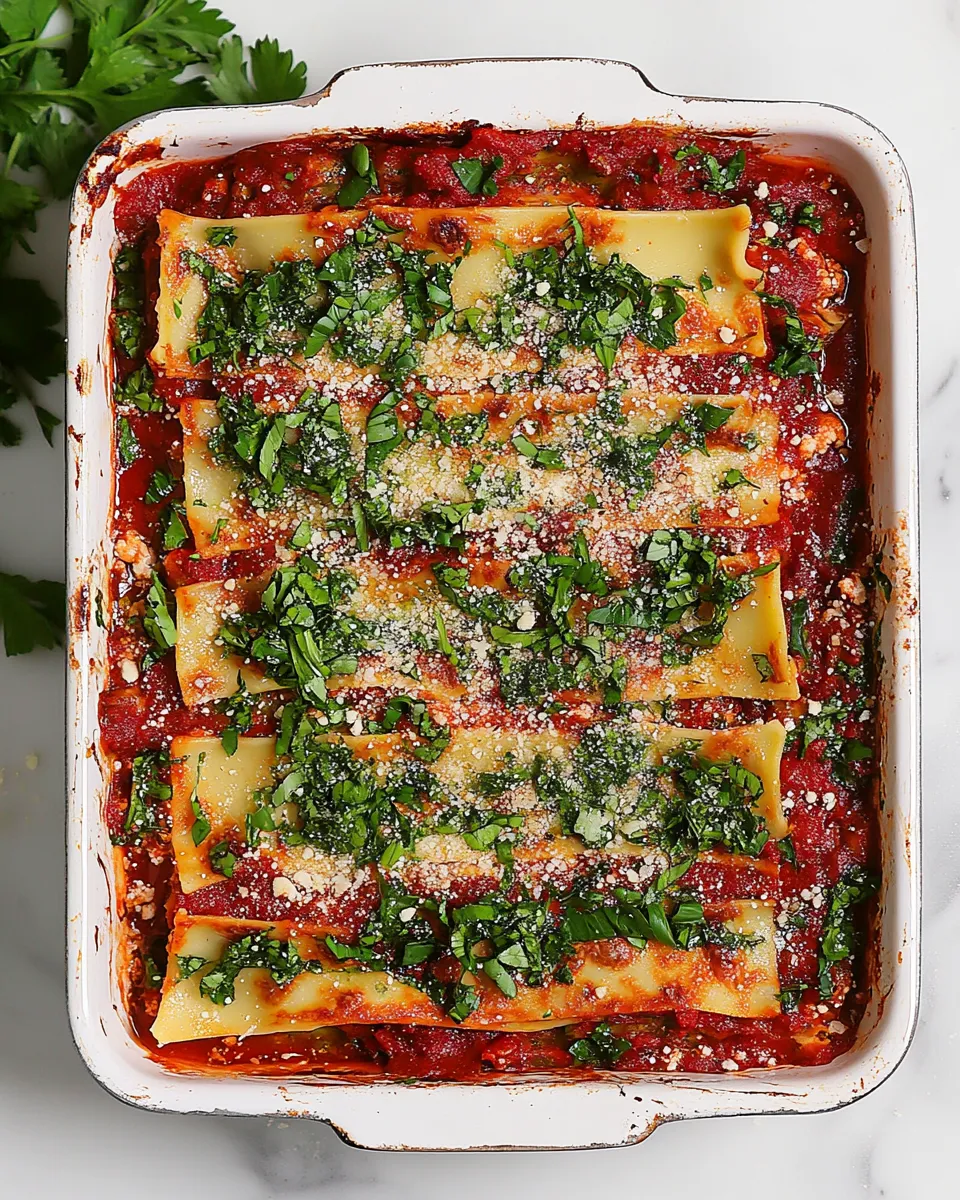
How To Layer Lasagna
Ingredients
Equipment
Method
- Preheat oven if your lasagna recipe requires baking; otherwise prepare a clean baking dish and lightly coat the bottom with a thin film of extra-virgin olive oil.
- Spread a thin, even layer of tomato sauce across the bottom of the baking dish to prevent sticking.
- Place a single layer of lasagna noodles over the sauce.
- Top the noodles with half of the ricotta cheese (seasoned with salt and pepper), then add half of your chosen fillings, and spoon more tomato sauce over the layer.
- Repeat: add another layer of noodles, the remaining ricotta, the remaining fillings, and more sauce.
- Finish with a final layer of noodles, spread the remaining tomato sauce evenly on top, and sprinkle with the shredded mozzarella and Parmesan.
- Bake or cook according to your lasagna recipe's instructions until heated through and cheese is melted and bubbly.
Notes
- Use no-boil noodles or pre-cook noodles according to package directions.
- Season ricotta with salt and pepper to taste before layering.
- Distribute fillings evenly to ensure uniform layers.
- Use enough sauce to moisten noodles but avoid making layers soupy.