How to Make Homemade Ravioli: Step-by-Step Tutorial
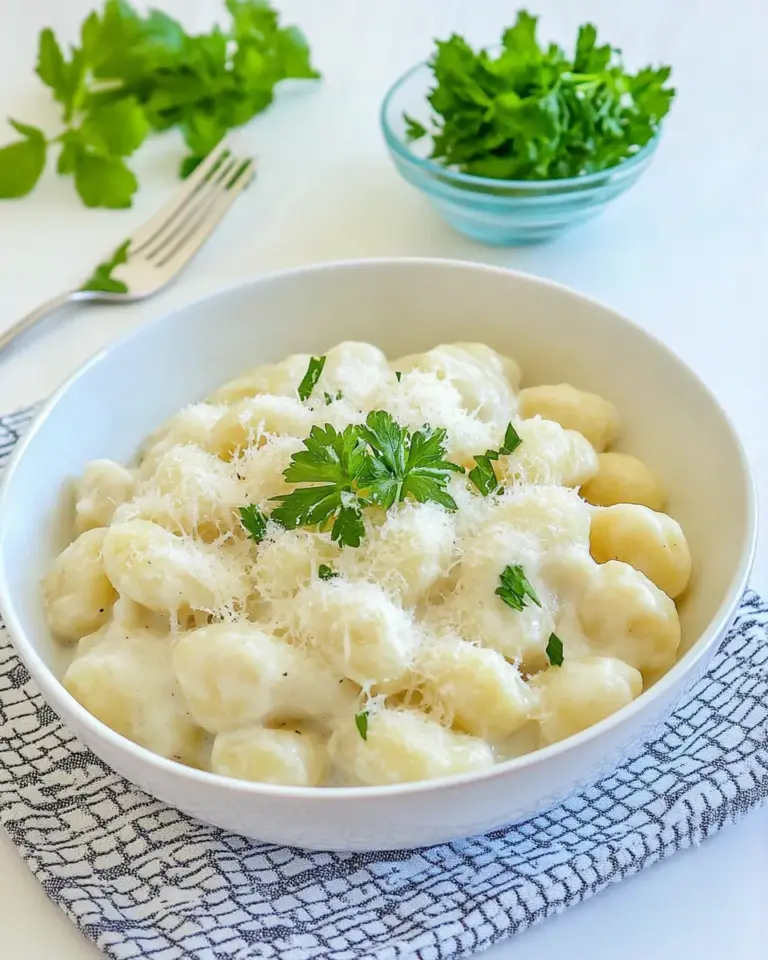
There’s something deeply satisfying about making pasta from scratch. The way simple ingredients come together — flour, eggs, a pinch of salt — to form delicate pockets that cradle a creamy ricotta filling feels like a small culinary victory. In this tutorial, I’ll walk you through how to make homemade ravioli from start to finish, including a silky Parmigiano cream sauce that elevates every bite. This recipe uses everyday pantry ingredients and an approachable technique, so whether you’re a total beginner or a seasoned home cook, you’ll end up with beautiful, tender ravioli that taste like they belong at a cozy neighborhood trattoria.
Why make ravioli at home?
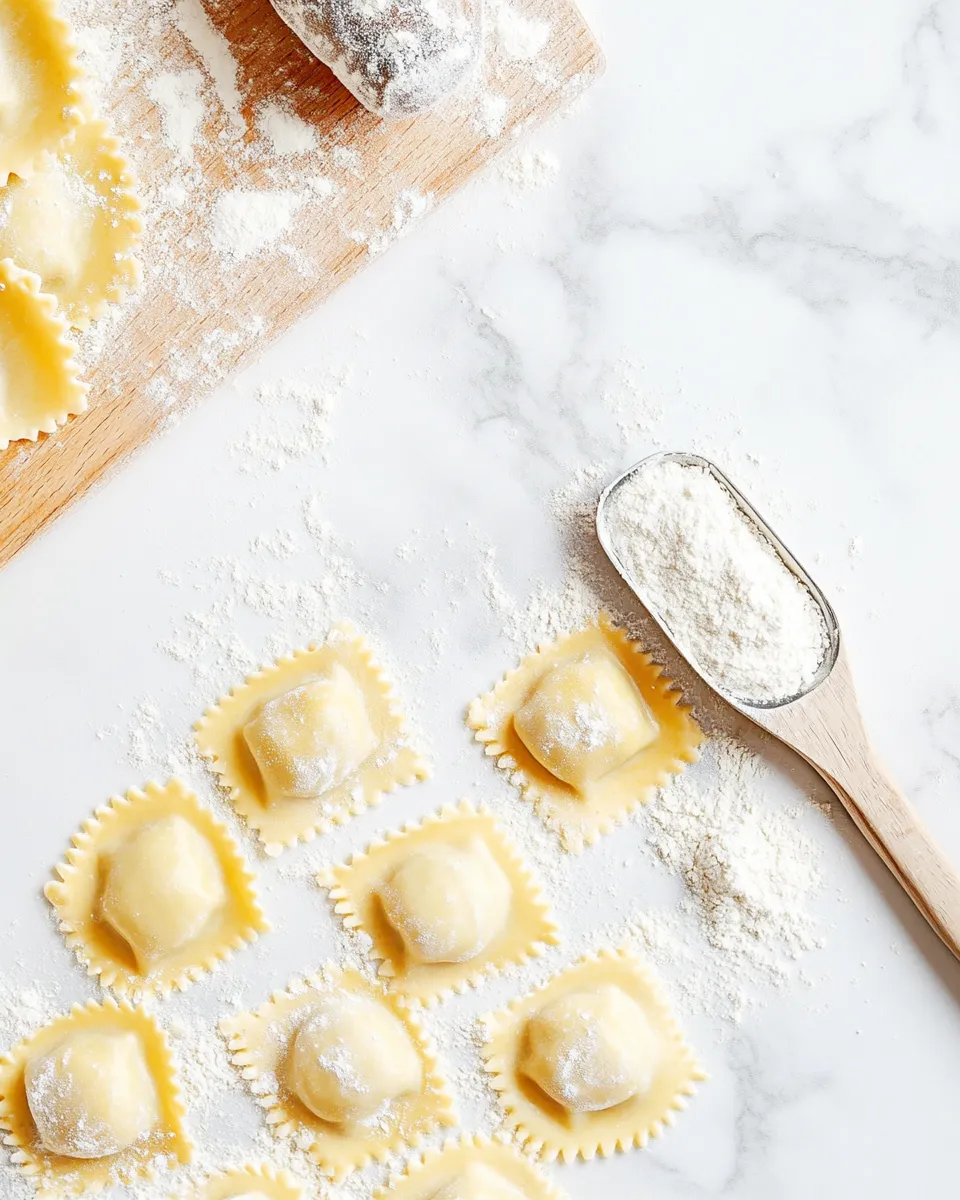
Homemade ravioli have a texture and freshness that can’t be replicated by store-bought versions. You control the filling, seasoning, and thickness of the pasta. Plus, the process is meditative: you mix, knead, roll, and fill — every step builds anticipation. This recipe is intentionally straightforward, relying on just a few ingredients: 2 cups all purpose flour, 3 eggs, 1/2 tsp salt, and 1/2 tsp extra virgin olive oil for the pasta dough; and a simple ricotta-Parmigiano filling with fresh basil. A quick butter-and-cream sauce dresses the finished ravioli without stealing the spotlight.
Ingredients
- 2 cups all purpose flour
- 3 eggs
- 1/2 tsp salt
- 1/2 tsp extra virgin olive oil
- 1 cup ricotta cheese
- 1/8 lb Parmigiano Reggiano cheese, finely grated
- 1 egg
- 2 tbsp fresh basil, chopped
- salt to taste
- black pepper to taste
- 2 tbsp butter
- 1/4 cup heavy cream
- 1/2 clove garlic, finely minced with microplane
- 1/2 cup pasta water, reserved from boiling ravioli (may not use all of it, use your judgment)
- 3/4 cup Parmigiano Reggiano cheese, finely grated
- fresh basil chiffonade, for garnish (optional)
Equipment
- Large work surface or mixing bowl
- Pasta roller or rolling pin
- Knife or ravioli cutter
- Mixing bowls and spatula
- Large pot for boiling
- Slotted spoon or spider
- Microplane or fine grater for cheese
Before you begin
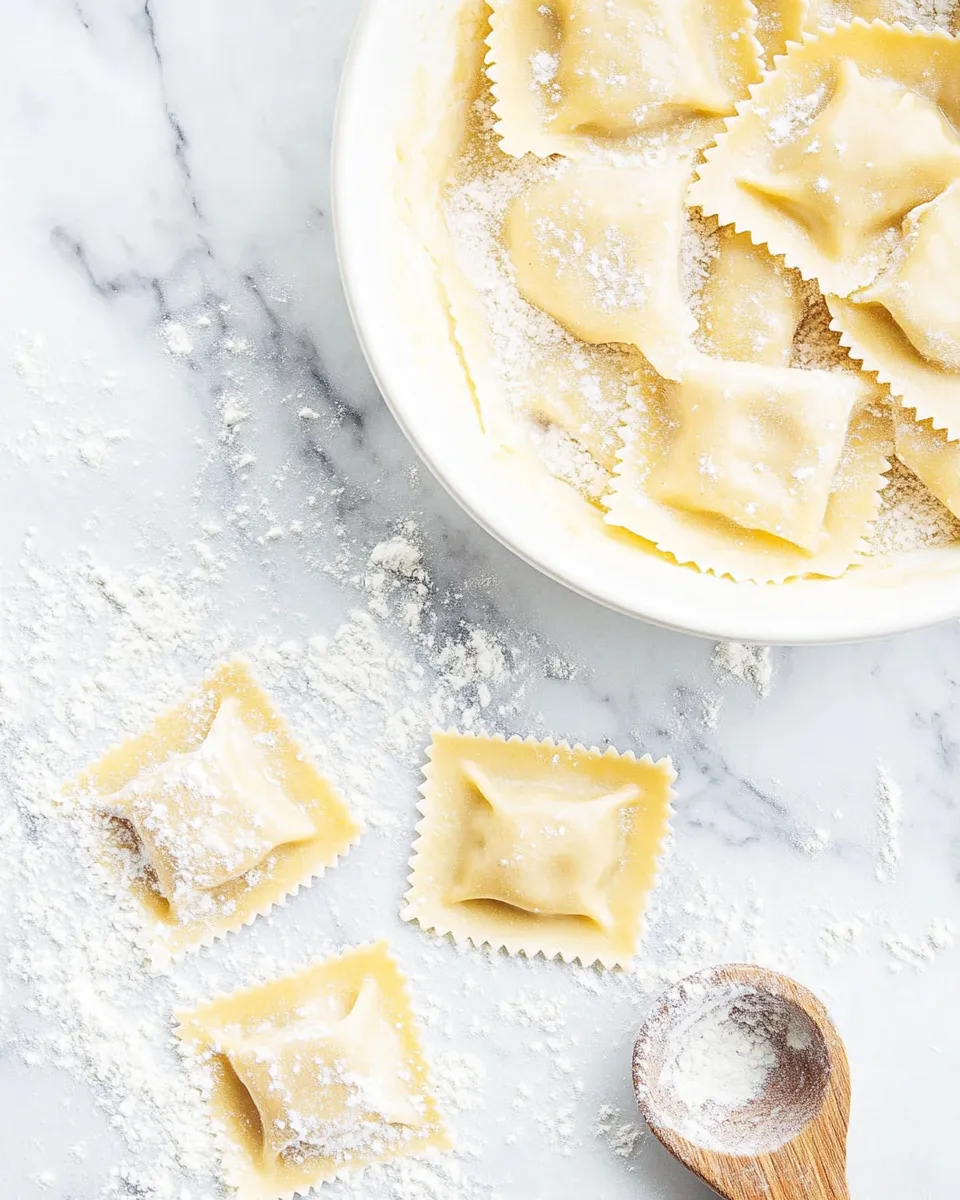
Bring a large pot of salted water to a gentle boil before you assemble the ravioli, so it’s ready when your filled pasta is finished. Keep a bowl of flour nearby for dusting, and have a clean kitchen towel to cover shaped ravioli while you work. Work on a cool, dry surface and keep the dough from drying out by covering it between steps.
Step-by-step dough and filling
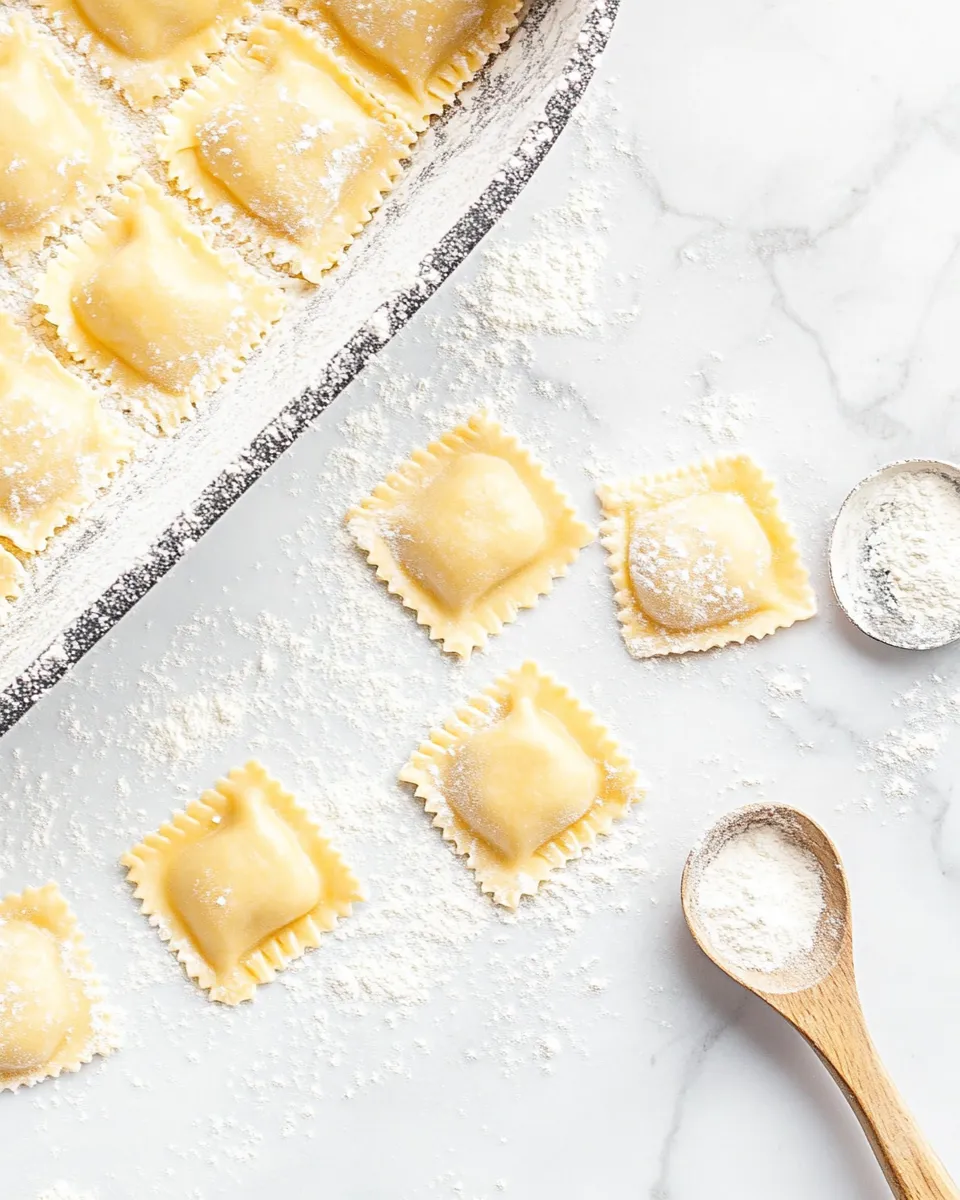
Follow these steps in order to make the pasta dough, prepare the filling, shape the ravioli, and finish with the sauce.
1. Make the pasta dough
- On a clean work surface, mound the 2 cups all purpose flour and make a large well in the center.
- Crack the 3 eggs into the well. Add 1/2 tsp salt and 1/2 tsp extra virgin olive oil to the eggs.
- Using a fork, gently whisk the eggs and slowly incorporate a little flour from the inside edges of the well. Continue gradually drawing in more flour until a shaggy dough forms.
- When the dough starts to come together, use your hands to knead it on the work surface for about 8–10 minutes until it becomes smooth and elastic. If the dough is sticky, sprinkle a little more flour; if it’s too dry, wet your fingertips and continue kneading.
- Form the dough into a ball, wrap it in plastic wrap, and let it rest at room temperature for at least 30 minutes. Resting relaxes the gluten and makes the dough easier to roll thin.
2. Prepare the ricotta filling
- In a mixing bowl, combine 1 cup ricotta cheese with 1/8 lb Parmigiano Reggiano cheese, finely grated.
- Add the 1 egg and 2 tbsp fresh basil, chopped.
- Season with salt to taste and black pepper to taste. Stir until the mixture is uniform and creamy. Taste a small amount and adjust seasoning if needed. Cover and refrigerate until ready to fill the pasta.
3. Roll and shape the pasta sheets
- Divide the rested dough into 2 or 3 pieces to make it easier to handle. Keep the pieces you aren’t working with covered so they don’t dry out.
- Flatten one piece with your hands or a rolling pin, then pass it through a pasta roller on the widest setting. Fold briefly and roll again a couple of times to develop smoothness.
- Gradually reduce the roller setting and pass the dough until you reach a thin but not translucent sheet (about setting 5–7 on typical manual rollers, or roughly 1–2 mm thick if rolling by hand). Repeat with remaining pieces.
- Lightly dust both sides of the pasta sheets with flour to prevent sticking. Lay the sheets flat on a floured surface or on a clean towel while you prepare to fill them.
4. Fill and seal the ravioli
- Place one pasta sheet on your work surface. Spoon small mounds (about 1 teaspoon to 1 tablespoon each, depending on desired size) of the ricotta filling onto the sheet, spacing them about 1 1/2–2 inches apart.
- Brush a little water or lightly beaten egg along the pasta around the filling mounds to help seal.
- Carefully place a second pasta sheet over the top. Press gently around each mound to remove air and seal the edges. Use your fingers to press the dough between mounds and around the outer edges to ensure good adhesion.
- Cut the individual ravioli with a knife, pastry wheel, or ravioli cutter, making sure each piece is well sealed. Press the edges with a fork if you like a decorative seal.
- Place the shaped ravioli on a lightly floured tray or towel, cover with a clean cloth, and keep them from touching each other while you work through the remaining sheets.
5. Cook the ravioli
- Bring the large pot of salted water to a gentle boil. Reduce to a simmer so the ravioli cook gently without being battered by rolling water.
- Gently slide a few ravioli into the simmering water, taking care not to overcrowd the pot. Cook for about 3–4 minutes, or until they float to the surface and the pasta feels tender but still slightly firm to the bite (al dente).
- Use a slotted spoon or spider to lift the ravioli out, and reserve 1/2 cup of the pasta water in case you need it for the sauce. Transfer the cooked ravioli to a warm serving dish or skillet with the sauce described below.
Sauce: Parmigiano cream with garlic and basil
This sauce is quick and luxurious, designed to complement the ricotta stuffing without overpowering it.
6. Make the sauce
- In a medium skillet over low-medium heat, melt 2 tbsp butter. Add 1/2 clove garlic, finely minced with a microplane, and cook just until fragrant, about 20–30 seconds. Do not brown the garlic.
- Pour in 1/4 cup heavy cream and gently warm until the mixture is just simmering. Stir to combine the butter and cream into a smooth sauce.
- Add 3/4 cup Parmigiano Reggiano cheese, finely grated, and stir until the cheese melts into the sauce and it becomes silky. If the sauce seems too thick, add a splash of the reserved pasta water (up to 1/2 cup available) one tablespoon at a time until you reach a saucy, coat-the-back-of-a-spoon consistency. Use your judgment and stop when the sauce clings nicely to the ravioli.
- Taste and adjust seasoning with salt to taste and black pepper to taste. Stir in any additional fresh basil if desired.
7. Combine ravioli and sauce
- Add the cooked ravioli to the skillet with the warm Parmigiano cream sauce. Gently toss or swirl the ravioli in the sauce so each piece is coated, being careful not to break them.
- If needed, add another splash of reserved pasta water to loosen the sauce and help it adhere to the pasta.
- Warm everything together for a minute so flavors marry, then remove from heat.
To serve
Serve the ravioli immediately on warm plates. Finish with an extra sprinkle of finely grated Parmigiano Reggiano (if desired), a small chiffonade of fresh basil for color and brightness, and a light grind of black pepper. These ravioli pair beautifully with a simple green salad and a crisp white wine or sparkling water with lemon.
Troubleshooting and tips
- If the dough tears while rolling, let it rest longer and then roll again — the gluten needs time to relax.
- Keep the filling chilled until just before filling to make it easier to portion and prevent it from softening too much.
- Don’t overfill the ravioli. Too much filling makes sealing difficult and increases the risk of bursting during cooking.
- Reserve the pasta water — it’s a secret weapon for adjusting sauce texture and helping the sauce cling to the pasta.
- If you’re short on time, you can roll the dough with a rolling pin, but try to keep the sheets as even as possible so the ravioli cook uniformly.
Make-ahead and storage
You can shape the ravioli and place them on a floured tray, then freeze them in a single layer until firm. Transfer frozen ravioli to a sealed container and cook from frozen, adding an extra 1–2 minutes to the boiling time. Leftover cooked ravioli keep for 2–3 days refrigerated; store with sauce on the side and reheat gently in a skillet with a splash of water or cream.
Final thoughts
Making your own pasta is one of the most rewarding projects you can do in the kitchen. With just 2 cups all purpose flour, 3 eggs, and a handful of pantry staples, you can create delicate ravioli filled with creamy ricotta and nutty Parmigiano, finished with a lush butter-and-cream sauce. The process takes patience, not perfection — and the result is comfort on a plate. Ready your rolling pin, call a friend or loved one to help press the edges, and enjoy the delicious payoff.
How to Make Homemade Ravioli: Step-by-Step Tutorial
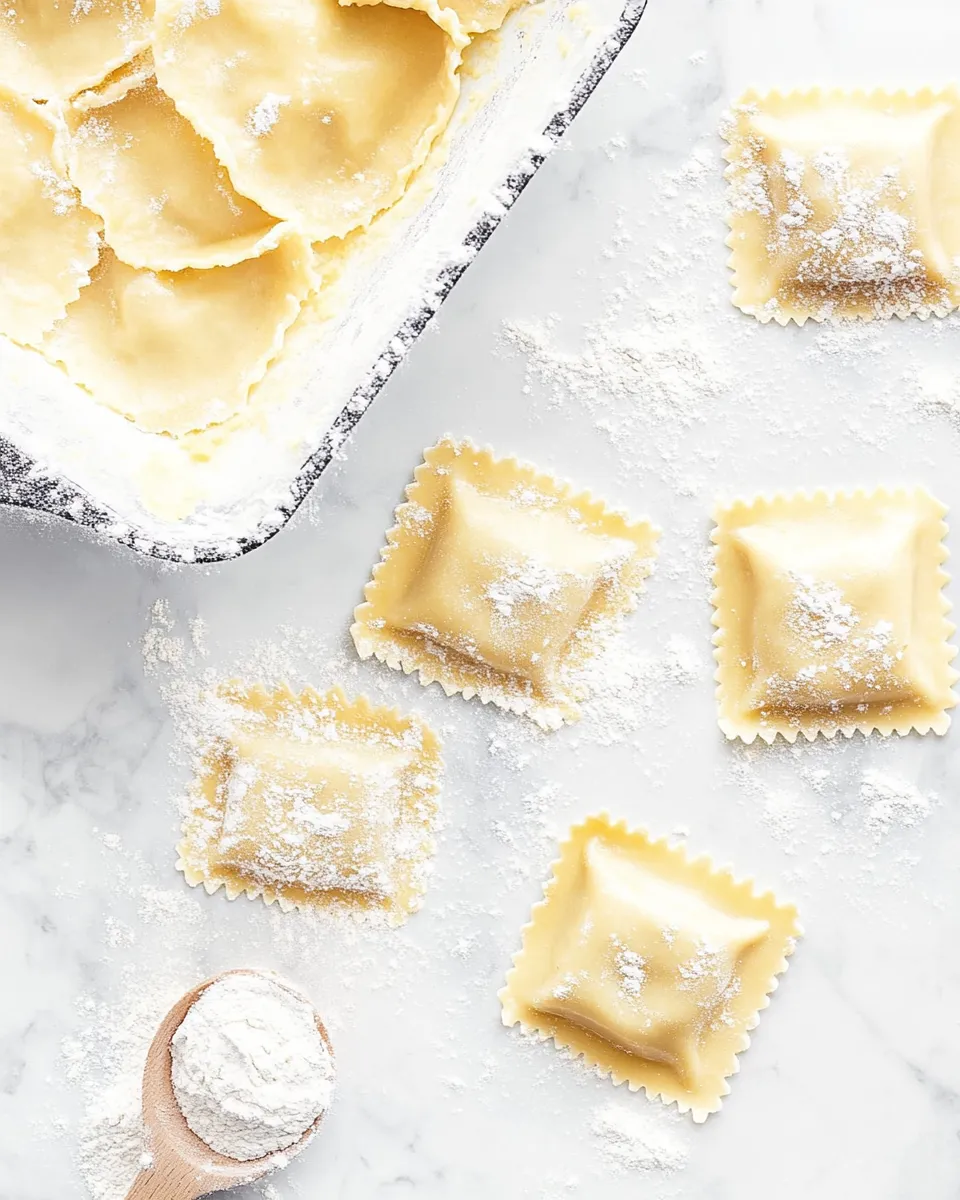
How to Make Homemade Ravioli: Step-by-Step Tutorial
Ingredients
Equipment
Method
- On a clean work surface mound the flour and create a large well in the center using a fork.
- Crack the 3 eggs into the well, add 1/2 tsp salt and 1/2 tsp olive oil, then beat with a fork while gradually incorporating flour from the sides until a dough begins to form.
- Use your hands or a bench scraper to bring the dough together; adjust with a little more flour if sticky or a splash of water if too dry.
- Knead the dough for 8–10 minutes until smooth and elastic, wrap in plastic wrap, and let rest about 20 minutes.
- While the dough rests, make the filling: in a bowl combine 1 cup ricotta, 1/8 lb finely grated Parmigiano Reggiano, 1 egg, 2 tbsp chopped basil, and salt and pepper to taste; stir until smooth and set aside.
- Flour a baking sheet and set aside. Unwrap the dough and divide into four sections, keeping unused sections wrapped so they don't dry out.
- Roll one section of dough on a floured surface with a floured rolling pin, working from the center to the edges until it is very thin and long, rotating to prevent sticking.
- Place small mounds of filling (about 1 teaspoon each) on the rolled dough spaced about 1½–2 inches apart, taking care not to overfill.
- Fold the dough over the filling, press around each mound to remove air, then use a floured ravioli stamp or cutter to cut out ravioli; transfer to the floured baking sheet.
- Gather leftover dough scraps into a ball, wrap and let rest, then continue rolling, filling, and cutting until all ravioli are made.
- To freeze, place trays of ravioli in the freezer for 24 hours, then transfer to freezer bags (optional step).
- Bring a large pot of salted water to a boil, add ravioli and stir gently; they are done once they float to the top.
- Reserve about 1/2 cup pasta water, then drain the ravioli and return them to the hot pot off the heat.
- In a small saucepan melt 2 tbsp butter, grate or add 1/2 clove minced garlic, then stir in 1/4 cup heavy cream and 3/4 cup finely grated Parmigiano Reggiano; season with salt and pepper.
- Cook the sauce 1–2 minutes until it thickens slightly, adding reserved pasta water as needed to reach desired consistency, then toss with the ravioli and serve garnished with chiffonaded basil if desired.
Notes
- Use a microplane to finely mince the garlic for a smoother sauce.
- Work with one dough section at a time to keep the others from drying out.
- Do not overfill ravioli to prevent leaking during cooking.
- Reserve pasta water to adjust sauce consistency as needed.