How to Make Lemongrass Chicken (Vietnamese Recipe)
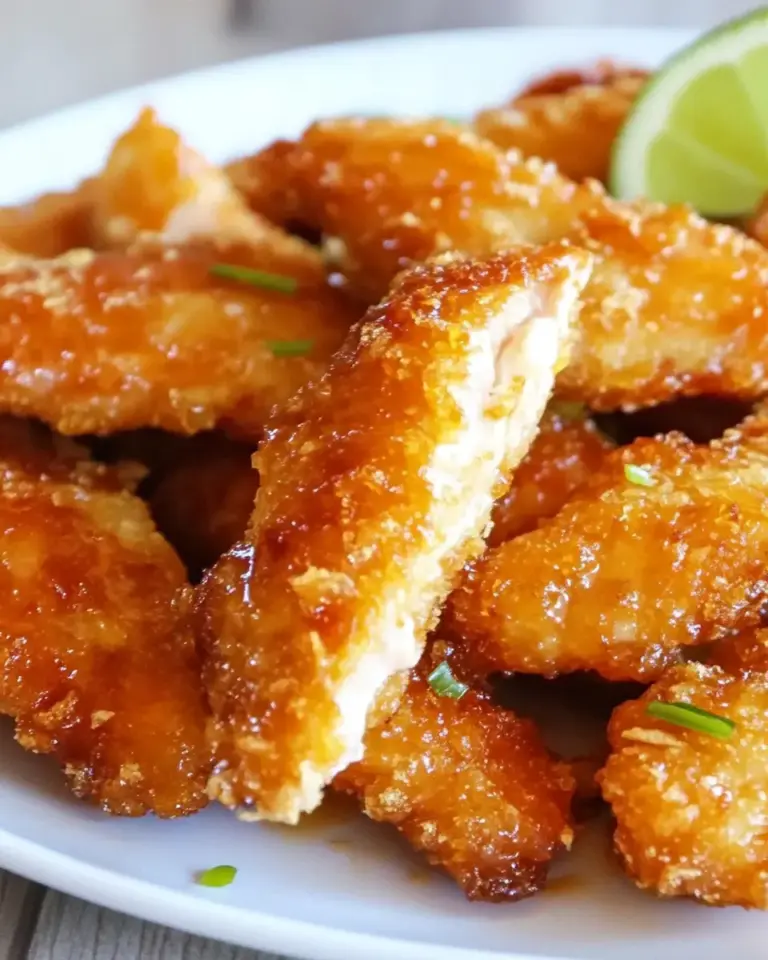
This is my favorite weeknight recipe for a fragrant, bright, and deeply savory lemongrass chicken that tastes like it belongs at a neighborhood Vietnamese café. The marinade is bold but balanced: citrusy lime, salty fish sauce, warm brown sugar, and the unmistakable, fragrant bite of fresh lemongrass and ginger. You’ll end up with tender, juicy chicken thighs that get a beautiful char when seared. Below I walk you through everything from prepping the lemongrass to pan-searing the chicken, plus tips to keep everything simple and delicious.
Why you’ll love this recipe
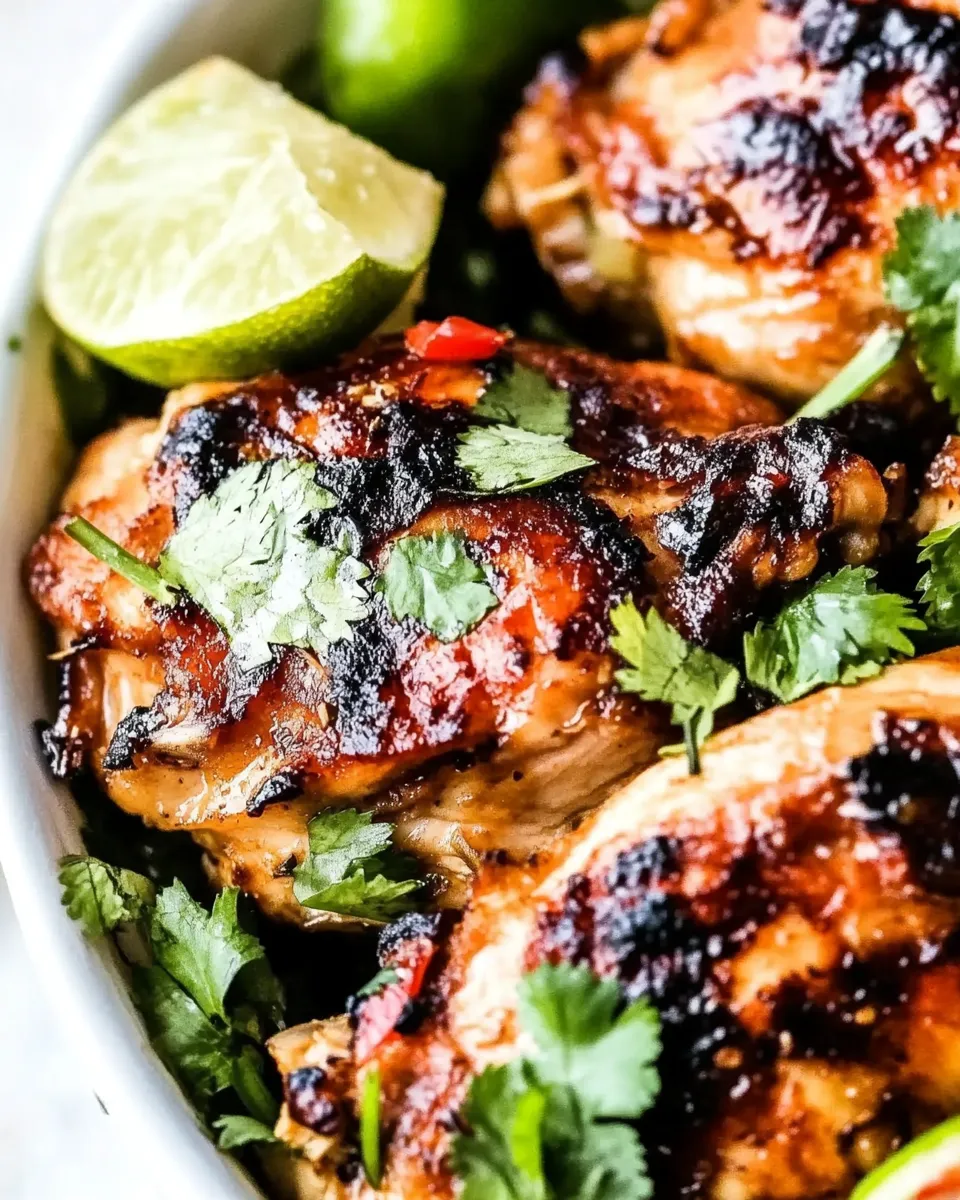
This version is built around bone-free, skinless chicken thighs pounded to an even thickness so they cook quickly and stay juicy. With straightforward pantry ingredients and a short marinating time, it’s perfect for a flavorful dinner without fuss. The aromatic combination of minced shallots, lemongrass, garlic, and ginger gives each bite a vibrant, layered flavor that’s both comforting and exciting.
Ingredients
- 2–2 1/2 pounds boneless skinless chicken thighs pounded to an even thickness
- 1 tablespoon olive oil
- 1/4 cup minced shallots
- 3 tablespoons chopped lemongrass from white inner part of 2 stalks (see note)
- 3 tablespoons fish sauce
- 2 tablespoons less sodium soy sauce
- 2 tablespoons lime juice
- 2 tablespoons brown sugar
- 1 tablespoon Thai red curry paste
- 1 tablespoon Asian sweet chili sauce (optional)
- 1 tablespoon olive oil
- 3 garlic cloves, minced
- 2 teaspoons freshly grated ginger
- 1–3 teaspoons red chili paste like Sambal Oelek
- 1 teaspoon dried basil
Note on the lemongrass
Use the tender white inner parts of two stalks. Remove the tough outer layers, trim the base and the dark green tips, and finely chop the white portion. If you can’t find fresh lemongrass, use 1 tablespoon lemongrass paste as a substitute, but fresh is best for bright citrusy flavor.
Make ahead and storage tips
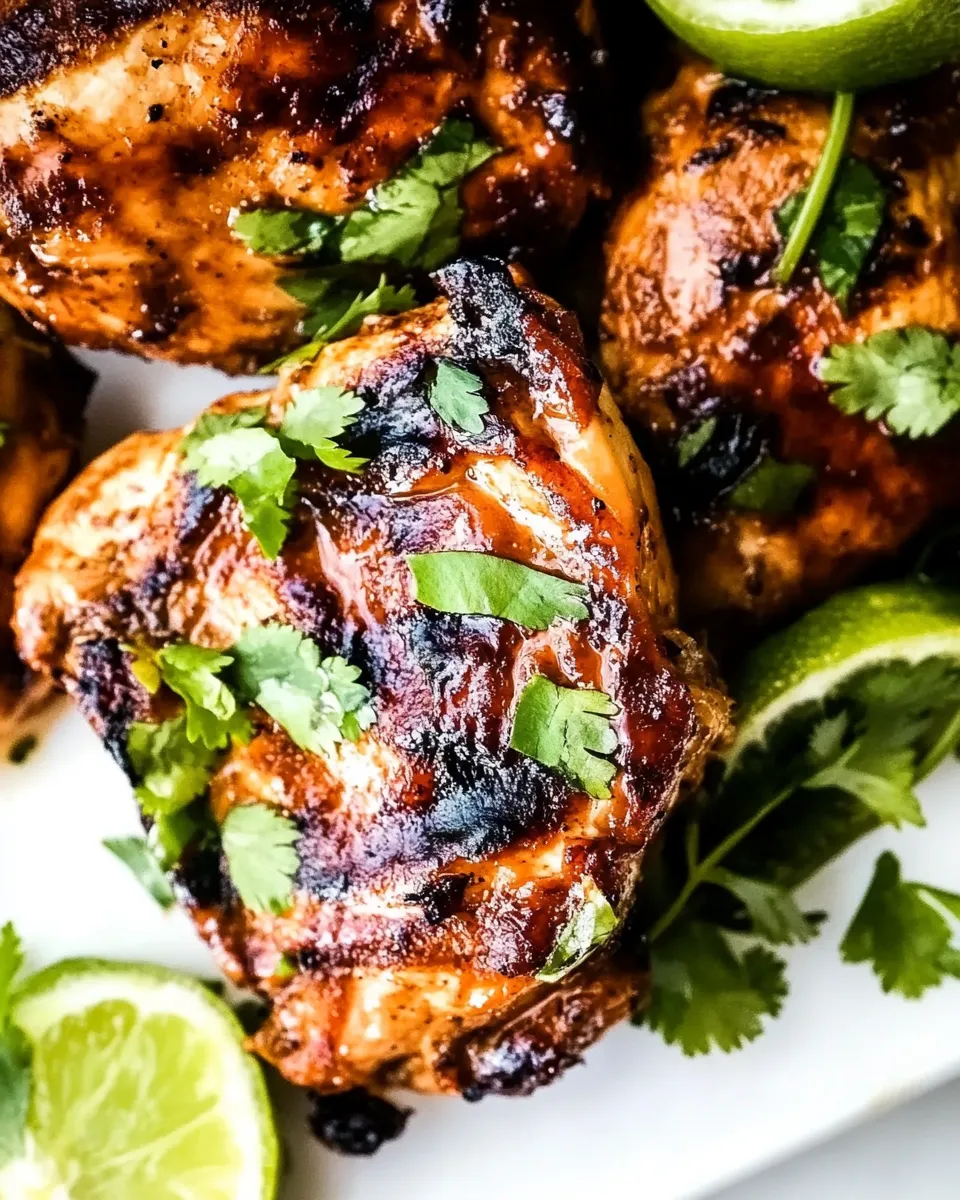
Marinate the chicken for at least 30 minutes and up to 4 hours for best flavor. Cooked chicken keeps in the refrigerator for up to 3 days and reheats well in a hot skillet or under the broiler for a minute or two to revive the char.
Step-by-step directions
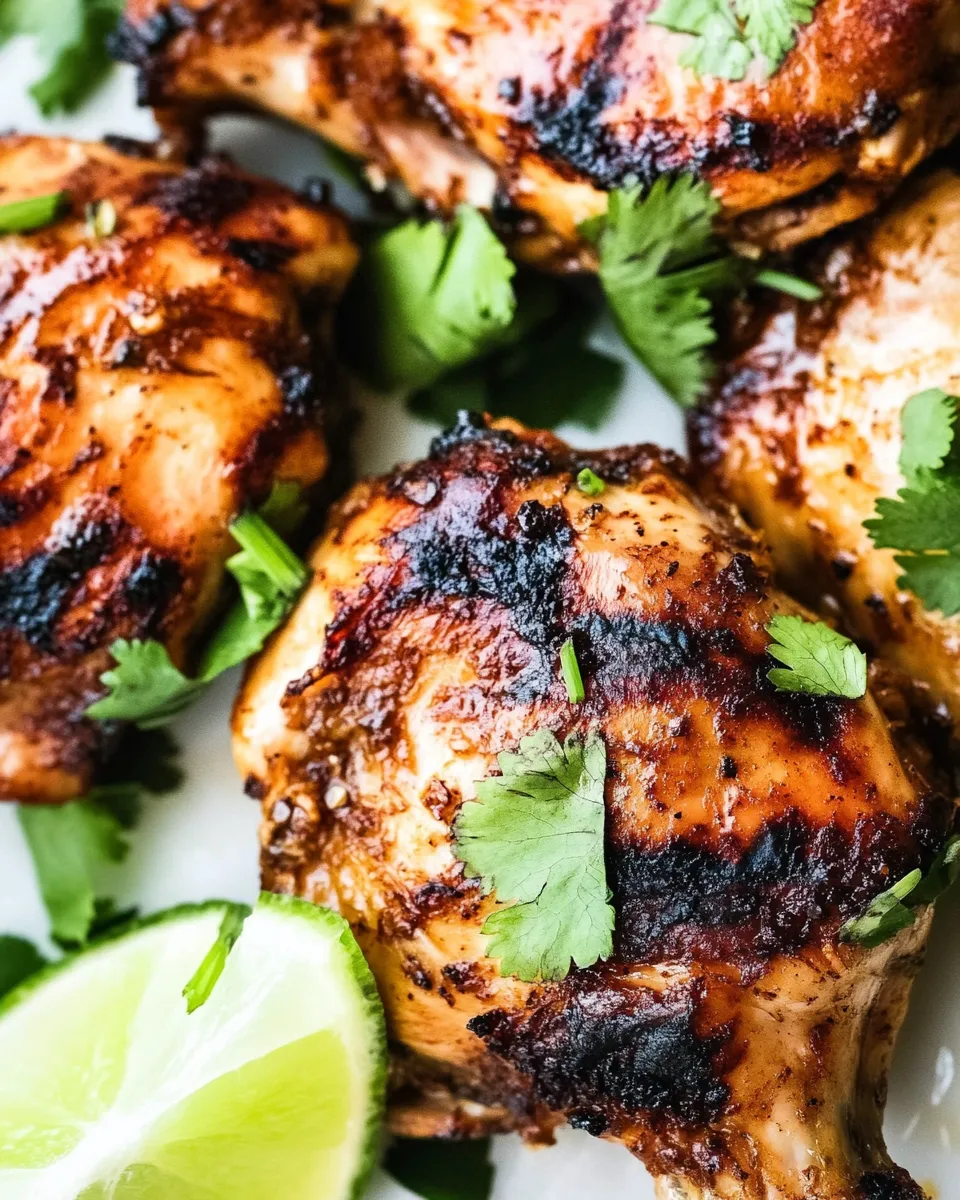
The directions below follow the ingredient list exactly and are rewritten into clear, step-by-step instructions so you can follow each part easily.
- Prepare the chicken: Pat the 2–2 1/2 pounds boneless skinless chicken thighs dry with paper towels. Use a meat mallet or rolling pin to pound each thigh to an even thickness so they cook uniformly.
- Create the aromatics: In a medium bowl, combine 1/4 cup minced shallots, 3 tablespoons chopped lemongrass from the white inner part of 2 stalks, 3 garlic cloves minced, and 2 teaspoons freshly grated ginger. Stir to mix evenly.
- Make the marinade: To the aromatic mixture, add 3 tablespoons fish sauce, 2 tablespoons less sodium soy sauce, 2 tablespoons lime juice, 2 tablespoons brown sugar, 1 tablespoon Thai red curry paste, and 1 tablespoon Asian sweet chili sauce (if using). Add 1–3 teaspoons red chili paste like Sambal Oelek depending on desired heat, and 1 teaspoon dried basil. Add 1 tablespoon olive oil to help emulsify the marinade. Stir thoroughly until the brown sugar is dissolved and the ingredients form a cohesive mixture.
- Marinate the chicken: Place the pounded chicken thighs in a shallow dish or a resealable bag. Pour the marinade over the chicken, making sure each piece is well coated. Press out excess air and seal the bag, or cover the dish tightly. Refrigerate and marinate for at least 30 minutes and up to 4 hours. Turn the chicken once during marinating to redistribute the marinade.
- Heat the pan: About 10 minutes before cooking, remove the chicken from the refrigerator so it can come closer to room temperature. Heat a large skillet or nonstick pan over medium-high heat. Add 1 tablespoon olive oil to the hot pan and swirl to coat.
- Sear the chicken: Remove the chicken thighs from the marinade, letting excess drip off back into the bowl. Reserve the remaining marinade. Place the thighs in a single layer in the hot skillet without overcrowding—work in batches if necessary. Sear the chicken for about 4–5 minutes per side, or until a deep golden-brown crust forms and the internal temperature reaches 165°F (74°C).
- Finish and glaze (optional): If you want a slightly saucier finish, lower the heat to medium-low after searing both sides. Pour the reserved marinade into the skillet and simmer for 1–2 minutes, stirring to cook out raw juices. Spoon the reduced marinade over the chicken, turning once to coat and glaze. Continue cooking an additional 1–2 minutes, just until the sauce has thickened slightly and the chicken is fully cooked through.
- Rest and serve: Transfer the chicken to a cutting board and let it rest 5 minutes before slicing. Resting keeps the juices locked in. Slice the thighs against the grain and arrange on a platter. Garnish with thinly sliced green onions, extra lime wedges, or a sprinkle of chopped cilantro if desired. Serve with steamed rice, rice noodles, or a light salad.
Troubleshooting and tips
- If the chicken browns too quickly before cooking through, lower the heat slightly and cover the pan for a minute or two to finish cooking without burning the exterior.
- For more charred flavor, finish the seared thighs under a hot broiler for 1–2 minutes per side, watching closely to prevent burning.
- Adjust the heat level by increasing or decreasing the Sambal Oelek. Start with 1 teaspoon if you prefer mild spice.
- Don’t skip pounding the thighs to an even thickness; it’s the key to even cooking and tender, juicy results.
Serving suggestions
This lemongrass chicken pairs beautifully with plain steamed jasmine rice or a bowl of rice noodles tossed with a light dressing. Serve alongside pickled vegetables for a bright contrast, or tuck the sliced chicken into warm tortillas or baguette for a tasty sandwich. Add a crisp cucumber salad with rice vinegar and a dash of sugar for a cooling side.
Final thoughts
How to Make Lemongrass Chicken (Vietnamese Recipe) is an excellent choice when you want a fast, aromatic, and deeply satisfying meal. The combination of lemongrass, lime, garlic, and ginger creates a layered taste profile that’s both familiar and unique. Follow the steps above to get perfectly cooked thighs with a bold, café-style flavor that’s simple enough for weeknights and impressive enough for guests.
Enjoy the bright, fragrant result, and don’t forget to taste the marinade before and after cooking to get comfortable balancing salty, sweet, and sour notes for your preferred flavor profile.
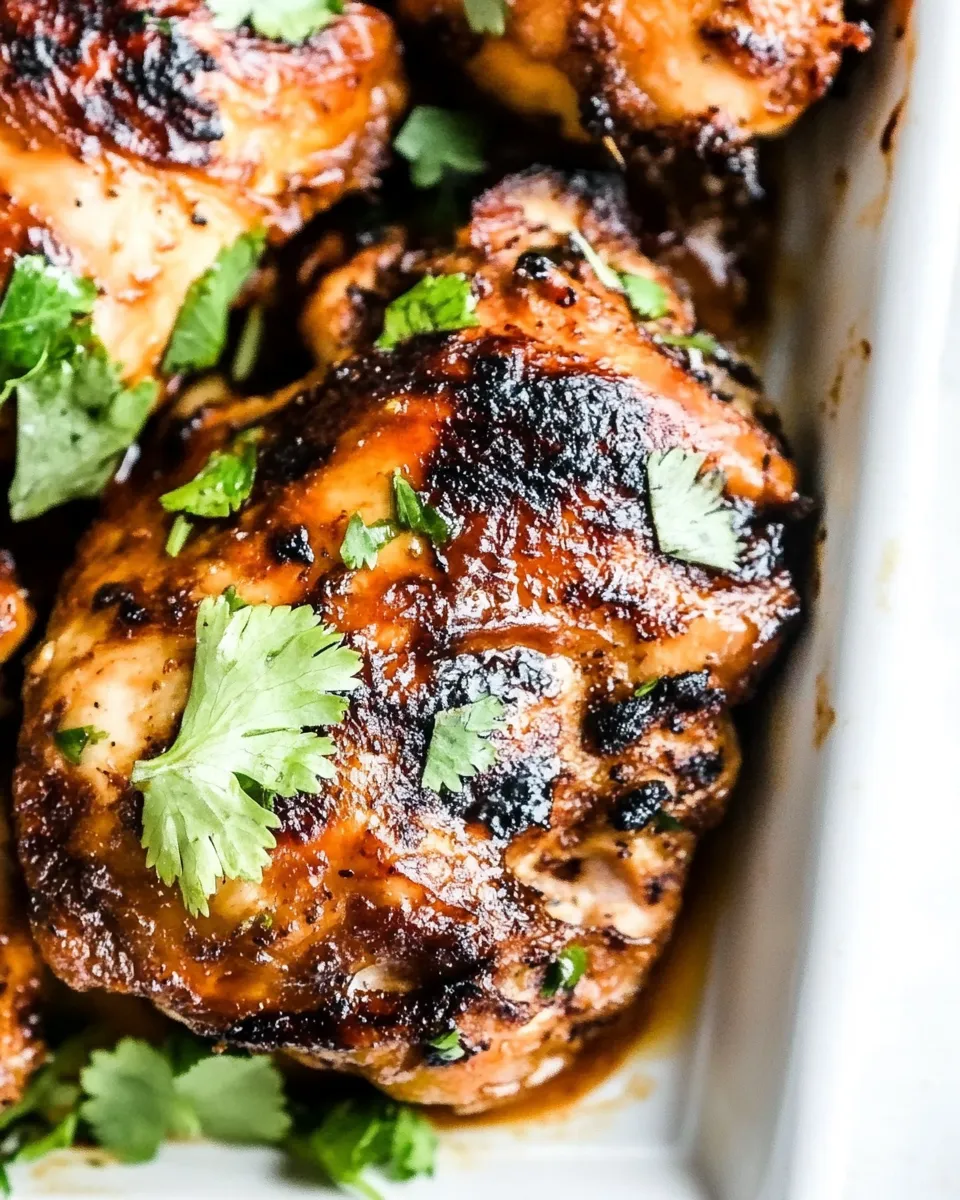
How to Make Lemongrass Chicken (Vietnamese Recipe)
Ingredients
Equipment
Method
- In a large bowl or resealable plastic bag, whisk together the shallots, lemongrass, fish sauce, soy sauce, lime juice, brown sugar, Thai red curry paste, sweet chili sauce (if using), 1 tablespoon olive oil, minced garlic, grated ginger, red chili paste, and dried basil until smooth.
- Add the pounded chicken thighs to the marinade and turn to coat evenly. Reserve 3 tablespoons of the marinade if using for noodle bowls.
- Marinate the chicken for 30 minutes at room temperature or up to 24 hours in the refrigerator.
- If refrigerated, let the chicken sit at room temperature 15–30 minutes before cooking.
- To cook in a skillet: heat a large skillet over medium-high heat and work in batches if needed. Remove chicken from the marinade, letting excess drip off. Add chicken and cook undisturbed 3–4 minutes until browned, flip, cover, reduce heat to medium, and cook 3–5 more minutes until cooked through. Let rest 5 minutes before slicing.
- To grill: grease and preheat the grill to medium (375–450°F). Remove chicken from the marinade and let excess drip off. Grill undisturbed 5–7 minutes per side, or until an instant-read thermometer reads 165°F. Let rest 5 minutes before slicing.
Notes
- Lemongrass is sold in produce sections or specialty stores.
- Peel tough outer layers until the bottom third is pale and soft.
- Chop only the white bottom section—about two stalks yields ~3 tablespoons.
- Don’t chop lemongrass too fine so it can be brushed off after cooking.