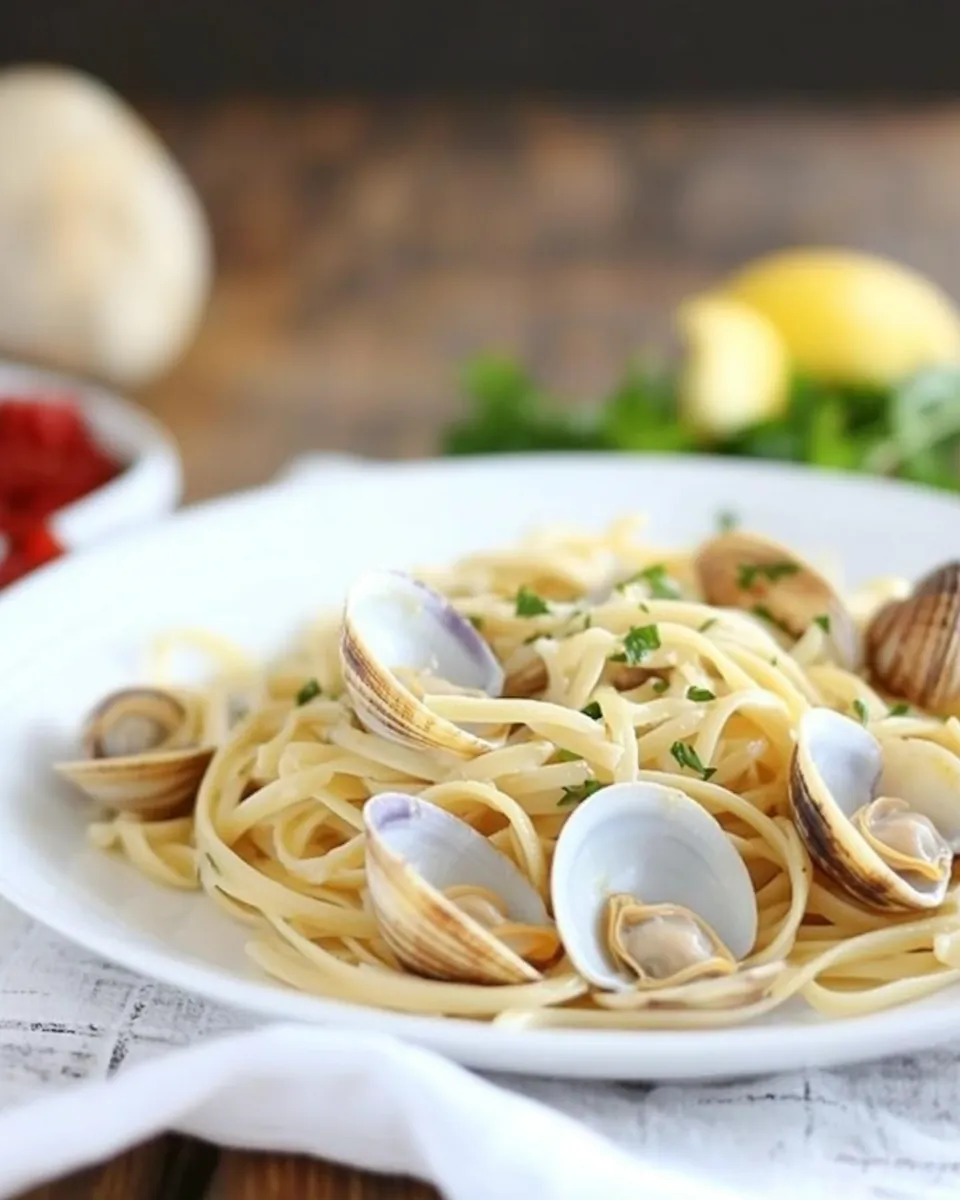
Linguine alle Vongole – Clam Linguine
I’ve always believed that the simplest pasta dishes tell the richest stories. A handful of quality ingredients, a pan that knows heat, and a few decisive moments in the kitchen yield something unexpectedly elegant. This Linguine alle Vongole – Clam Linguine is one of those plates: bright lemon, briny clams, garlic and chili for warmth, and a slick of extra-virgin olive oil to bring it all together. It’s a quick midweek supper that comes together in the time it takes the pasta to cook, and it’s the sort of thing you’ll want to make again and again.
This recipe uses 12oz linguine pasta and a modest lineup of ingredients so the clams shine. Read through the notes for tips on cleaning clams and timing, and follow the step-by-step directions to get the most out of the sauce. The result is a glossy, aromatic pasta with tender shellfish and real lemon brightness.
Why this version works
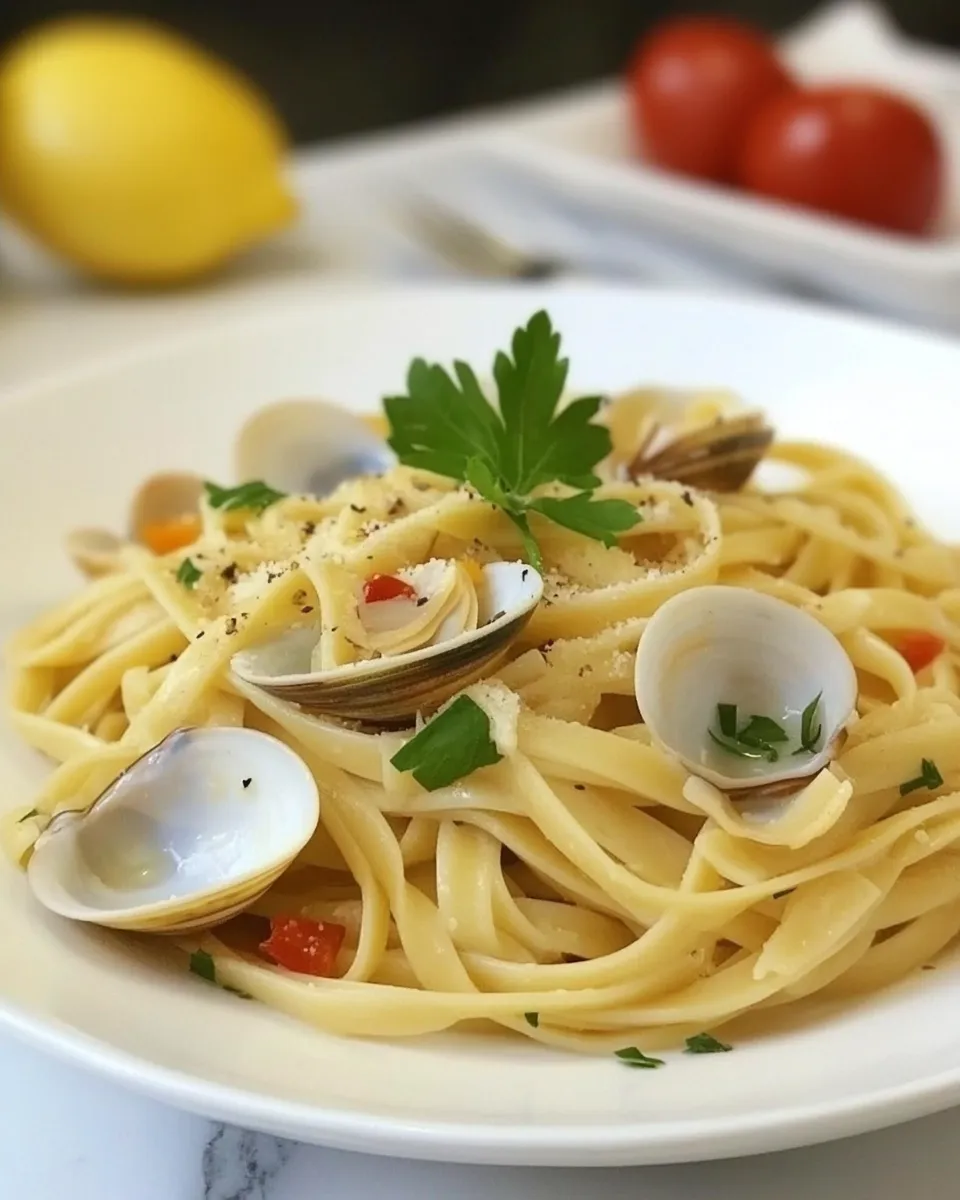
The beauty of this dish is restraint. With just 4 tablespoons extra-virgin olive oil, 1 clove garlic (optional), and ½ fresh red chili pepper (optional), you get an aromatic base that adds flavor without overwhelming the delicate clams. Cooking the clams just until they open produces firm, juicy meat, while a finishing touch of 1 tablespoon fresh lemon thyme leaves and/or chopped parsley plus the zest of 1 organic lemon brings a lively herbaceous and citrus note that keeps every bite balanced.
Ingredients
- 12oz linguine pasta
- 4 tablespoons extra-virgin olive oil
- 1 clove garlic, optional
- ½ fresh red chili pepper, deseeded and finely minced (optional)
- 2 lb fresh clams, cleaned, see notes
- 1 tablespoon fresh lemon thyme leaves and/or chopped parsley
- zest of 1 organic lemon
- Sea salt and black pepper to taste
Notes on the clams and prep
Fresh clams should be alive when you buy them: their shells are closed or they close when tapped. Cleaning is simple but important. Rinse the clams under cold running water, discard any with cracked shells or that do not respond to a tap, and soak them briefly in cold water to help purge sand. If you want an extra step, soak the clams in a bowl of cold water with a tablespoon of coarse salt for 20–30 minutes; the clams will filter and release grit. Drain and rinse once more before cooking.
If you prefer not to use garlic or chili, omit either or both—this dish is flexible. The listed amounts and ingredients are tuned to let the clams and lemon take center stage. Use the zest of an organic lemon for the most fragrant citrus lift.
Equipment
- Large pot for boiling pasta
- Large skillet with lid
- Tongs or a long fork for tossing pasta
- Colander
- Small bowl for herb mix (optional)
Step-by-step directions
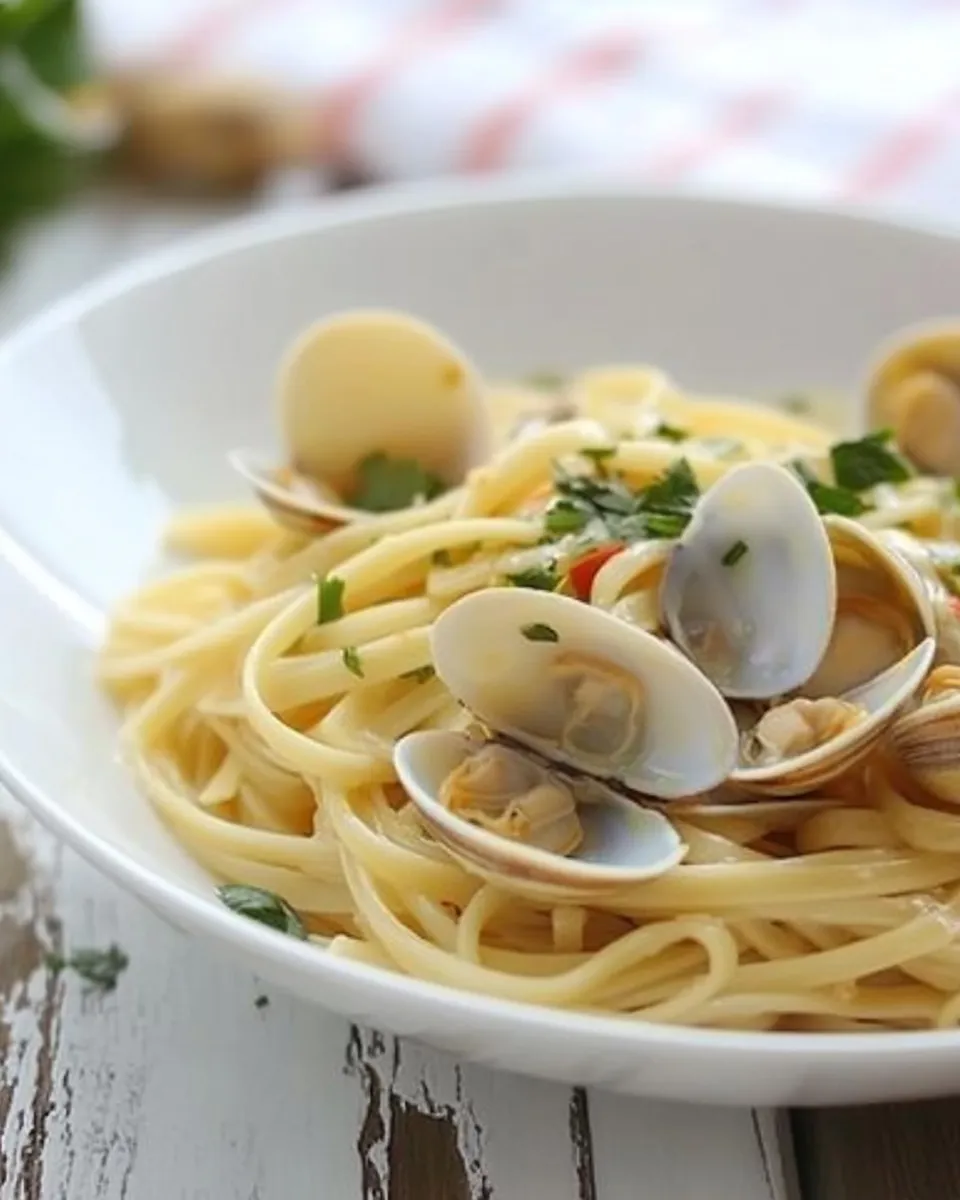
Follow these steps in order. The directions are rewritten for clarity while keeping the ingredient amounts and overall sequence from the source.
- Bring a large pot of salted water to a rolling boil. Add the 12oz linguine pasta and cook according to package instructions until al dente, remembering that the pasta will finish cooking briefly in the sauce. Reserve about 1 cup of the starchy pasta cooking water before draining.
- While the pasta cooks, prepare the clams and aromatics. If using the optional garlic, peel and lightly smash the 1 clove of garlic to release its flavor; you can slice it thinly or leave it lightly crushed depending on how much garlic presence you like. Deseed and finely mince the ½ fresh red chili pepper if using; keep it small so the heat is gentle and balanced.
- Heat a large skillet over medium heat and add 4 tablespoons extra-virgin olive oil. When the oil shimmers, add the garlic (if using) and the minced chili (if using). Sauté just until the garlic becomes fragrant and barely golden, about 30–45 seconds. Be careful not to brown the garlic—bitter bits will distract from the clean flavors of the dish.
- Add the 2 lb fresh clams to the skillet and increase the heat to medium-high. Pour in a small splash of the reserved pasta water (about ¼ cup) to create some steam in the pan; this helps the clams open and creates a light cooking liquid. Immediately cover the skillet with a lid to trap steam and cook the clams for about 4–6 minutes.
- Check the clams after 4 minutes. Discard any clams that have not opened after a total of 6–7 minutes of steaming. Most clams should open between 4 and 6 minutes; avoid overcooking to keep the clam meat tender. Give the skillet a quick shake halfway through to redistribute aromatics and heat.
- Once the clams are open, remove the lid and reduce the heat to medium. Using tongs or a slotted spoon, transfer the opened clams to a bowl and set aside, leaving the flavorful cooking liquid in the skillet. If there’s a significant amount of grit at the bottom, pour the liquid through a fine sieve into a bowl to separate any sediment, then return the liquid to the skillet.
- Add the drained linguine to the skillet with the reserved clam cooking liquid and the olive oil-aromatic base. Toss the pasta gently in the pan over medium heat so it picks up the flavors. If the mixture seems dry, add a few tablespoons of the reserved pasta water to loosen the sauce. Continue tossing until the linguine is coated and finishes cooking to perfect al dente texture, about 1–2 minutes.
- Return the clams (and any juices that collected in the bowl) to the skillet and toss gently to combine and warm them through for about 30–60 seconds. Avoid vigorous stirring so the clams remain intact. Stir in 1 tablespoon fresh lemon thyme leaves and/or chopped parsley plus the zest of 1 organic lemon. Taste and adjust seasoning with sea salt and black pepper to your preference.
- Remove from heat and divide the pasta among warmed bowls. Finish each bowl with an extra drizzle of extra-virgin olive oil if desired, and a final scatter of herb leaves or lemon zest for brightness. Serve immediately while the clams are warm and the sauce is glossy.
Troubleshooting & tips
- If any clams remain closed after cooking, discard them. A closed shell after steaming usually indicates the clam was not alive before cooking.
- Reserve a little extra pasta water before draining. That starchy liquid is the easiest way to get a silky sauce without adding butter or cream.
- Don’t overcook the clams or the pasta. Both should be tender, with the clams just opened and the linguine finishing al dente.
- Use a bright, fragrant extra-virgin olive oil for the finishing drizzle; it makes a noticeable difference in aroma and mouthfeel.
- For a herb-forward version, add a tablespoon more chopped parsley or lemon thyme at the end, but use the amounts listed as your baseline.
Variation ideas
This recipe is very flexible. Try adding a handful of halved cherry tomatoes near the end for a touch of sweetness and color, or a splash of dry white wine to the pan when steaming the clams for added depth—use no more than ¼ cup so it doesn’t overpower the delicate flavors. You can also swap lemon thyme for regular thyme or increase the parsley if you prefer a greener, herbier finish.
Serving suggestions
Serve this Linguine alle Vongole – Clam Linguine with a simple green salad dressed with lemon and olive oil, or a crusty bread to sop up every last bit of sauce. A chilled white wine with bright acidity complements the citrus and shellfish; if you prefer a nonalcoholic pairing, try sparkling water with a slice of lemon to echo the dish’s brightness.
Make-ahead and storage
Because the dish is best served immediately, avoid making it far ahead. If you need to prepare components in advance, cook and cool the clams and store them refrigerated for up to 24 hours in their cooking juices. Reheat gently with a splash of pasta water in a skillet and finish with fresh herbs and lemon zest. Leftovers keep well for up to 2 days in an airtight container. Reheat gently on the stovetop to avoid overcooking the clams.
Final thoughts
Linguine alle Vongole – Clam Linguine is proof that a handful of thoughtful ingredients can be transformative. It’s light, elegant, and quick enough for busy nights yet beautiful enough for company. Keep the ingredient list short, respect the clams’ cooking time, and finish with fresh lemon and herbs—those small choices yield a dish that feels like a seaside meal no matter where you are.
Enjoy the clean flavors, the satisfying brininess of the clams, and the way a simple olive oil sauce ties everything together. Once you make this, it will become one of those recipes you return to when you want something impressive with minimal fuss.
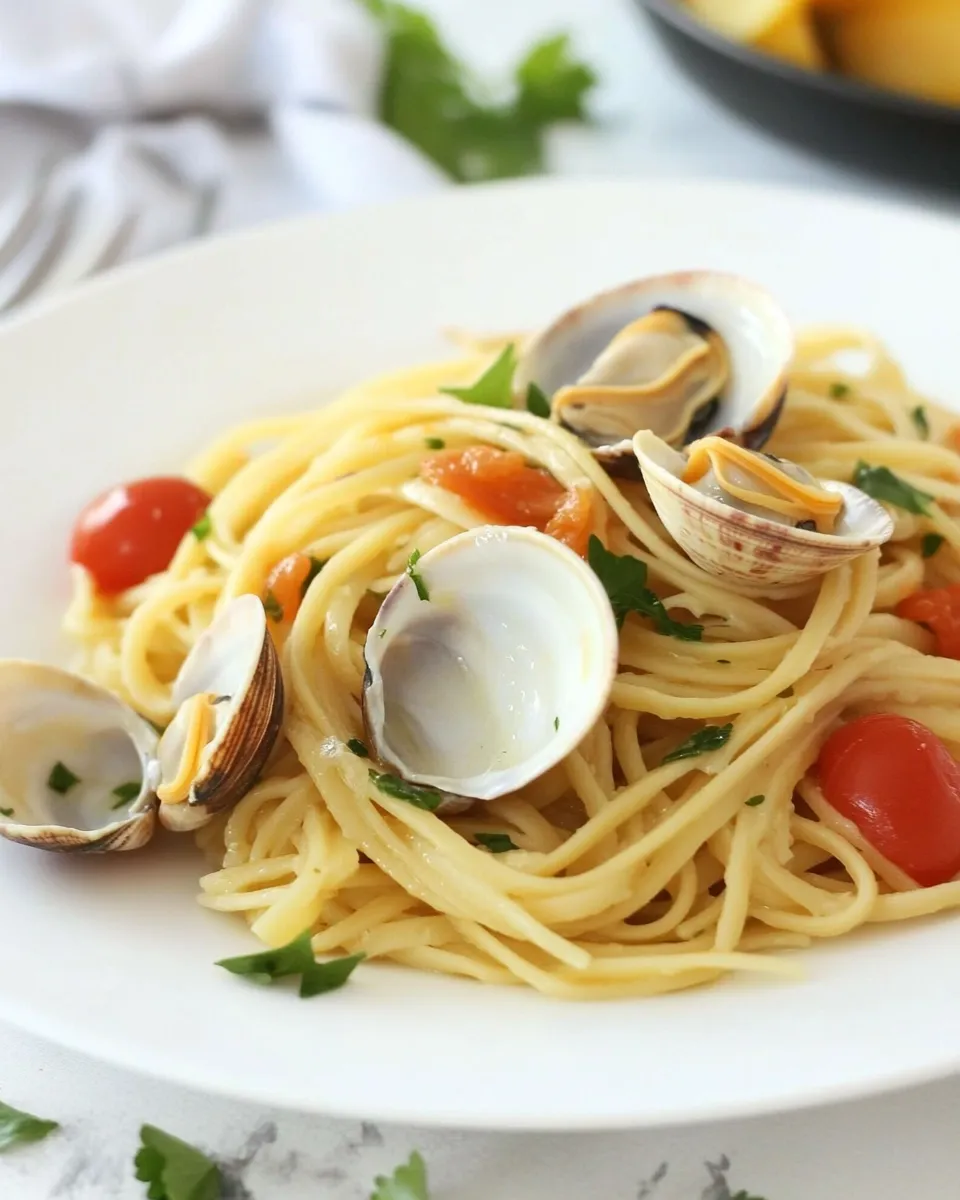
Linguine alle Vongole - Clam Linguine
Ingredients
Equipment
Method
- Bring a large pot of water to a rolling boil, add a generous pinch of salt, and cook the linguine until it is about halfway done according to the package directions. Reserve 1/4 cup (60 ml) of the pasta cooking water, then drain the pasta and set aside.
- Meanwhile, heat the extra-virgin olive oil in a large skillet over medium-high heat. Add the garlic (whole clove or minced as preferred) and the minced red chili if using, plus a little lemon zest, and sauté briefly until fragrant, about 30 seconds to 1 minute.
- Add the cleaned clams to the pan and sprinkle with half of the chopped thyme/parsley. Sauté the clams with the aromatics for about 2 minutes.
- Cover the skillet and cook until most clams have opened, about 2 minutes; discard any clams that remain closed. Remove and discard the whole garlic clove if used.
- Pour the pan juices through a fine sieve or cheesecloth into a bowl to remove any grit and set the strained clam liquid aside.
- Return the skillet with the clams to medium heat, add the partially cooked linguine, and pour in the reserved strained clam liquid. Toss and add reserved pasta water a ladleful at a time as needed to create a silky sauce and finish cooking the pasta until al dente.
- Remove from heat, sprinkle with the remaining lemon zest and chopped thyme/parsley, season with sea salt and freshly cracked black pepper to taste, and toss gently to combine.
- Serve immediately while hot.
Notes
- Rinse and soak clams in salted cold water for at least 1 hour to purge sand.
- Discard any clams that are cracked or remain open when tapped.
- Use a sieve or cheesecloth to strain clam juices to remove grit.
- If using a whole garlic clove, remove it before serving for a milder garlic flavor.
- Zest the lemon before juicing or slicing to preserve flavor.